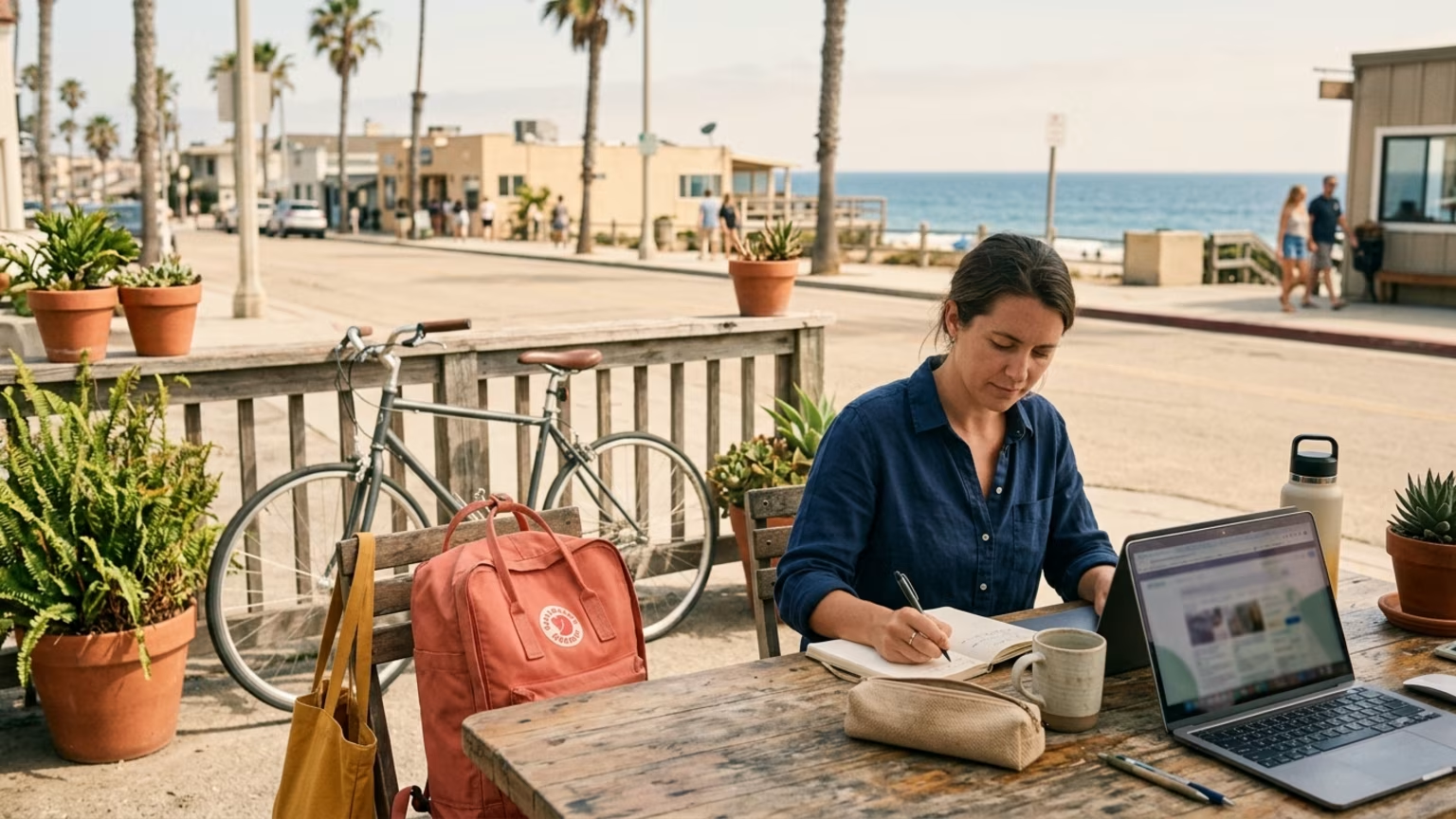
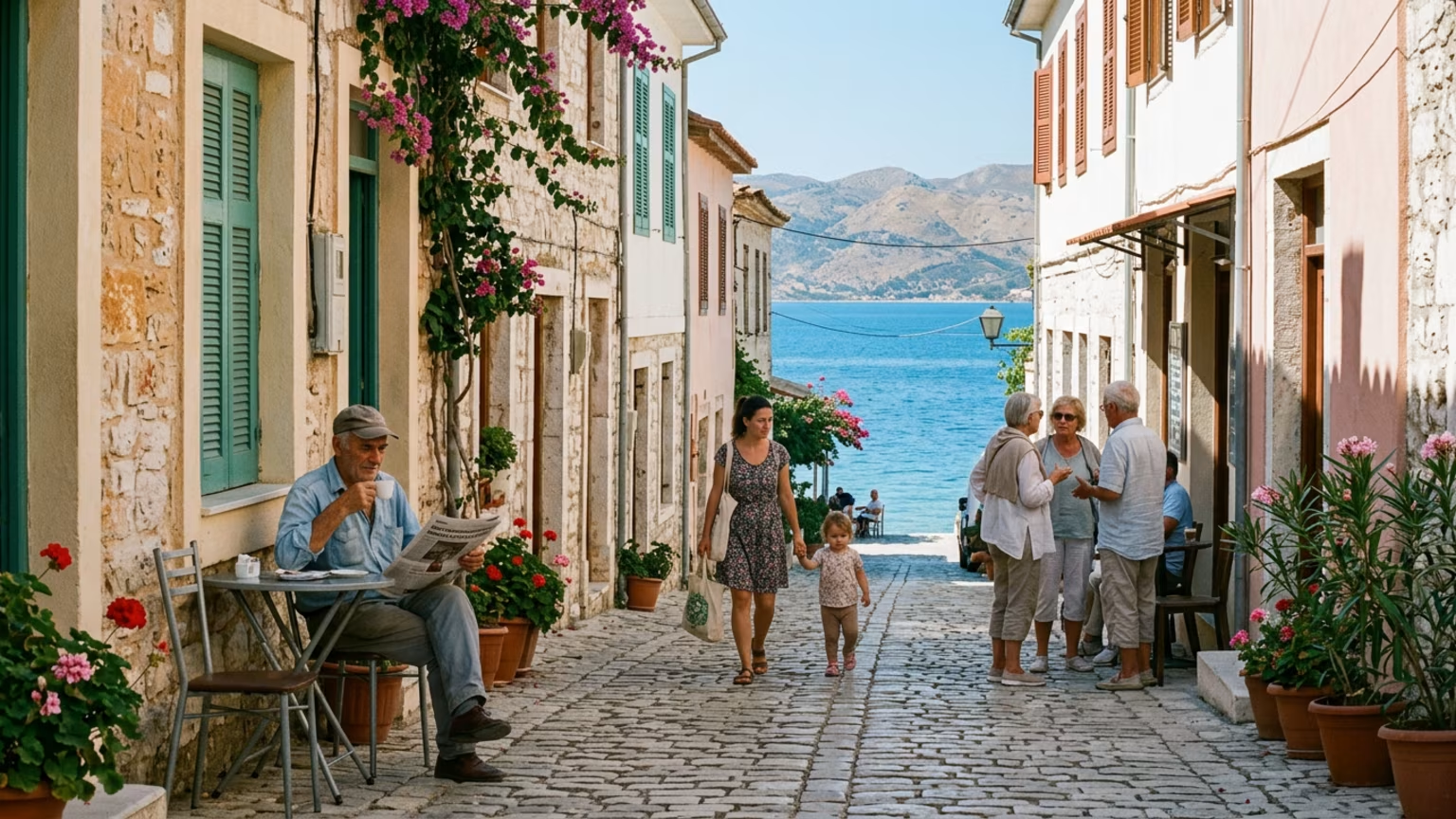
Representative image

Learn how to choose between working from home, a café, or a coworking space in Vlorë. Compare local internet speeds, venue rules, and seasonal workspace changes.





Can you actually maintain a professional remote-work routine in a seasonal coastal city? Setting up a functional daily routine requires more than just finding an apartment. Arriving in Vlorë often brings up an immediate practical anxiety about where to actually get things done. The tension between needing absolute focus and wanting casual human contact shapes every remote worker's day.
You need reliable internet and a comfortable chair, and you naturally want to avoid feeling isolated in a new environment. Deciding whether to work from a sea-view balcony, a local coffee shop near the Lungomare, or a shared desk dictates your entire weekly rhythm. The physical space you choose directly impacts your output and your mood. Let us look at the realities of choosing your local work base.
Starting with a home setup is the default choice for most newcomers. Securing a strong internet connection at home gives you a controlled environment for your daily tasks. A relocation guide from BalkanHome says fibre is standard in Vlorë. Their guide gives €15 to €25 per month as a price range for 100 to 300 Mbps speeds.
These speeds are generally sufficient for video calls and heavy file transfers. You should check the actual availability and pricing for your specific address before signing a lease. Building a reliable home base eliminates the daily rush to find a quiet table. It gives you immediate access to your own equipment and preferred lighting conditions.
Working strictly from your apartment does come with social trade-offs. A CNN report covered a study published in Science analyzing over a decade of national survey data. The researchers found that people living alone in remote-friendly jobs reported more social isolation and psychological distress than those in jobs requiring in-person work. The study did not measure actual remote-work status.
It simply points out the potential risks of a home-only routine. Staring at the same four walls can eventually drain your energy. Getting out into the city can help balance this isolation. You can mix home hours with strategic trips outside to maintain your momentum.
Moving your laptop to a spot near the promenade requires a practical checklist. Before you settle in for a full workday, check the actual noise level in the room. A café might seem peaceful at nine in the morning but turn loud by noon. The clatter of espresso machines easily travels through a microphone.
Sit in the chair and test the table height for a realistic, comfortable work session. Bad ergonomics will cut your workday short regardless of the view. You must locate an accessible power outlet before your battery runs low. Older buildings might lack convenient plugs near the best seating areas.
Run a speed test on the local Wi-Fi to confirm it can handle your daily tasks. It helps to ask the staff about their specific expectations for laptop users. Clarify any purchase requirements, ask about time limits, and check if taking calls is acceptable. Some venues welcome all-day workers, whereas others prefer quick table turnovers.
Taking these steps helps you evaluate if a spot truly fits your needs. You can learn more about configuring your setup by reading about designing your remote-work infrastructure. Doing your homework prevents frustrating interruptions later. Establishing a few verified spots gives you reliable backup options.
Relying entirely on external workspaces adds a layer of daily friction to your schedule. You have to pack your gear, commute to the venue, and secure a good seat. This daily transit consumes energy that you could otherwise spend on actual tasks. In a coastal city, the availability of these spaces changes throughout the year.
BalkanHome describes coastal coworking and remote-worker groups as seasonal. Their guide notes that cafés may serve as alternatives in the winter months. This seasonality means your favorite summer workspace might close or change its hours by November. The transition from high season to quiet winter shifts the local landscape entirely.
You cannot assume a shared workspace will maintain a consistent schedule year-round without checking locally. Transitioning to a winter routine often requires testing new spots or upgrading your apartment setup. Indoor seating becomes highly contested when the coastal weather turns rainy. Mapping out your long-term plan is easier when you understand the local digital nomad vs. remote settler timelines.
Adjusting your habits to fit the local calendar is part of settling in. Accepting flexibility helps you avoid the stress of rigid expectations. Your routine will naturally evolve as the city changes over the months.
External venues are rarely designed for absolute privacy. If your job involves confidential meetings or deep concentration, you cannot assume a café or shared desk will be suitable. Background music and nearby conversations can ruin a professional call. You have to test the specific venue to see if it supports your specific professional requirements.
Sometimes, a quiet apartment is simply the most practical tool for the job. A controlled environment prevents unpredictable background noise from disrupting your meetings. Working from home does not automatically mean a drop in your quality of life. CNN reports that a separate survey of roughly 7,700 healthcare employees found the highest positive well-being among fully remote workers in that study.
The right choice relies entirely on the nature of your tasks. When absolute focus is the priority, a dedicated home office often beats a shared environment. You can schedule your social outings for after your shifts end. Separating your intense task hours from your social hours often creates a healthier boundary.
Many professionals find that a hybrid approach works best for their schedules. They handle serious calls at their apartment and answer emails from a local spot. This strategy protects your output without trapping you indoors forever.
Replacing an office environment is less about the physical desk and more about the presence of other people. CNN reports that participants living alone in remote-friendly jobs spent 25 percent of days without social contact. This figure was over twice the rate seen among workers in non-remote-friendly jobs. Finding a space to simply be around others is a common strategy to counter this quietness.
Working near others provides a low-pressure form of human connection. You do not necessarily need a formal office to feel connected. Organizational psychologist Constance Noonan Hadley told CNN that participants in her research identified third spaces, including cafés and coworking spaces, as socially fulfilling. Just hearing ambient chatter can boost your mood on a slow afternoon.
Her colleague Tammy Allen cautioned that being physically present in an office does not guarantee positive interaction. Forced networking in a corporate building is not inherently better than a casual chat with a barista. A regular table at a neighborhood café might provide the casual contact you need. Over time, you start recognizing the same faces around your neighborhood.
Building these small daily interactions helps anchor you to the city. It turns a temporary destination into a familiar neighborhood environment. Connecting with local life often happens in these unstructured moments.
Choosing where to work in this coastal city comes down to matching your daily needs with local realities. A home base offers reliable privacy and controlled costs. It provides the quiet space necessary for serious output, but it requires deliberate effort to avoid isolation. Shared desks and coffee shops provide a change of scenery and casual human contact.
You must verify local internet speeds, test venue rules, and adapt to seasonal closures. Planning your routine around the city's actual rhythm prevents daily frustration. The lack of standardized, year-round corporate hubs is not a dealbreaker for most incoming remote workers. It simply requires you to be proactive about your setup.
Ultimately, the most successful approach involves blending these environments to fit your professional and personal life. Testing different spots will eventually help you build a realistic routine beyond the postcard. Finding the right mix takes a few weeks, but it pays off with a comfortable daily rhythm.
Structuring a reliable daily work environment is a fundamental operational decision for incoming remote workers, and Vlore Circle steps in to replace guesswork with concrete local support. We solve the problem of navigating Albanian bureaucracy for residency so you can legally establish your base without the usual friction. Through our Community Meetups, we organize in person social events and networking to build real life connections. Join our facebook group
Follow Vlore Circle for fresh guides, local updates, and community notes around life in Vlorë. It is the easiest way to stay close to what we are building.
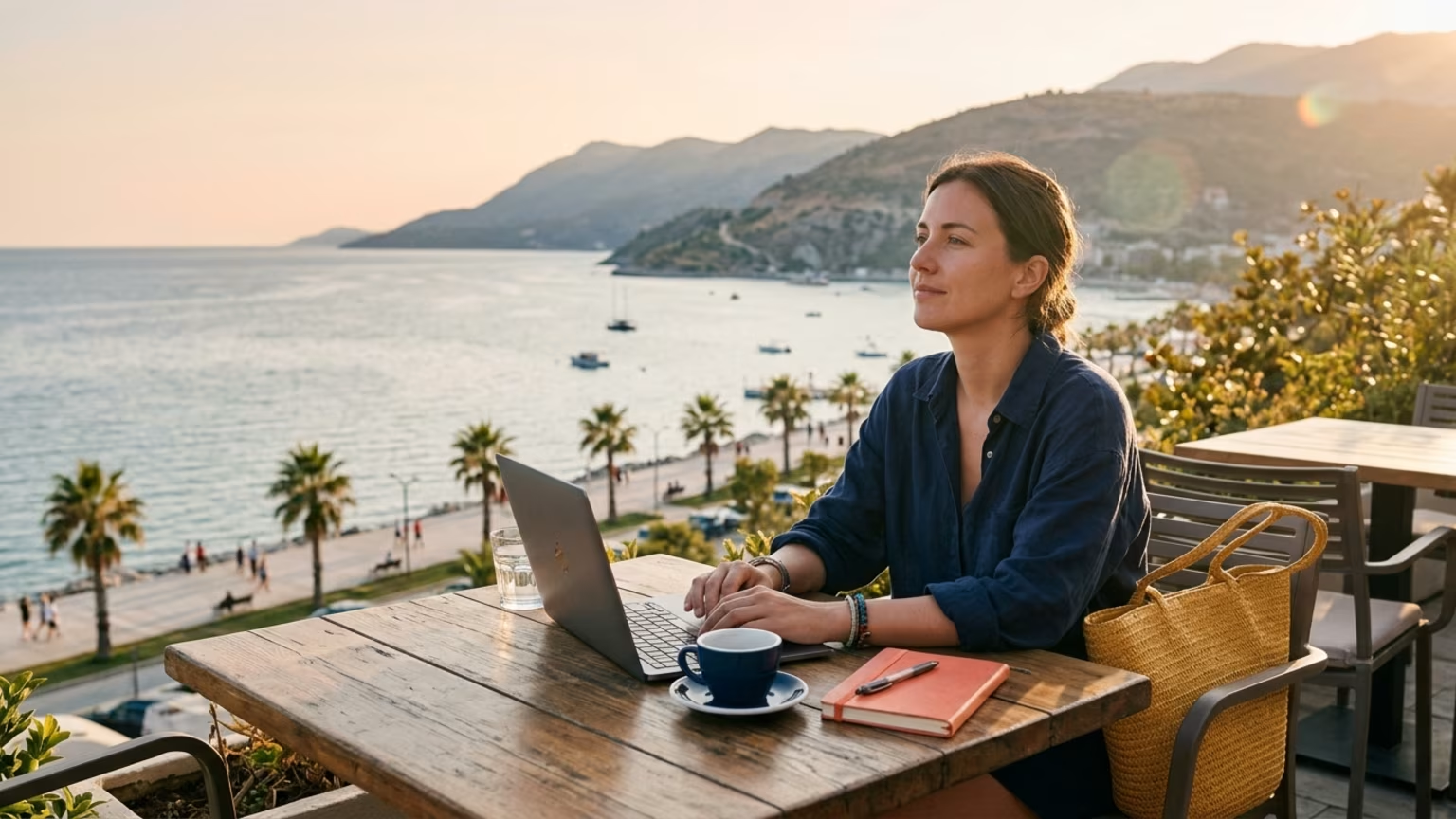
Learn how to build a sustainable remote work routine in Vlorë. We cover navigating seasonal closures, testing internet speeds, and organizing daily tasks.


Evaluate the practical challenges of relocating to Vlorë. Learn how bureaucracy, connectivity, and residency rules impact your long-term remote work plans.
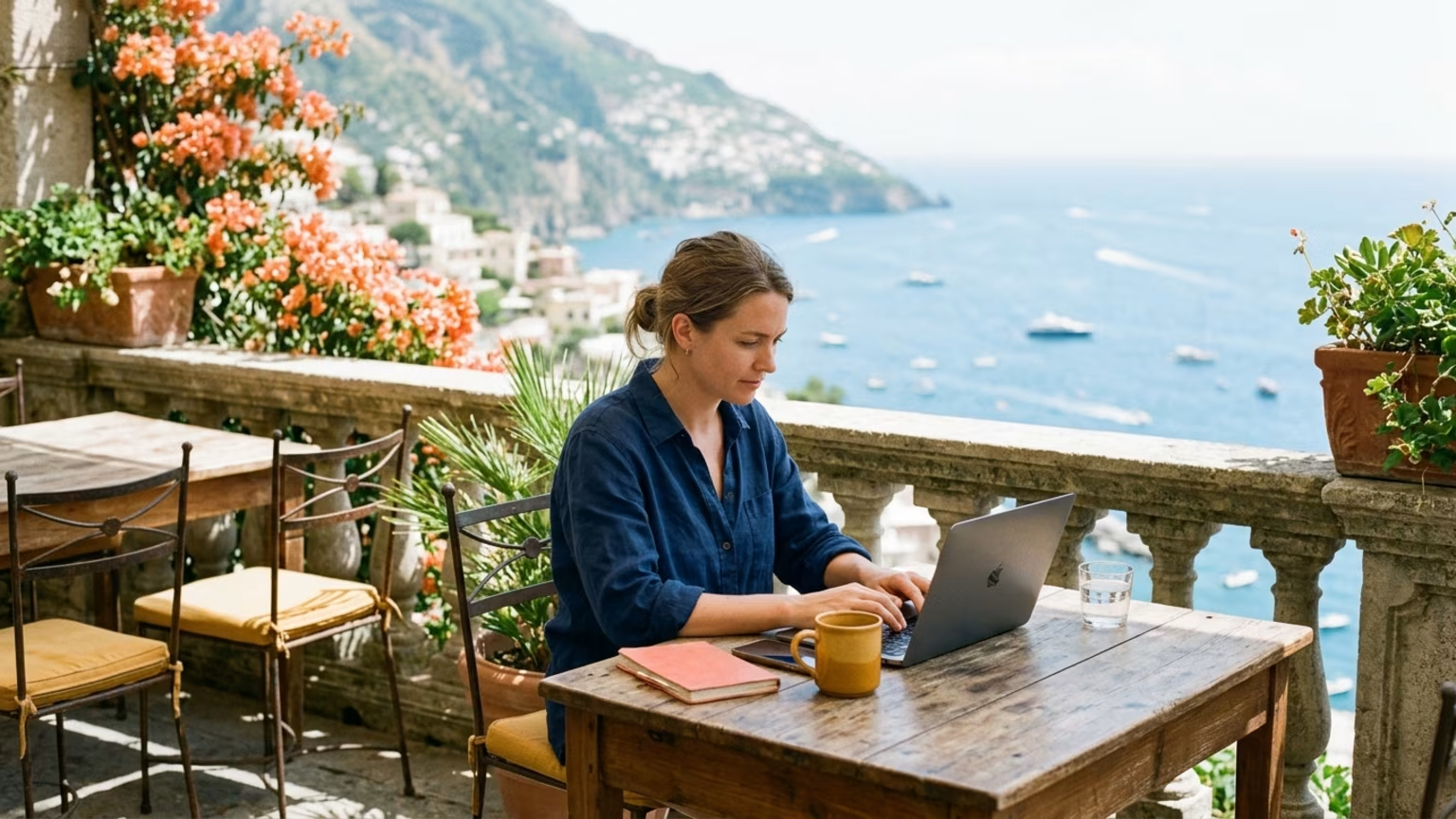
A breakdown of the growing work-cation trend and how remote professionals arriving in Vlorë can manage availability windows, protect off-hours, and maintain productivity.