Representative image

Master daily life in Vlorë with practical tips on local markets, public transport, and Albanian social customs. Learn how to thrive from day one.





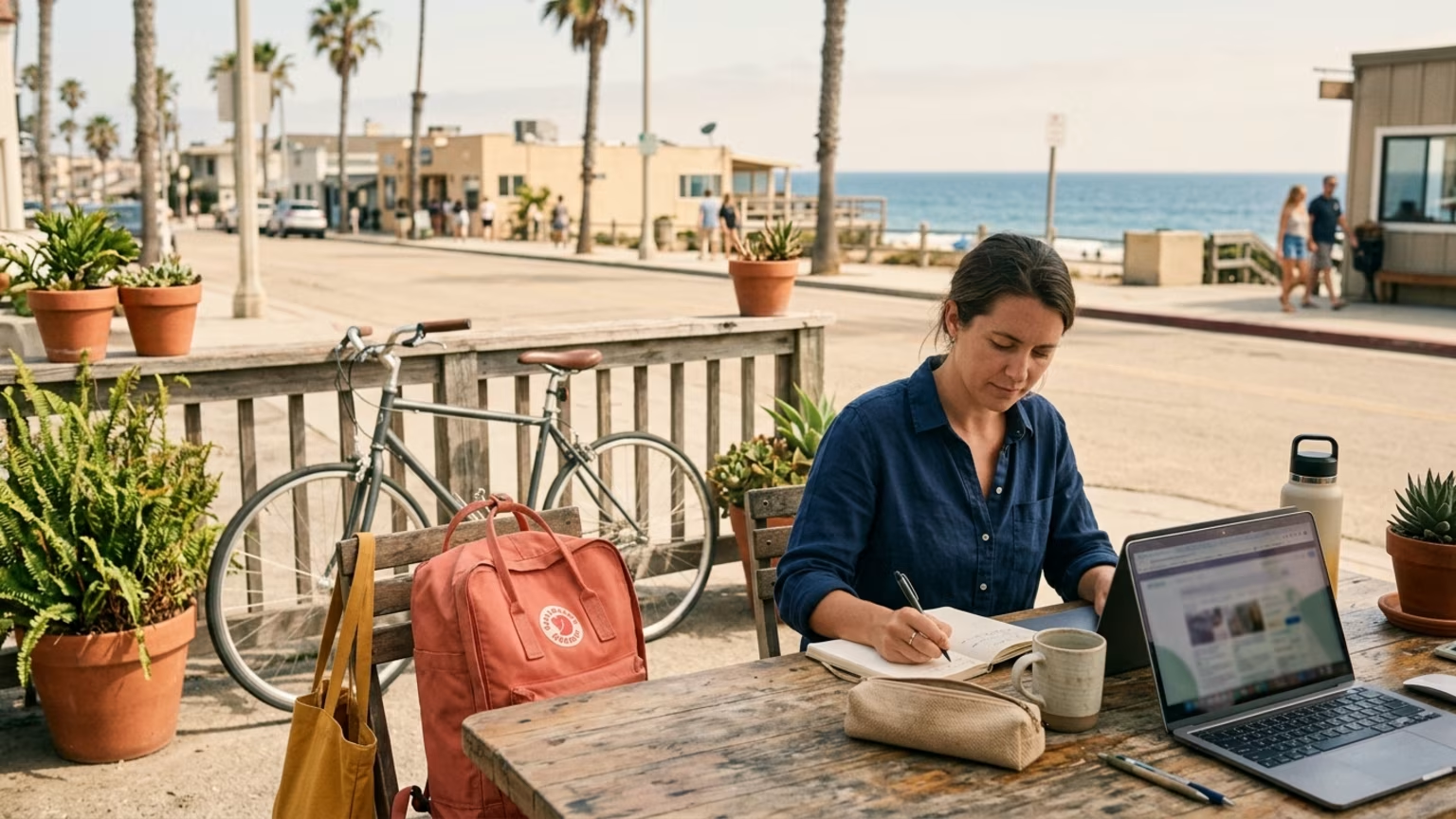
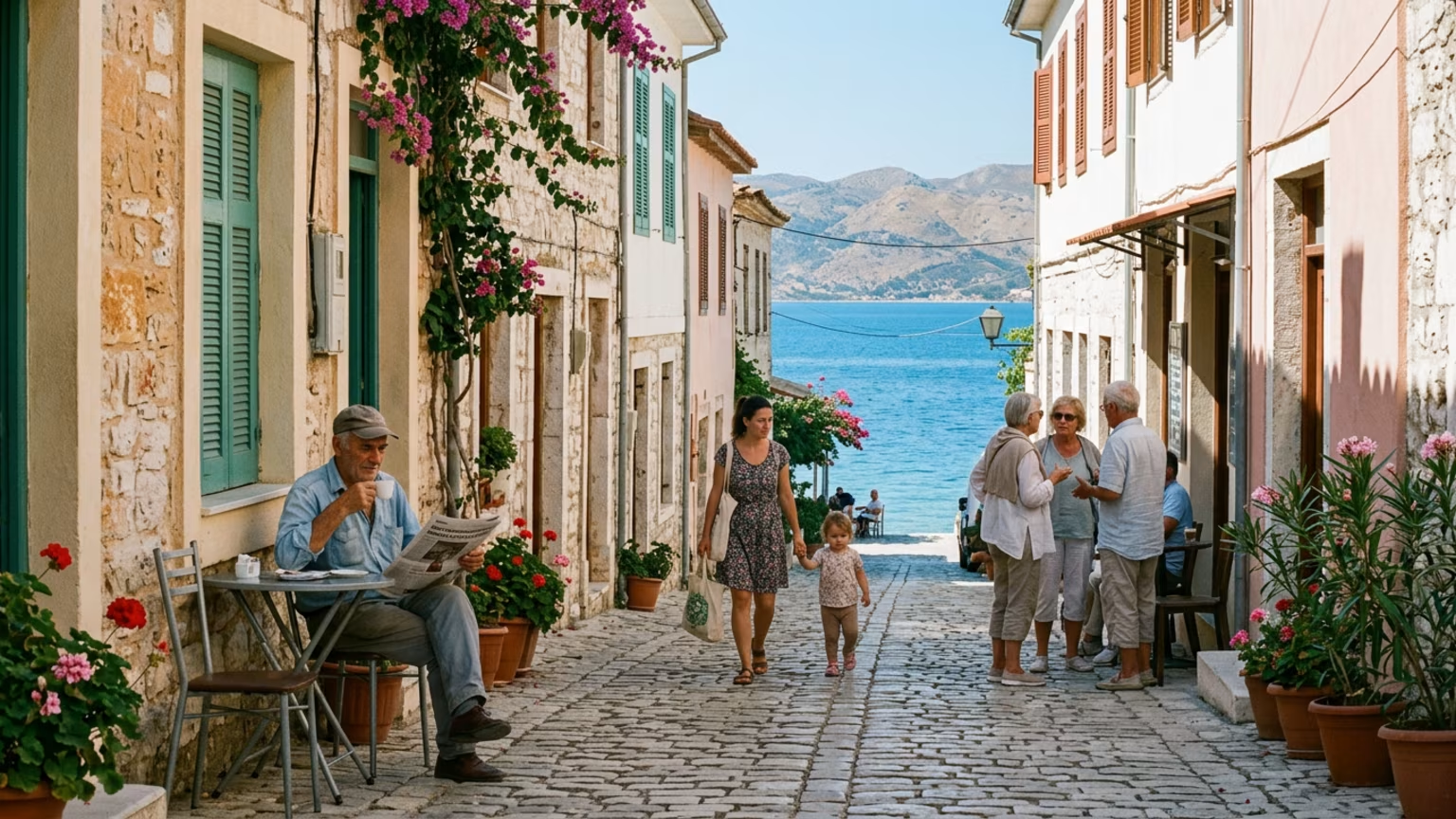
Vlorë's population now consists of 12 percent expats and remote workers. This recent demographic shift makes local knowledge highly valuable for daily survival. Settling into Vlorë requires trading western convenience for daily market runs, mastering informal public transport, and accepting sudden coffee invitations. Adapting to these daily rhythms turns initial culture shock into a predictable schedule.
Living in Vlorë brings a steep learning curve during the first month. Many people arrive expecting a polished digital nomad setup. The reality includes narrow streets, language barriers, and a cash-heavy local economy. You must learn new ways to buy food and commute around town.
The city is growing fast and attracting more permanent residents. Remote worker visas drew 2500 new people to the area recently. This influx puts pressure on local resources and changes neighborhood dynamics. It forces newcomers to adapt quickly to the Albanian way of doing things.
A major part of this adaptation is understanding local social expectations right away. You cannot rely on the same routines you used in your home country. Every trip to the store or bus stop becomes a mini lesson in local customs.
New residents quickly learn that large grocery stores inflate weekly budgets. Data from the Albanian Institute of Statistics shows 65 percent of households rely on daily market visits. Pazari i Ri is the central hub for fresh produce and meat. Recent figures show a kilogram of tomatoes costs 50 to 70 ALL at this market.
Buying those same tomatoes at imported supermarkets like Conad or Spar costs up to 120 ALL. Local food security experts note that large stores increase food budgets by roughly 25 percent. Dr. Elira Çanga recently stated that markets are the heartbeat of the city. They offer cheap prices but require early mornings and stamina for haggling.
Creating a proper shopping routine is a smart move for saving money. Step one involves waking up early. Arrive between 7 AM and 9 AM for the best selection of goods. Budget around 2000 to 3000 ALL per week for each person in your household.
Step two is bringing small cash notes. Step three is learning basic phrases like "Sa kushton?" to ask for the price. Step four is politely asking "Ul çmimin" to request a lower cost.
Tap water is not potable in Vlorë. Residents buy bottled water daily for drinking and cooking. You should plan to consume two to three liters per person. Peja brand water costs about 50 ALL for a six-liter bottle.
Sometimes you need groceries delivered directly to your apartment. Online delivery platforms like Glovo and Wolt recently expanded their services here. They cover 70 percent of supermarkets within the city limits. This provides a helpful backup option during heavy rain or busy work days.
If you structure a remote work schedule properly, you can balance market trips with app deliveries. Using delivery apps saves time on busy afternoons. You will pay a slight premium for this modern convenience. It is a smart trade-off for busy professionals living in the center.
Getting around Vlorë requires patience and a solid understanding of local transit. Furgons are local minibuses connecting the city center to the beaches. A ride costs between 20 and 50 ALL. They operate irregularly and usually arrive every 15 to 30 minutes during peak hours.
Local transport analysts point out that furgons offer an authentic local experience. They warn that taxis demand strict negotiation to avoid high costs. The standard city buses cover main routes like the path to Skelë. These rides cost exactly 40 ALL per trip.
Step one is finding the nearest bus stop. Step two is purchasing a multi-ride card to save cash. Step three is downloading the Bolt app for late-night rides. Step four is keeping small coins handy for the furgon drivers.
Bolt currently holds a 55 percent market share in the city. Using an app eliminates the need to haggle over taxi fares. You can share rides with other locals to cut your travel costs in half. Finding clever ways to save on groceries often offsets any extra transport fees.
Renting a scooter costs around 5000 ALL per month. Motorbikes provide a great way to avoid heavy congestion on Rruga e Flamurit. The average commute time is 25 minutes by bus versus 15 minutes by motorbike. Always wear a helmet and yield to larger vehicles.
Social media paints a perfect picture of Albanian coastal living. The actual daily experience requires managing chaotic traffic and infrastructure limits. Vlorë has roughly 45,000 registered vehicles for its residents. This high vehicle density creates heavy congestion during the morning rush.
Pedestrian safety requires constant awareness on the streets. Traffic accidents involving pedestrians rose 15 percent recently. This increase stems from common jaywalking habits and a lack of crosswalks. Public buses experience frequent delays during heavy rainstorms.
Taxis might overcharge foreigners who do not negotiate the fare upfront. The infrastructure is improving, but it remains a work in progress. Small earthquakes occasionally happen in this region. These minor tremors recently prompted upgrades to market hygiene and better-marked bus stops.
Expat coaches note that directness is highly valued here. They observe that culture shock usually peaks during the first month. Traffic issues and intense bargaining interactions often trigger this temporary frustration. Positives like the low cost of living far outweigh these minor negatives.
Data shows the cost of living in Vlorë is 45 percent below the European Union average. This financial benefit provides a huge cushion for newcomers. You can easily absorb the occasional "Albania tax" or unexpected fee. Keeping a 20 percent budget buffer helps manage these random expenses smoothly.
The Skelë area provides a perfect snapshot of these daily contrasts. Modern cafes sit right next to informal street vendors selling local goods. Walking along the main boulevard requires dodging parked cars and motorbikes. The proximity to the port makes this area incredibly active.
Skelë sits right on the main coastal road. It connects the busy port to the more relaxed beach areas. You will find a mix of modern coworking spaces and traditional bakeries. The neighborhood perfectly blends the old Albanian lifestyle with modern remote work culture.
Many newcomers choose Skelë for its central location and sea access. This convenience comes with higher noise levels and heavy foot traffic. You can easily catch a furgon from here to the quieter southern beaches. It serves as a practical testing ground for your commuting skills.
You will find a high concentration of English speakers in this district. The tourism boom brought 1.2 million visitors to the area recently. This influx means tourist zones like Skelë cater heavily to foreigners. Suburbs further inland remain entirely Albanian-speaking areas.
Managing your health requires knowing the right clinics. Public hospitals exist but often have long wait times. Private clinics like Hygeia Vlorë offer English-speaking doctors. A standard consultation at these private facilities costs roughly 5000 ALL.
Pharmacies are widely available on almost every major street. Pharmacists often speak basic English and can recommend standard medications. You should always bring your passport when purchasing certain prescriptions. Keeping a small first aid kit at home is a smart idea.
Adjusting to the local culture goes beyond learning a few basic words. Only 25 percent of the population speaks conversational English. Learning Albanian phrases helps build trust with vendors and neighbors. You should practice daily using apps like Duolingo.
Step one is memorizing five new words each day. Step two is greeting your neighbors every morning. Step three is accepting at least one coffee invitation per week. Step four is visiting the same market vendors consistently to build relationships.
Bargaining is completely expected at local markets. You should aim to negotiate 10 to 30 percent off the initial asking price. This practice builds rapport with the sellers over time. Albanians value directness and deep hospitality in their daily interactions.
Expect sudden coffee invitations from new acquaintances or shop owners. Accepting these short breaks builds your local network quickly. It is the fastest way to integrate into the neighborhood. Join the community to meet other newcomers learning these exact same social rules.
The concept of "besë" or word-of-trust governs many local interactions. A handshake agreement holds significant weight in Albanian culture. Building trust takes time, consistency, and genuine respect for local customs. You must treat vendors and neighbors with common courtesy.
The biggest mistake new arrivals make is fighting the local pace. If a bus is late or a store is closed, do not stress over the delay. Use that time to grab an espresso at the nearest cafe. Your stress levels will drop the moment you accept the Albanian timeline.
That 12 percent expat population is slowly learning to trade tight schedules for neighborhood connections. The daily market runs and minibus rides eventually transform from stressful hurdles into comforting routines. Getting used to life in Vlorë takes time, patience, and a willingness to adapt.
Follow Vlore Circle for fresh guides, local updates, and community notes around life in Vlorë. It is the easiest way to stay close to what we are building.

An October weather update warns of moderate rainfall and potential urban flooding in Vlorë. Learn how to navigate local infrastructure and neighborhood risks.


Understand the legal realities of moving to Vlorë with this guide on entry visas, residence permits, and remote work authorizations for new arrivals.
A practical guide for expats moving to Vlorë covering visa-free entry rules, remote work authorizations, and how to navigate the e-Albania permit process.