Representative image

A practical, no-nonsense guide to healthcare, visas, banking, and connectivity in Vlorë. Learn how local systems actually work for incoming expats.





On July 23, 2026, the idea that a coastal relocation means escaping modern bureaucracy is completely false. The latest updates to the e-Albania portal prove that living near the beach demands serious logistical planning. Settling here involves real effort and strict organization from day one. This strict reality directly impacts long-term expats and remote workers planning a permanent base.
Digital nomads looking to set up laptops in a coastal cafe must treat this process seriously. Short-term visitors staying for a quick summer holiday can skip these heavy administrative tasks. U.S. citizens planning a long stay must pay close attention to the shifting local requirements. The days of moving abroad without a solid paper trail are over.
Getting to the city requires a clear plan and realistic expectations. As reported by the Albania Guidebook, as of late July 2026, Vlora International Airport still is not flying. Many newcomers mistakenly assume they can book a direct flight to the coast this year. The reality is much less convenient for incoming residents.
The summer charter programme was cancelled completely. The first commercial flights are now pointed at 2027. Tirana International Airport remains your only way in by air. Landing in the capital means you must plan for a separate two to three hour drive south.
Arranging a private transfer or a direct bus from Tirana is your best option right now. Trying to find last minute transport after a long flight is frustrating and exhausting. Planning this step ahead of time removes a major point of friction. The drive itself offers a beautiful view of the coastline as you approach the city.
Once you arrive near the main promenade, the transport realities shift again. Walking is the easiest way to get around the central neighborhoods. Renting a car is helpful for weekend trips, but parking near the beach is tight. Most remote workers rely on local taxis for longer trips across town.
Traffic along the coastal road gets heavy during the peak summer months. Planning your initial arrival for a weekday morning helps you avoid the worst congestion. The main bus terminal drops you right near the center of town. Having small cash ready for a short taxi ride to your apartment is highly recommended.
Securing long-term residency requires proving your financial stability to the local government. The Albanian nomad permit is one of Europe's most accessible options right now. According to Albania Routes, consultants report a practical minimum earnings threshold of approximately €9,800 annually for digital nomad permit applicants. You must show consistent income from sources outside the country.
U.S. citizens have a unique advantage when planning their timeline. As Express Global Employment notes, they can enter and work in Albania for up to one year without a visa. American passport holders are exempt from the standard labor market test during this time. They must still finalise their residency registration with the police to stay compliant.
Staying beyond that first year requires the official Unique Permit. Applications are submitted via the e-Albania portal. The platform now allows for collective processing for teams hiring multiple employees simultaneously. Gathering documents early is a smart strategy for a smooth transition.
Learning about taxes and visas for remote workers helps you avoid late penalties. Keeping your financial records organized makes the online application much smoother. A notarized lease for a local apartment is another mandatory piece of the puzzle. Landlords in the popular coastal neighborhoods are very familiar with this paperwork.
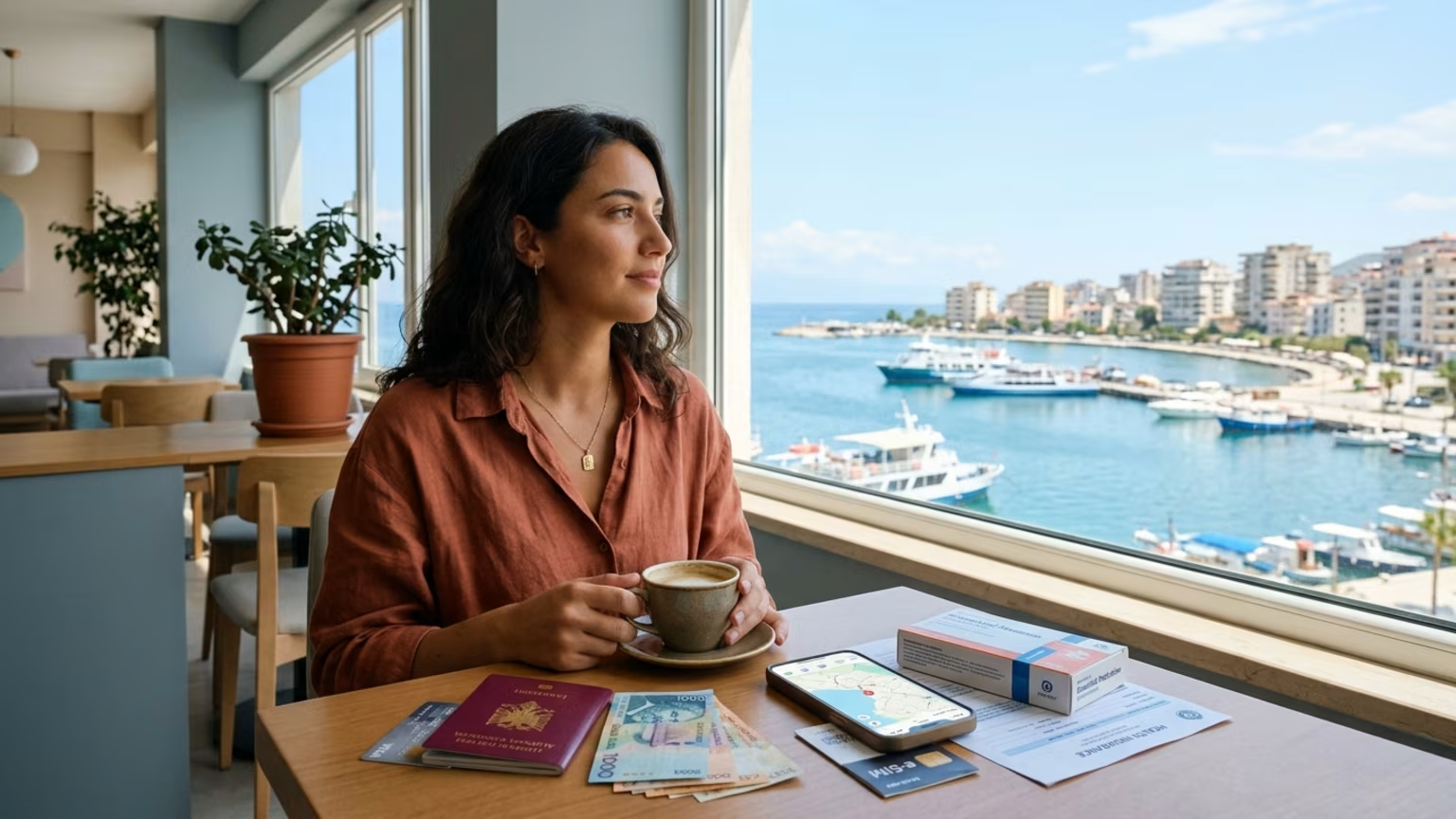
Health coverage is a strict legal requirement for your residency application. The local immigration office requires proof of active medical insurance before processing your file. According to the Albanian Blogger expat guide, you must secure a policy with a minimum coverage of €30,000 for your application. This insurance must remain valid for the entire duration of your stay.
Relying solely on out-of-pocket payments is a risky strategy for long-term residents. A solid private policy gives you access to private clinics with English speaking staff. Understanding the balance between public clinics, private care, and insurance coverage is a major part of living here. Secure your policy before you even book your flight to the country.
Public hospitals provide baseline care, but wait times are often long. Expats usually prefer booking appointments at private facilities near the city center. These private centers offer faster service for routine checkups and minor emergencies. Having a reliable doctor on your contact list brings immediate peace of mind.
Prescription medications are available at local pharmacies scattered along the main streets. Pharmacists are often highly trained and speak excellent English. You should still bring a small supply of your specific daily medications from home. This buffer gives you time to find a local equivalent without panicking.
The national digital portal handles almost every official request. Uploading documents to the e-Albania portal is mandatory for your residency permit. The system can be notoriously glitchy and difficult for non Albanian speakers to read. Many residents hire a local facilitator to manage the online submission process.
Your criminal record check must be apostilled in your home country before submission. A certified Albanian translator must translate this document locally. Trying to rush this specific paperwork often causes massive delays in the application timeline. Start this process at least three months before your planned move.
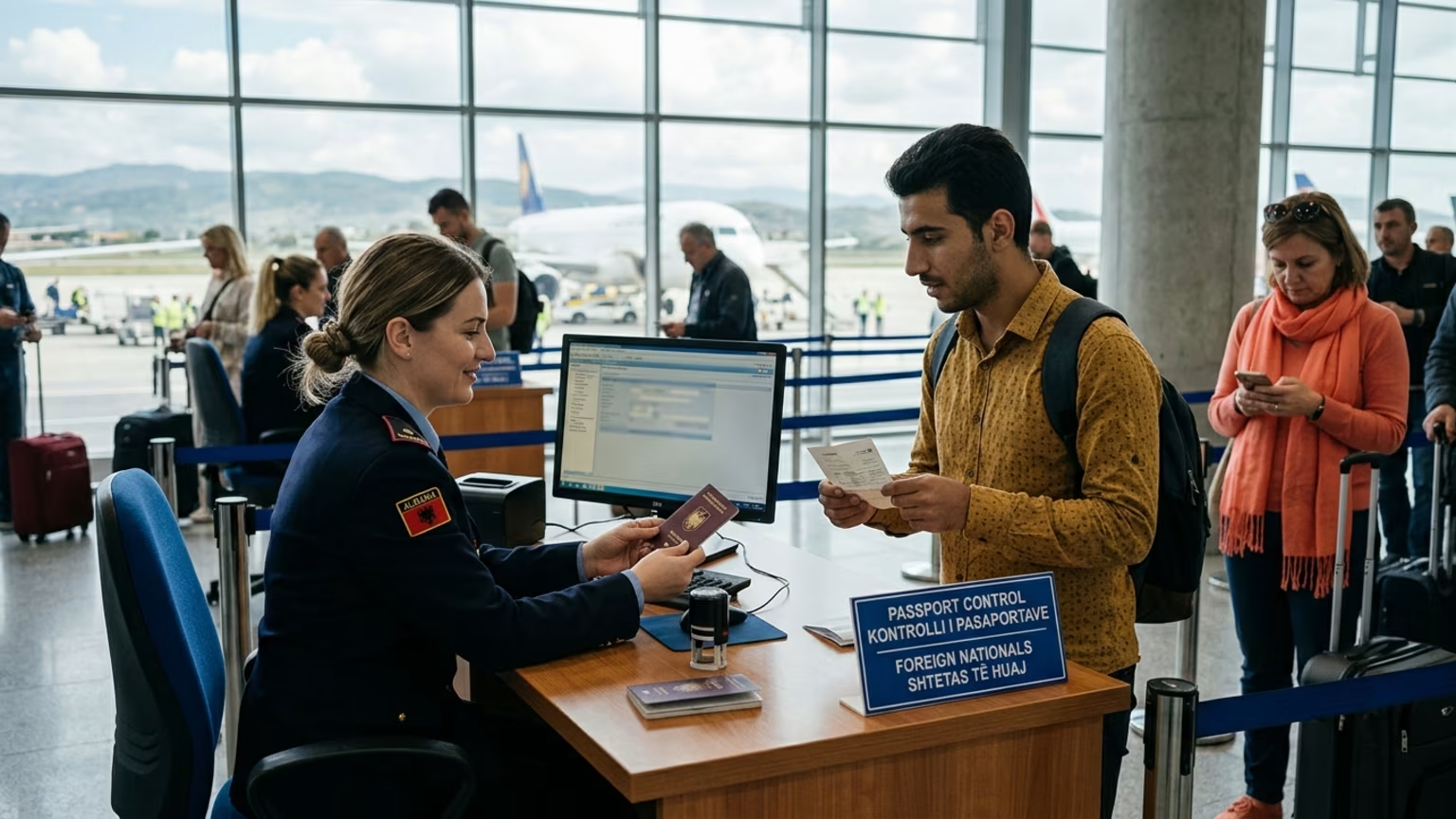
After your online file is accepted, you must attend an in-person biometric appointment. This meeting happens at the local police station near the port area. The officers will collect your fingerprints and verify your original documents. Missing this appointment means starting the entire digital process from scratch.
Processing times change wildly based on the season and staff workload. The law suggests a quick turnaround, but reality dictates a much longer wait. Staying patient and keeping copies of every submitted paper is your best defense. Checking the portal weekly helps you catch any unexpected requests for more information.
Paying local fees and utility bills requires a local bank account. Setting up a local account is often required to renew your residency permit. Major banks operate branches right in the city center near the main promenade. Opening an account requires your passport and a copy of your notarized local lease.
American citizens face extra paperwork opening a local bank account. Federal compliance rules force local banks to ask for additional tax forms from Americans. Asking the vlore circle community for bank branch recommendations saves a lot of time. Having a local card makes paying for daily groceries much easier.
Cash remains king for small purchases at local markets and cafes. Keeping small bills in your wallet is a daily necessity for buying morning coffee. Large supermarkets and modern restaurants will gladly accept your foreign credit card. A local bank account simply reduces the heavy ATM fees over time.
Internet connectivity is the final piece of your local setup. Fiber optic lines run through most of the newly developed coastal neighborhoods. You should ask your landlord to verify the internet speed before signing a lease. A stable connection is non-negotiable for remote workers holding daily video calls.
Securing a long-term rental is the foundation of your relocation strategy. The police require a notarized rental contract to process your residency file. Finding a suitable apartment near the beach requires walking the neighborhoods in person. Relying entirely on online listings often leads to paying inflated tourist prices.
A standard local lease outlines your monthly rent and utility responsibilities. You must visit a public notary with your landlord to make the document official. The notary stamps the paper to prove your residence to the immigration office. Skipping this formal step will result in an immediate rejection of your visa.
Connecting with other expats through vlore circle helps you find trusted local landlords. Word of mouth is still the most reliable way to secure a fair price. Asking neighbors about winter heating costs is a smart move before signing anything. The coastal wind makes proper apartment insulation a major priority during the colder months.
With your stamped lease in hand, your paperwork puzzle starts to come together. This single piece of paper connects your bank account, internet setup, and visa application. Guard your original notarized copies carefully in a safe folder. You will need them constantly during your first six months in town.
Taking action right now prevents headaches later. Following a clear plan keeps your relocation on track.
The upcoming year will test the local infrastructure as more remote workers arrive. Changes to the digital portal are likely as the government refines the application process. Setting realistic expectations today makes the long wait for coastal flights much easier to handle. The city rewards those who plan carefully and accept the slow pace of change.
Follow Vlore Circle for fresh guides, local updates, and community notes around life in Vlorë. It is the easiest way to stay close to what we are building.
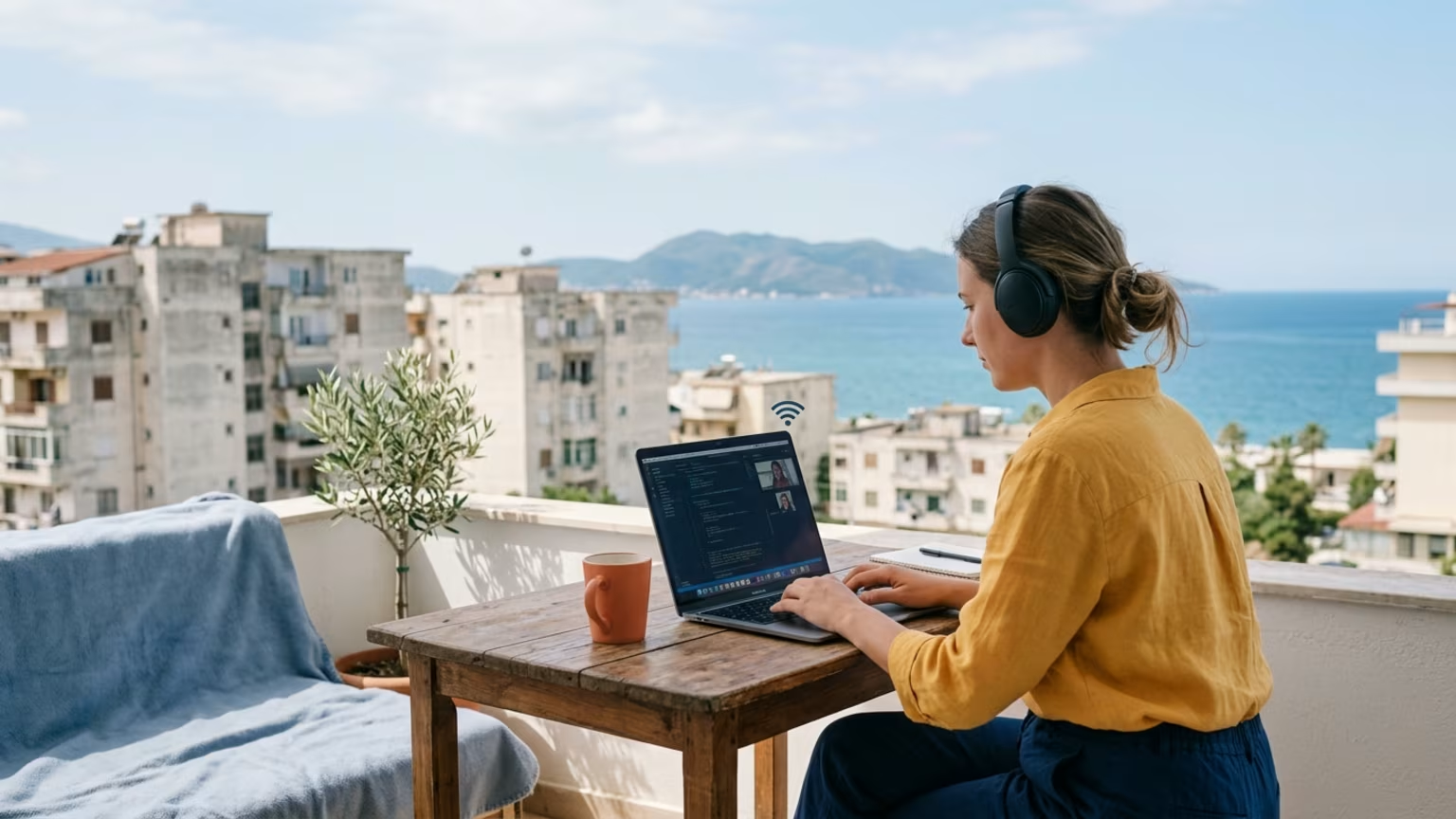
Assess Vlorë as a reliable remote work base. Learn how to verify fixed-broadband speeds, secure mobile data backups, and prepare for daily workflow challenges.


Relocating to Vlorë as a remote worker requires careful planning. Follow this practical settlement guide covering unique permits, health insurance, and local leases.
Learn how to secure a genuine 12-month residential lease in Vlorë. This practical checklist helps newcomers verify ownership and avoid seasonal rental traps.