Representative image

A breakdown of the new September climate guide for Vlorë, covering exact temperature drops, crowd data, and business hours for expats and remote workers.





On August 31, 2026, Albanian Horizons published a new climate and crowd guide detailing specific coastal conditions for Albania. The report draws on official border data and satellite information to clarify the transition from summer into early autumn. It uses multi-year NOAA and Copernicus Marine Service data to project expected sea temperatures. The publication maps out exact daylight hours, rainfall expectations, and regional temperature averages for the month.
For people renting near the old town, these numbers replace vague seasonal advice with hard data. Understanding these shifts is a core part of mastering your climate preparation for the year ahead. The information helps residents manage their expectations regarding everything from beach crowds to café operating hours.
This data directly impacts remote workers, permanent expats, and retirees who base their daily routines in Vlorë. Short-term visitors can treat early autumn as a brief holiday extension. Long-term residents must actively adjust their schedules around shifting business hours and changing weather patterns. This information dictates how you manage your first few weeks on the coast.
Evaluating different neighborhood structures becomes much easier with accurate climate data. The guide holds direct relevance for individuals who rely on local beach infrastructure for their daily exercise or socializing. Remote professionals planning to work from coastal cafes need to know when those venues might lock their doors. Retirees who walk the promenade every morning will find the temperature comparisons crucial for timing their outings.
Digital professionals managing international time zones face unique scheduling challenges during this transition. Decreasing daylight hours mean evening conference calls might happen entirely in the dark by late September. Temporary tourists looking for a quick weekend trip can ignore the long-term implications of these operational shifts. Permanent residents need to integrate these statistical realities into their daily lives.
The transition period creates specific logistical hurdles for anyone managing a household on the coast. Parents organizing school routines need to know exactly when the extreme summer heat breaks. Digital nomads working from short-term rentals must gauge when the loud beach clubs will finally lower their music volume. Knowing that the crowds thin out heavily during the final week allows you to plan deep-focus work blocks accordingly.
The practical reality of September in Vlorë involves balancing lingering summer heat with gradual business closures. The guide estimates a daytime temperature of 28.8°C in Vlorë. This stands in contrast to the 28.1°C average recorded for Tirana. Nighttime brings a noticeable difference between the coast and the capital.
Vlorë sees average overnight temperatures of 17.7°C, compared with 15°C in Tirana. These warmer evenings make late dinners along the coastal road much more comfortable than they are inland. The reliable evening warmth allows expats to extend their outdoor socializing later into the season. You can comfortably plan gatherings at outdoor venues near the marina without requiring heavy winter layers.
Sea conditions remain favorable for daily swimming routines well into the month. September water temperatures sit between 24.5°C and 25.2°C, according to the varying datasets reviewed in the guide. This is only a slight drop from the August peak of 25.6°C. The report notes that one satellite-based figure places September exactly at 25.2°C.
The consensus across all reviewed sources confirms that the water stays warmer now than it does in June. You can confidently keep a morning swim at Plazhi i Ri in your schedule. Maintaining strict daily schedules depends on knowing these exact water temperatures. The sea retains enough warmth to support extended swimming sessions without a wetsuit.
The guide notes that exact water temperatures vary depending on the monitoring source. The article’s sources disagree by as much as 0.7°C on the September sea temperature. This difference remains small for general planning purposes. It justifies treating the water warmth as an approximate range rather than a guaranteed daily metric.
The crowd levels present a different reality than the traditional idea of a quiet shoulder season. The guide cites official INSTAT border data showing 1,259,684 foreign arrivals in September 2025. This figure represents an almost 10% increase over the arrivals recorded in September 2024. It makes the month approximately 28% busier than May, which saw 987,077 arrivals.
Early September retains near-peak coastal density and prices that hover close to August rates. A noticeable shift in the local rhythm happens around 10 September. The reduction in crowds becomes much more pronounced during the final week of the month. Finding a quiet spot near the Lungomare requires less effort as the month progresses.
Beach clubs, sunbeds, and boat trips typically continue to operate throughout all of September. Smaller businesses often shorten their hours after the middle of the month. A minority of these coastal operators will close their doors completely during the final week. You must verify individual cafe hours before planning a remote work session away from your apartment.
Rainfall and daylight changes require further schedule adjustments. The guide outlines approximately nine hours of sunshine and five wet days during September for Tirana. This brings around 60 millimetres of rainfall across the month. October brings a sharper operational transition, featuring approximately 105 millimetres across seven days in the capital.
Daily sunlight decreases from just over 13 hours at the start of September to slightly under 12 hours by the end. This reduction shifts the optimal window for afternoon outdoor activities earlier in the day. Sunsets move noticeably earlier throughout the month. This shift cuts into the traditional post-work window for long promenade walks.
Regional transport remains highly active for those planning weekend trips away from Vlorë. The Koman ferry stays in full daily service during this period. Further south, the Corfu-Sarandë ferry operates at peak frequency, offering up to approximately 13 or 14 crossings per day. The annual comparison table lists Sarandë sea-temperature estimates at 24.5°C to 25.2°C alongside Tirana's 25.1°C daytime average.
The transition into October will test which coastal businesses have the financial stamina to remain open through the heavier autumn rains.
Adapting your early autumn routine around changing coastal weather data requires clear operational facts. Solving the problem of Discovering reliable internet and coworking environments happens much faster when you share insights with local peers. Vlore Circle hosts Community Meetups: In person social events and networking to build real life connections. Join our facebook group
Follow Vlore Circle for fresh guides, local updates, and community notes around life in Vlorë. It is the easiest way to stay close to what we are building.

Learn how to inspect an apartment in Vlorë for year-round living. Find practical tips on verifying lease dates, winter heating, utilities, and internet setup.


CNA reports IGJEUM's forecast of intense rainfall and thunderstorms for Vlora on October 10 and 11, warning of potential urban flooding tied to drainage grids.
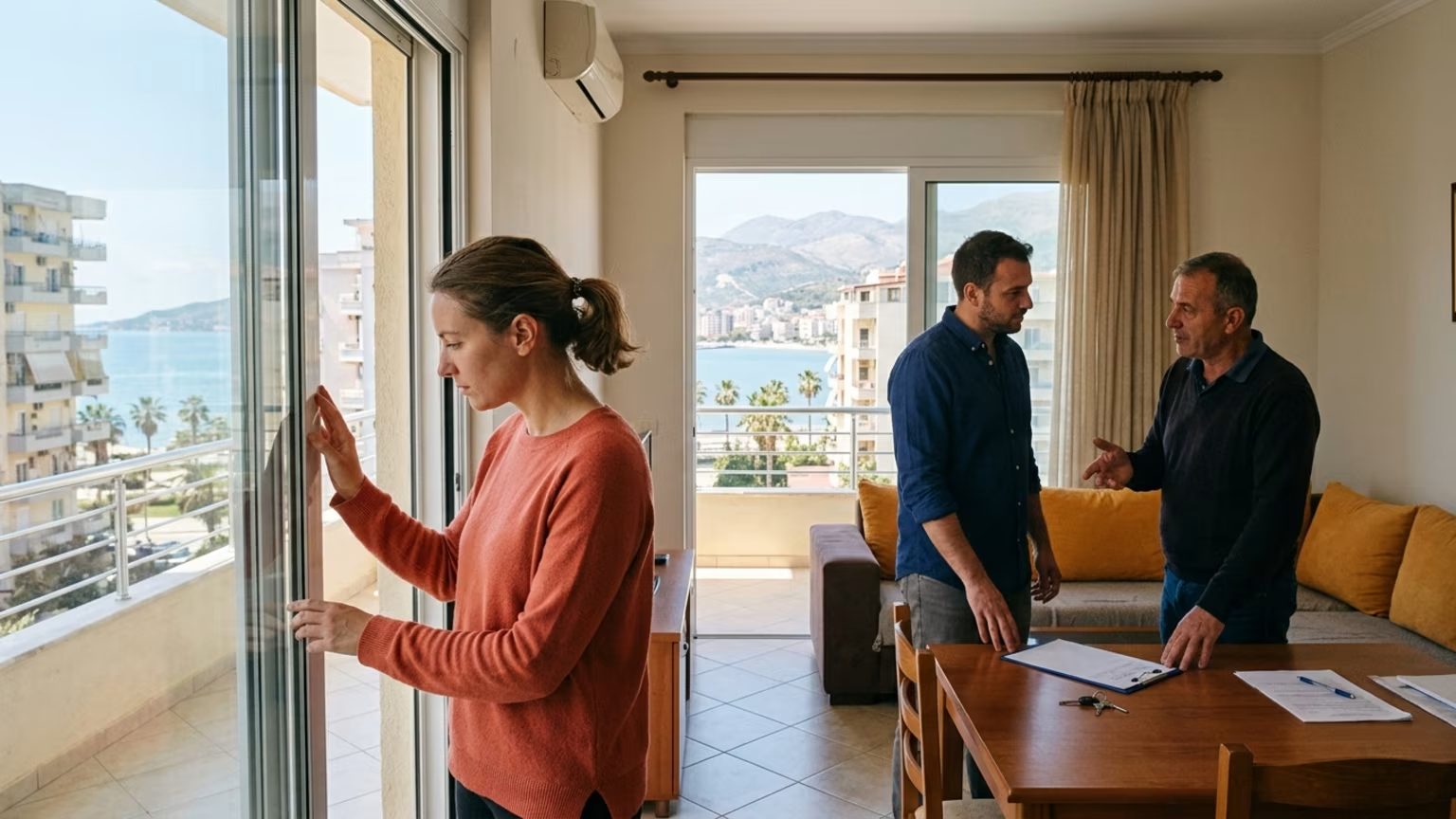
Learn how to assess a Vlorë apartment for true year-round availability. We cover what to check regarding summer leases, utility costs, and contract details.