Representative image

Learn how to move beyond Vlorë's tourist beach culture. Master practical steps for building a routine, supporting local shops, and respecting local rules.





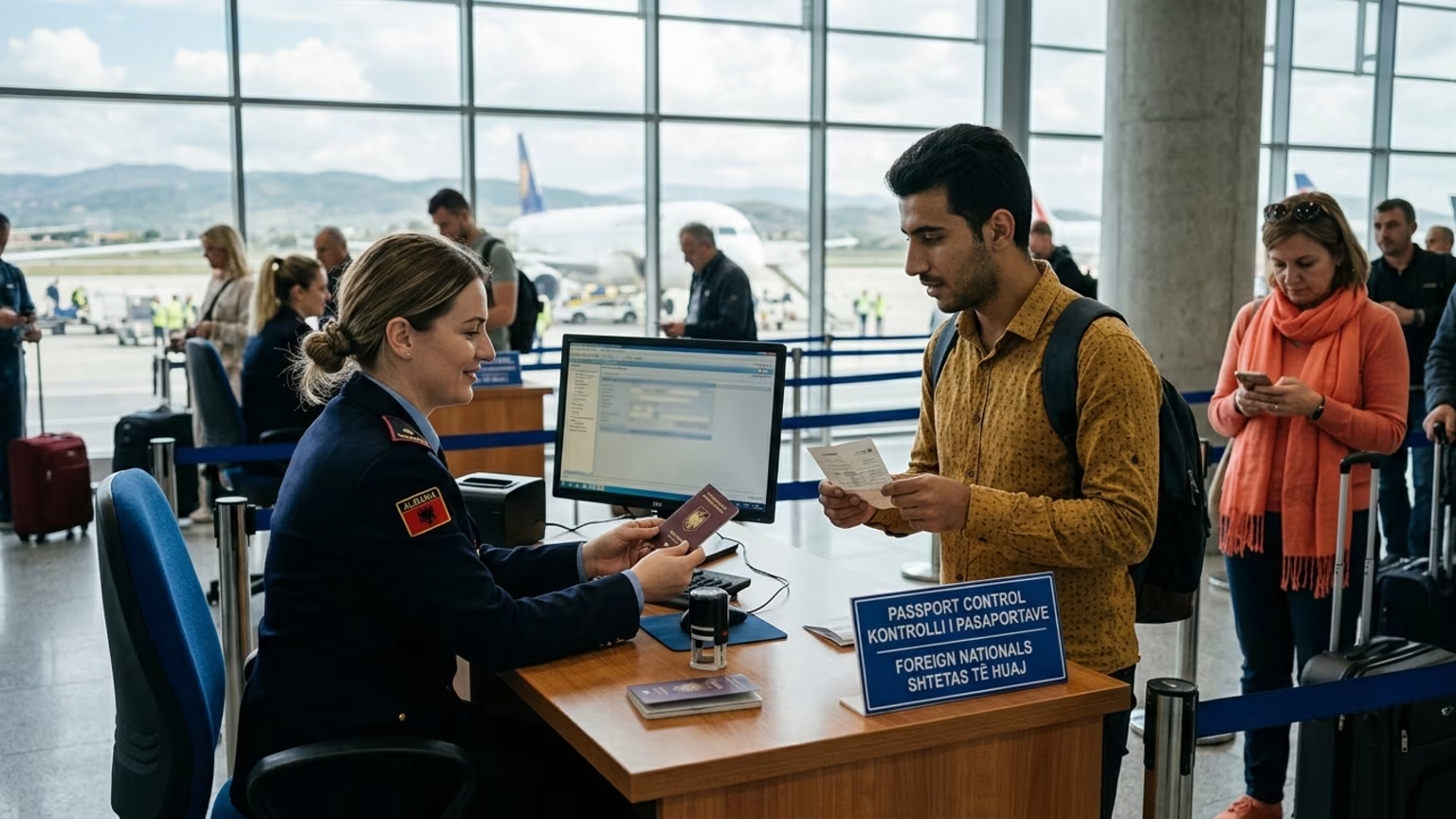
Trying to blend in is the fastest way to look like an outsider. The coastal season dictates its own rules, but the actual city operates on a completely different rhythm. INSTAT reported 12.47 million foreign visitors to Albania in 2025. That figure represented a 6.6% increase from the previous year.
Expats often arrive with expectations shaped by travel magazines and quick weekend itineraries. They quickly realize that buying a coffee at a beachfront hotel does not buy you a community. The transition from tourist to resident is a deliberate process that requires time and humility.
With these record numbers, newcomers constantly ask how they can stop being treated like temporary guests. They want to know how to transition from holidaymakers into functioning members of the local neighborhood. Can an expat or remote worker actually become part of the everyday fabric here?
Tourism growth puts immense pressure on coastal areas and their residents. INSTAT data reported more than 5 million foreign-national arrivals in Albania during the first half of 2026. This was up 6.2% from the same period of 2025. In June 2026, 98% of foreign entries into Albania were recorded as being for personal purposes.
This specific category includes holidays, family visits, and transit. If your entire routine revolves around the promenade, you are just another face in that crowd. The distinction between seeing a place and participating in it starts when you step inland. Foreign visitors increased from roughly 4 million a decade ago to about 12 million in 2025, according to Which?.
The sheer volume of visitors creates an overwhelming environment for the hospitality sector. It is easy to get lost in the seasonal machinery if you do not actively step out of it. Finding your own quiet corners in the city provides a much-needed mental break. This distance helps you appreciate the region for what it actually is year-round.
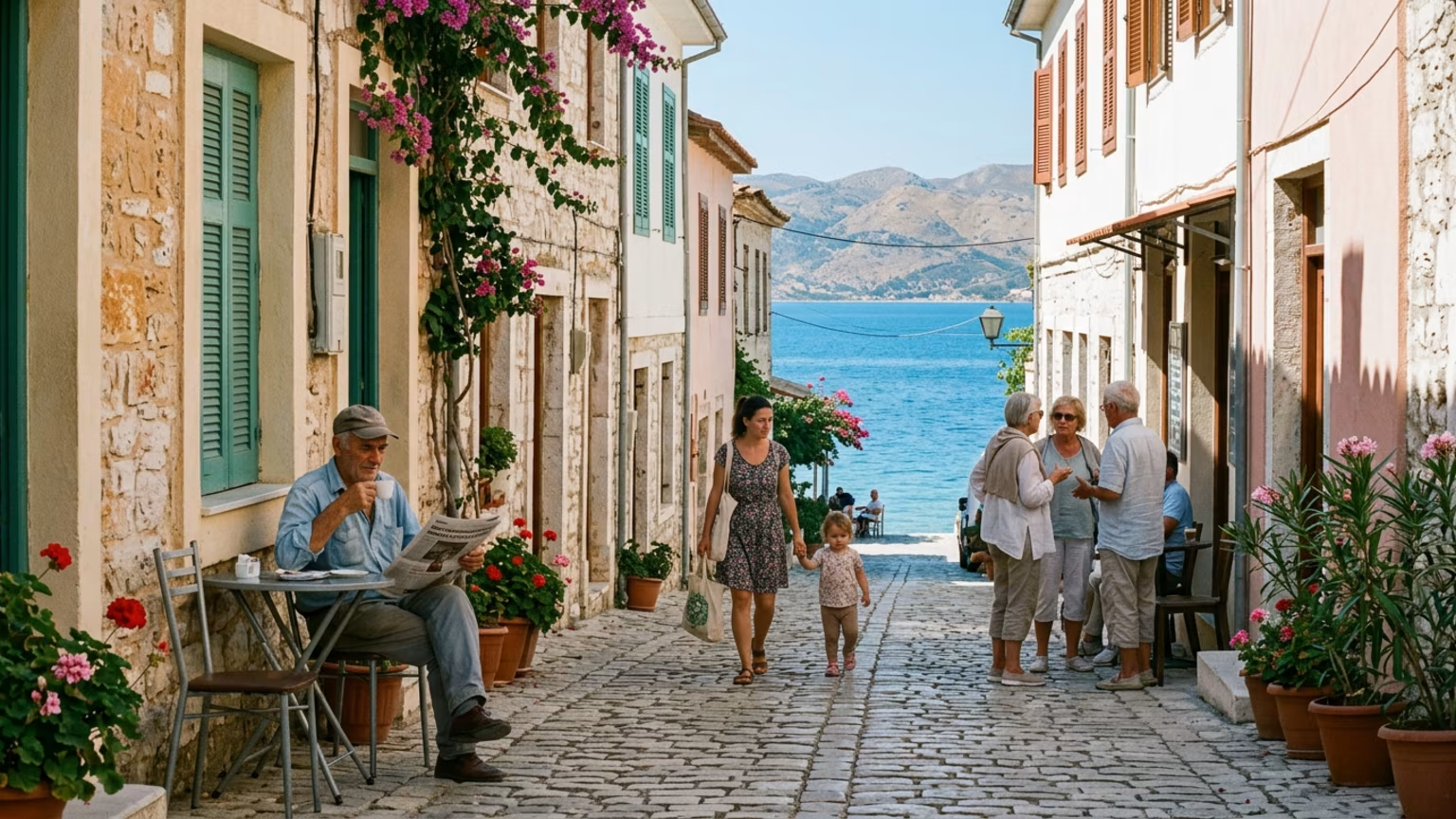
This massive surge means that beachfront businesses are built for high turnover rather than deep community connections. To break out of that cycle, you need to establish a predictable weekly routine. Choose one independent café, buy groceries at the same market, and return consistently. You do not need to demand special recognition from the staff right away.
The goal is replacing anonymous transactions with repeated, respectful contact over time. Showing up consistently matters more than any grand gesture of integration.
Real life happens on the inland streets and in ordinary shopping areas. It is found in neighborhood bakeries, repair shops, and family-run venues that operate year-round. A Swiss public broadcaster report described criticism that the majority of the population was not benefiting equally from tourism-related economic growth. Critics noted that residents were instead facing higher living costs.
You can help offset this pressure by spending your money away from the heavily marketed tourist zones. Distributing your economic footprint is a core part of functioning as a responsible neighbor. Integrating means shifting your habits to match the local commercial schedule. You should handle your errands during regular business hours and respect the afternoon quiet periods.
Support independent businesses that serve the actual community rather than just summer guests. Finding these spots takes a little trial and error at first. Reading about adjusting to daily life realities can help you locate the proper markets and transport routes. Once you establish these commercial relationships, the city begins to open up to you.
You start to see the difference between temporary hospitality and genuine civic life. The real heartbeat of the community is found in the slow, everyday interactions. Engaging with local vendors teaches you about the seasonal produce and the regional economy. You become a small, positive force in the neighborhood rather than just another consumer.
The transition requires actual effort, patience, and a willingness to feel slightly uncomfortable. You cannot simply buy your way into the community. You have to learn basic language skills to show respect. Useful words include Përshëndetje for hello and Faleminderit for thank you.
You should learn Ju lutem for please along with Po for yes and Jo for no. English is not universally understood in every pharmacy or grocery store. Leading with the local language changes the entire tone of your interaction. The process demands that you check your ego at the door.
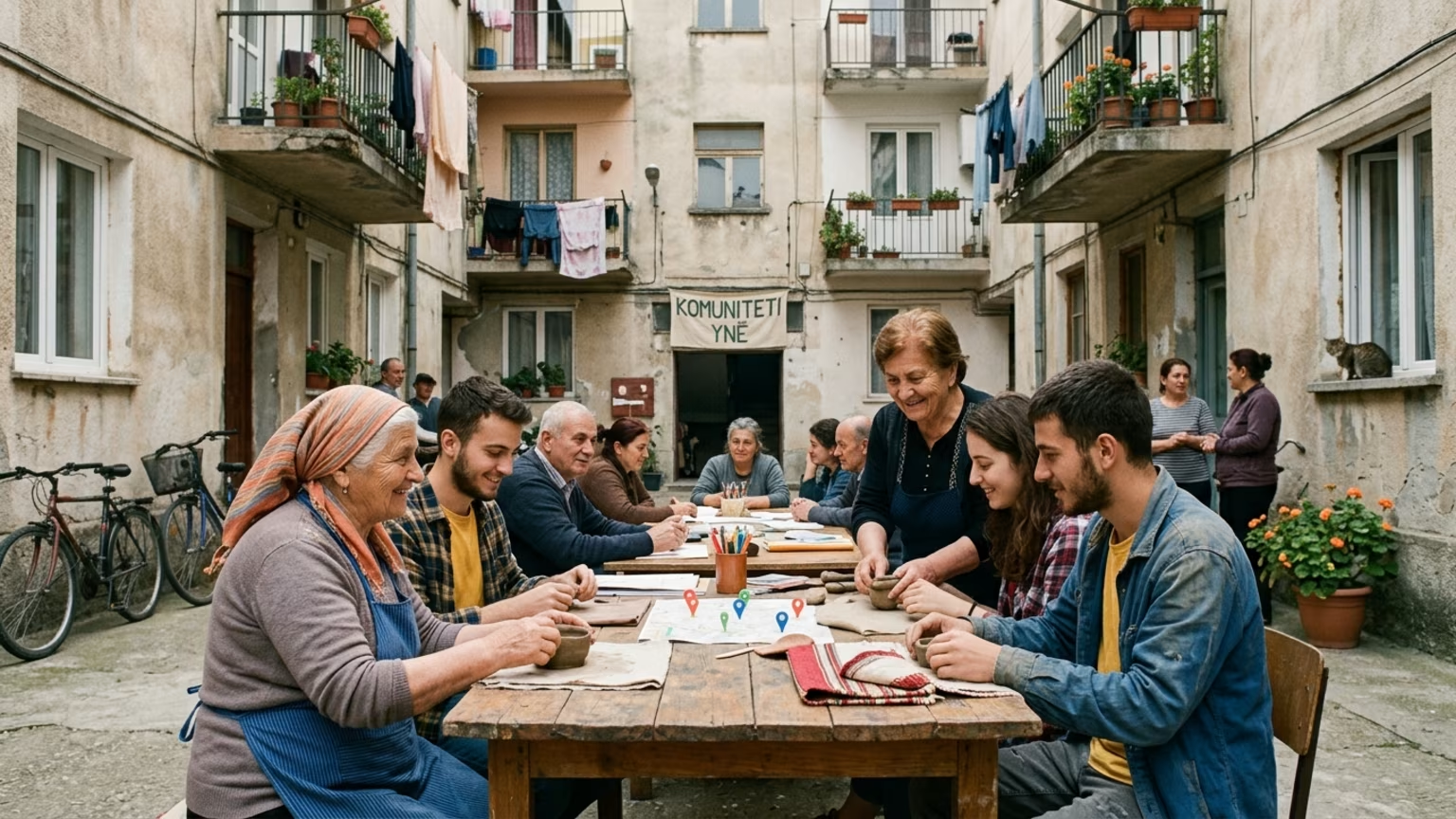
Integration means engaging with civic matters instead of just consuming hospitality services. A youth climate-action initiative carried out with the Municipality of Vlorë is using students’ designs for renovations at four bus stops. Real life here involves public infrastructure, neighborhood improvements, and community concerns. Joining local meetups in Vlorë is a practical way to meet people who care about these issues.
Tourism Minister Blendi Gonxhja said arrivals grew 16% in May 2026, and June growth slowed to 1.3% compared with June 2025. The minister noted that the first five months recorded overall growth of 8.2%. He attributed the sharp slowdown in June 2026 growth partly to instability and a perceived lack of security affecting foreign visitors. The peak crowds are sensitive to external factors, but the resident community remains steady.
Living here requires you to respect the physical environment and the shared resources. An investigative report from the Journalismfund Europe network argued that Albania’s coastal tourism boom is generating conflicts over environmental protection. The report noted pressure on public resources and local decision-making. You must treat natural areas as shared assets rather than disposable weekend playgrounds.
Stay on permitted paths, take your waste home, and do not disturb wildlife. Albania’s tourism-policy framework for 2024–2030 focuses on nature, rural development, and agritourism. The national plan prioritizes outdoor recreation and the protection of cultural assets. When you use Vlorë as a base for slow living, you have a responsibility to support these goals.
The coastal ecosystem is beautiful, but it remains highly vulnerable to mass foot traffic. Preserving these spaces requires active cooperation from every single person who stays here. You should educate yourself on the specific rules for any wetland or lagoon you plan to visit. Taking personal responsibility for your impact earns you quiet respect from the people who call this region home permanently.
Use licensed operators for boat trips for safety and legal compliance. Follow protected-area regulations without complaint or resistance. Your presence should never make life harder for the people who manage these lands. Being a good guest means leaving no trace behind.
You fit in by observing established social patterns before you try to join them. Watch how people queue at the bakery and when businesses open. Take note of how loudly people speak in shared public spaces. If a setting is quiet and family-oriented, you should adjust your volume accordingly.
You should always ask for permission before photographing people, workers, or private homes. Turning informal encounters into digital content without consent alienates your neighbors. When you are invited into someone’s home, there are basic courtesies to follow. One etiquette guide recommends greeting with a handshake and direct eye contact.
The same guide suggests acknowledging older people first. The text recommends bringing a small gift when visiting a residential home. These are not rigid laws, but they demonstrate respect for local customs. You should always let your host guide you on matters of food and footwear.
Becoming a resident is fundamentally about repetition, language, and mutual respect. The process demands a complete shift from passive consumption to active neighborhood participation. For newcomers who only want a cheap, sunny backdrop for remote work, this level of effort will likely feel like a dealbreaker. The language barrier and the slow pace of building trust require genuine dedication.
You must be willing to make mistakes, look foolish occasionally, and learn from the people around you. The reward is a genuine connection to a remarkable part of the Albanian coast. The effort separates those who merely pass through from those who truly belong. Ultimately, feeling like a resident is not a status you claim. It is a relationship you earn.
Follow Vlore Circle for fresh guides, local updates, and community notes around life in Vlorë. It is the easiest way to stay close to what we are building.
An August 2026 guide rates Vlorë as a moderate-crowd, mid-priced coastal base compared to the busy southern hotspots of Ksamil and Saranda.

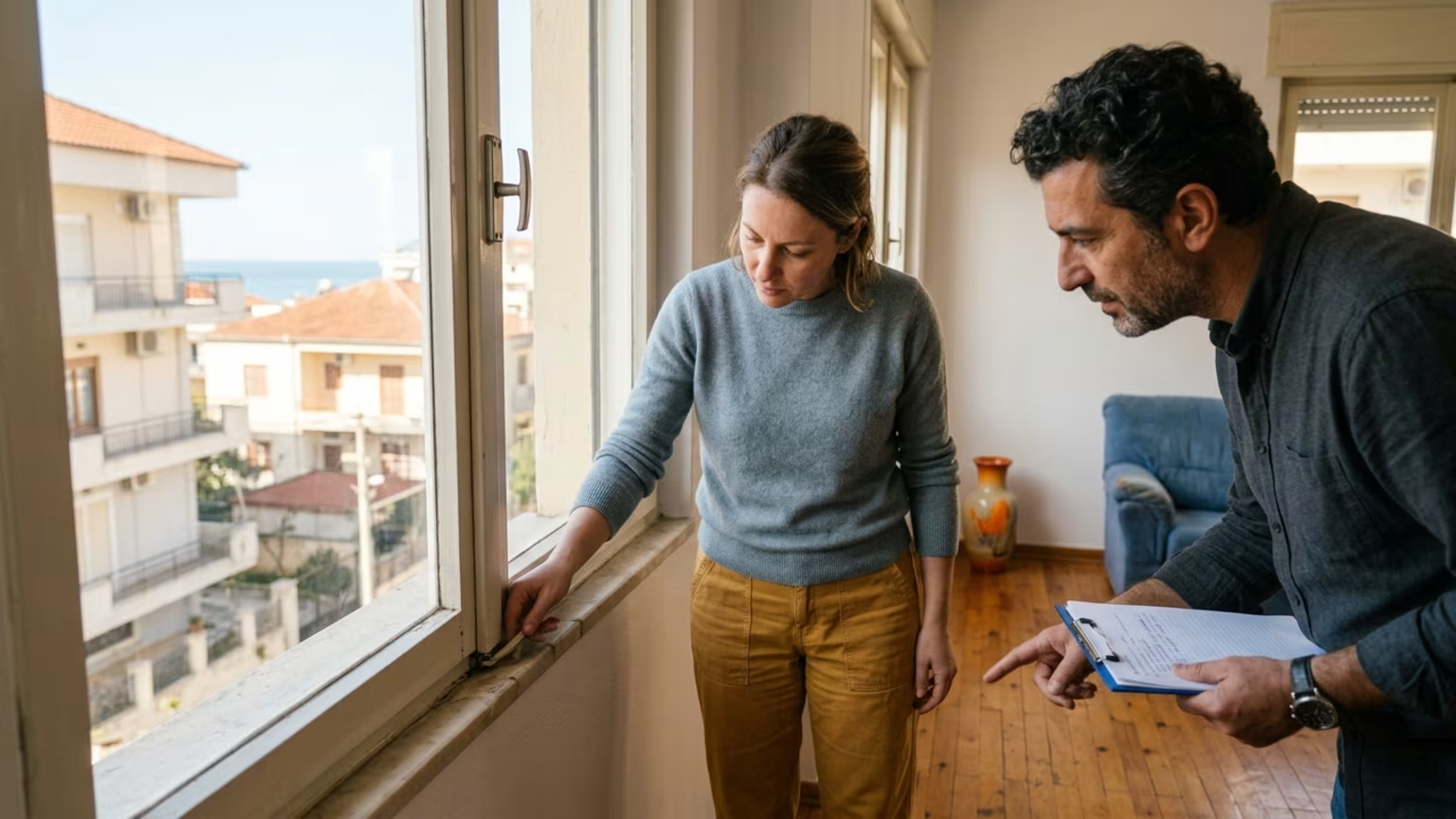
Learn how to choose a Vlorë rental that works all year. Find out what to check for winter heating, dampness, and internet before signing a long-term lease.
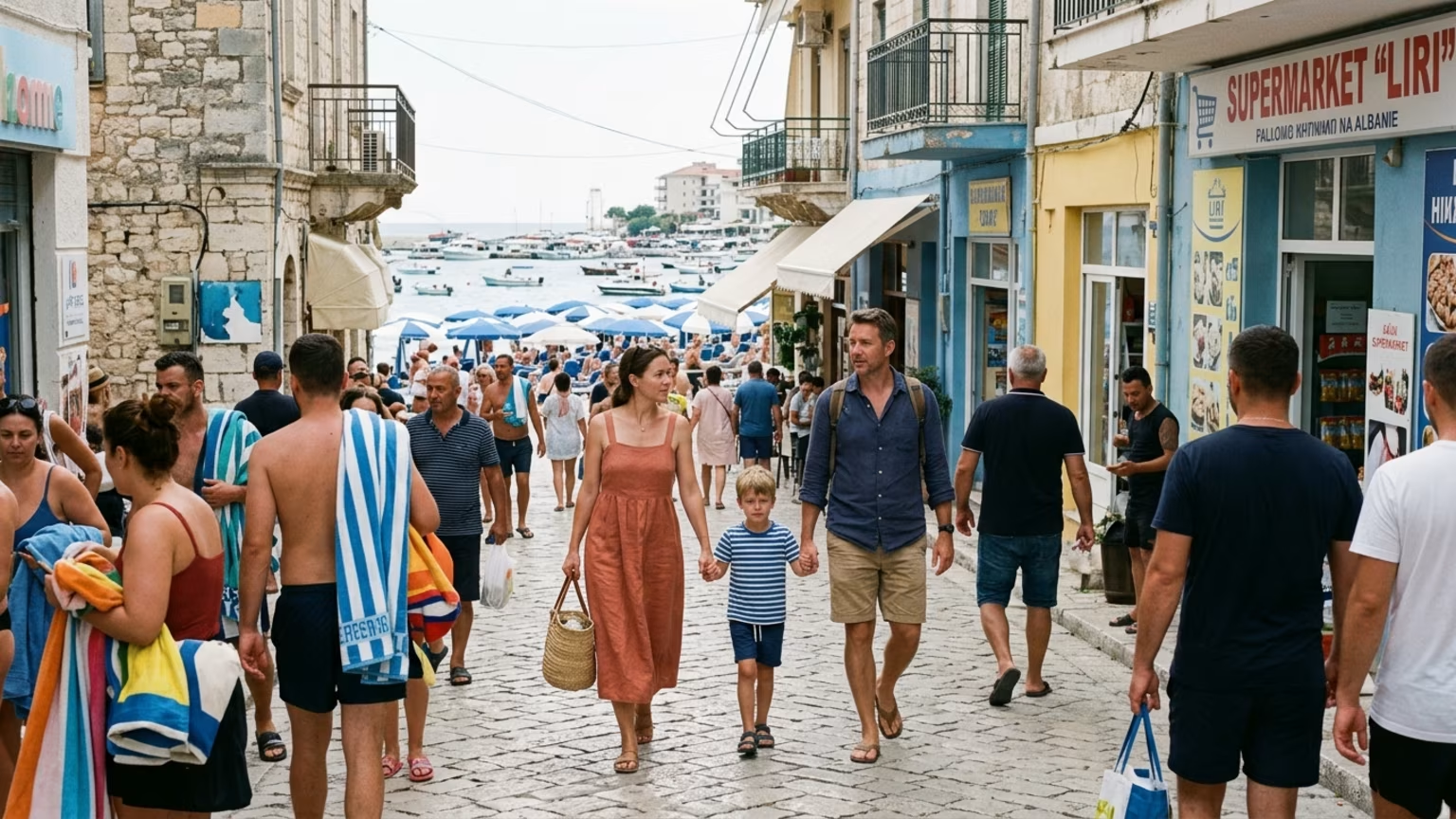
Learn how life in Vlore shifts across four seasons. Read practical insights for renting, remote work, and adapting your daily routine to the Albanian coast.