Representative image

A practical guide to moving to Vlorë in 2026. Get realistic cost of living breakdowns, neighborhood reviews, and honest advice for securing your residency.





Many people think moving to a Mediterranean coastal city requires a massive bank account. The truth is quite different for those looking south of Italy. Relocating to Vlorë in 2026 means you can live comfortably by the sea for roughly 80,000 to 120,000 LEK per month. This covers a modern apartment, fresh groceries, and reliable utilities.
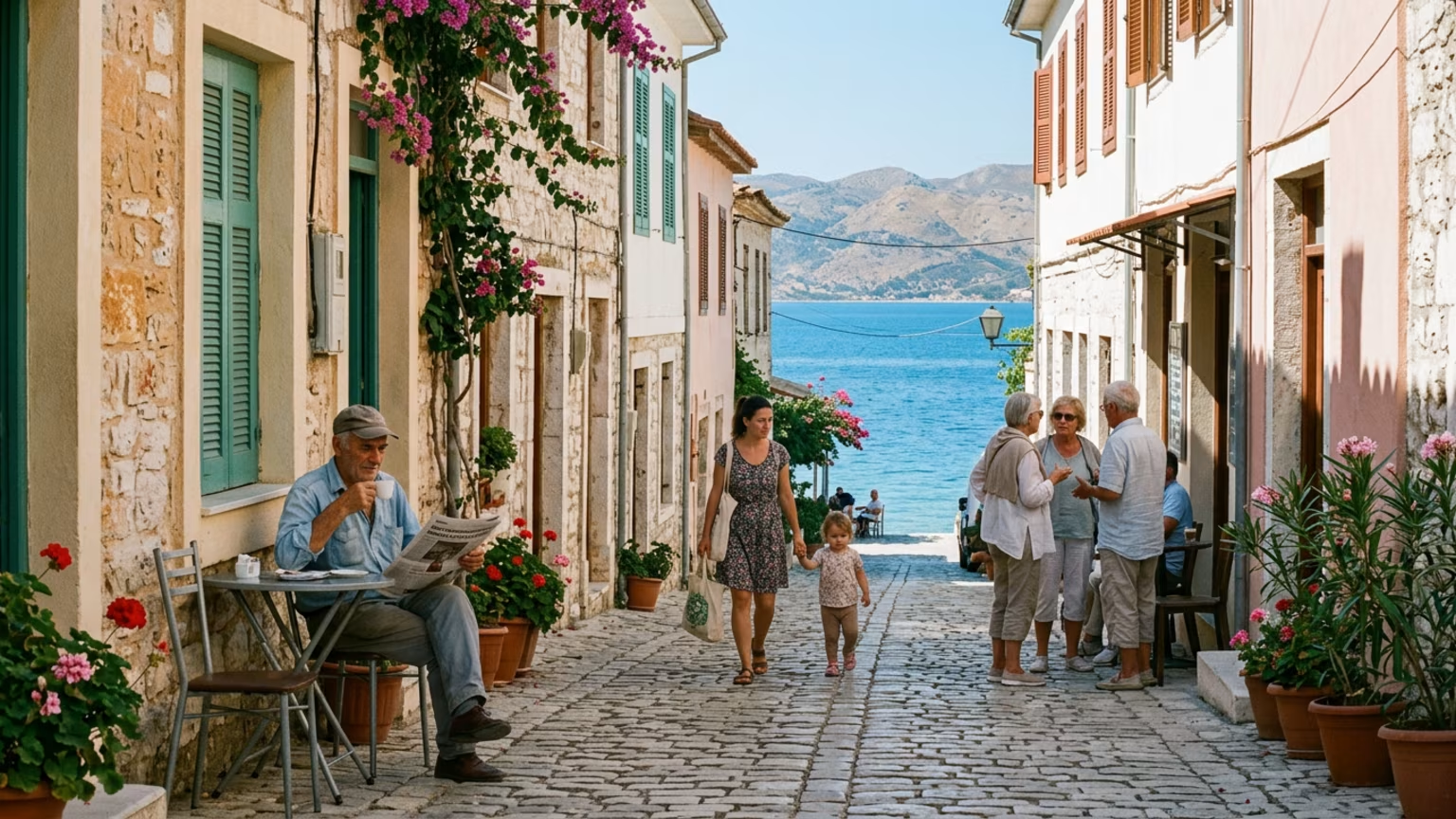
The appeal of this city goes beyond simple economics. It sits right where the Adriatic meets the Ionian Sea. Choosing this town over a dense capital like Tirana gives you immediate access to nature. You avoid the heavy traffic of larger hubs.
You still maintain a functional city life that smaller coastal villages lose during winter. It offers a solid middle ground for remote workers and retirees. The air quality near the ocean provides a stark contrast to inland cities. Taking time to understand how locals handle life in Vlorë makes the transition much smoother.
Finding the right apartment starts with picking the correct neighborhood for your lifestyle. When researching different areas for long term rentals, you will notice the city divides naturally into distinct zones. Each district offers a completely different daily rhythm.
The main promenade is the most popular stretch for newcomers. You get direct sea views and immediate access to cafes. Rental prices here are the highest in the city. Expect to pay between 45,000 and 65,000 LEK for a one-bedroom apartment.
The noise levels rise significantly during the summer months. Traffic crawls along the main coastal road from June through August. The convenience of having everything downstairs comes at a premium price.
This area translates to Cold Water and sits further south along the coast. It offers a quieter residential feel with access to cleaner beaches. Trees provide much needed shade along the main road. Renting here costs around 40,000 to 55,000 LEK monthly.
You will likely want a scooter or car for daily grocery trips. The distance from the center discourages casual walking during the hottest days. Many remote workers prefer this peaceful environment for their home offices.
The Plazhi i Vjetër neighborhood offers an alternative coastal experience. It sits just north of the busy port area. The sand here is softer than the rocky beaches of the Lungomare. A massive pine forest separates the city blocks from the water.
Renting an apartment here costs between 35,000 and 45,000 LEK. It feels slightly disconnected from the main cafe culture. This quiet atmosphere is exactly what some newcomers prefer.
Locals tend to live inland near the historic old town and main boulevards. You lose the ocean view but gain authentic daily life. Prices drop significantly to about 30,000 to 45,000 LEK for spacious units. You are closer to fresh produce markets, government buildings, and cheaper cafes.
Setting realistic expectations for your bank account is a major priority. A single person can live a very comfortable life for 100,000 LEK monthly. Couples can share many costs and live well on 150,000 LEK combined. Planning your monthly budget for remote comfort keeps you from feeling stretched thin.
Rent will be your largest expense by far. Electricity and water bills fluctuate wildly between seasons. You might pay 3,000 LEK in May. That same bill can hit 10,000 LEK in January if you rely on AC heating.
Putting bills in your name is a uniquely Albanian experience. The landlord usually keeps the utility meters in their name. You simply pay the printed bill at the post office or through a local banking app. Home internet is incredibly reliable and costs about 2,000 LEK for fiber optic speeds.
Eating like a local keeps your food budget very low. Buying fresh tomatoes, peppers, and cheese at the market costs perhaps 3,000 LEK weekly. Supermarket imports will quickly inflate your grocery bill. A dinner at a mid-range seafood restaurant runs about 1,500 to 2,500 LEK per person.
Shopping here requires changing your consumer habits completely. You buy your bread from a dedicated bakery down the street. Meat comes from a specialized butcher who knows his suppliers. This scattered shopping style takes more time but rewards you with better quality food.
Getting your paperwork sorted is a major hurdle for new arrivals. The process requires immense patience and several visits to local government offices. You can handle this without an expensive lawyer if you follow the proper steps carefully. The rules change frequently so always verify current requirements before applying.
Begin by securing a notarized rental contract for a minimum of one year. The regional immigration office demands absolute proof of a physical address. Your landlord must formally agree to this arrangement. They must show proof they pay the associated property taxes.
Next, gather your official criminal background check from your home country. This specific document must carry a recognized international Apostille stamp. It must then be translated into Albanian by a locally certified translator. The translation needs to be notarized by an Albanian notary public.
You must then open a local bank account to prove financial stability. You need to show regular income or a healthy savings balance. Deposit at least enough to cover a year of minimum wage living.
Submit your application through the e-Albania government portal. You will receive an appointment date for the local border police station. Bring all physical copies of your documents to this meeting. Dress neatly and bring a local friend to help translate if possible.
Medical care is a frequent and valid concern for older foreign residents. The city operates a large functional public hospital for major trauma and emergencies. Most foreign residents strongly prefer the private clinics scattered around the center. Taking time to understand how local medical clinics operate provides peace of mind.
A standard consultation at a private clinic costs around 2,000 to 3,000 LEK. You can walk in and see a specialist within a few hours. Serious surgeries might require a trip to Tirana or nearby Greece. Buying local private health insurance is highly recommended and quite affordable.
Pharmacies sit on almost every street corner in the city. The pharmacists often speak English and can recommend treatments for minor ailments. Many medications are available over the counter without a formal prescription. It helps to know the European brand name of any specific medication you need.
Dental care is another major draw for foreign arrivals. The quality of dental work is excellent and costs a fraction of Western prices. A standard cleaning might cost 2,000 LEK. Major dental implants cost significantly less than they would in the United States or Northern Europe.
Handling daily finances requires a mix of cash and digital payments. Card machines are becoming more common in supermarkets and large restaurants. Cash remains absolute king for coffee shops, small markets, and bus fares. You will need a steady supply of small LEK notes for daily errands.
Opening a local bank account requires your passport and an active rental contract. Banks like Credins or Raiffeisen offer decent mobile apps for managing local bills. Transferring money from your home country can incur high international wire fees. Many residents use third-party digital services to move funds with better exchange rates.
The internet is full of bright summer videos showing endless beach days. The truth of November through March paints a completely different picture. Coastal storms bring heavy rain and strong winds off the sea. The power grid occasionally fails during these intense weather events.
Many older apartments lack proper insulation or central heating. You will likely spend your evenings huddled near an electric space heater. Mold can grow quickly on damp walls if you do not ventilate daily. The streets empty out early and many beachfront businesses close entirely.
Finding heavy winter clothing locally can be surprisingly difficult. Most shops stock light rain jackets and thin sweaters. You should pack thermal underwear and quality waterproof boots before moving here. Staying warm indoors is half the battle from December to February.
The summer crowds bring a different set of challenges. July and August turn this quiet town into a massive party destination. Parking becomes nearly impossible anywhere near the coastline. The city infrastructure struggles under the weight of so many tourists.
Navigating the city rarely requires owning a personal vehicle. The municipality recently added dedicated bike lanes along the main coastal road. Walking remains the most reliable way to move around the flat center. The local bus system is cheap and functional for longer trips.
A single bus ticket costs just 40 LEK. Taxis are plentiful but you must agree on the price before sitting down. A standard trip across town should cost no more than 400 LEK. Renting a car for weekend trips is easy and costs about 3,500 LEK daily.
The lack of a local airport means you must plan your international travel carefully. You will need to take a bus or taxi to the main airport in Tirana. The bus ride takes about two to three hours depending on traffic. A private taxi to the airport costs roughly 6,000 to 8,000 LEK one way.
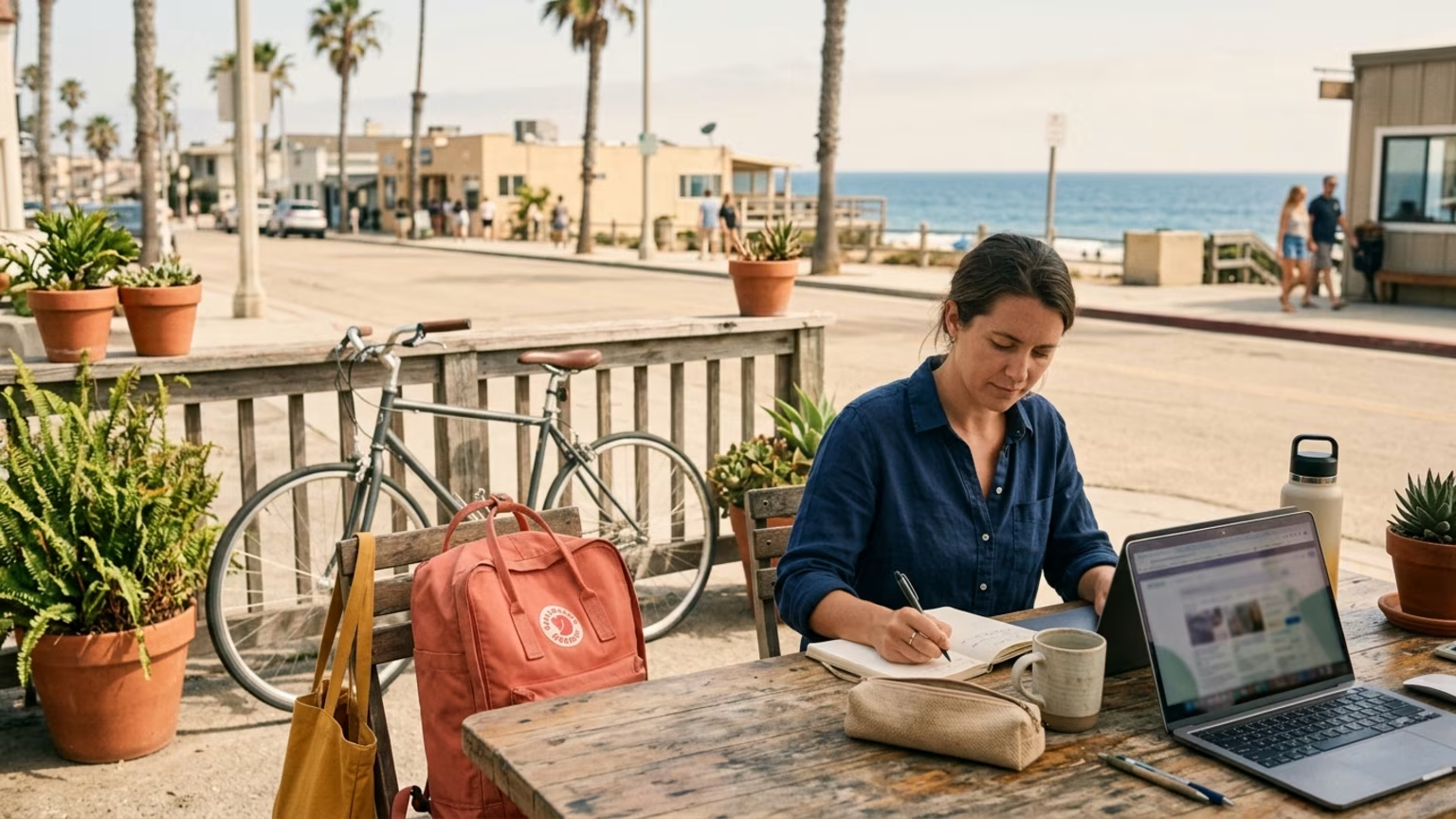
Working online from the coast is a dream for many new arrivals. Finding a quiet place with reliable internet takes a bit of local knowledge. Many beachfront cafes play loud music that makes voice calls nearly impossible. You will need to scout out quieter spots tucked away on side streets.
Coworking spaces are starting to appear closer to the city center. These spaces offer ergonomic chairs and backup power generators. A monthly desk rental costs around 10,000 to 15,000 LEK. This small investment provides a productive environment and instant networking opportunities.
Building a social life takes deliberate effort in a new city. It is very easy to fall into a comfortable bubble of foreign remote workers. The cafes along the Lungomare are full of foreigners staring at their laptops. Breaking out of this circle requires making an effort with the local language.
Learning just a few basic Albanian phrases changes how locals interact with you. A simple morning greeting goes a long way with your neighborhood baker. Albanians are incredibly hospitable to foreigners who show genuine respect for their culture. Saying yes to a coffee invitation is the fastest way to build real trust.
Never sign a year-long lease without standing inside the apartment first. Online photos rarely show the noisy construction site next door. They do not tell you if the water pressure drops on the fifth floor. Book a short rental for your first two weeks instead.
Walk the streets at different times to get a feel for the noise levels. Talk to people sitting outside at the local neighborhood cafes. Join the community to ask current residents about specific streets or buildings. Your patience in those first weeks will save you from a miserable living situation.
Relocating here changes your daily rhythm completely. You trade extreme convenience for slower mornings and fresh ocean air. The minor structural frustrations fade when you finally find your footing. You eventually realize you have stopped rushing.
Follow Vlore Circle for fresh guides, local updates, and community notes around life in Vlorë. It is the easiest way to stay close to what we are building.

An October weather update warns of moderate rainfall and potential urban flooding in Vlorë. Learn how to navigate local infrastructure and neighborhood risks.


Understand the legal realities of moving to Vlorë with this guide on entry visas, residence permits, and remote work authorizations for new arrivals.
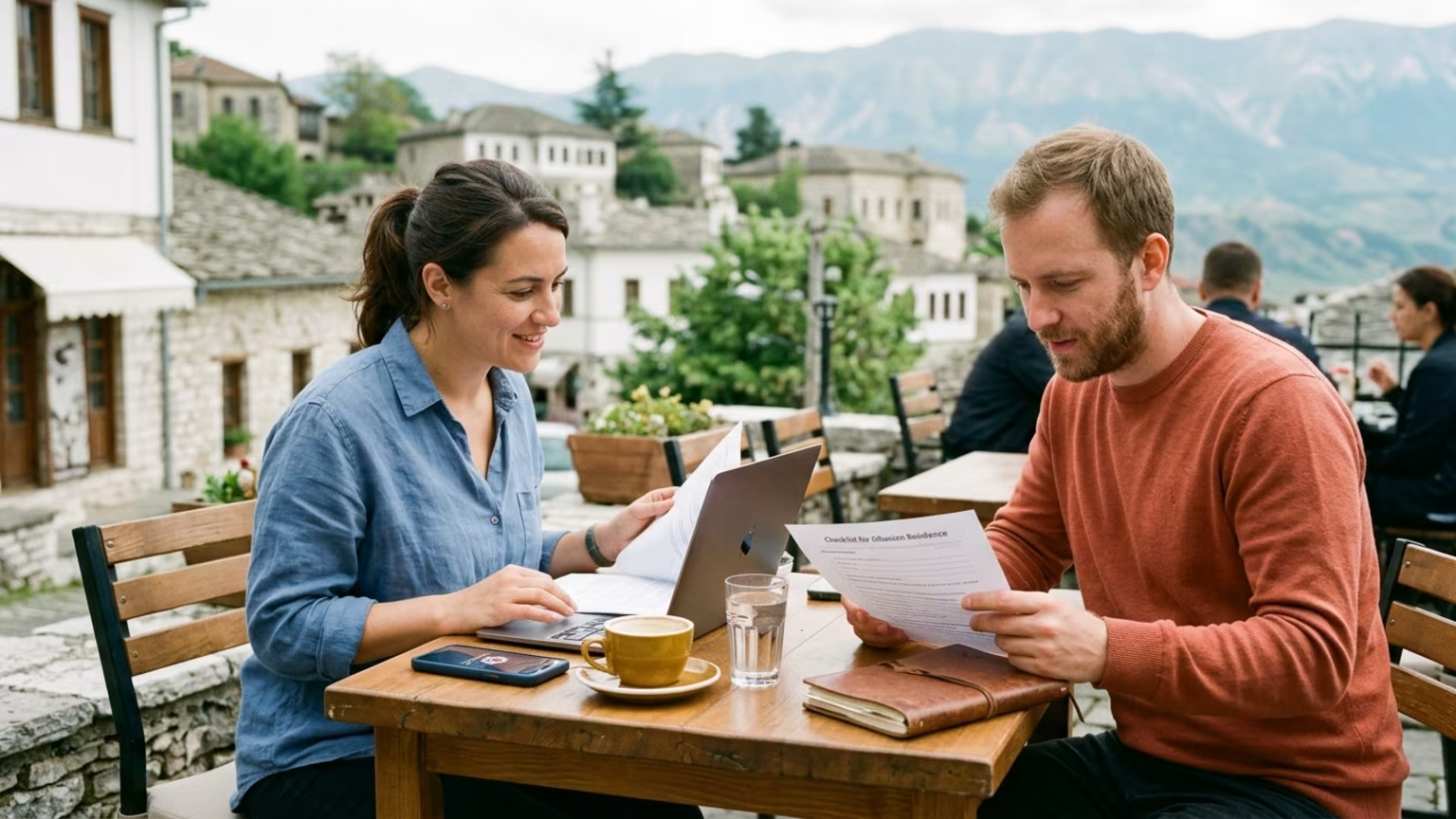
A practical guide for expats moving to Vlorë covering visa-free entry rules, remote work authorizations, and how to navigate the e-Albania permit process.