Representative image

A practical guide for remote workers arriving in Vlorë, covering money, mobile connectivity, apartment testing, and navigating your first 30 days.





Arriving in a new coastal city with a laptop and a deadline brings immediate practical questions. Finding the nearest supermarket is the easy part. Confirming your apartment router can handle video calls takes real effort. The first few weeks set the tone for your entire stay.
New arrivals often waste their first days fixing connectivity issues or searching for reliable transportation. Planning your first month of arrival tasks prevents this early frustration. A concrete strategy removes the friction from getting settled in your new neighborhood. It lets you focus on building a productive routine right away.
Managing expectations helps you avoid the common pitfalls of remote relocation. Gathering verified local facts is much better than guessing. You need an actionable plan for money, transport, and safety. A systematic approach turns a confusing arrival into a highly organized transition.
You have likely heard that Albania is a strictly cash-only economy where every single transaction requires exact change. That is a completely outdated assumption. The truth is that card payments have actually surpassed ATM withdrawals nationally. The digital payment landscape has evolved rapidly over recent years.
This reality directly challenges the old advice to carry large amounts of paper money everywhere. Many remote workers arrive expecting a total lack of modern payment terminals. They quickly find modern systems in supermarkets, large restaurants, and major retail shops. Relying entirely on paper money is no longer the required standard.
You can now manage the bulk of your grocery shopping with a simple travel card. Settling into your neighborhood becomes much easier when you stop constantly searching for bank branches. Modern conveniences are steadily becoming the norm along the coast. This shift significantly lightens the daily burden on newcomers.
This specific idea originates from older travel reports and outdated nomad blogs. Several years ago, card terminals were genuinely rare outside major hotels. Visiting remote workers shared stories of struggling to pay for basic groceries without physical currency. These outdated accounts still dominate online forums today.
The older advice was completely accurate for past years. Many digital platforms simply recycle this old information without checking current local realities. Visitors read these outdated guides and arrive overly prepared with heavy wallets. The payment infrastructure has simply moved forward faster than the popular blogs.
Relying on old information creates unnecessary anxiety for new arrivals. It leads people to make poor financial choices regarding currency exchange at the airport. A deeper understanding of the current system prevents these early mistakes. Accurate context is the key to a stress-free transition.
The national payment system tells a very different story today. Albanian Daily News reported that card payments surpassed ATM cash withdrawals nationally in the first quarter of 2026. This period saw about 6.7 million card transactions. These transactions were worth roughly 28 billion lek.
The lek, or ALL, is Albania’s official currency. Transaction volume rose 33% during this period, and transaction value increased by 22%. A government official named Bregu stated that electronic and instant payments are making the system faster. These methods make transactions more efficient and more accessible for everyone.
This progress is real, yet physical currency remains relevant. Travel guidance says cards are increasingly accepted in hotels, supermarkets, and larger restaurants. Small businesses and local transport networks still prefer or require physical cash. You must carry lek as a backup for these everyday situations.
Since you still need physical lek for local transport, ATM withdrawals are unavoidable. One travel source reports that ATM fees range from 600 to 1,500 lek per transaction. These costs can add up quickly over a long stay. Properly tracking your real monthly expenses helps you budget for these fees.
It makes strict financial sense to limit your ATM visits. You should pay by card at larger supermarkets to save your physical cash. Always check the fee screen before confirming any ATM withdrawal. The exchange rates and fees vary significantly between different banks in the city.
Withdrawing slightly larger amounts of lek at once reduces your overall fee burden. Keeping a working balance on a travel card offers great flexibility. You simply pull out physical currency only when you visit smaller neighborhood spots. This mixed method protects your budget from unnecessary banking charges.
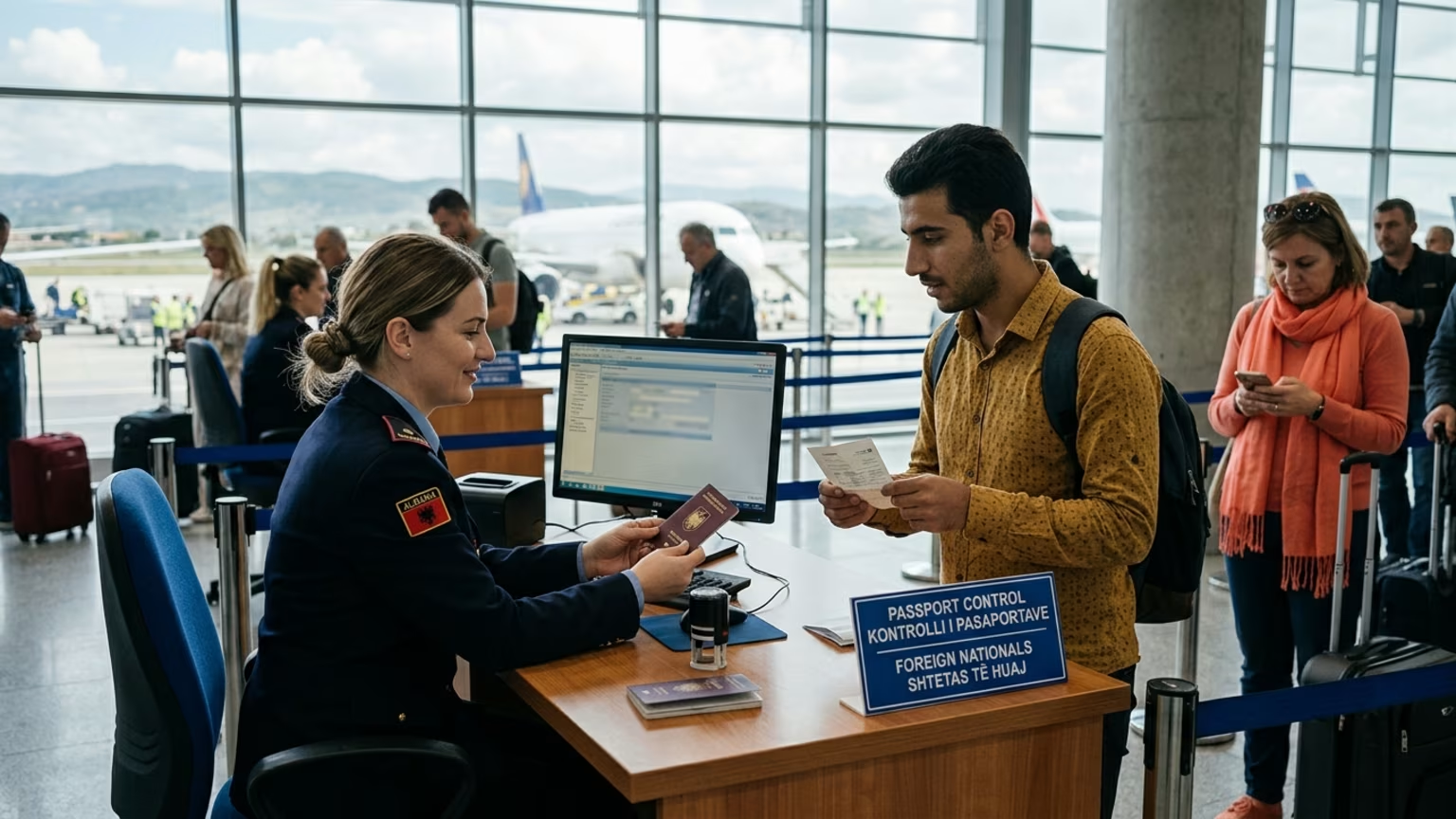
Your very first challenge is getting from Tirana Airport to your new base. Published travel estimates put the airport-to-Vlorë trip at roughly 147 to 150 kilometres. The journey takes around 2 to 2.5 hours, depending heavily on traffic and the service used. Pre-booking a transfer simplifies this arrival step immensely.
Confirming the exact price and pickup details in advance is critical. Public buses might not operate late at night. A private transfer provides peace of mind after a long flight. It gets you straight to your accommodation without unnecessary hassle.
Arriving during the daytime offers a much easier transition. It gives you daylight to navigate the highway and find your new street. It makes contacting your host much simpler if you get lost. Night arrivals require much stricter pre-planning with a trusted driver.
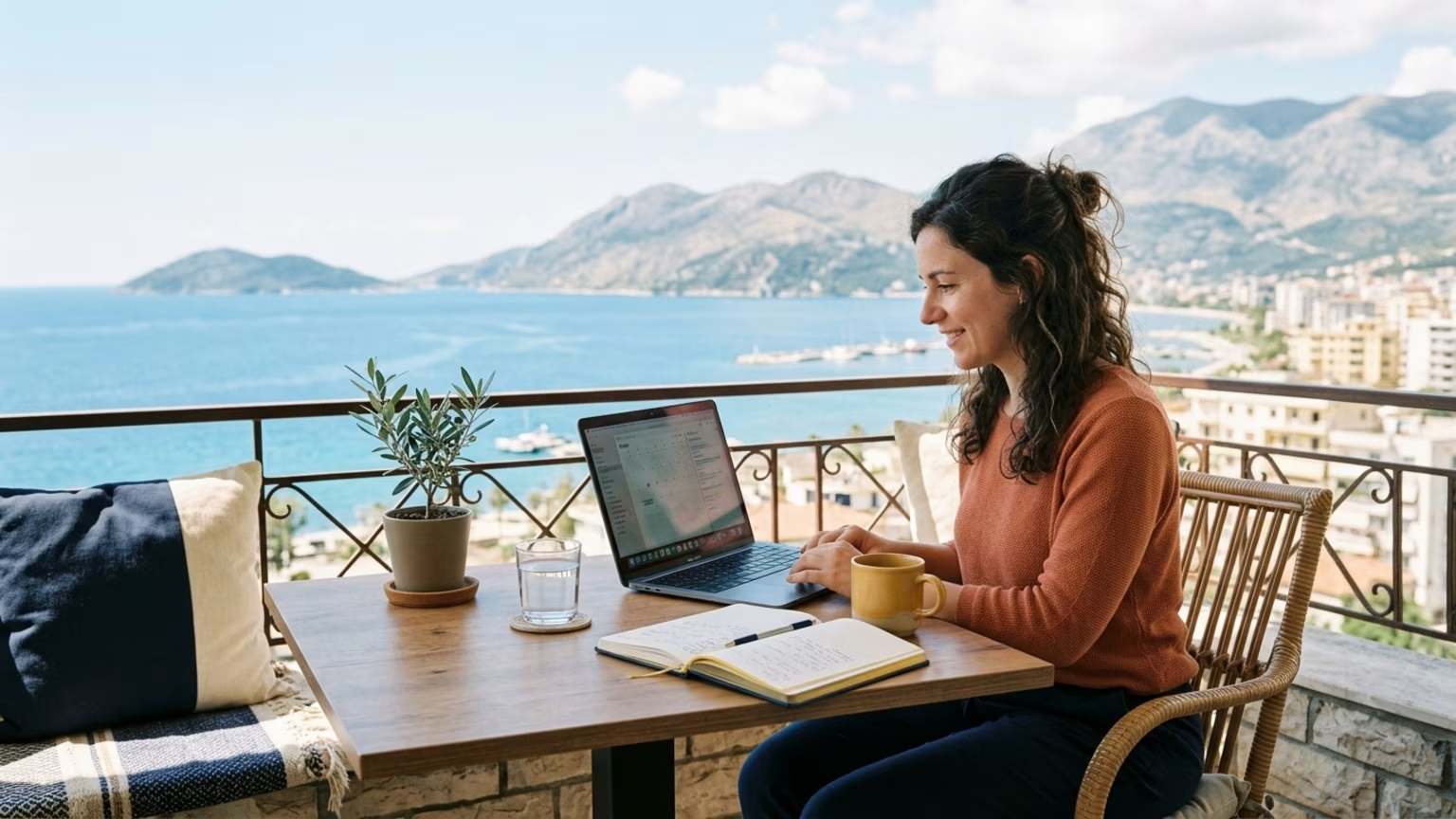
Getting online quickly is the next immediate priority for any remote worker. Travel connectivity sources identify Vodafone Albania and One Albania as the country’s main mobile networks. You should obtain a local data plan soon after landing. Do not rely entirely on an untested apartment router.
Check your roaming terms before arrival, since Albania is outside the EU roaming zone. Many visitors face high charges by assuming their home plan covers the country. A local physical SIM or an eSIM provides a reliable fallback. This redundancy keeps you online if the local power grid fails.
Setting up your phone at the airport stores is highly recommended. The staff can activate the service and verify it works instantly. This guarantees you have data for mapping your route into the city. It provides an immediate lifeline for calling your landlord upon arrival.
Creating a backup internet plan prevents disastrous dropped calls with clients. You can use your mobile hotspot when the building connection drops. This strategy requires a data plan with a generous monthly limit. The cost of local data is usually low enough to make this affordable.
Your long-term comfort depends heavily on choosing the right apartment. The smartest approach is booking a short initial stay first. This allows you to inspect the property and verify the internet speed in person. Online photos cannot prove if a connection handles video calls reliably.
Test the connection from the actual desk during your normal working hours. Ask the host what happens during a power or router outage. Confirm whether the quoted monthly price includes electricity and heating. If you focus on creating a productive remote work setup, your daily routine will thrive.
Checking the immediate neighborhood is just as critical as testing the router. You want a grocery store and a cafe within walking distance. This proximity saves you from relying on taxis for simple daily errands. It allows you to build a natural rhythm along the local promenade.
You must clarify all utility costs before extending any lease. Seasonal changes can drastically affect heating or cooling expenses. Some landlords charge extra for electricity during the hot summer months. Getting these terms in writing prevents stressful disputes later.
Handling unexpected health issues requires some basic preparation. Australia’s Smartraveller advises travellers to exercise a high degree of caution in Albania, citing limited healthcare options. You should locate a local pharmacy and clinic during your first few days. Saving emergency contacts in your phone takes only a minute.
Albania’s State Police directs the public to use the free emergency number 112. InfoPoint Albania lists Regional Hospital Vlorë on Rruga Sadik Zotaj. They publish the contact number +355 33 22 4 5 61 for the facility. You must verify these details locally before relying on them in a crisis.
Carrying printed copies of your medical records is a smart preventative measure. Having your prescriptions clearly translated can save valuable time at the pharmacy. Travel insurance details should be kept accessible in your daily bag. These small steps provide immense peace of mind.
Understanding these practical details transforms a stressful arrival into a smooth transition. Knowing how the local systems function removes the guesswork from managing basic expenses. How will this clearer picture of daily operations change your planned arrival date? Vlore Circle is here to keep your move practical.
Follow Vlore Circle for fresh guides, local updates, and community notes around life in Vlorë. It is the easiest way to stay close to what we are building.
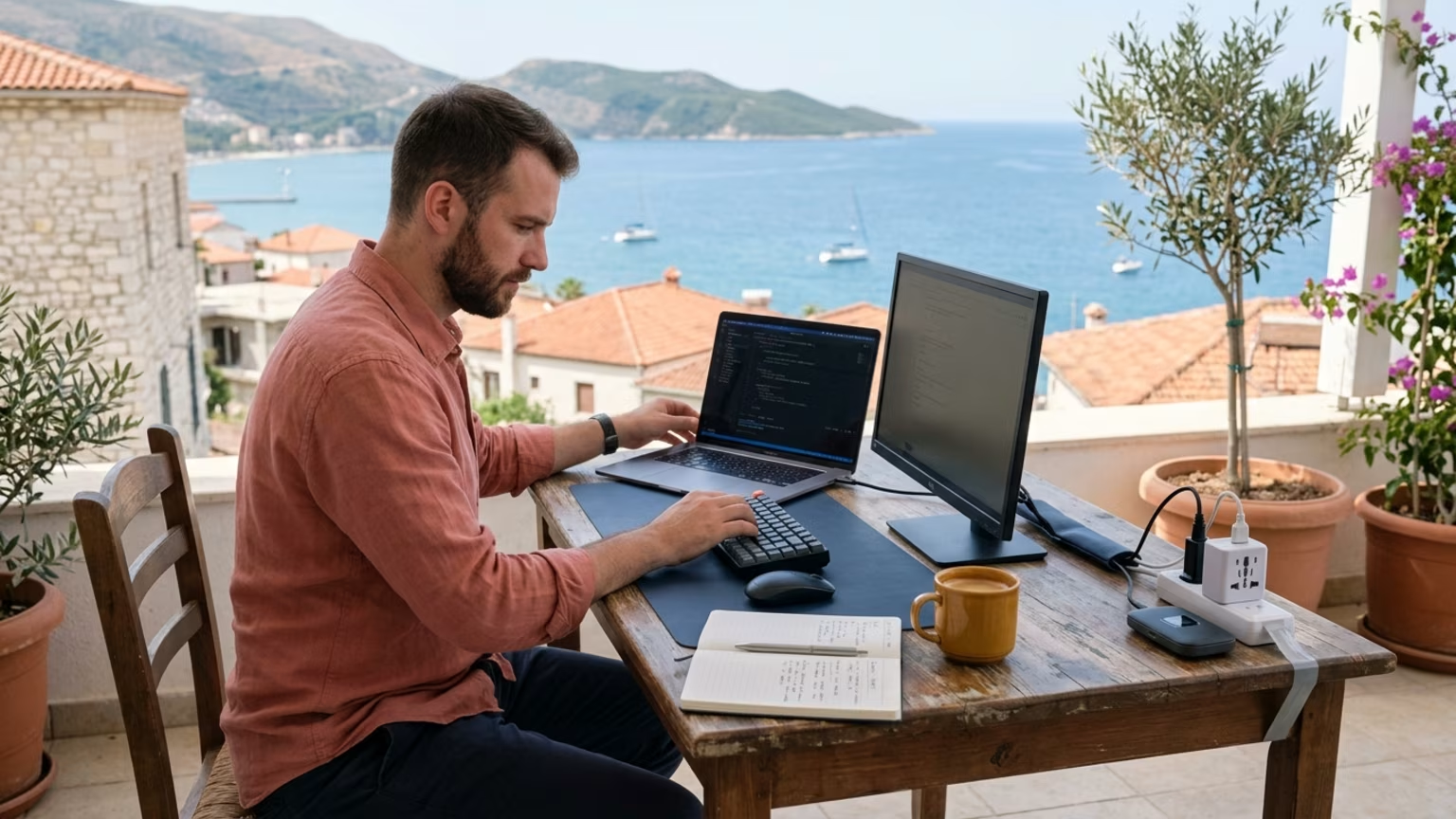
A practical guide to building a dependable remote-work setup in Vlorë. Learn how to verify internet speeds, secure cellular backups, and handle power cuts.

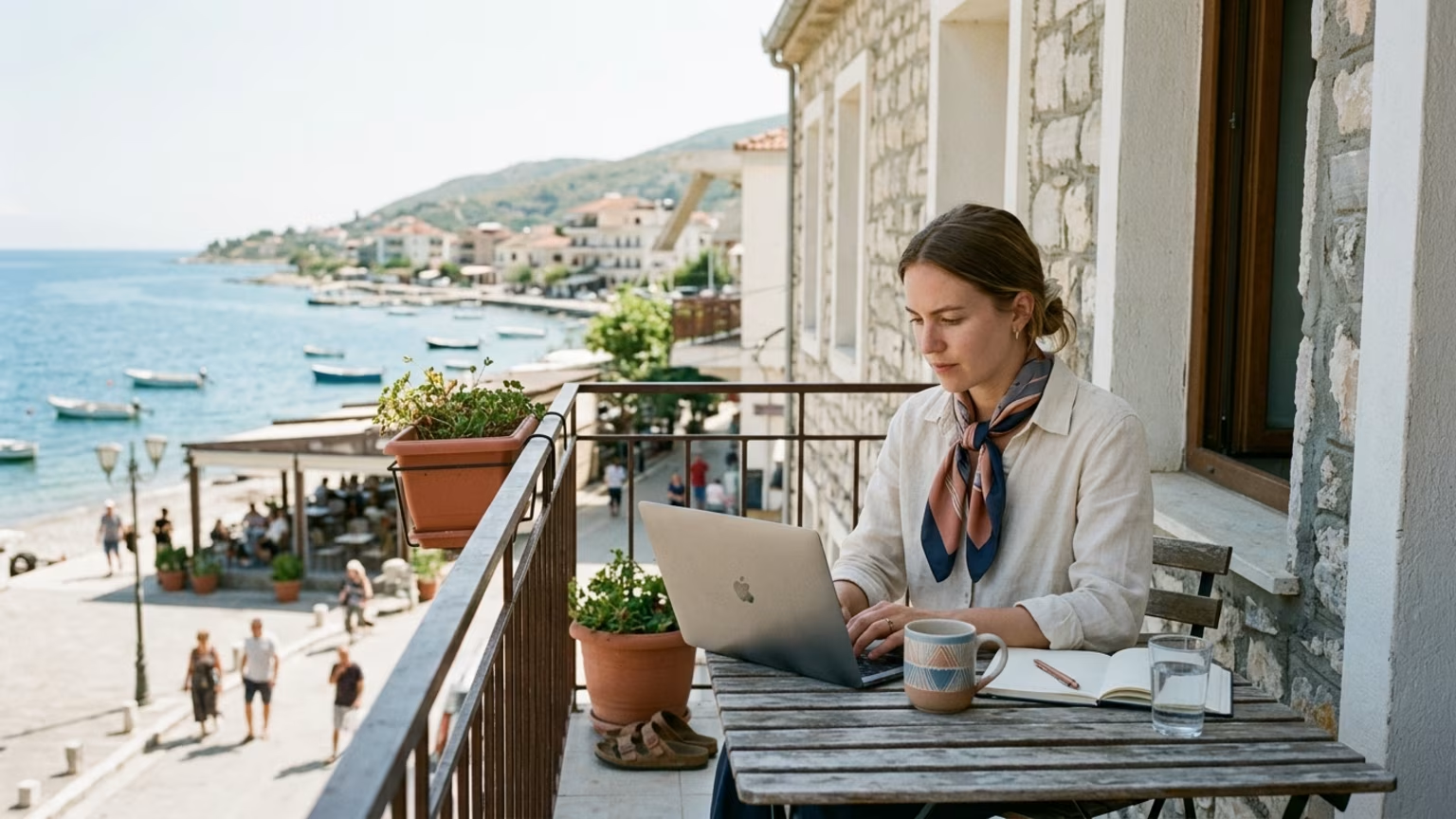
A practical guide to building a remote work routine in Vlorë. Learn to balance deep work, peak summer heat, local crowds, and the coastal lifestyle.
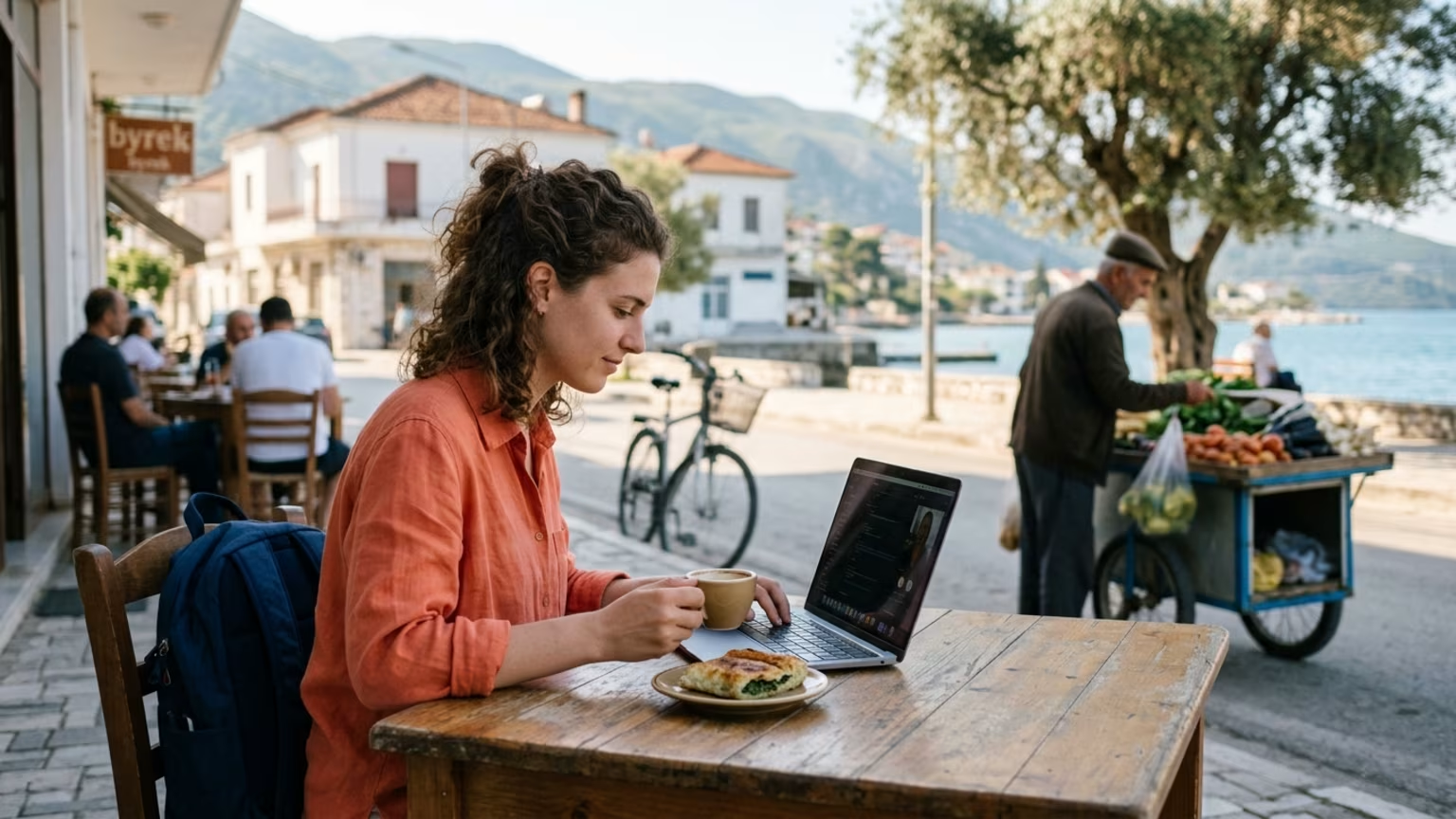
Learn how remote workers in Vlorë can build a sustainable local routine. Move beyond the holiday bubble with practical tips on community integration and costs.