Representative image

Discover what living in Vlorë feels like across every season. From hot, crowded summers to quiet, rainy winters, learn when you should make your move.





Sarah stood by her Lungomare window watching heavy rain batter the glass. She had signed a long lease in November expecting sunny days. The cold reality of the coast hit her instantly. The season you arrive in Vlorë changes everything about your new life.
Choosing between the peak summer and the quiet winter is a massive decision. You are stepping into an intense beach resort or a slow coastal town. If you arrive in July, you will fight traffic near Radhimë and pay premium prices. If you arrive in January, you will face empty streets and heavy storms.
July and August are the hottest months of the year here. Climate averages show daytime highs reaching 30°C and nighttime lows near 17°C [2]. July is incredibly dry, bringing about 19 mm of rainfall over four rainy days [2]. August follows closely, bringing roughly 31 mm of rain across five rainy days [2].
This weather creates the ultimate Mediterranean lifestyle for seasonal visitors. People pack the beaches along the coast from morning until late night. Beach clubs operate at their maximum capacity with loud music and busy waitstaff. The energy is high, and the city feels completely packed.
Finding an empty table at a local cafe takes time and patience. The summer heat demands constant air conditioning in your apartment. You will share the city with thousands of temporary visitors. Many newcomers love this intense rhythm, but it exhausts others quickly.
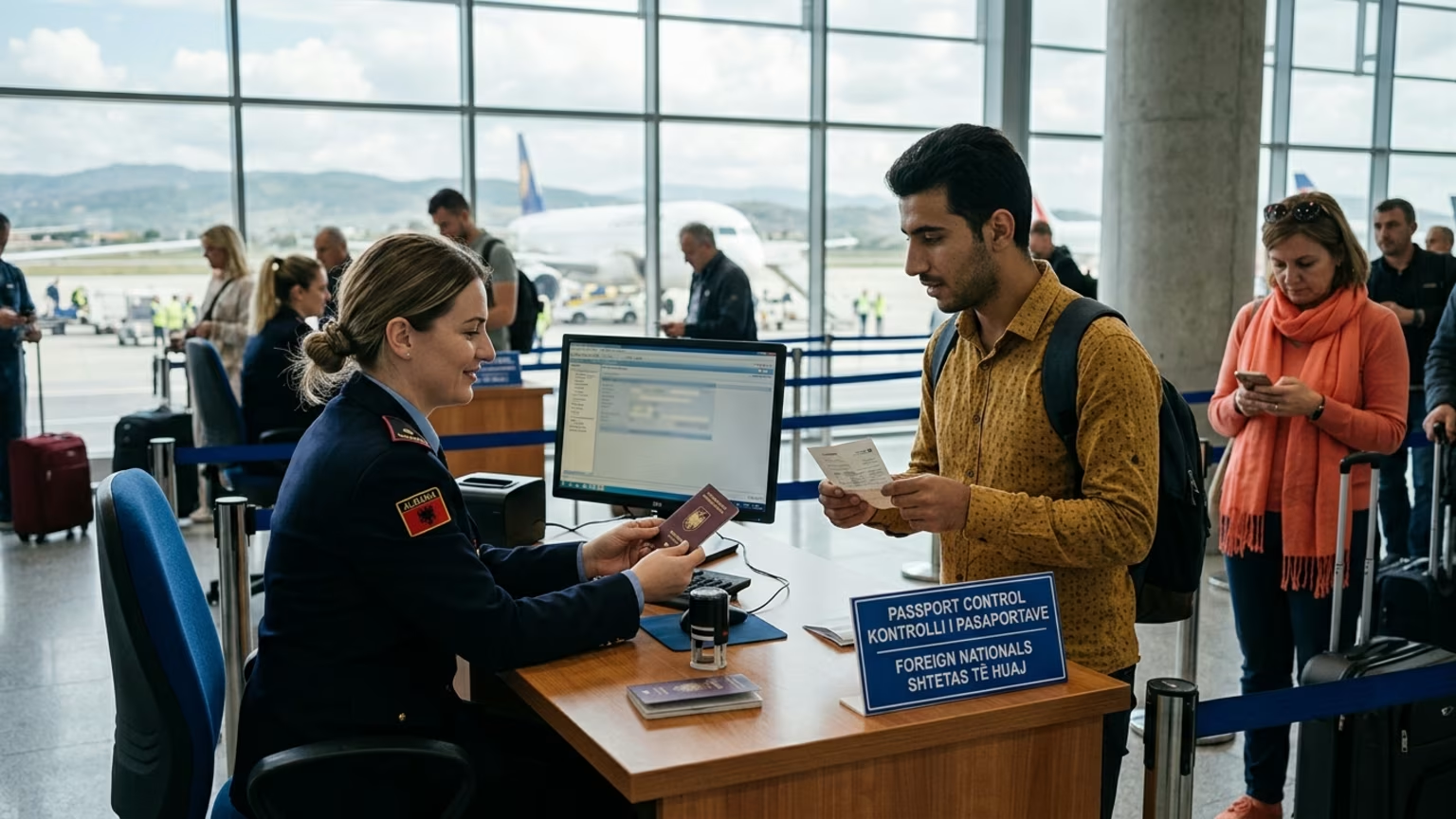
Summer travel requires planning ahead for your arrival. Gjirafa Travel currently lists about seven daily departures between Vlorë and Tirana Airport. The average journey takes roughly three hours, costing around €13. Ferryhopper lists seasonal Brindisi to Vlorë service, with up to three daily crossings in summer.
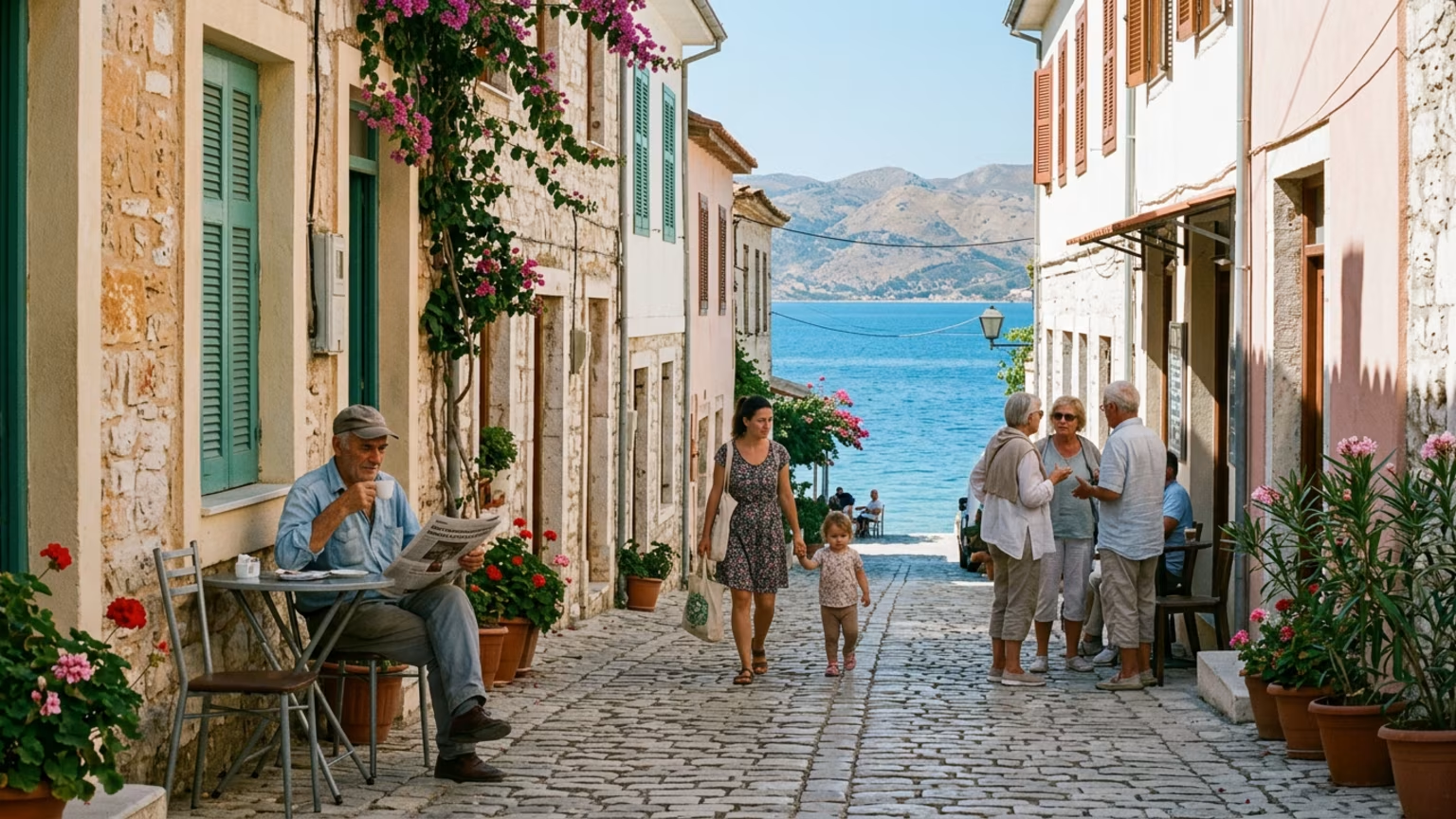
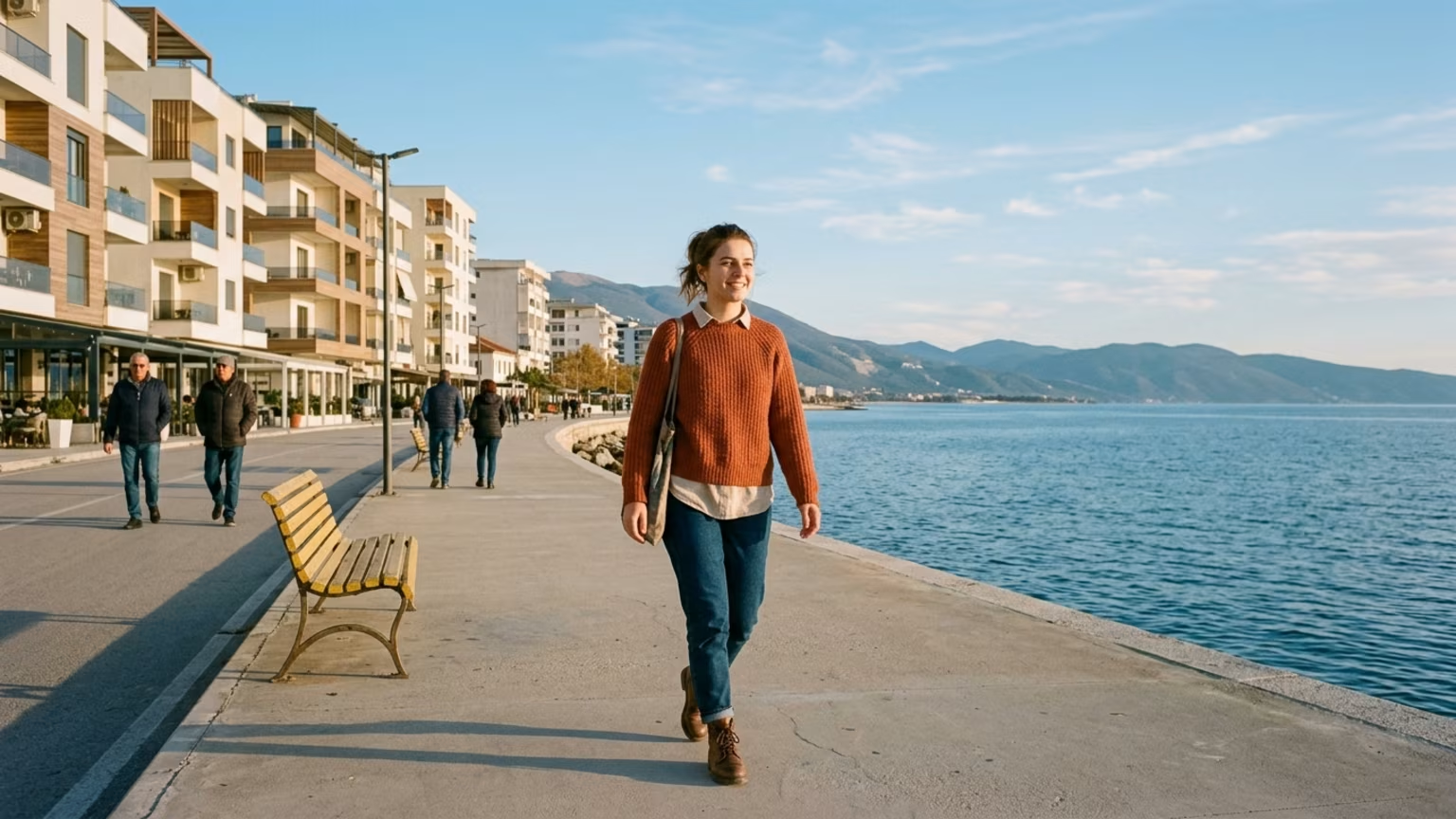
During these peak months, the focus is entirely on outdoor living. Locals and expats spend their evenings walking the main promenade. The warm waters make daily swimming a natural part of your routine. It is easy to see why so many people fall in love with Vlorë right now.
Many long-term residents prefer the quieter shoulder months over the summer peak. June and September provide a perfect balance of warm weather and fewer crowds. June brings average daytime highs around 27°C, lows of 15°C, and only six rainy days [2]. September cools slightly to 26°C with about 61 mm of rain across seven days [2].
These conditions make walking to local cafes a pleasant daily habit. The sea remains warm enough for swimming without the intense July crowds. Residents can actually enjoy the public spaces without fighting for parking. It is a fantastic time for building real connections in Vlorë before seasonal businesses close.
The transition into spring offers a wonderful local experience. May provides comfortable daytime highs around 23°C and lows near 12°C [2]. It averages only nine rainy days, which makes outdoor activities very pleasant [2]. April brings 18°C highs, 8°C lows, and roughly 12 rainy days with 71 mm of rainfall [2].
Autumn presents another peaceful window for permanent residents. October weather drops to a comfortable 22°C high with lows around 12°C [2]. The month brings about 10 rainy days, signaling the end of the beach season [2]. The tourist crowds vanish, leaving a calm atmosphere that is perfect for focused work.
During these quieter periods, you can enjoy normal daily routines. A simple morning habit of walking to the gym with a sea view feels completely stress-free. You will have the space to appreciate the local culture. The city becomes a relaxed, functional home rather than a busy resort.
The financial contrast between summer and winter is sharp and immediate. Booking data identifies July as the most expensive month for Vlorë hotels [14]. One hotel-price dataset reported an average of €169 per night during this peak summer period [14]. Renting a short-term apartment near the water will stretch your budget heavily.
December offers some of the cheapest accommodation rates of the year. The same dataset noted an average price of €41 per night in December [14]. This massive drop allows budget-conscious expats to save money on housing. If you are budgeting realistically for Vlorë in 2026, winter offers clear financial relief on rent.
Cheaper rent does not mean everything costs less. Groceries and year-round local services maintain steady prices regardless of the season. You will spend more money on heating during the damp winter months. You must weigh the lower housing costs against these hidden seasonal expenses.
Winter is the ultimate test for anyone moving to Vlorë permanently. The weather turns cold, wet, and often unpredictable from November through March. November brings the heaviest storms, with roughly 170 mm of rainfall over 13 days [2]. December follows closely with 162 mm of rain across 14 rainy days [2].
January is the coldest point of the year in Vlorë. You will experience average daytime highs of 11°C and lows of 3°C [2]. It rains for an average of 14 days, bringing roughly 143 mm of water [2]. February remains cool and wet, with daytime highs near 12°C, lows around 4°C, and 13 rainy days [2].
March brings a slight improvement with highs of 15°C and lows of 5°C [2]. Yet it still averages 13 rainy days, which makes outdoor plans difficult [2]. You will spend much more time inside your apartment or local cafes. This means you need a comfortable home, reliable internet, and proper heating.
Winter travel logistics look slightly different for newcomers. The bus to Tirana Airport continues to run, but international ferry service decreases. Ferryhopper notes fewer weekly departures from Italy during the cooler months. You must confirm current schedules directly before arranging your flights or leases.
This weather completely alters the rhythm of daily life in the city. Many seasonal restaurants in the beach areas close their doors entirely. If you expect sunny seasonal routines that match summer, you will be disappointed. You must find your own indoor hobbies and build a strong social network.
The winter forces you to experience Vlorë as a normal working city. You will buy groceries, visit the post office, and deal with local logistics. There is no beach entertainment to distract you from regular life. This quiet isolation is exactly what drives some newcomers away.
The best time to arrive depends entirely on your personality and goals. High summer is perfect for people who want intense energy and constant social events. If you love crowded beaches, July and August will thrill you. You just have to accept the heavy traffic and premium housing costs.
The shoulder seasons are ideal for remote workers and relaxed newcomers. Moving in May or September offers warm water, open businesses, and peaceful streets. These months give you the best combination of coastal beauty and local tranquility. You get the benefits of the Mediterranean without the overwhelming stress.
The winter months belong to retirees and budget-conscious residents seeking maximum quiet. You must be comfortable with heavy rain and limited outdoor entertainment. If you value low rent and local authenticity, January will suit you well. This is when the true character of the city reveals itself.
At vlore circle, we advise people to be realistic about their lifestyle needs. Think about whether you need daily sunshine or just a quiet place to work. Book a short winter trip to test the city in February before signing a long-term summer lease.
Follow Vlore Circle for fresh guides, local updates, and community notes around life in Vlorë. It is the easiest way to stay close to what we are building.
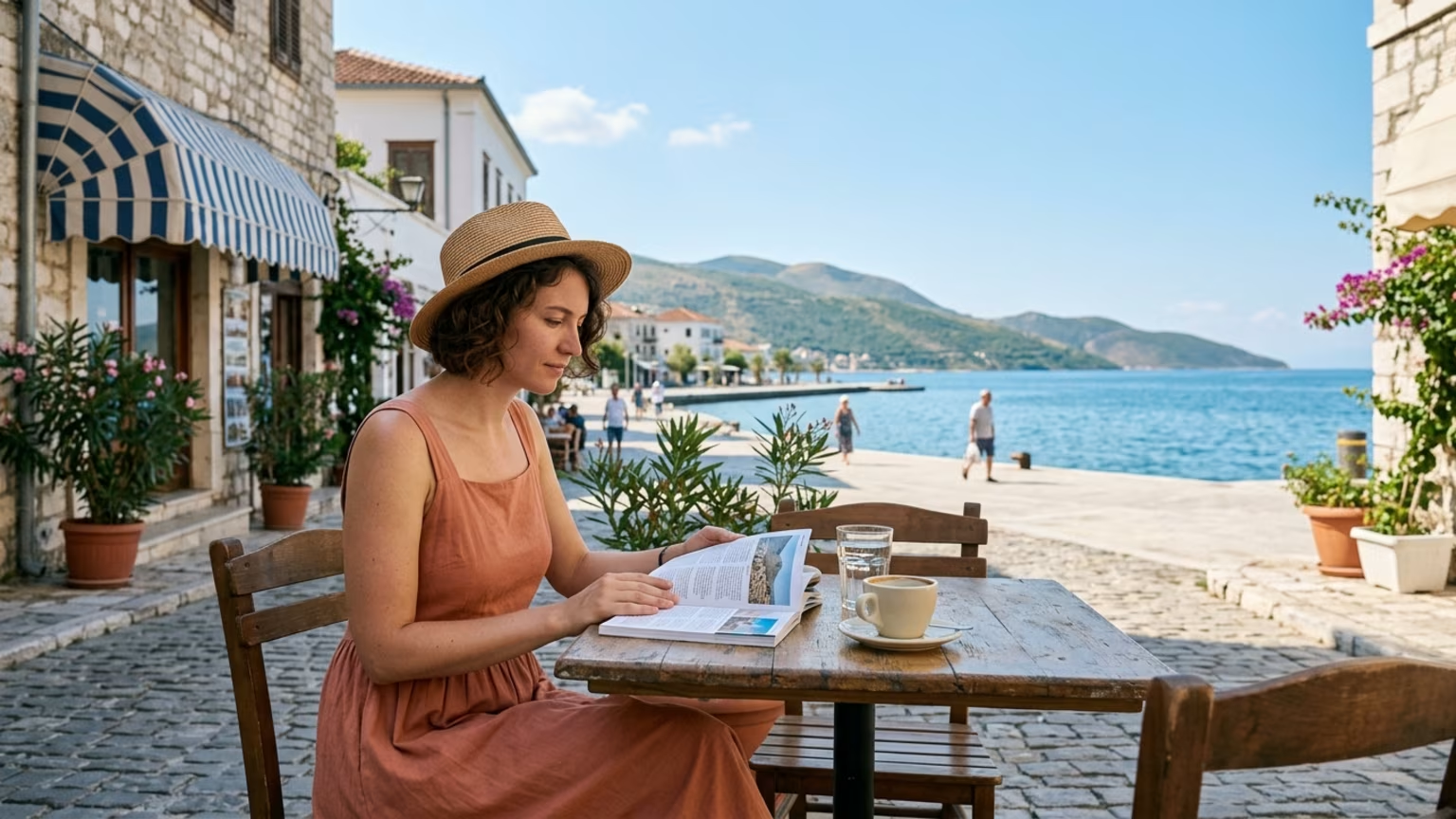
An August 2026 guide rates Vlorë as a moderate-crowd, mid-priced coastal base compared to the busy southern hotspots of Ksamil and Saranda.

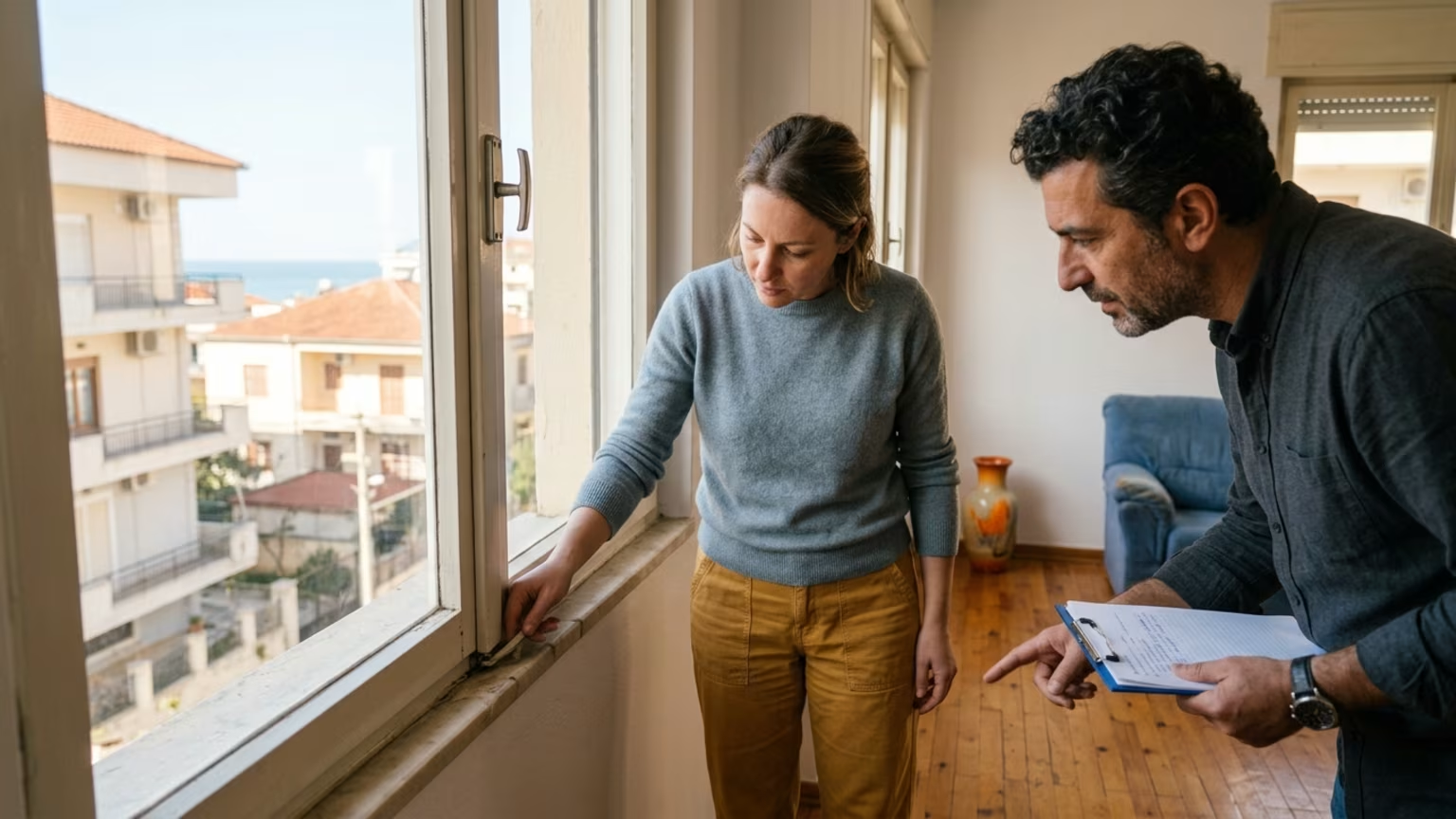
Learn how to choose a Vlorë rental that works all year. Find out what to check for winter heating, dampness, and internet before signing a long-term lease.
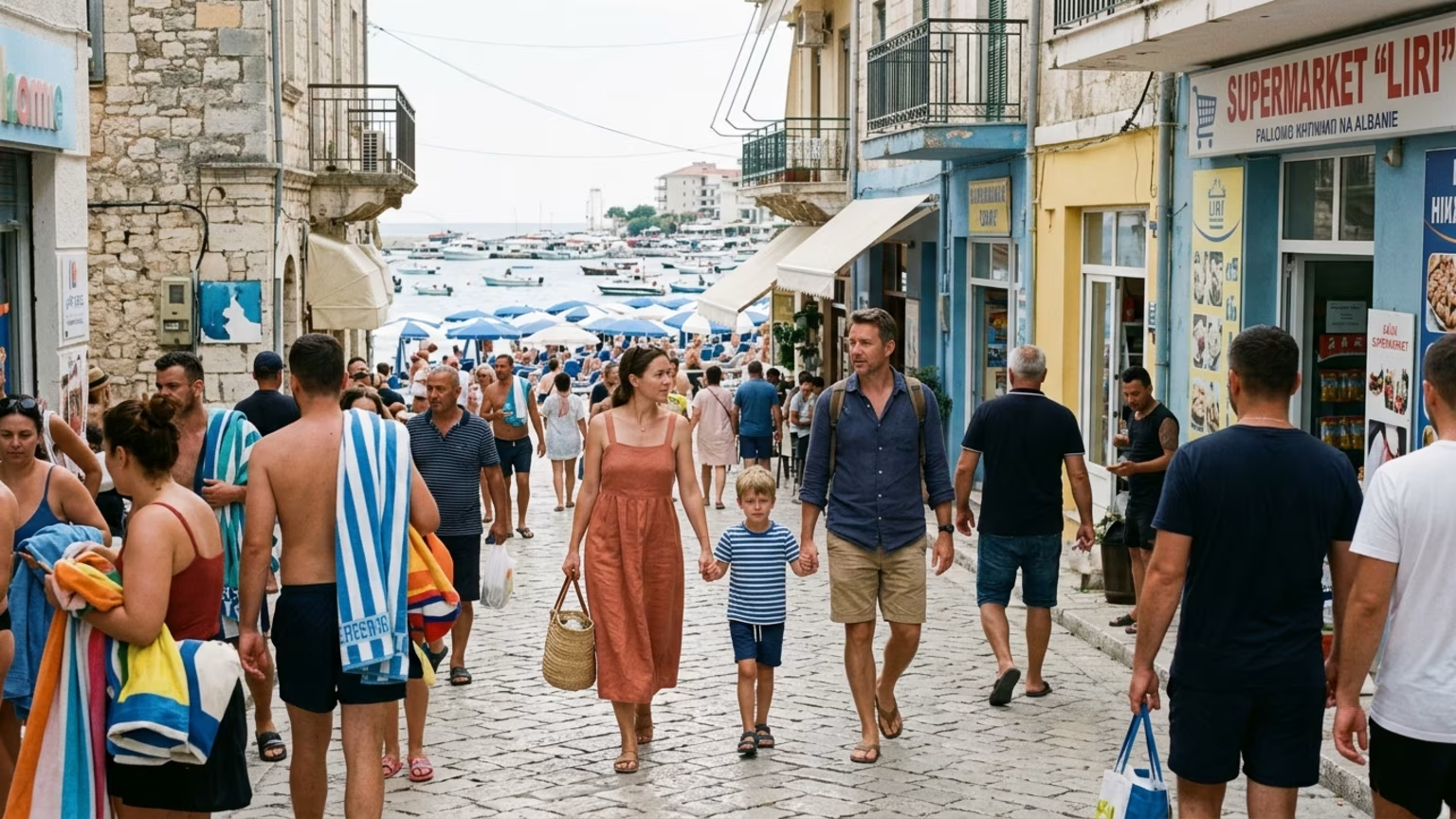
Learn how life in Vlore shifts across four seasons. Read practical insights for renting, remote work, and adapting your daily routine to the Albanian coast.