Representative image

Learn how to handle Vlorë's seasonal changes. Get practical tips for winter weather, summer crowds, budget shifts, and building a year-round local life.





Industry analysts report that up to 70 percent of annual tourism in Mediterranean coastal towns occurs between July and August. Living in Vlorë year-round requires adapting to this massive shift from high-season crowds to off-season quiet. You must adjust your housing strategy, social habits, and daily routines to match the changing environment. The people who thrive here understand that the city has two completely distinct personalities.
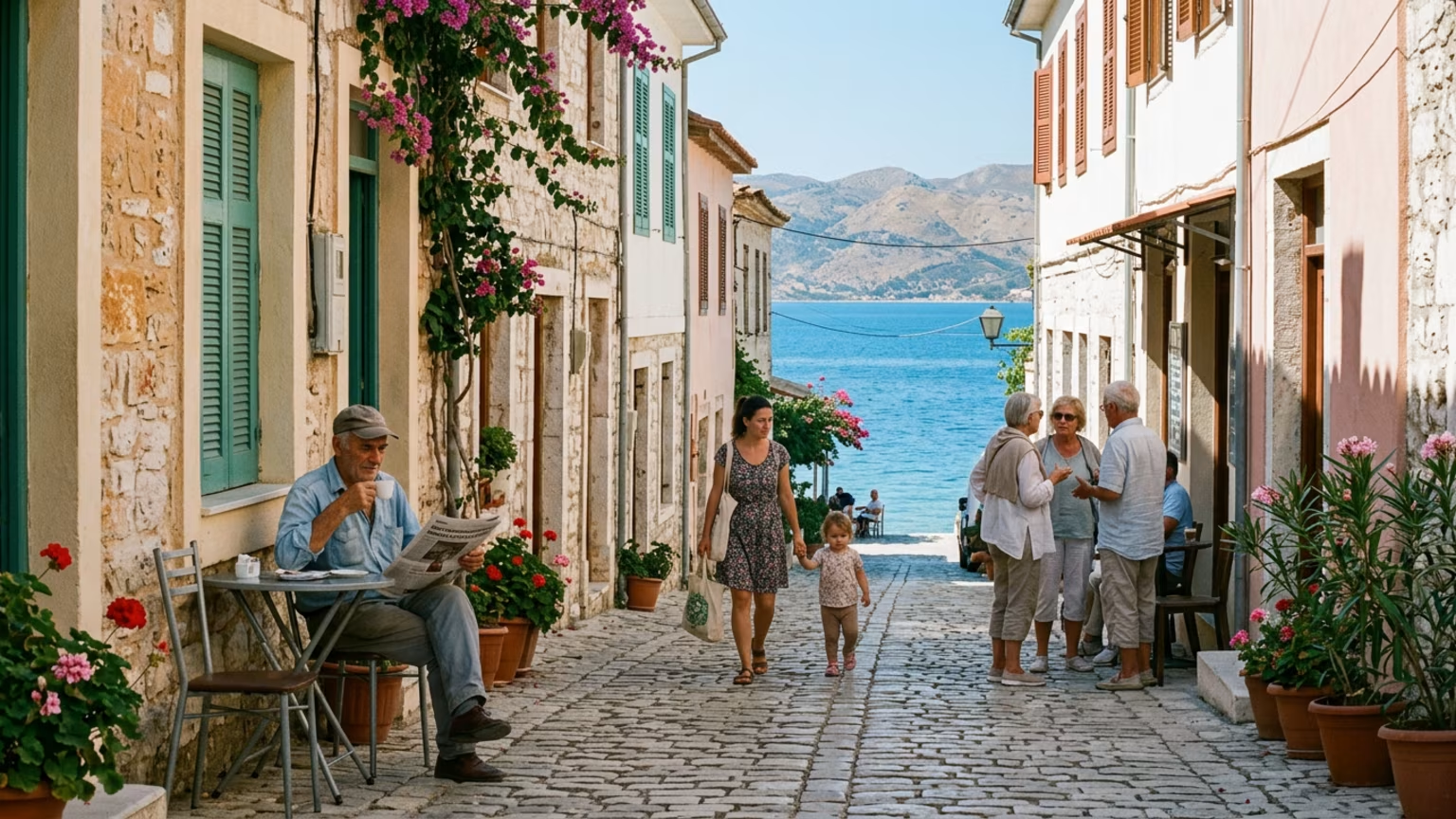
Vlorë is fundamentally defined by its relationship with the Adriatic and Ionian seas. Summer brings heavy traffic along the Lungomare promenade and crowded beaches stretching down to Orikum. Winter empties those same coastal roads and pushes life back into the historic city center near the Muradie Mosque. A steady local population keeps the city running year-round.
Real estate experts note that this baseline local presence separates Vlorë from pure resort towns. Understanding this shift helps you plan better leases and avoid isolation when the beach clubs close. The local economy transforms entirely between October and May. Family-run businesses in the city center become the main hubs of daily activity.
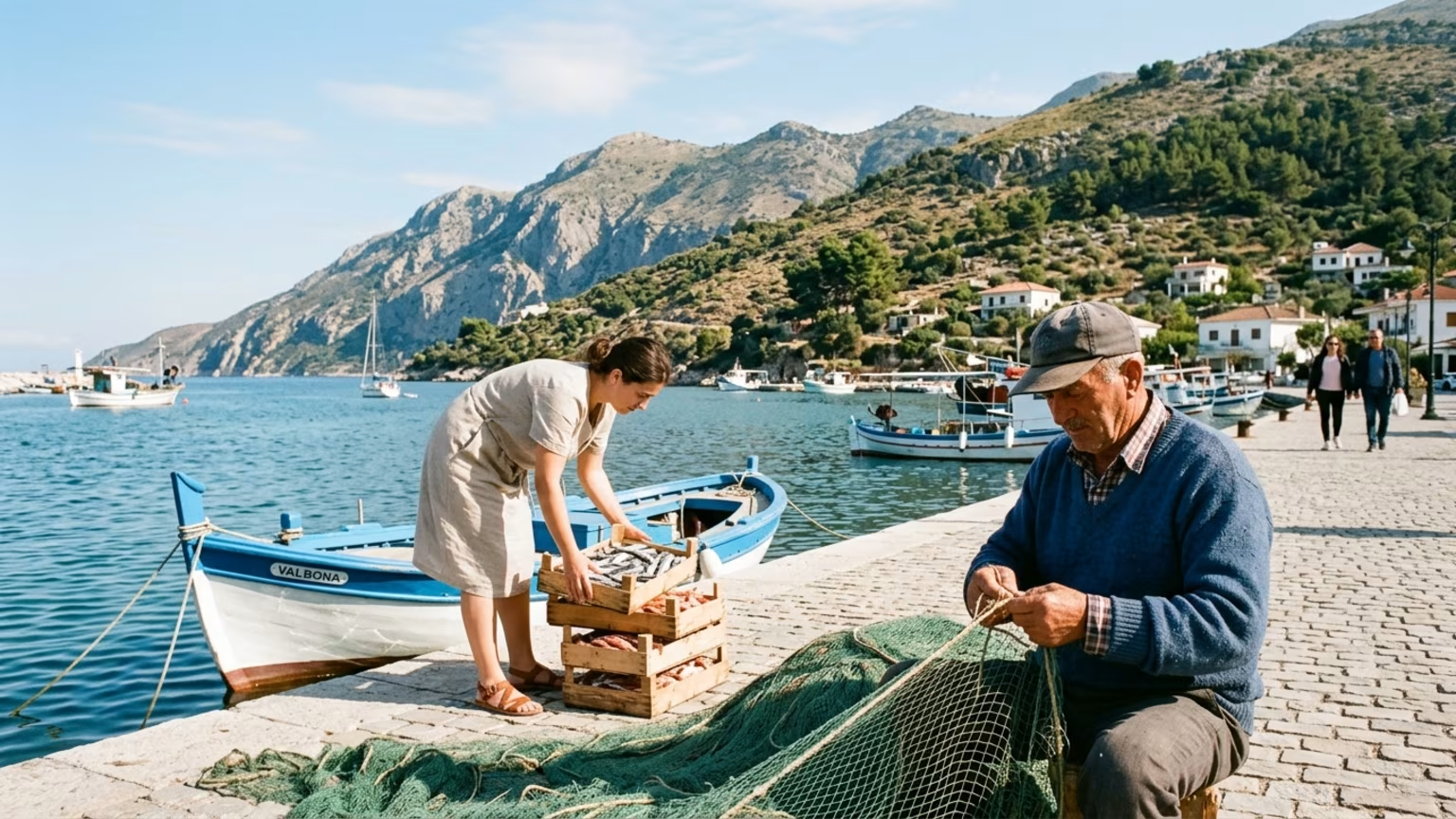
Fishermen adapt their daily routes, and the surrounding hills fill with activity during the autumn olive harvest. You will notice the pace of life slowing down significantly. Coffee culture shifts indoors, and the long evening walks become shorter and brisker. The transition from August to November is dramatic, and it changes how everyone interacts.
Many newcomers arrive in August and expect the sunny energy to last all year. The reality is much different once November arrives with heavy rains and strong coastal winds. Summer means dealing with loud music late into the night and paying premium prices for basic goods. Winter brings dampness into concrete apartments that often lack central heating.
Preparing for these shifting weather demands is a non-negotiable part of expat life here. You will need thick sweaters and a good dehumidifier to stay comfortable indoors from December to March. Heavy rainstorms occasionally cause brief power outages in certain neighborhoods. The romantic vision of year-round beach days quickly fades when the Bora wind hits the coastline.
Many expats are surprised by how quickly the city cools down in the evening. Proper insulation is rare in older Albanian buildings. You must actively manage the humidity in your home to prevent mold on your walls and clothes. This constant maintenance is a chore that tourists never have to experience.
Adjusting to the seasonal changes requires a specific and practical approach.
Finding these consistent social spots helps you build a reliable local network long after the tourists leave.
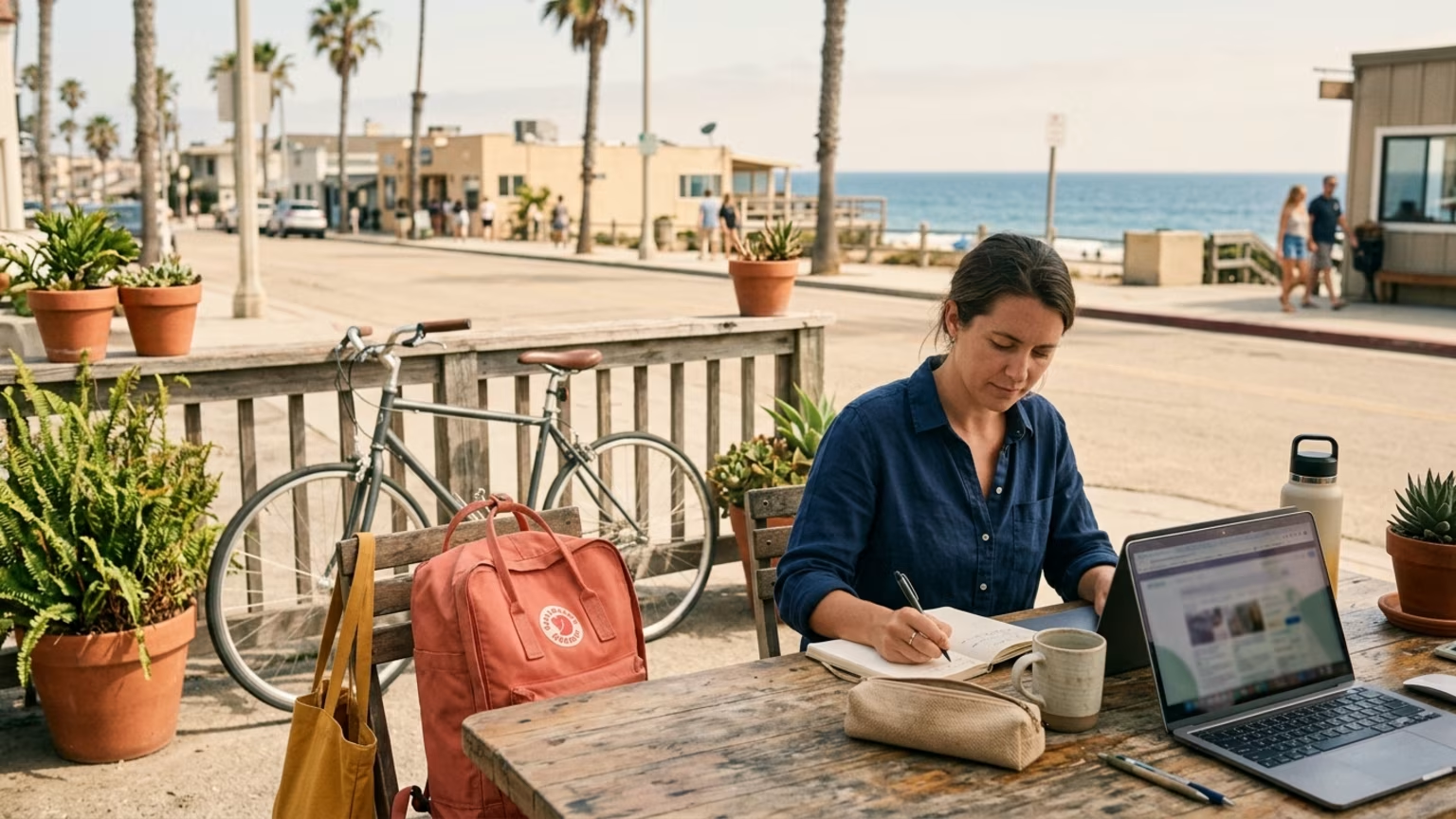
Working online from Vlorë requires seasonal internet strategies. Summer crowds overload local cell towers and strain the broadband infrastructure. You might experience slower upload speeds in August when thousands of tourists connect to the network. Having a backup internet plan is a smart idea for digital workers.
Winter brings a different set of technical challenges. Heavy coastal storms can occasionally knock out power lines for a few hours. Keeping your laptop fully charged and having a mobile hotspot ready is a daily requirement.
Creating a comfortable home office is necessary for surviving the colder months. A cold apartment will ruin your productivity very quickly. Invest in a thick rug and a small space heater for your desk area. This small upgrade makes working through January much more pleasant.
Pharmacies and clinics operate differently depending on the time of year. Summer brings long lines at pharmacies near the beach as tourists buy sunburn cream and basic medicines. Winter clears out these lines, but you might face different local illnesses.
Colds and flu spread easily during the damp winter season. Knowing where to find reliable care is a priority for year-round residents. You should identify your preferred doctors and specialists before you actually get sick.
Familiarize yourself with how the local medical system operates to avoid stress during an emergency. The main regional hospital stays open all year, but specialized private clinics might adjust their operating hours in winter. Establishing a relationship with a local pharmacist in your neighborhood is highly recommended.
Your monthly expenses will fluctuate wildly depending on the calendar. Summer brings high electricity bills from constant air conditioning and expensive dinners along the coast. Expect to pay at least double for short-term rentals if you have not secured an annual contract.
Winter lowers your entertainment costs but increases your utility bills for heating. A typical coffee at a neighborhood cafe remains stable at around 100 to 150 Lek throughout the year. Knowing these variations helps you maintain a realistic monthly budget without nasty surprises.
Winter electricity bills often range from 6,000 to 10,000 Lek depending on your heating habits. Fresh produce from the local market drops in price by roughly 20 percent during the off-season. Buying seasonal vegetables like cabbage and leeks will keep your grocery bills incredibly low.
Planning your financial year around these known spikes keeps your savings secure. You can save money by eating at home during the busy summer months. You can then use those savings to enjoy the quiet, warm indoor restaurants during the winter.
Where you choose to live dictates how the seasons affect you. The Uji i Ftohtë area is highly desirable in July for its beach access and lively restaurants. That same neighborhood feels abandoned and extremely windy by January.
The main city center around Independence Square offers a completely different experience. It holds the steady local population and keeps its markets, bakeries, and cafes busy 12 months a year. Choosing an apartment near the Vlorë-Skelë boulevard gives you the best of both environments. You can easily walk to the beach in summer and retreat to the active center in winter.
Living near the port area provides another practical compromise. You stay close to the water, but you are protected from the worst of the winter winds. The grocery stores and pharmacies in this central zone never close for the off-season.
Do not fight the quiet winter days. The period from January to March is the best time for deep, focused remote work. Use the empty cafes for writing or planning, and take long walks on the deserted beaches. Join the community to find local friends and resources. Our winter meetups are often much more intimate and useful than the crowded summer events.
Locals know that winter is the time for recovery. They spend hours talking over coffee in warm rooms. They cook hearty meals and focus on family life. Adopting this local mindset will keep you from feeling bored or isolated.
Those Mediterranean coastal statistics do not just represent numbers on a page. They represent the actual shift from sun-soaked chaos to quiet reflection. Sitting on an empty beach in February offers a totally different perspective than the crowded August shoreline. Mastering this cycle turns Vlorë from a temporary vacation spot into a true home.
Follow Vlore Circle for fresh guides, local updates, and community notes around life in Vlorë. It is the easiest way to stay close to what we are building.
Direct flights from Bratislava connect Slovak remote workers to Vlorë. This guide details the 150 km Tirana airport transfer and practical arrival steps.

Find the right Vlorë neighborhood by prioritizing daily errands, testing seasonal routines, and weighing central walkability against quieter coastal areas.

Discover how to build your social life in Vlorë by joining the evening xhiro on the Lungomare. Get practical tips for navigating informal community rhythms.