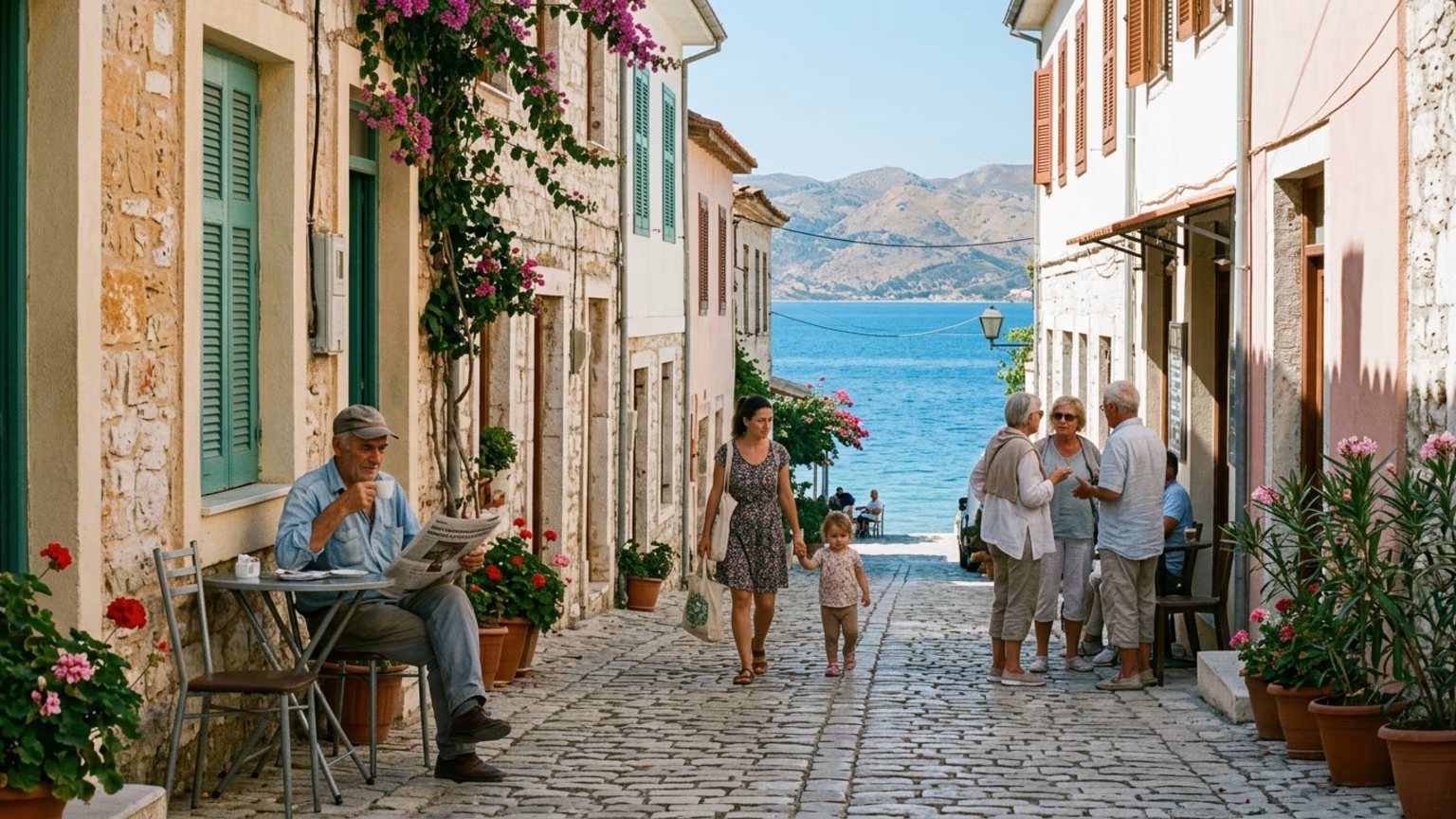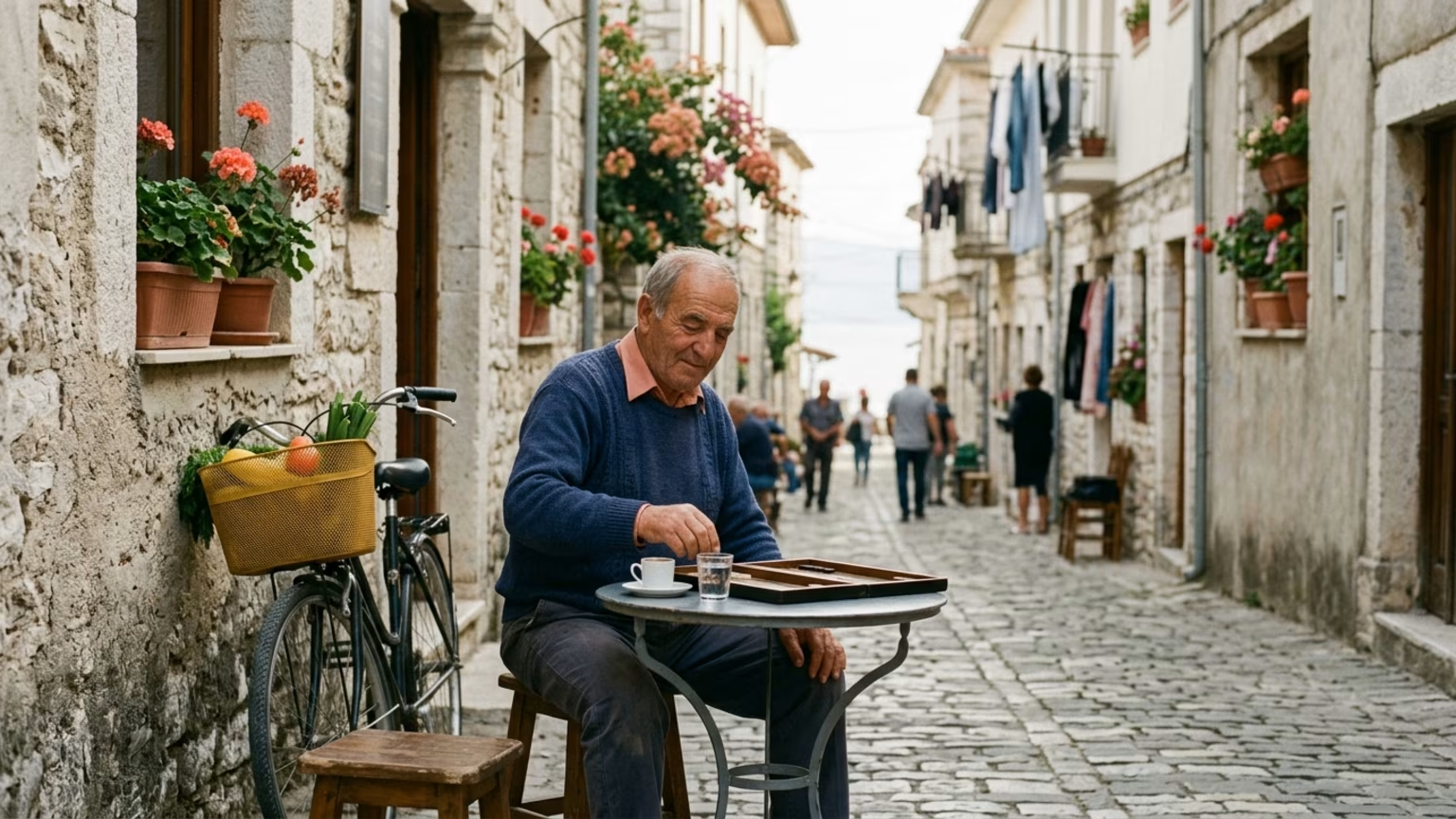
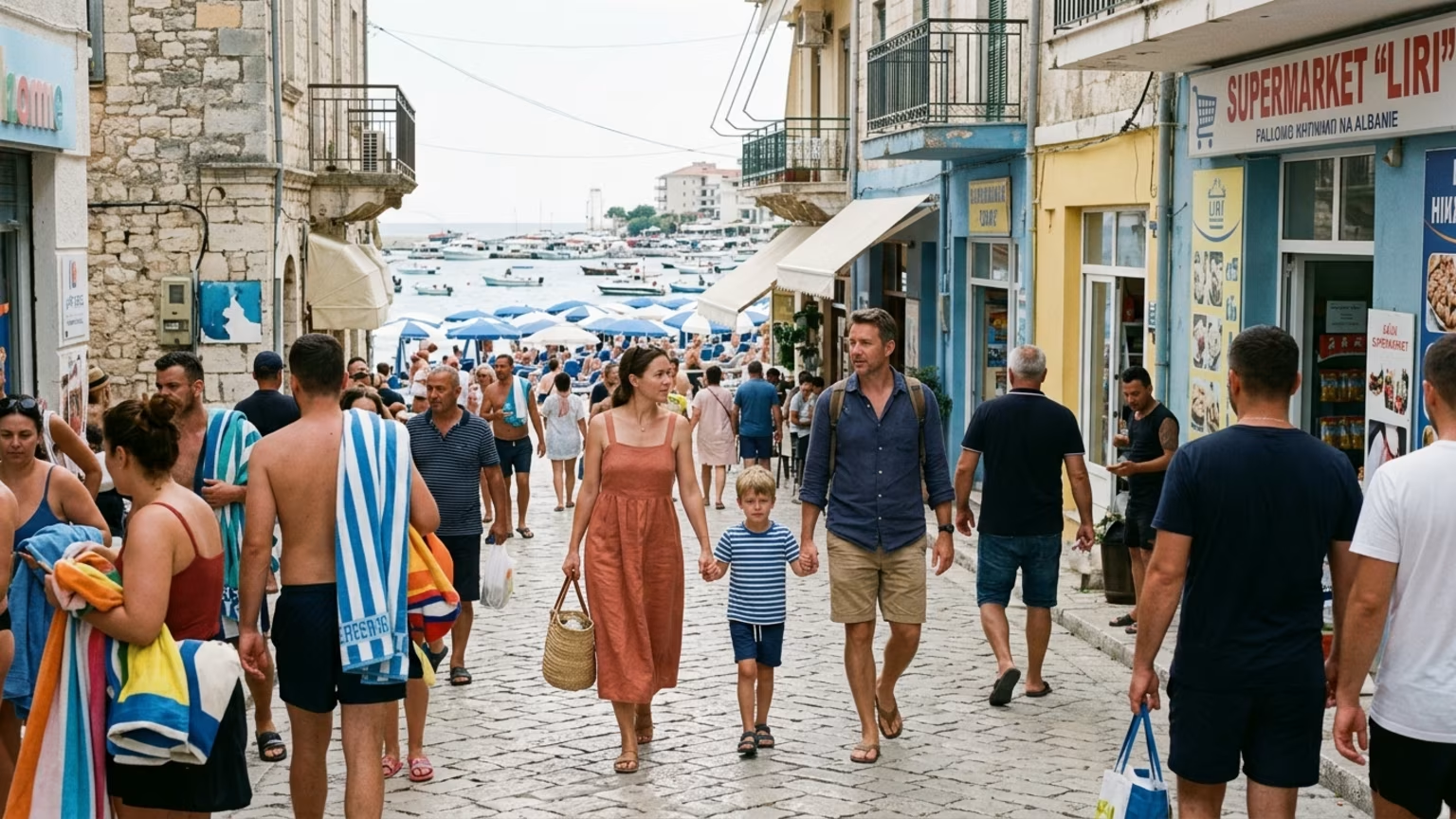
Representative image

Navigate Vlorë like a resident by mastering local routines. Learn the right timing for markets, beaches, and cafes to build a sustainable coastal lifestyle.





Foreign arrivals to Albania reached about 5 million in the first half of 2026, an increase of 6.2 percent over the same period in 2025. This steady growth means the coast is busier than ever during the summer months. To truly settle in this region, you need to look past the main attractions and build quiet daily routines.
Before you start building these routines, you need a realistic view of the city. Vlorë functions as both a working urban center and a major coastal destination. You must understand that the main beach season runs roughly from late May through early October. Abandon the mindset of a short-term visitor, and bring small cash bills to pay independent vendors.
Albania recorded 12.47 million foreign visitors in 2025, which represents a 6.6 percent increase from the previous year. This massive influx places significant pressure on local infrastructure, housing, and natural resources. A 2026 regional study characterizes the Vlora Region as moving toward a development consolidation phase. That same research flags environmental risks, including rising pressure on the Narta Lagoon wetlands.
Understanding these macro trends helps you appreciate why a slower approach is necessary. You cannot treat the city like an amusement park if you plan to stay long-term. Being a good resident means using resources carefully and respecting shared public spaces. Your daily habits should support the local economy without adding unnecessary strain during the peak season.
Start your day near the water to understand the true pace of the town. The port-area fish market is an early-morning hub where fresh catch arrives directly from the sea. Local restaurants often buy their inventory directly from the incoming boats at this location. Arriving early gives you the best selection of seafood for your own kitchen.
Buying your own fish, mussels, octopus, and squid connects you to the regional food supply. Making this trip part of your weekly schedule helps you learn the local daily food rituals. You will start to recognize the same vendors, fishermen, and restaurant owners each week. This consistency is the foundation of feeling grounded in your new neighborhood.
When you buy your own food from small markets, you participate in a daily civic ritual. The vendors appreciate repeat customers who learn a few basic phrases in Albanian. You do not need to speak perfectly to show that you are trying to integrate. A simple greeting and a smile can completely change the tone of your transaction.
Travel guides frequently highlight the Lungomare and Plazhi i Ri as the main visitor-facing areas. These waterfront corridors offer beautiful sea views, large cafes, and easy access to nightlife. However, this city has a robust working core located just a few streets inland. To get a complete picture of daily life, you need to step away from the promenade.
Alternate your coffee habits between the busy waterfront and the quieter residential streets. Sitting in a neighborhood cafe allows you to observe the ordinary pace of the community. This simple practice improves your understanding of basic neighborhood logistics and local pacing. By spreading your spending across different types of businesses, you support the year-round economy.
In many Albanian neighborhoods, the cafe serves as a de facto community center. This is where people discuss the news, conduct informal business meetings, and catch up with relatives. When you become a regular at a specific inland location, you become part of that fabric. The staff will quickly learn your preferences, and you will start to feel at home.
The coastal experience here changes drastically depending on the specific month. Travel sources repeatedly note that July and August are the hottest and most crowded months. For a more comfortable experience, June and September offer warm water and a quieter atmosphere. If you want to swim during the peak summer, always go early in the morning.
Late afternoon visits provide another excellent way to enjoy the sea without the harsh midday heat. The coast is shared infrastructure, and finding the right timing makes a massive difference. You will find that local residents tend to avoid the beaches during the busiest tourist hours. Adopting this seasonal living routine keeps you comfortable during the weeks when the city reaches peak capacity.
The physical geography of the bay means that certain areas get sun earlier in the day. Plazhi i Ri and the stretches along the Lungomare fill up very quickly during the summer. By shifting your schedule, you can secure a spot before the heavy heat sets in. Watching the water calm down during the late afternoon is one of the best local experiences.
Eating well as a resident means paying close attention to the daily catch. Seafood is central to the coastal dining scene, but availability changes constantly based on weather. A great local practice is asking restaurant staff what exactly arrived on the boats that morning. This guarantees you get the freshest food while supporting sustainable fishing practices.
You should look beyond seafood to appreciate the broader southern Albanian kitchen. Try regional staples such as tavë kosi, byrek with greens, and seasonal vegetable casseroles. These dishes provide hearty, affordable alternatives when the sea is too rough for small fishing boats. Eating these traditional meals is a great way to deepen your authentic local integration.
Newcomers sometimes make the mistake of demanding specific imported products year-round. A better approach is to accept the limitations of the current season and eat what grows nearby. When you base your diet on local agriculture, your grocery bills stay much lower. This flexibility is a crucial part of adapting to a Mediterranean coastal lifestyle.
The identity of this region extends far beyond the immediate city limits. Short trips to the Karaburun Peninsula or Sazan provide a nice change of scenery. You can head south toward Llogara for mountain views and a dramatic climate shift. Always verify departure times, current prices, and weather conditions with local operators before leaving.
These excursions are best planned during the shoulder seasons of June and September. During these months, the roads are less congested and the boat operators are less rushed. You get a much better sense of the natural landscape when you avoid the peak summer rush. Just remember to pack out any trash, as seasonal tourism increases waste management pressure in coastal areas.
Getting to these destinations requires a bit of logistical planning and patience. Public transport schedules can be fluid, so asking a local driver is often the safest bet. If you plan to rent a car, prepare for narrow mountain roads on the way to Llogara. Taking the time to understand these regional transit quirks will make your weekends much less stressful.
Living here long-term requires an awareness of your environmental impact. Reports indicate that coastal municipalities face rising waste management costs during the summer tourist influx. You can help by carrying reusable items, limiting plastic use, and disposing of trash properly. Small conscious choices make a big difference in a rapidly growing coastal community.
Treat public spaces like the Lungomare with respect for the people who live nearby. Keep noise levels reasonable, leave room on the sidewalks, and do not block residential entryways. The waterfront is a shared civic asset, not just a backdrop for vacation photos. Showing basic courtesy to your neighbors goes a long way in establishing good relationships.
Another critical factor is the strain on municipal water and energy systems. The massive spike in summer visitors can sometimes lead to temporary utility shortages in certain neighborhoods. As a long-term resident, you can help by keeping your own consumption reasonable during peak weeks. Small acts of conservation show that you care about the long-term health of the city.
The most common friction point for newcomers is trying to live a mid-summer lifestyle year-round. July and August bring heavy traffic, higher costs, and crowded public spaces. Sticking only to the Lungomare during peak season will leave you feeling completely overwhelmed. You can bypass this stress by taking early morning walks and walking inland streets away from the main corridor.
Another major trap is assuming that all services operate identically in every season. Ferry schedules, restaurant menus, and cafe hours will shift as the crowds thin out in October. Do not rely on static internet guides for exact opening times or daily excursion prices. Instead, build a habit of asking locals and checking with business owners directly.
The effort it takes to navigate this changing landscape is entirely worth it. Repeating ordinary activities like shopping, walking, and swimming helps you recognize familiar faces. These small interactions eventually turn into genuine relationships with the people around you. You earn your place in the community by showing up consistently and respectfully.
Foreign arrivals reached about 1.35 million in June 2026, compared with 1.33 million in June 2025. With national visitor numbers steadily climbing, taking a slow approach sets you apart from the crowd. You get to enjoy the beauty of the coast without adding to the seasonal chaos. In the end, the real reward is feeling like you truly belong in Vlorë.
Follow Vlore Circle for fresh guides, local updates, and community notes around life in Vlorë. It is the easiest way to stay close to what we are building.
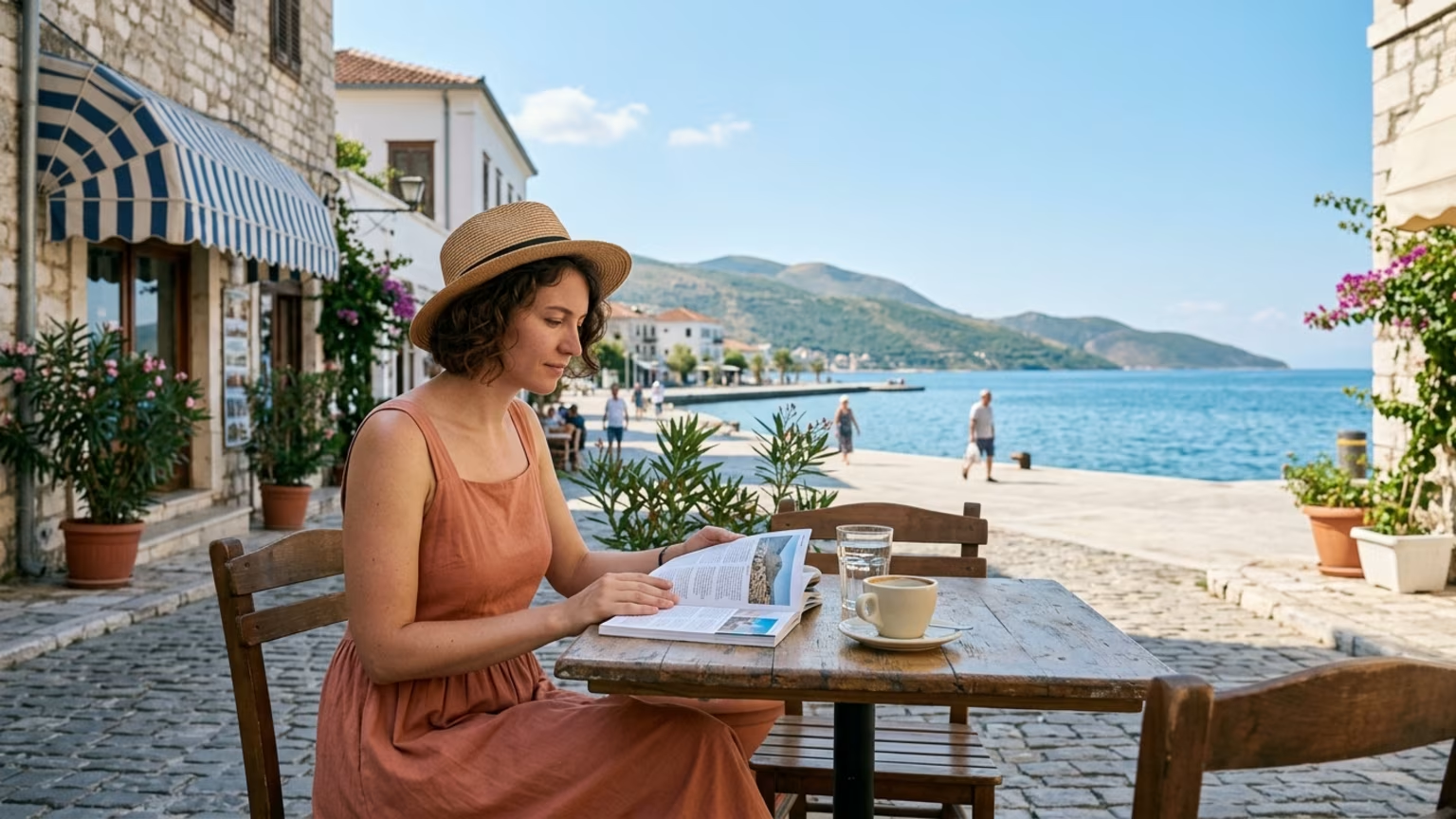
An August 2026 guide rates Vlorë as a moderate-crowd, mid-priced coastal base compared to the busy southern hotspots of Ksamil and Saranda.

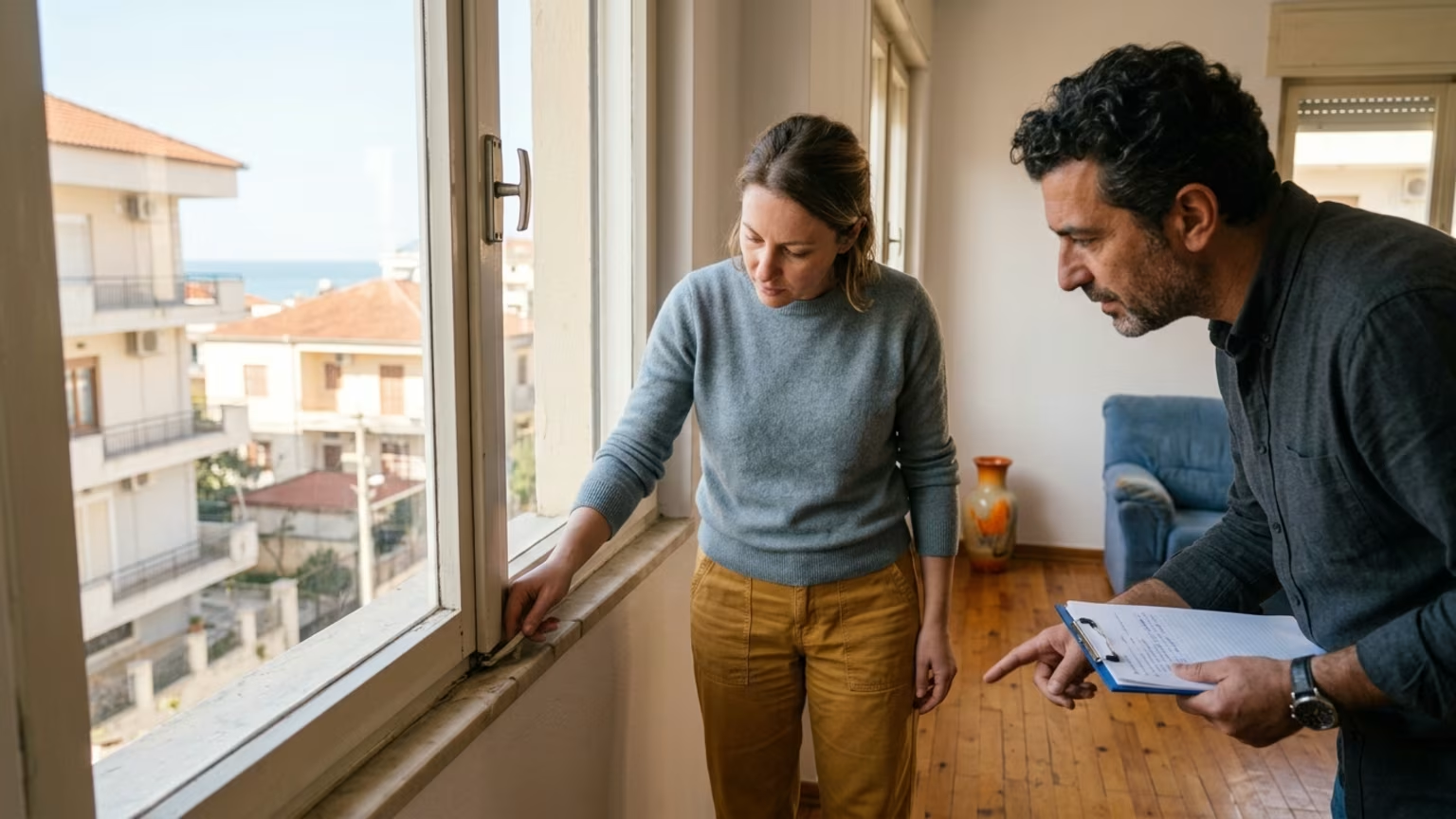
Learn how to choose a Vlorë rental that works all year. Find out what to check for winter heating, dampness, and internet before signing a long-term lease.
Learn how life in Vlore shifts across four seasons. Read practical insights for renting, remote work, and adapting your daily routine to the Albanian coast.