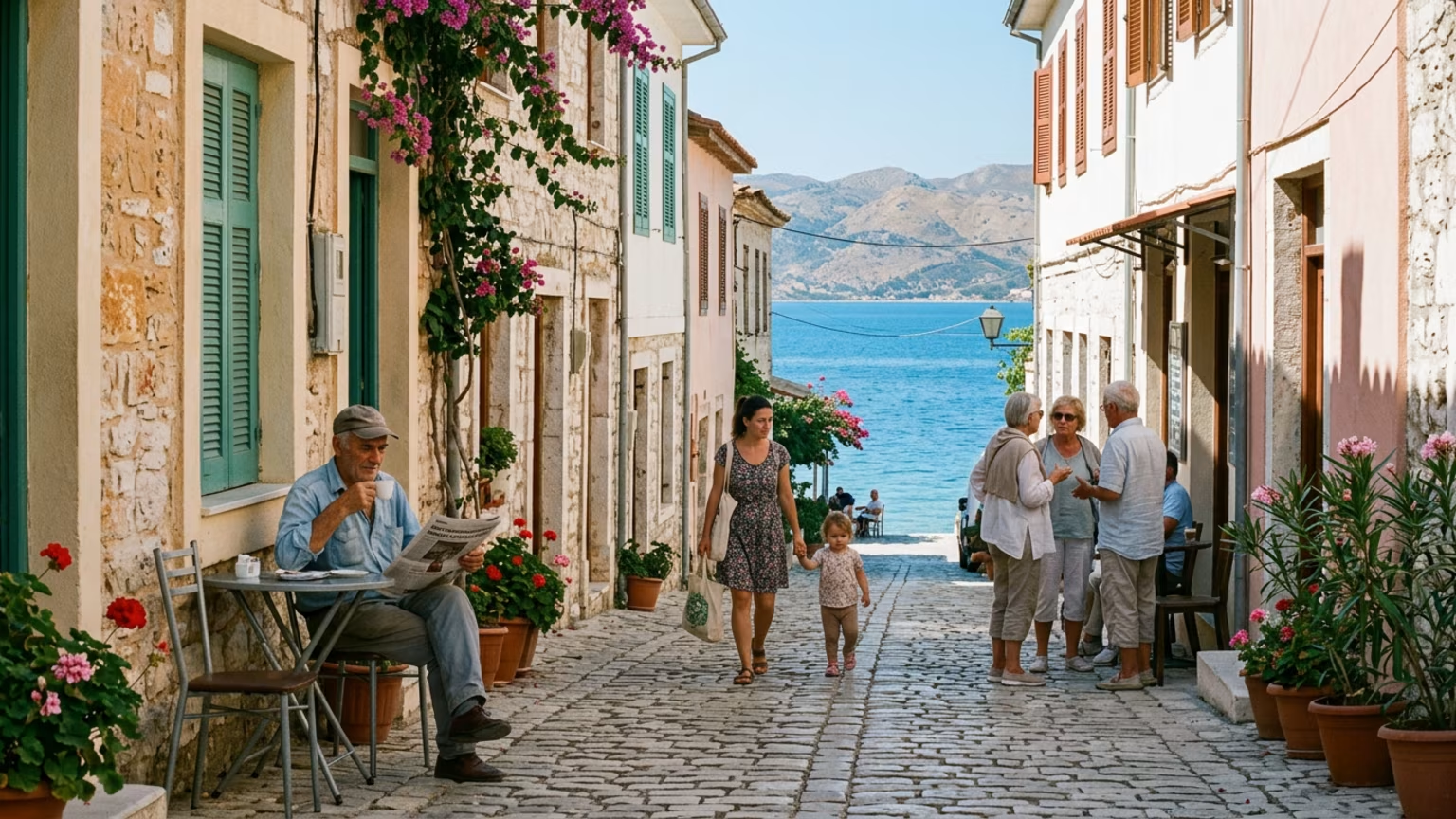
Representative image

Plan summer life in Vlorë with practical checks for rental cooling, water and power backups, work hours, crowds and outdoor alerts.





Can you live comfortably and keep working in Vlorë through summer, or does the beach setting hide too much daily friction? The practical answer starts with your apartment and timetable, not the sea view. A place near the beach still needs shade and cooling, and a working week still needs room for errands.
For Vlore Circle, the useful test is whether an ordinary week works: work that gets done, a comfortable home and errands that fit the heat. The coast is part of that life. It is not a substitute for checking the basics before committing to a rental.
Move errands and outdoor activity into cooler parts of the day, then keep demanding work in a shaded or cooled space. At home, use blinds or shutters during the day and plan safe ventilation when outdoor conditions permit. WHO Europe describes lowering blinds or shutters by day and opening windows at night as practical heatwave routines.
A local travel guide describes July and August as Vlorë’s hottest and busiest months. That gives newcomers a useful planning cue: assess the apartment and working day for peak summer, not just for a pleasant beach visit. Cooler-hour planning is a heat-management choice rather than an established citywide siesta or business-hour rule. A coastal address does not answer the separate questions of shade, ventilation and working air conditioning.
Start with how the apartment works during a hot day. Before booking or signing a lease, ask the host or landlord about cooling and utility continuity. The useful discussion concerns the actual building and apartment, not a broad claim that homes near the sea are comfortable.
These practical questions follow from WHO Europe’s home-cooling guidance:
Ask about the room you will actually use for work. A beach-facing balcony may be appealing, but the relevant question is where calls and focused work will happen during the hottest part of the day. Treat the sea view and the cooling arrangements as separate parts of the decision.
A relocation guide describes electricity in Albanian cities as broadly reliable but notes brief outages. It describes intermittent water supplies in some areas and rooftop tanks in some buildings. This is national relocation guidance, not a record of interruption frequency in Vlorë.
For the apartment under discussion, ask:
An Albania rental guide recommends checking water pressure and hot water. For remote work, it suggests mobile data and a small UPS for a router during shorter power interruptions.
Treat these as backup options to discuss, not proof that every Vlorë apartment needs the same equipment. A router backup answers a narrow work question. It should not be confused with an arrangement for keeping the whole apartment running.
Keep these questions alongside the wider process of checking rental terms and running costs. Cooling and utility answers belong in the housing decision before the beach view settles it.
The honest answer: a flexible timetable gives you more room to adapt. Fixed work hours and outdoor commitments leave fewer options. The practical goal is not to move every task, but to avoid putting movable tasks into the least comfortable part of the day.
A fixed meeting schedule does not mean the meetings must change. Move the errands and outdoor plans instead, then check that the work area is comfortable during the hours you cannot change.
A simple planning outline is:
Check the opening hours of the place you plan to use before moving an errand. A cooler departure time is not useful if the destination is closed. Build the day around the service you need, rather than an assumed local summer timetable.
Crowds deserve some room in the plan too. Euronews, citing UN Tourism, reported 11.9 million arrivals to Albania in 2025, up 3.3% from 2024. The report described a major influx of visitors to Vlorë.
Those are national arrival figures, not a count for Vlorë’s beach area or a measure of waiting times. The practical response is to leave flexibility around outings rather than assign a fixed delay to every journey. For the working week, focus on a repeatable routine around coastal life rather than a daily holiday schedule.
Older residents and other vulnerable people need more than a rearranged diary. WHO Europe notes that home-adaptation advice can help guide heat-risk behaviour among these groups. For a household planning a summer stay, a shaded or cooled place should be part of the accommodation discussion from the start.
The same practical concern applies to any apartment that cannot be kept comfortable. Moving a walk or shopping trip does not resolve the question of where someone will spend the hotter part of the day. Return to the cooling and ventilation questions before accepting the home as suitable.
Fire and severe-weather planning needs a different kind of flexibility. The European Commission describes the EU Civil Protection Mechanism as a route through which countries can request emergency assistance for wildfires. That mechanism is not a forecast of conditions around Vlorë or a local evacuation procedure.
For travel and outdoor trips, check current local and official alerts before setting off. Follow the advice relevant to the location and day. A beach outing or trip farther along the coast should remain changeable when current guidance calls for a different plan.
Plan like a resident rather than copy a holiday itinerary: protect work and household tasks, then fit the coast around them. Think of the beach as a flexible part of the week, not a fixed appointment that dictates everything else. That is a planning approach, not a claim about a local custom.
The useful switch is from “How much beach time can fit today?” to “What makes this an ordinary workable day?” An apartment that suits a short break may not suit a workday. Use regular trips and home-working needs to match the area to your daily routine rather than ranking addresses only by distance from the water.
If the timing of a trial stay is flexible, the local travel guide recommends May, June and September as warm alternatives outside the July and August peak. Treat that as a travel writer’s judgment rather than a promise of quiet beaches. It offers another way to test daily life without making peak summer the only reference point.
For residents staying through summer, keep the attractive parts of coastal life flexible. A comfortable workday and completed errands are useful foundations. Beach time can fit around them when the weather and workload suit.
Our verdict: summer heat alone is not an automatic dealbreaker for most newcomers. An unsuitable apartment or a rigid outdoor schedule is a stronger reason to rethink the plan. The sea is an attraction, not evidence that the home will stay comfortable.
The workable combination is straightforward: checked cooling and ventilation, clear utility answers and a timetable that moves suitable activities into cooler hours. Add flexibility for seasonal visitors and current outdoor alerts. Judge Vlorë by whether a normal working week functions, not only by how appealing the beach looks.
Checked cooling, clear utility answers and a workable schedule turn summer preparation in Vlorë into concrete decisions rather than a guess based on the beach view. Vlore Circle’s local resources cover settling in, and its community meetups connect residents in person.
Follow Vlore Circle for fresh guides, local updates, and community notes around life in Vlorë. It is the easiest way to stay close to what we are building.

Travelbinger’s $28-a-day Albania itinerary excludes Vlorë. See the budget assumptions and housing questions to check before planning a coastal stay.

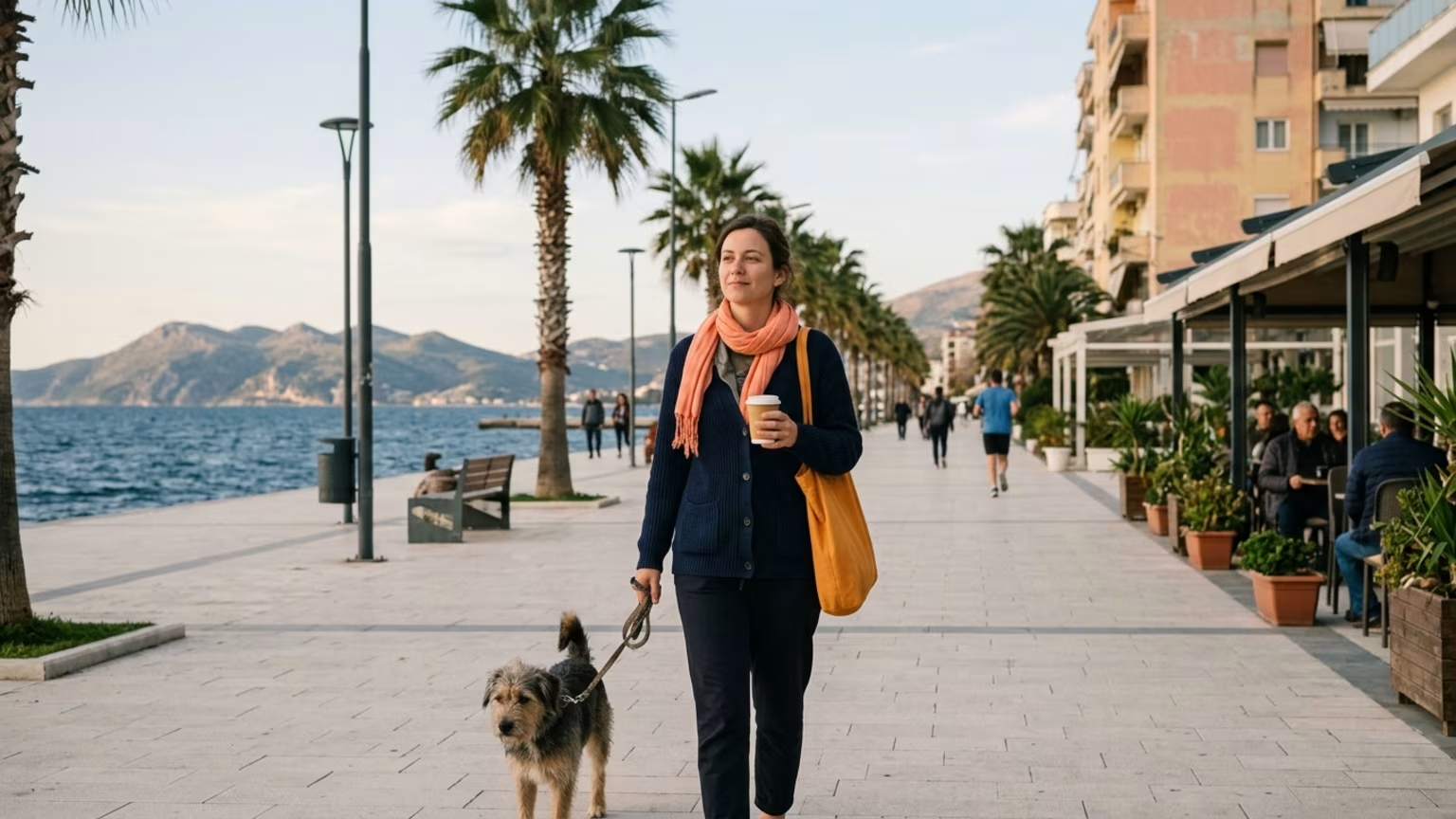
Plan everyday life in Vlorë around summer heat, wetter winters, checked opening hours and social connections beyond beach season.
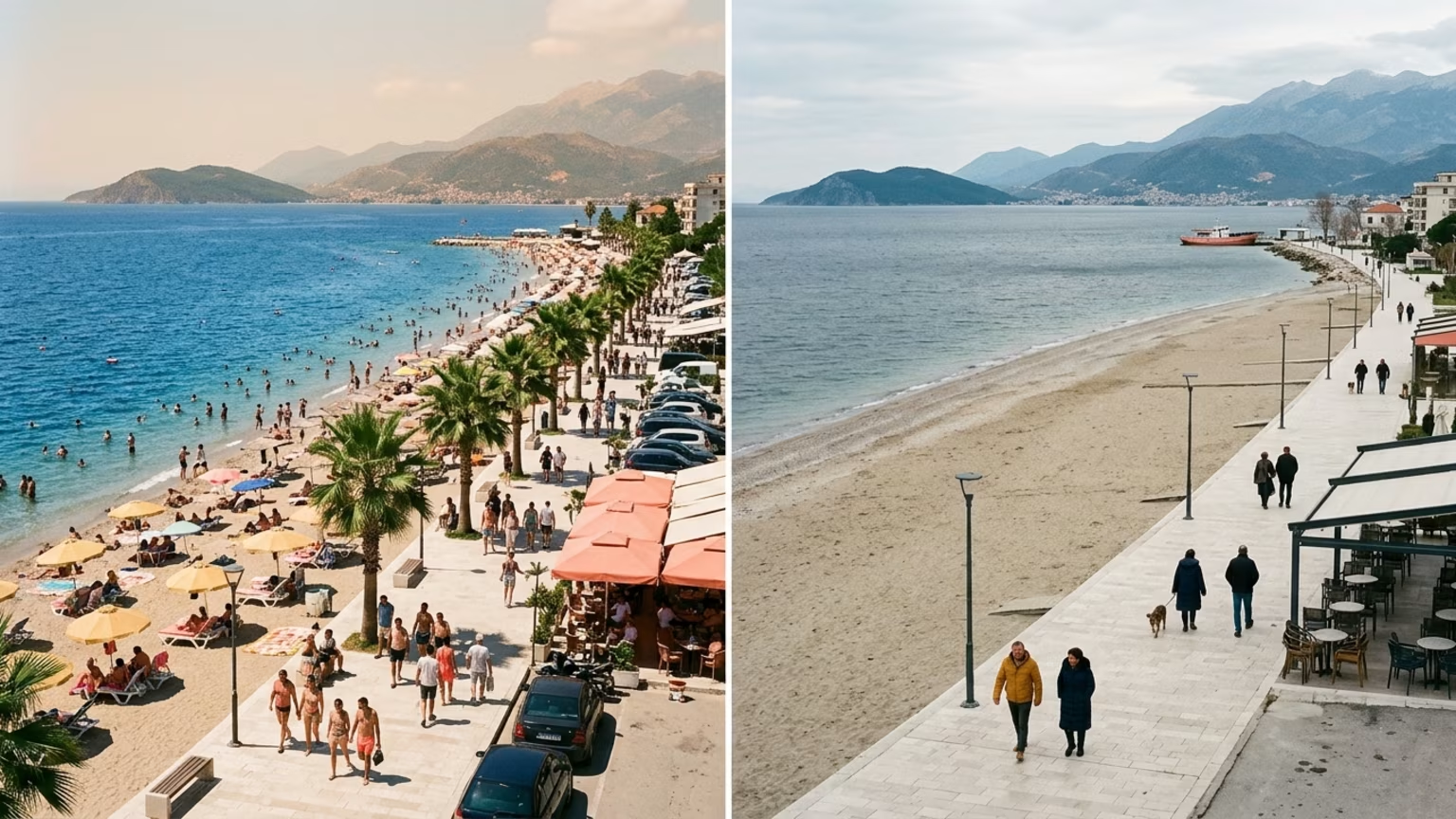
Plan year-round life in Vlorë with guidance on summer crowds, winter rain, daylight and checking seasonal opening hours.