Representative image

Vlora Municipality introduces new licensing rules for beachfront vendors. Learn how standardized hours, noise limits, and public space access affect you.





Consumer prices in Albania sit roughly 40% lower than in popular Western European destinations like Portugal. This sheer economic advantage brings massive summer crowds to the Vlorë coastline every single year. The Vlora Municipality just rolled out a strict licensing program for beachfront vendors and public spaces to manage this intense seasonal surge. The new policy standardizes operating hours, sets firm noise limits, and guarantees clearer public beach access along the entire Lungomare.
Summer in Vlorë brings a massive influx of tourists and temporary seasonal businesses. The coastal stretch fills up rapidly with pop-up vendors and private sunbed operators. Locals and newcomers alike often struggle to find a quiet place to swim or take an evening walk. By defining exact zones for vendors, the city hopes to finally clear the crowded sidewalks and restore residential peace.
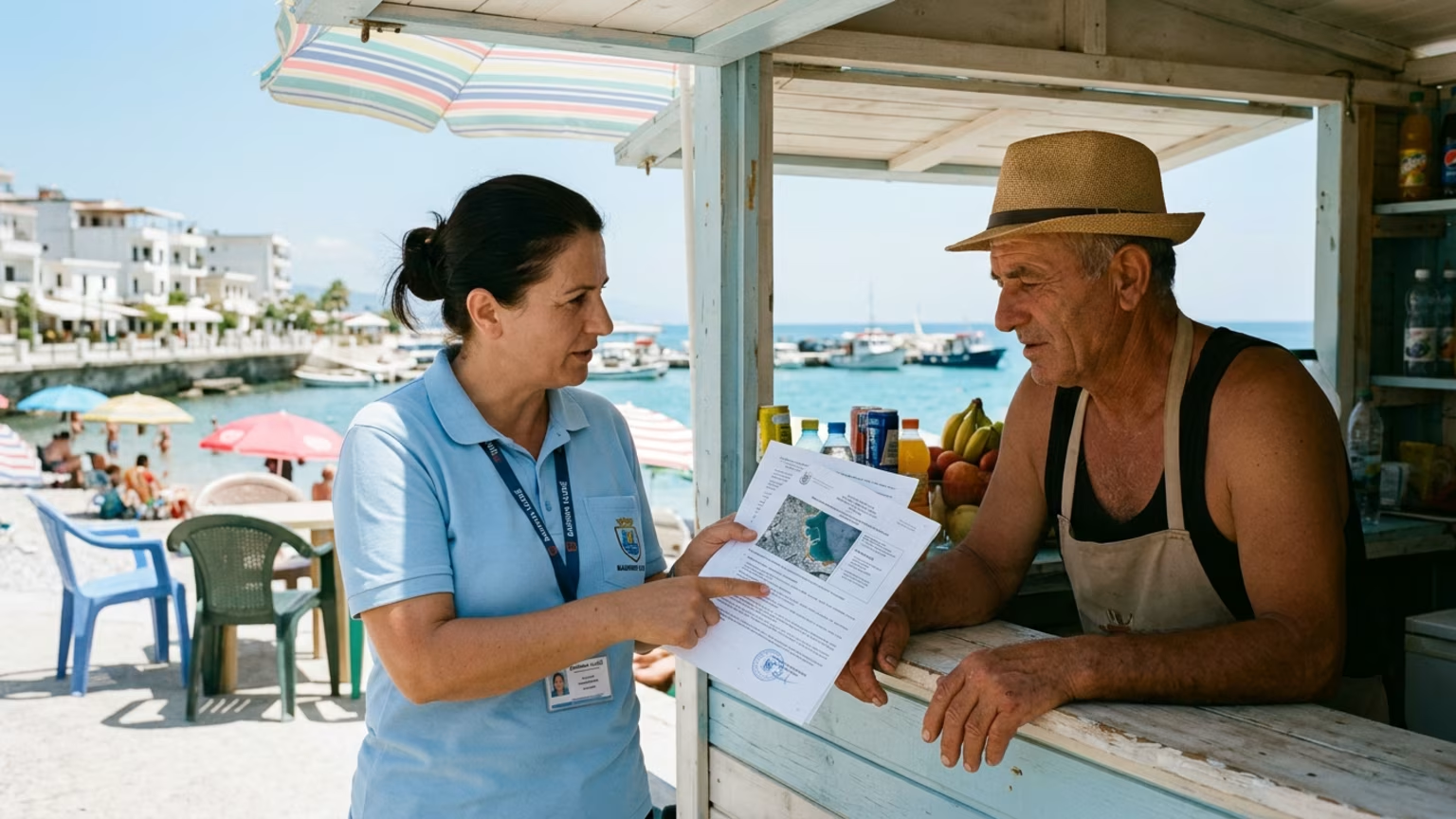
The municipality now requires every vendor and beach chair operator to hold a formal seasonal license dictating exactly where they can set up. Operators must respect specific property boundaries near the water and along the pavement. The days of vendors expanding their footprint overnight to claim more space should be permanently over. This shift is fantastic news for remote workers trying to maintain productive spaces near the coast without constant noise disruptions.
For years, the summer season felt completely unregulated for residents living near the water. Street food carts multiplied uncontrollably along the designated walking paths and bike lanes. Pop-up bars brought massive audio speakers directly onto the public sand. The loud music would bounce off the nearby apartment buildings on Rruga Pelivan Leskaj until dawn.
The evening walk is a beloved Albanian tradition known as the xhiro. Unlicensed toy sellers and popcorn stands used to block the entire pedestrian pavement. Walkers had to step into the active bike lane just to pass the massive crowds. The new city mandate requires these sellers to use standardized wooden kiosks in designated zones.
The licensing program changes several core aspects of daily life near the beach. You will notice these structural shifts immediately if you live near the main promenade. The rules target three distinct areas of local summer life.
Beach bars and street vendors must now follow strictly enforced operating hours. The new municipal policy mandates heavily lowered music volumes immediately after midnight. Vendors selling food or souvenirs on the promenade must pack up their stalls by a fixed time. This single change will drastically improve the sleep quality for thousands of nearby residents.
Private beach clubs can no longer claim the entire shoreline for themselves. The updated rules force business operators to leave designated public gaps between private sunbed sections. The city promises regular daytime inspections to keep these public access corridors completely clear. If you spot glaring violations, you can report them directly to the local municipal police.
Unlicensed vendors previously blocked valuable parking spots just to unload their daily goods. The updated policy includes far stricter enforcement of all coastal parking zones with immediate towing for violators. If you plan on driving to the beach, reading up on local parking and mobility strategies is a very smart move. Better overall traffic flow means a much safer walking environment for everyone involved.
Proper licensing means local businesses have to pay official operating fees to the city. These administrative costs often trickle down directly to the final consumer. A standard set of two sunbeds and an umbrella will likely cost between 1,000 and 2,500 Albanian Lek per day. Premium waterfront spots near Uji i Ftohtë might charge upwards of 3,000 Lek during the absolute peak weeks of August.
Street food and standard promenade snacks might see a slight price increase this year. Licensed corn vendors or local ice cream stands now operate legally and pay municipal taxes. Expect to pay around 150 Lek for a freshly grilled corn cob near the water. The obvious trade-off for slightly higher prices is a cleaner and highly organized promenade.
You can still save money by stepping just one street back from the water. Buying a cold bottle of water at a licensed beach bar might cost 100 Lek. Walking to a nearby Spar supermarket drops that exact same item to 40 Lek. A local residential parking permit costs around 1,000 Lek per month if you register your address.
New municipal rules always look absolutely wonderful on paper. The actual daily implementation in Vlorë often takes time to settle into a predictable rhythm. You will likely see some operators pushing the boundaries of their licensed zones early in the season. Local authorities do not always have the required manpower to monitor every single inch of the beach.
Do not expect a perfectly silent and orderly promenade just yet. Sweeping changes in local commercial habits face strong resistance from seasonal workers. We recently saw similar local friction when city traders organized protests over market access changes in the main downtown center. Expect a messy transition period where old habits clash heavily with the new regulations.
The true impact of these rules varies greatly by your specific neighborhood. The main Lungomare stretch is wide and highly visible to roaming municipal inspectors. Vendors here will likely follow the rules closely to avoid hefty financial fines. You will find walking here much easier than in previous chaotic summers.
Uji i Ftohtë presents a totally different layout with narrower beaches and much tighter spaces. Private businesses heavily dominate this rocky southern stretch of the city. Enforcing open public access gaps here will test the municipality quite heavily. If you prefer a guaranteed free spot, the northern end near Plazhi i Vjetër is a much safer bet.
Residents now have specific tools to keep operators fully accountable. The Vlora Municipality operates a dedicated online portal for reporting local neighborhood issues. You can call the Municipal Police directly for severe noise violations occurring late at night. Their main command office is located just a short walk from the city center.
Building a good relationship with your specific building administrator helps immensely. They often act as a helpful bridge between frustrated residents and the city enforcement teams. Always take clear photos on your phone if you notice private sunbeds completely blocking the public shoreline. Clear visual evidence helps the authorities take swift action against any repeat offenders.
Adjusting to the intense summer season requires a bit of local strategy. My best advice is to skip the main Lungomare completely during the peak weekend hours. Head further south towards the Orikum area or north to Zvërnec for truly peaceful swimming spots. If you want to connect with other residents figuring out the best local spots, you can join the community and ask for recent recommendations.
The economic reality of a 40% lower cost of living will attract massive crowds to Albania for years to come. This undeniable fact means Vlorë must mature rapidly in how it manages public space. The new vendor licensing rules represent a highly positive step toward making the city livable for full-time residents. As the summer heat rises, a more organized coastline gives everyone a bit more room to breathe.
Follow Vlore Circle for fresh guides, local updates, and community notes around life in Vlorë. It is the easiest way to stay close to what we are building.
Learn how billion-dollar resort projects in Vlorë are impacting rent prices, construction noise, and daily life for expats and remote workers.


Expats moving to Vlorë face rising rents and construction noise as massive luxury resort projects like Sazan Island reshape the Albanian coastline.

Vlora International Airport is bringing direct flights and luxury resorts to the coast. Read what this means for expats, rent prices, and the environment.