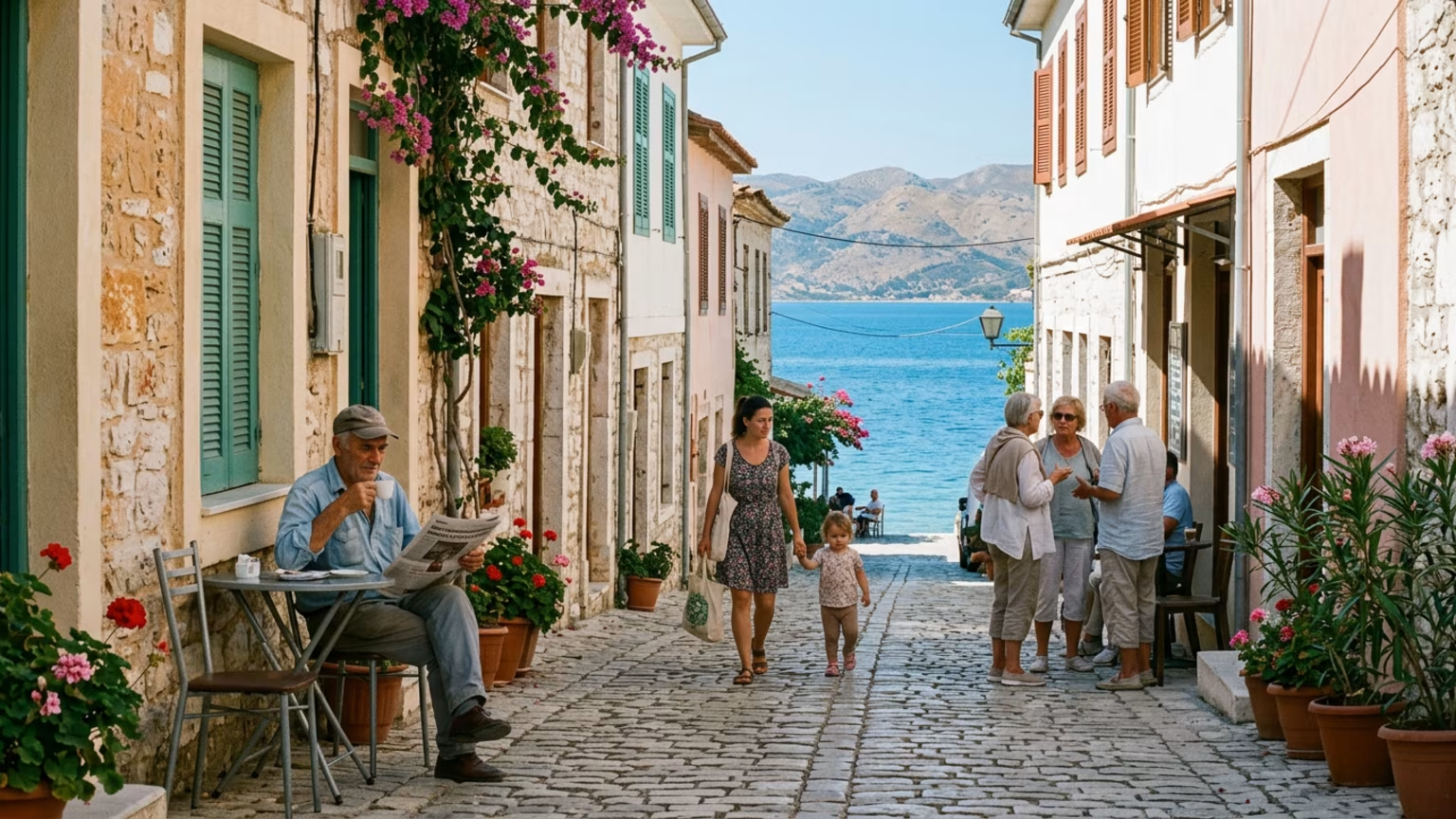
Representative image

Can a family really live in Vlorë for under €50 a day? We break down realistic daily budgets, local costs, and why viral travel claims fall short.





You cannot comfortably support a family in Vlorë on just fifty euros a day without cutting serious corners. Recent travel content suggests families can easily afford dining, activities, and transport on this micro-budget. We need to look closely at what that actually means on the ground.
Fifty euros a day covers basic groceries and a single budget meal for a family. It falls short for sustainable long-term living. True daily costs usually sit closer to seventy-five or ninety euros for an average family. This realistic figure covers utilities, reliable transport, and varied activities without constant financial stress.
Budgeting strictly below fifty euros requires relentless planning, daily compromises, and significant sacrifices. A short vacation budget does not translate to permanent residency requirements. True integration means participating in local life without counting every single lek.
Vlorë attracts many remote workers seeking an affordable Mediterranean lifestyle. Viral social media videos paint the Lungomare promenade as a cheap paradise. People arrive expecting outdated prices and feel frustrated by current realities. Prices now reflect the massive new infrastructure and growing international interest.
The city has transformed over the past five years. Old dirt roads are now paved avenues. The beachfront boasts modern amenities, trendy cafes, and improved public spaces. These upgrades naturally increase the baseline cost of living for everyone in the area.
Many expats struggle when their initial financial expectations clash with actual local pricing. Proper planning prevents this early frustration. If you are estimating realistic monthly expenses, you must look beyond short viral videos. We want newcomers to succeed here long term.
A family moving here needs accurate data to avoid financial strain. Unrealistic budgets create unnecessary tension at home. We see people packing up and leaving after three months simply since they miscalculated their daily burn rate. A transparent conversation about money helps set correct expectations from day one.
Can you spend under fifty euros a day as a family? Yes. It requires a highly structured routine and immense discipline. Here is how a strict budget day looks in practice.
You will spend considerable time managing these logistics every single day. Sourcing fresh ingredients from daily markets helps lower costs significantly. You must walk between multiple small shops to find the best prices. It leaves little room for spontaneous coffees or unexpected expenses.
This strict routine turns basic survival into a part-time job. You must learn the exact prices of produce at different stalls. You have to memorize bus schedules to avoid taking taxis. The mental load of tracking every single lek adds up quickly.
Travel creators often highlight a cheap bakery breakfast and a basic pizza dinner. They rarely include the hidden costs of family life in Albania. A realistic daily breakdown looks quite different when you factor in actual living standards. Let us review the numbers for a family of three.
A family trip to a local bakery costs around four to six euros for byrek and coffee. Buying fresh milk, eggs, and bread for a home breakfast costs roughly the same. If you prefer a sit-down cafe on the Lungomare, expect to pay double. Coffee culture is huge here, and those small daily charges accumulate fast.
Four round-trip city bus tickets cost around three euros in total. Taxis charge a minimum of three to five euros per short trip. Prorated daily electricity and water bills add another three to four euros. High summer air conditioning usage pushes utility costs much higher.
Cooking lunch at home using fresh local produce costs about ten to fifteen euros. Buying meat or fresh fish increases this base cost. Dining out for lunch at a mid-range traditional spot costs twenty to thirty euros. Families on a strict budget must avoid restaurants almost entirely.
A modest sit-down dinner in the Skelë area will cost roughly twenty-five to thirty-five euros. If you cook at home, dinner groceries will cost another ten euros. Extras like ice cream, a beach umbrella, or minor household items add ten to fifteen euros. Adding these basic elements pushes the daily total well past the fifty euro mark.
Let us look at a basic grocery run for a family. A whole chicken costs roughly six euros. A kilogram of tomatoes costs one euro. A large bottle of olive oil costs around eight euros. These basic ingredients add up even when shopping at the cheapest possible locations.
School and childcare costs completely disrupt the fifty euro myth. Public schools are free, but supplies, uniforms, and tutoring are not. Private kindergartens charge between one hundred and fifty to two hundred euros per month. Divided daily, this adds another five to seven euros to your absolute minimum baseline.
Living on a tight budget feels entirely different from a short vacation. The romantic idea of cheap Mediterranean living clashes with the effort required to sustain it. Hunting for deals across town takes significant time, patience, and physical energy. You might save five euros on vegetables but lose two hours walking in the intense summer heat.
Eventually, the novelty of extreme frugality wears off entirely. Managing daily transport and cultural adjustments requires immense patience. Relying solely on the cheapest options can lead to severe burnout over time. Most residents prefer a balanced approach over extreme cost cutting.
Social media ignores the reality of broken appliances, pharmacy trips, and school supplies. A single sick child can destroy a fifty euro daily budget instantly. Antibiotics, doctor visits, and comfort foods add unexpected financial pressure. Real life in Vlorë includes these normal, unavoidable human expenses.
Imagine a typical Tuesday in August. The temperature hits thirty-five degrees by noon. Your family wants to visit the beach, but the free zones are crowded. You rent two sunbeds for fifteen euros, and you buy cold drinks for another ten euros. Before you even think about dinner, half your daily budget is entirely gone.
This creates a constant background anxiety that ruins the experience of living abroad. You find yourself saying no to a perfectly good ice cream cone just to stay under an arbitrary limit. You avoid making friends since social outings usually involve spending money at restaurants. This isolation is the hidden cost of extreme budgeting.
If you want to stretch your budget safely, you must know where to go. The Tregu i Orizit market offers excellent seasonal produce at fair prices. You can buy fresh tomatoes, cucumbers, and seasonal fruits directly from local farmers. The main city bus line running from Independence Square to Uji i Ftohtë is your best transport option.
For affordable baked goods, look for any neighborhood bakery away from the main promenade. These small shops offer warm bread, byrek, and sweets for a fraction of tourist prices. Small dairy shops sell excellent fresh cheese and milk. You can find these shops on almost every side street in the city center.
Avoid the heavily marketed tourist traps located near the modern marina. Build relationships with local vendors to get better deals over time. Vendors often give slightly larger portions to regular customers who treat them well. A friendly smile and a few words in Albanian go a long way here.
Most budget videos film exclusively along the expensive Lungomare strip. The Isa Boletini neighborhood tells a completely different story. Located further inland, this authentic area offers realistic local pricing for everyday items. Rent, coffee, and daily groceries cost significantly less here than by the beach.
Families living in this district find it much easier to control their spending. The streets lack the immediate sea view and polished sidewalks. They make up for it with practical amenities, affordable shops, and strong local community ties. You will find hardware stores, cheap tailors, and fresh markets on every corner.
Walking through this neighborhood gives you a true sense of Albanian daily life. Children play in the small parks, and elders drink morning espresso at local corner cafes. It is a highly functional area for anyone looking to settle long term. Choosing the right neighborhood is the most effective way to manage your budget.
Consider the Partizani neighborhood near the old stadium for another affordable option. This area is a prime example of a functional, residential zone for families. It features multiple small supermarkets, local pharmacies, and affordable clothing shops. The rent here is far more reasonable than the coastal strip.
You will not see this neighborhood in viral drone videos. It is dense, older, and purely residential. Still, the cafes here charge normal local prices for a macchiato. Living here allows a family to stretch their income without feeling constantly deprived.
Budget for the life you actually want to live. Do not base your long-term plans on a highly edited social media challenge. We highly recommend you join the community to connect with residents who share real financial data. Honest conversations with experienced locals will save you from major relocation mistakes.
Numbers on a screen rarely capture the actual feeling of a place. The true value of a city lies in the quiet routine it allows you to build. A peaceful morning walk along the sea costs absolutely nothing. The best parts of this coastal life sit quietly outside the rigid constraints of a budget spreadsheet.
Follow Vlore Circle for fresh guides, local updates, and community notes around life in Vlorë. It is the easiest way to stay close to what we are building.
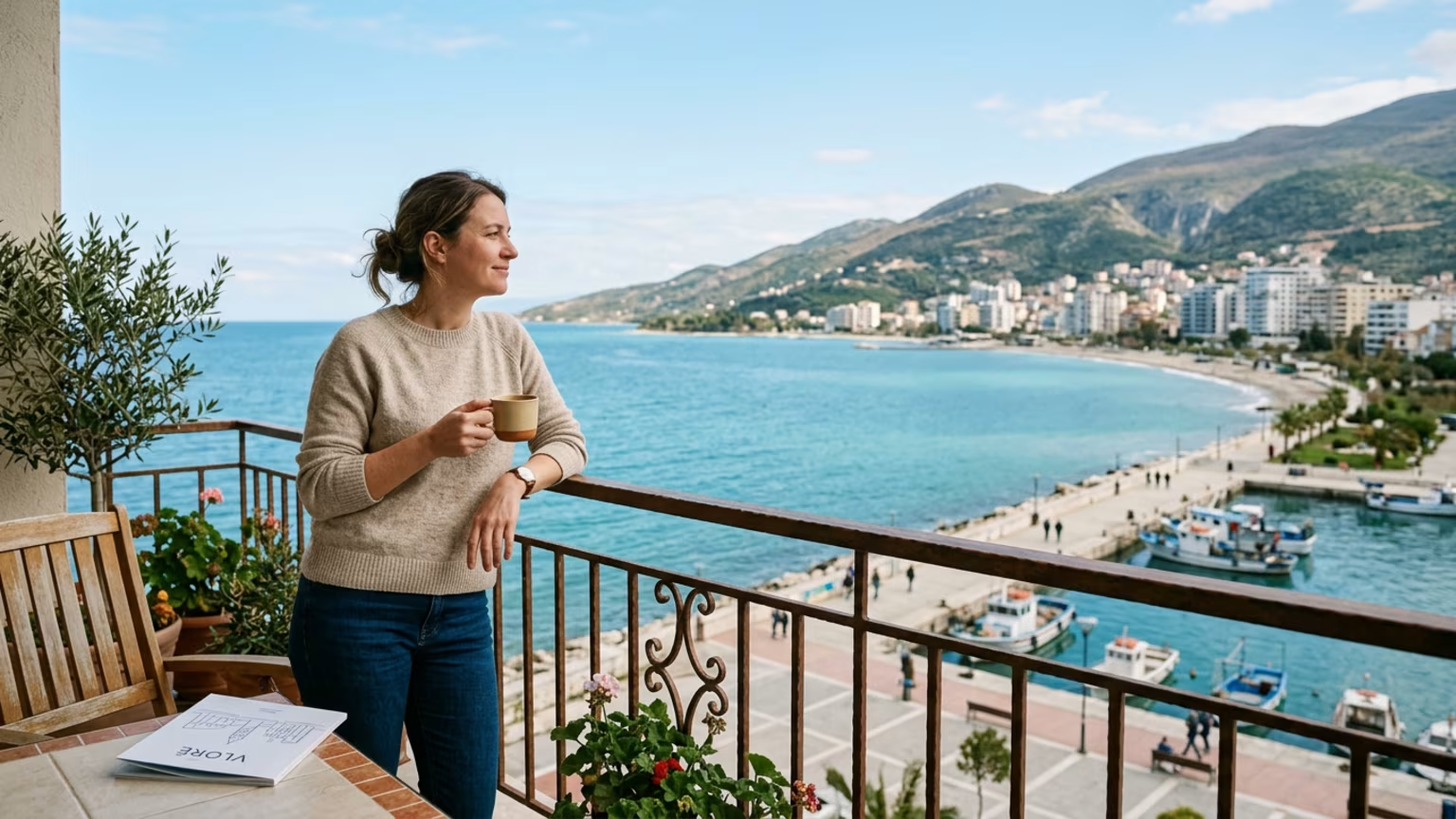
Discover the updated long-stay guide for Vlorë. Learn about average rental prices by neighborhood, seasonal costs, and local landlord tips for remote workers.


Learn how to manage seasonal rent changes and find quiet year-round housing in Vlorë with this practical expat cost-of-living guide.
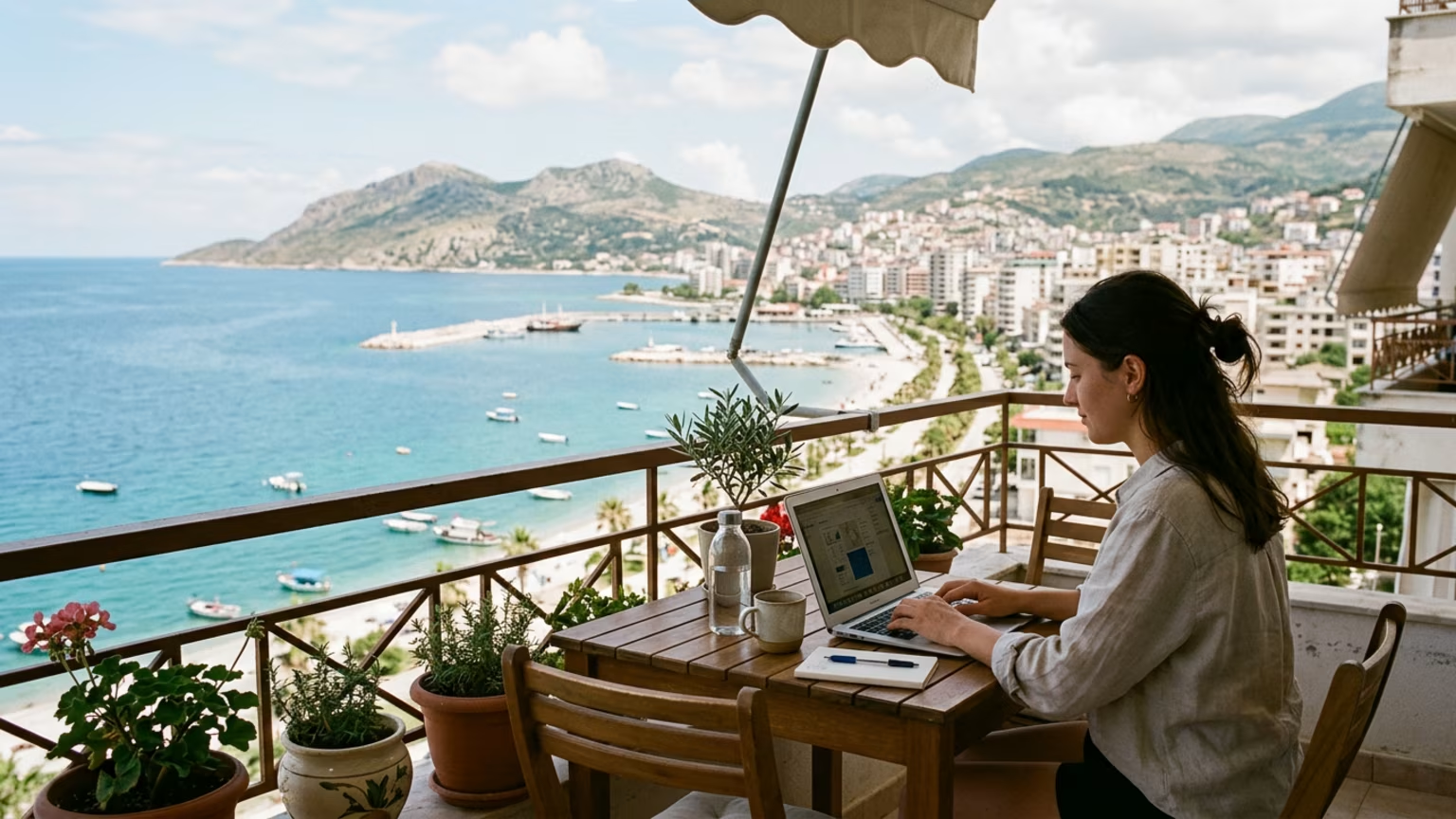
A new regional lifestyle guide features Vlorë as a top case study for building sustainable remote work routines along the Albanian Riviera.