Representative image

Vet a long-term Vlorë rental with practical checks for damp, heating, water, internet, utility charges and written lease terms before signing.





How do you know whether a long-term rental in Vlorë will work beyond a bright afternoon viewing? The worry is not just whether the flat looks tidy. It is whether the bedroom has heating, the shower works and the lease makes each bill clear.
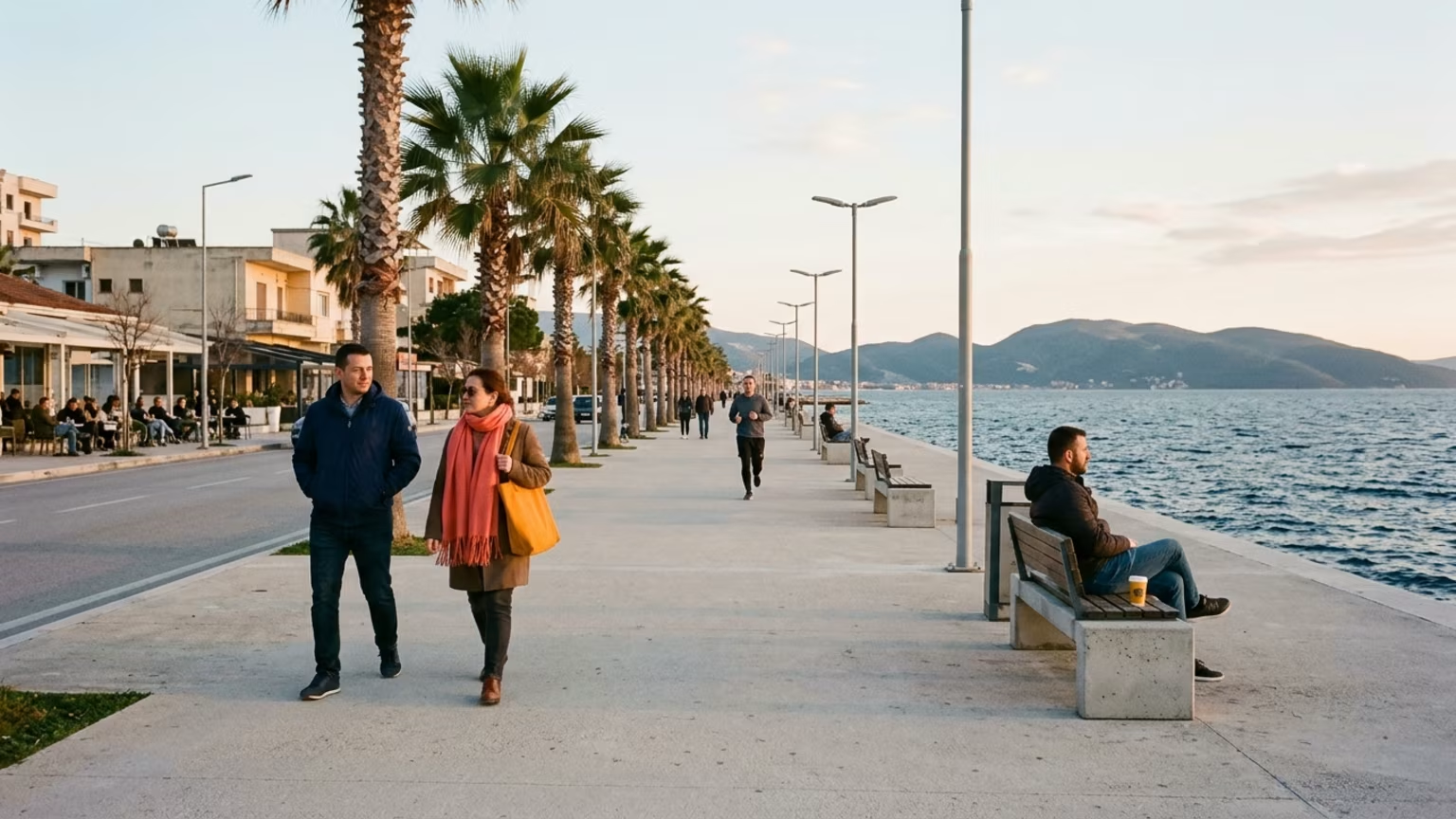
A flat on the Lungomare and an apartment on a central street deserve the same checks. The view is a preference; tested equipment and written responsibilities are the basis of a housing decision.
For Vlore Circle, the useful question is whether a home supports daily life through the full tenancy. This FAQ turns that question into things to test, ask and record.
Check the condition of the flat and the systems you will rely on. That means damp signs and ventilation, heating and cooling, water and internet. Then check who pays each bill and who handles repairs. The lease needs to describe the tenancy you are agreeing to, not leave those points to a later conversation.
A Vlorë climate dataset reports historical average precipitation of 9 mm in July and 140.1 mm in January. Its November average is 195.9 mm. That seasonal gap explains why a sunny viewing is an incomplete winter test. Climate averages and rental-guide warnings provide context, not a diagnosis of an individual flat or a survey of Vlorë housing.
Work through the actual rooms and equipment. Ask for demonstrations rather than accepting a list of features in an advert.
Look and smell for mustiness, visible mould and water staining. Check corners and the space behind furniture where accessible. Ask whether the apartment has had leaks or damp and what was done about them. Record any visible marks in the condition notes rather than relying on a verbal description later.
Open the windows and check how the kitchen and bathroom can be ventilated. Ask whether extractor fans work and whether they vent outside. A regional winter guide links damp concerns with condensation and poorly ventilated or unoccupied flats. This makes ventilation a question about working equipment, not just whether a window exists.
Ask the landlord to demonstrate heating and air-conditioning, then identify which rooms each unit serves. An Albania rental guide covering Vlorë warns that holiday flats may lack heating. A separate rental guide notes that an air-conditioning unit may serve the living room but not the bedrooms. Check the room where you will sleep or work rather than stopping at the equipment near the sofa.
Run hot and cold taps and try the shower. Ask how hot water is produced and whether the supply is shared or limited. Keep the answer specific to this apartment. A working kitchen tap is not a completed check of the shower you will use each morning.
Ask which provider serves the building and whether the connection is active. Request a speed test in the rooms where you plan to work. Treat the advertised connection as a claim to test rather than a result. Remote workers can use these apartment internet checks to keep that part of the viewing focused.
Ask who pays for electricity, water and internet. Add any building or administration fee to that conversation and ask how each bill is calculated. Put those responsibilities in writing rather than assuming the advertised rent covers them. Keep the utility-cost questions beside the rent figure when assessing the flat.
Treat this as a set of completed checks rather than a fixed viewing slot. Opening windows and running taps are straightforward tasks. Getting equipment demonstrated and tenancy terms written down may require further contact. An unfinished check should stay marked as untested rather than quietly becoming a pass.
The regional winter guide recommends assessing heating and damp in colder conditions. For a year-round tenancy discussed during warm weather, asking for a return visit in colder or wetter conditions is a sensible next step. Use it to revisit the rooms and systems that matter for winter living.
The hassle is keeping physical checks and paperwork moving together. A demonstrated heater does not settle who pays the electricity bill. A landlord’s explanation about a repair still needs a written allocation of responsibility.
Keep a short record of what worked, what needs clarification and what remains to be demonstrated. Then ask for the unresolved points before signing. The aim is not a perfect apartment; it is a clear account of the property and the agreement you are accepting.
Do not treat notarisation as a universal rule. An Albania-focused legal article says Civil Code Article 803 requires leases longer than one year to be in writing. It cautions against assuming that notarisation is required for every lease. For immigration or registration needs, check the requirements for the particular contract with a qualified local professional.
For the rental itself, an Albania tenancy guide recommends putting the main payment and notice terms in writing. The practical list includes:
Ask for the full tenancy period to be stated clearly. If a flat is offered for a long stay but the discussion centres on a monthly price, the duration still needs its own answer. The same applies to renewal: a friendly conversation is not a written renewal term.
Keep the legal-form question separate from the condition checks. Paperwork does not demonstrate a heater or establish the condition of a bedroom wall.
The useful workaround is a room-by-room record, not a general claim that the apartment is suitable for winter. Whether the flat faces the Lungomare or sits on a central street, note what was actually demonstrated. Keep unanswered questions beside the relevant room or system so they do not disappear into a chat about the view.
For a remote worker, that means connecting the internet test to the intended work area. For someone staying through winter, it means matching heating equipment to the bedroom and living space. These are practical uses of the viewing rather than judgments based on the apartment’s appearance.
At handover, turn the viewing notes into a condition record. The tenancy guide recommends an inventory with photos and meter readings as a contract annex. Ask for that record to reflect the apartment and equipment being handed over.
This creates a clear distinction between what was present, what worked and what was already marked or damaged. Keep the record with the written lease terms so the physical condition and payment responsibilities remain easy to find.
Our verdict: the need for careful rental checks is not a reason for most prospective residents to rule out Vlorë. It is a reason to reject a particular flat when basic systems remain untested or responsibilities stay vague.
A workable long-term rental brings the answers together: ventilation that can be checked, heating for the rooms you use and tested water and internet. The agreement then needs to make costs, repairs and tenancy dates clear. A sunny viewing can start the decision; it should not finish it.
Once the condition questions are answered, the search turns to securing a long-term home at a fair local rate, with Vlore Circle’s guides covering the housing questions. Its practical resources help expats sort scattered social media advice, and its community meetups create opportunities to build friendships with people living in Vlorë.
Follow Vlore Circle for fresh guides, local updates, and community notes around life in Vlorë. It is the easiest way to stay close to what we are building.

Plan a Vlorë monthly budget for one adult, a couple or a family, with clear allowances and checks for rent, summer terms, utilities and health cover.


Check a Vlorë rental's internet, desk, call conditions, mobile backup and seasonal lease terms before relying on it for remote work.

Check a Vlorë rental's heating and internet, clarify deposits and summer terms, and record the flat's condition before moving in.