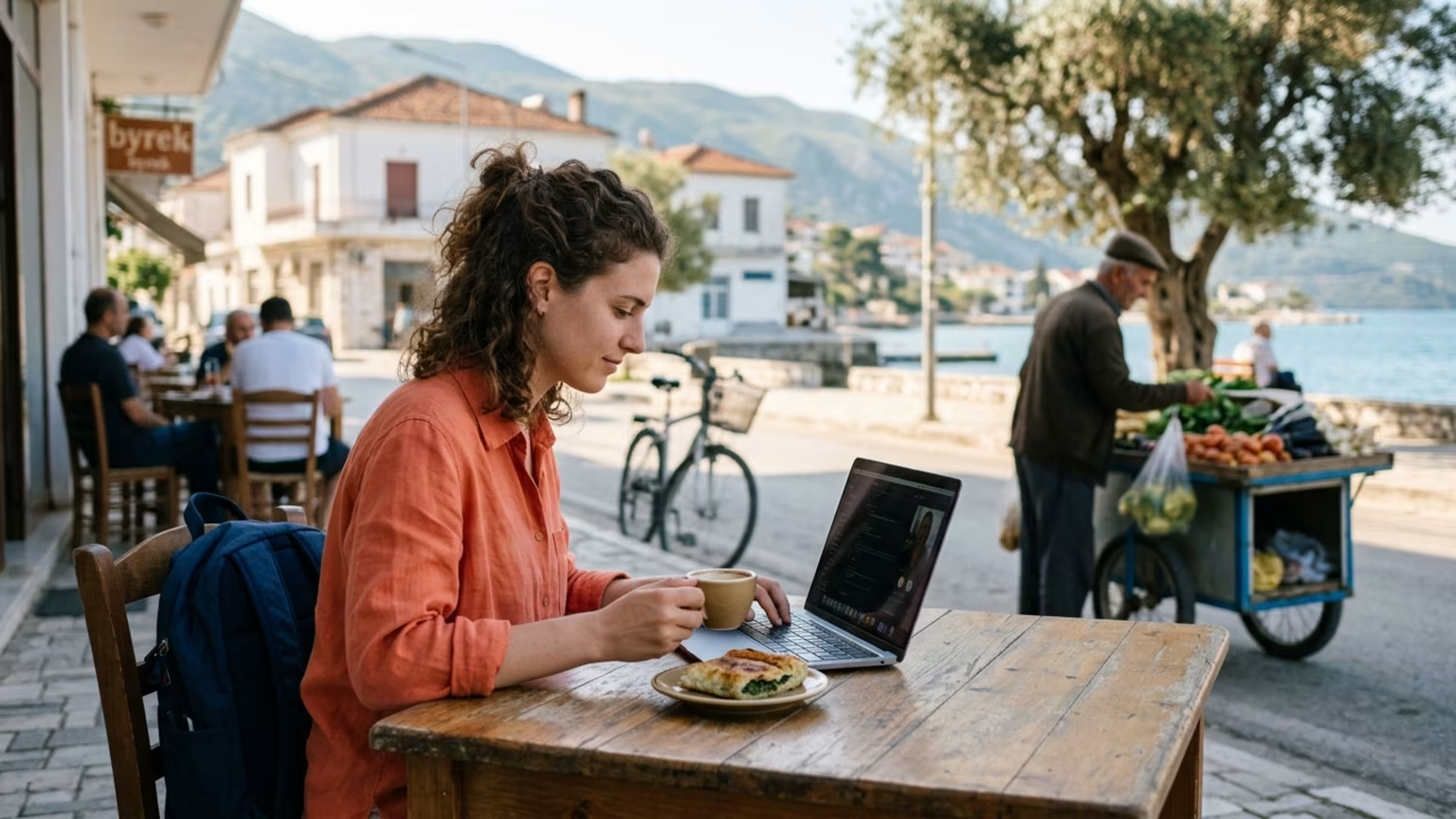
Representative image

Discover how Vlorë’s seasonal shifts affect rent, transport, and daily life. A practical guide for remote workers navigating the summer crowds and winter calm.





A local studio that may achieve €50 to €65 per night during July and August could be offered for roughly €250 to €350 per month off-season. This stark pricing gap defines the coastal rental market for every newcomer. You cannot budget your life in Albania without understanding this specific shift. Your monthly expenses will change entirely based on your arrival date.
A short-term rental in August will consume a massive portion of your budget. The same exact unit becomes highly affordable by November. You must adapt your relocation strategy to match this financial reality. Flat monthly rates do not exist year-round in this part of the Mediterranean.
This pricing swing forces digital nomads to time their moves with extreme care. July and August are described as the city’s peak tourism months. These two months bring hot weather and full accommodation across the city. You will see heavy activity along the Lungomare from early morning until late at night.
If you rent a temporary place in August, you compete directly with holidaymakers. Landlords know they can charge premium nightly rates during this busy window. A typical expat looking for a six-month lease will struggle to find a bargain. Many remote workers shifting from Tirana to Vlorë specifically time their move for September or October.
The heat in July and August requires a major shift in your working hours. Average temperatures force most people to stay indoors during the mid-day sun. You will likely adopt an early morning or late evening work schedule. The heavy activity along the Lungomare peaks right around sunset.
This sunset energy creates a perfect environment for evening walks, but a terrible environment for late video calls. You will need noise-canceling headphones to block out the street traffic. Finding a quiet cafe to answer emails becomes a frustrating daily task. The city prioritizes coastal leisure over focused productivity during these hot months.
There is also an increased demand for boat trips to Sazan and Karaburun. Every morning, crowds gather near the docks to board these excursion vessels. The energy is fantastic for a weekend adventure. But if your apartment overlooks the harbor, you will hear the crowds gathering early.
Working from a beach chair sounds perfect until the glare hits your laptop screen. The midday sun makes outdoor work nearly impossible during the peak months. You will spend most of your afternoon seeking air-conditioned spaces. Unfortunately, many local cafes keep their doors open to the street, letting the heat inside.
The financial math of a summer arrival rarely works in favor of a remote worker. Paying €50 to €65 per night quickly drains a standard digital nomad budget. You might spend your entire monthly housing allowance in just two weeks. Arriving off-season prevents this stressful financial pressure.
The end of summer brings immediate financial relief to long-term renters. That €250 to €350 per month off-season rate becomes the standard offering. You can finally negotiate a reasonable contract for a comfortable apartment near the water. Learning the art of thriving in Vlorë year-round requires mastering these exact housing cycles.
The low winter rent looks fantastic on a spreadsheet. But the local reality is much more complicated than a simple price drop. The pricing data does not show how the city’s logistics shift when the tourist crowds vanish. Transport routes and schedules change dramatically as the seasons transition.
The Brindisi to Vlorë ferry route is described as busiest in summer. Other Italy to Albania ferry connections operate year-round. If you plan a mid-winter trip to Italy, you might need to route through Durrës or Tirana. You cannot always rely on the most direct coastal crossing from your local port.
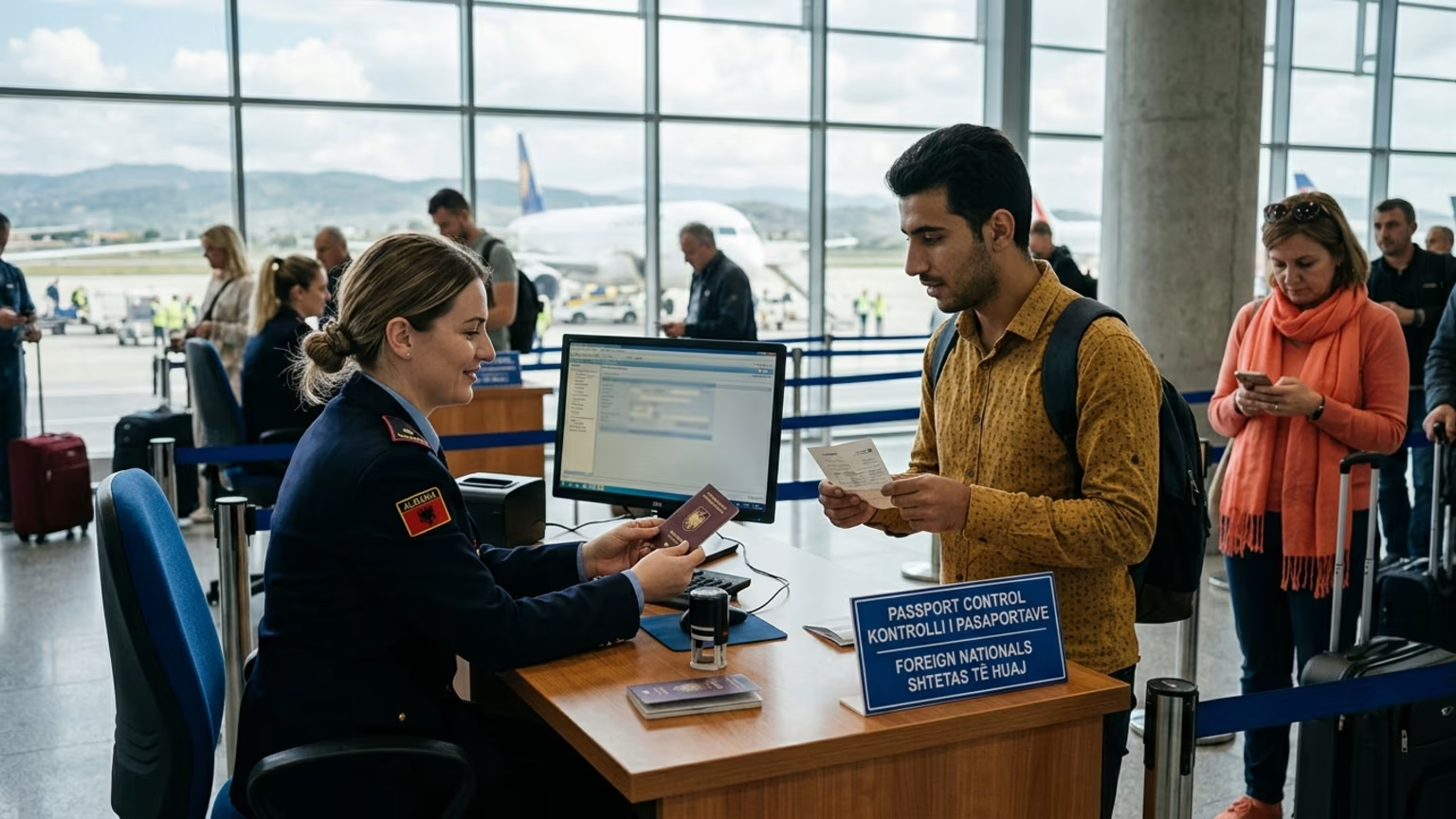
Your travel logistics require far more effort between November and March. You must plan your border runs and visa trips well in advance. Off-season travel demands flexibility and a high tolerance for shifting schedules. A direct winter trip often turns into a multi-stop journey.
You must audit your remote work infrastructure closely before signing an off-season lease. A cheap winter apartment might lack proper heating or insulation against coastal winds. Summer landlords rarely upgrade their units for cold January nights. Ask your potential landlord about electric heaters and air conditioning units.
Check the internet router placement and verify the speeds during your viewing. The seasonal shift also impacts the reliability of local infrastructure. Winter winds can sometimes disrupt the exposed internet cables on older buildings. A dedicated remote worker needs a backup mobile data plan at all times.
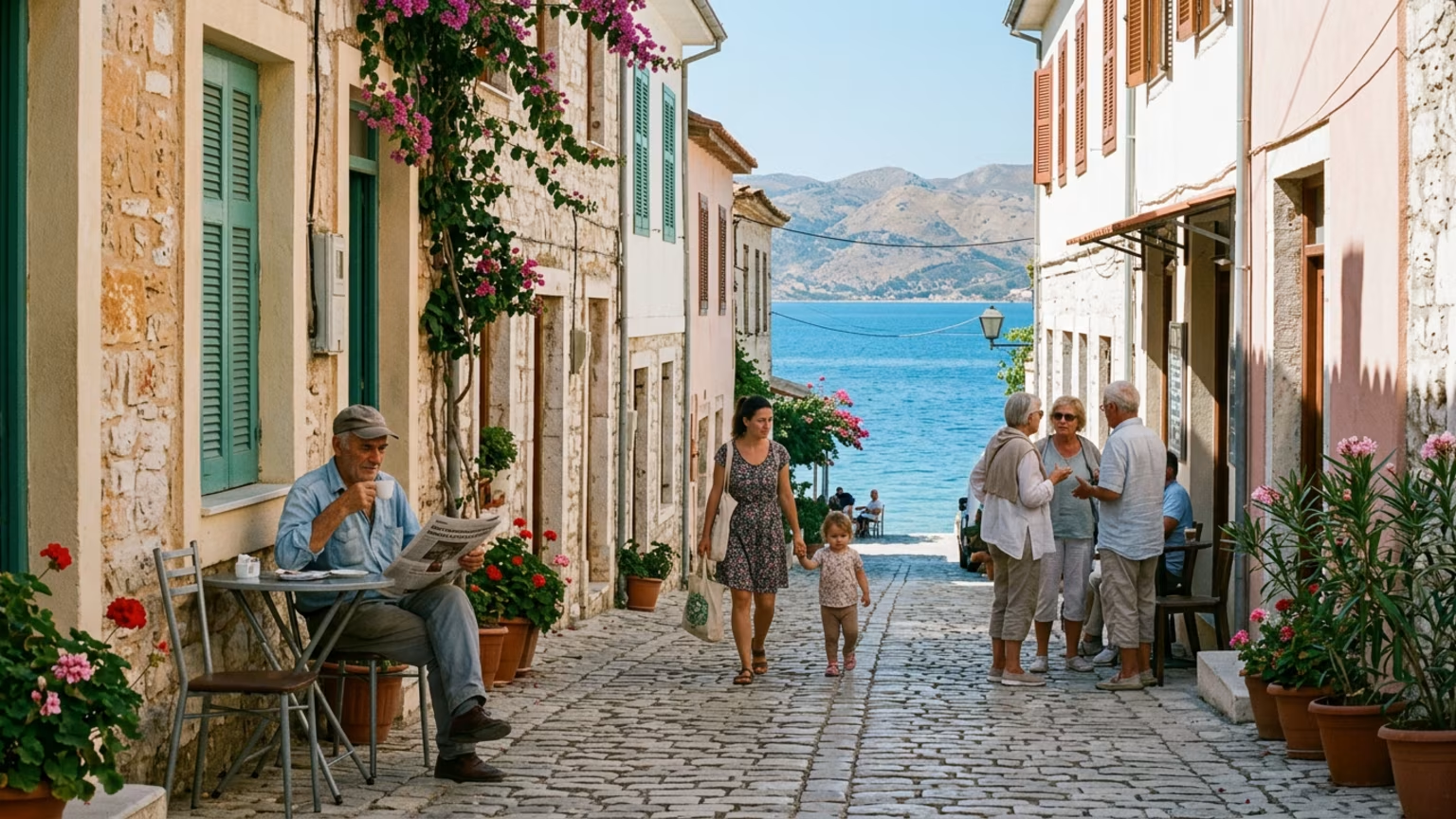
The Lungomare transforms completely after the tourist season officially ends. The heavy activity fades into a quiet and predictable local routine. Many seasonal cafes board up their windows until the spring sun returns. You will trade the noisy summer crowds for a highly peaceful environment.
This quiet atmosphere makes deep work much easier for writers and developers. When the tourist season ends, your dining options will change alongside your housing costs. Many waterfront restaurants cater specifically to the July and August crowds. These seasonal establishments close their doors completely by November.
You will need to shift your daily routine inland to find the year-round bakeries. The large summer supermarkets near the beach often reduce their operating hours. You will learn to rely on the smaller neighborhood markets for fresh produce. Building a relationship with your local grocer becomes a rewarding winter routine.
A quiet neighborhood in January might feel completely different by late June. You should never assume an apartment will remain peaceful all year. A unit above a closed winter restaurant might sit above a crowded patio in July. Always check the ground floor businesses before signing a twelve-month contract.
The vlore circle community experiences a distinct emotional shift throughout the year. The collective mood changes rapidly as the summer heat fades into autumn. Members often express sheer exhaustion by late August. The crowded streets and booked-out restaurants drain the social batteries of long-term residents.
Escaping the tourist crush becomes a shared goal for the local expat group. The transient nature of summer visitors changes the dynamic of community meetups. In August, you will meet dozens of people who plan to leave in three days. Investing time in these short-term connections can feel unrewarding for permanent residents.
Autumn brings a massive wave of relief to the resident community. The weather remains pleasant for outdoor coffee meetings and relaxed networking. We see a strong return to regular community events and organized coworking sessions. People stop rushing and start building real relationships again.
The transient visitors leave the city, and the long-term residents reclaim their favorite cafes. By November, the people attending meetups are fully committed to the city. These are the friends who will help you navigate your winter electric bill. They are the exact people you need when searching for a reliable plumber.
Winter introduces a completely different kind of social challenge. The spontaneous beach meetups vanish entirely from the group chats. You have to plan your social calendar with serious intention. Our community relies heavily on scheduled dinners and indoor networking events.
You might feel isolated if you just sit in your apartment waiting for invitations. You must actively participate in group activities to stay connected. Spring generates a fresh wave of excitement across the entire city. The local operators start preparing their vessels for Sazan and Karaburun trips.
You can feel the anticipation building along the coastal promenade. The community enjoys balancing your work with the beach rhythm before the massive summer crowds arrive. Everyone tries to soak up the peaceful sunshine before the peak season begins. The cycle resets, and the city prepares for another busy influx.
The severe rental price gap between peak summer and deep winter will remain intact next year. Landlords have massive financial incentives to favor short-term bookings in July and August. Remote workers should avoid signing new leases during those two months. The absolute best strategy involves arriving in late September or early October.
You can secure a winter rate and settle your routine before the cold weather hits. Expect transport schedules to remain heavily concentrated around the summer peak. Always verify your ferry routes before booking flights or planning trips back home. The Brindisi to Vlorë crossing will always be easiest during the hot months.
Off-season travel will continue to demand extra routing through larger transit hubs. Prepare your travel plans weeks in advance to avoid getting stuck. The quiet winter months will consistently reward self-sufficient workers who value deep focus. Vlorë offers an incredible lifestyle for expats who accept its natural fluctuations.
You simply need to plan your budget and your travel around these extreme seasonal changes. The city rewards those who adapt to its rhythm rather than fighting against it.
Follow Vlore Circle for fresh guides, local updates, and community notes around life in Vlorë. It is the easiest way to stay close to what we are building.
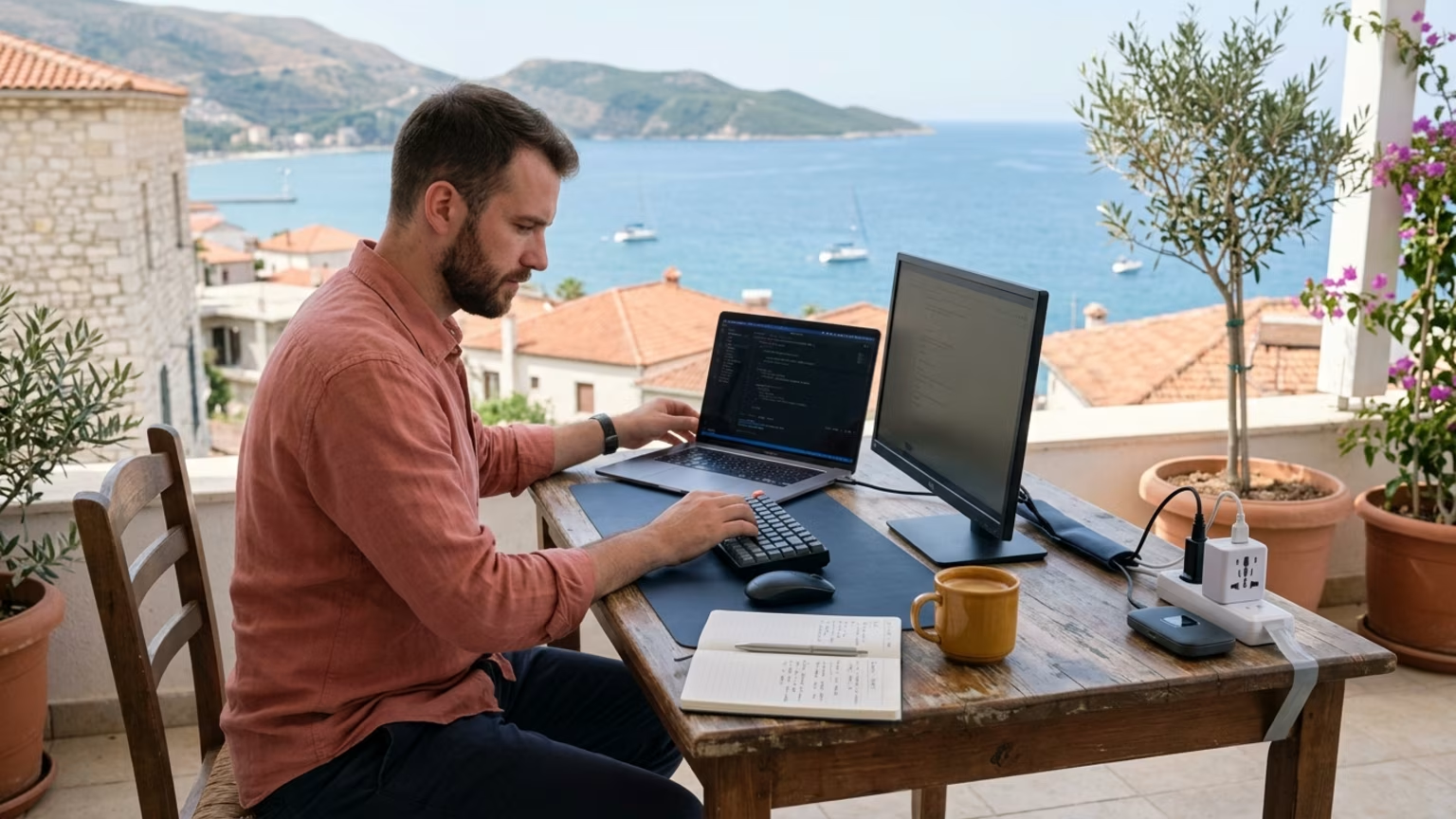
A practical guide to building a dependable remote-work setup in Vlorë. Learn how to verify internet speeds, secure cellular backups, and handle power cuts.

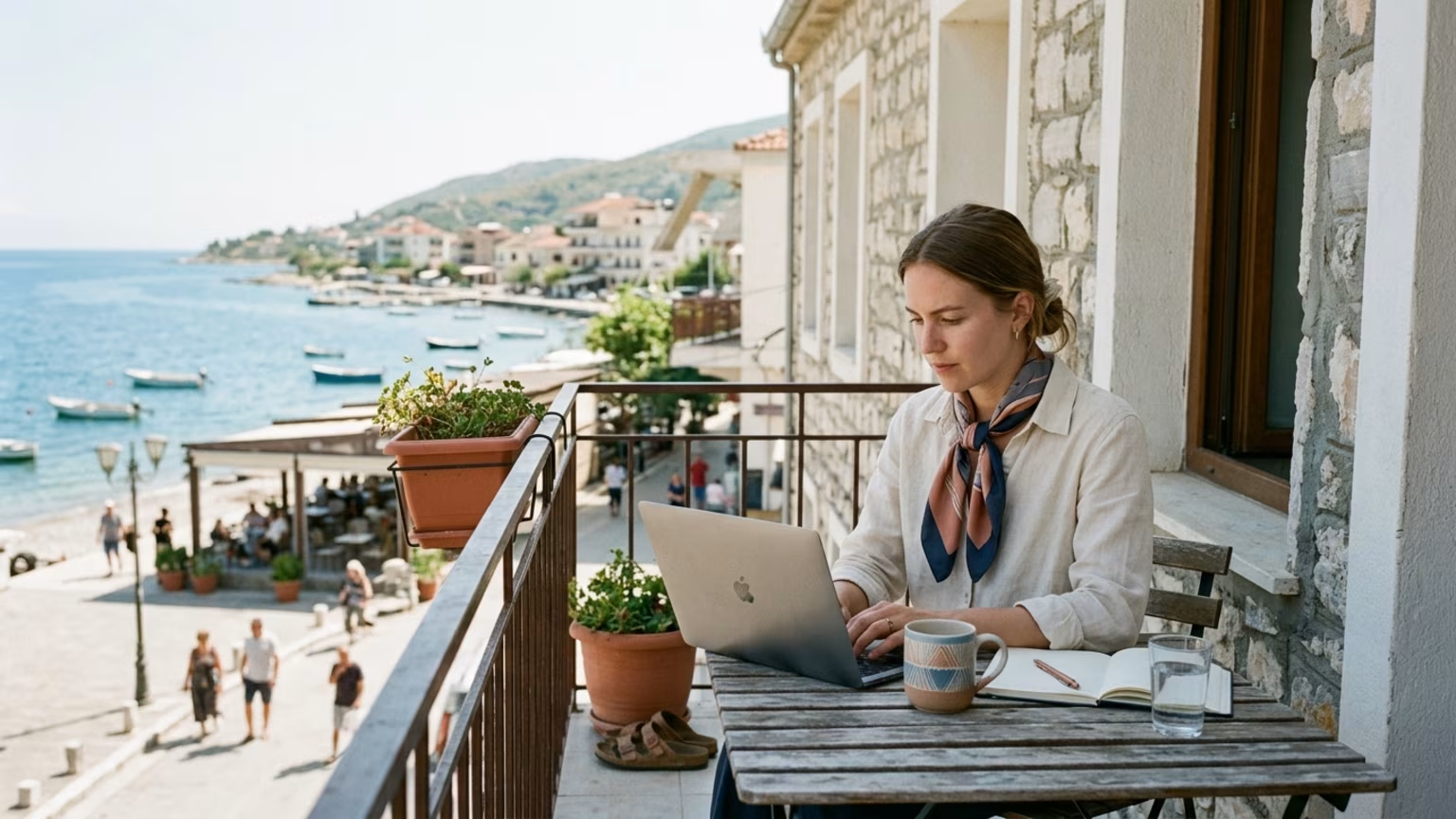
A practical guide to building a remote work routine in Vlorë. Learn to balance deep work, peak summer heat, local crowds, and the coastal lifestyle.
Learn how remote workers in Vlorë can build a sustainable local routine. Move beyond the holiday bubble with practical tips on community integration and costs.