Representative image

Read the honest reality of living in Vlorë after the summer ends. Review practical climate data, seasonal closure details, and tips for winter routines.





Everyone expects a Mediterranean beach town to feel like a warm paradise every single month of the year. The honest truth is that coastal living gets wet, quiet, and highly unpredictable by November. Moving here means accepting that the endless summer inevitably shuts down. The sea gets cold, seasonal businesses close their doors, and daily routines must move indoors.
The transition catches many new residents completely off guard. They arrive in the warm months and assume the pleasant conditions last forever. The reality is much more complicated and requires genuine preparation. Accepting this seasonal shift is the first step to truly living here.
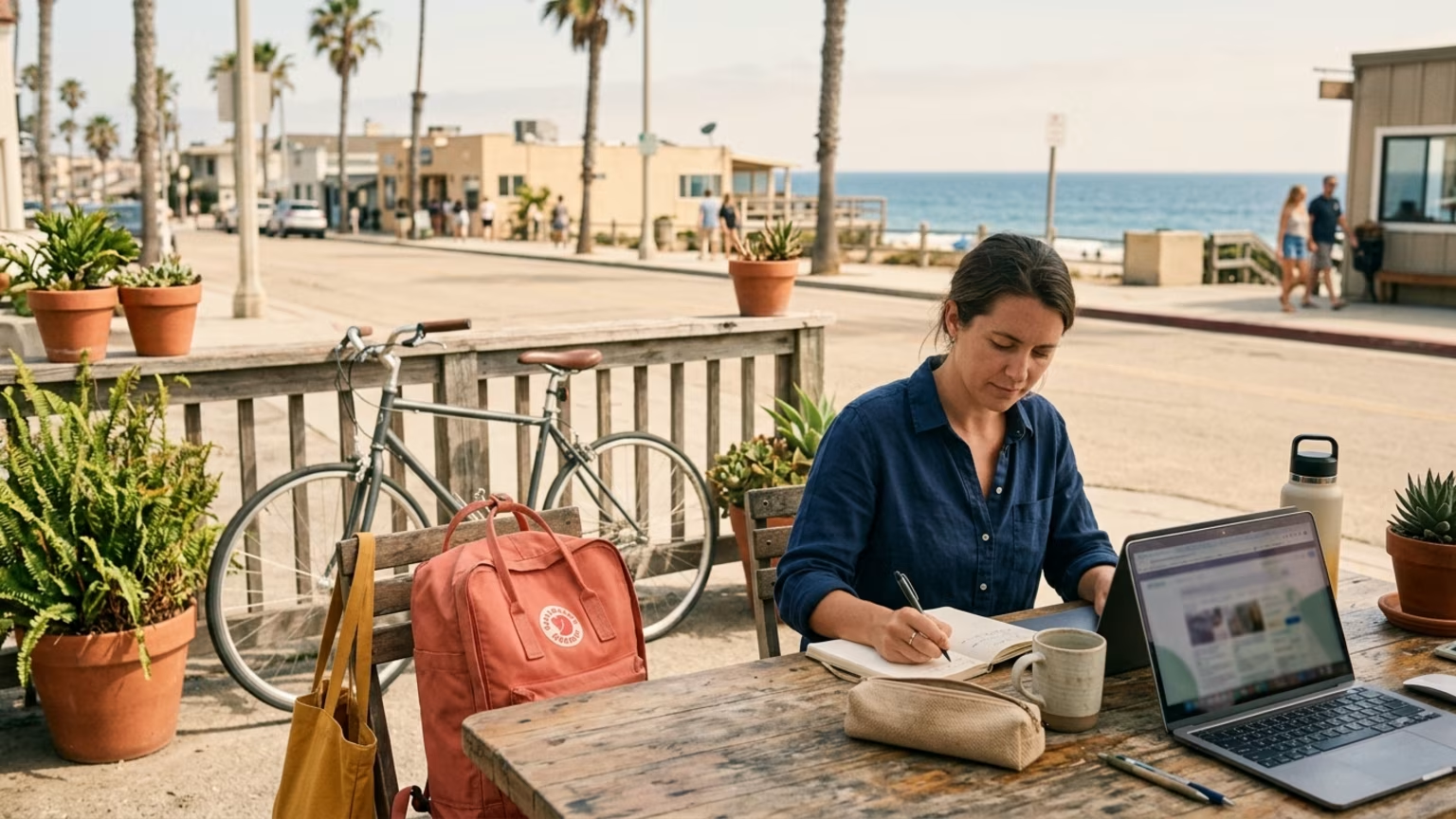
Many newcomers move here expecting twelve months of sunbeds and iced coffees on the promenade. They see August social media posts showing warm evenings and packed restaurants. New arrivals plan out daily beach walks and outdoor remote work setups. They base their entire relocation strategy on peak season conditions.
This expectation hits a hard wall when the autumn rains begin. People imagine reading a book by the water every afternoon in January. They pack light clothing and forget to bring heavy rain jackets. The shock of the first major coastal storm often leaves them scrambling for indoor plans.
New residents quickly realize that summer habits do not translate to winter success. Reading updated remote living guidance for coastal towns can help set better expectations. The reality requires a massive shift in mindset. You cannot live a July lifestyle in December.
Let us look at the actual climate data. Albanian Horizons bases its weather figures on a station series from 2011 to 2020. The source rounds its temperature values to whole degrees. The guide notes that Albania lacks official WMO climate normals.
The site states that Vlorë is slightly cooler and wetter than Sarandë to the south. The city sees about 1,080 mm of annual rainfall.
September serves as a transition period between peak summer and the rainy season. The average high stays warm at 29 degrees Celsius. You can expect about nine hours of sunshine per day. It remains a comfortable time for walking along the promenade.
October brings a much sharper change in the daily rhythm. The average high drops to 24 degrees Celsius. Rainfall doubles from the previous month to reach 120 mm. Sunshine decreases to seven hours a day.
November arrives with the heaviest rainfall of the year. The data shows an average of 170 mm of rain over 13 rainy days. The high sits at 20 degrees Celsius, and the low drops to 11 degrees. Sunshine falls to just five hours per day.
December continues the wet trend with 165 mm of rain across 14 rainy days. The average high drops to 15 degrees Celsius. The low hits 6 degrees Celsius. Sunshine hits its lowest point of the year at just four hours per day.
January represents the absolute coldest point of the year. The average high is 13 degrees Celsius, and the low is 4 degrees Celsius. The city still gets 145 mm of rain over 14 rainy days. Another guide from Exit to Albania calls January the coldest and quietest month.
February offers only minor improvements to the daily weather. The average high moves up to 15 degrees Celsius. Rain falls to 120 mm over 13 rainy days. Sunshine increases slightly to five hours a day.
March finally breaks the heavy winter patterns. The high reaches 18 degrees Celsius, and the low hits 8 degrees. Rainfall drops below the 100 mm mark, landing at 95 mm. The days feel noticeably longer.
April signals the true beginning of the outdoor season. The average high climbs to 21 degrees Celsius. Rain drops to 70 mm. Sunshine increases to seven hours per day. A general guide from Exit to Albania notes that some seasonal places begin reopening around Easter.
May brings the city back to life completely. The high jumps to 25 degrees Celsius, and the low reaches 14 degrees. Rainfall is a very manageable 55 mm over nine rainy days. You get nine hours of daily sunshine.
June delivers the hot weather everyone expects from the coast. The high averages 29 degrees Celsius. Rain drops significantly to just 30 mm. You enjoy 11 hours of bright sunshine per day.
July stands as the driest and clearest month of the year. The city only receives 20 mm of rain over four rainy days. The average high reaches 32 degrees Celsius. You get a massive 12 hours of sunshine per day.
August marks the absolute peak of the heat. The average high hits 33 degrees Celsius, and the low stays warm at 21 degrees. Rain remains very low at 30 mm. Sunshine continues at 11 hours per day.
The water cools down significantly after the summer peak. Albanian Horizons lists the sea temperature at 24 degrees Celsius in September. This drops to 21 degrees in October and 18 degrees by November. By December, the sea temperature falls to 16 degrees Celsius. The guide describes June to early October as the comfortable swimming window.
The beachfront changes rapidly after the peak tourist season ends. Albanian Horizons reports that beach clubs and sunbeds are mostly gone by mid-October. Seasonal businesses along the water can close without any notice. A winter travel guide from Durrës Daily Tours warns not to expect much beach life during the colder months.
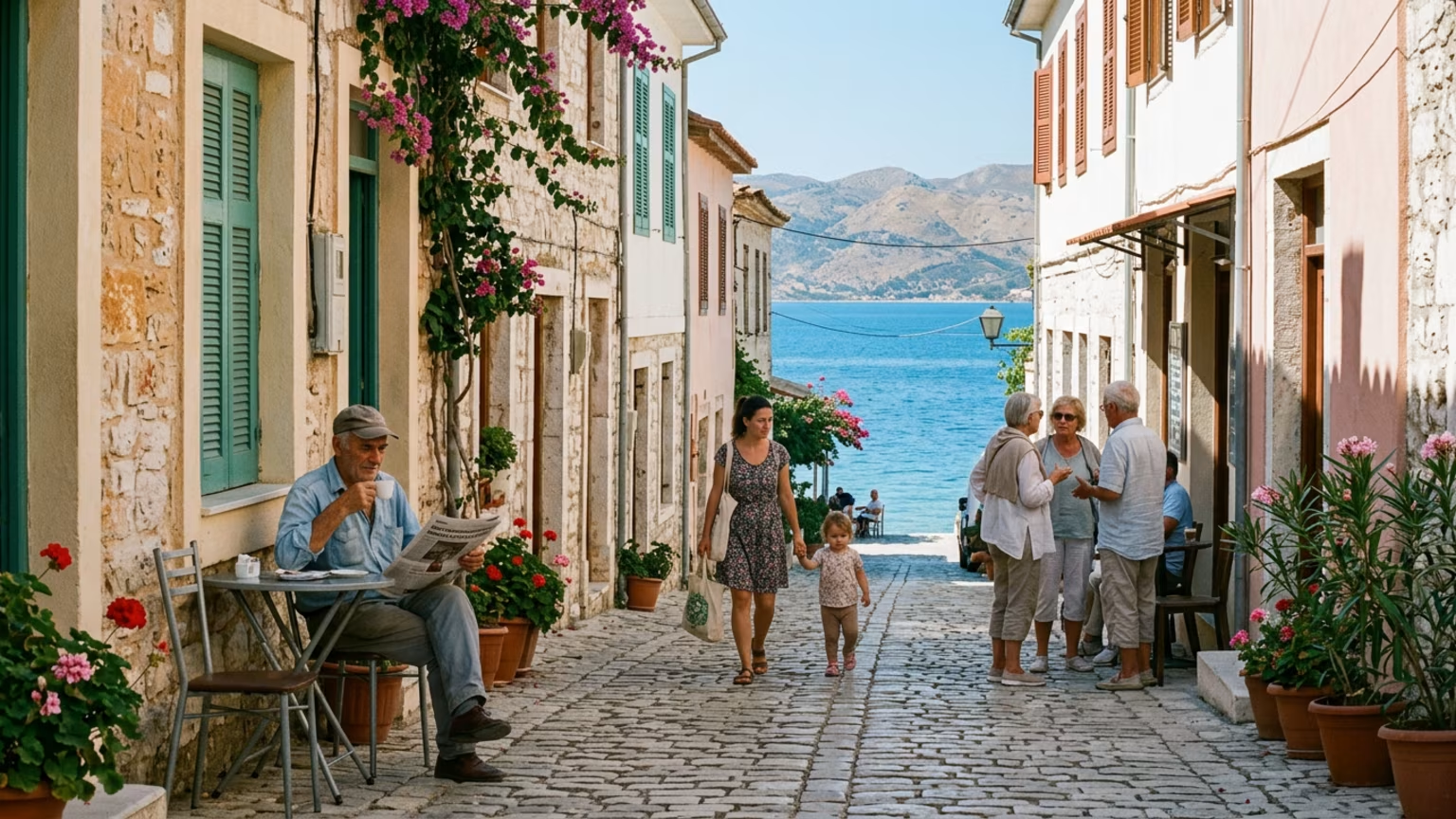
The good news is that this is a real city. Durrës Daily Tours notes that Vlorë remains partly open in winter. Smaller beach villages see heavy closures from mid-October to mid-April. Vlorë retains year-round activity away from the seafront. Finding local routines outside the holiday bubble becomes crucial during these months.
The people who love this city year-round know how to adapt their habits. They shift their focus from the beach to the active city center. Successful remote workers create flexible backup plans for rainy days. You must find reliable indoor spots to work and socialize when the coast gets too windy.
Thriving means planning ahead and using indoor spaces effectively. The weather data shows that autumn walking is possible on mild days. You must simply expect and plan for heavy rain. Smart residents build strong local networks away from the tourist zones.
Understanding the daily realities of life for expats here helps you appreciate the quiet charm. You must stay informed about neighborhood changes and business hours. Relying on accurate local information helps you avoid walking to a closed business in the rain.
Focusing on building a social life as a newcomer makes the long winter evenings much more enjoyable. Vlorë functions as a complete city regardless of the tourist season. The inland markets, local gyms, and neighborhood bakeries stay open. Those who lean into this permanent community find a rich, sustainable lifestyle.
Adaptability is the most critical trait for a newcomer. You must be willing to change your coffee spot when the waterfront places close. You need to invest in good rain gear for November and December. The reward is a peaceful, authentic community experience without the summer crowds.
Trading an endless summer fantasy for the reality of seasonal coastal living builds a stronger, more authentic connection to your new home. Accepting the rain and the quiet months is entirely worth the reward of true local integration.
Adapting to coastal weather shifts is a critical daily responsibility for new expats, and Vlore Circle steps in to provide clear community guidance. We solve the problem of finding long term rentals at fair local rates so you can secure a comfortable, weather-proof base before the autumn rains arrive. Join our facebook group
Follow Vlore Circle for fresh guides, local updates, and community notes around life in Vlorë. It is the easiest way to stay close to what we are building.
Direct flights from Bratislava connect Slovak remote workers to Vlorë. This guide details the 150 km Tirana airport transfer and practical arrival steps.

Find the right Vlorë neighborhood by prioritizing daily errands, testing seasonal routines, and weighing central walkability against quieter coastal areas.

Discover how to build your social life in Vlorë by joining the evening xhiro on the Lungomare. Get practical tips for navigating informal community rhythms.