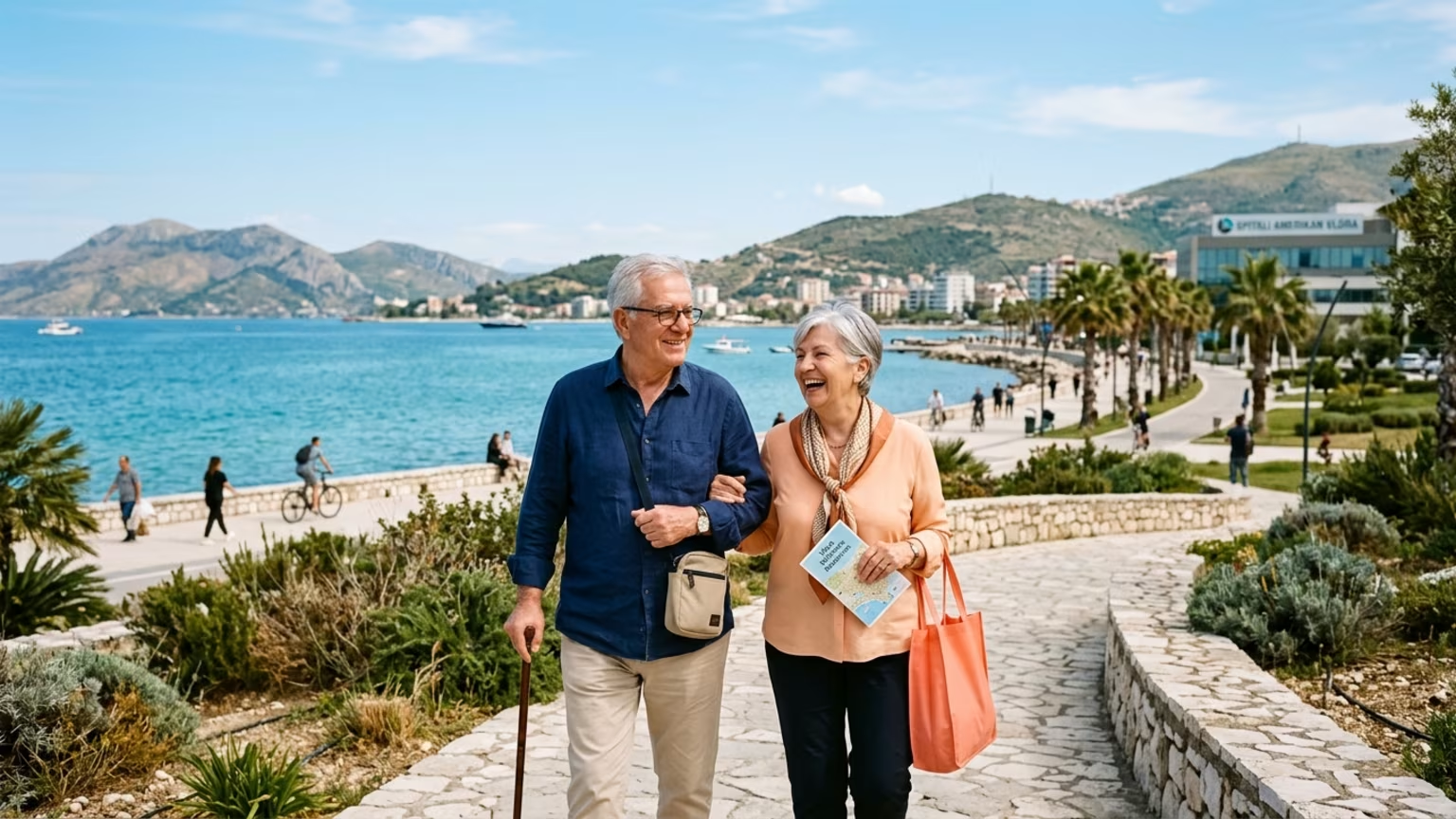
Representative image

Recent Adriatic wildfires highlight the need for expats in Vlorë to build flexible emergency plans and choose between beachfront and inland backup housing.





A resident stands on a balcony in Vlorë, watching a hazy sunset over the Adriatic. The faint smell of distant dry brush hangs heavily in the warm air. Their phone suddenly buzzes with a regional weather alert. It is a quiet reminder that coastal life requires real preparation.
Deciding whether to lock yourself into a single frontline beachfront apartment or maintain a flexible regional backup changes your Albanian experience. The recent events along the Adriatic coast make this choice incredibly real for remote workers. Choosing a single location feels simple, but regional weather patterns are shifting rapidly. Reuters reported that about 1,200 residents and tourists evacuated from the Croatian town of Omiš.
The scale of these coastal disruptions often expands beyond the immediate town center. Broader estimates for the surrounding Croatian settlements reached close to 2,000 people. Living directly on the water sounds like the perfect Mediterranean dream for most newcomers. However, it comes with distinct vulnerabilities that you cannot ignore.
When regional heat peaks across the continent, the reality of the climate sets in quickly. Western Europe saw an average high forecast of 31.2°C on August 14. This temperature sits approximately 8°C above the 1961–1990 average. Europe as a whole measured 1.6°C above that historical reference period.
These shifts force expats in Vlorë to make a strict, practical choice for their seasonal planning. Do you stay entirely committed to the immediate shoreline and hope for the best? Or do you build a flexible backup plan to handle unpredictable environmental disruptions? Your decision impacts your safety, your work routine, and your peace of mind.
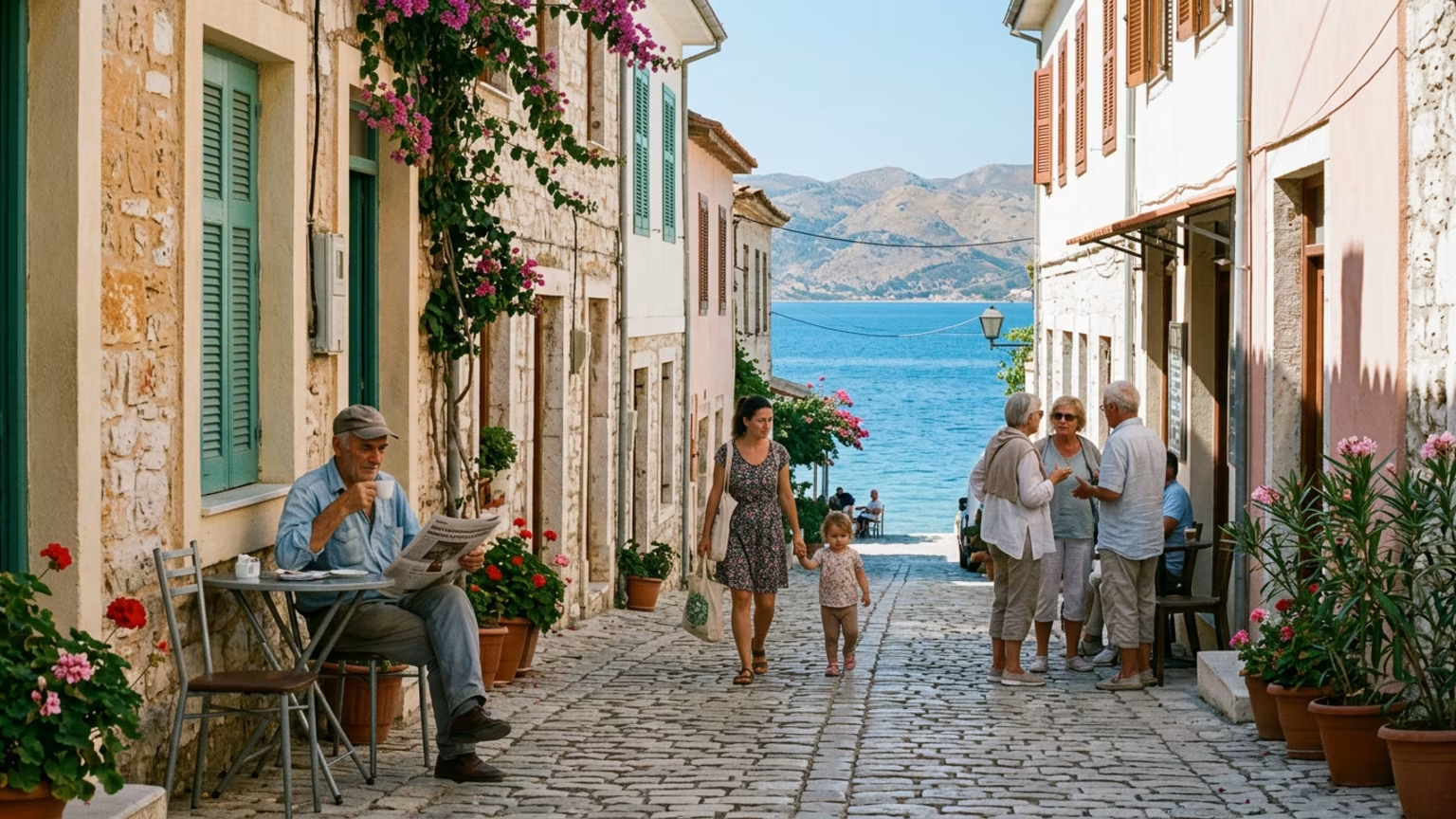
The frontline coastal setup places you directly on the Lungomare or near the Uji i Ftohtë beach zones. You get the fresh sea breeze, the uninterrupted views, and the absolute convenience of walking everywhere. Many expats love the coastal living reality of walking to the gym with a sea view without needing a car. The daily vibe is highly social, connected, and intensely focused on the water.
However, you face the full force of the elements when conditions shift abruptly. The EU's Copernicus Climate Change Service recently warned of "very extreme" wildfire conditions in parts of central and eastern Europe through August 19. A single road in and out of a beachfront neighborhood can quickly become a choke point during emergencies. Coastal towns often have limited access routes that jam easily with tourist traffic.
The risks of a single-exit coastal location are very real and documented. In Croatia, one person died after being found in a fire-damaged area. Approximately 40 people needed medical treatment at a hospital in Split following the coastal blaze. Reports noted seven people in serious condition, and the prime minister confirmed 10 people in intensive care.
Even when fires happen further north along the Adriatic, the lessons remain highly relevant for Vlorë. Staying on the immediate coast requires you to prepare a small go-bag with important documents and chargers. You must know your building's exits and agree on a meeting point with household members. It demands hyper-awareness of your surroundings and strict attention to official civil-protection announcements.
The alternative approach involves choosing a slightly inland base or maintaining a clear, pre-planned relocation strategy. You might rent a quiet apartment further back toward the city center near the Transbalkanike road. You might arrange a standing agreement with friends in a cooler hillside village like Kaninë. This setup gives you immediate, practical options when coastal conditions turn harsh.
Having a backup plan is increasingly necessary across the broader European region. Recent heatwaves have triggered major evacuations far beyond the Balkan peninsula. France recently evacuated 525 people from the town of Luglon. A massive fire in Spain's Huelva region burned 31,000 hectares and forced 700 people to leave.
In Greece, more than 300 people evacuated by boat from the seaside town of Siviri. When you maintain a flexible setup, you avoid getting trapped by extreme weather or seasonal road congestion. If air quality drops, you simply pack your laptop and work from your secondary, inland location. You never miss a workday or compromise your health for a sea view.
The strain on emergency resources across the continent highlights the need for personal mobility. Spain's firefighting aircraft logged over 8,200 flying hours in 2026, which already exceeds the total for 2025. These regional trends prove the practical value of keeping your travel plans highly flexible. You willingly trade the constant sea view for security, control, and reliable working conditions.
Vlorë changes completely when the hot, dry summer gives way to the wet winter months. The winter season brings heavy rain, strong winds, and a very quiet local atmosphere. The frontline beachfront setup can feel harsh and isolating from November to March. Sea salt coats the apartment windows, and the relentless wind forces you to stay indoors.
The Lungomare empties out considerably, leaving only a few open cafes for daily socializing. The inland or flexible backup approach consistently fares much better during these cold, wet months. Expats living in the city center are usually better shielded from the direct coastal gales. They remain much closer to year-round markets, local shops, and central services that never close.
The practical reality of winter living heavily favors the inland choice. Many remote workers find that coastal routines demand strict daily structures in Vlorë to fight off off-season isolation. Emergency management looks very different in the winter compared to the peak summer. Summer requires strict fire awareness.
Winter demands preparation for localized street flooding and minor power cuts. A beachfront resident must constantly monitor the wind direction and seal their balcony doors tight. An inland resident simply turns up their electric heater and watches the storm from a safe, dry distance. Both options require adaptation, but the inland setup consistently provides a much smoother off-season experience.
Your choice between a frontline coastal base and a flexible regional backup depends entirely on your risk tolerance. The frontline beachfront setup belongs to the die-hard sea lovers and the highly adaptable digital nomads. This path is for the remote worker who willingly accepts the risks of extreme elements. They take these risks specifically for the daily, unbeatable reward of the open ocean.
You must be highly organized, attentive to civil alerts, and ready to act quickly if conditions worsen. The flexible backup approach suits the pragmatic, long-term expat who values stability. This is the person who prioritizes uninterrupted work routines, reliable comfort, and regional mobility above aesthetics. They prefer having a secondary location secured long before an emergency ever starts.
Croatia's fire chief, Slavko Tucaković, noted that the Omiš fire appeared to calm by Friday morning. Relying on the wind to calm down is never a reliable long-term plan for expats. The pragmatic planner already has a backup workspace and a secondary data plan ready to go. They know that true peace of mind comes from solid, actionable preparation.
Many are using Vlorë as a base for slow living, which requires adapting to the local environment rather than fighting it. Choose the beachfront if you want the absolute peak summer experience and can handle the exposure. Choose the inland or flexible backup if you want steady, predictable, and stress-free living all year.
Pack a small emergency go-bag today with copies of your identification, a mobile power bank, and a mask suitable for smoke exposure.
Follow Vlore Circle for fresh guides, local updates, and community notes around life in Vlorë. It is the easiest way to stay close to what we are building.
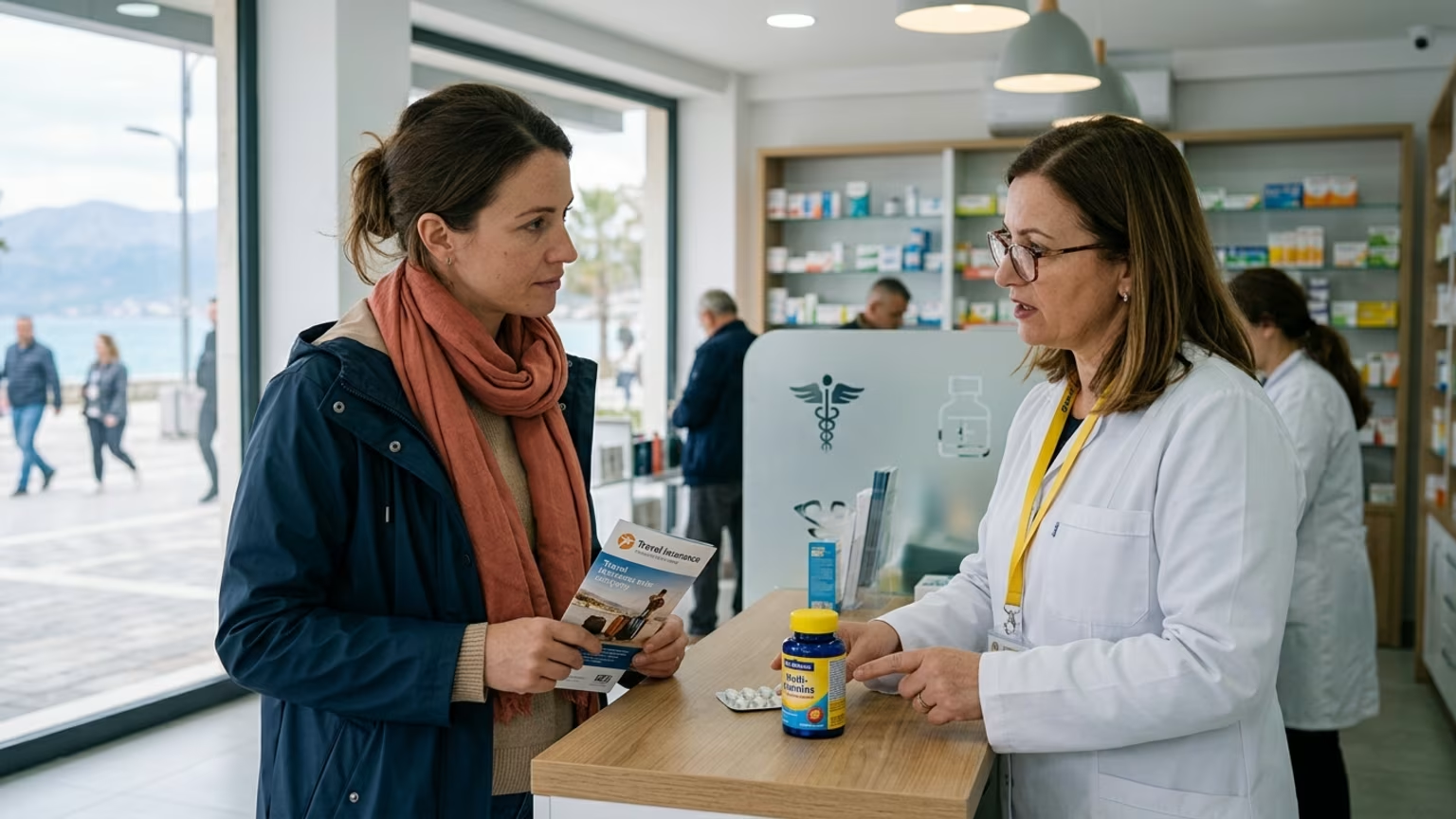
A practical, fluff-free guide to handling medical emergencies, health insurance, and seasonal wellness routines as an expat or remote worker living in Vlorë.

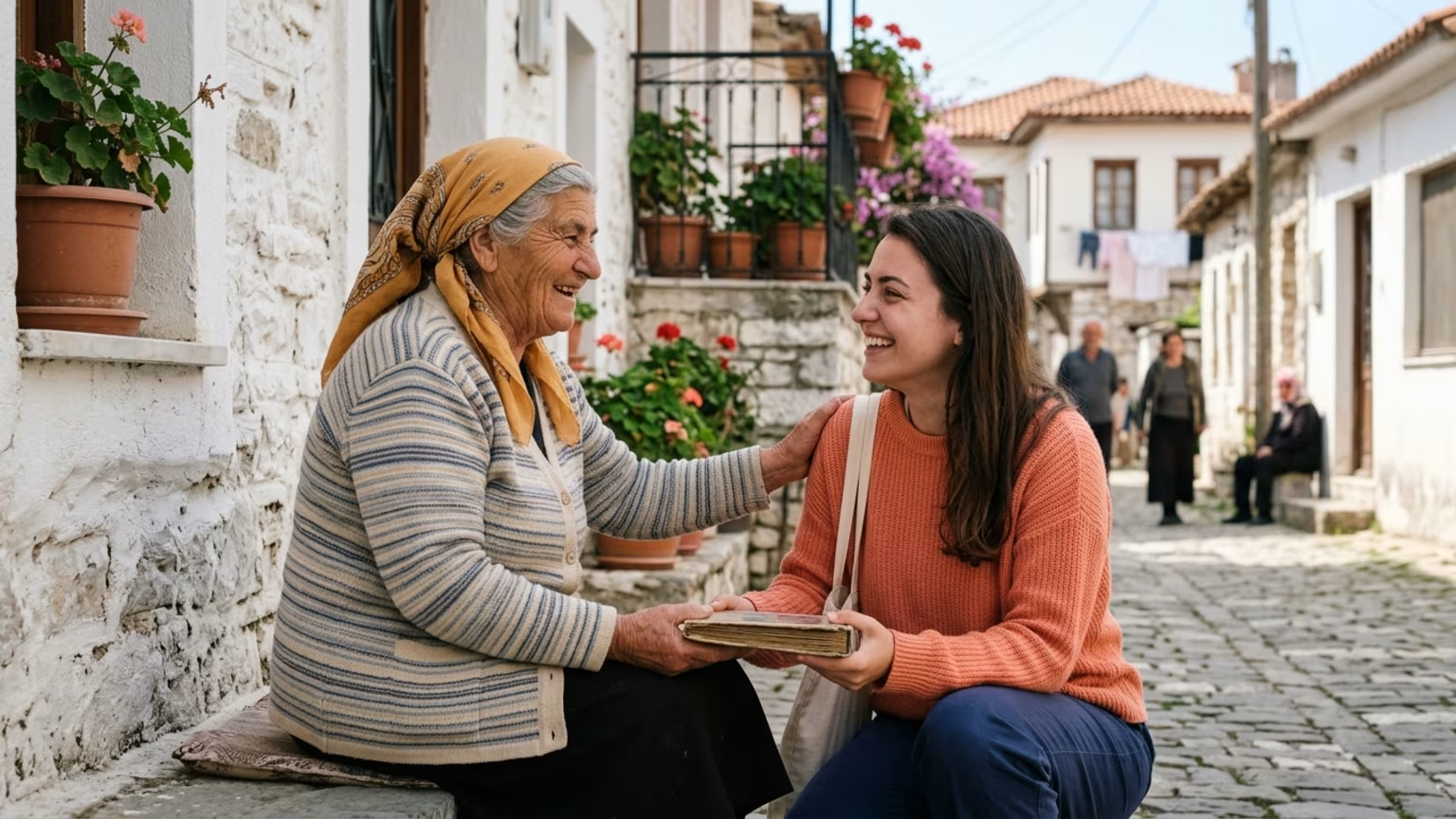
A practical guide for expats and newcomers to build genuine social connections in Vlorë, from navigating the seasonal bubble to year-round local integration.
Navigate healthcare in Vlorë with practical advice on pharmacies, clinics, and fitness resources. Learn why a two-level medical plan is the safest strategy.