Representative image

Learn the unwritten rules of Albanian hospitality and daily etiquette in Vlorë. Get practical tips for building genuine local connections and avoiding mistakes.





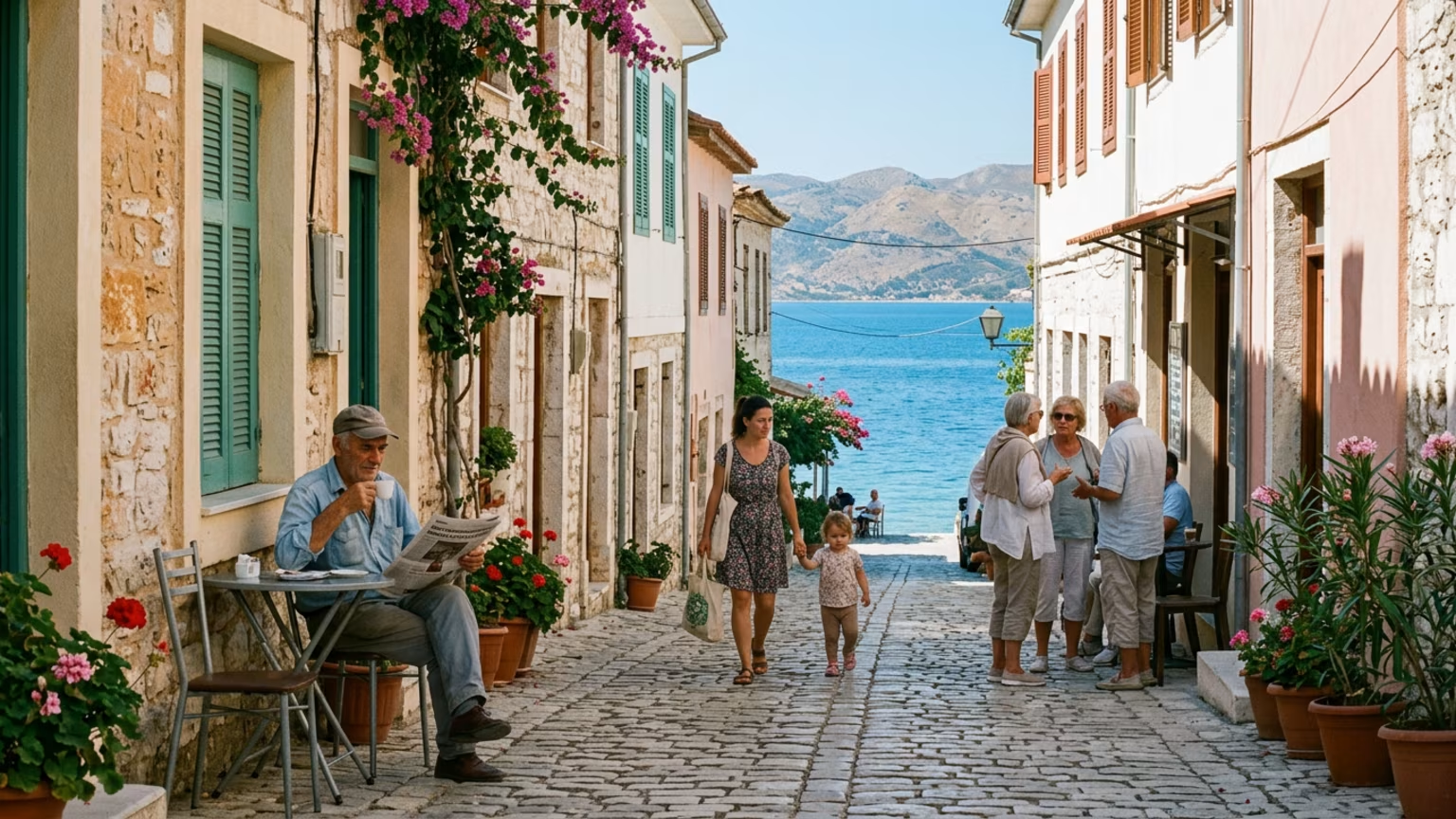
You are sitting at a corner table near Independence Square. The morning sun warms the pavement as the waiter brings your espresso alongside a small glass of water. Before you can reach for your wallet, the local shop owner next to you waves his hand. He tells the waiter that your coffee is already paid for today.
Albanian hospitality is rooted in the ancient code of besa, which translates to keeping a promise and protecting guests at all costs. Newcomers in Vlorë can expect fierce generosity, frequent coffee invitations, and a strong culture of reciprocity that builds long-term trust. Earning this level of trust requires you to step outside your comfort zone and respect the local rhythm.
Vlorë is currently experiencing a massive shift. Industry analysts report a growing influx of travelers experiencing the warmth of Albanian towns firsthand. New high-rise apartments line the coast. International menus are popping up along the main tourist strips.
Yet the rapid growth along the coastline does not erase the deeply ingrained traditions of the locals. Hospitality here is not just a polite gesture for tourists. It is a fundamental way of life. The concept of besa dictates that a guest must never go hungry or feel unsafe.
This idea goes back centuries in Albanian culture. When you rent an apartment near the Flag Square or shop at the local markets, you stop being just a visitor. You become a neighbor. Understanding the local rhythm helps you move past the commercialized layers of the city.
It opens the door to genuine connections and a true sense of belonging. The coastal lifestyle here demands a slower pace. People take the time to look you in the eye. Figuring out the unwritten rules is the best way to start forming authentic local relationships in the city.
The daily social flow in this coastal city operates on a few unwritten rules. Following these simple steps will help you earn respect and avoid common mistakes. You will quickly learn that social interactions are the glue holding the neighborhood together.
Going out for a macchiato is the most common social invitation. If a local invites you out, they fully expect to pay. Let them cover the bill the first time. You should firmly insist on paying the next time you meet.
Getting invited to an Albanian home is a high honor. You must always bring a small gift. A bag of fresh coffee, some local wine, or sweets from a nearby bakery work perfectly. You must take your shoes off immediately after entering the home.
Your host will likely provide comfortable slippers for you to wear indoors. They will seat you in the best chair in the living room. They will immediately offer you a drink and a small snack. You should accept the first thing offered to show your appreciation.
Building rapport at the fresh produce stands near the Muradie Mosque takes time. Always start your transaction with a polite greeting in Albanian. Saying Mirëdita goes a very long way. Take the time to ask the vendor how they are doing before pointing at the tomatoes.
Building this small rapport helps you secure the freshest produce over time. Reading up on the local guidelines for appropriate behavior will save you from accidental awkward moments.
Food is the ultimate cultural bridge in Albania. Industry analysts point out that traditional dining experiences are a major draw for visitors. When you eat with locals, the concept of a personal dish barely exists. Salads, grilled meats, and roasted vegetables are placed in the center of the table.
You are expected to serve yourself from these communal plates. Waiting for an invitation to eat is polite, but you must not be shy once the meal begins. The host will continuously urge you to eat more. They will often place the best cut of meat directly onto your plate.
Declining food repeatedly can be taken as a slight offense. The best strategy is to eat slowly. Leaving a tiny bit of food on your plate signals that you are completely full. If you clean your plate entirely, they will simply serve you another portion.
Newcomers often struggle with the relaxed approach to time management here. If you schedule a coffee meeting for ten in the morning, do not expect your local friend to arrive exactly on the dot. A fifteen-minute delay is standard and completely acceptable. This flexibility is part of the charm of Mediterranean living.
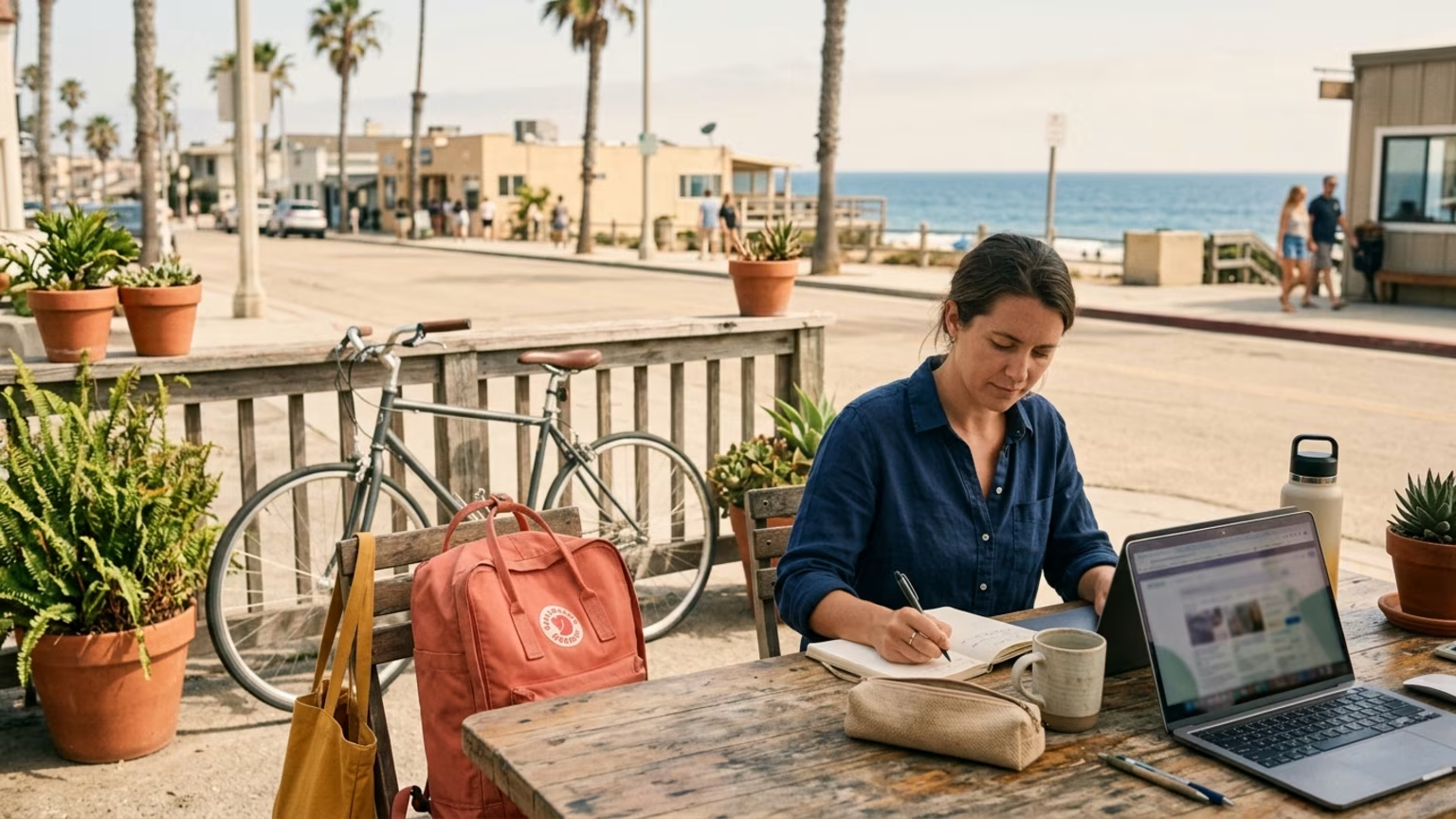
Rushing through a social encounter is viewed as rude. You are meant to linger over your drink. The cafe is viewed as an extension of the living room rather than a quick pit stop. Bringing your laptop to a traditional cafe and ignoring the people around you is highly frowned upon.
Keep your work confined to designated coworking spaces or modern digital nomad hubs. When you are out in the neighborhood, you should be fully present. Taking the time to chat with the waiter shows that you respect the local pace of life.
Living in Vlorë means understanding the very affordable costs of daily socializing. You do not need a massive budget to participate in the local culture. Small gestures matter far more than expensive gifts. Setting realistic expectations for your daily spending helps you build a sustainable routine.
A standard espresso or macchiato at a neighborhood cafe costs around 100 to 120 Lek. Paying for a friend’s coffee is a cheap but highly valued way to show respect. A glass of local raki at a tavern will run you about 150 to 200 Lek. If you are buying a bottle of local wine as a host gift, expect to spend between 800 and 1500 Lek.
Picking up a box of fresh baklava or trilece from a local bakery costs around 500 Lek. These small social investments yield massive returns in goodwill. Generosity here is measured by the thought behind the gesture rather than the monetary value. Giving back within your means is the best way to honor the hospitality you receive.
Tourism marketing often paints a perfect picture of endless smiles and immediate integration. The daily reality of living here is far more complex. Warm hospitality does not always equal instant, deep friendship. The initial generosity you experience is a cultural reflex rather than an immediate bond.
The language barrier is a real obstacle that can make you feel isolated during your first few months. Many older locals in residential areas do not speak English well. You will need to put in consistent effort to bridge this gap. Showing up at the same neighborhood bakery every morning builds familiarity.
Real trust is earned slowly over months of shared nods and simple greetings. You might feel frustrated when conversations remain superficial for a long time. The locals are incredibly polite but they protect their inner circles. Memorizing the basic local words for your daily routine is the fastest way to break the ice.
Building a support network makes the cultural transition much easier. There are several spots in Vlorë where expats and locals naturally mix. The cafes near the Vlorë University campus are excellent places to meet younger locals who speak English. These students are often eager to practice their language skills and share their culture.
The international supermarkets along the main boulevard serve as informal meeting grounds for the expat community. Striking up a conversation in the produce aisle often leads to a coffee invitation. Finding a local language tutor is another highly recommended step. A good tutor does more than just teach vocabulary.
They act as a cultural translator who explains the subtle nuances of daily interactions. They can help you draft text messages to your landlord or explain confusing utility bills. Investing in these local services grounds you in the practical realities of the city.
The historical Old Town area of Vlorë offers a very different social rhythm compared to the Lungomare promenade. The restored streets around the Muradie Mosque are filled with multi-generational businesses. Here, coffee culture feels much more intimate and deeply traditional. You will see older men playing dominoes and discussing the day.
Shop owners in this district are known for taking their time with customers. They will often invite you to sit down and share a Turkish coffee before you even buy anything. This area is the perfect place to observe the authentic pace of Albanian life. The commercial pressure is much lower here than down by the main beaches.
You can spend hours simply watching the daily routines unfold around the cobblestone streets. This neighborhood is where you will frequently spot locals preparing for the elaborate marriage celebrations that fill the summer months. The sense of community in this historical zone remains beautifully intact.
Pacing yourself is the secret to thriving in Vlorë. You will receive many invitations for coffee, lunch, or afternoon raki. It is perfectly fine to politely decline if you are busy or tired. A simple explanation with a smile is always respected.
Trying to match the high social energy of the locals every single day will exhaust you. The goal is to build sustainable routines rather than burning out in your first week. If you want to meet other residents settling in this beautiful culture, join the community today. We regularly share practical advice to help you feel right at home.
Follow Vlore Circle for fresh guides, local updates, and community notes around life in Vlorë. It is the easiest way to stay close to what we are building.

Learn how to inspect an apartment in Vlorë for year-round living. Find practical tips on verifying lease dates, winter heating, utilities, and internet setup.


CNA reports IGJEUM's forecast of intense rainfall and thunderstorms for Vlora on October 10 and 11, warning of potential urban flooding tied to drainage grids.
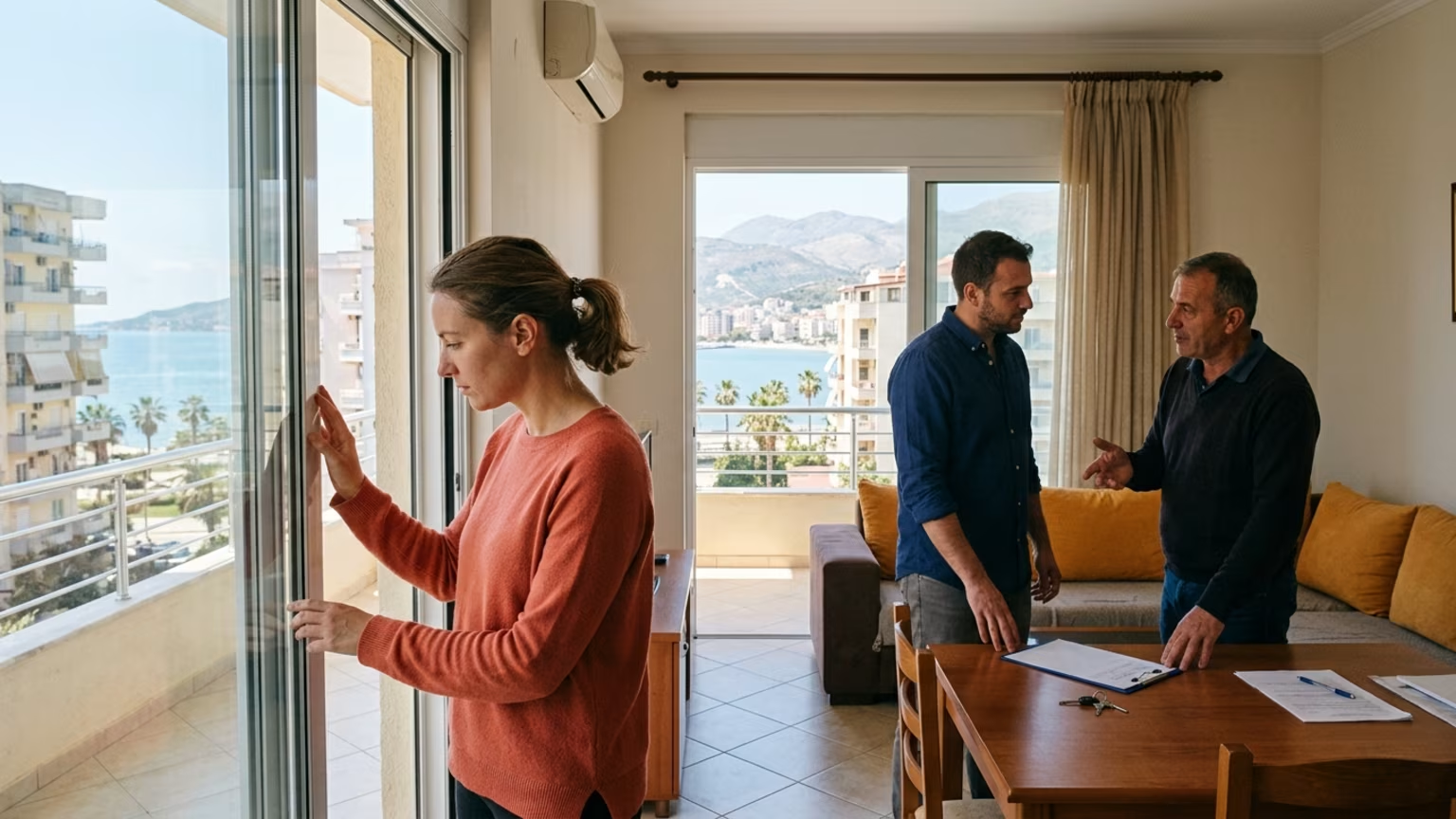
Learn how to assess a Vlorë apartment for true year-round availability. We cover what to check regarding summer leases, utility costs, and contract details.