Representative image

Attending a wedding along the Vlorë coast involves lively folk dancing, heartfelt toasts, and specific gift traditions that every first-time guest should know.





The first surprise is this, an Albanian wedding in Vlorë is not only about the couple. It is a public family milestone, and a good guest is expected to take part, not sit quietly at the edge of the room.
If you are invited to a traditional Albanian wedding in Vlorë, expect several linked events, loud music, long meals, raki toasts, family rituals, and group dancing. Wear smart formal clothes in a joyful color, bring money for the couple or the money dance, follow your host’s lead, and say yes when someone pulls you into the valle.
In Vlorë, weddings sit at the crossing point of family honor, neighborhood ties, and deep hospitality. This is not a private dinner with a short ceremony. It is a social event where relatives, neighbors, friends, and work contacts may all appear in the same room.
For expats, this can feel intense at first. You may be invited by a colleague from Skelë, a landlord near Uji i Ftohtë, or a neighbor in the Old Town. The invite might sound casual, but the event has meaning.
Albanian hospitality is tied to the idea of besa, a code of trust, honor, and keeping one’s word. At a wedding, this shows up through food, drink, music, seating, gifts, and public welcome. If a family invites you, they are placing you inside their circle for that moment.
That is why your behavior matters. You are not expected to know every custom. You are expected to show respect, accept guidance, and join the room.
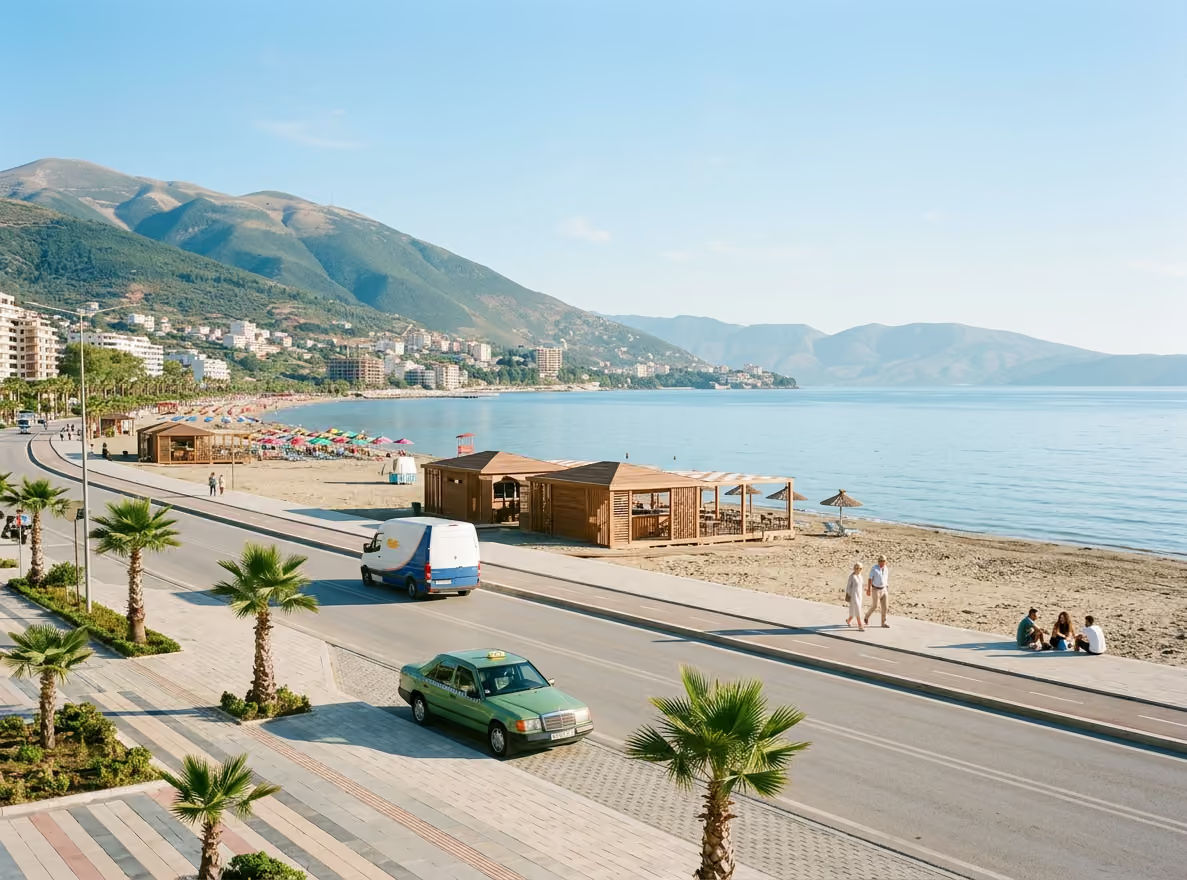
Vlorë adds its own southern coastal tone. Weddings here may include hotel banquets near the Lungomare, restaurant parties along the beach road, courtyard events in older family homes, and photo sessions near the sea. The energy can move from polished city style to old family ritual in one afternoon.
Southern Albania is known for polyphonic singing. UNESCO lists Albanian folk iso-polyphony as Intangible Cultural Heritage. This tradition is linked with southern regions, including the wider Vlorë area, and it gives many local celebrations a sound that feels older than the restaurant setting around it.
You may hear a DJ play pop songs, then a group of older men start a layered vocal song. You may see young women in evening dresses dancing next to grandmothers who know every step. This mix is normal in Vlorë.
Many weddings now take place in event halls or seafront restaurants. Yet the family logic remains strong. The bride leaving her family, the groom’s relatives coming to fetch her, and the public joining of two families still carry weight.
The civil legal moment is usually not the heart of the celebration. According to The Knot’s guide to Albanian wedding traditions, the civil ceremony often happens at the mayor’s office with witnesses. The larger emotional center is the family celebration and the ritual movement between homes.
In Vlorë, that might mean decorated cars moving through the city with horns, music, ribbons, and people waving from windows. It may mean traffic slowing near the boulevard or along Rruga Transballkanike as a wedding line passes. Locals recognize the sound fast.
A guest who understands this will feel less lost. The noise is not random. The long schedule is not poor planning. The public display is part of the point.
For newcomers, the best mindset is simple. You are entering a family story for a few hours. Do not treat the event like a performance made for you. Treat it as an honor that comes with small duties.
Those duties are concrete. Dress with care. Arrive when told. Greet elders. Accept food. Raise a glass. Dance when invited. Give money in the right moment if others do.
This is how you bridge the cultural gap. You do not need perfect Albanian. You need warmth, humility, and enough practical knowledge to avoid the common guest mistakes.
Many expats hear “wedding” and think of one day. Albanian weddings often stretch across several days. The structure can vary by family, budget, and location, but the classic pattern runs from Thursday to Sunday.
The Il Nuovo Mediterraneo overview of Albanian weddings describes a four day pattern with rising family and social involvement. You may not be invited to every part. Your invite may be for the bride’s evening, the groom’s dinner, the Sunday banquet, or only the restaurant party.
Still, knowing the wider flow helps you read what is happening. It tells you why people cry, why cars gather, and why certain dances seem to matter more than others.
The early part can include preparation around the bride’s home. Research on Albanian wedding customs describes a gathering tied to the dowry, sweets, Turkish coffee, and family visits. Today this may look more modern, but the idea of exchange remains.
In a Vlorë apartment near Skelë, this might be a house visit with close relatives. In a village outside the city, it may feel more public. Women may arrange gifts, clothing, sweets, and trays for guests.
If you are invited to this part, keep your look smart but not flashy. A good guest may bring a small gift, such as perfume, sweets, or a useful household item. Ask the person who invited you if the family prefers money.
Do not arrive empty handed to a home visit. Even a small box of quality sweets from a local pastiçeri near the boulevard shows you understand the setting. The value matters less than the gesture.
The bride’s side often has its own celebration before the final union. Saturday is commonly tied to the bride’s farewell. It may include music, women’s dancing, family blessings, photos, and emotional moments.
This is where an expat may first see the emotional side of the wedding. The bride is not only getting married. She is leaving her family home in a symbolic way, even if she and her partner already live in an apartment in Vlorë.
Older relatives may cry. People may bless the bride. Money or coins may be placed near her feet or thrown during dance moments to mark luck and prosperity.
If you are at the bride’s event, do not treat tears as sadness only. They are part of the transition. Smile gently, keep your phone away during private moments, and follow the mood of the family.
You may be pulled into a valle, the line or circle folk dance. Say yes. You can keep your steps small and watch the person in front of you.
The Sunday groom’s procession is one of the best known parts. The term krushqeria refers to the groom’s side going to fetch the bride. It is a public moment where families move toward the formal joining.
In Vlorë, this can mean decorated cars with ribbons, loud horns, and music moving from one neighborhood to another. A procession might run from Uji i Ftohtë toward the Old Town, or from a family home near the market toward a beachside restaurant. The exact route depends on the families.
People may throw rice or candies. The meaning is tied to luck, fertility, and good wishes. At times, children enjoy this part most, darting near the cars or doorway to gather sweets.
If you are invited into a car procession, ask where to sit. Do not push toward the front car. Close family members and honored relatives have their own order.
Clap, smile, and join the noise if others do. If you are driving, stay careful. Wedding excitement does not remove traffic risk on Vlorë’s busy roads.
Traditional accounts mention rituals when the bride enters the groom’s home. These may include breaking a glass or plate to ward off evil, honey on the doorpost for sweetness, or other family blessings. Albanian Night’s account of wedding customs links honey at the threshold with harmony in the new household.
Not every Vlorë family uses every ritual. Some may perform them at a home before the restaurant. Others may keep only a symbolic version for photos.
The bride may be guided by female relatives. A small girl may carry a bouquet in some traditions, tied to fertility and future family life. Such details may pass fast, so watch the elders for cues.
Do not step into doorways to get photos. These rituals are not stage scenes. Family members need space.
The restaurant party is often where expats feel most comfortable. There is a table, music, food, a dance floor, and a clearer guest role. Yet the banquet is more than a dinner.
It is the public seal of the marriage. People eat, toast, dance, and show support in front of both families. The couple receives social recognition through this shared celebration.
In Vlorë, venues near the Lungomare or along the coastal road often blend local custom with modern wedding style. You might see dramatic lighting, a DJ, drone video, and then a traditional money dance right after.
Stay flexible. The schedule on the invite may not match the true rhythm of the night. Food may arrive in waves, music may pause for family moments, and dancing may restart late.
Guest clothing at an Albanian wedding in Vlorë should say respect, joy, and care. You do not need to wear traditional dress. You do need to avoid looking like you came from the beach.
This matters in Vlorë, where daily life can feel relaxed near the sea. A linen shirt on the Lungomare is fine for coffee. It is not enough for a wedding banquet.
White is for the bride. Do not wear a white dress, a cream gown, or anything that might photograph as bridal. This rule is easy and worth following.
Black carries mixed meaning. The Knot notes that black has been linked with mourning or bad luck in traditional Albanian wedding dress codes, though some urban younger guests now wear it. In Vlorë city, you may see black evening outfits, but expats should still choose a safer color.
For women, jewel tones work well. Red, blue, green, violet, gold, and silver all fit the festive mood. Southern wedding style often favors bold color, with red and gold linked to love, prosperity, and national feeling.
For men, a dark suit is safe. Navy, charcoal, or a clean summer suit can work. Add a proper shirt and polished shoes.
Vlorë weddings can mean heat, sea air, marble floors, and long hours. A July wedding near the beach road may start warm and end late. Choose formal clothes you can survive in.
Women should think about shoes. Thin heels can be hard on stone courtyards, restaurant entrances, or uneven sidewalks near older homes. A block heel or dressy flat may save your night.
Men should avoid shorts, sandals, and casual polo shirts. Even if the restaurant sits near the beach, the event is formal. A jacket may not stay on all night, but arriving with one shows care.
If there is a church or mosque blessing, modesty matters. Bring a shawl or choose a dress with covered shoulders. Men should avoid loud beachwear patterns in religious spaces.
Traditional Albanian wedding clothing can be rich with symbols. Research on Albanian weddings notes southern use of red and gold, and the groom’s qeleshe, the white felt cap linked with honor and purity. You may see these items during photos, performances, or family rituals.
The bride may wear a modern white dress at the banquet, then use traditional details in a separate moment. Some families use a red veil, called duvaku, linked with chastity, fertility, and protection from the evil eye. Albanian Night describes the red veil as a symbol with deep ritual meaning.
Do not wear a qeleshe as a costume unless the family offers it for a photo. Do not put on folk clothing as a joke. Traditional items carry family and regional weight.
If you want to honor the setting, use small touches. A red pocket square, gold earrings, or a formal dress in a strong color is enough.
If you are unsure, send a photo to the person who invited you. Albanians will usually give direct feedback about wedding clothes. This is better than guessing.
A useful message is simple: “Is this outfit respectful for the wedding?” You may receive a quick yes, or advice to go more formal.
For expats, the safest rule is to dress one level above what you expect. Albanian wedding guests often arrive polished. Hair, makeup, shoes, and jewelry are part of showing respect to the family.
Music is not background at an Albanian wedding. It is one of the main ways the room shows unity. In Vlorë, music may move from southern polyphony to clarinet, def frame drum, DJ pop, and modern Albanian hits.
UNESCO’s recognition of Albanian folk iso-polyphony helps explain why southern music feels so layered. It is not just old sound. It is a living tradition tied to group singing, memory, and place.
The valle is the dance expats are most likely to join. It often forms as a line or circle, with linked hands or hands held near shoulder level. Steps repeat, and the group moves in a shared pattern.
You do not need to be good. You need to try. Watch the feet of the person next to you, keep your steps small, and smile.
Refusing once may be fine if you are eating or taking a short rest. Refusing all night can feel cold. Albanian hospitality works through shared action.
If an older aunt from Kaninë or a cousin from the bride’s side pulls you up, go. That small moment may do more for your welcome than any perfect Albanian phrase.
The Shote dance is often linked with Albanian wedding celebration. It may involve a handkerchief and a focus on the bride and groom. In some accounts, the bride waves the handkerchief, and the groom symbolically burns it or joins through ritual action.
The Napoleon dance or money shower is another moment guests may notice. Money is thrown or placed during a dance, often around the couple, bride, musicians, or central dancers. The meaning is luck, support, and prosperity.
In Vlorë, these moments may happen fast. A DJ may announce them, or the room may just know. If people start throwing small notes, you can join with modest Lek notes.
Do not throw coins hard or aim at faces. Place or toss money gently near the dance area. If unsure, hand your note to a close family member and ask with a smile.
Raki is part of many Albanian celebrations. It is strong fruit brandy, and wedding toasts can repeat often. Refusing every toast without explanation can feel awkward.
You can accept a small amount and sip. You do not need to empty the glass each time. Say “Gëzuar,” which means cheers, make eye contact, and take a small sip.
If you do not drink alcohol, give a simple reason with warmth. “I do not drink, but gëzuar” with a raised water glass is usually understood. The key is to join the toast, not vanish from it.
Do not compete with local uncles. They may have decades of practice. Your goal is respect, not proof.
In many Albanian weddings, music leaders guide the room. Older relatives may request traditional songs. Younger guests may want pop and club tracks later.
If live musicians approach your table, smile and respond kindly. If money is being given to musicians, follow the host’s lead. In some settings, guests tip the band during key songs.
Do not seize the playlist. One foreign song request may be welcome late in the night, but this is not your party. Let the family’s music carry the evening.
Money is one of the most practical guest questions. Albanian weddings often involve gifts, envelopes, or money thrown during dances. The exact expectation depends on your connection to the couple and which event you attend.
The key is to ask your host before the day. Say, “Should I bring an envelope, a gift, or money for the dance?” This is normal and saves you from guessing.
For dance moments, carry Albanian Lek in small notes. The research examples suggest 500 to 1000 Lek notes for throwing during bride or money dances. This is a practical range for a guest who is not close family.
You may want several notes, not one large bill. A few 500 Lek notes give you flexibility if more than one money moment happens. Keep them separate from your main wallet.
Do not wait until the event to find cash. ATMs near the Lungomare, Skelë, and city center may run low during busy periods or charge fees. Get cash earlier in the day.
If you are attending the main banquet, an envelope is often safer than a physical gift. Many couples live in apartments, and duplicate household items can be less useful. Cash helps with wedding costs or starting life together.
Ask a local friend about the right amount for your relationship. A colleague, close friend, neighbor, and distant contact are not the same. The family may have local expectations that change by venue and closeness.
Write your name clearly on the envelope. Add a short note if you know the couple well. Simple words are best.
A useful Albanian line is “Urime martesa,” which means congratulations on the marriage. You can add “Jetë të lumtur,” meaning a happy life.
If you are invited to a house before the banquet, bring something small. Sweets, flowers, coffee, perfume, or a nice bottle can work. Avoid overly personal gifts unless you know the family well.
For a bride’s home event, a tasteful beauty item or sweets may fit. For a groom’s family visit, sweets or a bottle for the table can work. Ask the person who invited you.
In Vlorë, presentation matters. A wrapped box from a good pastry shop near the center looks better than a loose supermarket bag. The thought should be visible.
Money throwing can feel strange for people from cultures where cash is private. In Albanian weddings, public money can be a blessing, not a display of ego. It says, “I support this union.”
Still, do not show off. Throwing a large amount to draw attention may look tasteless, mainly if you are not close family. Follow the rhythm of the room.
If you miss the money dance, do not panic. Give your envelope to the couple, a parent, or the person managing gifts. Quiet respect is better than a dramatic late gesture.
The banquet is where many guest mistakes happen. People arrive too hungry, drink too fast, leave too early, or film private moments. A little planning keeps you steady.
Albanian wedding meals can run long. You may eat in stages, with dancing between courses. Do not assume dinner will follow the timing you know from home.
Common wedding foods can include byrek, tavë kosi, meat dishes, salads, bakllava, trilece, fruit, and many drinks. Not every wedding serves the same menu. Vlorë coastal venues may add seafood or Mediterranean plates.
Accepting food is part of being welcomed. You do not need to eat everything. Taste what you can and thank the people serving or hosting.
If you have dietary needs, tell your host early. Do not wait until the banquet starts. Kitchens at large wedding venues may be able to help, but last minute changes can be hard.
Vegetarians should be clear. Albanian meals often include meat as a main dish, and “no meat” needs plain language. Say it early and kindly.
Weddings in Vlorë are very visual. There may be a professional photographer, videographer, drone, and guests filming on phones. Still, not every moment is yours to post.
Do not post the bride at home before she appears publicly unless family members already do. Do not film crying relatives at close range. Do not post children without care.
Ask before sharing close family rituals. A public restaurant dance is safer than a private doorway blessing. If in doubt, keep the video for yourself.
Photos with the couple are welcome at the right time. Wait until they are greeting guests or posing. Do not interrupt a ritual for a selfie.
Albanian weddings can run late. Dance energy often builds after the meal, not before it. Leaving just as the dance floor fills can be read as low interest.
If you must leave early, tell your host ahead of time. Greet the couple and at least one family member before you go. Leave quietly during a natural break, not in the middle of a key dance.
For Vlorë logistics, plan your ride. Summer nights near the Lungomare can be crowded, and taxis may be slow. If the venue is outside the center, confirm return transport before raki starts.
Women walking in formal shoes from a beach road venue to an apartment in Uji i Ftohtë may regret not planning. Bring a backup shoe if needed. Practical comfort is not rude.
A few phrases go far. You do not need full fluency. You need enough to show effort.
Use “Gëzuar” for cheers. Say “Urime” for congratulations. Say “Faleminderit” for thank you.
If someone praises your attempt, smile and keep trying. Mistakes are usually forgiven when your tone is warm.
One phrase to know around compliments is “mashallah,” used by many people in the region to soften praise and avoid envy or the evil eye. If you call a baby beautiful or praise the bride too strongly, you may hear someone say it. You can use it gently if you know the family is comfortable with it.
Vlorë is socially mixed. Families may be Muslim, Orthodox, Catholic, Bektashi, secular, or a blend in practice. Some weddings include a religious blessing. Some stay fully civil and customary.
Do not guess based on names or clothing. Ask your host what kind of ceremony to expect. This helps you dress and behave well.
The legal marriage in Albania is civil. The Knot notes that the civil step may take place at the mayor’s office with two witnesses. In Vlorë, that points to the Bashkia setting, not the banquet hall.
For many guests, this part is small or limited to close people. You may never see it. That does not mean you missed the real wedding in the family sense.
The family celebration, the bride leaving home, the groom’s procession, and the banquet may carry far more emotional weight. This surprises many Western guests. Legal and social meaning do not always sit in the same place.
If there is a mosque visit, church blessing, or family prayer, follow the closest local guest. Dress modestly. Keep your voice low. Put your phone away unless others are clearly taking photos.
At a mosque, women may need a scarf, and shoes may be removed in certain areas. At an Orthodox church, standing may be part of the service. Candles or icons may be present.
If you are not religious, you can still show respect. Stand quietly. Do not comment on rituals during the service. Save questions for later.
Albanian weddings are family events with visible roles. Parents, grandparents, godparents, uncles, aunts, siblings, and close cousins may have set places. The couple may not control every detail.
If the groom’s mother tells you where to sit, accept it. If an uncle insists on a toast, smile and raise your glass. Elders often shape the room.
Do not make jokes about the bride being “taken” or the groom’s family “winning.” These themes touch old ritual language and can feel sensitive. Let locals frame the meaning.
The bride’s farewell may carry sadness and pride at once. The groom’s procession may look loud and playful, yet it has formal meaning. Treat both sides with equal respect.
Some traditional moments are gendered. Women may gather around the bride. Men may lead certain toasts or songs. Younger urban families may share roles more evenly.
As a guest, your job is not to correct the event. You can hold your own values and still behave with grace. If something confuses you, ask your trusted host later.
For expats living here long term, this matters. Weddings are not debate clubs. They are family milestones with memory attached.
The romantic idea of a Vlorë wedding is easy to imagine. Sea views, red and gold clothing, music, dancing, raki, flowers, and photos by the water. Some of that may be true.
The daily reality is more mixed. Weddings can be loud, tiring, expensive for families, emotionally loaded, and hard to follow if you do not know the order. They can be beautiful and stressful at the same time.
Car horns are not a small detail. They can mark the procession across town. If you live near a main road in Vlorë, you may hear wedding cars before you see them.
At the venue, speakers may be very loud. Older relatives may still sit close to the music. Bring discreet earplugs if you are sensitive.
Events may start later than stated. They may end later than you planned. This is normal, not a personal inconvenience aimed at guests.
Eat something before you go if you get weak when meals run late. Drink water between raki toasts. Wear shoes that can handle standing and dancing.
Even modest Albanian weddings can include large guest lists. The research summary notes that small weddings are rare in traditional settings, and community pull remains strong. You may see people the couple barely knows, linked through family duty.
This can surprise expats who expect close friends only. In Albania, a wedding may repay years of family attendance at other events. Reciprocity matters.
A family may invite your landlord, your boss, cousins from Italy, neighbors from the next building, and old school friends. The room reflects a social web.
Do not take it personally if the couple has little time for you. They may be greeting hundreds of people. Your main relationship at the event may be with the person who invited you.
A Vlorë wedding today may include a white bridal gown, luxury car, drone, pop DJ, hotel lighting, and Instagram reels. It may still include red veil symbolism, money dances, polyphonic songs, and a bride’s farewell. Both can sit in the same event.
This is not fake tradition. It is how living customs change. Families keep what matters to them, drop what feels too heavy, and add what fits city life.
A restaurant near the Lungomare can host a deeply traditional moment. A village courtyard can include a modern DJ set. Do not sort the event into “real” and “not real” too quickly.
For expats, the best approach is to notice what the family values. If the grandmother cares about a ritual, treat it with care. If the couple wants a modern entrance song, cheer for them.
Hospitality can feel forceful. You may be urged to eat more, drink more, dance more, and stay longer. This comes from welcome, not control, but it can still tire you.
Set gentle limits. Hold a glass without finishing it. Take small portions. Step outside for air near the restaurant entrance.
If you are overwhelmed, tell your trusted local friend. Do not disappear without a word. A short break is fine.
The reality is that living in Albania means entering social spaces where privacy and public warmth meet in ways that may feel new. Weddings show that clearly. They can leave you exhausted, but they can also turn a casual contact into a real local bond.
Here is the most useful advice from our Vlorë Circle host circle, ask one local person to be your wedding anchor. This should be the person who invited you, a bilingual cousin, or a friend at your table who can give quick cues.
Before the event, ask them four things. Which parts am I invited to? What should I wear? Should I bring an envelope? Are there any family customs I should know?
At the wedding, watch that person. If they stand, stand. If they clap, clap. If they move toward the dance floor, follow.
This removes most stress. Albanian weddings have many moving parts, and no online guide can predict every family detail. A local anchor turns confusion into simple action.
A second host tip is to learn one dance step before the wedding. Search for basic Albanian valle steps, practice for ten minutes, then forget about being perfect. Your effort will show.
A third tip is to keep cash ready in a small pocket. You do not want to dig through your bag when the money dance starts. Have a few 500 or 1000 Lek notes set aside.
A fourth tip is to greet elders early. A handshake, nod, or “Mirëmbrëma” can make a strong first impression. If you are introduced to parents, stand up.
A fifth tip is to keep your first raki small. Wedding nights in Vlorë can be long, and the sea air does not make strong alcohol weaker. Sip slowly and drink water.
A final tip is to treat the invitation as a relationship marker. If you plan to live in Vlorë, not just pass through, these events matter. They are part of how people test warmth, respect, and reliability.
Vlore Circle exists for this exact gap between being invited and knowing what to do next. If you want more practical local guidance and real-life connections, Join the community. The city feels easier when you have people to ask before the big social moments arrive.
A traditional Albanian wedding in Vlorë can feel complex, but the guest rules are simple when stripped down. Show respect, participate, and do not act like a spectator at a family milestone.
Use this short guide as your final check before you leave home.
Confirm which event you are attending. A Thursday home gathering is not the same as the Sunday banquet. Ask for the location, time, dress level, and gift style.
Choose polished clothing in a joyful color. Avoid white. Avoid black if you have another formal option.
Get cash in Lek. Prepare an envelope if you are attending the main event. Keep small notes ready for dance moments.
Eat lightly before you go. Charge your phone, but do not plan to film everything. Arrange your ride home.
Greet the host family. Stand when introduced to elders. Use “Urime,” “Gëzuar,” and “Faleminderit” when you can.
Accept food and drink with warmth. Sip raki slowly. Raise your glass during toasts.
Join the valle when invited. Keep your steps small and follow the line. Laugh at your mistakes.
Watch before acting during rituals. Doorway blessings, veil moments, crying relatives, and family processions have meaning. Give space to close family.
Give money modestly if others do. Use small notes during dance moments. Give your envelope quietly to the right person.
Thank the person who invited you. A short message the next day is welcome. Mention one detail you enjoyed, such as the music, the bride’s entrance, or the family welcome.
Do not post private photos without permission. Public dance floor photos are safer, but still use care. If children are in the frame, think twice.
If you built a new connection, follow up. Weddings in Albania can open doors to coffee invites, family meals, and wider local trust. Treat those doors with respect.
Go with humility, cash in your pocket, and comfortable formal shoes, and you will be welcomed far more warmly than you expect.
Follow Vlore Circle for fresh guides, local updates, and community notes around life in Vlorë. It is the easiest way to stay close to what we are building.

Be part of a growing community built around connection, local life, and a better experience of Vlorë.
join the circle