Representative image

Master the art of grocery shopping in Vlorë by balancing supermarkets and local markets to slash your budget and find the freshest Albanian produce.





Most newcomers assume massive chain stores offer the lowest food prices. Buying everything in a single trip seems like the smartest choice. This approach will completely wreck your monthly food budget in Albania. The most effective way to shop in Vlorë is to buy bulk dry goods at hypermarkets mid-week and purchase fresh produce daily from neighborhood vendors. Relying entirely on supermarkets will easily double your grocery bills.
The food retail environment in Vlorë operates differently than in Western Europe or North America. Large supermarkets here charge a premium for convenience. They import packaged goods from Italy and Greece. These imports carry heavy taxes and transportation fees. The costs get passed directly to the customer. You pay a high price for familiar brand names and colorful packaging.
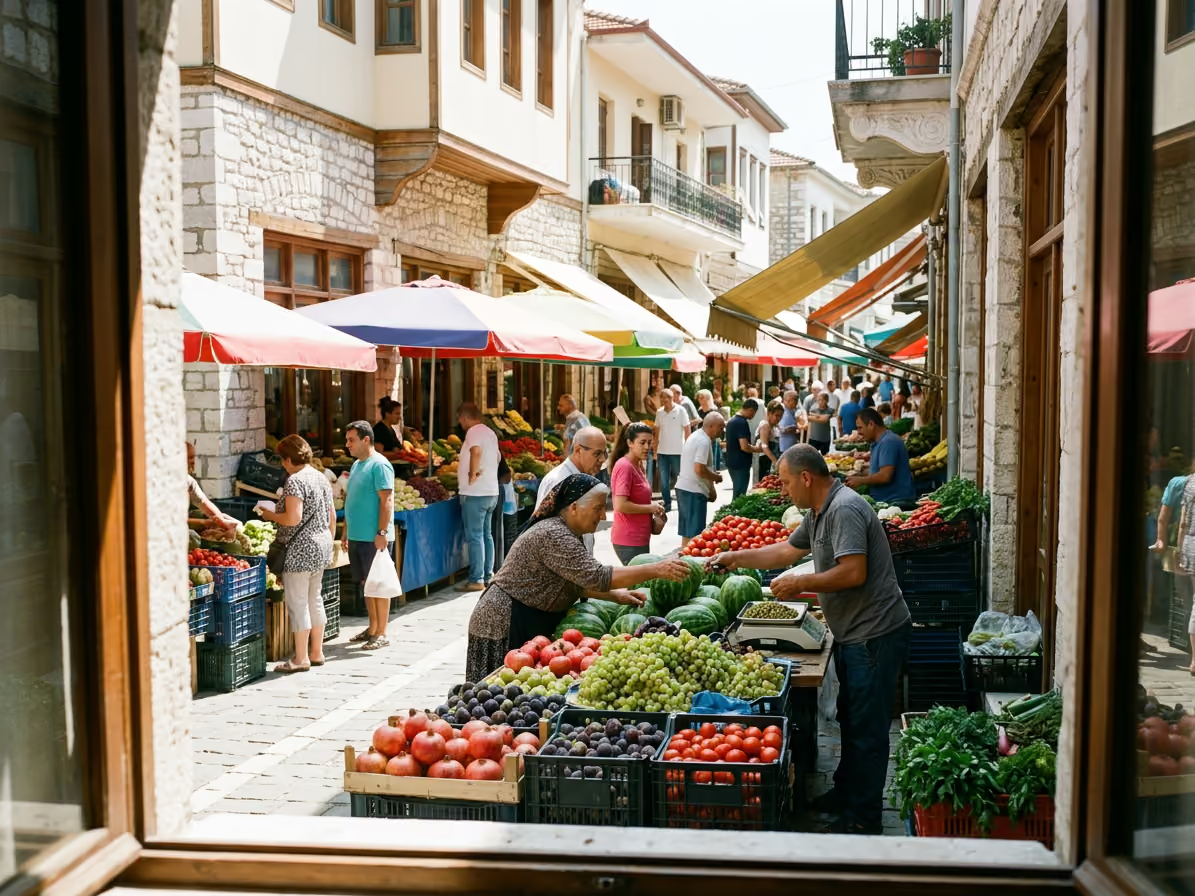
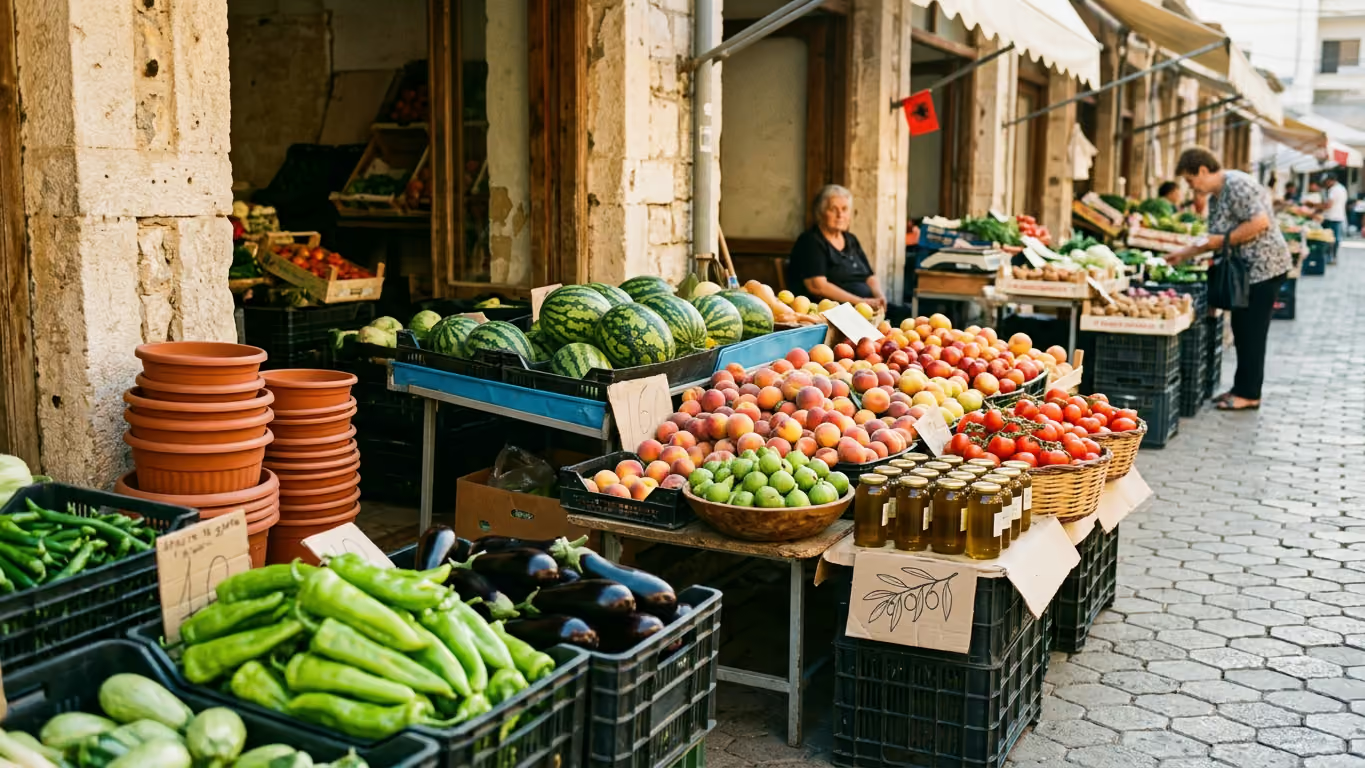
Neighborhood vendors source their products locally. Albanian farmers drive their harvest into the city every morning. Fishmongers pull their catch straight from the Ionian Sea. Since these items skip the complex international supply chain, they cost a fraction of the supermarket price. A clear divide exists between domestic fresh food and imported packaged food. Understanding this divide is the key to saving money.
Data from cost of living indexes shows that Vlorë groceries average roughly 1.6 percent above the national baseline. This slight markup happens due to the active tourist season. Vendors in the center and along the beach promenade raise prices during summer. Budget-conscious residents adapt by shopping at stores further inland. They memorize the standard local prices to avoid paying the tourist tax.
Shopping efficiently requires a complete change in habits. You cannot simply drive to one massive store on a Sunday afternoon. You must learn to navigate different types of retailers for different products. Supermarkets provide the best deals on toilet paper, laundry detergent, and dry pasta. Local street stalls offer the absolute best prices on tomatoes, cucumbers, and fresh herbs.
The romantic idea of wandering cobblestone streets for fresh tomatoes sounds wonderful. The truth involves sweating through intense summer heat with heavy plastic bags digging into your hands. Grocery shopping in Vlorë requires physical stamina. Most apartment buildings lack elevators. You will carry your food up several flights of stairs on a regular basis.
Tap water is entirely unsafe to drink in Vlorë. You must buy bottled water constantly to stay hydrated and cook your meals. Carrying heavy six-liter water jugs from the store to your kitchen gets exhausting very quickly. This single necessity will dominate your shopping trips. You have to plan your walks carefully to avoid carrying heavy water bottles over long distances.
Cash rules the local market scene. Most independent street vendors do not accept credit cards or digital payments. You must carry small denominations of Lek at all times. Trying to pay for a cheap bundle of spinach with a large 5000 Lek note will frustrate the vendor. They often lack the exact change early in the morning. Keeping a supply of coins and small bills is a necessary daily habit.
Language barriers complicate the local shopping experience. Supermarkets have printed price tags on every shelf. Neighborhood stalls often lack clear signage. You have to ask the vendor for the price of each item. If you do not speak Albanian, you might face inflated prices. Learning the numbers in Albanian will drastically improve your market interactions.
Pricing varies wildly depending on which door you walk through. To demonstrate the price gaps, we can look at tracked data from local shoppers. Prices are listed in Albanian Lek. The conversion rate sits at roughly 100 Lek to 1 Euro.
Here is a breakdown of common staples across different Vlorë stores:
| Item | Big Market | HASO | Merkato Sahati | Market Tani №1 | Conad |
| :--- | :--- | :--- | :--- | :--- | :--- |
| Chicken (1kg) | 299 Lek | 300 Lek | 360 Lek | 360 Lek | 540 Lek |
| Kaçkavall Cheese (1kg) | 799 Lek | 1000 Lek | 1000 Lek | 1100 Lek | N/A |
| Eggs (per pc) | N/A | 22 Lek | 22 Lek | 25 Lek | N/A |
| Apples (1kg) | N/A | 59 Lek | 100 Lek | 100 Lek | N/A |
| Bread (500g) | N/A | 60 Lek | N/A | N/A | 108 Lek |
Big Market and HASO consistently offer the lowest prices for bulk meat and dry goods. They function as massive warehouses. You can find whole chickens for roughly 300 Lek per kilogram. Market Tani charges slightly more for meat. Conad charges a massive premium for imported Italian chicken. Buying poultry at Conad will destroy a tight budget.
Merkato Sahati operates in the Old Town. It provides excellent prices on traditional Albanian products. You can buy a kilogram of dry pasta here for roughly 55 Lek. Rice goes for 90 Lek per kilogram. These prices beat the modern supermarkets easily. The stalls here specialize in local grains and traditional dry goods.
You can categorize your shopping style into three distinct budget tiers. The low tier stays under €50 per week. This involves buying exclusively from local markets and avoiding all imported snacks. The medium tier hits €50 to €80 per week. This uses the hybrid method of supermarket bulk buys mixed with daily local produce. The high tier exceeds €80 per week. This happens when shoppers rely purely on Conad for convenience and imported Italian brands.
Foreign residents often complain about the high cost of groceries. They usually buy the exact same brands they used back home. Finding imported cheddar cheese or fresh salmon fillets in Vlorë is possible. You will just pay double the European average for the privilege. Swapping foreign favorites for Albanian alternatives will slash your expenses instantly.
Skip the imported Atlantic salmon entirely. Supermarkets charge outrageous prices for frozen fish shipped from overseas. Walk down to the port area instead. Local fishmongers sell whole fresh fish pulled straight from the local waters. You can buy a kilogram of fresh local fish for under 1000 Lek. The quality surpasses anything found wrapped in supermarket plastic.
Avoid imported French or Italian cheeses. Vlorë has a rich dairy culture. Kaçkavall is the most popular hard cheese in the country. It melts beautifully and tastes similar to a sharp provolone. You can buy a kilogram of high-quality kaçkavall for roughly 800 to 1000 Lek. A similarly sized block of imported cheddar would cost triple that amount at a specialty store.
Switch your wine preferences to regional bottles. Imported wines carry heavy luxury taxes. Local Albanian table wine is incredibly cheap and highly drinkable. You can find excellent local bottles for under 600 Lek. Many neighborhood shops even sell homemade wine in unlabelled plastic bottles for a few hundred Lek. Embrace the domestic options to protect your wallet.
The most strategic area for budget shopping sits far away from the tourist beaches. Transbalkanika Street serves as the main commercial artery of the city. This wide road hosts the largest grocery warehouses in Vlorë. You will find massive branches of HASO Hipermarket and Big Market along this stretch.
Shopping on Transbalkanika requires dealing with heavy traffic. The road is constantly congested with delivery trucks and local drivers. Walking along this street is loud and unpleasant. The sidewalks are uneven and crowded. You should treat a trip here as a fast tactical mission rather than a leisurely stroll.
Renting a car for a few days makes conquering this district much easier. You can pull directly into the large parking lots at Big Market. Load your trunk with heavy cleaning supplies, giant bags of dog food, and endless cases of bottled water. Doing this once a month eliminates the need to carry heavy items by hand. The money saved on bulk prices covers the cost of a short-term car rental.
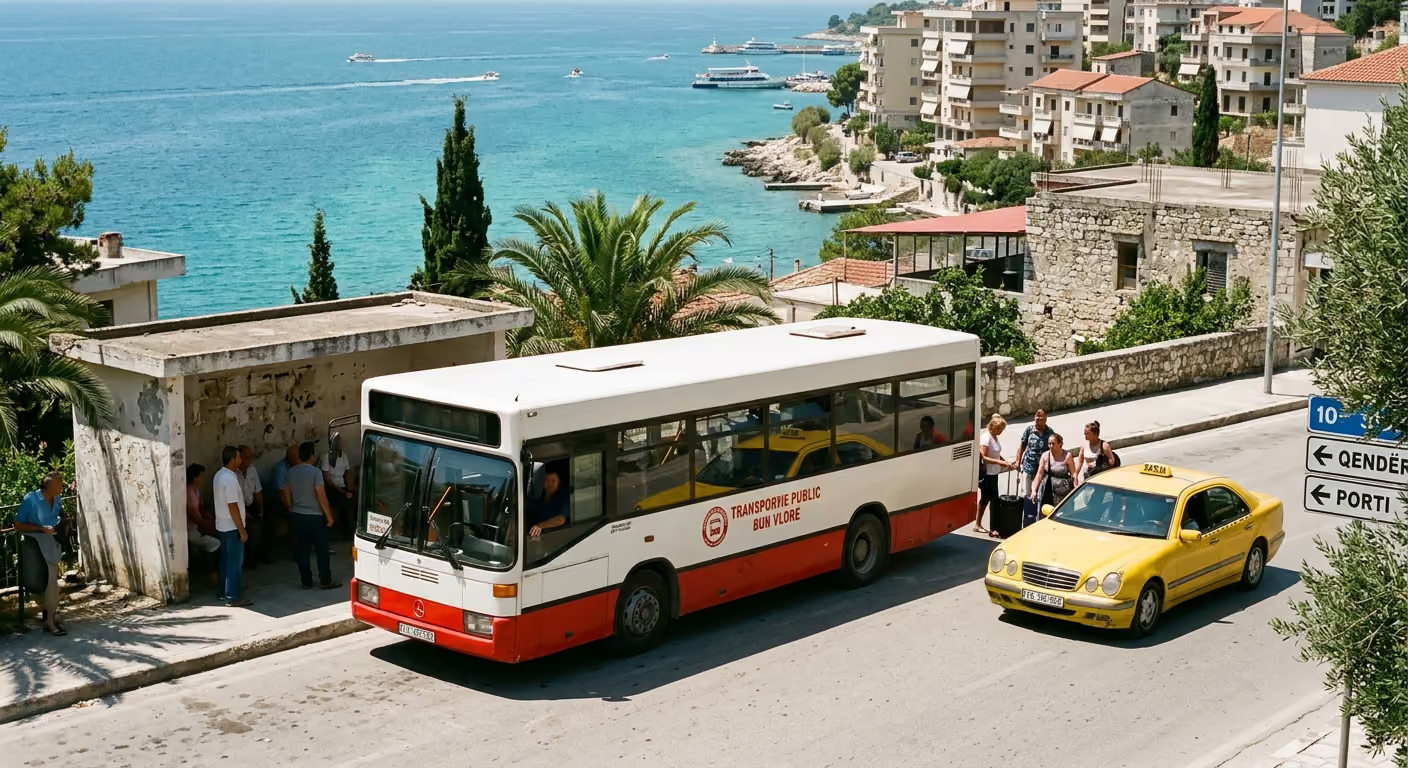
If you refuse to drive, you can use local furgons to reach the area. These mini-buses run up and down the main roads constantly. You can ride one to the hypermarket for a few coins. Taking a taxi back to your apartment with your heavy bags is the smartest move. The taxi fare will sting slightly. The physical relief of not carrying water jugs for three miles is worth the expense.
Clean drinking water represents a major logistical hurdle in Vlorë. The tap water contains high levels of minerals and potential contaminants. Locals strictly use tap water for washing dishes and showering. Every single drop of water you drink or use for cooking must come from a plastic bottle. Managing this constant need for water dictates your entire shopping routine.
Do not buy small individual water bottles from corner stores. The markup on a single half-liter bottle is astronomical. You must purchase water in large six-liter plastic jugs. A single person drinking and cooking normally will consume at least one of these large jugs every two days. A family of four will empty a six-liter jug daily.
Big Market offers some of the best prices on bulk water. You can find massive multi-packs wrapped in tight plastic. A standard two-liter bottle costs roughly 59 Lek here. Conad charges significantly more for premium Italian water brands. Never buy imported water unless you enjoy throwing money away. Stick to the domestic Albanian water brands like Tepelena or Trebeshina.
Hauling these massive jugs up stairs causes immense frustration. Smart residents buy a small folding metal cart with wheels. You can strap three large water jugs to the cart and roll them down the sidewalk. This simple tool saves your back and shoulders from severe strain. If you want to connect with locals who share more gear tips, you should join the community for weekly advice.
Navigating the city requires knowing exactly where the best stores live. Google Maps provides a decent baseline. The actual names of small shops change frequently. Pinpointing the major hubs will give you a solid geographic foundation for your weekly trips.
HASO Hipermarket sits prominently in the main commercial zone. It features a true warehouse layout. The aisles are wide enough for forklifts. Products sit stacked on wooden pallets directly on the floor. This store excels at aggressive bulk pricing. You come here for giant bags of flour, massive tins of olive oil, and cheap household cleaners.
Big Market operates several branches across the city. The newest locations feature modern layouts and bright lighting. They strike a balance between warehouse pricing and supermarket comfort. Big Market runs excellent promotional cycles. You can often find deep discounts on basic toiletries and generic dry goods.
Market Tani №1 operates near the port district. This shop focuses heavily on fresh produce. The vegetables sit piled high in simple plastic crates. The prices fluctuate daily based on what the local farmers deliver. You pick your own items and hand them to the cashier. They weigh your selections on a small digital scale right at the front counter.
Merkato Sahati anchors the Old Town shopping experience. This acts as a traditional indoor market. The smell of fresh meat and aged cheese hits you immediately. Butchers stand behind glass counters displaying whole cuts of meat. You point to exactly what you want. The butcher wraps it in thick paper. This location offers an incredibly authentic and highly affordable shopping experience.
Single expats face a very specific set of grocery challenges. Buying in bulk seems smart on paper. In reality, a solo shopper cannot finish a massive bag of fresh spinach before it rots. Solo buyers waste huge amounts of money on spoiled food. They must resist the urge to buy giant packages of perishable items.
Single residents should lean heavily into the neighborhood stalls. Buy exactly two apples, one onion, and a single chicken breast. The cashiers at Market Tani will never judge you for buying tiny quantities. They weigh whatever you hand them. This micro-purchasing strategy guarantees freshness and eliminates expensive food waste at the end of the week.
Families with children face the opposite problem. They consume food at a rapid pace. A family of four can easily spend €150 per week if they shop carelessly. Families must utilize the hypermarkets on Transbalkanika Street. They need the giant sacks of rice and the multi-packs of toilet paper.
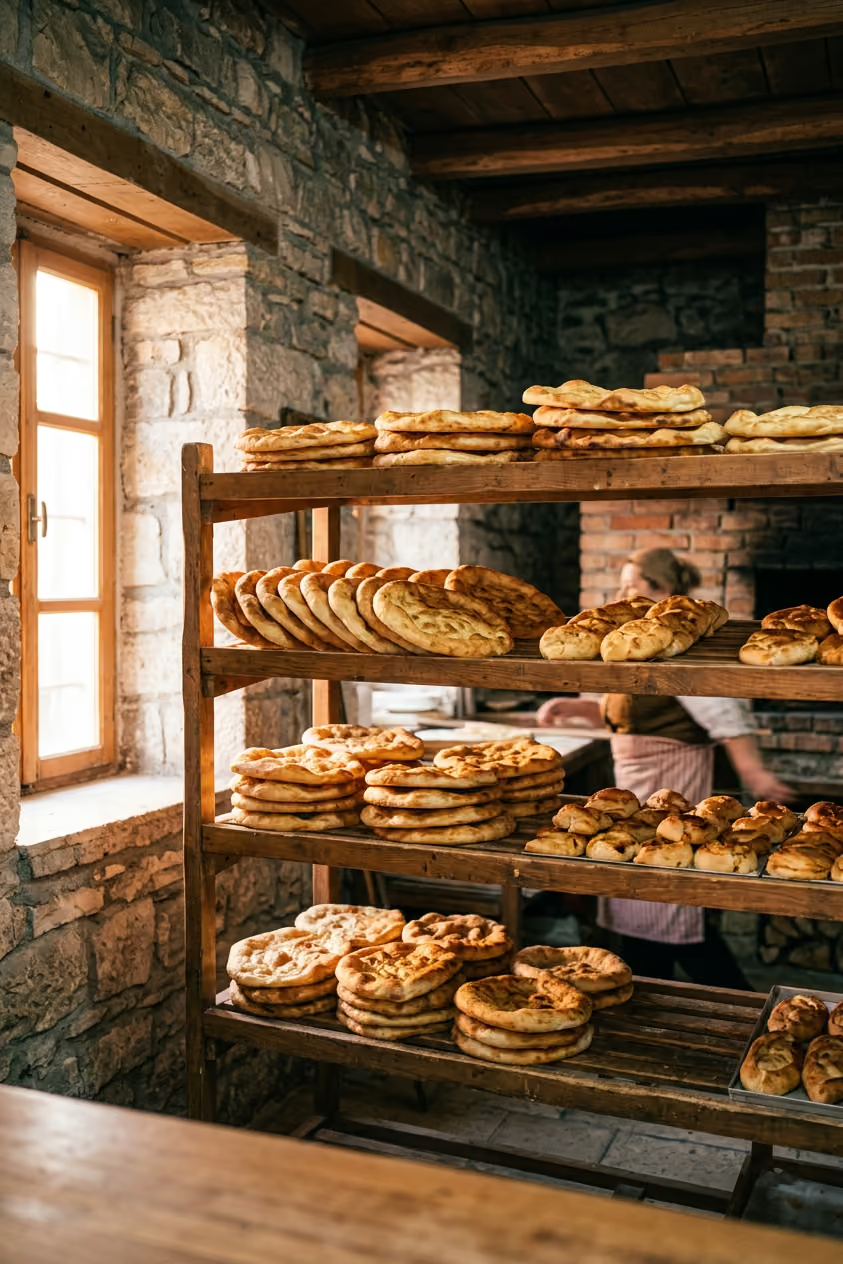
Families should designate one person to handle the heavy bulk runs. This parent takes the rental car and hits HASO for all the heavy lifting. The other parent can manage the daily walks to the local bakery. Splitting the chores prevents burnout. The family budget relies entirely on keeping the bulk dry goods separated from the daily fresh purchases.
The major hypermarkets run aggressive weekly promotions to draw in customers. Tracking these sales drops your monthly budget into the lowest tier. HASO is famous for its sudden price cuts on imported fruits and dry snacks. You have to check their aisles mid-week to catch the best temporary deals.
Bananas typically cost between 180 and 220 Lek per kilogram. During a flash sale at HASO, the price can drop to 130 Lek. Raisins usually retail for 650 Lek per kilogram. A good promotion knocks them down to 450 Lek. These markdowns seem small individually. Over the course of six months, buying purely on promotion saves hundreds of Euros.
New supermarket branches often open with incredibly low prices. When a new Big Market location opens, they slash prices to build a customer base. These introductory lows last for about a month. The prices then slowly stabilize to match the rest of the city. Smart shoppers flock to newly opened stores to hoard non-perishables before the prices climb back up.
Keep a close eye on holiday promotions. Prices on meat and specialty cheeses drop slightly right before major national holidays. Supermarkets try to capture the massive family dinner spending. You can buy extra chicken or pork during these sales and freeze it for later.
You will see Diambe and Conad branches scattered throughout every neighborhood. These two chains serve very different purposes. Diambe acts as a budget-friendly corner store. Conad acts as a premium import boutique. Mixing up their roles will hurt your weekly budget.
Diambe stores are generally small and cramped. They pack a surprising amount of inventory into tiny spaces. Shoppers on local forums consistently rate Diambe as the cheapest option for brand-name cleaning supplies. If you need a specific brand of floor cleaner or dish soap, Diambe usually beats the competition. Their fresh produce section is usually disappointing and best avoided.
Conad targets foreign tourists and wealthy locals. The aisles are spotless. The air conditioning blasts cold air. Italian music plays softly in the background. You pay heavily for this comfortable environment. Everything inside Conad costs significantly more than the exact same item at a local market.
Use Conad exclusively for specialty items you cannot find anywhere else. If you desperately need a specific Italian balsamic vinegar, Conad has it. If you want a rare imported chocolate bar, Conad has it. Never buy your daily bread, water, or chicken here. Treat it as a luxury stop rather than a daily necessity.
Building relationships with neighborhood vendors changes everything. Local shop owners recognize regular faces. If you visit the same bakery every morning, the baker will start saving the best whole wheat loaves for you. If you buy from the same fishmonger twice a week, they will point out the freshest catch of the morning.
Learn a few basic Albanian phrases immediately. Saying "Mirëmëngjes" (Good morning) and "Faleminderit" (Thank you) goes a long way. Vendors appreciate foreigners who make an effort. This simple politeness often prevents the dreaded tourist markup. A vendor is much less likely to overcharge a friendly regular customer.
Pay attention to the seasons. Produce prices fluctuate wildly based on the time of year. Tomatoes are practically given away in the peak of summer. In the dead of winter, fresh tomatoes become expensive and tasteless. Eat what the farmers are actively harvesting. A seasonal diet is naturally cheaper and tastes infinitely better.
Never be afraid to inspect the produce closely. At local stalls, you are expected to pick up the fruit, smell it, and check for bruises. The vendor respects a shopper who knows how to pick good food. Take your time. Choose the best items from the crate. This physical interaction connects you to the local food culture in a very real way.
Navigating the Vlorë grocery scene requires dropping old habits and adopting a hybrid approach to daily shopping.
Follow Vlore Circle for fresh guides, local updates, and community notes around life in Vlorë. It is the easiest way to stay close to what we are building.

Be part of a growing community built around connection, local life, and a better experience of Vlorë.
join the circle