Representative image

Reliable rain gear and sturdy umbrellas keep you dry through sudden coastal storms while walking along the windy Lungomare promenade.





You leave your apartment near Skelë with blue sky over the Lungomare. By the time you reach the promenade past the cafés, the clouds have rolled in from the Ionian Sea and the pavement is slick.
For Vlorë, buy a sturdy compact umbrella, a light waterproof jacket with a hood, and shoes with real grip before the wet months arrive. You can get basic rain gear from local markets, household shops, shoe stores, and pharmacies, then use Tirana or online retailers for higher quality waterproof jackets and boots.
Vlorë is a beach city, but it is not dry all year. The city sits on the Ionian coast, with sea air, hill slopes, and quick weather shifts. Summer can feel simple. The rest of the year needs more planning.
The Albania Travel packing guide describes the country as having dry summers and wetter colder months. It notes that much of the lowland rain falls in winter. For Vlorë, that matters most from October through March.
The guide gives a useful rule for packing, around 95 percent of lowland rain falls in winter. It places yearly precipitation for parts of Albania at about 1,000 to 1,500 mm. That is enough rain to change how you walk, shop, commute, and store clothes.
The Library of Congress country study on Albania describes the climate as Mediterranean near the coast. That means mild wet winters and hot dry summers. Vlorë fits that pattern, but sea winds make cheap umbrellas suffer.
Rain here is not only a tourist problem. It shapes daily errands for residents in Skelë, the Old Town, and along Boulevard Ismail Qemali. A ten minute walk to the bakery can turn into a wet shoe problem.
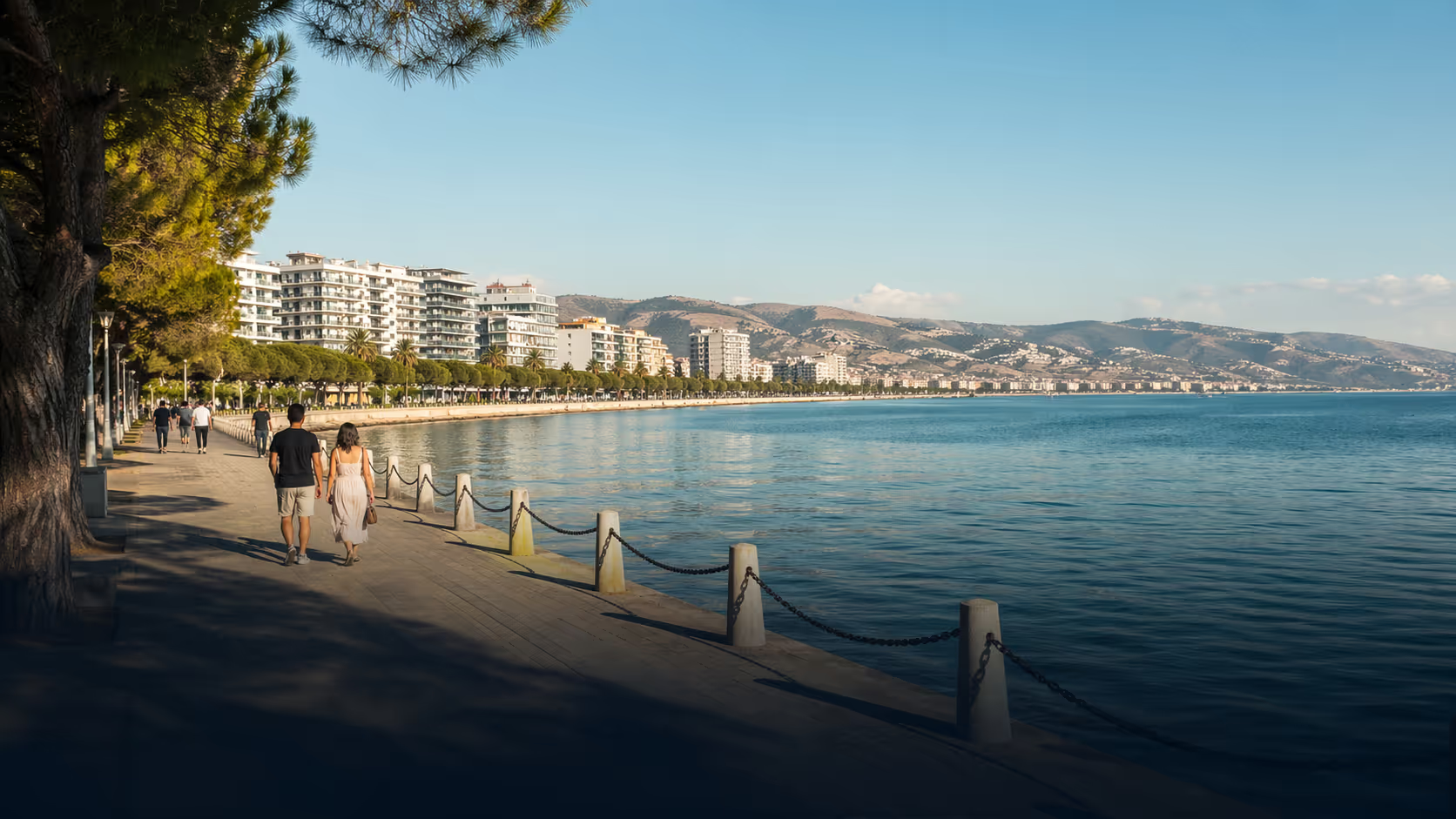
The Lungomare is flat and open. It is pleasant in clear weather, but it gives wind a clean path during storms. An umbrella that works in a narrow street may flip inside out near the sea.
The older streets near the bazaar have stone sections, uneven paving, and puddles. Shoes matter there more than people expect. Smooth soles can feel fine on dry days, then slide on wet stone.
Vlorë has mild winter temperatures compared with many northern European cities. That can fool newcomers. A 10°C day with rain and wind feels colder than the number suggests.
Rain gear in Vlorë is about comfort, not just staying dry. Dry socks mean you can sit through a work call without distraction. A hooded shell means you can keep both hands free when buying groceries near Skelë.
This is why locals tend to think in layers. A light jacket for October is not enough for a January storm. Heavy hiking gear is too much for an ordinary café day on the Lungomare.
The best setup sits between those extremes. You want gear that packs small, dries fast, and handles wind. You want shoes that can take puddles, steps, and slick pavement.
Start with core protection. That means an umbrella, a hooded waterproof jacket, and a simple poncho for backup. These three cover most city situations.
A compact umbrella is useful for short walks. Keep one by the apartment door, one in your bag, or one in the car if you drive. The best size is one that fits in a backpack but feels strong in the ribs.
Look for a vented or wind resistant design. It does not need to be expensive. It does need to survive gusts on the promenade and open crossings near the port road.
A poncho is less stylish, but it works. It covers bags, children, shopping, and light clothing. For bus rides, market trips, and scooter emergencies, a poncho is often better than an umbrella.
Plastic ponchos can trap heat. This is fine for a short walk from the bus stop to an apartment near Skelë. It gets uncomfortable during longer walks or uphill routes.
A waterproof jacket is the better daily item. The Albania Travel packing guide recommends light to medium weight waterproof jackets for wet months. For Vlorë, choose one with a hood, sealed seams, and sleeves that cover your wrists.
REI’s rainwear advice explains the difference between rainwear that is waterproof and rainwear that only resists light water. That difference matters in Vlorë. A water resistant jacket can cope with a quick shower, then fail during a long walk in November rain.
Waterproof does not mean pleasant by default. Non breathable jackets hold sweat inside. If you walk from the Old Bazaar to the Lungomare with a laptop bag, you will feel that fast.
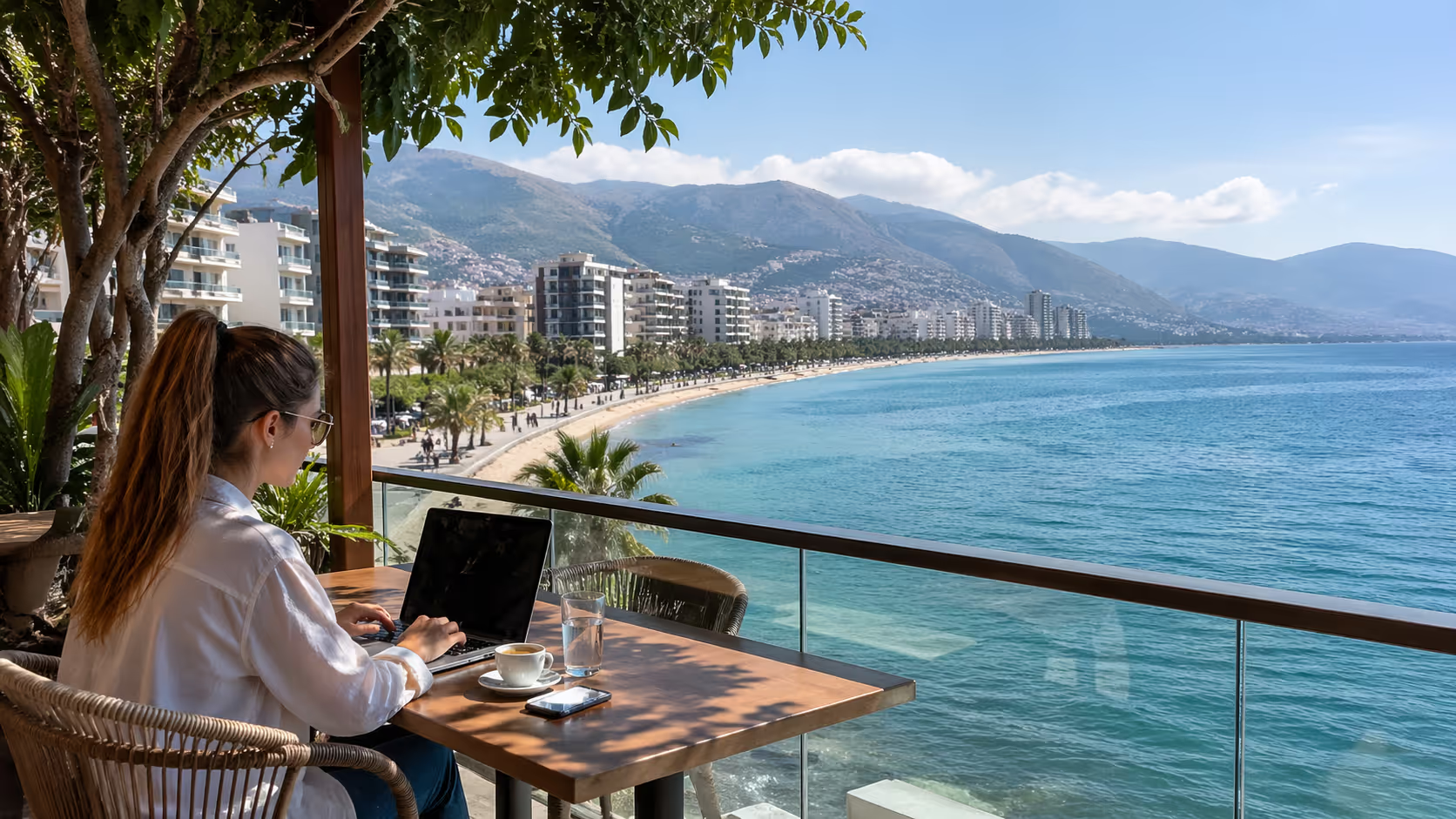
Breathable fabric matters for remote workers who walk to cafés. You want to arrive dry from rain, not damp from heat. A jacket with pit zips or mesh pockets helps air move.
Footwear comes next. Many newcomers focus on the jacket, then ruin the day with soaked trainers. In Vlorë, wet shoes often become the real problem.
A good wet season shoe has grip, a water blocking upper, and a sole that does not slide on stone. It does not need to be a full mountain boot for city life. Waterproof trainers or ankle boots are often enough.
For winter hikes, Llogara day trips, or muddy village roads, choose proper boots. Look for ankle support and a tread that grips wet ground. If the boot feels stiff in the shop, test it with thick socks.
Over trousers are optional in central Vlorë. They help if you ride a scooter, walk dogs, hike, or commute on foot in heavy rain. For most city residents, quick dry trousers are easier.
A backpack rain cover is a small item with high value. If you carry a laptop, documents, camera, or passport papers, get one. Many bags claim to resist water, but zips and seams can leak.
Quick dry socks are underrated. Cotton socks stay wet and cold. Synthetic or wool blend socks dry faster and feel better after a puddle step.
A small repair kit belongs in your drawer. Fabric patches, waterproof tape, and seam sealer can extend a jacket’s life. For shoes, a cobbler can do more than a home kit.
Think of your Vlorë setup in three levels. First, city errands near Skelë and the Lungomare. Second, long wet days with work gear. Third, winter trips outside town.
For the first level, get a compact umbrella, poncho, and grippy shoes. For the second, add a real waterproof jacket and bag cover. For the third, add boots, fleece, spare socks, and repair items.
The fastest place to buy basic rain gear is a local household shop. In Vlorë, these shops are spread along main roads and near residential blocks. Look around Skelë, Boulevard Ismail Qemali, and the streets leading toward the Old Bazaar.
Many small shops sell umbrellas near the entrance in wet months. You will see compact models, larger family umbrellas, and very cheap emergency versions. Test the opening button before paying.
For a quick umbrella, local shops are usually fine. Expect the lowest priced ones to last only part of a season if you use them often. A stronger frame costs more, but saves frustration near the coast.
Ponchos are often found in household shops, tourist shops, and sometimes pharmacies. Pharmacies can be useful for children’s ponchos or emergency rain covers. Ask for “ponço shiu” or show a photo if language is a barrier.
The Old Bazaar area is useful for simple items. You can check several small vendors in one walk. This is a good place for cheap umbrellas, shoe inserts, basic socks, and small repair supplies.
For boots and waterproof shoes, start with shoe shops along central shopping streets. Boulevard Ismail Qemali and the routes toward Skelë tend to have everyday footwear options. You may find ankle boots, rubber boots, and winter shoes with thicker soles.
Check the sole before the look. A smooth fashion boot may handle light rain but fail on slick paving. Bend the shoe and look for tread depth.
Rubber boots are easy to clean, but they can be hot and stiff. They suit market days, garden work, muddy edges, and heavy rain. They are less pleasant for long walks along the Lungomare.
Waterproof trainers are better for daily use. They look normal, pack easier, and work with casual clothing. The weak point is often the upper seam, so inspect it before buying.
For serious waterproof jackets, Vlorë can be limited. You may find basic rain jackets in local clothing shops, but technical outdoor gear is less common. For better shells, many residents order online or shop in Tirana.
Tirana has larger sports and outdoor retail options than Vlorë. If you travel there for an appointment, make rain gear part of the trip. Try jackets with the layers you actually wear in Vlorë.
Online brands can help if you need packable gear. Vuori shows the type of lightweight rain coat many travelers like for mixed city and outdoor use. REI gives a wide view of rain jackets, ponchos, gaiters, and waterproof footwear.
Ordering from abroad can cost more after shipping or customs. Check return rules before buying shoes. Boots that fit badly will sit unused in the apartment.
Local Facebook groups can be useful for second hand gear. Expats leaving Albania often sell jackets, boots, and backpacks. Ask for clear photos of seams, zips, soles, and any peeling inside the jacket.
Tailors and cobblers are part of the buying map too. A cheap jacket with a torn pocket may be repairable. A good boot with a loose sole can often be saved.
For umbrellas, repair is rarely worth it if the frame is badly bent. For boots and jackets, repair can make sense. This is true if the item is branded or already fits well.
“Çadër” means umbrella. “Shi” means rain. “Këpucë” means shoes. “Këpucar” means cobbler.
“Xhaketë kundër shiut” means rain jacket. “I papërshkueshëm nga uji” means waterproof. These phrases help in small shops where English may be limited.
A simple photo on your phone can work better than a long sentence. Show the shopkeeper a rain jacket with hood, a poncho, or boot tread. Local shop staff often understand the practical need fast.
The main choice is waterproof vs water resistant. Water resistant gear sheds light rain for a short time. Waterproof gear is built to block rain for longer exposure.
REI’s rainwear guidance explains that waterproof breathable jackets use layers or membranes to block water and let vapor escape. It also explains the value of seam sealing. In Vlorë, sealed seams matter during long wet walks.
If a jacket has stitched seams with no tape inside, rain can enter. Turn the jacket inside out and inspect the shoulder seams. Shoulders take the most rain.
A hood is non negotiable for Vlorë. Umbrellas fail in wind, and hands are often full with groceries or a phone. A hood with a small brim keeps rain off your face.
The hood should move with your head. If it blocks side vision, it is annoying near traffic. Test it in the shop by looking left and right.
The zipper should have a storm flap or water resistant design. Front zips are common leak points. Pockets need flaps or zips too.
For breathability, look for vents. Underarm zips, mesh lined pockets, and adjustable cuffs help. This matters during humid spring rain.
Do not buy a heavy winter parka as your only rain layer. It may be too warm for March, April, October, and November. A shell plus fleece gives more control.
A fleece layer under a waterproof shell works well for Vlorë winter evenings. It is warmer than a cotton hoodie after rain. It dries faster too.
For shoes, ask three questions. Does water enter through the upper. Does the sole grip wet stone. Can it dry before tomorrow.
Leather boots can work if treated. They need care after wet days. Wipe salt, mud, and street water off before storage.
Suede is risky in wet months. It stains, absorbs water, and needs more care. Save suede shoes for dry weather or short taxi days.
For children, prioritize easy on and off. Small rubber boots, ponchos, and extra socks solve many school run problems. Keep a towel near the apartment entrance.
For retirees, grip and weight matter most. A heavy boot can create fatigue. A stable lightweight walking shoe with tread is often safer for city use.
For scooter riders, use a longer rain jacket or over trousers. Rain runs down to the knees and shoes fast on a scooter. A poncho can catch wind, so choose one that secures well.
For dog owners, keep a dedicated rain bag near the door. Add poop bags, a towel, spare socks, and a headlamp for darker winter evenings. Vlorë streets can have poor drainage after heavy rain.
For remote workers, protect electronics first. Use a backpack cover, a dry bag sleeve for the laptop, or a waterproof inner pouch. Do not trust a normal fabric tote in a downpour.
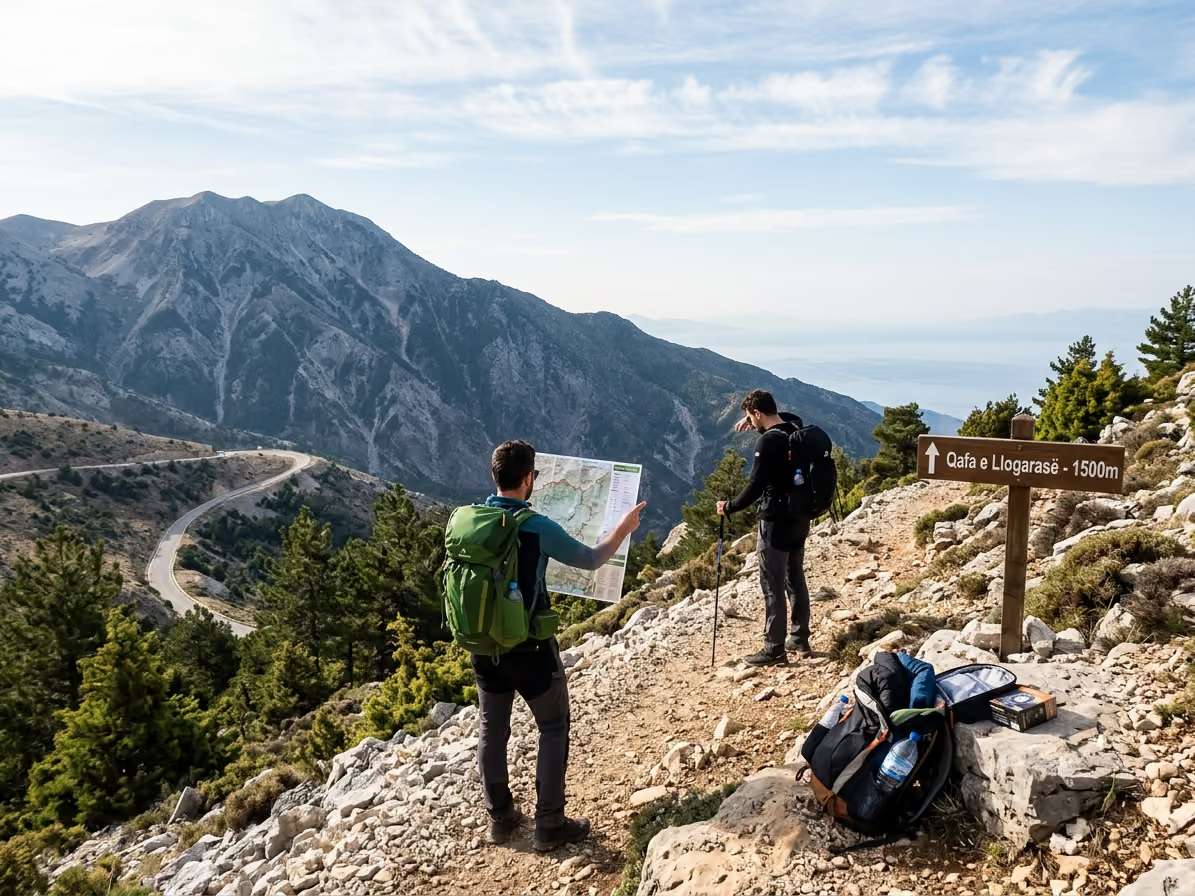
For hikers, do not use city rain gear as mountain gear. Llogara and higher areas can feel much colder than central Vlorë. Add warmer layers, proper boots, and a headlamp.
The Albania Travel packing guide mentions cooler conditions in higher areas and winter lows that can drop far below coastal comfort. That makes layers a smarter choice than one bulky item. In Vlorë, the coast and the hills can feel like two seasons on the same day.
Prices change by season, shop, and quality. The ranges below are realistic planning ranges for Vlorë residents. Treat them as a starting point, then compare in two or three shops before buying.
| Item | Best use in Vlorë | Where to look first | Expected price in ALL |
|---|---|---|---|
| Cheap compact umbrella | Emergency use, short walks | Household shops, bazaar stalls | 500 to 900 |
| Better compact umbrella | Daily use in wet months | Central shops, larger household stores | 1,000 to 2,000 |
| Large umbrella | Shared walks, apartment entry | Household shops | 1,200 to 2,500 |
| Plastic poncho | Bus rides, market trips, backup | Pharmacies, household shops | 300 to 800 |
| Reusable poncho | Scooter backup, bag cover | Local shops or online | 800 to 2,000 |
| Basic rain jacket | Light city rain | Clothing shops | 2,500 to 5,000 |
| Better waterproof jacket | Daily wet season use | Tirana shops or online | 5,000 to 15,000 |
| Waterproof trainers | City walking, café workdays | Shoe shops, online | 4,000 to 10,000 |
| Rubber boots | Heavy rain, garden, market | Shoe shops, household shops | 2,000 to 5,000 |
| Hiking boots | Llogara, trails, winter trips | Tirana shops or online | 7,000 to 18,000 |
| Backpack rain cover | Laptop and documents | Sports shops, online | 700 to 2,000 |
| Quick dry socks | Daily comfort | Clothing shops, sports shops | 400 to 1,500 |
| Fabric repair tape | Jacket tears, bag tears | Hardware shops, online | 300 to 1,000 |
| Boot repair | Sole, heel, stitching | Local cobbler | 500 to 2,000 |
The cheapest umbrella is not always a bad buy. It can be perfect for a guest room or a one week visit. It is a poor choice for daily winter use near the Lungomare.
The best value for most residents is a mid priced umbrella and a better jacket. Spend more on the item you wear daily. Spend less on backup ponchos and guest umbrellas.
Boots deserve careful spending. A 3,000 ALL boot that leaks after two storms is expensive in the long run. A 7,000 ALL waterproof shoe that lasts two winters may be better value.
Imported jackets cost more. They may give better seams, lighter fabric, and longer life. If you walk daily, that difference is clear by January.
Local umbrellas and ponchos often cost 30 to 50 percent less than imported versions. Durability can vary. Inspect the frame, stitching, and handle before you buy.
Repair costs are usually modest compared with replacement. A cobbler can reattach a sole, replace a heel, or reinforce stitching. This is worth trying before throwing out a boot that still fits.
Set up your first wet season kit in phases. Spend about 2,000 ALL for umbrella, poncho, and socks. Add 5,000 to 10,000 ALL for shoes if your current pair fails. Save for a better jacket if you plan to live here year round.
Start before the sky turns grey. Rain gear is cheaper and easier to choose when you are not soaked. September is a good month to check what you own.
Empty your daily bag. Put your laptop, passport folder, charger, and wallet on a table. Decide what must stay dry at all costs.
Add a small waterproof pouch for documents. If you are handling residency papers, rental contracts, or bank forms, keep them away from damp fabric. A simple zip pouch is enough for city errands.
Choose one main rain route from your home. If you live near Skelë, test the walk to your usual supermarket. If you live near the Old Town, test the walk to the bazaar or bus stop.
Walk the route after light rain. Look for puddles, broken paving, slippery crossings, and poor drainage. This tells you what footwear you really need.
Buy the umbrella after checking wind exposure. If your daily route includes the Lungomare, choose a stronger frame. If your route is narrow streets, a lighter compact model may be fine.
Buy the jacket with your normal layers. Wear a sweater or fleece when trying it on. Lift your arms and check if the sleeves ride up.
Check the hood fit. Put on the hood and turn your head. If it blocks your view, keep looking.
Test shoe grip with common sense. Press the sole with your thumb. Deep tread and softer rubber tend to grip better than hard smooth soles.
Break in boots before a heavy rain day. Wear them for short errands near home. New boots can rub your heel, and wet socks make it worse.
Create a door station. Put an umbrella stand, mat, shoe tray, and towel near the entrance. This keeps wet gear out of the living area.
Dry gear fully before storing. Open the umbrella. Hang the jacket. Remove insoles from soaked shoes if possible.
For a family, assign each person one hook. Add names if needed. Rain chaos grows fast in small apartments.
For remote work days, pack the night before. Put the rain cover on top of the bag. Add spare socks in a plastic pouch.
For bus or furgon days, carry a poncho. Crowded transport makes umbrellas awkward. A poncho is easier to fold and stash.
For evening walks, add visibility. Rainy nights in Vlorë can be dark away from main roads. A small reflective strip or light color jacket helps drivers see you.
For scooter days, cover from neck to shoe. Standard jackets leave your thighs wet. Use over trousers or a longer rain layer.
For day trips toward Llogara, check weather twice. Coastal Vlorë can be mild, then the pass can be colder and windy. Bring warmer layers and grippy footwear.
After each storm, review what failed. Did your bag leak. Did your shoes slide. Did the umbrella flip. Upgrade the weakest item first.
Rain gear lasts longer when you treat it like equipment. Vlorë’s coastal air can be hard on metal frames, zips, leather, and fabric coatings. Salt air and damp storage speed up wear.
Open umbrellas after use. Do not fold them wet and leave them in a corner. That causes odor, rust, and fabric marks.
Rinse mud from boots before it dries hard. Use a damp cloth, not a soaking bucket. Let boots dry away from direct heaters.
Do not place leather boots against a hot radiator. Heat can crack leather and weaken glue. Stuff them with newspaper for a few hours, then remove it.
Wash waterproof jackets with care. Many technical shells need mild detergent and low heat drying to refresh water beading. Follow the label, not guesswork.
If rain stops beading on the jacket surface, the outer treatment may be worn. Water may still not enter at first, but the fabric can feel heavy. Outdoor stores sell spray on treatments, and online shops carry them too.
Small tears can be patched. Clean the area first and let it dry. Use fabric repair tape or a patch made for rainwear.
Seam leaks are harder. Seam sealer can work on small areas. If the lining is peeling across the jacket, replacement may be the better call.
For boots, use local cobblers. Ask for “këpucar” and show the sole or seam. Cobblers near central markets and older commercial streets are usually used to practical repairs.
A cobbler can glue a sole, stitch a seam, replace a heel, or add grip pads. Ask the price before leaving the shoes. Agree on the pickup day.
Do not wait until the sole fully separates. A small gap is easier to fix than a loose full sole. Bring the boot in after the first sign of peeling.
For rubber boots, check cracks around the ankle. Once rubber cracks, repairs may not hold long. Use them for their purpose, then replace when water enters.
For backpack covers, inspect elastic edges. If the elastic loosens, the cover can blow off near the promenade. Add a small clip if the cover has a loop.
Store wet season gear together from October to March. Use a basket or shelf near the door. This saves time on dark mornings.
In summer, clean and dry every item before storage. Do not put a damp jacket in a suitcase for three months. Mildew smell is hard to remove.
A small dehumidifier can help in damp apartments. If you live near the sea, closets can hold moisture. Silica packets or moisture boxes are cheap backup tools.
Rain gear needs change by neighborhood. Vlorë is not huge, but the walking conditions vary. A resident near the beach has different needs from someone near the Old Town.
The Lungomare is exposed. Wind is the main issue there. A hooded jacket often beats an umbrella on stormy days.
If you walk the promenade for exercise, wear a shell and grippy trainers. Keep the umbrella for calmer rain. On windy days, it may slow you down or break.
Cafés along the Lungomare can have wet floors near entrances. Choose shoes with soles that grip tile. Smooth fashion soles can slide when you step inside.
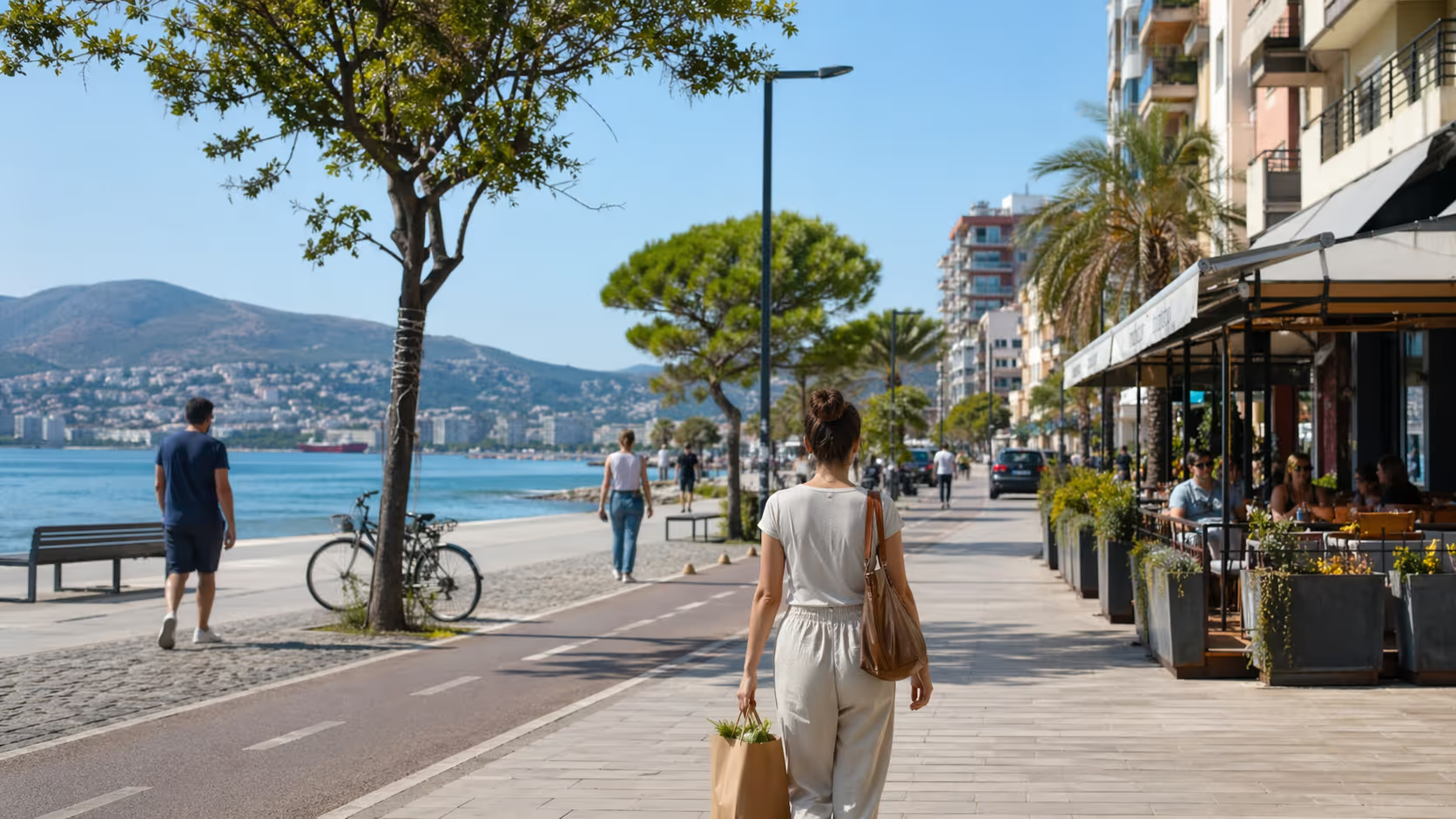
Skelë is practical for errands. There are many shops, services, and apartment blocks. A compact umbrella works well for short hops between buildings.
Skelë residents should keep an umbrella near the door and a poncho in the bag. Rain can arrive between errands. A ten minute grocery trip can become a soaked walk home.
The Old Bazaar and historic streets need footwear attention. Uneven stone, puddles, and narrow lanes make grip more useful than style. Choose shoes you can trust on wet steps.
Near the bazaar, you are more likely to find small repair services. Ask shopkeepers where the nearest cobbler is. Local directions are often better than map results.
The Transbalkanike area and wider road zones need visibility. Rain, traffic spray, and darker evenings make black clothing less visible. Choose a lighter rain layer or add reflective detail.
Hillside areas above central Vlorë can feel cooler and wetter. Water runs downhill, and steps can get slick. Grippy soles matter here.
If you live in an apartment with no covered entrance, buy an umbrella stand or deep tray. Shared stairwells get slippery when everyone brings water inside. A simple mat helps.
If you live right by the sea, protect metal parts. Umbrella ribs, boot eyelets, and zippers can corrode faster. Dry them after storms.
The romantic version of Vlorë is blue water, long coffees, and sunset walks by the sea. That version is real in summer and on clear winter days. It is not the whole year.
Rainy season life is more ordinary. You plan errands around storms. You learn which sidewalks flood. You keep spare socks at home or in your bag.
A cheap umbrella will break at the wrong time. It will happen near the sea, during wind, or when you have groceries. This is part of coastal life.
The city is still livable in rain. You just need to stop treating rain gear as a travel extra. For residents, it is daily infrastructure.
The biggest mistake is dressing for the temperature only. A 12°C day can look mild on a weather app. Add wind and wet shoes, then it feels much colder.
The second mistake is buying fashion boots for wet stone. Good looking boots can be useful, but only if the sole works. In Vlorë, the bottom of the shoe matters as much as the top.
The third mistake is trusting one item. An umbrella alone fails in wind. A jacket alone leaves your bag exposed. Waterproof shoes alone do not help soaked trousers.
Layering solves most of this. Use a breathable base, a warm mid layer, and a waterproof outer layer. Add a bag cover when carrying electronics.
You do not need to dress like you are crossing the Alps for a coffee near Skelë. Heavy gear can be annoying in mild rain. Packable gear is often the better city choice.
You do need better gear for trips outside town. Llogara, village roads, and winter hikes can change fast. City sneakers and a thin poncho are not enough there.
Wet season can feel isolating for newcomers. People go out less. Events feel harder to attend. A simple rain setup makes it easier to keep a social routine.
That matters more than the jacket itself. If you can get to a meetup, language class, gym, or café without arriving soaked, you stay connected. Rain gear protects your routine.
Our local tip is simple. Buy one good hooded jacket before you buy three cheap umbrellas. Then keep one cheap umbrella as backup near your door.
Many newcomers arrive in Vlorë thinking a beach city means light packing. By the first November storm, they are shopping in wet shoes. The smarter move is to prepare in September or early October.
For most residents, the best first kit is not fancy. Get a compact umbrella from a shop near Skelë, a poncho from a pharmacy, grippy shoes from a central shoe shop, and a better jacket online or in Tirana. That mix balances price and comfort.
If you work from cafés, protect your laptop twice. Use a backpack rain cover and a waterproof inner sleeve. A wet zipper can ruin a normal bag faster than people expect.
If you are on a tight budget, spend first on shoes. Wet feet make every errand worse. A modest jacket can work for a short time, but leaking shoes become miserable fast.
If you are retired or have balance concerns, skip smooth soles completely. Vlorë’s wet paving can be unforgiving. Ask the shoe shop for grip, not only waterproofing.
If you are new and do not know which shop to trust, ask residents who live near your neighborhood. Vlorë Circle meetups are useful for this kind of practical advice. Join the community and ask what people bought this season.
Local knowledge saves money. Someone has already tested the umbrella that flips on the promenade. Someone has already found the cobbler who can save a good pair of boots.
Revisit this guide in September before the wet season starts. Check it again after your first heavy storm, when you know which part of your setup failed.
Come back before a move to a new neighborhood, a winter trip toward Llogara, or any long stay outside summer. Vlorë is easy to enjoy in the rain when your shoes, jacket, and bag are ready.
Follow Vlore Circle for fresh guides, local updates, and community notes around life in Vlorë. It is the easiest way to stay close to what we are building.

Be part of a growing community built around connection, local life, and a better experience of Vlorë.
join the circle