Representative image

Master waste sorting in Vlorë with our guide on household separation, color-coded bins, and local recycling rules to help protect the Albanian coastline.





Waste sorting in Vlorë is a developing public service focused on separating dry recyclables from organic trash at the household level. It is not a flawless green system running at perfect efficiency yet. It is a highly structured effort to shift the city away from illegal dumping and toward regional processing. You will read exactly how to separate your daily trash and where the municipal trucks take it. To sort waste in Vlorë households correctly, you must separate dry recyclables like plastic from organic food scraps. You then deposit them into the designated color-coded street bins managed by the local municipality.
Vlorë sits directly on the meeting point of the Adriatic and Ionian coastlines. The city experiences massive population spikes during the hot summer tourist season. This influx produces huge volumes of daily urban waste that the city must manage quickly. Historically the entire coastal region struggled with informal landfills and unmanaged trash fires. Unregulated dumping caused serious environmental issues for local beaches and the surrounding rural areas. The old methods threatened the local tourism economy and public health.
The Albanian government recognized these severe problems and introduced the National Integrated Waste Management Plan. This wide legal framework aims for a massive expansion of proper trash collection across the country. The national goal targets full collection service coverage of 95 percent by the year 2035. This is a massive jump from the 70 percent coverage recorded back in 2019. Vlorë acts as a primary testing ground for many of these new environmental policies. The city falls under the specific regional category known as Waste Zone North Vlorë.
This designated waste zone covers both the main city of Vlorë and the neighboring Selenicë municipality. A public enterprise named MIM Vlorë took over these specific regional operations in March 2019. They actively manage the collection and transport of household waste for the entire northern district. They aim to hit an ambitious national target of 30 percent recycled materials. Achieving this goal requires everyday residents to radically change their daily kitchen habits.
Proper separation at the source is the absolute foundation of this entire municipal system. Residents must split their trash correctly before it ever leaves the kitchen sink. The local processing infrastructure depends entirely on this first critical step to function. Mixing hazardous chemicals with normal paper ruins the entire batch of recyclables. The local recovery facilities simply cannot process highly contaminated loads of mixed garbage. Taking an extra minute to separate items directly protects the beautiful local coastline from further pollution.
Setting up a home sorting system takes a little bit of advance planning. Most standard Vlorë apartments have limited space hidden under the kitchen sink. You need to create at least two distinct collection zones in your home. One dedicated bin holds your wet organic food scraps. The second bin collects your dry recyclables like plastic bottles and cardboard delivery boxes.
Your first step involves setting up a station for organic kitchen scraps. You will place fruit peels and vegetable cuttings into a small sealed container. Eggshells and used coffee grounds go directly into this same wet bin. Leftover cooked food and meat bones belong in this category too. You should empty this organic container daily to prevent bad odors in the hot summer months. Leaving wet food in your apartment attracts insects very quickly near the beach areas.
Your next step requires you to wash and crush your dry recyclables. Dry recyclables include empty plastic water bottles and glass jam jars. You must rinse heavy food residue out of jars before throwing them away. Greasy pizza boxes ruin entire batches of paper recycling at the plant. You need to flatten all cardboard boxes to save physical space in the public street bins. Metal beverage cans go directly into this dry category after a quick rinse.
Glass items demand a bit of extra attention for the safety of local workers. You should remove heavy metal caps from all glass jars before disposal. The local sorting plant handles glass but broken shards pose a massive physical danger. Pack broken glass in a thick paper bag before placing it in the trash. This simple thoughtful action prevents severe hand injuries during the manual sorting process.
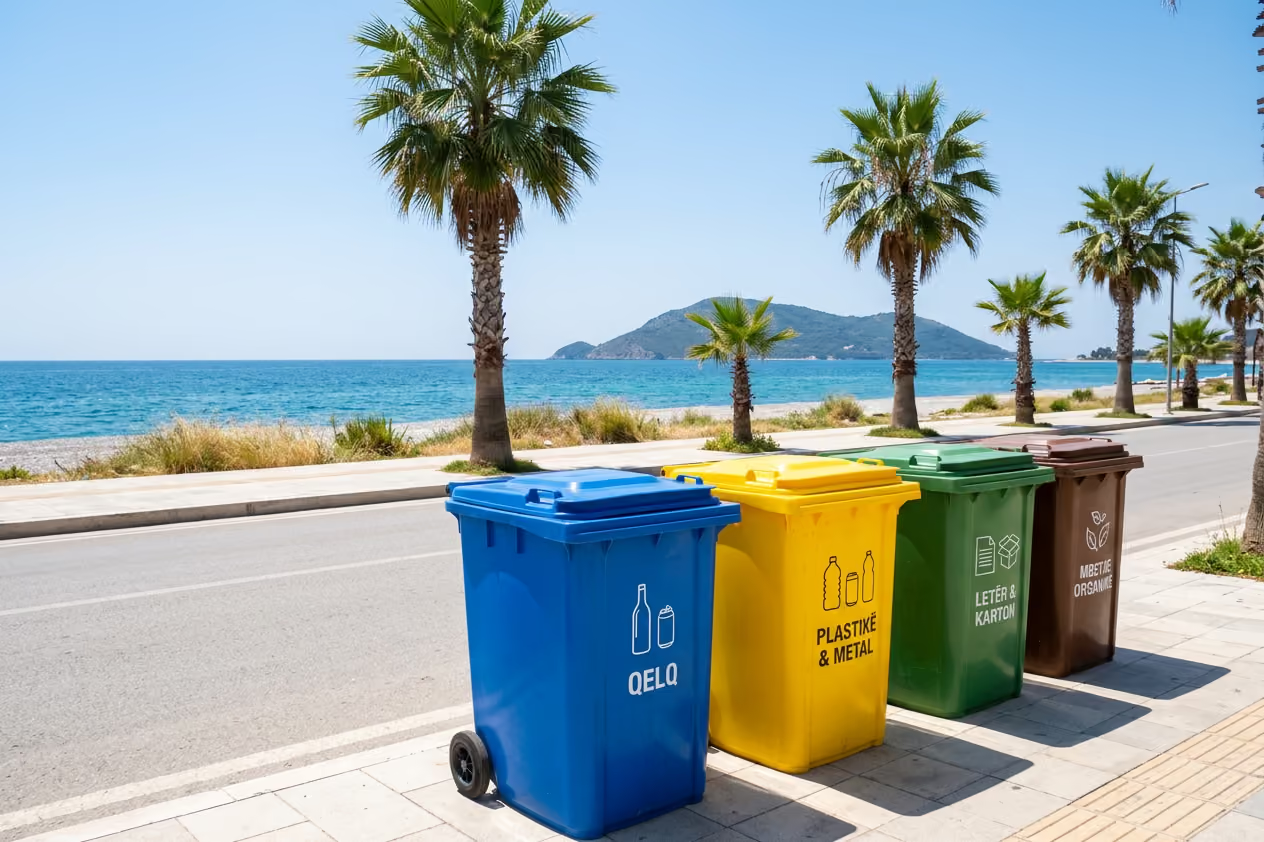
You must take your separated bags down to the street level for final disposal. MIM Vlorë places large color-coded bins along all major city roads. You drop the clean dry recyclables into the blue public bins. You place the tied bags of organic waste into the green public bins. The municipality empties these large metal containers on a set weekly schedule.
Normal street bins absolutely cannot handle large items or toxic liquids. Old mattresses and broken washing machines require very special drop-off methods. You cannot just leave a broken refrigerator on the sidewalk next to a green bin. The municipal police will fine you heavily for blocking the public pedestrian walkway. You must transport voluminous waste directly to designated municipal elimination sites.
MIM Vlorë operates specific drop-off zones for these bulky household items. You need to call their main office to coordinate a specific drop-off time. Local pickup truck drivers offer cheap transport services for a small cash fee. You can hire an independent driver near the main produce market to haul your old sofa. They will drive the heavy furniture directly to the regional processing center for you.
Hazardous materials demand strict attention to prevent local soil contamination. Old car batteries and strong cleaning chemicals are incredibly dangerous to the environment. You must never mix these items with your normal daily kitchen trash. Paint cans and medical syringes pollute the local water if buried in a normal landfill. The law strictly prohibits pouring toxic liquids down the drain into the municipal sewer system.
Pharmacies across Vlorë usually accept expired medications for safe chemical disposal. Auto repair shops near the industrial zone take old car batteries for proper metal recycling. You directly protect the city water supply by keeping strong chemicals out of the daily trash cycle. The local sorting facility workers sort many garbage bags entirely by hand. A leaking bottle of strong bleach creates a severe breathing hazard for these employees.
Construction waste from home renovations falls under completely different municipal rules. You cannot dump broken bathroom tiles or cement bags into the regular blue bins. Homeowners must hire private contractors to haul construction debris to specific industrial landfills. Mixing heavy concrete blocks with normal household trash breaks the hydraulic presses on the garbage trucks. You hold full financial liability for any damage caused by improper construction dumping.
The journey of your trash involves several specific mechanical stages across the region. MIM Vlorë trucks collect the heavy street bins very early in the morning. They transport the wet loads to a facility called the Sheristë Material Recovery Facility. This location serves as the central sorting hub for the entire northern district. Workers at Sheristë separate the mixed dry recyclables by physical classification.
The national waste hierarchy guides every single action at this busy plant. The system heavily prioritizes separation and reuse over simply burying raw trash. The workers manually pull valuable plastics and metals off a fast-moving conveyor belt. These sorted materials go directly to five operational recycling plants scattered across Albania. Factories in cities like Korçë and Bushat buy these processed bales to make new products.
Organic waste follows a completely different path toward biological breakdown. The Vlorë region is actively planning a dedicated composting plant for the area. Food scraps will undergo a natural decomposition process managed by facility engineers. This biological breakdown turns smelly kitchen scraps into usable agricultural fertilizer for local farms. This step significantly reduces the physical volume of trash sitting in local open dumps.
Items that have absolutely no recycling value go directly to a sanitary landfill. A modern sanitary landfill is very different from an old smoking open dump. Engineers line the bottom of the massive pit with thick plastic barriers. These plastic barriers prevent toxic liquids from seeping deep into the local groundwater. Incineration remains a very limited option used only in highly specific facilities far from Vlorë.
The long-term plan involves phasing in constant improvements to this entire chain. Phase one focuses on improving the collection frequency and the quality of the bins. Phase two targets improvements in how the trucks discharge the waste at the plant. Phase three focuses heavily on promoting recycling habits among the general public. These phased improvements mirror successful projects in places like Vau i Dejës.
The local government takes trash rules very seriously to protect the tourism industry. Albanian Law Number 57 from the year 2025 created strict new financial penalties. This updated law heavily targets illegal dumping and improper chemical trash handling. The legal framework forces the registered waste holder to pay for any environmental cleanup. You hold strict legal responsibility for your trash until it enters the official municipal system.
Households pay a monthly cleaning fee bundled directly with their municipal water bill. This mandatory fee usually costs around 300 to 500 Albanian Lek per month. The exact final amount depends heavily on the square footage of your registered property. This small monthly charge funds the daily truck operations of MIM Vlorë. Paying this public fee is mandatory for all registered residents living in the city.
Businesses face much higher operational costs and far stricter sorting rules. Large hotels along the beach must sign specific commercial contracts for daily trash removal. A busy restaurant caught dumping used cooking oil in the street faces massive instant fines. The municipal police can easily issue tickets ranging from 10000 to 50000 Lek for business violations. Repeat business offenders risk losing their commercial operating licenses entirely.
Informal dumping carries severe legal consequences for anyone caught in the act. You cannot drive your trash to an empty green field outside the city limits. The local authorities actively patrol rural dirt roads to catch illegal midnight dumpers. Fines for severe illegal dumping regularly reach up to 100000 Lek for individuals. The city uses these heavy financial penalties to fund new recycling infrastructure projects.
You cannot legally hand off large amounts of waste to unlicensed private individuals. Contractual transfers of waste require proper documentation to track the materials. You must verify that your hired junk hauler actually holds a municipal transport license. Giving hazardous materials to an unlicensed scrap collector makes you liable for their eventual dumping. The strict laws aim to close all loopholes in the regional waste chain.
The romantic idea of a perfectly green Mediterranean city often clashes with daily reality. Vlorë is still transitioning slowly away from decades of poor public waste management. Many new expats expect a flawless European recycling system upon arrival. The actual daily reality involves broken street bins and occasional missed collection days. You must adjust your personal expectations when moving to this growing coastal city.
The formal recycling infrastructure remains largely incomplete on a national level. The national recycling rate remains extremely low compared to neighboring European countries. The current system relies heavily on the hard work of informal waste pickers. These individuals walk the city streets collecting aluminum cans from the public bins. They sell these gathered materials to private scrap yards for a tiny daily profit.
Sometimes you will see a municipal truck mix the blue and green bins together. This frustrating event happens when the main sorting facility experiences temporary mechanical shutdowns. It heavily frustrates local residents who spend time washing their plastic bottles at home. You might wonder if your careful home sorting efforts even matter in the end. The local authorities openly acknowledge these frustrating growing pains in the public system.
Yet the long-term trend clearly shows real environmental improvement across the district. The new Sheristë facility represents a massive financial investment in the entire region. Every single properly sorted bag helps train the local municipal workforce to operate better. Your personal eco-habits contribute heavily to building a new culture of local accountability. The city simply cannot build a functional circular economy without active public participation.
Government decisions regulate the specific differentiated collection of plastics and paper very clearly. They recently implemented strict bans on certain types of single-use plastic carrier bags. Supermarkets now charge money for thicker plastic bags to discourage daily waste. These small friction points force consumers to adopt reusable shopping bags over time. The physical landscape of the city grows noticeably cleaner with each passing tourist season.
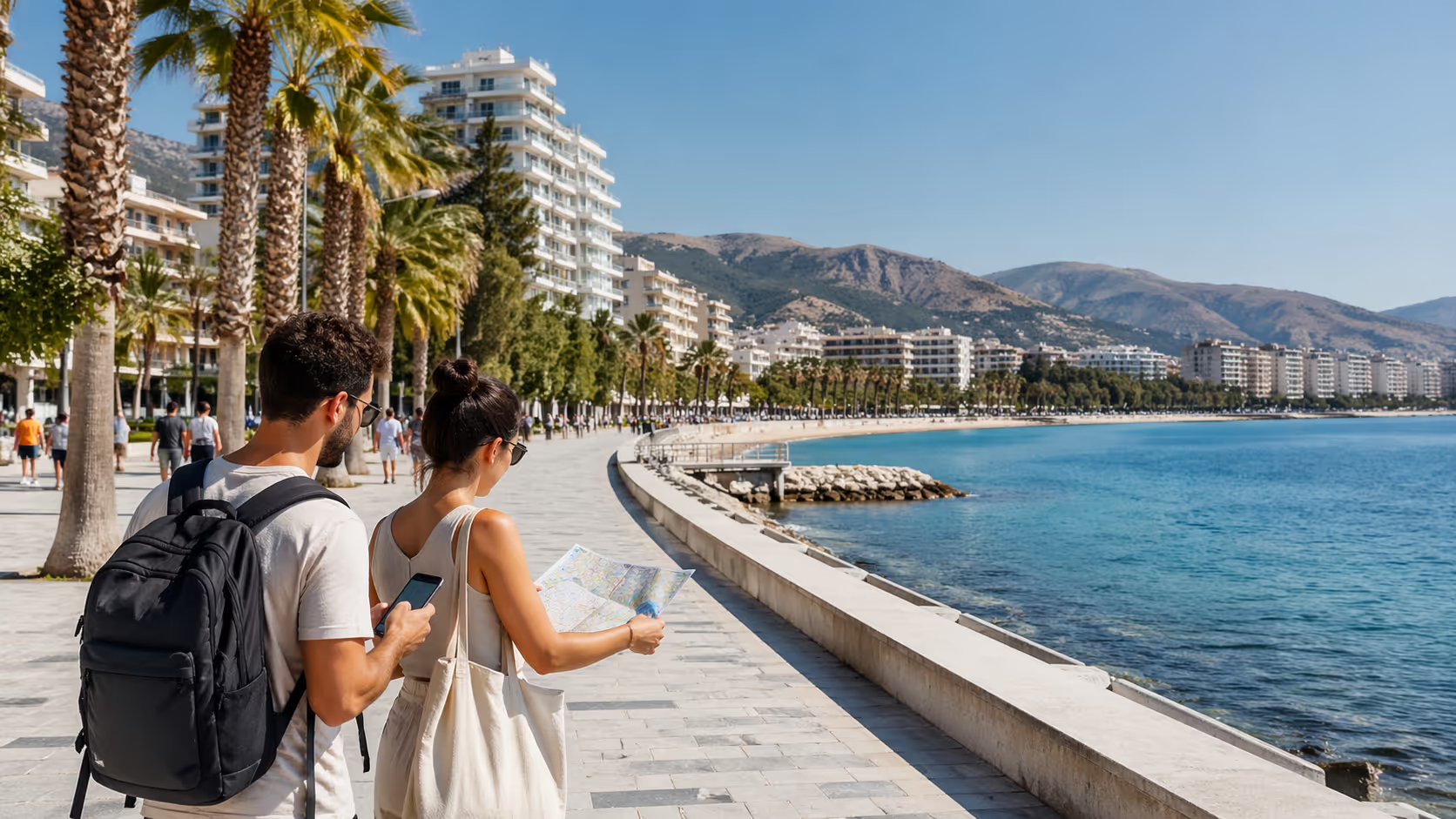
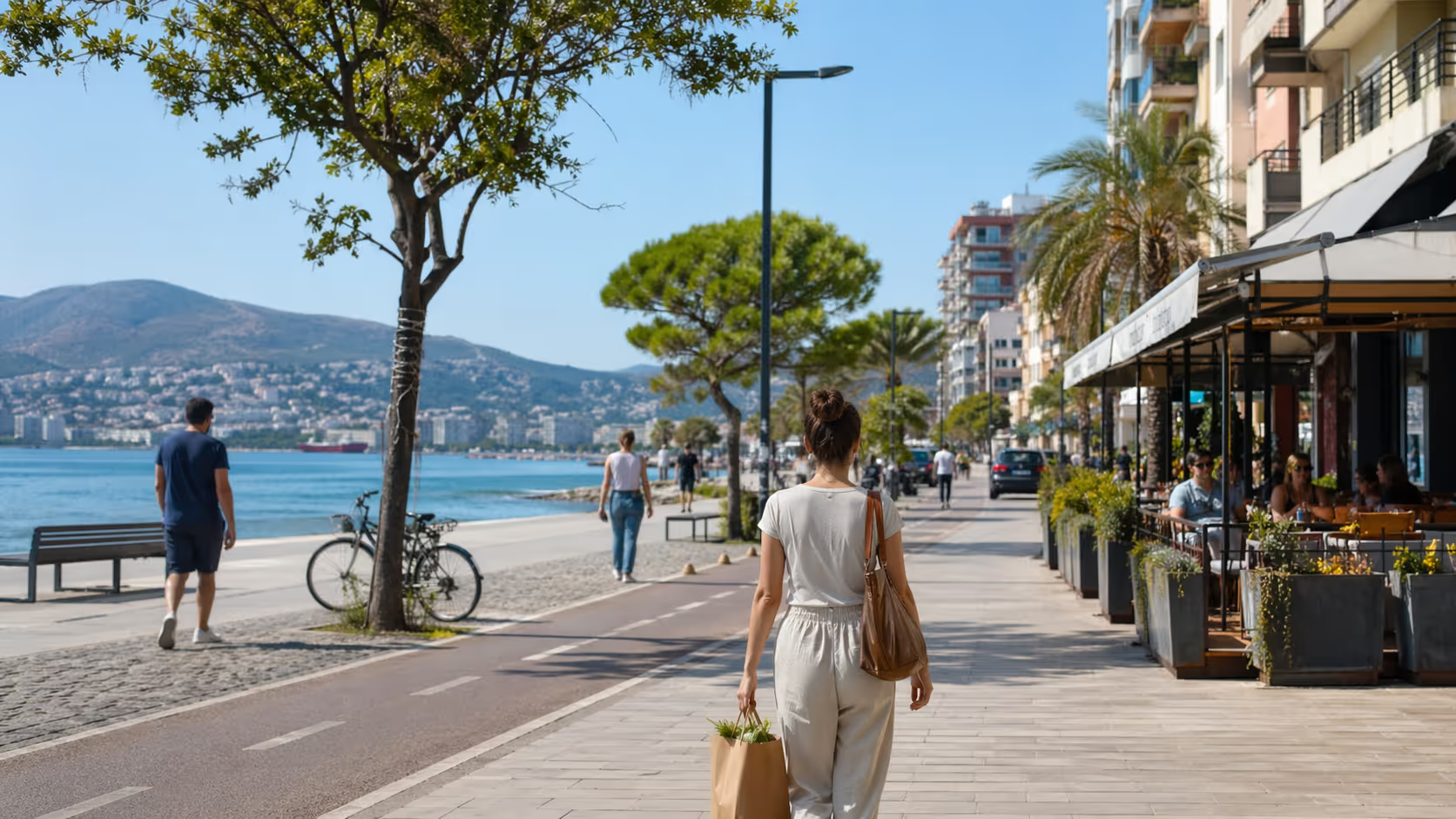
Trash collection efficiency varies widely depending on your exact street address in Vlorë. The famous Lungomare promenade features sleek underground waste containers for pedestrians. You step heavily on a metal pedal to open the heavy steel lid. These modern buried bins completely prevent stray street dogs from tearing open the plastic bags. This affluent waterfront area receives multiple garbage pickups every single day during summer.
The situation looks very different in the older uphill neighborhoods of the city. Areas near the historic Muradie Mosque use traditional rolling plastic bins. These lightweight bins sit exposed on the narrow uneven cobblestone sidewalks. High coastal winds often knock them over during violent winter rain storms. Residents living here must tie their trash bags very tightly to prevent messy public spills.
The popular Uji i Ftohtë district faces highly unique seasonal collection challenges. This specific area fills with thousands of daily tourists during July and August. The designated street bins often overflow completely by late afternoon. The local government struggles heavily to scale the truck collection frequency fast enough. You will often see black bags stacked neatly next to a completely full green container.
We highly suggest you join the community to share local tips on bin locations. Our active members regularly update each other on shifting collection schedules for different streets. One resident living directly near the Flamurtari Stadium shared a great piece of advice. They highly recommend keeping your bins indoors until the morning of collection day. This easy habit completely prevents street cats from making a massive mess on your porch overnight.
The neighborhood around Kuzum Baba requires residents to walk further to find bins. The steep hills make it impossible for large garbage trucks to navigate every alley. People living on these high hills carry their bags down to the main road daily. It requires a bit of physical effort to maintain a clean property up there. Living in older districts always demands more personal responsibility for household waste management.
Navigating the local city bureaucracy requires having the right contact information ready. MIM Vlorë is your primary official resource for all household trash questions. Their main management office sits conveniently near the busy city center. You can visit their customer service desk to report broken street bins directly. They usually respond quickly to formal written requests filed by building administrators.
The municipal police handle all serious enforcement issues regarding illegal trash dumping. You should call them immediately if you witness illegal dumping in your neighborhood. They actively manage complaints about local businesses blocking the sidewalk with commercial trash. You can reach the local police dispatch center by dialing the standard city emergency numbers. They will dispatch patrol officers to investigate severe environmental violations in your area.
Your elected building administrator is another highly valuable local contact person. This elected resident collects the monthly maintenance fees for the entire apartment block. They usually manage the communal trash areas located inside private underground parking garages. A good administrator will call MIM Vlorë to request an extra bin for the building. You should introduce yourself to this helpful person immediately after moving into your apartment.
Finding reliable utility information online is sometimes a frustrating local experience. Local government websites occasionally go offline for routine maintenance without warning. The absolute best way to stay informed is through consistent local networking. Talking to your immediate neighbors provides the most accurate information about your specific street. We maintain updated community lists of local pickup truck drivers who haul away old furniture safely.
You can also contact local environmental groups working to improve the Vlorë coastline. These non-profit organizations often organize large beach cleanup days during the spring months. Participating in these group cleanups offers a great way to meet local residents. It provides a hands-on education about the real impact of plastic waste on the sea. Building relationships with these active groups helps you understand the bigger environmental picture.
Most local residents and expats do not drink the raw tap water in Vlorë. The older city pipes often add safe but unpleasant sediment to the water supply. You will likely buy large plastic water jugs weekly for your drinking needs. You must crush these large plastic jugs completely before throwing them into the blue bins.
The local municipality does not mandate specific brands of trash bags for households. You can use any standard plastic bag to hold your dry recyclables safely. Most big supermarkets in the city sell cheap rolls of large trash bags. You just need to place the tied bag into the correct colored street bin.
Textile recycling does not currently exist in the formal Vlorë municipal system. You should not throw perfectly good clothes into the regular wet trash bins. Several local charities and religious organizations happily accept clean clothing donations. You can ask your immediate neighbors for the closest active donation center near your street.
Homes with private gardens generate a lot of dead leaves and broken branches. You cannot stuff large tree branches into the normal street bins under any circumstances. You must bundle heavy branches tightly with strong rope. You leave these neat bundles next to the bins for a special municipal pickup truck.
Follow Vlore Circle for fresh guides, local updates, and community notes around life in Vlorë. It is the easiest way to stay close to what we are building.

Be part of a growing community built around connection, local life, and a better experience of Vlorë.
join the circle