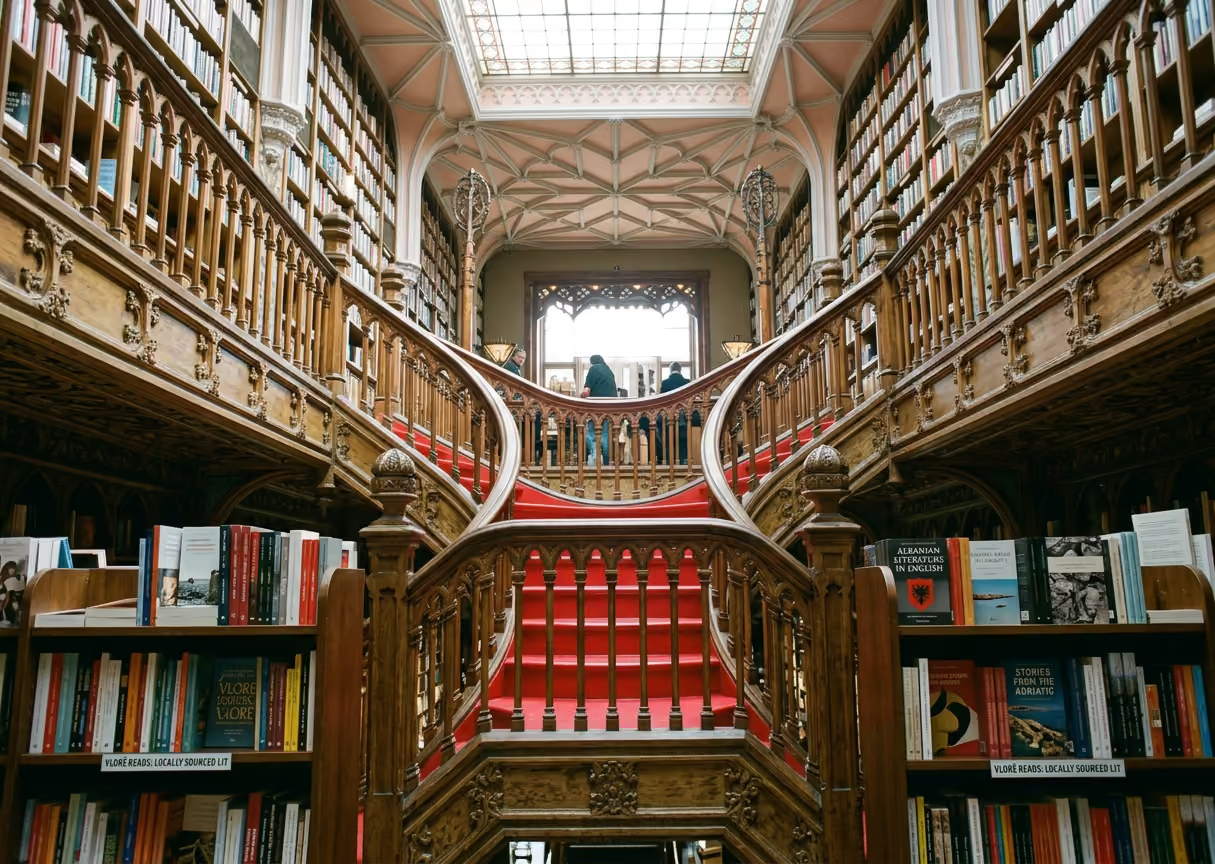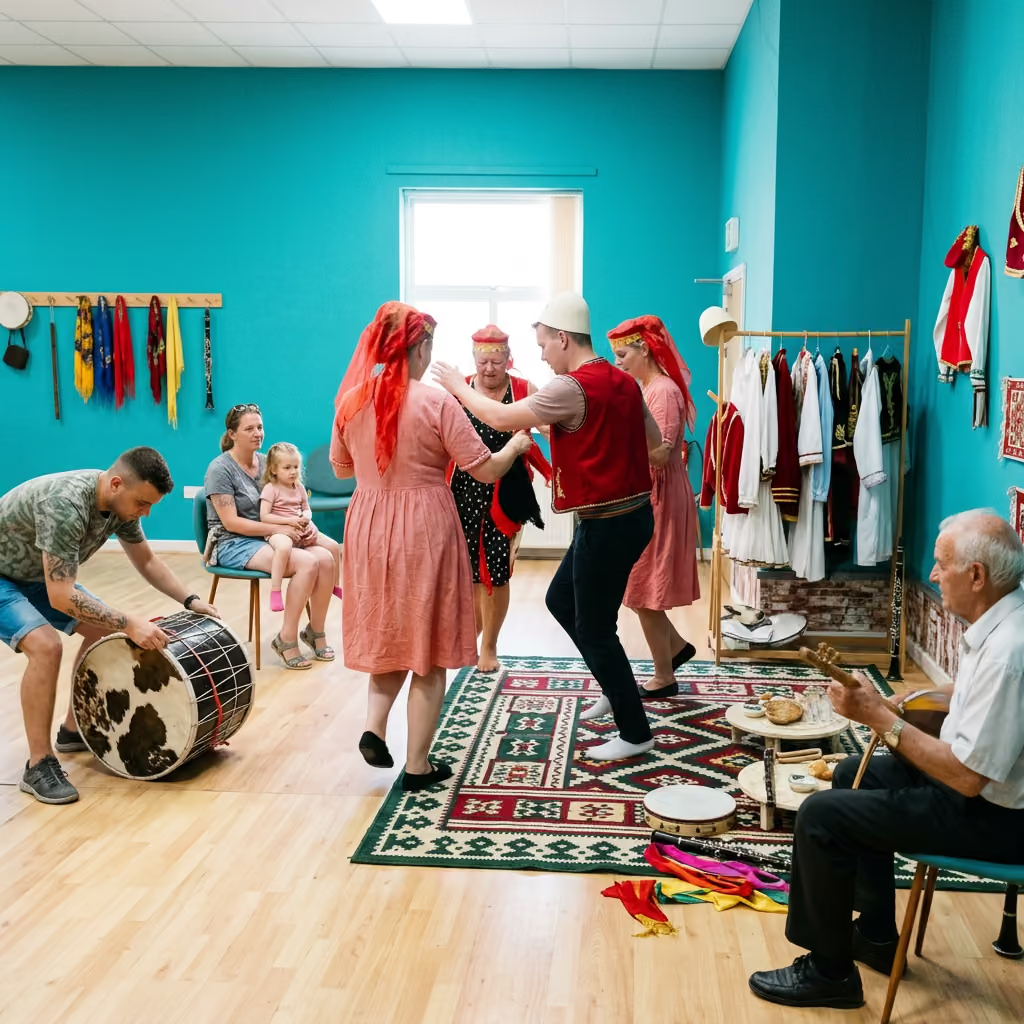
Representative image

Vlorë music and dance traditions blend southern iso-polyphonic singing with lively folk steps across community festivals, public squares, and coastal celebrations.





Vlorë music and dance traditions are living social practices, not stage props for a summer show. For expats, remote workers, and new residents, the best entry point is to understand Albanian iso-polyphony, attend local folklore events, try a guided dance workshop, and listen with respect before joining the circle.
This guide is about the music you hear at festivals, family parties, cultural nights, and seaside events in Vlorë. It is not a promise that every performance is ancient, untouched, or easy to learn in one evening. You will get the roots, the real places to start, the costs to expect, and a playlist path that helps you hear the difference between a tourist set and a tradition with deep local meaning.
Vlorë sits at a cultural meeting point. It is coastal, southern, proud, and open to people moving through the city. That mix matters when you listen to folk music here.
Southern Albania is closely linked with iso-polyphony, the layered vocal singing recognized by UNESCO. Vlorë County is part of the wider southern zone where this style carries strong meaning at weddings, memorial events, festivals, and civic celebrations. The sound is often raw, slow, and emotional. It may feel more like a public memory than entertainment.
Vlorë is not only about one style. Current folklore experiences in the city present dances from both northern and southern Albania. That matters for newcomers, since many stage shows use a national frame rather than a narrow Vlorë frame. A workshop may show costumes, instruments, and steps from several regions in one sitting.
This is where expats often get confused. They attend one folklore evening near the promenade, then think they have “seen Albanian music.” In truth, Albania has strong regional identities. A dance from the north, a Lab song from the south, and a wedding band set at a restaurant near Uji i Ftohtë can all be Albanian, yet they do not mean the same thing.
Vlorë’s role is practical too. The city has enough visitors to support organized cultural events, yet it still has year round local life. That gives new residents more than a souvenir show. You can attend a festival in May, hear live music at a family celebration in summer, then ask a neighbor about a song months later over coffee in Skela.
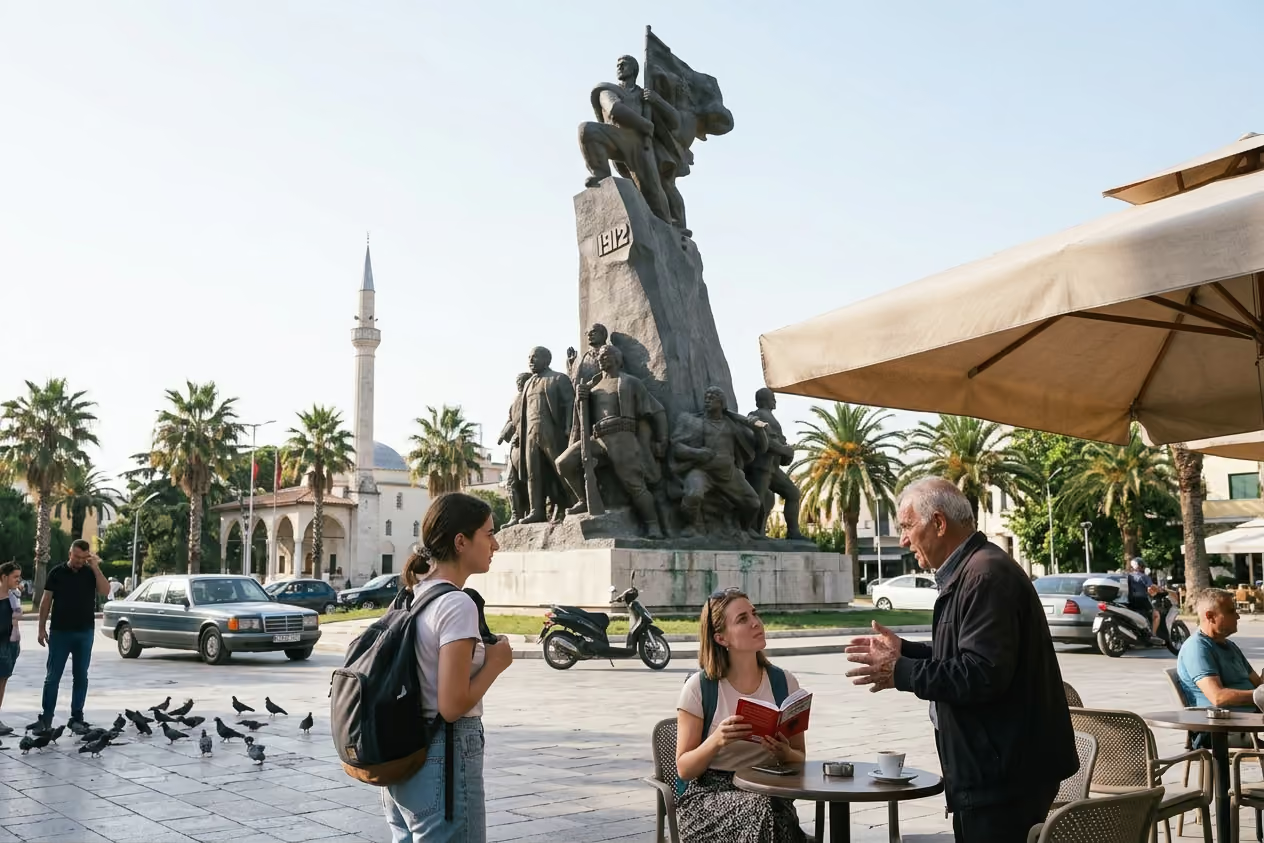
The city’s public spaces shape the sound. On the Lungomare, music competes with sea wind, scooters, and summer crowds. In the Old Town, small events feel closer and more social. Around Independence Square and the Flag Monument, patriotic songs carry extra weight, since Vlorë is tied to Albania’s declaration of independence.
If you plan to live here, music becomes part of social fluency. You do not need to sing a polyphonic line. You do need to know when to clap, when to watch, when to join a line dance, and when a song has a more serious tone. These small cues help you feel less like a guest standing outside the room.
Albanian iso-polyphony is a vocal tradition built from several interlocking parts. UNESCO describes it as a major part of Albanian traditional music, especially in southern Albania. It was proclaimed a Masterpiece of the Oral and Intangible Heritage of Humanity in 2005, then placed on UNESCO’s Representative List in 2008.
The word “iso” refers to a sustained drone. This drone holds the ground of the song. Other voices move above it with lead lines, turns, and responses. The result can sound solemn, powerful, and tense at the same time.
For a newcomer, the first listen can be surprising. Iso-polyphony does not follow the smooth pop structure many people expect. There may be no obvious chorus. The beauty sits in the voice layers, the held tone, and the group balance.
In southern Albanian practice, the singers often have roles. One voice may begin the song. Another may turn or answer. A group may hold the iso beneath them. The parts are social, not only musical, since each person supports the shared sound.
Vlorë belongs to the wider Labëria cultural area, which is strongly tied to southern polyphonic singing. Labëria includes parts of Vlorë, Gjirokastër, Tepelenë, Sarandë, and nearby areas. Many locals speak about Lab songs with pride, since they carry village memory, family honor, migration stories, grief, humor, and patriotism.
You may hear this tradition at public cultural programs, festivals, commemorations, and family events. You are less likely to stumble into an informal iso-polyphony circle every week at a café. The romantic idea says that old men sing ancient songs every night over raki near the sea. The daily reality is quieter. People work, commute, care for family, and choose music from phones like everyone else.
Still, the tradition is not frozen. It appears on festival stages, television archives, local cultural events, and family recordings. Younger Albanians may not all perform it, yet many recognize its status. When a strong group sings well, people stop talking.
The UNESCO recognition can help expats take it seriously. It should not make the tradition feel like a museum label. In Vlorë, iso-polyphony is part of a living sound world that includes wedding clarinets, pop folk, patriotic songs, dance beats, and old village melodies.
A useful way to listen is to separate three layers. First, hear the drone. Second, follow the lead voice. Third, notice the social power of the group. Once you hear those layers, the music starts to feel less strange.
Do not rush to call it “sad.” Some songs carry grief. Others carry pride, teasing, history, or love. If you do not know Albanian, ask a local what the song is about before you judge the mood.
The main recurring folklore event to know is the Aulona Inter Folk Festival. According to Albanian public broadcaster RTSH, the 17th edition was scheduled for May 23 to 26, 2025. The festival brings traditions of participating countries to Vlorë, placing the city in a wider international folk circuit.
Aulona is useful for expats since it gives a public, low pressure entry point. You can watch groups perform, compare costumes, hear different rhythms, and see how local audiences react. It is a better first step than trying to decode a private wedding from the back of the room.
The festival name matters too. Aulona is the ancient name linked with Vlorë. The event uses that name to connect the modern city with a longer civic identity. For a resident, that local pride is part of the point.
Festival programming can change from year to year. Check dates close to spring, not only in January. Local announcements may appear through municipality pages, cultural centers, posters around the city, or Albanian media. In Vlorë, word of mouth still matters, so ask in cafés around Skela, the Old Town, and near the Lungomare.
Another nearby option is the Himara International Music Festival. Himara is in Vlorë County, south along the coast. Its venues have included places like Himara Castle and All Saints’ Church, based on available event listings. This is not the same as a Vlorë city folklore night, yet it can be worth the trip if you care about music in historic spaces.
The road to Himara is part of the practical plan. In summer, the coastal road can be slow. If you drive from Vlorë, leave early. If you use buses or shared vans, check return options before you commit to an evening concert.
You may see “folk music shows” listed through tour platforms for Vlorë County. Treat these as curated experiences. They can be fun and useful, yet they are built for visitors. Ask what is included, how long the event lasts, and whether live musicians perform.
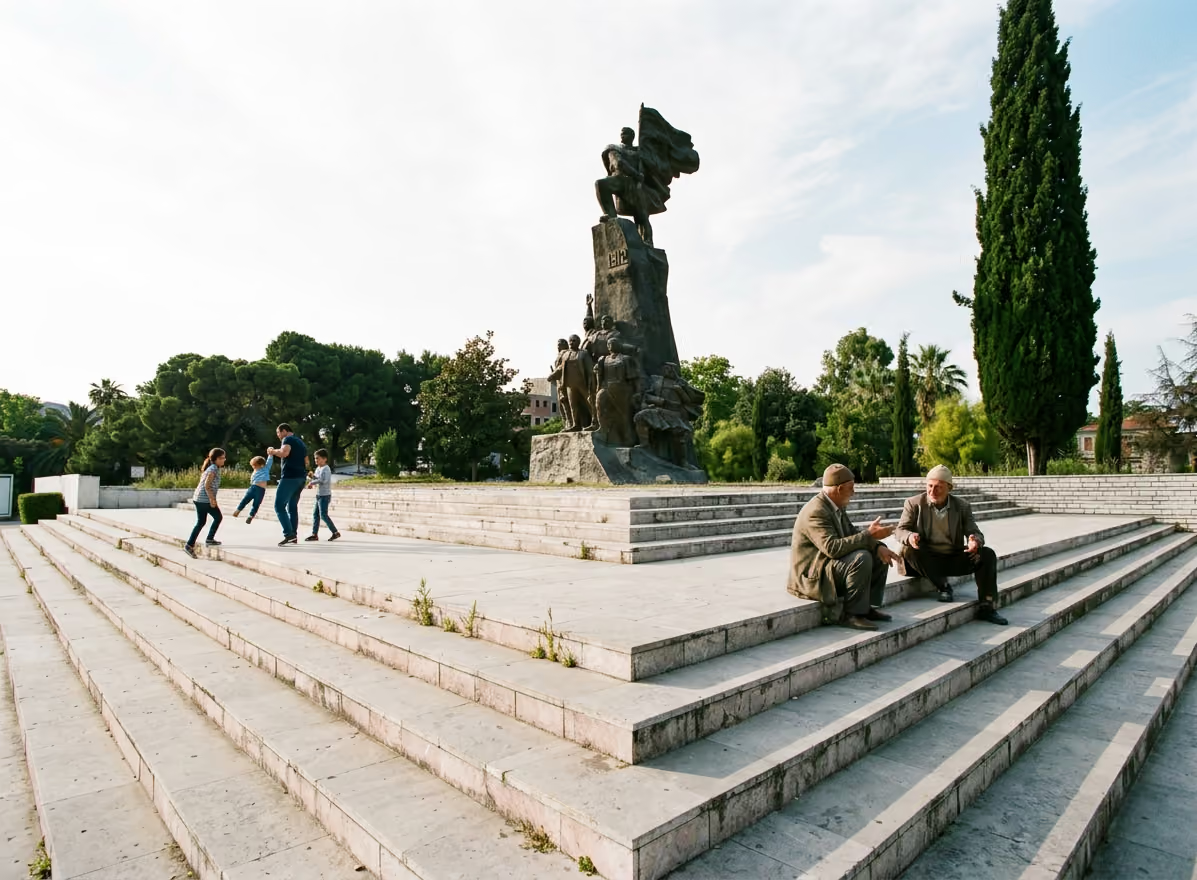
Do not ignore national holidays. Independence Day on November 28 has special force in Vlorë. Public songs, patriotic music, school performances, and dance groups may appear around the Flag Monument and main civic areas. The mood is local, proud, and often more meaningful than a staged summer show.
Wedding season is another window into music. If you are invited to an Albanian wedding, you will likely hear a mix. Traditional dance rhythms may sit next to modern pop folk, Balkan hits, and DJ sets. The line dance is the social doorway. If someone invites you in, join with humility and copy the nearest confident dancer.
Restaurant music exists too. Some venues along the Lungomare or near the beach may book live music during high season. This is not always heritage music. It may be popular Albanian music, Greek influenced coastal sounds, Italian songs, or a dance set for tourists.
For a new resident, the best calendar pattern is simple. Watch for Aulona in late May. Pay attention to Independence Day in November. Check local event posters in summer. Ask community members about private lessons or small cultural nights before you pay for a glossy package.
The fastest way to start is to take a guided folklore workshop. One documented Vlorë workshop, listed by HappyToVisit, is built around dance, music, local flavors, costumes, and live instruments. It costs $50 per person in the listing and runs for several hours with local expert guides.
This kind of workshop is useful since it turns watching into doing. You do not stand at the edge guessing the steps. You dress in folk costume, learn regional dances, listen to traditional instruments, taste sweets and herbal drinks, and may try homemade raki. Professional photos are part of the package in the listed experience.
The workshop model has a clear teaching logic. You learn through the body. You hear live sound. You see costume details up close. You connect taste, movement, and memory in one session.
For expats, that is less intimidating than a wedding. At a wedding, the social stakes feel higher. At a workshop, mistakes are expected. The teacher can slow the rhythm, reset the line, and explain which region the step comes from.
Before booking, ask direct questions. Is the dance from Vlorë, from the south, from the north, or a mixed national set? Are the musicians live or recorded? Is the space easy to access? The HappyToVisit listing notes that the workshop is not suitable for people with mobility limitations, so check this point if stairs, uneven floors, or long standing periods are an issue.
Here is a practical learning path for your first month in the city.
Start by watching one public performance. Choose a festival, civic event, or cultural night near the Old Town, Lungomare, or Flag Monument. Focus on footwork, hand position, and how the line moves.
Book one guided session next. A structured workshop gives you a safe place to ask basic questions. Bring water, wear shoes that hold the foot, and avoid slippery sandals.
Practice the line dance pattern at home. Put on a slow Albanian folk track and repeat the weight shift. Keep your upper body calm. Many beginners move too much and lose the beat.
Ask a local friend to show you one wedding step. Do this in a casual setting, not at midnight on a crowded dance floor. Albanians are often generous teachers when they see real respect.
Join a group event when invited. Stay near the end of the line if you are unsure. Watch the person beside you. Small steps are better than dramatic moves.
Learn the social rules. Do not pull someone into a dance without reading the room. Do not mock costumes. Do not treat raki as a challenge. If an older person corrects your step, take it with grace.
The most common beginner mistake is trying to perform instead of participate. Albanian social dance is not only about showing skill. It is about staying with the group. Your job at first is to keep the line intact.
If you are shy, start with the hands. Many line dances use linked hands, raised hands, or a shoulder hold. The hand position tells you how much space the dance needs. It can guide your footwork too.
If you have knee, hip, or balance concerns, tell the instructor before the session. Some dances use quick steps or repeated turns. A good teacher can place you near the end or give a simpler version.
Children learn by watching family. Adults from abroad need more explanation. That is normal. Do not apologize for being new. Just listen, copy, and keep your steps small.
A Vlorë folklore event may include voices, string instruments, frame percussion, drums, and staged costume sets. The research framework points to instruments such as the çifteli, tambourines, and drums in contemporary folklore offerings. Each item helps tell the audience which region, rhythm, or performance style is being presented.
The çifteli is a traditional string instrument linked strongly with Albanian music, with a strong place in northern traditions. If you see it in a Vlorë workshop, it may be part of a national presentation rather than a narrow local Vlorë practice. That is not wrong. It only means the event is showing Albania as a whole.
Tambourines and drums are easier for newcomers to read. They mark rhythm, lift the dance, and help groups stay together. In a staged setting, percussion gives beginners a clearer beat than voice alone.
Iso-polyphony may use no instruments at all. That is a key distinction. The voices carry the structure. If an event presents iso-polyphony with heavy backing tracks, understand that you are hearing an adapted version.
Costumes are another major clue. Albanian folk dress varies by region, gender, status, and event type. The workshop listing notes costumes from several Albanian regions. Bright colors, embroidery, head coverings, belts, aprons, vests, and layered fabrics all act as visual markers.
Do not call every costume “Vlorë costume.” Ask where it comes from. A good guide should explain the region. If they only say “traditional Albanian,” press gently for more detail.
Men’s costumes may include white garments, vests, sashes, and traditional footwear. Women’s costumes may include embroidered aprons, decorated jackets, headscarves, coins, or layered skirts. Stage versions may be cleaner, lighter, and easier to move in than older village pieces.
Dance styles vary across Albania. Some are slow and dignified. Some are fast and athletic. Some use a tight line. Others have a looser circle or paired feel.
In Vlorë, you are likely to meet southern line dances at public events. The leader matters. The line follows that person’s timing and style. If you are new, do not try to lead.
The handkerchief can signal leadership in some dances. If a dancer waves one, they may be guiding the line or marking the rhythm. Watch before you join. The front of the line is not the beginner zone.
Clapping is not universal. In some settings, clapping along is welcome. In others, it can feel intrusive, mainly during serious songs. If locals are silent during a vocal piece, stay silent too.
Phone filming is another modern issue. Many people film performances, yet that does not mean every moment should be recorded. Ask before filming a small workshop or close group. At a public stage event, short clips are usually fine.
For expats, the goal is not to master every instrument name. The goal is to recognize that Albanian folklore is regional. Once you see the difference between a southern vocal group, a northern string sound, and a staged national dance medley, you will stop flattening the culture into one postcard image.
Costs vary by season, setting, and language support. A public festival performance may be free, mainly if it happens in an open square or public outdoor venue. A guided folklore workshop costs more since it includes instruction, costumes, food, drinks, and staff time.
The clearest listed price from current research is the Vlorë folklore workshop at $50 per person through HappyToVisit. In lek, that will move with the exchange rate. Treat it as a paid cultural session, not a cheap night out.
For planning, think in categories.
A public civic event can cost nothing to attend. You may still spend money on transport, coffee, water, or a snack near the venue. If the event is near the Lungomare, cafés can be pricier in summer than in inland neighborhoods.
A workshop is a mid range cultural activity. The listed $50 price includes several elements in one experience. If you compare it with a cooking class or guided city activity, it sits in a normal paid experience range for visitors and new residents.
A private dance lesson may vary a lot. Some instructors teach through cultural groups. Others teach informally through community contacts. Ask for the price, duration, group size, and location before you agree.
A live music night at a restaurant can be priced through food and drink rather than a ticket. Some venues add music into the normal evening bill. Others may require a set menu during peak season. Ask before sitting down if you see a live setup.
Transport can matter. If you attend an event in Himara, your cost may include car fuel, bus fare, parking, or a late return taxi. A cheap ticket can become an expensive night if you do not plan the ride back to Vlorë.
Clothing matters more than people expect. For dance lessons, wear closed shoes or stable sandals. Avoid shoes with smooth soles. You do not need gym gear, yet you need to move safely.
Here is a simple budget plan for a newcomer who wants to learn without overspending.
Pick one free public event first. Watch, take notes, and learn names. This gives you context before you pay.
Pay for one structured workshop next. Use it to ask questions, not only to take photos. If costume dressing is included, ask what region each costume represents.
Build a listening habit at home. This costs nothing if you use legal streaming platforms, public archives, or official artist channels. Listening will make your next live event far richer.
Save private lessons for later. After one or two public events, you will know what you want to learn. You may prefer wedding steps, southern line dances, or singing basics.
Be careful with “VIP folklore dinner” packages in high season. Some are enjoyable. Some are thin. Ask whether the performers are local, how long the music lasts, and whether dance participation is part of the evening.
If you live in Vlorë year round, you do not need to rush. A tourist has three nights. A resident has seasons. This changes your budget and your attitude.
A good playlist trains your ear before you stand in a square full of sound. Start with three buckets: iso-polyphony, regional dance music, and modern Albanian folk influenced songs. Keep them separate at first.
For iso-polyphony, search for “Albanian iso-polyphony,” “Lab polyphony,” “Labëria songs,” and “Vlorë polyphonic group.” Use official cultural channels, festival recordings, and archive style videos when possible. Look for unpolished live recordings too, since they reveal how the voices sit together.
Listen for the drone first. Do not chase lyrics at the start. Let your ear find the held tone that supports the song. Once you can hear it, the form makes more sense.
Next, add dance tracks. Search for “valle shqiptare,” which means Albanian dances. Add region names like “Labëria,” “Tosk,” “Tirana,” “Kukës,” or “Shkodër” to hear differences. This helps you avoid treating one rhythm as the whole country.
Then add wedding music. Modern weddings mix older rhythms with pop production. This is the music you may meet at real social events. It may not sound like a UNESCO page, yet it is part of current life.
Keep a small notes file. Write down the track title, region, mood, and where you heard it. If a local corrects your label, update it. This turns passive listening into cultural learning.
Use video, not only audio. Dance is visual. A track that sounds simple may carry complex steps. Watch the leader, the line shape, and the hand position.
Do not build your list only from algorithm suggestions. Platforms often push the most clickable tracks. Mix in UNESCO references, public broadcaster clips, festival recordings, and recommendations from locals.
Ask three different Albanians for one song each. Ask an older neighbor, a young café worker, and a musician if you can. The answers may differ by age, village roots, and taste. That difference is the lesson.
For expats in Vlorë, here is a starter playlist structure rather than a fixed list.
Create a section called “Iso-polyphony and Lab songs.” Add slow vocal pieces, group recordings, and festival clips. Listen in the morning or during a quiet walk near the sea, not only as background noise.
Create a section called “Dance practice.” Add steady valle tracks with clear percussion. Use these for footwork at home. Keep the volume moderate so you can count steps.
Create a section called “Wedding floor.” Add current Albanian party songs and folk pop. This prepares you for mixed social events where old and new meet.
Create a section called “Ask a local.” Leave it empty at first. Fill it only with songs recommended by people you meet in Vlorë. This makes your playlist part of your local life.
Lyrics are the next step. Albanian has dialect variation, and folk texts may use older words. Do not trust every online translation. Ask for the story of the song rather than a word by word translation.
If you are learning Albanian, songs help with pronunciation. They can also mislead you, since sung language stretches sounds. Use music as a memory aid, not as your only language teacher.
A good playlist should make live events less confusing. When you hear the drone at a festival, you will recognize it. When a line dance starts at a wedding, your feet will know the basic pulse. That is when listening becomes participation.
Many newcomers arrive with a romantic idea. They want “real Albania,” preferably in costume, under warm lights, with raki on the table and a mountain song in the air. Vlorë can give you beautiful moments, yet real life is not staged for your arrival.
The daily reality is mixed. Teenagers listen to global pop. Families book DJs. Restaurants use speakers. Traditional groups rehearse for events, not for every random Tuesday.
A curated workshop is not fake just since it is organized. It can be a respectful teaching format. The key is honesty. If the event says it is a workshop for visitors, treat it as a doorway, not as the full house.
A festival performance is real, yet it is still staged. Costumes are selected. Sets are timed. Groups perform for an audience. That does not erase the tradition. It changes the setting.
A private family event may feel more “authentic,” yet you are a guest there. You should not treat someone’s wedding or memorial song as field research. Put the phone down when the mood turns serious.
Authenticity is not only age. A young dancer in a clean stage costume may be carrying a family tradition with care. An older singer using a microphone may still be singing with deep knowledge. Do not judge only by rustic appearance.
Commercialization is a real tension. Paid shows can simplify regional detail. They may combine northern and southern material for easy viewing. They may shorten songs for attention spans. Ask questions, yet do not shame performers who earn money from their skill.
The better question is not “Is this authentic?” Ask “What is this setting?” Is it a lesson, a festival, a restaurant show, a civic ceremony, or a family ritual? Each setting has its own rules.
Respect starts with names. Learn to say iso-polyphony. Learn Labëria. Learn valle. Learn Vlorë with the ë sound if you can. Small effort signals care.
Respect continues with payment. If musicians teach you, pay the agreed fee. If a dancer gives a private lesson, do not bargain like it is a souvenir. Cultural labor is labor.
Respect shows in clothing. You do not need formal dress for every event. Yet if you attend a cultural night at a church venue, civic hall, or formal stage, avoid beachwear. Vlorë is a beach city, but not every public space is a beach space.
Respect includes silence. Some songs need attention. If a vocal group begins a slow polyphonic piece, pause your conversation. Watch how locals behave and follow their lead.
For residents, the deepest respect is consistency. Go to more than one event. Learn from corrections. Support local performers in winter, not only during summer. Share events with care through groups like Vlore Circle, where the focus is year round life, not quick content.
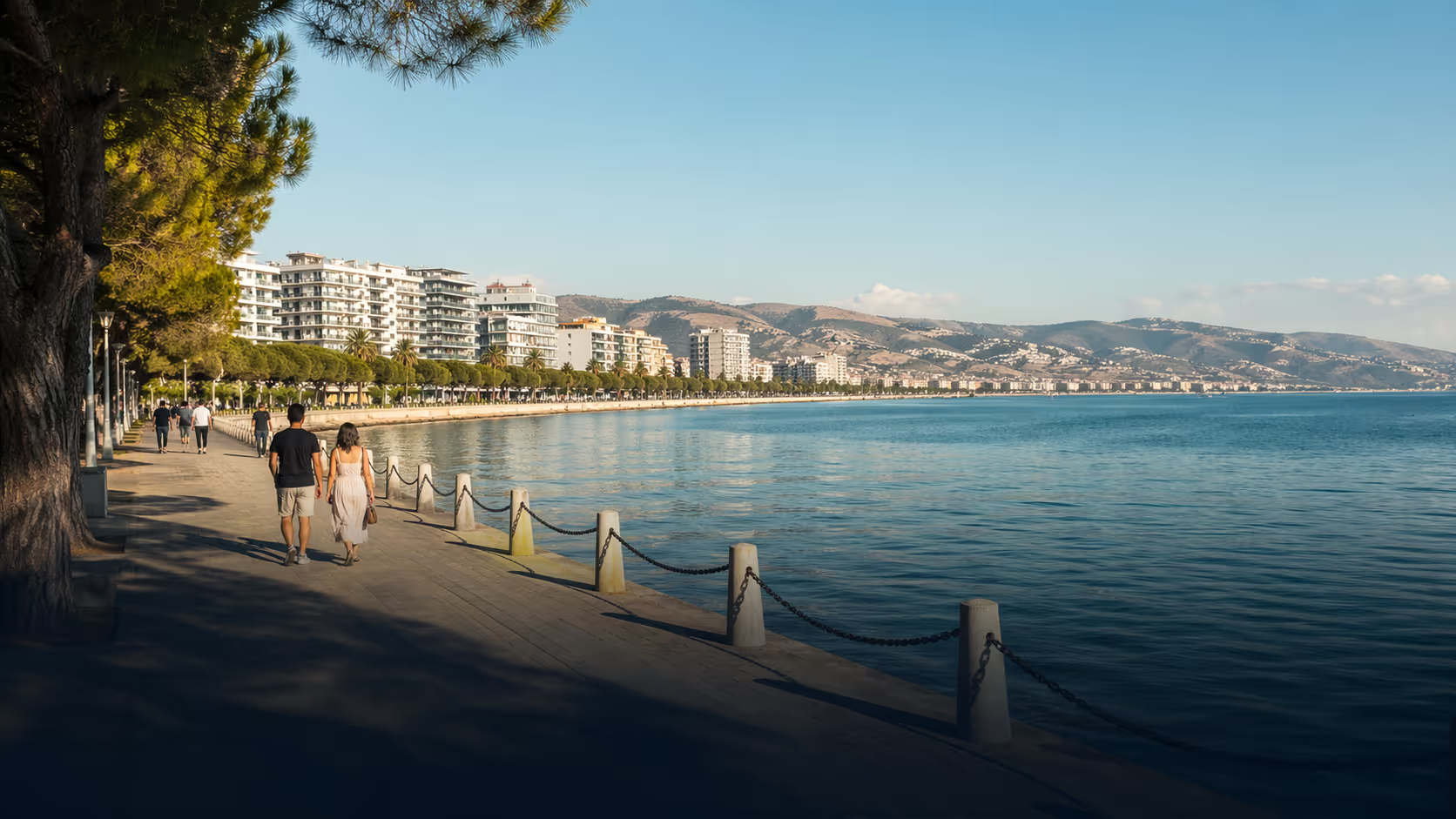
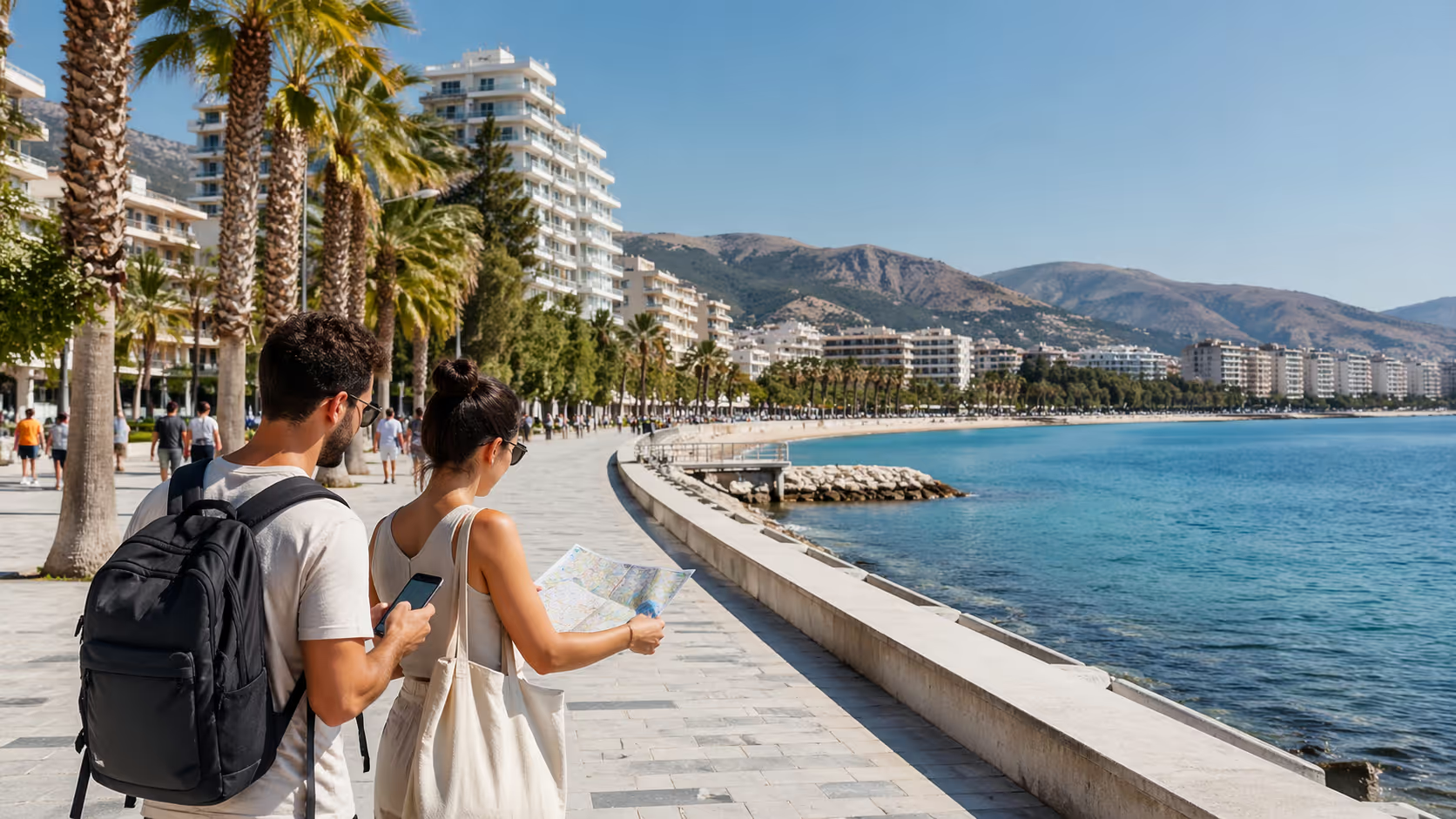
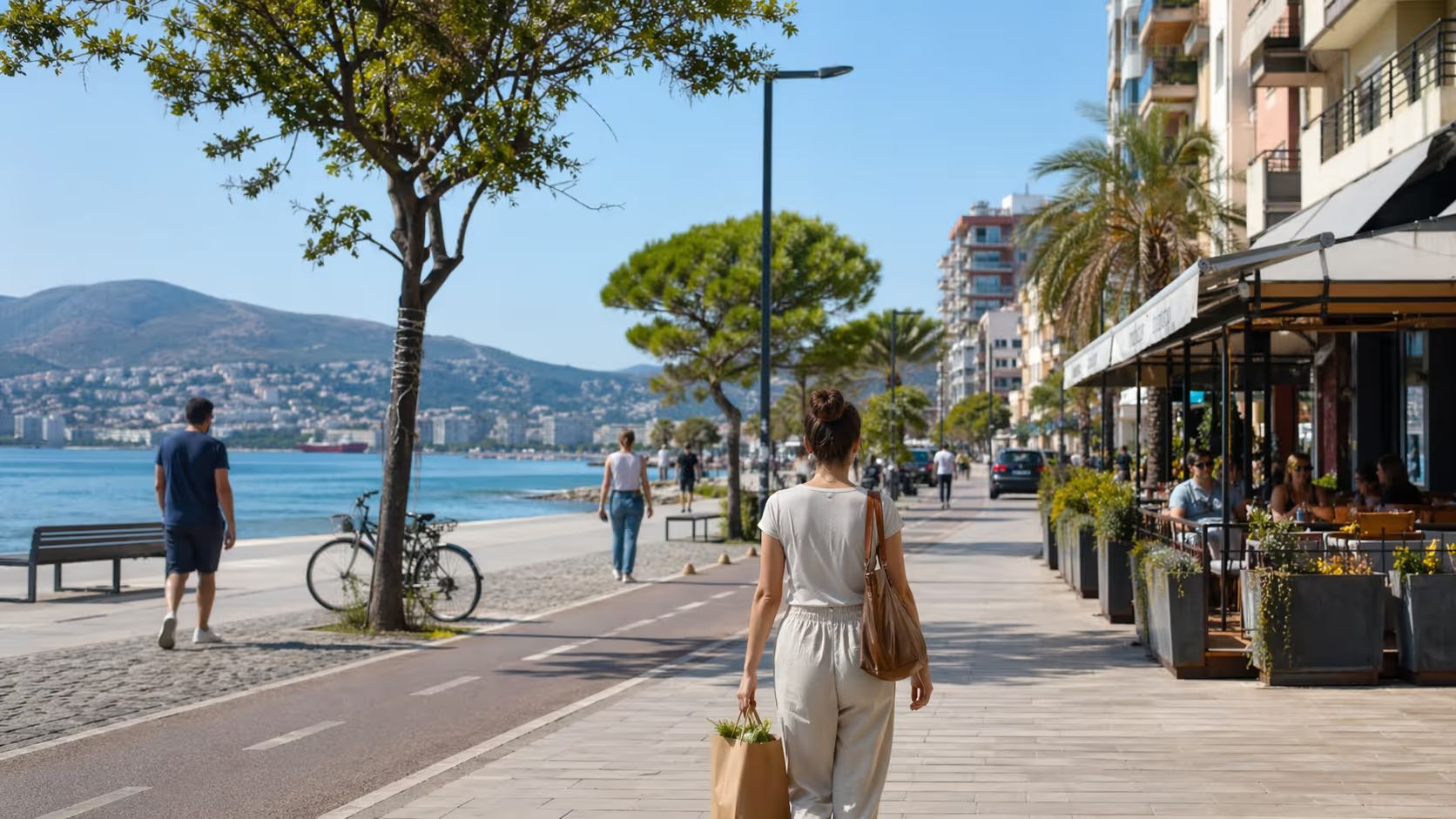
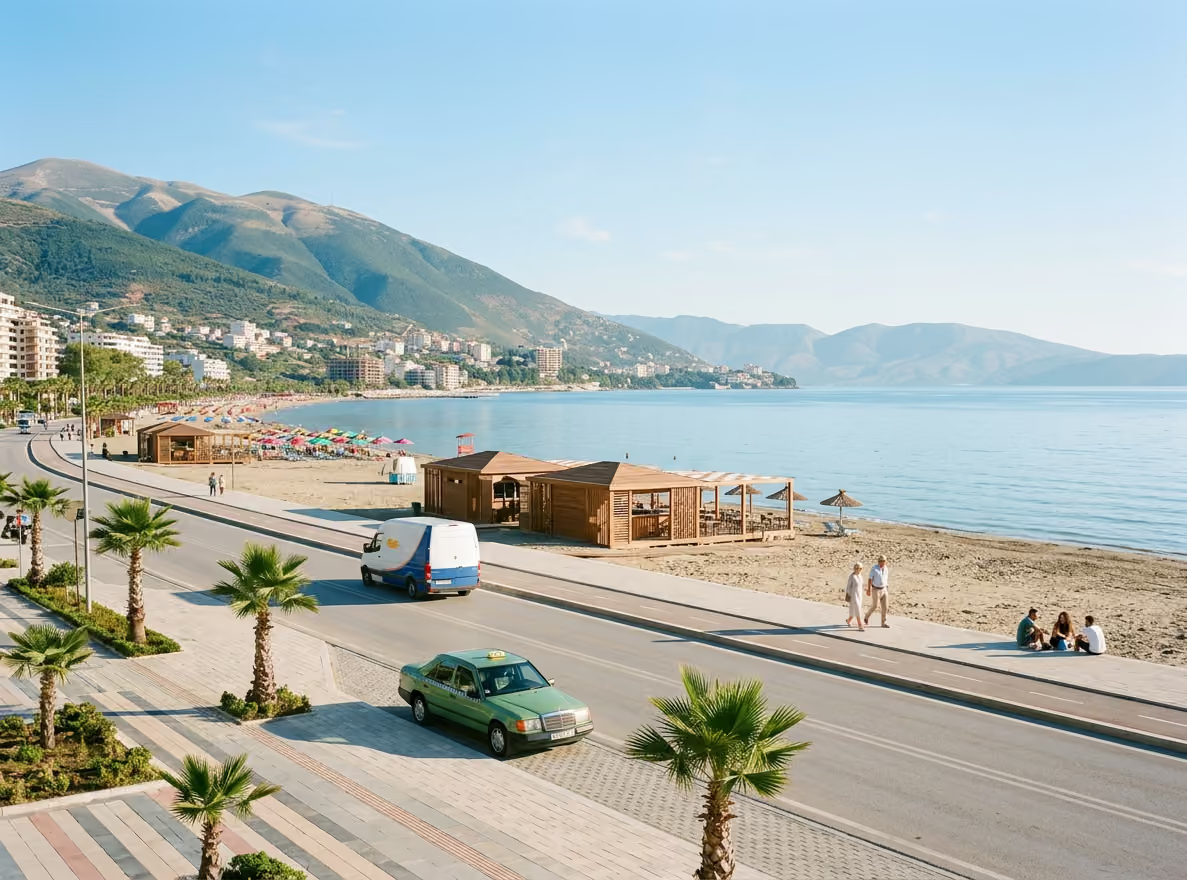
The Lungomare is the easiest place for newcomers to start. It is visible, walkable, and active in warmer months. You may find outdoor performances, restaurant music, summer stages, and informal crowds along the seafront.
The Lungomare is also the most tourist facing zone. That means the music can be mixed and commercial. You might hear Albanian pop, Italian songs, DJ sets, or folk flavored restaurant music in one evening. Enjoy it, but do not assume it represents the full tradition.
Skela is practical for year round life. Many residents pass through it for errands, coffee, and daily services. If you live nearby, you will hear about events through people faster than through formal listings. Ask café owners, language teachers, and neighbors what is coming up.
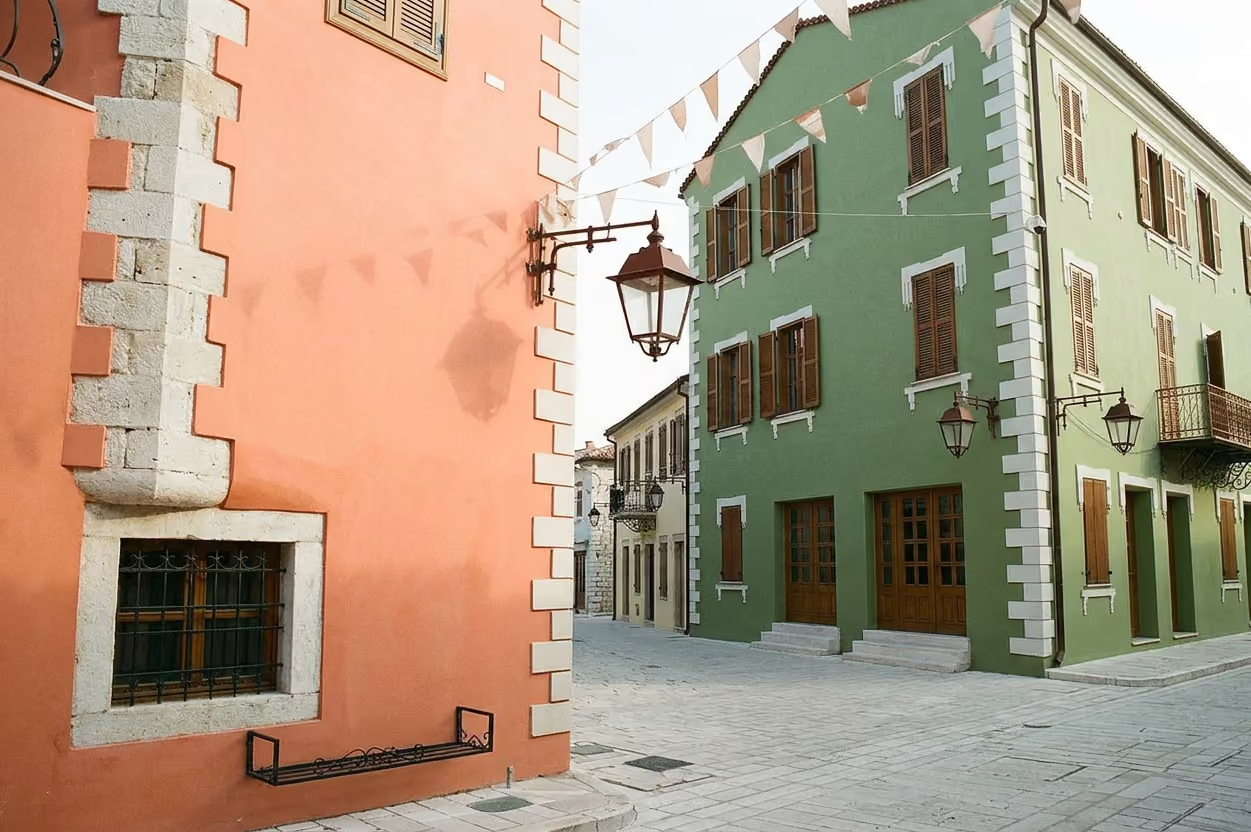
The Old Town gives a better setting for small cultural events. Its streets and restored spaces can make performances feel more intimate. If you see a poster for a music night there, take it seriously. Smaller events may offer better chances to speak with performers after the set.
Independence Square and the Flag Monument area matter for civic music. Around national holidays, this part of the city carries public ceremony. Songs here may lean patriotic, school based, or official. The atmosphere is different from a beach bar.
Uji i Ftohtë is more linked with seaside restaurants, hotels, and summer evenings. You may find live music there, especially in high season. Check whether it is a dinner show, a pop set, or a folklore program before you book a table.
For classes or workshops, the exact venue can change. Ask for the address pin and check walking distance. Some spaces may be upstairs or in older buildings. If mobility access matters, ask before you pay.
For a resident, location shapes how often you participate. If you live near the Lungomare, you will catch summer events by chance. If you live inland, you may need to plan more. If you live near the Old Town or Skela, you may hear about community events earlier.
Vlorë is not huge, yet weather and season matter. A winter evening event across town feels different from a July walk by the sea. Build your cultural habits around places you can reach without stress.
Our host tip from Vlore Circle is simple: do not wait for the perfect festival. Start with one real conversation. Ask someone in your building, your gym, or your favorite café near Skela what song they grew up hearing at family parties. Then listen to it before the next meetup. If you want help finding people who care about this side of the city, Join the community.
You do not need fluent Albanian to attend a festival. You do need basic courtesy words and patience. Start with “faleminderit” for thank you, “mirëmbrëma” for good evening, and “shumë bukur” for very beautiful.
At workshops, ask if instruction is in English. Many visitor focused experiences can support English, yet not every local musician or dancer will be comfortable teaching in it. A bilingual friend can turn a confusing night into a rich one.
Use simple questions. “Which region is this dance from?” “Is this song from Labëria?” “Can beginners join?” “May I film?” These questions show respect without demanding a lecture.
Body language matters. Stand back at first. Smile. Watch the line. Accept invitations, but do not force yourself into the center. If someone waves you in, join near the end.
If you make a mistake, keep moving. Stopping can break the line. Laugh softly, reset your feet, and copy the person beside you. Most locals will forgive errors faster than arrogance.
Do not overuse raki as a social tool. Homemade raki may appear in workshops or family settings. Sip slowly. You are there to learn, not prove toughness. A clear head helps your steps.
If you attend with children, choose settings carefully. Outdoor festivals are easier. Late restaurant music nights may be too loud. Workshops can be good for older children if the provider accepts them and the space is safe.
If you are retired or have joint pain, look for seated listening events first. Iso-polyphony is a strong entry point since it does not require dancing from the audience. For dance, ask for low impact steps and avoid crowded lines.
Remote workers should watch timing. Albanian events may start later than the posted time. Do not schedule a video call right after a cultural night. Leave space for delays, social talk, and the walk home.
Women attending alone can still take part, mainly in public events and organized workshops. Use normal city sense. Share your location with a friend for late events. Choose well lit routes back from the Lungomare or Old Town.
Men should avoid taking the lead too fast in dances. In many line dances, leadership carries skill and social meaning. Let locals guide the shape. Joining well is better than leading badly.
The language gap can become a gift. Since you cannot catch every lyric, you listen harder to tone, breath, and group response. Later, when you learn the meaning, the song gains a second life.
Your first month should balance watching, listening, and doing. Do not try to master everything. Build a rhythm that fits real life in Vlorë.
In week one, listen and observe. Walk the Lungomare in the evening and notice what music spills from cafés and restaurants. Visit the Old Town and look for posters. Ask one local contact what cultural events are coming up.
At home, create your three playlist buckets. Put iso-polyphony in one, dance practice in another, and wedding music in the third. Listen for fifteen minutes each day. Short daily listening works better than one long session.
In week two, attend a public event or watch a full recorded performance. If a live event is not available, choose a reputable video from a festival or cultural channel. Take notes on costumes, instruments, and whether the performance is vocal, instrumental, or dance based.
In week three, book a workshop or ask about a beginner lesson. If you use the Vlorë folklore workshop model, expect active participation. Confirm price, language, location, mobility access, and what food or drink is included.
In week four, ask a local for feedback. Tell them what you watched and what confused you. Ask for one song from their family region. Add it to your “Ask a local” playlist.
If your first month includes May, check Aulona Inter Folk Festival dates right away. If it includes November, watch for Independence Day events. If it is July or August, focus on outdoor stages and restaurant music, but keep your filter sharp.
By the end of the month, you should know four things. You should know what iso-polyphony sounds like. You should know the difference between a staged national folklore set and a local tradition. You should know one basic dance pattern. You should know who to ask before the next event.
The goal is not expertise. The goal is belonging with manners. Vlorë rewards people who return, ask, and remember names.
Yes, but it is not a quick drop in skill. Start by listening, then ask whether any local cultural group or teacher accepts beginners. The group nature of the singing means you need patience and good listening, not only a strong voice.
At public stage events, short clips are usually accepted. In small workshops, private parties, or serious songs, ask first. If the mood feels solemn, keep the phone away.
Not always. The documented Vlorë workshop listing says it is not suitable for people with mobility limitations. Ask about stairs, standing time, seating, floor surface, and dance intensity before booking.
That is fine. Modern Albanian music is part of daily life in Vlorë. Use it as a bridge, then learn which older rhythms, regional sounds, or vocal styles sit behind some of the songs you hear at weddings and summer nights.
Follow Vlore Circle for fresh guides, local updates, and community notes around life in Vlorë. It is the easiest way to stay close to what we are building.

Be part of a growing community built around connection, local life, and a better experience of Vlorë.
join the circle