Representative image

Learn what a recent video reveals about everyday coastal living in Vlorë. Get a realistic look at neighborhoods, costs, and the off-season reality.





Mark pauses the video timeline at minute two. He squints at the screen, trying to gauge the width of the sidewalks near Skelë. He needs to know if this coastal city works for his actual life, not just a summer vacation. The tension of relocating hinges on these mundane details.
A recent visual guide of Vlorë offers a rare look at the city streets outside of peak tourist season. This footage helps newcomers accurately assess neighborhood layouts, sidewalk conditions, and the reality of an everyday coastal routine.
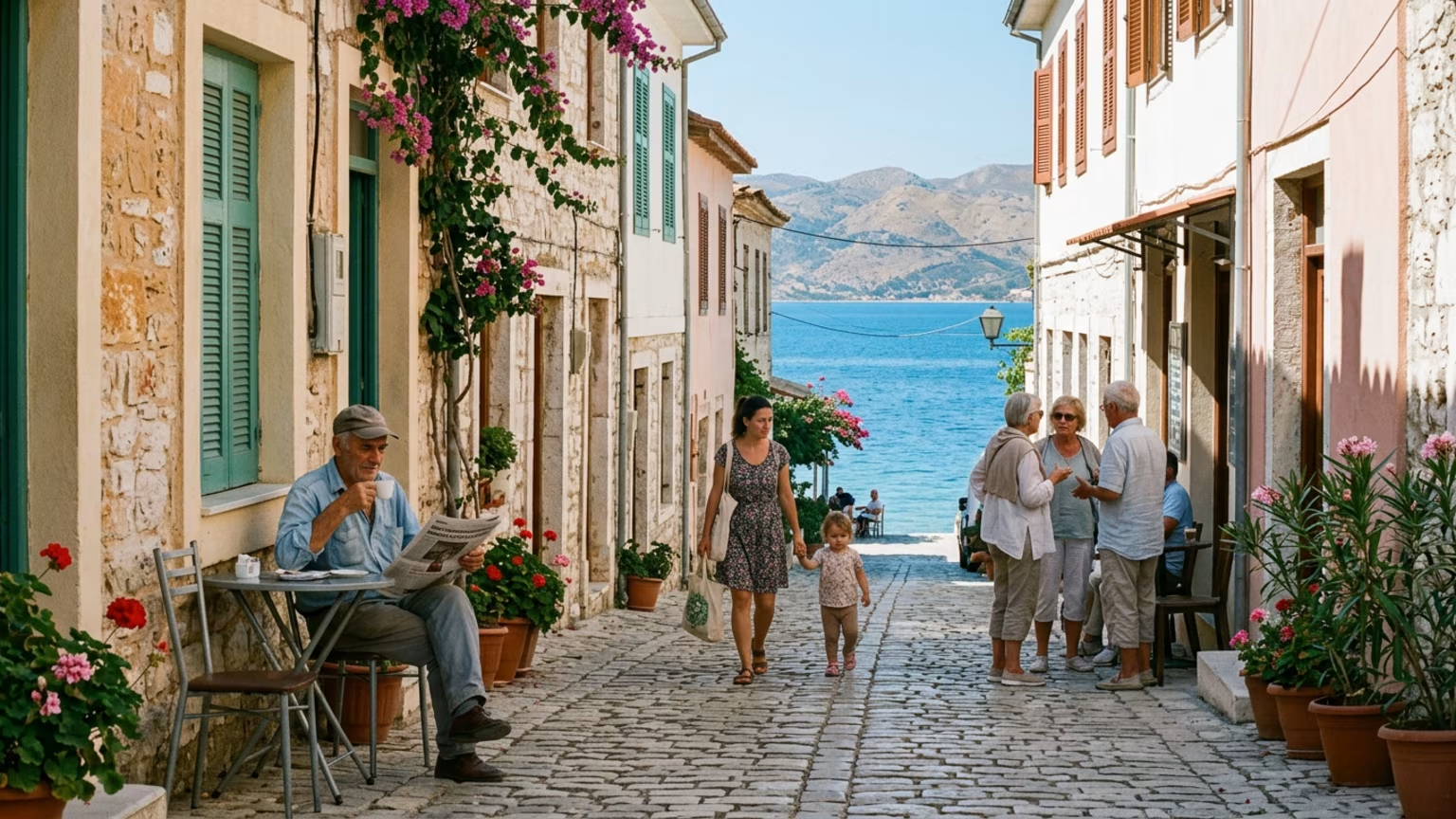
Vlorë is rapidly shifting from a summer retreat into a permanent home for remote workers. Many online representations show the city only during the crowded summer months. Those polished clips miss the quieter reality of living here in November or March. The recent video captures the true pace of the third-largest city in Albania. You see real people running errands, visiting bakeries, and walking along the redeveloped Lungomare.
This matters for anyone planning a long-term move. A city must function well when the tourists leave. Seeing the working local economy gives you a baseline for your own routine. Remote workers building a cost-effective coastal routine rely on year-round infrastructure. The footage proves that the city supports life beyond the beach.
Vlorë serves as a major port city with ferry connections to Italy. It acts as the gateway to the Albanian Riviera stretching south toward Orikum. This geographic position keeps the city active long after summer ends. The central square holds strong national importance from the 1912 declaration of independence.
These historical and economic factors maintain a steady local population all year. The Mediterranean climate allows for outdoor activities during most months. Hot summers give way to mild winters with occasional rainstorms. This weather pattern supports a strong outdoor coffee culture. Remote workers rely heavily on these sunny outdoor spaces for daily social interaction.
The footage breaks the city down into distinct zones. You can use these visuals to evaluate where you might want to rent. Each area offers a completely different daily routine.
The waterfront zone offers immediate access to the sea and the main promenade. This area appeals to people who want a premium view and daily beach walks. You will find endless rows of modern cafes and restaurants here. The trade-off involves higher rent prices and increased noise during the peak summer months.
The city center near Flag Square provides quick access to banks and local markets. This area sits further back from the water. You will experience a much more authentic local lifestyle here. The rent prices remain more stable, and the businesses stay open all year. The walk to the beach takes roughly fifteen to twenty minutes from this zone.
The mixed residential areas like Skelë sit right in the middle of the city. This neighborhood connects the center to the waterfront. You get the best of both worlds regarding price and location. The building quality varies heavily from block to block in this area. You can find modern apartments right next to older communist-era blocks.
You can actively use this video to scout your future neighborhood. The street-level perspective reveals details that a map cannot show.
These visual clues help you determine if a neighborhood supports a walking lifestyle. You want to see flat paths and easy access to fresh food markets. A neighborhood needs these basic elements to be comfortable for long-term living.
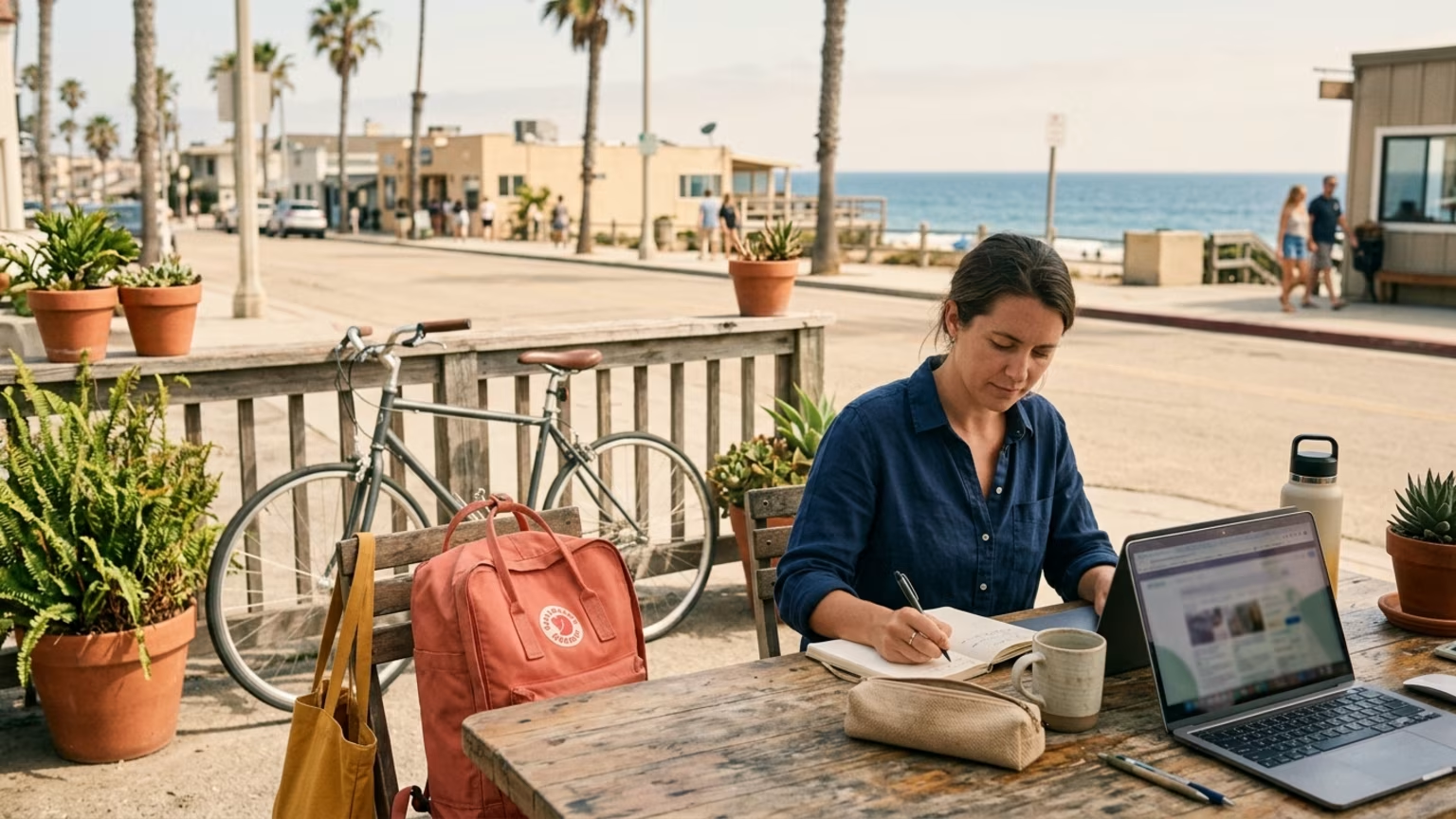
Albanian daily life is strongly tied to coffee culture. Locals spend hours in cafes meeting friends and discussing business. In Vlorë, seafront cafes provide natural light and open-air seating. This environment perfectly suits remote workers who want a change of scenery.
Working from a cafe is the default option here. Formal coworking spaces are rare compared to major European capitals. Many newer venues explicitly market fast wireless internet and ample power outlets. They position themselves as friendly spaces for laptop workers.
You should build a rotation of two or three cafes in different areas. Keep one spot on the Lungomare for scenic days. Find another place in the city center for days when you need to run errands. Locate a quiet residential cafe for focused morning work. This strategy keeps your routine fresh and helps you meet different groups of locals.
The video shows a lifestyle that feels premium but remains highly affordable. Prime waterfront locations command a different price than inland streets. Your monthly budget shifts based on which zone you choose. A one-bedroom apartment in a central area often ranges from €250 to €450 per month.
Newer builds with sea views on the Lungomare can run between €400 and €700 per month. Short-term stays during the summer completely disrupt these prices. The same apartment might rent for triple the price in July and August. You must secure a long-term lease before the summer rush begins.
Understanding the everyday realities of budgeting for expats helps you avoid these sudden price spikes. Daily expenses follow a consistent pattern throughout the city. A morning coffee at a neighborhood spot costs around €0.80 to €1.50. A simple lunch at a local eatery runs between €4 and €8.
Dinner at a mid-range restaurant near the water costs roughly €10 to €20 per person without alcohol. Buying fresh produce from local street vendors lowers your grocery bill significantly. Internet and mobile data plans remain very affordable. You can expect to pay around €15 to €20 for a reliable home fiber connection.
The video highlights the modern promenade, and daily life includes growing pains. Rapid tourism growth brings constant construction to the city skyline. You will likely hear drills and hammers from new apartment blocks during the week. The polished sidewalks of the Lungomare do not always extend into older residential blocks.
You will encounter uneven paving and missing streetlights just two streets back from the sea. Seasonality completely alters the city character. Summer brings heavy traffic, crowded beaches, and a sharp spike in short-term rental prices. Winter transforms the seafront into a quiet, sometimes windy stretch.
Some of those appealing cafes in the video will reduce their hours or close entirely from November to March. You must prepare for these shifts if you plan to stay all year. Handling these seasonal coastal cycles takes patience and planning. Language barriers add another layer of friction to daily errands.
English is common in tourist zones and among the younger population. You will need basic Albanian to interact with local market vendors and government offices. Relying purely on English limits your ability to find local deals and build real friendships. Healthcare and administrative tasks require careful attention.
The city has public hospitals and private clinics for standard medical needs. You might need to travel to Tirana for highly specialized treatments. Managing the paperwork for a residency permit often involves long waits and Albanian-language forms. Local public transport relies heavily on local buses and minibuses.
Many residents prefer walking for short trips or taking taxis for longer distances. The city continues to add bike lanes along the main coastal roads. Traffic congestion becomes a serious issue when the summer tourist season peaks. Finding a parking spot near the beach in August requires immense patience.
Travel writers often describe Vlorë as a real city on the sea rather than a seasonal resort town. Smaller villages down the coast shut down completely during the winter. Vlorë keeps its schools, hospitals, and major supermarkets fully operational. This permanence gives the city a distinct advantage for long-term living.
You get a more authentic everyday Albanian life here than in ultra-touristy spots like Sarandë. The city balances big-city practicality with immediate beach access. You can finish a morning work call and swim in the Adriatic Sea twenty minutes later. This combination mimics early-stage Portugal or Croatia before mass tourism arrived.
Integrating into a new city requires active effort beyond sitting in a seafront cafe. Taking informal language lessons with locals greatly improves your daily interactions. Even learning basic greetings changes how shop owners treat you. You should seek out hiking or fitness groups that meet along the promenade.
Joining language exchange meetups at local cafes breaks the isolation of remote work. You should walk through the non-seafront neighborhoods to see the traditional markets. These older streets reveal much more about daily life than the postcard waterfront. The local community welcomes newcomers who show genuine interest in their customs.
You can only learn so much through a screen. Book a short-term rental for one full week in your top neighborhood choice before signing a year-long lease. Walk the exact route from that apartment to your preferred grocery store and workspace. Count how many times you actually need a taxi.
This ground-level test will tell you exactly what you need to know. If you want real-time advice from people living here right now, join the community. We share honest updates about street conditions, internet speeds, and neighborhood changes. Connecting with locals saves you time and money.
Look up the location of three local bakeries on a map and see if they sit within a five-minute walk of your potential rental.
Follow Vlore Circle for fresh guides, local updates, and community notes around life in Vlorë. It is the easiest way to stay close to what we are building.
Direct flights from Bratislava connect Slovak remote workers to Vlorë. This guide details the 150 km Tirana airport transfer and practical arrival steps.

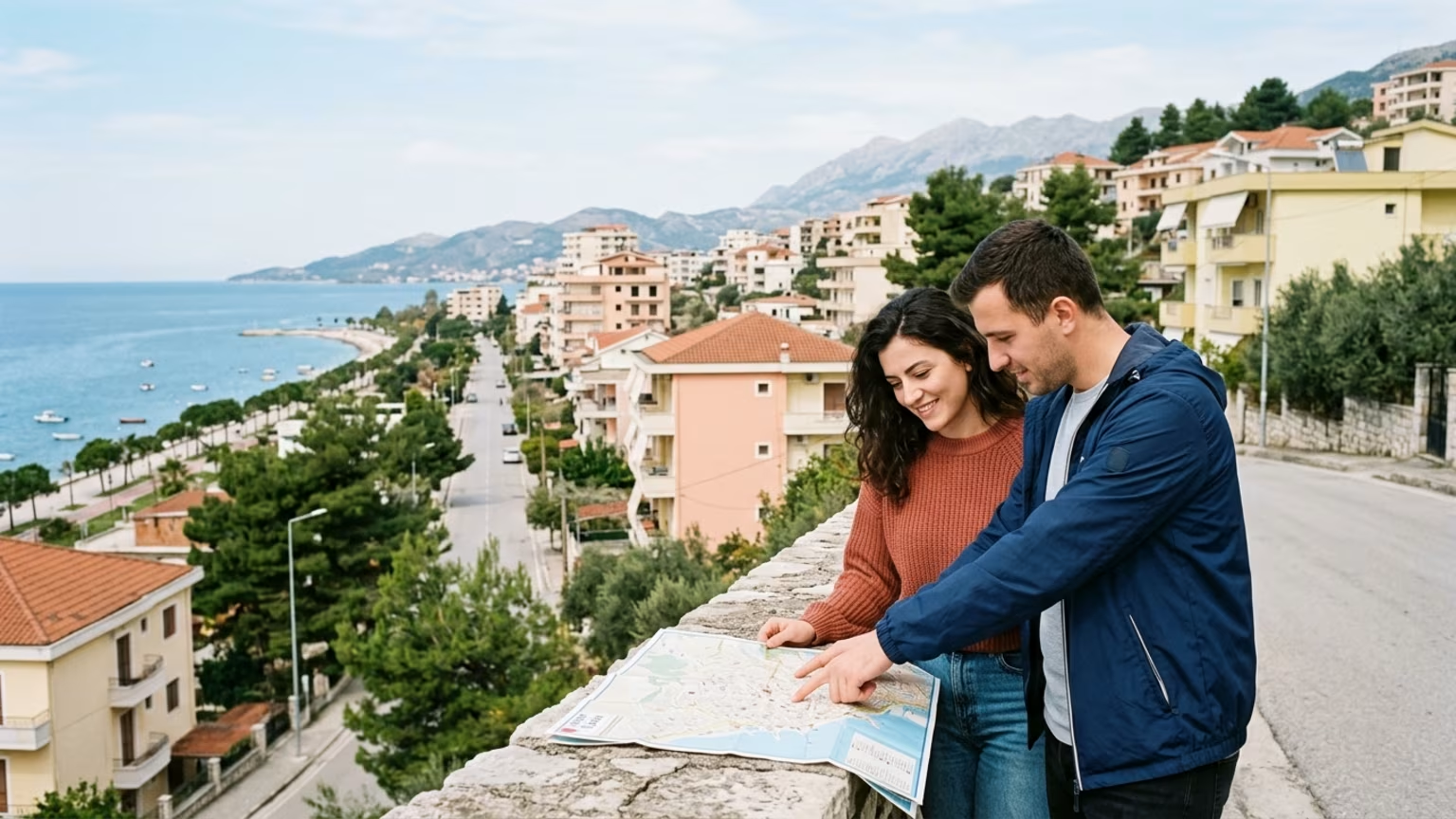
Find the right Vlorë neighborhood by prioritizing daily errands, testing seasonal routines, and weighing central walkability against quieter coastal areas.

Discover how to build your social life in Vlorë by joining the evening xhiro on the Lungomare. Get practical tips for navigating informal community rhythms.