Representative image

Learn what everyday life in Vlorë is really like. Get practical tips on living costs, seasonal changes, and setting up your routine on the Albanian Riviera.





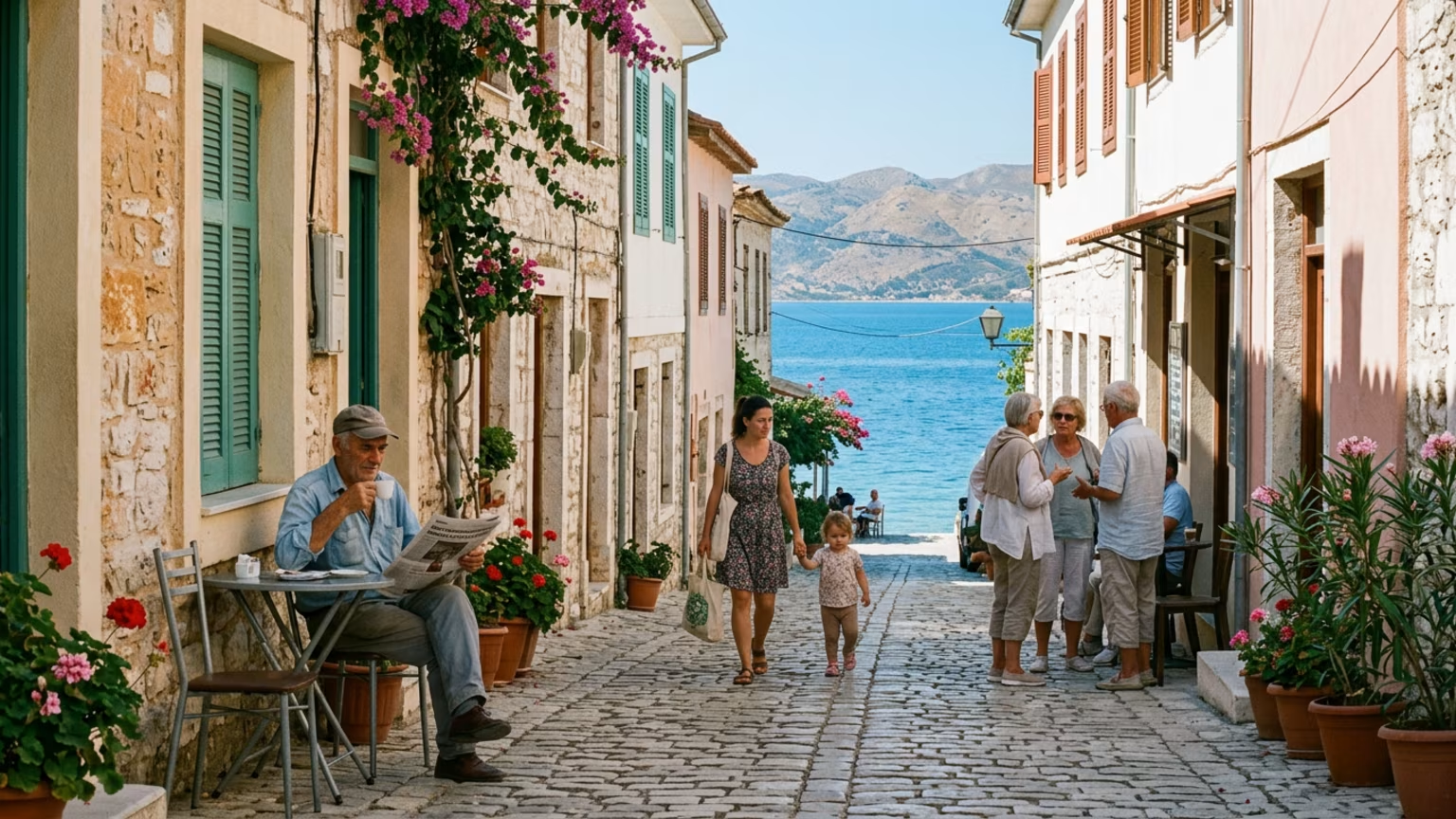
The morning sun hits the pavement of the Lungomare promenade by 7:00 a.m. Older Albanian men sit outside small cafes to sip 80-cent espressos and discuss the news. Joggers pass by the tall palm trees while the Adriatic Sea laps against the stone walls. This daily routine sets a relaxed, steady rhythm for life in Vlorë.
Daily life here offers a low-cost, Mediterranean coastal routine with highly favorable visa policies for foreigners. Remote workers and retirees can expect an affordable, comfortable lifestyle. They must adapt to a strong seasonal shift between busy, loud summers and very quiet, slow winters.
Vlorë sits right where the Adriatic and Ionian Seas meet. It acts as the primary gateway to the Albanian Riviera. The city enjoys a Mediterranean climate with over 300 days of sunshine a year. This mild weather makes outdoor living possible for most of the calendar.
Average winter temperatures in the southern coastal areas sit comfortably around 10 to 14 degrees Celsius. Short-term tourists rush down the coast for quick beach holidays. A different crowd is settling down permanently. Expats are choosing Vlorë as a longer base for work and retirement.
The rules for staying here are incredibly welcoming compared to the rest of Western Europe. Many European citizens can stay for up to 365 consecutive days without a visa. You only need a valid passport or ID card to enter. This extended timeline takes the immense pressure off the relocation process.
You can arrive, rent an apartment, and test out the lifestyle before committing to heavy paperwork. If you are planning your documentation, reading a practical guide to your paperwork and residency will save you hours of frustration.
Albania’s expected accession to the European Union between 2030 and 2032 represents a major economic shift. Living costs and real estate prices will likely rise as local standards align with the EU. Vlorë is currently in a unique value window. It is cheaper than comparable European coasts today, but it will not stay this inexpensive indefinitely.
One of the biggest draws of this coastal city is the simple math. Purchasing power here is roughly twice as high as that of a middle-class worker in France or Belgium. This is based on recent expat data comparing living costs across Europe. You can rent a sea-view apartment, eat out frequently, and still save money each month.
A single retiree can live quite comfortably on 900 to 1,100 euros per month. A couple will usually spend between 1,200 and 1,800 euros for a very high standard of living. This budget covers housing, fresh groceries, regular restaurant visits, and entertainment. It pays for local transport and basic healthcare needs.
Housing costs depend heavily on the season and the specific neighborhood you choose. A two-bedroom apartment in Vlorë typically costs between 350 and 550 euros per month for a long-term lease. Modern, newly built units facing the sea will sit at the higher end of this range. If you arrive in the peak summer months, finding these local rates is nearly impossible.
Daily expenses remain quite low if you shop at local neighborhood markets. Monthly groceries for two people run about 250 to 350 euros. You can enjoy a full restaurant meal for just 12 to 18 euros per person. This price typically includes an appetizer, a main course, local wine, and a coffee.
Utilities and connectivity are highly affordable. Electricity costs about 0.11 euros per kWh, which ranks among the lowest rates in Europe. A 200 Mb/s home fiber internet connection costs around 20 euros a month. Understanding these exact numbers helps you build a realistic monthly budget for remote work before you pack your bags.
Transport costs are another area where you can save significantly. Gasoline costs about 1.60 euros per liter. Many expats living near the coast choose not to own a car at all. Local buses and intercity minibuses remain very inexpensive. You can easily rely on a mix of walking, local buses, and occasional taxis for your daily needs.
Setting up your routine takes a little patience. The process is straightforward if you know what to expect.
First, sort out your legal entry and initial housing. Arrive using your passport, and take advantage of the generous 365-day visa-free period if your nationality qualifies. Book a short-term rental for the first few weeks so you can view long-term apartments in person.
Second, handle your local government registration. You will need to obtain a tax identification number, known locally as a NIPT. This administrative processing usually takes only a few days. You need a NIPT to work locally, sign formal housing contracts, and open a business.
Third, establish your local banking setup. You can open a bank account in lek or euros using your passport, proof of address, and your new NIPT. Bank experiences can vary wildly between branches and cities. It helps to ask local expats which specific branch has English-speaking staff.
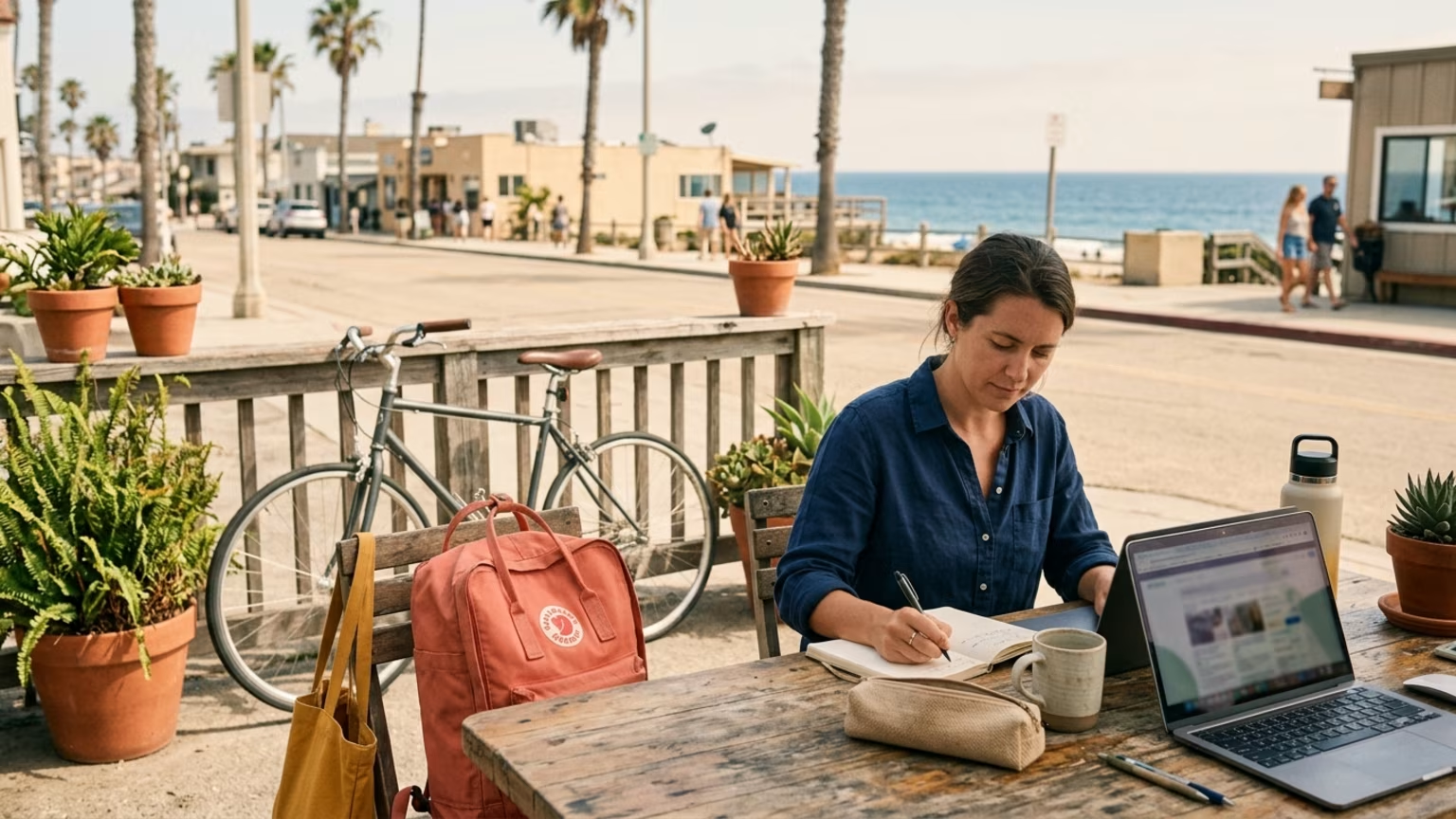
Fourth, set up your remote workspace. If you work online, you will rely on the 20 euros per month fiber internet at home. You can pick up an unlimited 4G mobile plan for roughly 8 euros a month as a reliable backup. Many remote workers spend their mornings working from cafes along the promenade before heading home for afternoon meetings.
Life on the Albanian Riviera is not an endless vacation. The city operates on a very intense, dramatic seasonal cycle. July and August bring dense crowds, heavy traffic, and loud nightlife to the main coastal roads. Rents spike, and finding a quiet cafe to take a Zoom call becomes incredibly difficult.
The winter months are extremely quiet. Many sea-facing businesses reduce their hours or close their doors entirely by November. If you want to understand this shifting rhythm, reading up on how to thrive during coastal seasonal shifts is highly recommended.
Infrastructure is another practical reality you must accept. Internet connectivity is generally excellent. Older buildings sometimes face water interruptions. Occasional power cuts still happen, especially during heavy winter rainstorms.
Construction quality varies widely across the city. A new building might look spectacular on the outside but lack proper soundproofing or internal heating. Higher floors with beautiful sea views catch the brunt of the winter wind. They can be quite cold from December to February without good air conditioning units.
Safety is a major positive point that balances out the infrastructure quirks. Albania was removed from the FATF grey list in 2023, showing progress in financial transparency. Violent crime is very low on a street level, and the city maintains a noticeable police presence in tourist zones during the summer. Many expats report feeling safer walking along the promenade at night than they do in major Western European capitals.
You will encounter a persistent language barrier for complex daily tasks. English is widely spoken among younger Albanians and in tourist-facing restaurants. Visits to the post office, small neighborhood clinics, and meetings with older landlords usually require basic Albanian. Having a local friend to translate makes a massive difference.
Where you choose to live dictates your entire daily experience in the city. The Lungomare area offers immediate access to the sea, modern cafes, and paved walking paths. It is ideal for morning runs and watching the sunset. It catches the loudest summer traffic and the strongest winter storms.
Moving slightly inland toward the historical center provides a completely different vibe. You trade the direct sea view for cheaper rent and a much more authentic daily routine. You are closer to local green markets, hardware stores, and traditional bakeries. It feels less transient and much more grounded.
If you look further south toward Uji i Ftohtë, you will find quieter, rocky beaches and newer high-rise developments. Property prices for new construction here currently run between 1,800 and 2,800 euros per square meter. These purchase prices are roughly 60 percent lower than similar coastal properties in Italy or Spain. This makes the southern edge highly attractive for retirees looking to buy an apartment.
The rapid pace of real estate development in Vlorë can be overwhelming for a newcomer. New residential towers go up fast. A perfect, unobstructed sea view today might be completely blocked by a new construction project tomorrow.
My biggest piece of advice is to always start with a short-term rental for three to six months. Do not rush into a property purchase or a multi-year lease during your first week.
Experience the city in both the busy summer peak and the quiet winter lull. Check the water pressure in your specific building, test the internet speed yourself, and ask your direct neighbors about power cuts. Wait until you know exactly how the neighborhood changes across the seasons.
If you want to connect with people who have already navigated these exact steps, join the community to share advice and find trusted local contacts. Building a social network makes the entire transition much smoother.
Vlorë offers a lifestyle that balances coastal beauty with very practical living costs. It requires some patience with local bureaucracy, construction noise, and seasonal shifts. For those willing to adjust to the local pace, the Albanian Riviera provides a fantastic, low-stress quality of life. See you on the promenade.
Follow Vlore Circle for fresh guides, local updates, and community notes around life in Vlorë. It is the easiest way to stay close to what we are building.

Learn how to inspect an apartment in Vlorë for year-round living. Find practical tips on verifying lease dates, winter heating, utilities, and internet setup.


CNA reports IGJEUM's forecast of intense rainfall and thunderstorms for Vlora on October 10 and 11, warning of potential urban flooding tied to drainage grids.
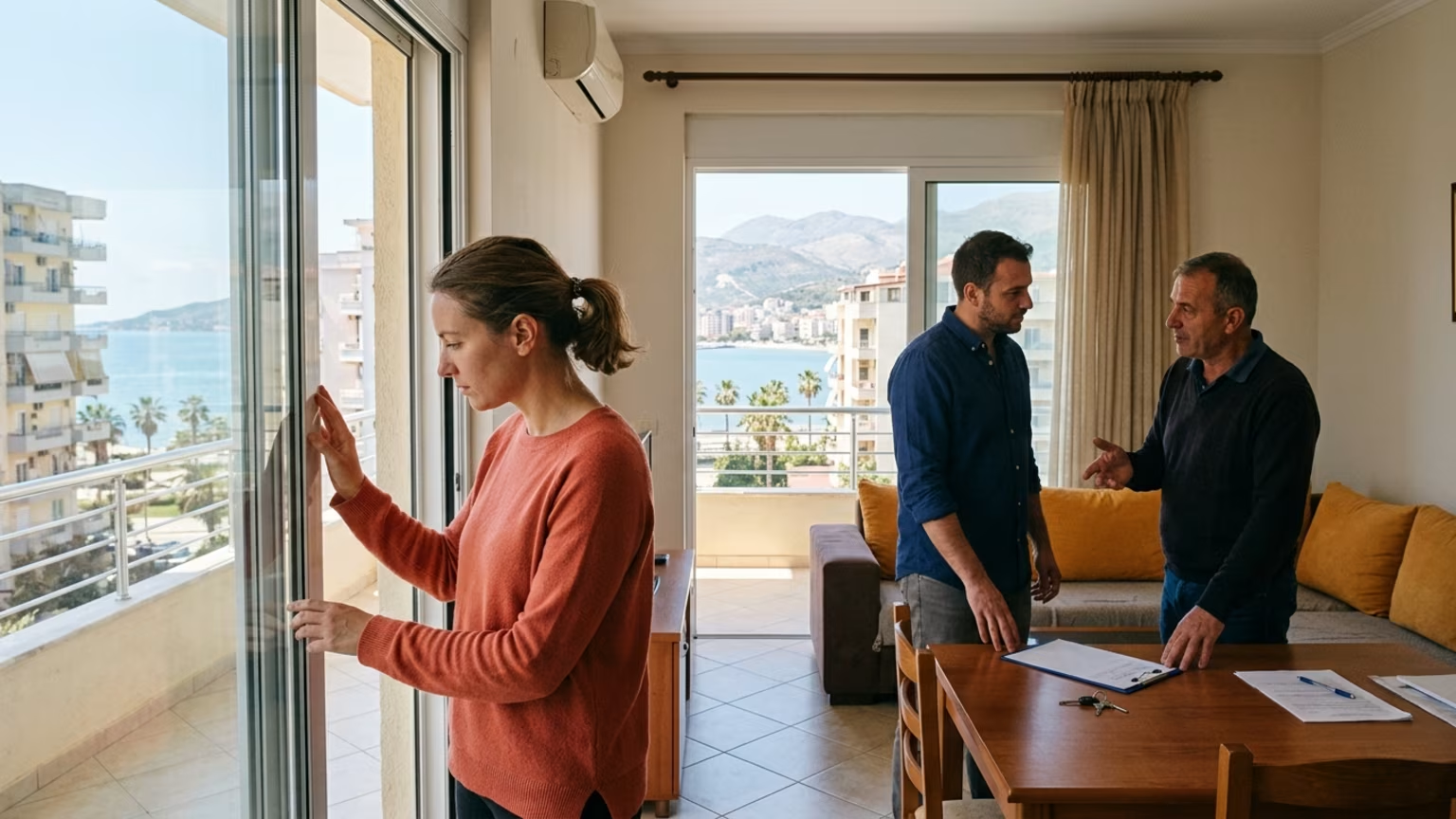
Learn how to assess a Vlorë apartment for true year-round availability. We cover what to check regarding summer leases, utility costs, and contract details.