Representative image

Learn how to manage public transport in Vlorë. A recent digital nomad vlog exposes the realities of buses, cash payments, and daily logistics for newcomers.





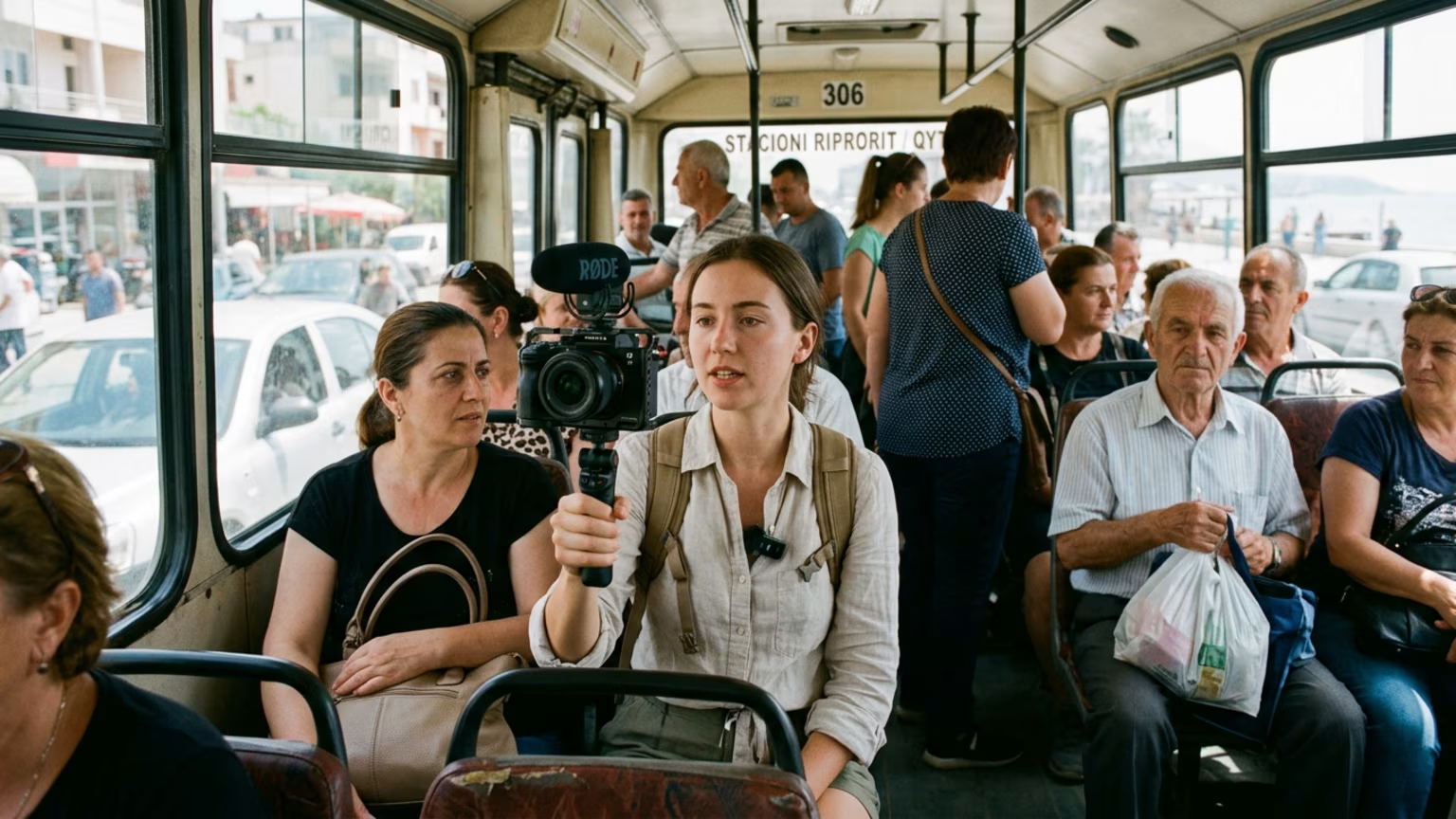
Sarah stood at the unmarked intersection near the Independence Monument with her laptop bag. She checked her phone for a bus schedule that did not exist. The midday sun beat down on the pavement. A white minibus finally rolled up with a hand-painted sign in the window.
Public transport in Vlorë relies on a network of very affordable city buses and informal minibuses called furgons. A recent digital nomad vlog correctly points out that living here requires trading digital predictability for cheap cash-based rides.
Vlorë is Albania's third-largest city and a major coastal hub. The city stretches along a massive bay. You are either heading north toward the old town or south toward the rocky beaches. This simple geography makes the routes easy to understand after a few days. Getting around town changes drastically between the quiet winter months and the packed summer season.
Seasonal traffic along the main coastal roads puts heavy pressure on the local network. The quick ride to the beach in April might take three times longer in July. New arrivals often struggle with logistics until they learn the unwritten rules of the city. A popular vlog about the real side of Albania hit a nerve with many remote workers.
It showed newcomers that operational living is very different from a brief vacation. Learning the routes is a big part of getting around Vlorë efficiently. The challenge is not getting lost. The challenge is managing your time effectively.
Many remote workers arrive expecting perfectly mapped transit apps and digital payment terminals. Social media paints a picture of endless sunny walks and instant rides to the Albanian Riviera. The reality of daily mobility looks much more analog. According to World Bank transport assessments, Albania lacks the integrated urban mobility systems common in Western Europe.
You will wait at stops without posted timetables. You must carry physical cash to pay the conductor directly. Buses are frequent during peak hours but can become unpredictable on weekends. Social media influencers edit out the thirty minutes spent waiting in the sun for a delayed furgon.
They omit the confusion of trying to communicate stops to a driver without speaking Albanian. Your daily commute might involve walking around poorly parked cars and dodging street dogs. This friction is normal for long-term residents. You simply adjust your expectations and slow down your pace.
You trade the high costs of European capitals for a transport system that demands patience and local knowledge. This contrast is a common theme when comparing a week in the life of a Vlorë expat to standard tourism marketing. A short holiday feels effortless when you just take taxis everywhere. Living locally means figuring out where the fresh produce markets are and carrying those bags onto a crowded bus.
The true cost of this cheap transit is the extra time it takes out of your workday. Remote workers must plan their meetings around these unpredictable travel times.
Moving from your apartment to the city center takes a specific routine. The digital nomad vlog highlighted the exact steps required to ride the bus successfully. Step one is finding the actual stop. Bus stops are often marked by small signs, simple shelters, or a gathering of waiting locals.
Step two involves confirming the route with the driver before you board. The destination is usually written on a piece of paper on the dashboard. Do not be afraid to just say the name of your neighborhood with a questioning tone. The driver will nod or point you in the right direction.
Step three requires taking a seat and waiting for the conductor to approach you. You do not pay the driver directly upon entering. The conductor will walk down the aisle with a stack of tickets and a pouch of coins.
Step four is handing over your coins and receiving a small paper ticket. Keep this ticket until you exit the bus. Sometimes transit inspectors board the bus to check these paper slips.
Step five is knowing when to get off the bus. There are no automated voice announcements telling you the next stop. You must pay attention to landmarks or track your location on a map app. When you see your stop approaching, stand up and move toward the doors.
The minor inconveniences of the transit system are offset by the extremely low prices. Broad European travel guidance identifies Albania as a highly affordable destination for everyday travel. Industry research from Expatriate Group notes that public transport in lower-cost destinations rarely exceeds one British pound per trip.
City bus rides in Vlorë typically cost around 100 to 150 Albanian Lek. This translates to roughly one Euro or less per trip. A ride from the city center to the end of the Lungomare promenade sits right in this price range. Furgons traveling to nearby coastal towns like Radhimë might cost 200 to 300 Lek.
Taxis offer a faster alternative and charge around 500 to 700 Lek for a quick trip across town. You can maintain a very low monthly travel budget if you rely on the local bus network. Taking a taxi every single day will quickly drain your wallet.
Understanding these basic prices helps when planning your realistic budget breakdown. Many expats choose a mix of walking for daily tasks and taking taxis for longer evening trips. This hybrid approach keeps costs low and provides comfort after a long workday.
Daily logistics for remote workers often go beyond the city limits. You will eventually need to travel to Tirana for airport access or administrative tasks. Intercity buses depart from specific gathering points rather than a massive central station. These coaches are larger and more comfortable than the local furgons.
The trip to Tirana takes around two and a half to three hours. The highway infrastructure has improved significantly over the last few years. The World Bank notes that Albania continues to upgrade its regional road networks to handle increased traffic.
You can usually secure a seat on a Tirana-bound bus by simply showing up early in the morning. Buying tickets in advance online is rarely an option. You pay the driver or conductor in cash just like on the local city routes. This cash requirement is a common surprise for newly arrived remote workers.
Daily logistics involve much more than just riding the bus. As a newcomer, you must figure out how to transport your weekly groceries back to your apartment. Most large supermarkets are located along the main boulevards or near the city center. Smaller neighborhood markets offer fresh produce but carry a limited selection of household goods.
Walking to the store is easy, but walking back with heavy bags is a different story. Many expats learn to do smaller shopping trips every two days instead of one massive weekly haul. This strategy fits perfectly with the European lifestyle and keeps your food fresh.
Paying utility bills requires some local knowledge as well. You often need to visit specific payment offices or post offices in person. Some modern banks and phone providers have updated their systems, but physical locations remain common. This means you will use the local bus network to reach these administrative offices near the center.
Handling these small daily tasks builds your confidence in the city. You slowly transition from feeling like a lost tourist to functioning as a capable resident. It takes time, but mastering these errands is incredibly rewarding.
Where you rent an apartment dictates your entire transportation strategy. The vlog correctly notes that living without a car is entirely possible in certain areas. If you live near the main Lungomare promenade, you can walk to most cafes and supermarkets. The main city bus runs straight down the coastal road with frequent stops.
The older city center near the Muradie Mosque offers excellent walkability for daily errands. You are very close to the main furgon departure points for intercity travel. Many locals prefer this area for its access to fresh food markets and hardware stores. The flat terrain makes carrying groceries much more manageable.
The neighborhood of Cold Water offers beautiful views and quieter streets. This beauty comes at the cost of being far removed from central markets. You will rely heavily on furgons passing by the main road. If you stay out late, you might find that evening transport options dry up completely.
If you rent a villa up in the hills, your logistics become much harder. The steep roads mean you will likely need a scooter or a reliable taxi contact. Walking up those hills with heavy grocery bags is a massive physical challenge. For those setting up a long-term base, integrating into a well-connected neighborhood makes life much easier. Join the community to ask current residents which streets offer the best transit access.
For many remote workers, the best transport strategy is simply using your own two feet. Vlorë features wide sidewalks along the main Lungomare promenade that are perfect for walking. The city center has seen recent pedestrian upgrades that make strolling safe and enjoyable. You can bypass the unpredictability of buses completely if you live centrally.
Walking allows you to spot new bakeries, local cafes, and hardware stores. You start to recognize the familiar faces of shop owners along your daily route. This slow pace forces you to engage with the city on a human level. The health benefits of daily walking offset the sedentary nature of remote work.
The best piece of advice for Vlorë is to keep a dedicated coin pouch. Breaking a large 2000 Lek note on a tiny city bus creates immediate stress for the conductor. Always save your 50 and 100 Lek coins from grocery trips specifically for transport. The drivers will appreciate your exact change.
You will save yourself the awkwardness of holding up the entire bus. Carrying small change is a daily habit of experienced locals. It speeds up the boarding process and keeps the bus moving on schedule.
Your immediate next step is to walk to the nearest main road, find the local bus stop, and take a round trip to the city center just to practice the route.
Follow Vlore Circle for fresh guides, local updates, and community notes around life in Vlorë. It is the easiest way to stay close to what we are building.

A candid look at the daily realities of moving to Vlorë, Albania. Learn about true living costs, neighborhood noise levels, and seasonal shifts.

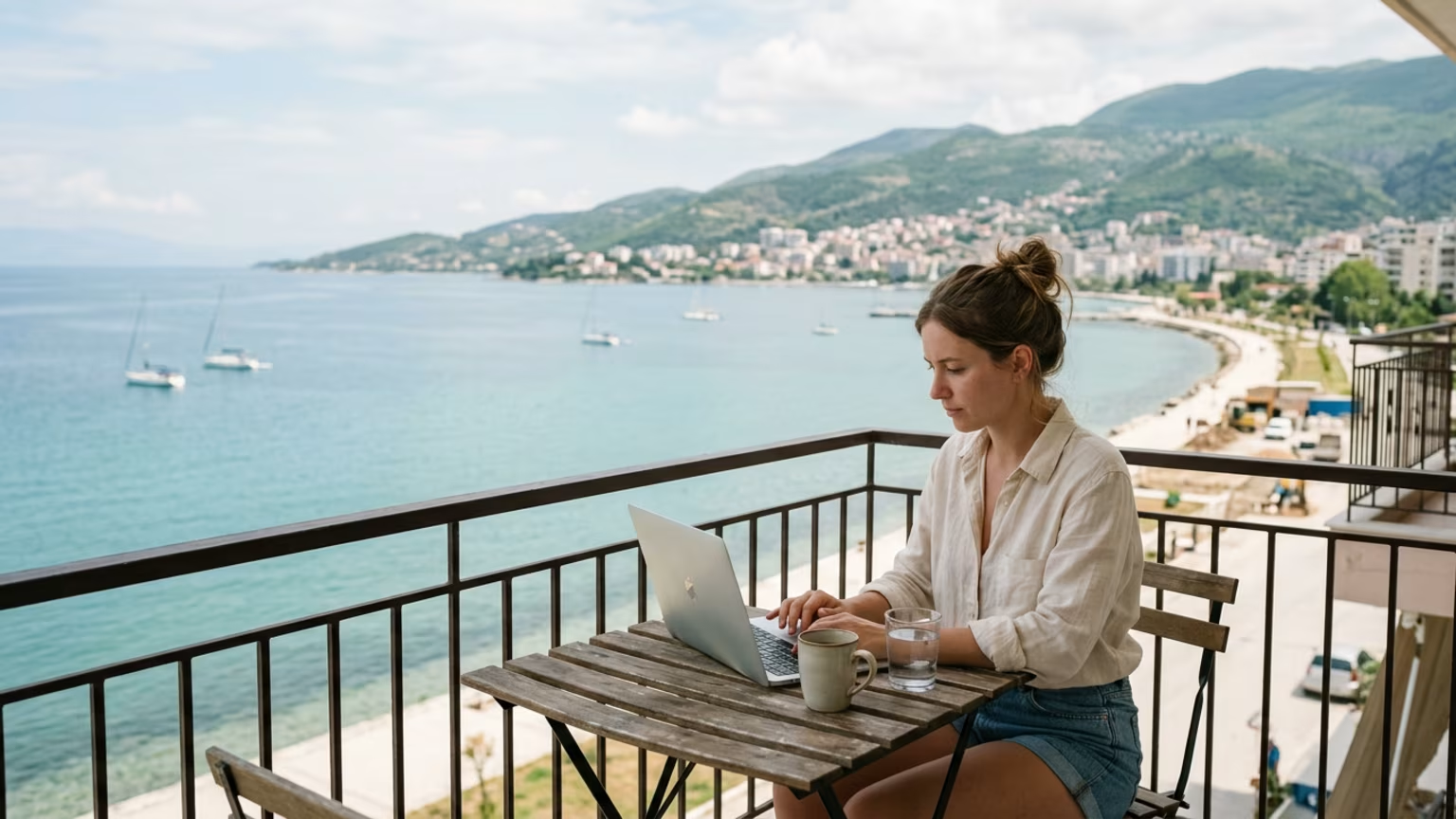
Understand what makes remote workers and retirees choose Vlorë over crowded Adriatic hubs. Get the real facts on rent, neighborhoods, and practical local living.
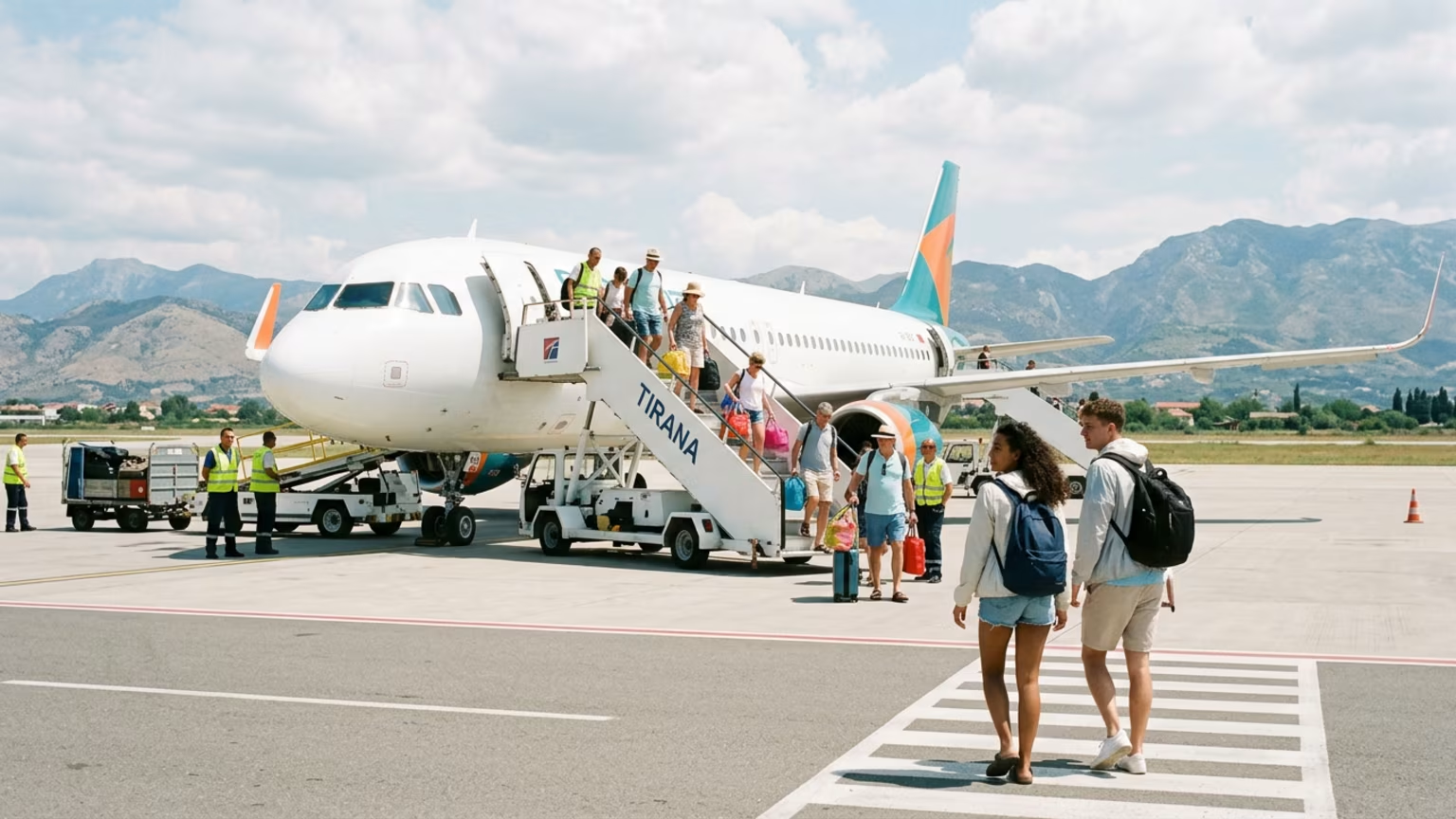
Find out how new budget summer flights to Tirana help remote workers easily relocate to coastal cities like Vlorë for affordable long-term stays.