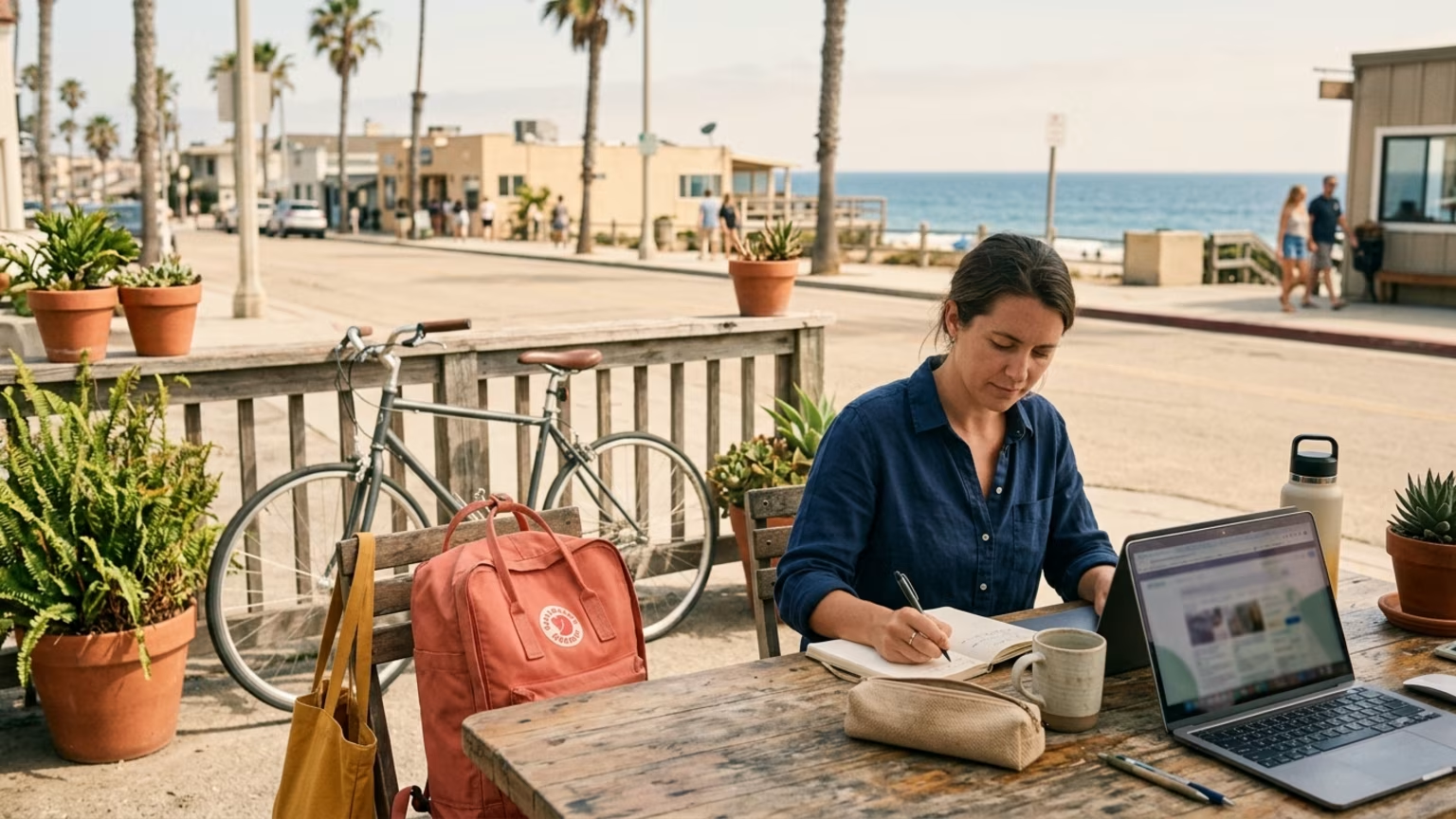
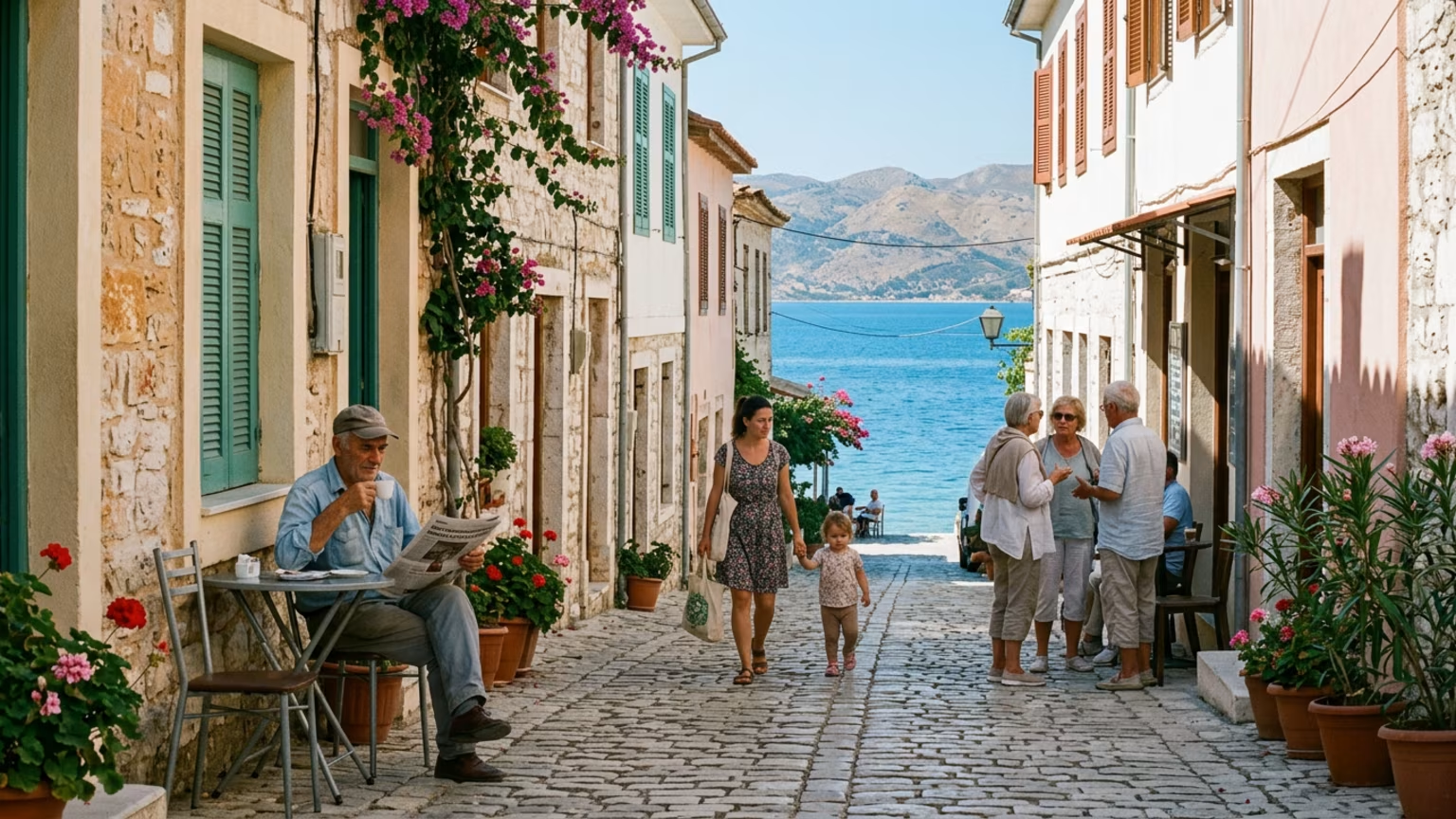
Representative image

An analysis of Albania's 2026 summer tourism data reveals how longer seasons, shorter stays, and changing spending habits impact daily routines in Vlore.





On September 19, 2026, Albanian news outlet CNA reported that the summer tourism season ended with higher foreign visitor flows in July and August, and tour operators expect activity to extend into the first ten days of October. This shift confirms what many long term residents have observed over the past few months. Albania is drawing heavy international attention right now. RTSH shared data from the Bank of Albania and INSTAT showing that foreign visitors spent 2.38 billion euros in the country during the first six months of 2026.
This marks a 13.4 percent increase from the exact same period a year earlier. Average spending per foreign visitor reached approximately 470 euros, compared to 440 euros previously. Local business operators report a more complicated reality beneath these massive numbers. The rising arrival counts do not automatically translate into evenly distributed wealth for coastal communities.
Tourists are changing how they book, where they sleep, and what they buy. For those of us living on the coast year round, understanding these specific shifts helps us manage daily life. The headline numbers look great for national records, but they create new practical realities for neighborhood living. Vlore is adapting to these massive economic waves right in front of us.
This ongoing transformation directly impacts long term expats, remote workers, and retirees trying to build permanent routines in Vlore. If you are signing a one year apartment lease, looking for quiet cafes with fast internet, or attempting to navigate local traffic, these economic shifts dictate your reality. The extension of the peak season into early October changes everything from your rental negotiations to your daily grocery runs. You have to share space with a changing demographic of international visitors.
Short term vacationers and weekend visitors can largely ignore the structural side of this update. If you are only dropping into town for a few days to swim in the Ionian Sea, you just pay the current market rate and go home. You do not have to worry about how construction cranes or staffing shortages affect the neighborhood long term. Our focus remains on the residents who stay after the beach umbrellas are put away.
For this resident group, understanding the evolving dynamics of the shoulder season is incredibly useful. This knowledge helps you plan a stress free life in the city. You can make better choices about where to rent and how to structure your work week. Evaluating Albania's coastal towns as the new base for remote workers requires looking past the summer hype and focusing on these functional details.
Let us look at the bare numbers driving the changes on our streets. INSTAT data reported by Gazeta Express revealed that accommodation establishments hosted 816,563 total visitors in July 2026. This included 622,660 foreign visitors and 193,903 domestic visitors. Overall visitor counts increased 15.2 percent year over year.
Foreign visitor numbers jumped 18.3 percent, and domestic visitors rose by 6.4 percent. Overnight stays climbed by 14 percent across the board in July 2026, with foreign tourist overnight stays jumping 17.3 percent. Hotel room occupancy hit 55.3 percent, which is a 2.4 percentage point increase from July 2025. This volume of people places massive stress on the local infrastructure around Vlore.
When overnight stays climb by 14 percent, the pressure on waste management, water pressure, and parking spaces increases dramatically. Coastal living during these peak months requires adjusting your schedule to avoid peak movement periods entirely. You cannot run simple errands at noon without hitting gridlock.
The CNA report specifically noted that the southern coastal areas bear a heavier burden than northern cities like Durres. Tourism representatives pointed out that heavy traffic, ongoing construction sites, and active cranes remain a continuing problem in coastal areas. If you live near the Lungomare or in popular southern neighborhoods, this congestion slows down every simple errand. You have to plan ahead just to buy fresh produce or meet friends across town.
The way visitors spend their money is fundamentally shifting, and that alters the local business landscape. Elvis Kotherja of Elite Travel Group noted that foreigners are booking later and staying for shorter periods. Late bookings are especially visible from Western markets like Germany and the Czech Republic, and French tourists tend to book earlier. The Albanian Tourist Union identified Poland and the Czech Republic as the strongest organized tourism markets right now.
Visitors are clearly redirecting their travel budgets toward specific activities. Kotherja stated that foreigners are spending more on experiences and much less on restaurant food. Tourists are increasingly using Booking listings, Airbnb rentals, apartments, and private houses instead of traditional hotels. By buying food from local supermarkets and preparing it themselves, they change the flow of money in the city.
When visitors avoid dining out in favor of cooking at their rentals, the local economy feels the shift immediately. Traditional seaside restaurants might reduce their operating hours or cut staff if dining room demand falls below expectations. This creates a ripple effect for expats who rely on those same restaurants for daily socializing or business meetings. You have to verify operating hours constantly.
Rrahman Kasa, head of the Albanian Tourist Union, estimated that 60 percent or more of visitors fall into the low cost category. For expats, this means grocery stores may be busier than expected, and local restaurants might struggle with unpredictable crowds. Rrahman Kasa offered a more moderate interpretation on pricing, saying price increases had been relatively acceptable in the context of rising costs. He distinguished those general increases from individual cases of excessive pricing.
This shifting landscape directly impacts Albania's coastal cities replacing overpriced Mediterranean hubs as a long term residential option. You can no longer assume that a busy tourist street means every nearby business is thriving financially. The money moves differently now. Local shops must adapt rapidly to survive these changing consumer preferences.
The massive influx of visitors has exposed serious gaps in local service quality. Kasa mentioned that services were disappointing some foreign visitors, which negatively impacts reviews on travel platforms. Kotherja agreed that service levels weakened during the season. He linked this drop to businesses attempting to control their operational costs through staffing cuts or lower product quality.
For someone trying to work remotely from a local cafe, this translates into dropped internet connections, slow coffee service, and frequent staff turnover. The local labor market is under immense pressure right now. The shortage of qualified staff is a major hurdle for the hospitality sector. Remote workers who rely on steady, predictable environments must navigate these inconsistencies daily.
A reliable local network becomes your best asset when digital infrastructure fails. When cafes drop offline, knowing which nearby hotels have backup generators or fiber connections saves your workday. This service unpredictability is exactly why many newcomers struggle during their first coastal summer. You must build a flexible routine that does not collapse when one business closes its doors.
You cannot assume that your favorite quiet workspace will maintain its standards when the management is struggling to retain skilled employees. Finding a solid routine requires flexibility and patience as businesses adjust to these economic realities. Kotherja argued that tourism businesses needed to become more digital to solve some of these issues. He noted that some managers still viewed technology as a burden rather than a productivity tool.
If you are evaluating whether Vlore is the right place to move year round, you must factor in these service fluctuations. Technology gaps make simple tasks like reserving a table or paying a bill much harder than they should be. Residents need to build a roster of dependable venues to avoid constant frustration. Having backup plans for workspace and dining is the only way to manage the unpredictability.
Residents should take the following actions right now to adjust to the evolving coastal season and protect their daily routines:
Contracts for organized tourism in 2027 have already closed with approximately 10 percent growth in both volume and price, signaling that coastal infrastructure and local services will face even greater demands next season.
Adapting your daily routine to handle an extended tourist season is a critical priority for coastal residents, and Vlore Circle provides the accurate neighborhood insights you need to settle comfortably. We address the challenge of navigating Albanian bureaucracy for residency so you can finalize your long-term plans without endless paperwork delays. By hosting Community Meetups, we facilitate in person social events and networking to build real life connections.
Follow Vlore Circle for fresh guides, local updates, and community notes around life in Vlorë. It is the easiest way to stay close to what we are building.
Direct flights from Bratislava connect Slovak remote workers to Vlorë. This guide details the 150 km Tirana airport transfer and practical arrival steps.

Find the right Vlorë neighborhood by prioritizing daily errands, testing seasonal routines, and weighing central walkability against quieter coastal areas.

Discover how to build your social life in Vlorë by joining the evening xhiro on the Lungomare. Get practical tips for navigating informal community rhythms.