Representative image

Master your move to Vlorë with this guide on visas, residency, and local paperwork. Learn step-by-step processes, costs, and tips to avoid common delays.





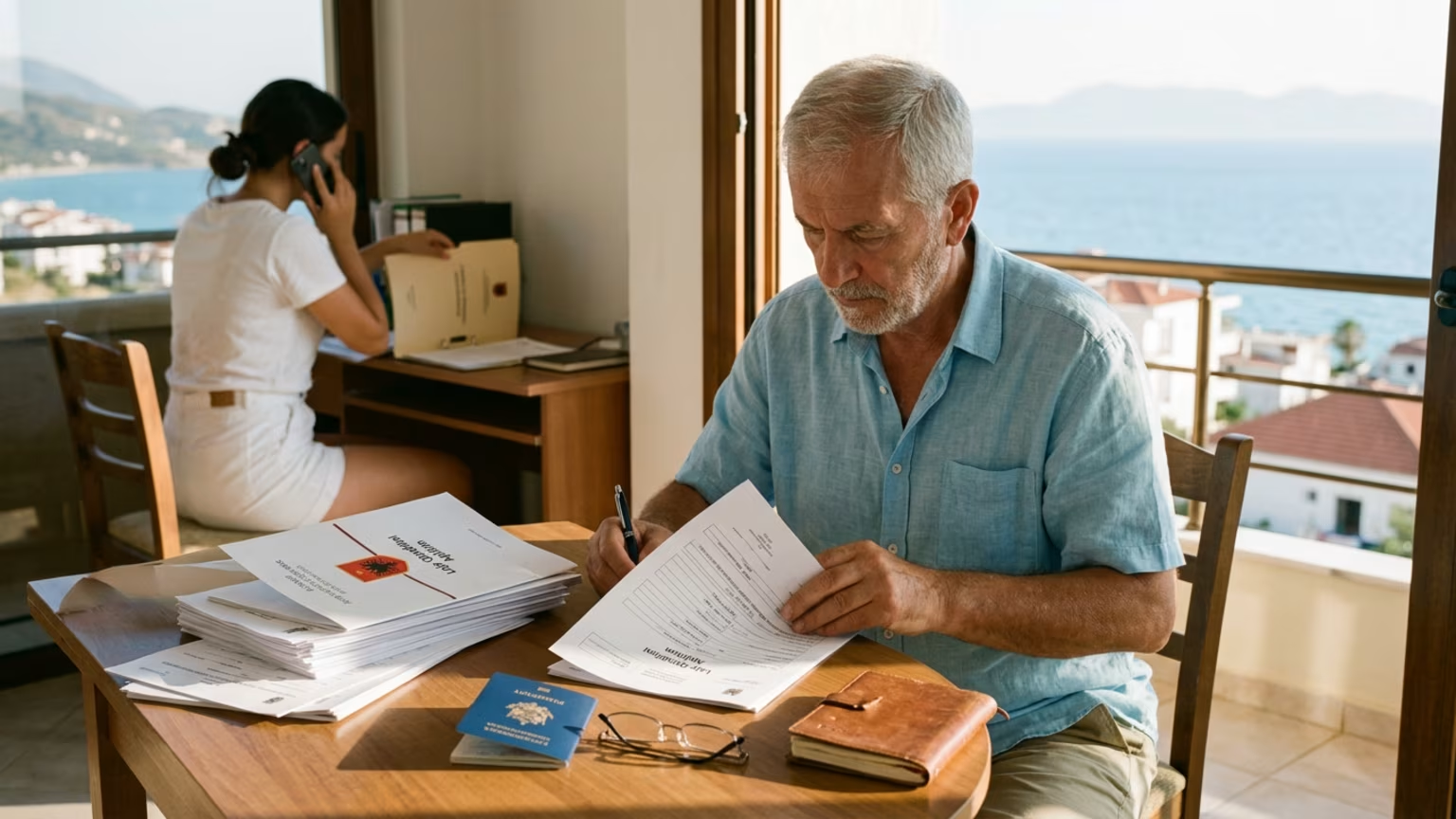
You are sitting at a small table outside a cafe near the Vlorë municipality building. Your coffee is getting cold as you wait. You hold a thick stack of stamped papers from your home country. A local official just told you that you need one more translation before your application can proceed.
Securing legal residency in Albania requires applying for a Type D long-stay visa and then registering at the local Vlorë police station. You must gather criminal background checks and proof of income from your home country before arriving.
Many expats fall into the trap of confusing visa-free entry with actual legal residency. US and EU citizens can enter Albania for up to one year without a visa. This creates a false sense of security for people settling near the beach. Living in the city long-term requires formal registration.
Without a proper residency card, local banks will refuse to open an account for you. This forces you to rely on expensive ATM withdrawals for your daily expenses. You will face roadblocks when trying to register for public healthcare. Sorting this out early gives you peace of mind.
Regional offices in Vlorë operate differently than the main headquarters in Tirana. The coastal pace of life translates directly to the government desks. Paperwork moves slowly here. Local officials highly value proper physical documentation with certified translations. Arriving with a clear understanding of legal pathways for moving to Vlorë sets you up for a calm transition.
The path to legal residency follows a predictable pattern if you know the rules. You must handle several tasks before you even pack your bags.
Step 1: Plan your timeline based on your passport. US and EU citizens enjoy generous visa-free entry allowances. This extra time lets you arrive as a tourist and get comfortable first. Citizens of other nations must secure a visa before boarding their flight.
Step 2: Gather your background checks. Request a criminal record clearance from your home country. This document takes time to process. You must get it apostilled for international use.
An apostille is a special international certification. Your local notary back home cannot provide this stamp. You often have to mail your background check to a federal or state office. Do this at least eight weeks before your flight.
Step 3: Secure your financial proof. The immigration office wants to see that you can support yourself. You should prepare six months of bank statements. Highlight your average balance to make the reviewer's job easier. A monthly income of 1,000 Euros is a safe baseline for single applicants.
Step 4: Sign a formal rental agreement. Finding a great apartment is just the first part of the housing puzzle. Many local landlords operate informally to save money on taxes. You must insist on a notarized rental contract. The local police will reject your residency application without proof of legal accommodation.
Step 5: File your paperwork locally. Take your translated documents and rental contract to the Vlorë local police station. You will submit your biometric data and pay the final processing fees. The officials will give you a temporary receipt during the waiting period. Many newcomers join the community at this stage to ask questions about current processing times.
Step 6: Purchase local health insurance. The Albanian government requires you to carry active health insurance for your application. A standard one-year policy from a local Albanian provider costs between 50 and 100 Euros. Keep the original printed policy document safe in your application folder.
Your passport determines your exact path through the Albanian legal system. EU citizens face a much simpler process than third-country nationals. Citizens of the European Union apply for an EU registration certificate instead of a Type D visa.
This registration usually takes just one or two weeks to complete. EU citizens benefit from various social security agreements. This makes transferring pensions or proving healthcare coverage much easier. The paperwork burden is significantly lower.
Remote workers from outside the EU face a slightly different environment. Albania has recognized remote work income in its tax framework since 2022. Many digital professionals apply for residency using their overseas employment contracts. According to guidelines from the Albanian government portal, remote workers must provide clear proof that their income originates outside of Albania. You should expect the police to scrutinize your bank statements closely.
Your residency card unlocks the basic functions of modern life in Albania. You cannot sign a contract with the local internet provider without one. This forces unregistered expats to rely on mobile data hotspots for their remote work. Securing your legal status solves this frustrating problem immediately.
A local bank account becomes your top financial priority once your residency is approved. Local banks require your official residency card and a notarized lease agreement. They charge small monthly maintenance fees of around two to five Euros. You will save hundreds of Euros by avoiding international ATM withdrawal charges.
Setting up your legal life in Albania carries exact fees. Budgeting for these costs early prevents unpleasant surprises at the notary office. Preparing your wallet is just as critical as preparing your folder.
The official government fee for a Type D visa ranges from 5,000 to 10,000 ALL. This equals roughly 42 to 85 Euros. The actual visa fee is just the starting point.
Document translation is your biggest recurring expense. Every foreign document needs an official translation by a certified Albanian translator. This service costs between 30 and 50 Euros per document. A typical application requires three to five translated documents.
Notary fees add up quickly during your first month. You have to pay a notary to certify your rental contract. You pay them to verify copies of your passport and bank statements too. Set aside at least 100 Euros just for miscellaneous notary trips. Exploring cost-saving hacks can help you manage these initial expenses.
Legal assistance offers peace of mind. Hiring a local immigration lawyer for a basic consultation costs up to 50 Euros. Full handling of your residency application ranges from 150 to 300 Euros. A complete relocation package runs between 400 and 800 Euros.
Scrolling through photos of the Albanian Riviera sets a certain expectation. You imagine typing on your laptop by the beach with zero stress. The administrative reality feels very different. Processing a residency permit takes between 60 and 90 days.
Optimistic estimates of 30 days rarely happen outside of Tirana. Sometimes the wait stretches past 120 days. Albania is working hard to modernize its immigration system. The reality on the ground still involves physical folders and wet signatures.
You cannot just upload a file to a portal and wait for an email. You have to carry your stack of papers to multiple offices across town. Very few clerks at the local Vlorë municipal offices speak English. You cannot simply walk in and charm your way through an incomplete application.
The local gray economy presents another challenge. Many property owners want to avoid paying taxes on rental income. They might refuse to sign the formal lease you need for your residency application. You have to pass on great apartments if the owner will not provide a legal contract. Getting legal status requires immense patience.
Location matters when you are running between offices. The Rruga Pavarësia corridor offers the most convenience for newcomers. This main artery connects the port area to the newer coastal developments.
Living near this street puts you within walking distance of several notary offices. You will need a notary constantly during your first month. You can easily reach local banks and copy shops.
The area has a high concentration of cafes with reliable Wi-Fi. You can comfortably reply to emails from your lawyer during your wait for appointments. Being central saves you money on taxis during those stressful early weeks.
Living in a remote villa sounds amazing on paper. It becomes a nightmare when you need to print a missing document at 4:00 PM. Central neighborhoods offer print shops on almost every corner. This convenience saves you hours of frustration.
You do not have to figure out the Albanian legal system alone. The Albanian State Bar Association maintains a public registry of qualified legal professionals. You can find this list by searching for Urdhën e Avokatëve online.
This directory helps you verify that a lawyer holds a valid license. Always look for a lawyer who specializes in immigration law. A real estate lawyer might not know the exact rules for digital nomad permits. Ask your potential lawyer if they have direct experience filing paperwork in the Vlorë region.
Local connections can help resolve minor paperwork disputes. Never hire an agency that guarantees a fast visa approval. The Albanian State Police make the final decision on all applications.
A trustworthy lawyer gives you a realistic timeline. They will provide a clear fee schedule upfront. They will never ask for large cash payments without giving you a receipt.
Start gathering your paperwork the exact day you decide to move. Expats often wait until they land in Albania to request their police checks. This single mistake delays the entire application by two months.
Keep a digital backup of every single paper on your phone. Officials sometimes misplace a page from your physical folder. Having a scanned copy ready to print solves the problem in minutes.
Avoid filing your application in August if possible. Many local offices operate with skeleton crews during the summer holidays. Submit your documents before July or wait until early September. This timing trick saves you weeks of sitting in limbo.
Sorting out your legal status requires effort and patience. The right preparation turns a stressful maze into a manageable routine. Following a clear step-by-step checklist for expats keeps your paperwork organized. Get your documents ready early and take the process one step at a time. Your life by the sea is waiting on the other side of that paperwork.
Follow Vlore Circle for fresh guides, local updates, and community notes around life in Vlorë. It is the easiest way to stay close to what we are building.

An October weather update warns of moderate rainfall and potential urban flooding in Vlorë. Learn how to navigate local infrastructure and neighborhood risks.


Understand the legal realities of moving to Vlorë with this guide on entry visas, residence permits, and remote work authorizations for new arrivals.
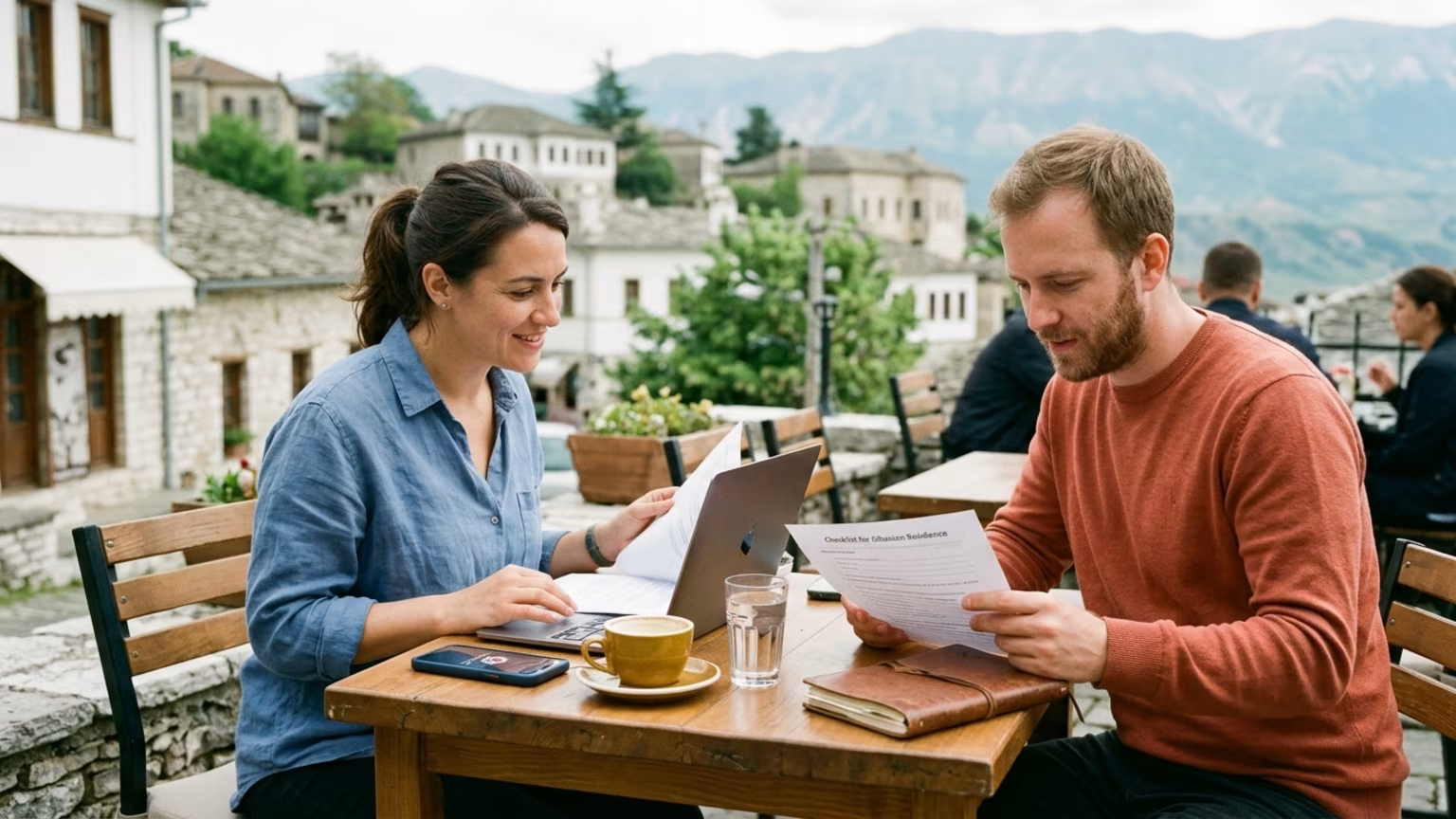
A practical guide for expats moving to Vlorë covering visa-free entry rules, remote work authorizations, and how to navigate the e-Albania permit process.