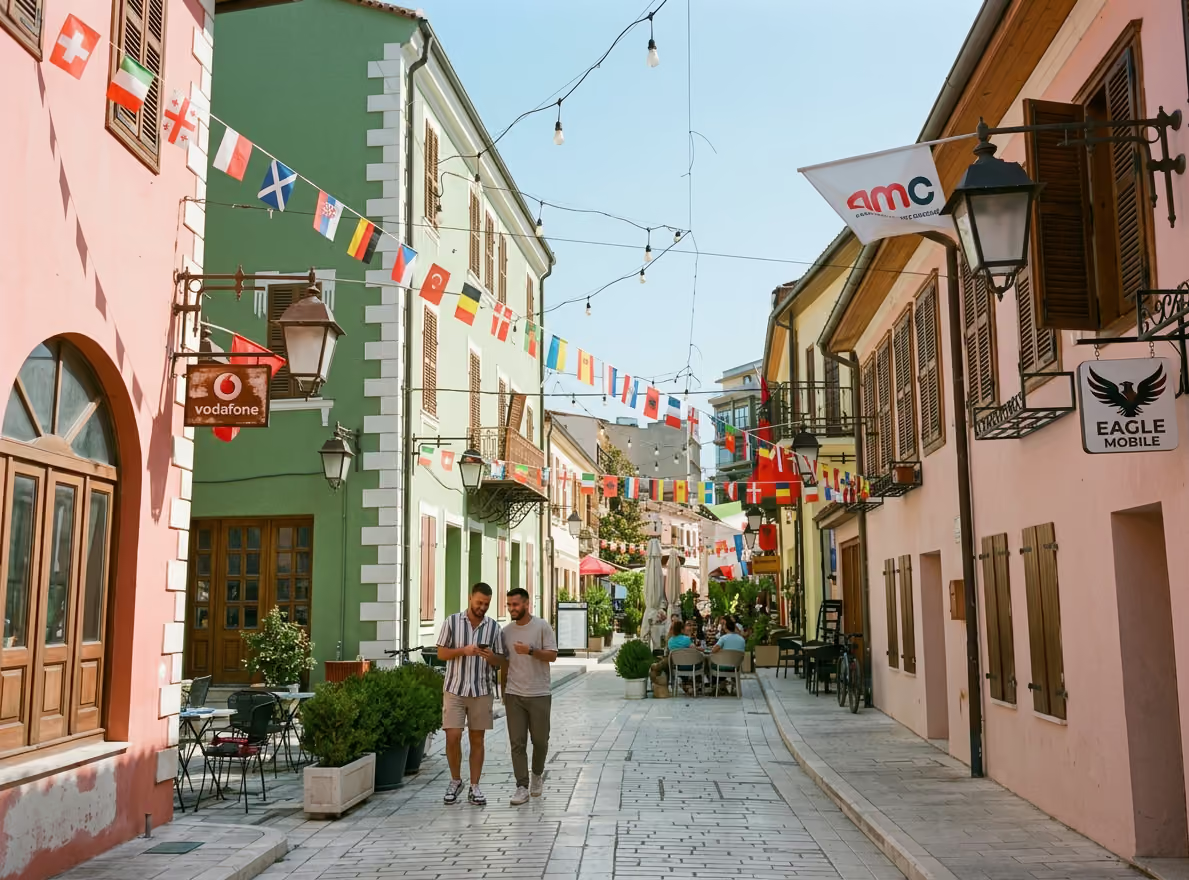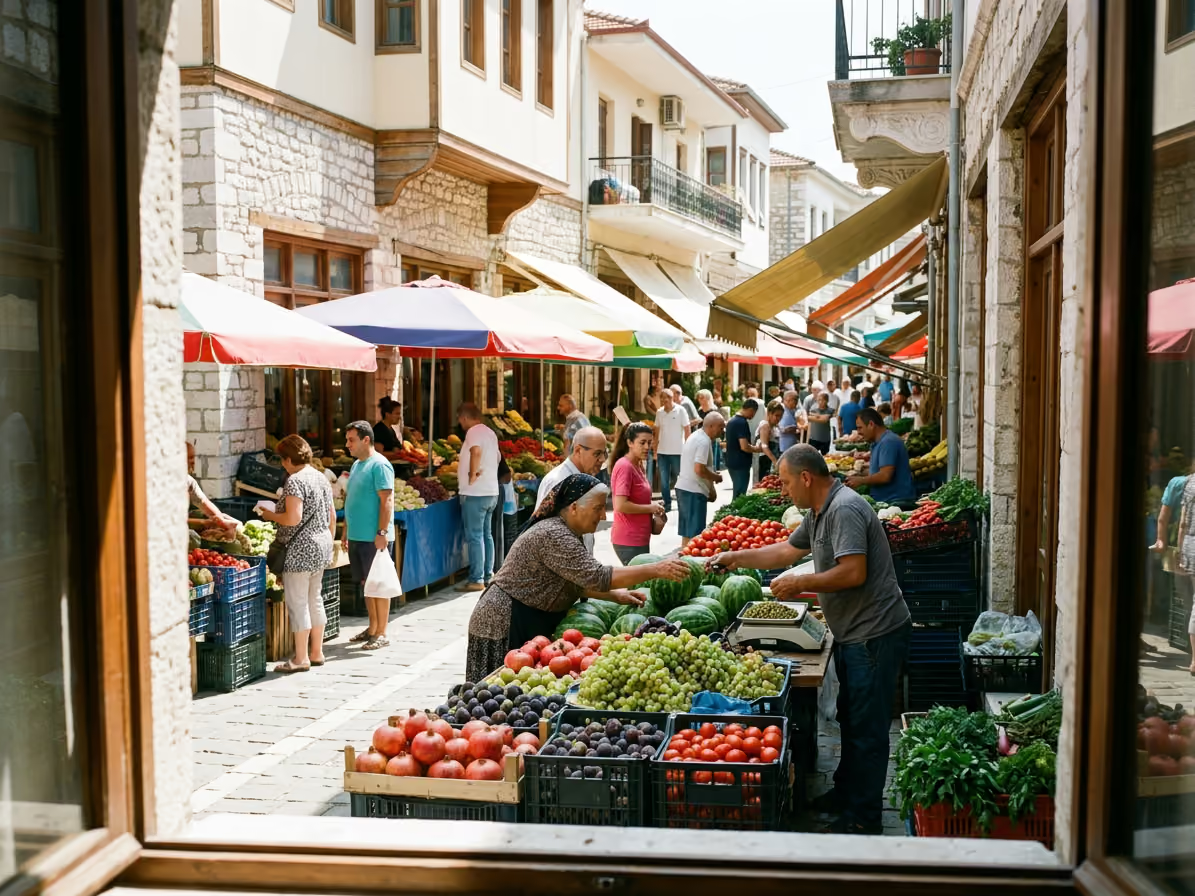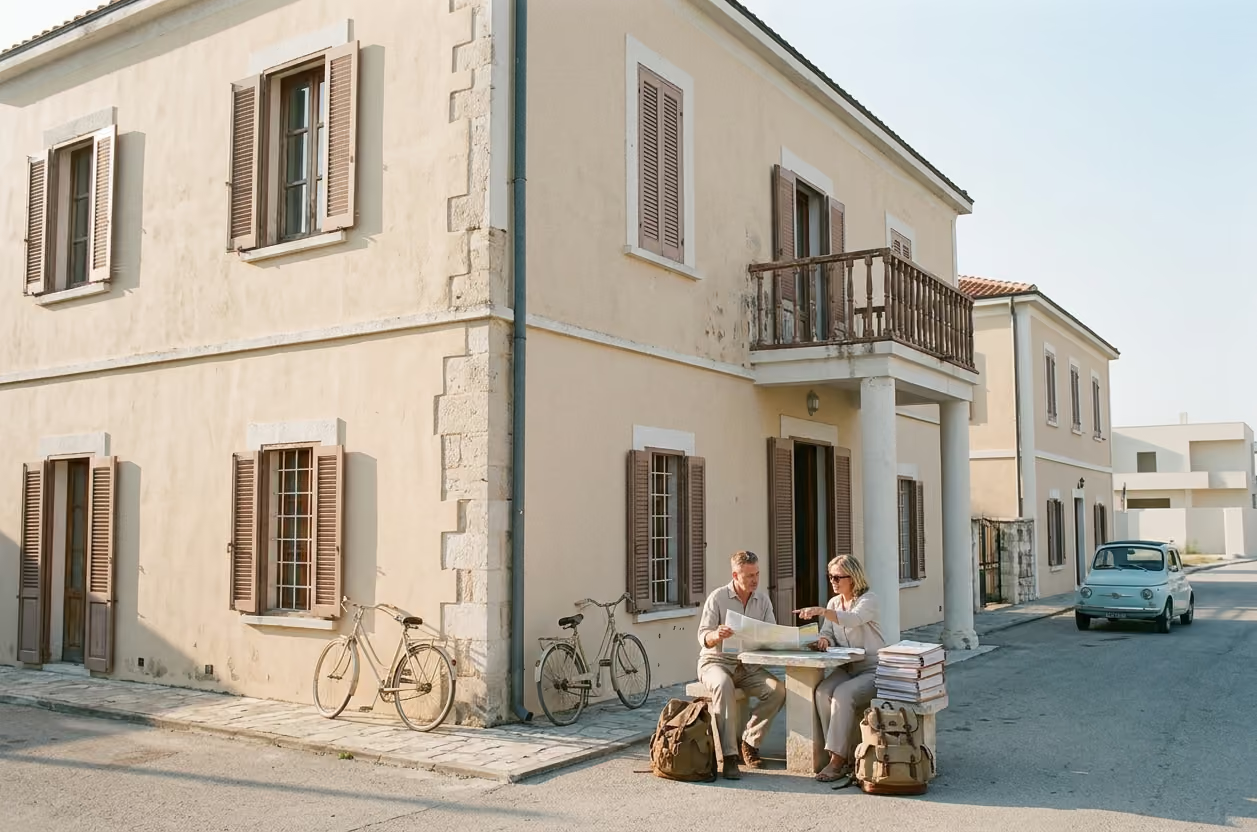
Representative image

Gain a clear, actionable roadmap for your move to Vlorë, ensuring a smooth transition by understanding crucial steps for housing, banking, and residency.





You land in Tirana with two suitcases, a passport folder, and a saved apartment listing near Lungomare. By the time you reach Vlorë, the sea is on your left, your phone still has roaming on, and the big question hits fast: what needs to happen now?
Moving to Vlorë works best when you treat the first month like a checklist, not a holiday. Sort documents before arrival, get a SIM card on day one, register when required, secure housing carefully, then handle NIPT, banking, residency, utilities, and community during your first 30 to 90 days.
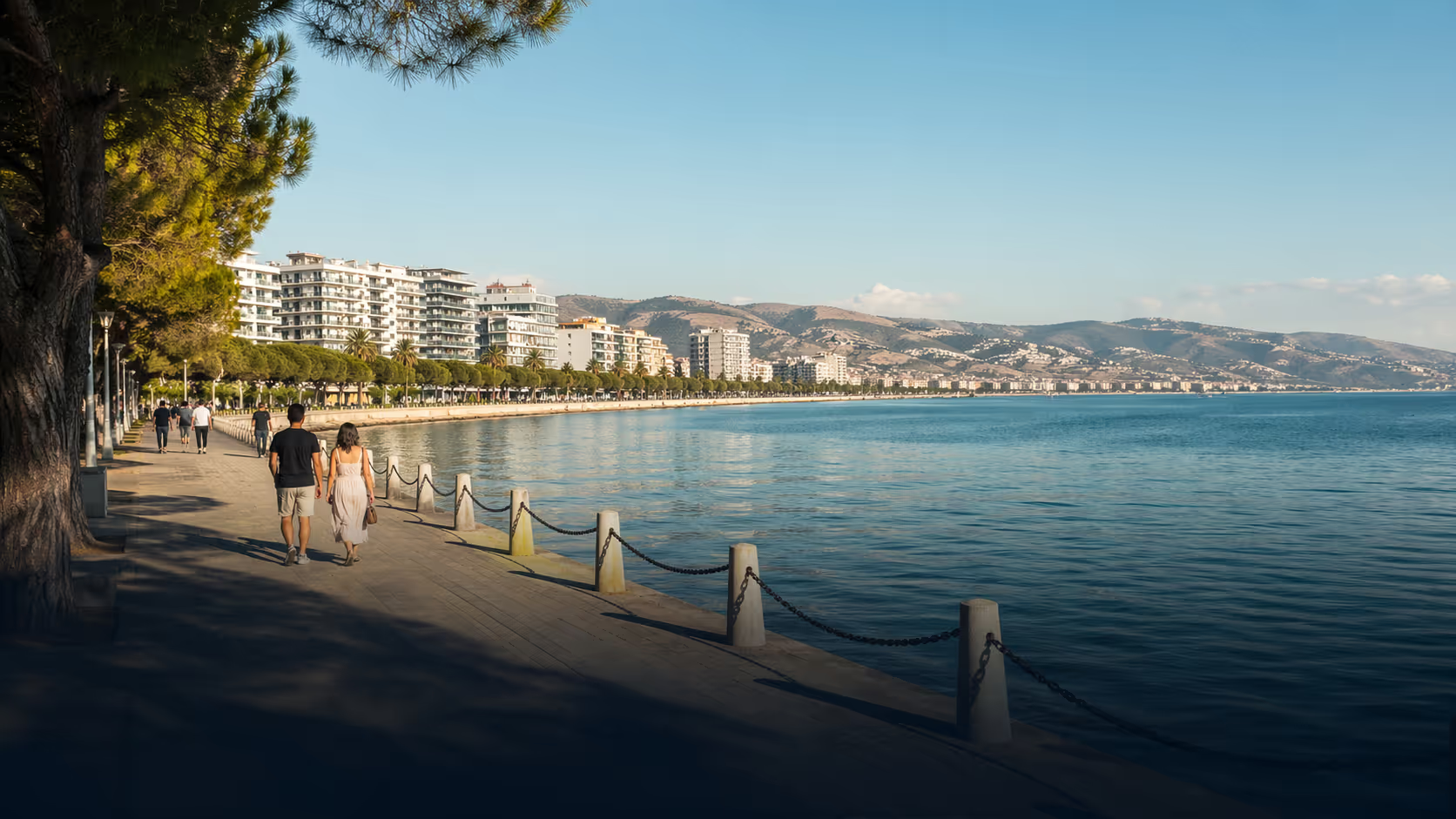
Vlorë is one of Albania’s easiest cities to like at first sight. The city has the sea, a long promenade, flat streets, coffee at a human price, and quick access to beaches south of town. International Living describes Vlorë as a mid-size coastal city with a town-like feel, low living costs, and a daily rhythm that suits retirees, remote workers, and people who want slower coastal living.
That calm feeling can trick newcomers. Vlorë feels relaxed, but relocation admin is not relaxed. You still need to track entry dates, documents, housing contracts, bank rules, utility payments, medical options, and residency deadlines.
The most common mistake is arriving with a tourist mindset. People book a few nights near the beach, assume they can “figure it out,” then lose time chasing apostilles, police registration, or a landlord who only wants summer rental income. A good plan keeps the first month from turning into a stressful guessing game.
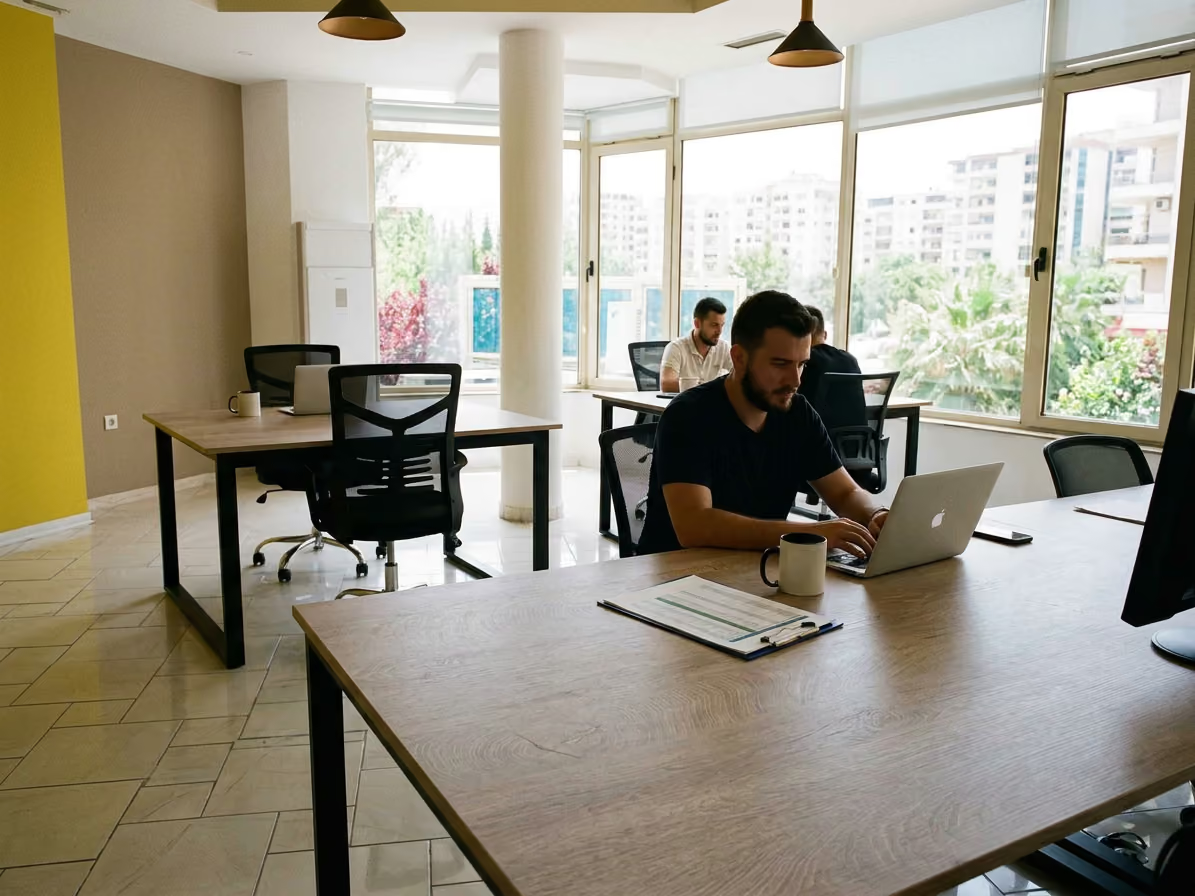
Vlorë is not Tirana. That is part of the appeal. You will not find the same volume of agencies, coworking spaces, English-speaking services, or expat events on every corner. You need to be more deliberate here, especially outside summer.
The city works best for people who enjoy a local pace. Mornings start with coffee near Skela or the boulevard. Errands may require two visits. A landlord might prefer cash. A government office may ask for one extra paper that nobody mentioned online.
That does not mean Vlorë is hard. It means you need a checklist that fits this city. A Tirana plan will miss local details like beach-area rental seasonality, winter heating, ferry access, and the lower density of expat networks.
According to Expatra, newcomers to Albania should treat tax ID, banking, housing, and residency as linked tasks. In practice, that means one delay creates another. If you delay your NIPT, your bank account can wait. If your bank account waits, your residency file may slow down.
Vlorë Circle exists for this exact stage of the move. The goal is simple: practical local guidance for people who plan to live here, not just pass through for three nights. If you want help finding your footing, Join the community and meet people who have already handled the same first-month tasks.
A calm move to Vlorë starts three to six months before arrival. This is when you confirm your entry rules, prepare documents, sort insurance, set up international money tools, and book temporary housing. The biggest win during this phase is getting apostilles in your home country before you leave.
One month before arrival, your focus shifts to logistics. Book your first stay, save maps offline, confirm airport or ferry transfers, and make a list of neighborhoods to check in person. Do not sign a long-term lease from abroad unless you have a trusted person in Vlorë who has inspected the apartment.
Your arrival week is about basic access. Get a local SIM card, learn where your nearest supermarket and pharmacy are, confirm if you need police registration, and start viewing apartments. If you are outside the EU or UK, research police registration rules before you land, since some sources warn this can be required very early after arrival.
Your first month is the admin month. This is when you handle a NIPT, open a local bank account if needed, start your residency or long-stay process, and lock in longer housing. This is not the month to chase the perfect sea view at any cost.
Months two and three are for stability. You set up utilities, test internet under real work conditions, find doctors, build routines, learn transport, and join real local circles. By this stage, Vlorë starts to feel less like a move and more like daily life.
The timeline below gives you the order that prevents common blocks.
Check your passport validity. Make sure it has enough time left for your planned stay and any permit process. Some landlords and banks may copy your passport, so keep a clean scan in cloud storage.
Confirm your entry category. Many nationalities can enter Albania visa-free for up to 90 days within a 180-day period. Americans have a more generous stay rule in Albania, and Folie Village notes that U.S. citizens can stay for one year without needing a visa at first.
Review long-stay options early. Your route may be remote work, retirement, property ownership, employment, family, study, or investment. The Albanian e-Visa portal and e-Albania should be checked before departure, since rules and forms can change.
Prepare documents for apostille. Birth certificates, marriage certificates, criminal record checks, pension letters, and similar documents may need international certification. Expatra flags apostilles as a common source of delay, since they must usually be handled in the country that issued the document.
Buy health insurance that works for relocation. A simple travel policy may not be enough for a residence permit file. Retirees should check policy wording carefully, since residency files often require proof of medical cover.
Set up Wise, Revolut, or another international transfer tool. This helps you pay deposits, move funds, and avoid relying on ATM withdrawals during the first week. Keep a backup bank card in a separate bag.
Join useful online groups before arrival. Large Albania expat groups can help with document patterns, lawyer referrals, and doctor names. Vlorë-specific groups are smaller, but they are useful for rentals near Lungomare, Skela, Uji i Ftohtë, and the old town area.
Book temporary housing for at least two to four weeks. A full month gives you time to view apartments in person. It also gives you bargaining power, since you are not forced to take the first damp flat you see.
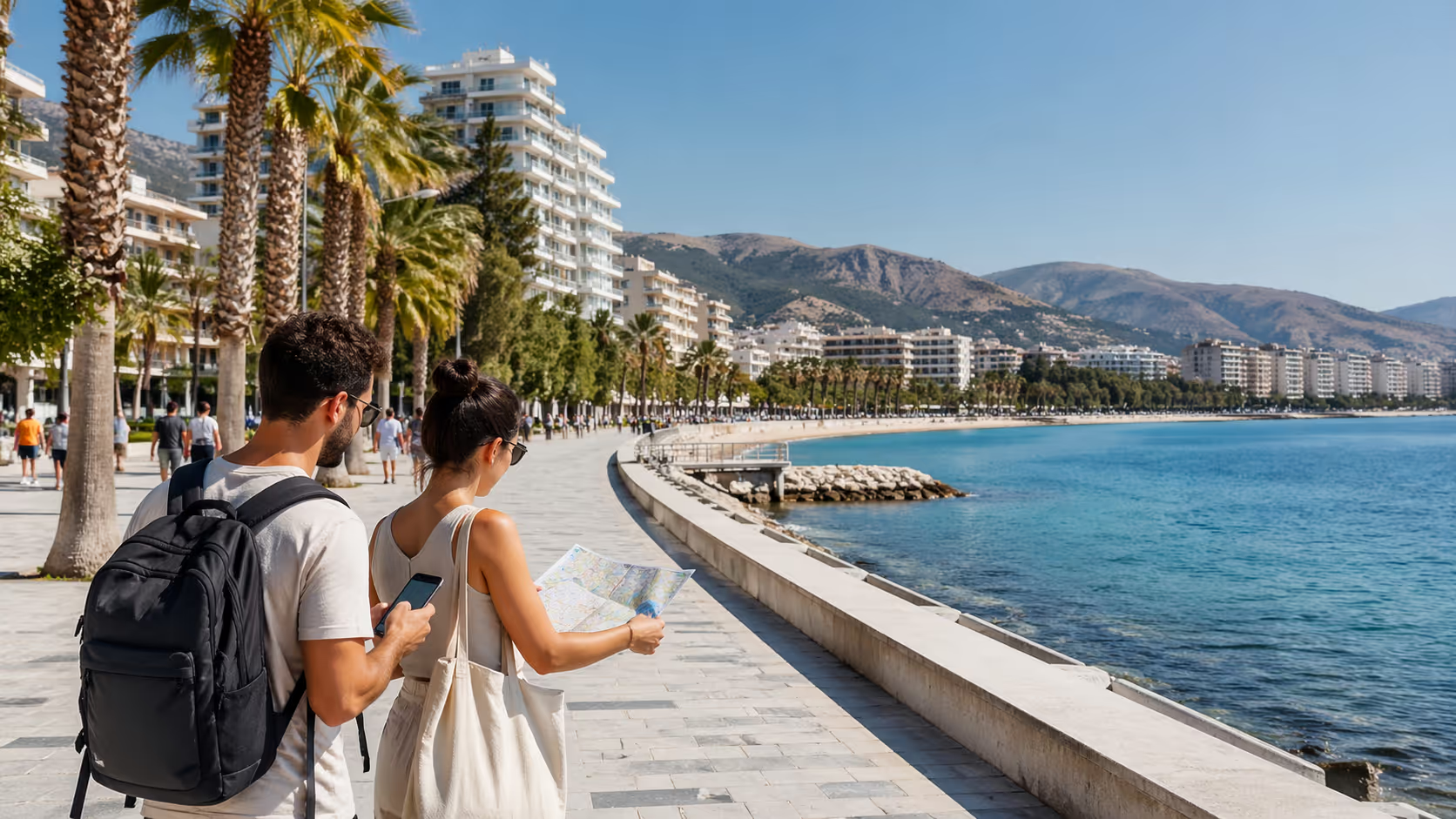
Save key addresses. Mark your first accommodation, Vodafone or One shops, supermarkets, pharmacies, clinics, and the bus station area. In Vlorë, this matters since you may handle errands on foot during the first days.
Build your apartment viewing list. Use merrjep.al, njoftime.com, agency pages, and personal referrals. Save listings in Skela, Lungomare, Uji i Ftohtë, and areas near the city center.
Prepare a rental folder. Include passport copy, proof of income, work contract or pension proof, and references if you have them. Some owners will not ask for all this, but having it ready makes you look serious.
Plan your arrival route. Many people arrive through Tirana International Airport, then take a bus, private transfer, or rental car south. The ride to Vlorë can feel long after a flight, so do not schedule apartment viewings the same evening.
Tell your bank you are moving. This helps reduce blocked cards during the first week. Save support phone numbers outside your email app, since two-factor codes may fail when you change SIM cards.
Pack for apartments, not hotels. Bring a small toolkit, plug adapters, a power bank, backup chargers, medication, copies of documents, and a compact clothesline. Long-term apartments in Vlorë vary a lot in what they include.
Buy a local SIM card first. This makes apartment hunting, taxi calls, maps, and bank appointments much easier. Research notes a local SIM can cost around €10 to €15, with mobile monthly costs often under $10 for basic use.
Confirm registration rules. Some newcomers must register with police or local authorities soon after arrival. Do not assume your Airbnb host handled it.
Walk your target neighborhoods at different times. Lungomare feels different at 10 a.m., 7 p.m., and after rain. Skela has better daily access for errands. Uji i Ftohtë has views and beach access, but some buildings are less convenient without a car.
Start viewing apartments quickly. Aim to see five to ten places before choosing. This protects you from bad wiring, weak water pressure, damp walls, poor internet, and inflated summer pricing.
Find your nearest daily services. Mark the market, pharmacy, bakery, ATM, and clinic closest to your building. This seems minor, but it shapes how easy your first month feels.
Apply for your NIPT if you need one. A NIPT is the Albanian tax identification number. Expatra notes it is often needed for banking, work, and rental or official processes.
Open a bank account when eligible. Banks may ask for passport, NIPT, proof of address, and income documents. Requirements can vary by bank branch, so bring extra copies.
Start the residence permit process before you are under pressure. Several expat guides warn that waiting until your visa-free period is nearly finished creates risk. If your plan is to stay beyond tourism, begin early.
Register with your embassy if your country offers it. This helps during emergencies, document loss, health issues, or security updates. It is a simple step that many people skip.
Lock in long-term housing only after checking the building. Test taps, hot water, doors, windows, heating or cooling, mobile signal, and internet speed. Ask how winter bills are paid.
Settle utilities and payment habits. Learn whether your landlord pays water, electricity, building fees, and internet, or whether you pay directly. Keep receipts and screenshots.
Build your medical list. Ask for English-speaking doctors, dentists, and pharmacies. In a coastal city, you do not want to search for help for the first time during a fever or dental problem.
Learn your transport rhythm. Local buses are cheap, taxis are affordable, and much of central Vlorë is walkable. International Living lists bus rides at around 35 cents and taxi trips around $2 to $4.
Create winter routines early. Vlorë is mild, but apartments can feel cold or damp in winter. Good bedding, a dehumidifier, and a realistic indoor routine matter more than many newcomers expect.
Your legal stay is the base of the whole move. If you treat it casually, every other task becomes shaky. If you prepare early, the process is much less intimidating.
Start with your nationality. EU citizens, U.S. citizens, UK citizens, and other nationalities may have different rules. The 90 days within 180 days rule applies to many visitors, but it is not the whole story for everyone.
Americans have a notable advantage. Folie Village and other expat resources point out that U.S. citizens can stay in Albania for up to one year visa-free. This gives more breathing room, but it does not replace every residency need for work, banking, taxes, or long-term plans.
For many others, the key point is the 90-day limit. Do not count “three months” casually. Count actual days from entry and keep proof of entry.
If you need a D visa or long-stay route, check the Albanian e-Visa portal before travel. If you need residence procedures after entry, check e-Albania too. Screenshots are useful, since form names and document rules can change.
Prepare your passport, passport photos, birth certificate, marriage certificate if relevant, police clearance, proof of income, health insurance, and accommodation proof. Retirees should prepare pension statements and bank statements. Families should prepare children’s birth certificates and school records.
Apostille is the step that catches many people. An apostille is an international certification that makes a document usable abroad. You usually cannot fix this quickly once you are already in Vlorë.
Translate documents only when needed. Some procedures may require Albanian translation from a certified translator. Ask the relevant office or lawyer before paying for translations of everything.
Keep three formats for each key document. Store the original, a printed copy, and a clean PDF. Keep one printed set in your passport folder and one set in your accommodation.
Several relocation guides stress early action during the first 30 days. Use Day 30 as your safety checkpoint, not your deadline. By that point, you should know your route, have started key admin, and have your document file organized.
If you plan to stay beyond your visa-free allowance, do not wait until the last two weeks. Appointment delays, missing papers, bank issues, or landlord paperwork can slow you down. Early action is cheaper than emergency fixes.
Non-EU and UK newcomers should pay close attention to registration duties. Some sources note police registration may be required during the first days after arrival. Ask your host, lawyer, or local office, then keep proof.
Remote workers often look at long-stay or residence routes tied to income. Your work contract, client proof, tax status, and insurance may matter. Keep income evidence clean and recent.
Retirees often use pension income. Research cited by International Living mentions pension proof around $980 per month for retiree paths. If you are close to the threshold, get professional advice before relying on a single monthly statement.
Property owners may have smoother routes in some cases. That does not mean you should buy quickly. Use a lawyer, check title, check building status, and visit the property at different times.
Families need extra care. Children’s documents, health insurance, school plans, and rental address proof can create more paperwork. Start earlier than a solo remote worker would.
Use a lawyer if your case includes children, property purchase, business setup, past overstays, complex income, or tight deadlines. A good lawyer can tell you which documents need apostille, which need translation, and which office process applies.
Do not use a lawyer as an excuse to stay uninformed. Ask for a written document list, timeline, fee estimate, and office submission plan. Keep copies of everything filed under your name.
YouTube Q&A sources in the research mention local legal help in Vlorë and warn that outdated information online can cause trouble. Treat any online checklist as a starting point. Confirm current rules before paying fees or making life decisions.
Housing is where newcomers either gain stability or lose money. Vlorë has good value compared with many European coastal cities, but the rental market changes by season. Summer demand can push prices up near the beach.
International Living reports that a 50 square meter two-bedroom apartment with a balcony can rent around $200 to $300 per month. That is possible, but not every listing at that price is good. The fair price depends on building quality, season, furniture, distance from the sea, and lease length.
Book short-term housing first. A one-month apartment near Skela, Lungomare, or the city center gives you time to search in person. If you stay too far south before you know the city, simple errands may become annoying.
Avoid signing a long lease from photos alone. Photos can hide damp corners, noisy bars, weak heating, broken lifts, and bad internet. In beach areas, some owners show a clean summer version of the apartment, not the winter reality.
Skela is practical for many newcomers. It has shops, cafes, access to the boulevard, and easier movement toward the city center. If you do not have a car, Skela can make your first month smoother.
Lungomare is the classic sea-facing choice. You get the promenade, sunset walks, cafes, and easy access to the beach strip. The tradeoff is seasonal pricing and more noise in summer.
Uji i Ftohtë works for people who want sea views and a slightly more resort-like feel. It can be lovely, but check transport and winter convenience. Some buildings are better suited to people with cars.
The old town area gives a different feel. It is better for people who want character, local streets, and access to cafes without needing a sea view. Check parking and building condition carefully.
Areas near the main boulevard can be good value. You may give up the beach view, but gain supermarkets, pharmacies, banks, and lower daily friction. For long-term living, that trade can be smart.
Use several channels at once. Check merrjep.al, njoftime.com, Facebook groups, local agencies, and word of mouth. Ask cafe owners, other expats, and Albanian friends, since many rentals never reach public sites.
View five to ten apartments. This is not overkill. After the third or fourth viewing, you learn what local quality looks like and which questions matter.
Ask for the lease term clearly. Some landlords want winter tenants only until May or June. Others want one year but may still expect a summer price change.
Ask what is included. Clarify water, electricity, internet, building fees, repairs, and furniture. Get the answer in writing by message.
Test the internet in the apartment. Do not accept “it is fast” as proof. Run a speed test on Wi-Fi and mobile data, then test a video call if you work online.
Check heating and cooling. Many apartments rely on split AC units. Electricity can stay cheap with careful use, but a poorly insulated apartment may feel cold in January.
Be careful with owners who push for a deposit before a viewing. Be careful with listings that have no building exterior photos. Be careful with unusually cheap sea-view apartments in peak season.
Watch for vague location claims. “Near Lungomare” can mean a ten-minute uphill walk or a building behind several busy roads. Ask for a pin before viewing.
Do not ignore damp. Vlorë’s coastal air can make damp worse in older apartments. Check behind curtains, inside wardrobes, and near balcony doors.
If a landlord refuses a written agreement, think carefully. Some renters pay cash without issue, but a clear agreement protects both sides. You need proof of address for some admin tasks too.
A smart money setup in Vlorë uses both international and local tools. Use Wise, Revolut, or your home bank for transfers and backup funds. Add a local bank account when your status and paperwork allow it.
The NIPT often comes before banking. It is the Albanian tax identification number. Expatra notes it can be needed for banking, work, and rentals.
Banks can ask for different documents. Bring passport, NIPT, proof of address, income proof, and any residence paperwork you have. If one branch says no, another bank may have a clearer path.
Cash still matters. Some rent, taxis, market purchases, and small services may be paid in cash. Keep lek on hand, but do not carry your whole rent deposit around town.
Exchange rates move, so use these as planning ranges. Many expat prices are quoted in dollars or euros, but daily life is paid in Albanian lek. For simple planning, many newcomers think of $1 as roughly 90 to 100 lek, then check the live bank rate before transfers.
| Item | Expected range | Practical note |
|---|---:|---|
| One-bedroom or modest two-bedroom rent | about 20,000 to 30,000 ALL monthly | Better value away from peak beach blocks |
| Larger or better beach-area apartment | about 30,000 to 50,000 ALL monthly | Summer can change the price |
| Water for a couple | about 1,800 to 2,000 ALL monthly | Based on research around $18 to $20 |
| Electricity without heavy AC or heat | about 2,000 to 2,500 ALL monthly | Winter and summer use can raise it |
| Home internet | about 1,800 ALL monthly | Test speed before signing housing |
| Mobile plan | about 800 to 1,500 ALL monthly | Starter SIM may cost more at setup |
| Groceries for one person | about 2,500 to 3,000 ALL weekly | Markets can reduce costs |
| Coffee and brioche | about 120 ALL | Common low-cost daily treat |
| Dinner for two at a beach grill | about 2,000 ALL | Drinks included in research estimate |
| Pizza | about 300 to 700 ALL | Price changes by area |
| Local bus | about 35 ALL | Good for basic city trips |
| Taxi ride in town | about 200 to 400 ALL | Confirm price before riding |
| Ferry to Italy | about 3,500 ALL | Research cites around $35 |
A careful first-month budget for one person can stay low if you rent modestly. A more comfortable landing month costs more since you may pay short-term housing, apartment deposit, agency help, SIM setup, document fees, taxis, and household items.
For a retiree case, the research pattern shows someone with a $1,000 monthly pension booking one month of temporary housing, then finding a beach apartment around $250. With groceries, SIM, basic bills, and modest dining, the first month can be controlled. The risk is not daily cost, it is paying too much for rushed housing.
For a remote worker, the largest hidden cost is weak internet. A cheap apartment becomes expensive if you lose client calls. Pay a little more for stable fiber or a building with good mobile backup.
For families, the first-month budget rises fast. You may need a larger apartment, school materials, private medical visits, taxis, and more setup items. Build a cushion before arrival.
Keep your home bank active for at least six months after arrival. Do not close accounts before local banking works. Many permit, pension, and income documents still come from your home country.
Use separate cards. Keep one card for daily spending, one for online payments, and one backup. If an ATM keeps a card, your week does not collapse.
Ask landlords how they want payment. Some accept bank transfer, some want euros, and some want lek cash. Get receipts, or at least message confirmation.
Do not pay large deposits through informal channels before viewing. If you must reserve short-term housing, use a platform with some protection. For long-term housing, pay after seeing the apartment and checking ownership or agency details.
Your first week is not for doing everything. It is for setting up the tools that let you do everything else. Think phone, address, registration, food, transport, and apartment viewings.
Start near your accommodation. If you are staying near Lungomare, walk to the nearest supermarket, pharmacy, ATM, and bus stop. If you are near Skela, note which streets connect you to the promenade and the city center.
Do not schedule heavy admin on your first morning after a late arrival. Get sleep, breakfast, and a SIM. Then move through the list.
Get local mobile service. Vodafone and One are common options. Bring your passport, since SIM registration may require ID.
Send your new number to landlords, agents, and key contacts. Albanian contacts often move faster by phone or WhatsApp than email. A local number makes you look ready.
Check your accommodation basics. Test hot water, locks, Wi-Fi, cooker, heating or cooling, and washing machine. Report issues right away through the booking platform or to the host.
Buy first groceries. Look for water, coffee, bread, eggs, fruit, yogurt, and simple cleaning supplies. You will think more clearly once you are not living from airport snacks.
Confirm registration rules. Ask your host what they filed, if anything. If your nationality or stay type requires police registration, handle it early.
Start apartment scouting. Walk Lungomare, Skela, and one inland area on the same day. Notice noise, hills, street lighting, bus access, and where people buy groceries.
Contact agents and owners. Send a short message with your move-in date, lease length, budget, and who will live there. Clear messages get better replies.
View apartments in daylight. Daylight reveals damp, street noise, building condition, and real walking distance. Avoid first viewings late at night.
Choose your top two neighborhoods. Do not search the whole city forever. Pick the areas that match your daily life.
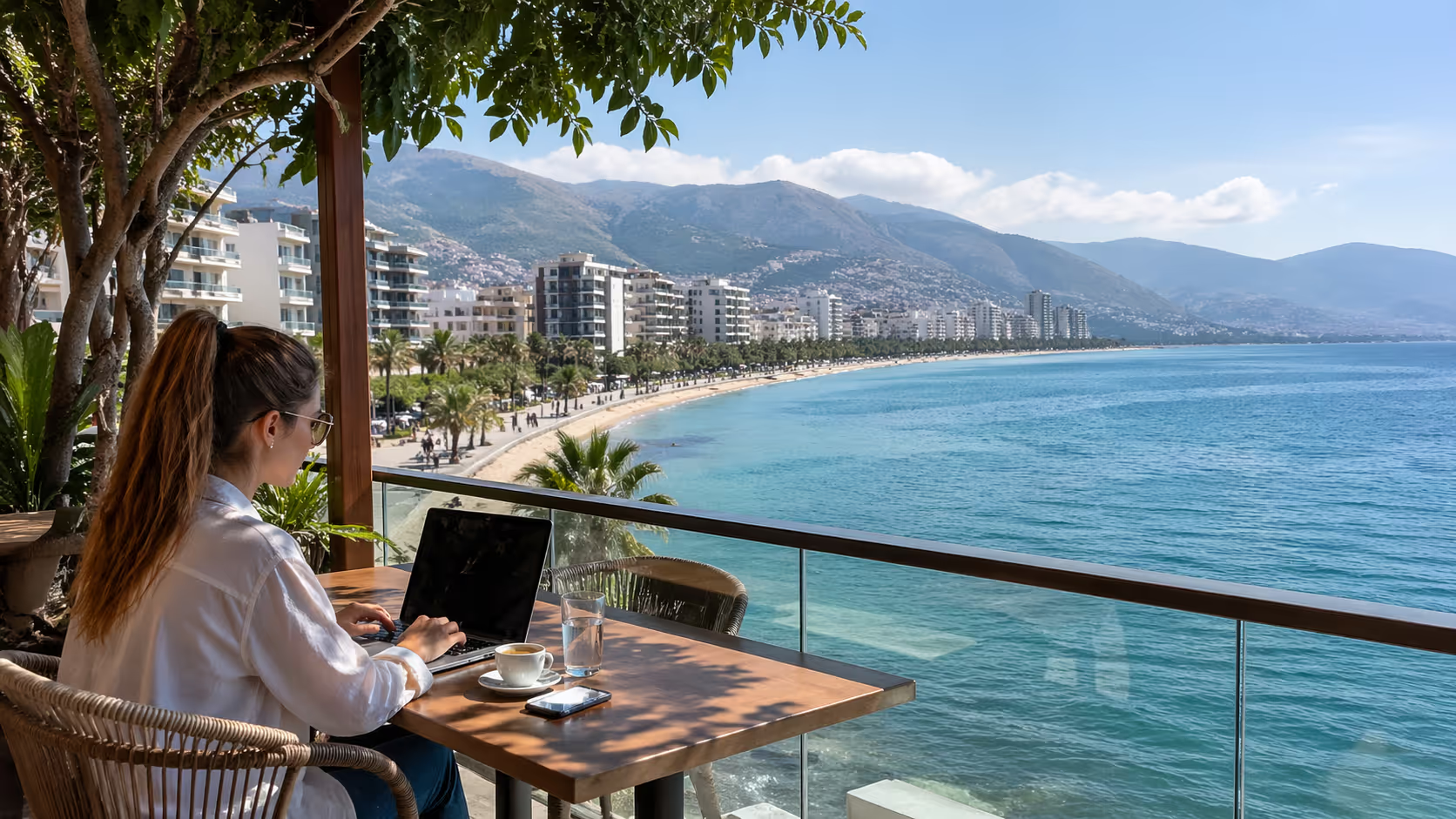
If you work remotely, test work spots. Try one cafe near the boulevard, one near Lungomare, and your apartment Wi-Fi. Noise and upload speed matter more than decor.
Check pharmacies and clinics. Ask where you would go for a minor issue. Save the address and phone number.
Use local transport once. Take a bus or short taxi route during the first week. It removes fear and helps you understand distances.
Shortlist apartments. Compare total monthly cost, not rent alone. Add utilities, transport, internet, winter comfort, and lease terms.
Negotiate calmly. If you offer a longer lease, ask for a fair monthly rate. Do not insult the owner with extreme bargaining, but do not accept a tourist price for a year lease.
Prepare for week two admin. Print passport copies, proof of address, income proof, and insurance. Ask where you need to go for NIPT or banking based on your case.
Take one slow morning. Walk the promenade, sit for coffee, and let the move feel real. You are not falling behind if your checklist is moving.
The first month in Vlorë is where you move from visitor mode to resident mode. Your tasks become more formal. Your choices during this month shape the next year.
The order matters. Housing supports proof of address. NIPT supports banking. Banking can support residency. Health insurance supports permit files and peace of mind.
Do not aim for perfection. Aim for a stable base. You can change apartments later once you understand the city.
Once you find a good apartment, slow down before paying. Confirm lease term, rent currency, deposit, utility process, repair duties, and move-out notice. Ask who pays building maintenance.
Check the building entrance and stairs. A beautiful apartment inside a neglected building can become tiring. Broken lights, damp stairwells, and noisy neighbors matter.
Ask about summer. If your lease crosses June, July, or August, make sure the rent will not suddenly rise. Vlorë’s beach appeal changes landlord behavior in warm months.
Get address details in Albanian format. You may need them for bank forms, delivery, internet, or official paperwork. Save the building pin too.
A NIPT is your Albanian tax ID. It is not just for business owners. It can be requested for banking, employment, rental processes, and official files.
Bring your passport and copies. Ask ahead if proof of address is needed for your case. If you are working with a lawyer or accountant, ask them to prepare the request correctly.
Go early in the day. Government office queues can be unpredictable. Bring patience, water, and printed documents.
Keep the NIPT document safe. Scan it right away. You will likely use it more than once.
Pick a bank with a branch you can reach easily from your neighborhood. If you live near Skela or the boulevard, daily access may be simpler. Ask other expats which branches have handled foreign accounts recently.
Bring more documents than requested. Passport, NIPT, lease or address proof, income proof, and residence documents can all help. Some banks may ask for tax residency details from your home country.
Ask about fees. Check account maintenance, card fees, ATM fees, incoming transfer fees, and online banking access. A low monthly fee is not useful if transfers are painful.
Keep your international account active. Use the local bank for Albanian payments and your Wise or Revolut setup for cross-border money. This hybrid method reduces stress.
If you plan to stay long term, keep your residency file moving. Use the official online portals and current office guidance. Do not rely on a random comment from a two-year-old forum thread.
Create a folder by topic. Use sections for identity, income, insurance, housing, police clearance, apostilles, translations, and receipts. When someone asks for one paper, you can find it in seconds.
Track dates. Write your entry date, registration date, application date, appointment date, and permit expiry date. Calendar reminders prevent expensive mistakes.
If you hire help, stay involved. Ask what was submitted and when. Ask for copies.
Find a pharmacy near your apartment. In Vlorë, many daily medical questions start at the pharmacy counter. Bring the generic names of any medicine you take.
Ask expat groups for English-speaking doctors. Do this before you feel sick. Save two options, since one may be unavailable.
Know where you would go at night. Ask your landlord, neighbor, or community contact about urgent care options. Do not wait for an emergency.
Register with your embassy if available. This is useful for alerts, lost documents, and family contact in a crisis. It takes little time and adds a layer of safety.
The romantic version of moving to Vlorë is easy to imagine. Morning swims, €1 coffee, seafood dinners, sunset walks on Lungomare, and a balcony over the Adriatic. Some days really do feel like that.
Daily life is more mixed. You may spend one morning waiting for a document, then the afternoon chasing a landlord for a repair. You may find a cheap apartment, then learn it has weak heating in January.
Vlorë rewards patience. It does not reward people who expect every process to match northern Europe or North America. A smile and a second visit can solve what one angry email cannot.
The city has lower expat density than Tirana. That can feel peaceful, but it can feel lonely in the first weeks. If you need a wide English-speaking network from day one, you must make more effort here.
Winter surprises many people. The climate is mild and outdoor life can last much of the year, but apartments are not always built for cozy indoor living. International Living notes that residents often save indoor hobbies for winter, which is smart advice.
Summer brings a different issue. The beach areas get busier, prices can rise, and owners may prefer short-term tourists. If you want a stable year lease, secure it before peak season when possible.
Vlorë is affordable, but it is not free of friction. Imported goods can cost more than expected. Some services take time. Some offices require repeat visits.
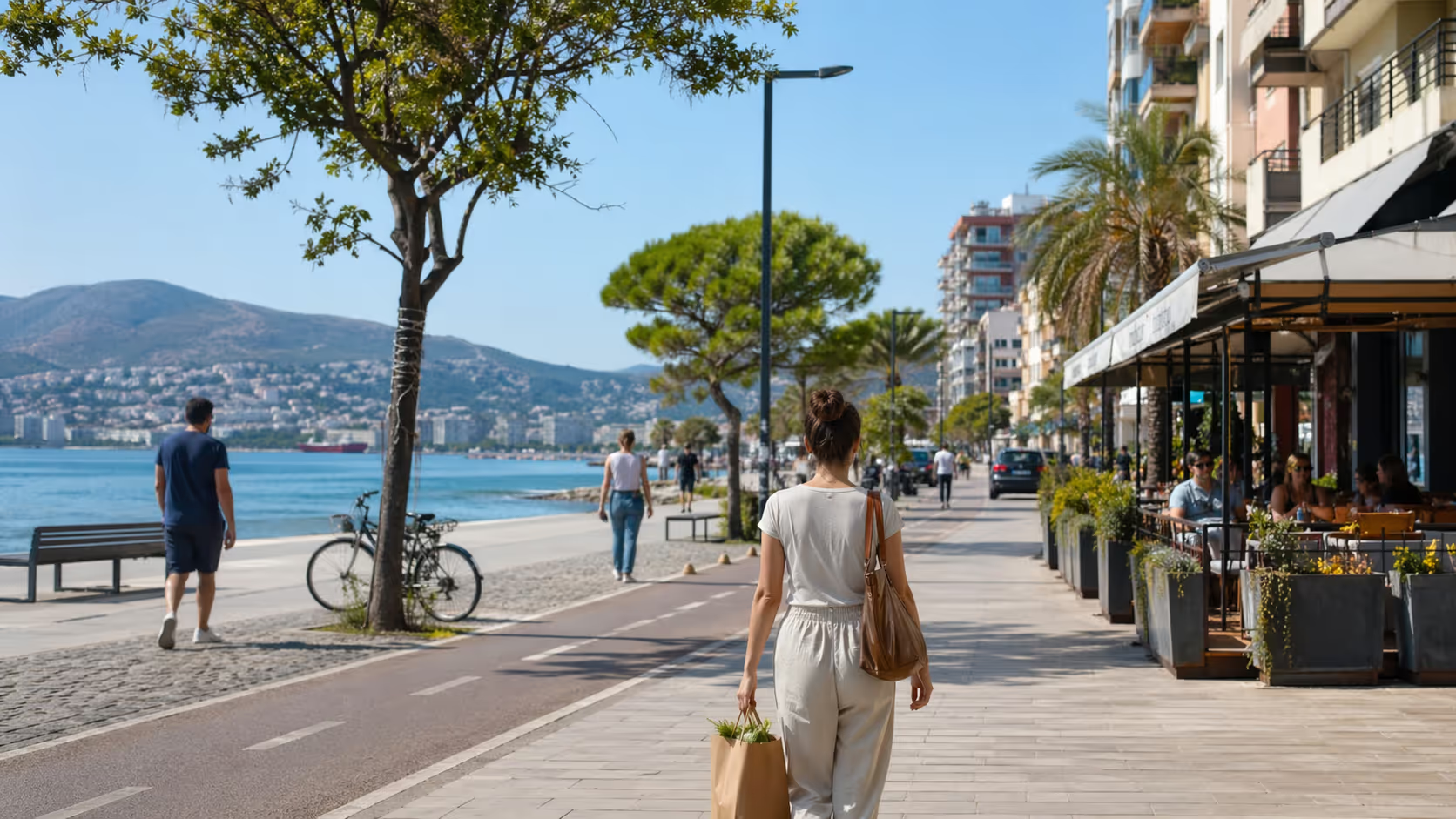
The city is walkable in many central areas. The flat terrain around the promenade and boulevard helps. Yet if you live uphill or far south, daily errands can feel less simple without a car.
Internet can be good enough for remote work, but you must test it. Do not judge by the router alone. Test video calls at the time you normally work.
Safety feels comfortable for many expats. International Living and other expat guides describe Vlorë as relaxed and lower-pressure than Tirana. Still, normal city habits apply: lock doors, watch bags in busy areas, use known taxis, and avoid carrying too much cash.
The best mindset is practical optimism. Enjoy the sea, the cost savings, and the slower rhythm. Keep your folder organized, your deadlines visible, and your expectations grounded.
Choosing a Vlorë neighborhood is less about finding the “best” area and more about matching your daily routine. A retiree who walks to coffee and the sea has different needs from a remote worker who takes calls at 4 p.m. A family has different needs again.
Spend time in each area before signing a lease. Walk with your normal bag, buy groceries, check street lighting, and time the route back home. A place that looks close on a map may feel awkward in August heat or winter rain.
Skela is one of the most practical first-month bases. It sits near shops, cafes, offices, banks, and routes toward the promenade. For newcomers without a car, that mix is useful.
You can run errands without planning the whole day. Groceries, coffee, pharmacies, and services are close by. This helps during the paperwork phase.
The tradeoff is that it may not deliver the dream sea-view balcony. Some streets are busier and less polished than the beach strip. For actual living, that may be a fair exchange.
Skela suits remote workers, solo newcomers, and people who want fewer transport problems. It is a good test area before deciding if you want to move closer to the water.
Lungomare is the emotional pull of Vlorë. The promenade, sea air, beach cafes, and sunset walks are the image many people carry before moving. Living here can feel special.
It is excellent for walkers. You can build a daily routine around the promenade, morning coffee, and evening sea air. For retirees, that can be a real quality-of-life boost.
The challenge is seasonality. Summer noise, parking pressure, and higher rents can affect daily life. Ask about winter heating too, since sea-facing apartments can feel damp.
Lungomare suits people who value the sea more than maximum convenience. It is a strong choice if the apartment is well built and the lease is clear.
Uji i Ftohtë offers beach access, views, and a more spread-out feel. Many newcomers like it for the scenery and access to the southern coastline. It can feel calmer than central blocks.
Check daily logistics carefully. Some buildings are less convenient for errands. A car or regular taxi use may become part of your life.
Internet and building quality vary. Newer buildings can be comfortable, but not every unit is equally maintained. Test everything.
Uji i Ftohtë suits couples, retirees, and remote workers who want sea access and do not mind being a bit farther from central errands.
The old town area gives a more local feel. You get character, cafes, and a stronger sense of Albanian daily life. It is a good fit for people who do not need the beach outside the front door.
Building condition matters here. Older properties can be charming, but check plumbing, damp, heating, and noise. Ask where you park if you have a car.
The inland center can offer better value. You may pay less than the beach strip and still reach the promenade by foot or short taxi. For long-term residents, that balance can work well.
This area suits people who want local routines over sea-view status. It can be a smart choice after the first month, once you know Vlorë better.
Do not wait until you are stressed to find local tools. Save links and addresses before arrival. Then update them once you know your exact neighborhood.
Use official portals for visa and state services. The Albanian e-Visa portal is the starting point for visa checks. e-Albania is the key platform for many public services and applications.
Use expat guides for patterns, not final legal answers. Jarnias Cyril gives a broad moving-to-Albania guide with admin and housing advice. Expatra gives a strong checklist style overview of living in Albania.
Use Vlorë-focused cost and lifestyle sources for local expectations. International Living’s Vlorë guide is useful for rent, groceries, transport, and the retiree angle. Cross-check prices in current listings before making a budget.
For housing, save merrjep.al and njoftime.com. Pair these with local agencies and referrals. The best rentals often come through people, not only websites.
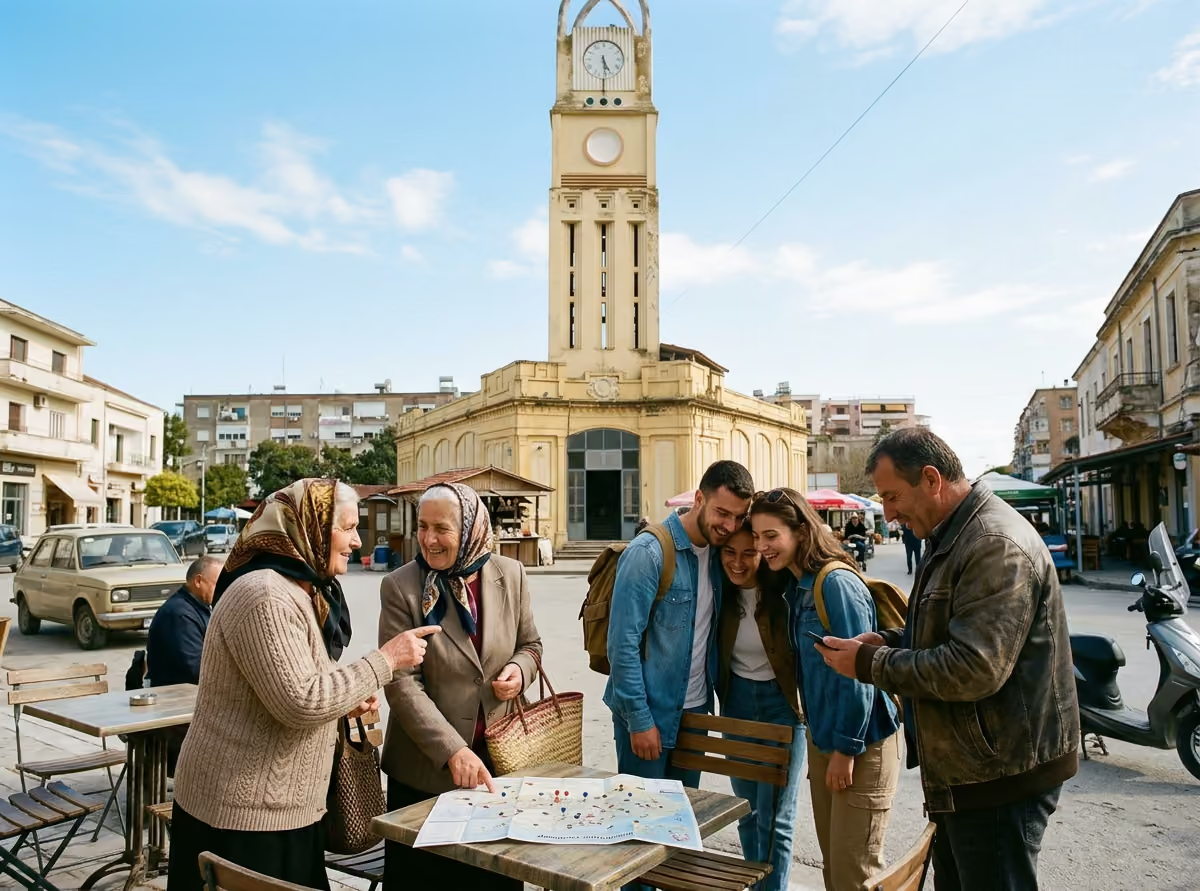
For community, use large Albania expat Facebook groups, then ask for Vlorë contacts. The city has fewer expat clusters than Tirana, so introductions matter. If you want a grounded local network, Join the community through Vlorë Circle and come to an in-person meetup.
For legal help, ask for recent referrals. Do not pick only from search results. Ask what the lawyer handled, how recent the case was, and whether the person received their permit.
For healthcare, build a short list from local recommendations. Ask for English-speaking doctors, dentists, labs, and pharmacies. Save names in your phone with the neighborhood.
For transport, save taxi numbers once locals recommend them. Learn the bus routes you need rather than the whole network. If you live near Lungomare or Skela, walking will cover many daily tasks.
For ferries and international movement, note that International Living cites ferry access to Italy at around $35. This can be useful for variety, family visits, or travel planning. Check current schedules before relying on it.
Our strongest advice is simple: do not make permanent decisions during your first ten days in Vlorë. Your first week is for orientation, not commitment. Rent short-term, walk the neighborhoods, meet people, then decide.
A sea view can blur your judgment. We have seen newcomers fall for a balcony near Lungomare, then realize the building is noisy, the internet drops, or the lease ends before summer. The view matters less than sleep, heat, Wi-Fi, and a fair contract.
Bring your document folder to every serious appointment. Passport copy, proof of income, insurance, lease draft, and apostilled papers can turn a wasted morning into a completed task. Vlorë is easier when you are overprepared.
Ask the same question to three people. One landlord, one expat, and one local professional may give different answers. The truth often sits in the overlap.
Do not hide in expat groups only. Say hello to your baker, pharmacist, and cafe owner. These small local ties can help you solve real problems faster than a long thread online.
At the same time, do not isolate yourself. Moving abroad has quiet days that social media never shows. Come to a meetup, ask for help early, and build a few steady contacts before you need them.
Vlorë Circle’s role is to make the city feel less confusing. We are built for residents, not short-term tourists. If you are serious about making Vlorë home, Join the community and start with people who understand the first-month pressure.
Use this checklist as your working plan. Print it, save it, or copy it into your notes app. The goal is not to finish everything fast, but to finish the right things in the right order.
Confirm your passport validity and entry rules. Check the Albanian e-Visa portal and e-Albania for current processes. Save screenshots of any rule that applies to you.
Choose your likely residency route. Remote worker, retiree, property owner, employee, student, and family routes can require different documents. Write your route at the top of your folder.
Order official documents. Birth certificates, marriage certificates, police records, pension letters, and income proof may take time. Start early.
Get apostilles where needed. This is one of the hardest steps to fix from Vlorë. Do it before departure when possible.
Buy health insurance. Make sure the policy works for your planned stay and paperwork. Save the policy certificate as a PDF.
Set up international money tools. Keep at least two active cards. Test your transfer account before moving.
Book first housing for two to four weeks. Pick Skela, Lungomare, city center, or another practical base. Avoid remote locations for the first stay unless you have a car.
Join community channels. Use Albania expat groups for broad questions. Use Vlorë-focused contacts for housing and neighborhood details.
Pack for real life. Bring adapters, medication, document copies, backup glasses, work gear, and weather layers. Do not fill your suitcase with items you can buy cheaply in Vlorë.
Buy a local SIM card. Share the number with agents, landlords, and local contacts. Keep your home SIM active for bank codes if needed.
Confirm registration duties. Ask your host and verify with a local professional if your case is unclear. Keep proof of any registration.
Find your nearest services. Mark supermarket, pharmacy, ATM, clinic, print shop, and bus stop. These will save time during admin week.
Walk three neighborhoods. Compare Skela, Lungomare, and one inland or south option. Walk at morning and evening times.
View apartments. Aim for five to ten. Take photos, notes, and speed test results.
Test work conditions. If you work online, test Wi-Fi, mobile data, noise, chair comfort, and backup options. Do not rely on cafe Wi-Fi for full-time work.
Keep receipts. Save SIM, accommodation, taxi, and admin receipts. They help track costs and may support records.
Choose long-term housing. Confirm lease term, rent, deposit, utilities, internet, repair duties, and summer price rules. Get the agreement in writing.
Apply for NIPT if needed. Bring passport and supporting documents. Scan the result.
Open a local bank account if needed. Bring extra documents and ask about fees. Keep your international account active.
Start residency or long-stay steps. Do not wait until the end of your visa-free period. Track all dates.
Register with your embassy. Save embassy phone numbers and emergency details. Share your local address if the system allows it.
Build your healthcare list. Save names of doctors, dentists, pharmacies, and clinics. Ask locals and expats for current recommendations.
Set up household basics. Buy bedding, kitchen items, cleaning goods, and a small heater or dehumidifier if needed. Make the apartment livable, not perfect.
Stabilize utilities. Learn how bills arrive, how they are paid, and who handles building fees. Keep proof of payment.
Review your budget. Compare your planned costs with real spending. Adjust rent, dining, taxis, and grocery habits.
Build social rhythm. Attend meetups, create a weekly coffee routine, and learn names in your building. Connection makes admin stress easier.
Learn transport patterns. Use buses for simple routes, taxis for late or rainy trips, and walking for central errands. If you plan to buy a car, wait until you know your true needs.
Check winter or summer readiness. For winter, think heat, damp, bedding, and indoor plans. For summer, think noise, guests, rent terms, and AC cost.
Revisit your residency calendar. Set reminders 60 and 30 days before any permit or visa date. Keep digital copies of approvals and submissions.
Decide if your neighborhood still fits. After 60 to 90 days, you will know if you prefer sea access, quiet, lower rent, or better errands. Moving within Vlorë is easier once you understand the city.
Revisit this guide at four points: three months before arrival, one week before your flight, your third day in Vlorë, and the end of your first month. Each stage has different pressure, and the checklist will catch details you missed the first time.
Use it again before renewing a lease, changing residency status, opening a business, buying property, or bringing family members. Rules, prices, and local habits can shift, but the order of good relocation decisions stays steady.
Vlorë can be a calm and rewarding place to live when you arrive prepared, stay patient, and build real local ties from the start.
Follow Vlore Circle for fresh guides, local updates, and community notes around life in Vlorë. It is the easiest way to stay close to what we are building.

Be part of a growing community built around connection, local life, and a better experience of Vlorë.
join the circle