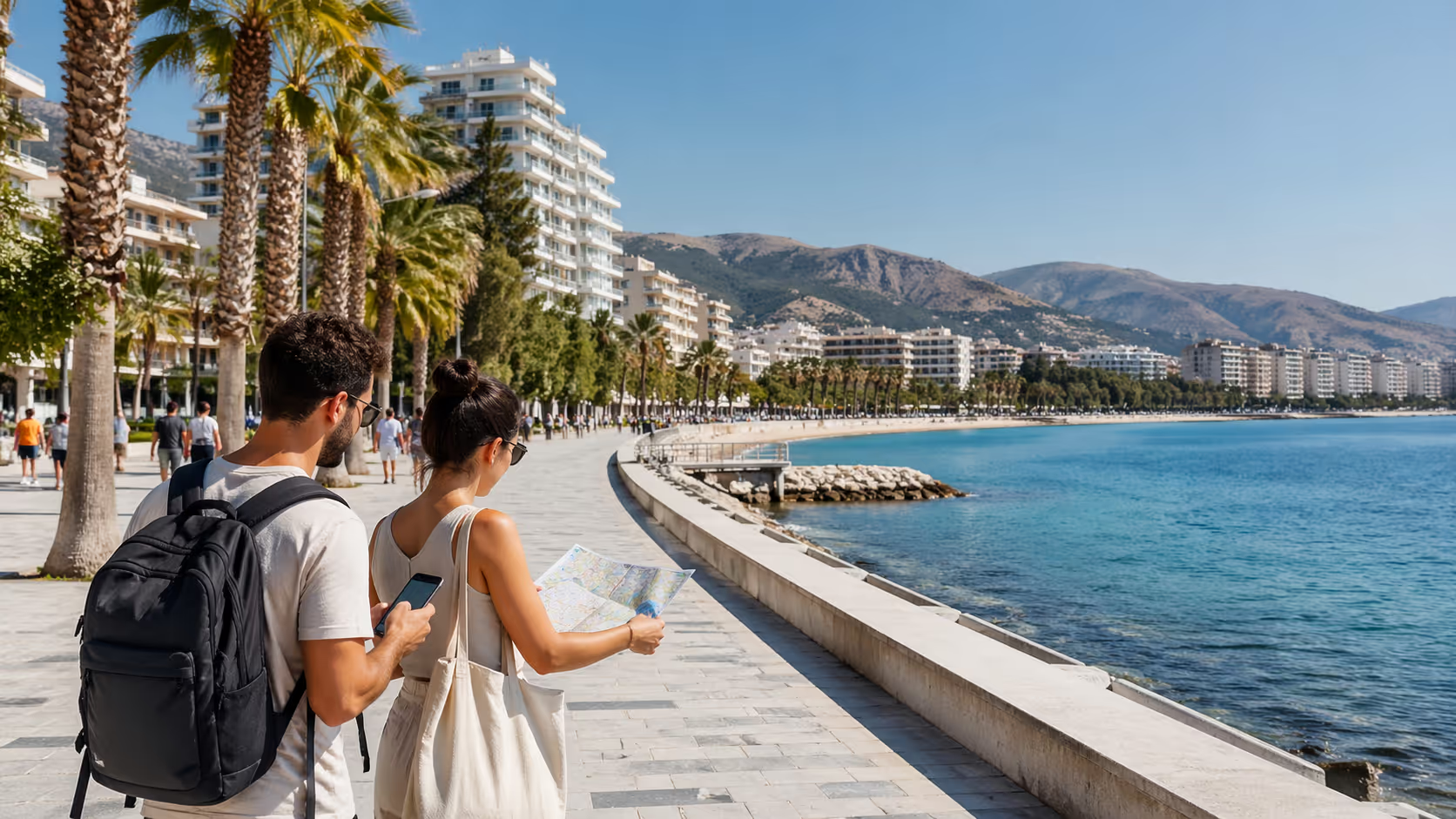
Representative image

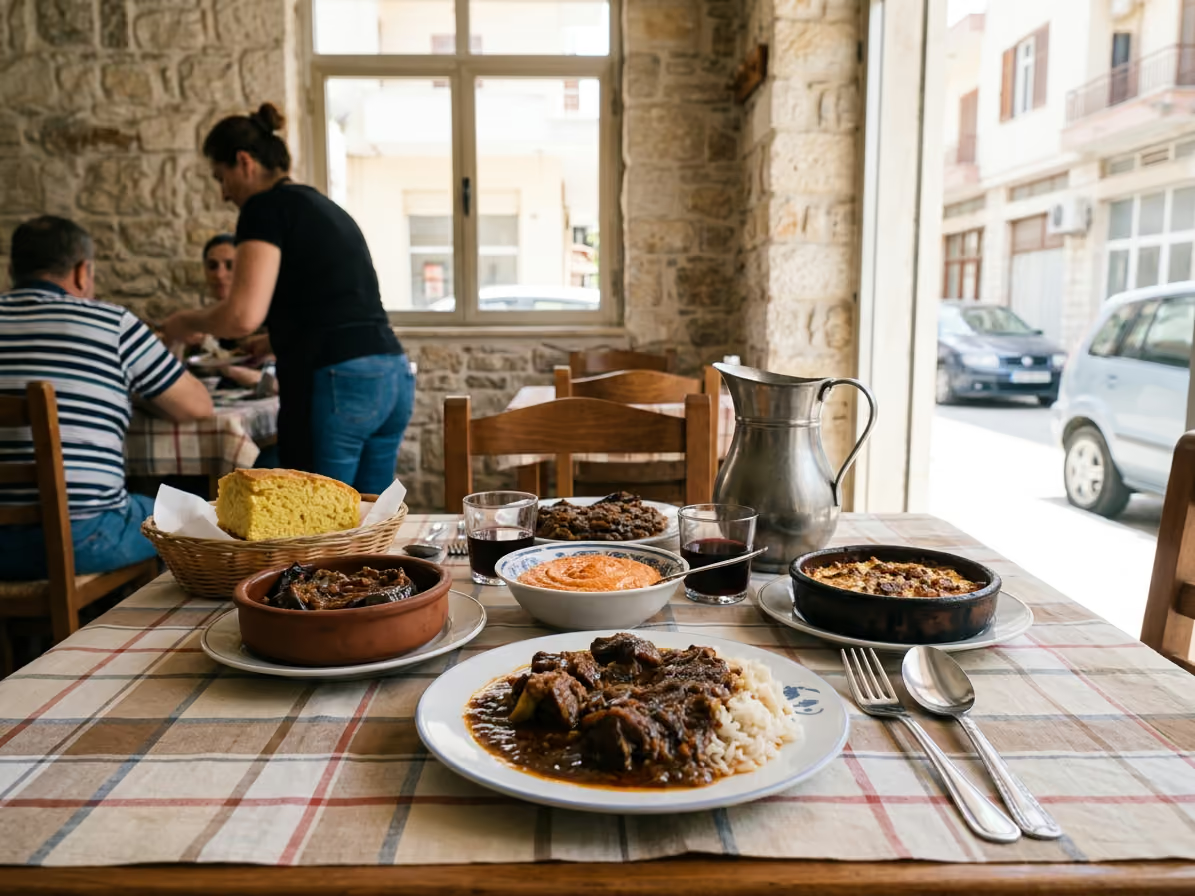
Vlorë offers budget-friendly coastal dining with local bakeries, casual street food, traditional coffee spots, and simple seafood meals along the waterfront.





You have just arrived in Vlorë, dropped your bag near Lungomare, and walked out hungry with no plan. The sea is in front of you, the cafés are full, and every second restaurant promises fresh fish.
Start simple: eat byrek in the morning, drink espresso slowly, and save seafood for places where you can see the fish or order by weight. Vlorë is one of Albania’s easiest cities for affordable coastal food, if you know where to look and what to avoid.
Vlorë is not a polished food city in the way some Mediterranean resort towns try to be. That is part of the appeal. The best first meals are often plain, seasonal, and direct: hot byrek from a bakery, grilled sardines with lemon, a small coffee near the port, or calamari served with potatoes and salad.
The city sits where the Adriatic and Ionian sides of Albania meet. That gives Vlorë a strong seafood culture, but the food is not only about fish. You will see Ottoman influence in pastries and small plates, Italian influence in coffee and pasta, and Albanian home cooking in grilled meats, salads, yogurt, and pies.
For newcomers, the first rule is to split dining into three price levels. Under 500 Lek, think street food, bakeries, petulla, corn, dhallë, and quick market bites. From 500 to 1000 Lek, look for cafés, simple grills, gyros, souvlaki, and casual meals near Rruga Murat Tërbaçi or Skelë. From 1000 to 2000 Lek, you can eat seafood at a beachfront restaurant or fish shop kitchen without treating it like a luxury night out.
Voyeglobal describes Vlorë’s food culture as sincere and unpolished, with market food and simple seafood at the center. That matches daily life here better than glossy restaurant lists. Many residents eat by habit, not by rating: the same bakery, the same coffee bar, the same fish shop, the same grill after a beach day.
This matters in Vlorë since food is one of the easiest ways to feel less new. If you sit at a café near the harbor for twenty minutes, you will see how the city moves. Men meet over espresso, families walk the promenade after dinner, workers grab byrek before errands, and beachgoers choose grilled meat or seafood after swimming near Lungomare.
You do not need Albanian fluency to start. You need a few words, a clear budget, and the confidence to ask what is fresh today. If a place has no menu, that is not always a warning sign. At fish counters and casual kitchens, the better question is what came in that morning.
The best starter plate in Vlorë is not a plate at all. It is a paper-wrapped byrek eaten warm on the street, with flakes of pastry falling onto your shirt. Byrek is a layered savory pastry made with thin dough and fillings such as cheese, spinach, wild greens, tomato, onion, or meat.
For a first morning, look for bakeries around Skelë, near the port area, and along the streets leading toward Lungomare. You will often see trays behind glass. Ask for byrek me djathë for cheese, byrek me spinaq for spinach, or byrek me mish for meat.
A fair starter price is often around 200 to 400 Lek. Hand-rolled or larger pieces can sit closer to 300 Lek. Prices shift by size, location, and season, so check the counter before ordering.
Byrek is filling, cheap, and easy to eat alone. That makes it perfect for newcomers who feel awkward sitting down for a full meal on day one. Pair it with dhallë, a salty yogurt drink, and you have a local breakfast for less than many tourist cafés charge for a pastry.
Petulla is the next street food to try. These fried dough pieces are often served with honey, sugar, cheese, or jam. Kids love them, and adults treat them like comfort food. They work best fresh, when the outside is crisp and the inside is soft.
You may also see boiled corn near the beach promenade in warmer months. It is plain, cheap, and useful when you want something small between meals. It will not teach you everything about Albanian cuisine, but it fits the rhythm of a long walk on Lungomare.
For seafood, start with small fish before ordering expensive plates. Sardines and mullet are good entry points since they are simple, local, and often more affordable than sea bass or large prawns. The classic treatment is salt, olive oil, grill heat, and lemon.
Cuttlefish, octopus, and calamari are common choices at seafood spots. Albaniavoyagers highlights Medi Peshk i Fresket as a fish shop with a kitchen where you can choose seafood and have it cooked. Their example of 500 grams of fried calamari with salad and potatoes comes to around 1000 Lek, according to their 2026 dining guide.
Do not feel pressure to order a huge seafood platter on your first night. Many newcomers make that mistake near the beach after seeing every table with fish. A smaller portion of calamari, sardines, or grilled fish will teach you more about freshness and local style.
Salads matter too. The basic Albanian salad with tomato, cucumber, onion, olives, and white cheese is not filler. In summer, it can be the best part of the meal. Order it with grilled fish or meat, then use bread to catch the oil and tomato juice.
Meat eaters have options beyond seafood. Namma Barbeque on Rruga Murat Tërbaçi is listed by Old Town Explorer and fits the casual grill category. Gyros or souvlaki style meals around 400 to 600 Lek are useful after a swim, or when seafood prices feel unclear.
If you are vegetarian, Vlorë can be workable but repetitive. Cheese byrek, spinach byrek, petulla, salads, grilled vegetables, beans, and pasta are the safest common choices. Ask about meat stock in soups and stews if that matters to you.
For your first few days, use the port, Skelë, Lungomare, and Rruga Murat Tërbaçi as your food map. These areas are easy to find, easy to compare, and useful for learning price norms. You do not need to chase every restaurant across town right away.
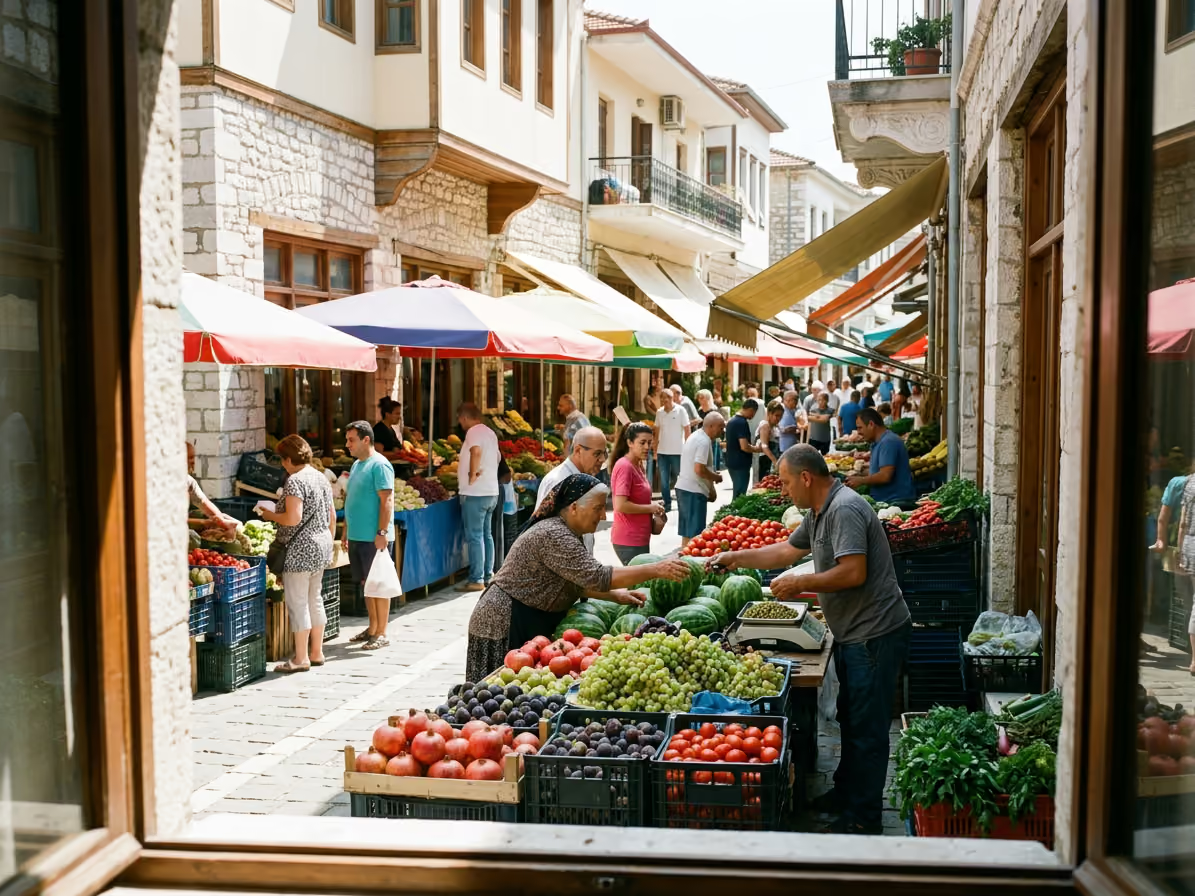
Start near the port and fish market area in the morning. Voyeglobal points to the dawn fish market as one of the best ways to see Vlorë’s seafood culture at work. Fish is freshest early, and the scene gives you a clear sense of what is local.
If you rent an apartment with a kitchen near Skelë or the city center, this is a strong move. Buy sardines, mullet, or another affordable catch, then cook it simply at home. You will spend less than a restaurant meal and learn the local baseline for freshness.
For sit-down seafood without full restaurant formality, look at fish shop kitchens. Medi Peshk i Fresket is the kind of place that suits budget diners who care more about product than décor. Ask what is fresh, ask the price by weight, and agree before cooking.
For beachfront dining, Bar and Restaurant Joni is mentioned by Nobus and travel creator David’s Been Here in Vlorë food coverage. It can suit a first seafood dinner with a view, but check prices before ordering platters. Beachfront value can be real, yet the view can raise the bill.
Paradise Beach Restaurant on Rruga Murat Tërbaçi is listed by Old Town Explorer and sits in the beach dining category. It can work for a relaxed meal near the water, especially with a group. Shared plates make more sense than each person ordering the most expensive fish.
Ristorante San Giorgio al Porto, on Rr. Hektor Shyti in Skelë, appears in Old Town Explorer’s Vlorë food guide. It reflects the Italian influence you will see around the port. Use it when you want pasta or a more familiar meal, not when your goal is the most traditional Albanian lunch.
Harbor cafés are best for coffee and people watching. Order espresso or macchiato, sit outside if the weather is good, and do not rush. Coffee in Vlorë is a social pause, not just caffeine.
The beach promenade has plenty of cafés too. Some are better for the sea view than the food. If the menu is long, glossy, and packed with international dishes, use it for a drink first before trusting it for dinner.
A practical rule for new residents: eat your cheapest meals away from the front row. One street back from Lungomare often gives you better value. This is not a hard law, but it helps when you are still learning the city.
For late snacks, keep expectations simple. Bakeries, gyros shops, grilled meat counters, and fast casual places are easier than searching for a perfect restaurant. Vlorë is friendly to simple hunger, not every meal has to be a project.
Prices in Vlorë change by season, location, and portion size. Summer near Lungomare can cost more than winter near the market. Use these ranges as a starter guide, then compare menus in person.
Byrek is one of the safest budget anchors. Expect many pieces to fall around 200 to 400 Lek. A large hand-rolled piece or a better bakery near a busy area may sit close to 300 Lek.
Petulla often fits the same ultra-budget range. A small portion with sugar, honey, or cheese may cost around 200 Lek. If you see them made fresh, order then and there.
Espresso is one of the best values in the city. Around the harbor or on local streets, 100 to 200 Lek is a common range for a basic coffee. A more styled café on the promenade can charge more, mostly for location.
Dhallë is cheap and useful with byrek. It is salty, cooling, and filling. Many locals pair yogurt drinks with pastry since the acidity balances the fat.
Gyros, souvlaki, and simple grilled meat wraps often land around 400 to 600 Lek. These meals are practical after the beach, especially around Rruga Murat Tërbaçi. They are not fancy, but they can solve dinner for less than a seafood starter.
For seafood, the safest phrase is “by weight.” Whole fish can look affordable on a menu, then surprise you when charged per kilogram. Ask for the weight and total price before it goes to the grill.
Sardines and mullet tend to be friendlier to a budget than large white fish. Calamari can be affordable if portioned clearly. Albaniavoyagers gives a useful benchmark at Medi Peshk i Fresket: 500 grams of fried calamari with salad and potatoes for about 1000 Lek.
Seafood platters often start around 1500 Lek and climb from there. Split platters with two or three people when possible. This lets you taste more without turning a casual dinner into a big bill.
A simple salad may cost around 300 Lek in many casual places. Potatoes, bread, and grilled vegetables can add small charges. These extras are worth watching, since they can push a cheap meal into the next tier.
Here is a realistic one-person budget day. Breakfast is byrek and dhallë for 300 to 500 Lek. Coffee later is 100 to 200 Lek. Lunch is gyros or a grill plate for 400 to 700 Lek. Dinner is simple seafood or shared plates for 1000 to 1500 Lek.
That puts a full eating day near 1800 to 2900 Lek if you are careful. You can go lower with home cooking and market food. You can go much higher with beachfront wine, prawns, imported dishes, and large fish.
For a couple, budget control is easier if you share. Order one salad, one potato side, one seafood item, and one cheap backup like bread or grilled vegetables. If still hungry, order more after seeing the first portion.
Families should use petulla, byrek, fries, simple grilled meat, and pasta as safety options for children. Seafood can then become a shared tasting plate rather than a forced main course. This reduces waste and keeps the bill calmer.
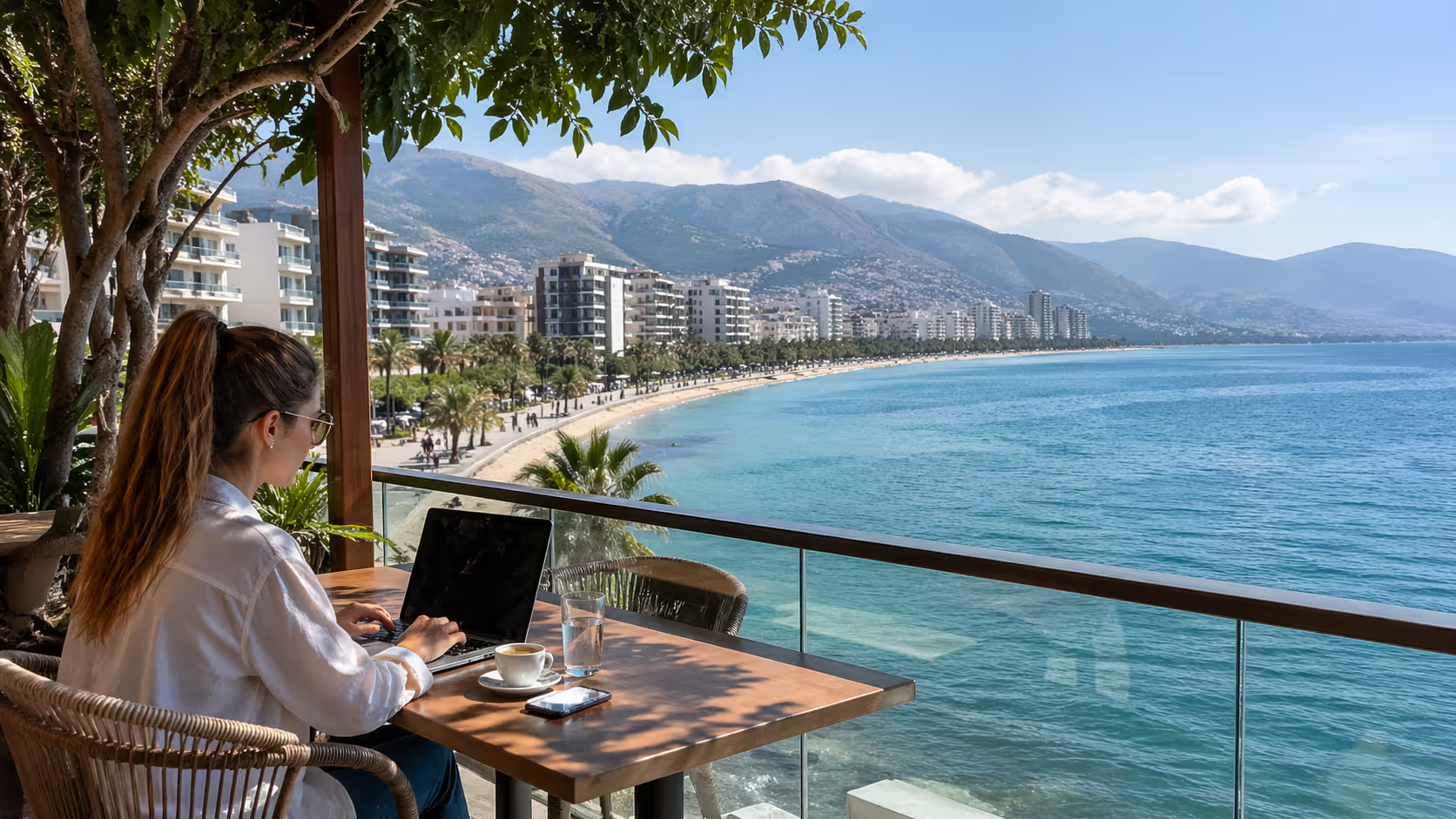
Remote workers should plan coffee costs honestly. Three coffees a day at 150 Lek is still only 450 Lek, but café snacks add up. If you work near Lungomare, choose one regular café and learn its prices before making it your daily office.
Start near Skelë or the port with byrek. Go early, when the trays are fresh and locals are buying breakfast. Choose cheese or spinach first, since those fillings are easy entry points.
Drink dhallë with it if you like salty yogurt. If not, get water and coffee nearby. Do not overthink the first meal, the point is to learn what a normal cheap breakfast feels like.
After breakfast, walk toward the fish market area near the port. You do not need to buy anything the first time. Watch what is on display, listen to prices, and note which stalls have steady local traffic.
For lunch, choose petulla or a casual grill. If you are near Lungomare, look one street back before picking a table. A wrap, salad, or simple meat plate will keep the day affordable.
For dinner, avoid your first big seafood splurge. Order grilled sardines, fried calamari, or a small fish portion in a casual place. Ask the price before cooking and keep the sides simple.
Begin with espresso at a harbor café. Sit down, even for ten minutes. Coffee in Vlorë is part drink, part social signal, and part daily reset.
If you are used to takeaway coffee culture, this may feel slow. That is normal. People come to cafés to be seen, talk, think, and pause between errands.
Late morning, go back toward the market or a fish shop kitchen. Ask what is fresh today. If you see calamari, sardines, or mullet at a clear price, choose a modest portion.
Have it grilled or fried simply. Lemon, oil, salt, and bread are enough. Heavy sauces can hide tired seafood and make the meal feel less Albanian.
For dinner, keep it mixed. Try a grill place such as Namma Barbeque on Rruga Murat Tërbaçi if you want a break from fish. This gives you a broader feel for everyday food in the city.
Use day three for a view meal. By now you will know baseline prices, and you will be harder to upsell. Choose a beachfront spot near Lungomare or Rruga Murat Tërbaçi.
Bar and Restaurant Joni and Paradise Beach Restaurant are both named in Vlorë dining guides. Treat them as view-friendly options, not automatic budget winners. Read the menu and ask about fish weight.
Order for the table, not for ego. One seafood item, one salad, potatoes, and bread can be enough for a light meal. Add a second dish only after the first arrives.
If you are with a group, split a platter. Old Town Explorer notes budget meals and seafood platters in this category, with shared ordering helping value. Group dining fits the local style and softens the bill.
End with coffee, not dessert, if you want to keep costs down. A small espresso after dinner feels natural in Albania. It costs less than many desserts and keeps you in the local rhythm.
Seafood is the main place where newcomers can waste money or take risks. Vlorë is a coastal city, but that does not mean every fish plate is equal. Freshness, storage, and pricing matter.
The safest budget habit is morning buying. Voyeglobal describes the fish market at sunrise, with seafood still fresh from the sea. Earlier shopping gives you better odds than late afternoon browsing in heat.
Look for clear eyes on whole fish, clean smell, firm flesh, and a cold display. Fish should smell like the sea, not sour or strong. If the smell makes you pause, walk away.
Choose grilled or fried seafood at first. Raw seafood and undercooked shellfish carry more risk, especially in hot weather. Save raw items for places you trust deeply, and only after living here long enough to know their turnover.
Ask for the price per kilogram or per portion. Then ask for the estimated total. This small conversation can save you from the classic shock of ordering a whole fish that weighs more than expected.
If language is a barrier, use your phone calculator. Point to the fish, ask “sa Lek?” and confirm the number. Many vendors are used to this with visitors and residents from abroad.
Avoid heavy sauces for your first seafood meals. Simple grilling lets you judge freshness. Cream sauces, thick tomato sauces, and fried piles can hide texture and age.
Sardines are a smart first seafood choice. They are local, flavorful, and often cheaper than larger fish. They are best grilled or pan-fried, then eaten with lemon and bread.
Mullet is another budget-friendly option when available. Sea bass can be excellent, but it can move into a higher price tier. Prawns and large mixed platters can climb fast too.
Cuttlefish and octopus need good cooking. Poorly cooked octopus can be rubbery. If you are unsure, order calamari first since it is more common and easier to share.
At a fish shop kitchen, you may not get a polished menu. That is fine if the prices are clear. Albaniavoyagers frames Medi Peshk i Fresket as an anti-tourist style choice for fresh seafood, where the product matters more than the room.
At a beachfront restaurant, expect the view to affect the bill. This does not make the place bad. It means you should decide if you are paying for food, view, or both.
A good safety rule is to eat seafood where other people are eating seafood. Empty restaurants on hot days are not ideal. Steady turnover protects quality and gives the kitchen less time to hold product.
For apartment cooking, keep it simple. Buy fish in the morning, cook the same day, use salt, oil, lemon, and heat. Do not store fresh seafood for days in a small rental fridge.
Coffee in Vlorë is not a side note. It is part of how the city works. Meetings start in cafés, friendships form in cafés, and many daily plans are made over tiny cups.
The basic order is espresso. Macchiato is common too. Some places serve Turkish style or boiled coffee, tied to older Ottoman habits across the region.
Italian influence is visible in the espresso culture. Albania has a deep café habit, and Vlorë gives it a coastal rhythm. People sit longer than the drink requires.
A newcomer may feel strange taking a table for one small coffee. Do it anyway. In Vlorë, lingering over coffee is normal, especially outside peak meal hours.
Near the harbor, cafés are useful for observing the city. You will see port workers, families, older men, young couples, and remote workers passing through. The pace tells you more than any guidebook.
On Lungomare, cafés feel more social and sea-facing. They are good for sunset and meeting people. Prices may be higher than small neighborhood cafés, but still manageable for a coffee.
If you plan to work from a café, buy more than one drink over time. Ask before using a laptop for hours. Some cafés are relaxed, others expect faster table turnover during busy periods.
Wi-Fi quality varies. Do not assume every café is a remote work spot. If you need a long work block, test the connection with one coffee first before ordering food.
Coffee with raki exists in Albanian social life, though it is not the best starter habit for every newcomer. If a local offers it in a social setting, pace yourself. Raki can be strong, and morning drinking is not for everyone.
Pastries pair well with coffee, but byrek is more filling. For a light café stop, choose a small sweet or petulla if available. For a working breakfast, get byrek from a bakery first, then coffee nearby.
Do not treat cafés like fast service machines. Staff may not rush to bring the bill. Make eye contact, ask politely, and pay at the counter if that seems to be the local pattern.
Tipping for coffee is modest. Rounding up is common enough in casual settings. For a 150 Lek coffee, leaving 20 or 50 Lek can be appreciated, but it is not a performance.
The deeper point is this: cafés are where isolation starts to break. If you are new in Vlorë, pick one café near your apartment and become familiar. After a week, the staff may remember your order.
The romantic idea of eating in Vlorë is easy to imagine: fresh fish every night, sunset tables, cheap wine, sea air, and friendly service everywhere. The daily reality is more mixed. Some meals are excellent, some are plain, and some are priced for visitors who did not ask enough questions.
Vlorë food is simple by design. Grilled fish may arrive with lemon and little else. Salads can be basic. Bread may be plain. This is not a failure, it is the style.
A common mistake is expecting every seafood restaurant to be cheap. Fish by weight can become expensive fast. Whole fish, prawns, platters, wine, and extras can turn a casual dinner into a tourist bill.
Another mistake is trusting only online rankings. Tripadvisor seafood lists can help identify popular places, but rankings often favor visitor-heavy restaurants. Use them as one signal, not your full dining plan.
Some newcomers avoid street food from fear. That can be too cautious. Busy bakeries and market stalls with high turnover are often safer than quiet restaurants holding food too long.
The opposite mistake is eating anything that looks local. Heat matters. Turnover matters. Clean counters matter. Local style is not a free pass to ignore food safety.
Summer changes the city. Crowds rise, service can slow, and beach area prices can move up. In July and August, ask prices more carefully and book popular dinners earlier if you have guests.
Winter is calmer and often cheaper, but some beach spots reduce hours or close. The market and bakeries still matter then. Long-term residents often rely more on home cooking during the colder months.
Vegetarians need patience. Byrek with greens, cheese pies, salads, beans, and grilled vegetables exist, but many menus lean meat and fish. Ask about meat in sauces, soups, and baked dishes.
People with allergies need extra care. Albanian menus may not list every ingredient in detail. If you have a serious allergy, translate the warning into Albanian on your phone and show it clearly.
Service can feel relaxed. That does not mean rude. Meals are social, and cafés are not built around speed. If you need to eat quickly before a bus or appointment, choose byrek or a grill counter.
Another reality: the best place may not look special. Some fish shops and bakeries are plain from the outside. Clean, busy, and clear on price matters more than décor.
The smartest approach is local-first and low-pressure. Repeat places that treat you fairly. Learn two or three reliable spots before chasing new ones every night.
Skelë is one of the most useful food zones for newcomers. It is close to the port, connected to daily errands, and full of cafés and casual places. If you live nearby, you can build a whole routine without needing a car.
The port area is strongest in the morning. Fish buying, coffee, and practical breakfasts fit this side of town. It is not always the prettiest dining area, but it teaches you how the city eats.
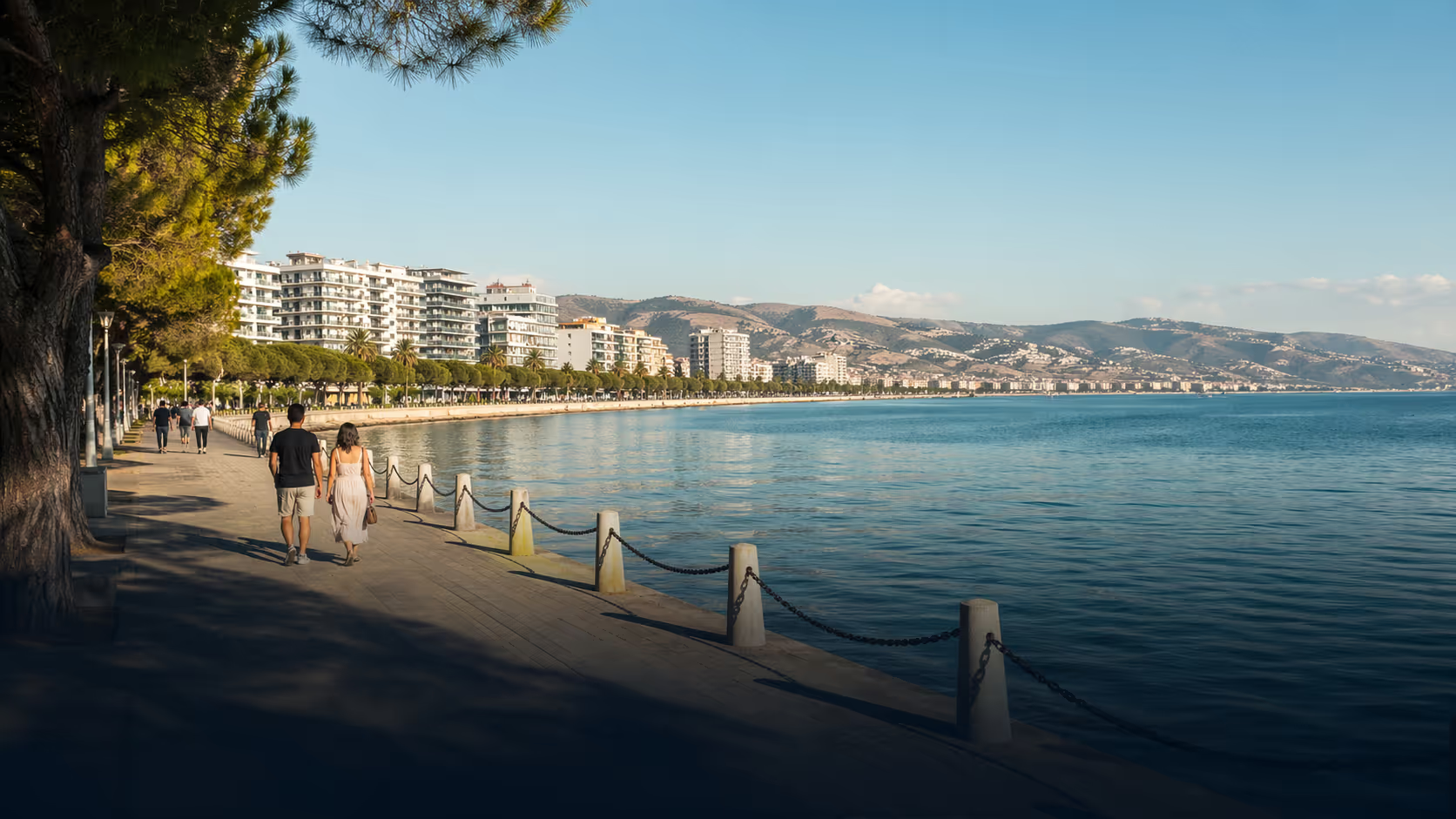
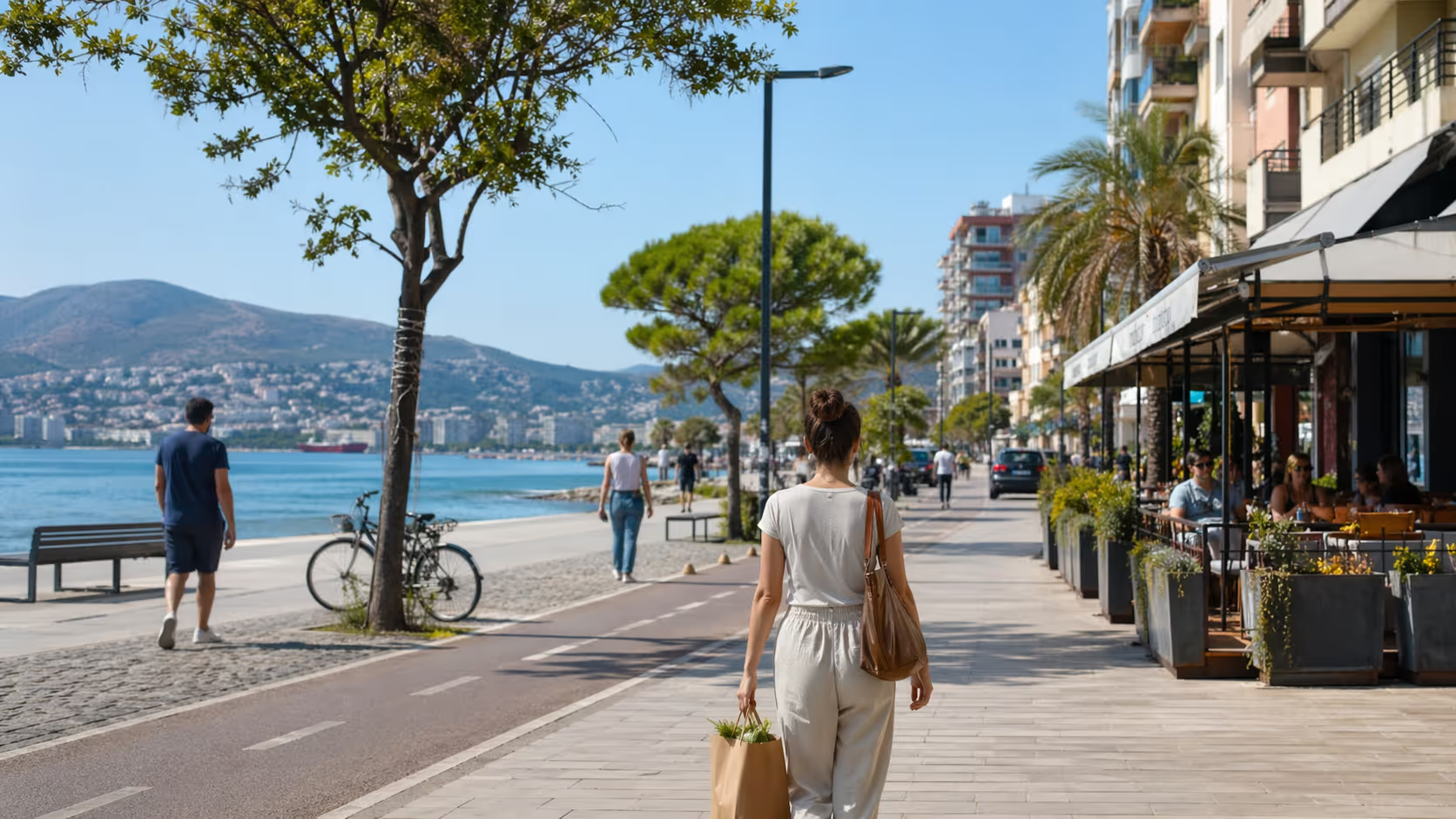
Lungomare is the social stage. Walk there near sunset and you will see families, couples, runners, tourists, and residents all mixing along the water. For food, it is best used with a little price awareness.
Front-row Lungomare tables are good for the view. They are not always the best value. If your budget is tight, have coffee on the front row and dinner one or two streets back.
Rruga Murat Tërbaçi is a key dining strip for beach access and casual meals. Old Town Explorer lists Paradise Beach Restaurant and Namma Barbeque on this road. That mix tells you what the area does well: beach meals, grilled food, and easy group dining.
For remote workers, living near Skelë or Lungomare gives easy access to cafés. The tradeoff is noise and higher summer demand. If you work from home, check apartment sound and internet before signing a longer rental.
For retirees, the promenade area can be comfortable since walking to cafés and restaurants is easy. The downside is seasonal crowding. A quieter street behind the front line can give better daily life.
For families, Rruga Murat Tërbaçi works well after beach time. Children can eat simple grilled meat, fries, petulla, or pasta. Adults can share seafood without making the meal too formal.
For solo newcomers, cafés around Skelë are less intimidating than full restaurants. Start with coffee, then return for byrek or a casual lunch. Familiarity builds quickly when you repeat the same few places.
For seafood learners, the port side is the better classroom. The beach side is the better reward. Use the market to learn prices, then use the promenade when you want atmosphere.
You do not need a long contact list to eat well in Vlorë. You need a few reliable location names, map habits, and Albanian food words. Save places as you go, since names and opening hours can change.
Use Google Maps for directions, but cross-check recent reviews. A restaurant can have a strong rating and still be the wrong fit for your budget. Look for photos of menus, fish displays, and actual plates.
Tripadvisor can be useful for seafood rankings in Vlorë County. Treat it as a broad popularity check. It is less useful for tiny bakeries, market stalls, and everyday coffee bars.
For named food stops from the research, save these on your map: Medi Peshk i Fresket, Bar and Restaurant Joni, Paradise Beach Restaurant, Namma Barbeque, and Ristorante San Giorgio al Porto. Check current hours before walking across town.
Paradise Beach Restaurant and Namma Barbeque are listed on Rruga Murat Tërbaçi. Ristorante San Giorgio al Porto is listed on Rr. Hektor Shyti in Skelë. These details help when taxi drivers or friends ask which side of town you mean.
Useful Albanian phrases can make dining easier. “Sa kushton?” means “How much does it cost?” “Peshk” means fish. “Mish” means meat. “Djathë” means cheese. “Spinaq” means spinach.
For byrek, ask for “byrek me djathë” if you want cheese. Ask for “byrek me spinaq” if you want spinach. Ask for “byrek me mish” if you want meat.
For seafood, ask “i freskët?” when asking if it is fresh. Many people will understand simple English in tourist areas, but Albanian words show respect. They can soften the exchange.
For price checks, hold up your phone calculator. Type the number and wait for agreement. This is better than guessing from a fast spoken answer.
For safety, save the location of your apartment before going to dinner at night. Taxis are available, but walking routes can feel different after dark. Lungomare is active in season, yet side streets can be quieter.
For community advice, ask residents where they eat on a normal Tuesday. That question works better than “Where is the best restaurant?” Normal Tuesday food is where value lives.
Our host tip is simple: do not make your first Vlorë meal a beachfront seafood platter. Start with byrek near Skelë, coffee by the harbor, and one modest fish order where the price is clear.
People often arrive with a holiday mindset, then feel confused by daily prices after a week. A better pattern is to learn the cheap rhythm first. Once you know what 300 Lek, 600 Lek, and 1500 Lek buys, you can enjoy the view meals without regret.
Community members often say the same thing after settling in: the repeat places matter most. One bakery, one café, one fish counter, one casual grill, and one guest-friendly restaurant will cover most weeks.
If you are new, join a local meetup and ask what people are eating this month. Vlorë changes with season, weather, and supplier habits. A place that is great in June may feel different in January.
Join the community if you want practical, resident-level food tips without the tourist gloss. Vlore Circle is built for people living here, not just passing through for a weekend.
Revisit this guide after your first week in Vlorë, when you have tried byrek, coffee, and at least one seafood meal. The advice will make more sense once you have seen the port area, walked Lungomare, and compared a few menus.
Come back again before summer guests arrive. You will need clearer price rules when friends want the full beach dinner experience. Use the three-tier budget model to plan meals that feel generous without losing control of the bill.
Revisit it in winter too. Some beach restaurants reduce hours, and market cooking becomes more useful. Your best winter routine may look different from your August routine.
Vlorë rewards people who eat with curiosity and common sense. Start cheap, ask prices, follow freshness, and let the city teach you one meal at a time.
Follow Vlore Circle for fresh guides, local updates, and community notes around life in Vlorë. It is the easiest way to stay close to what we are building.

Be part of a growing community built around connection, local life, and a better experience of Vlorë.
join the circle