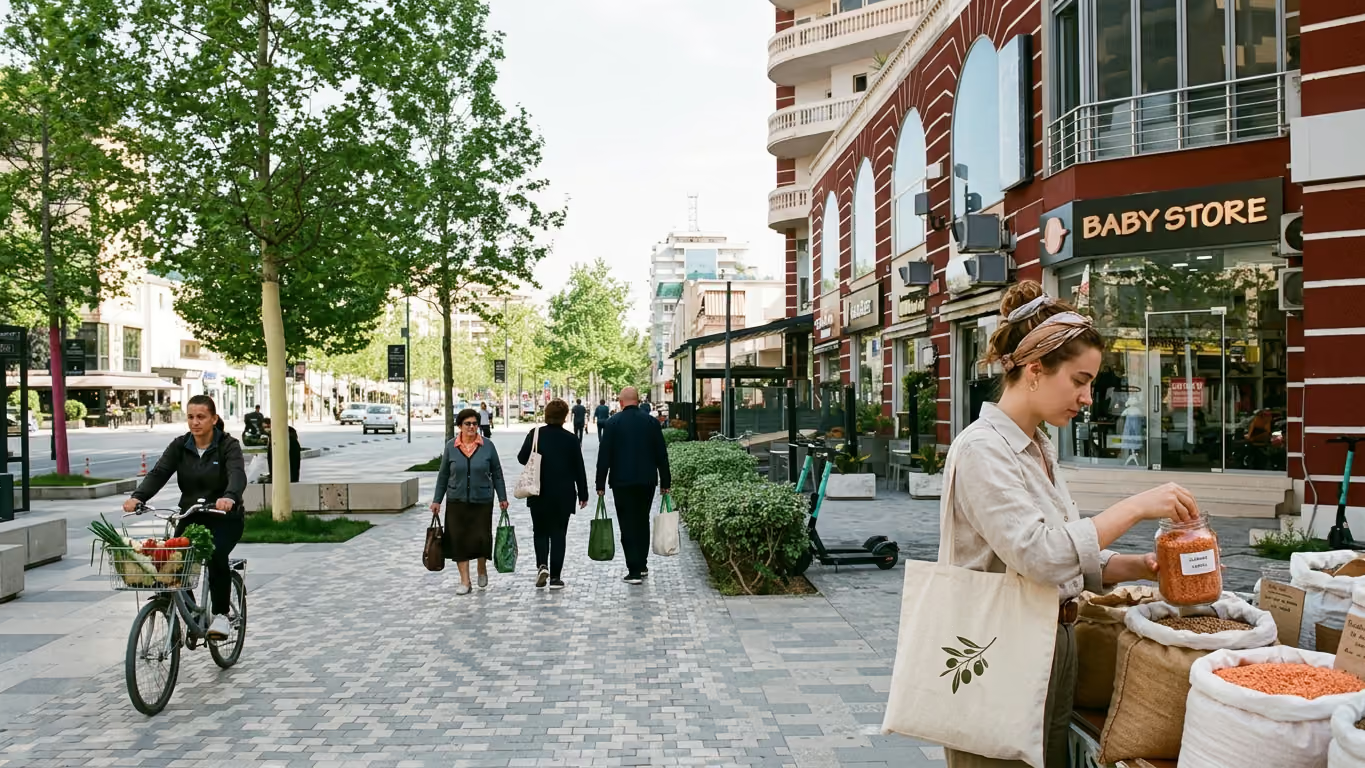
Representative image

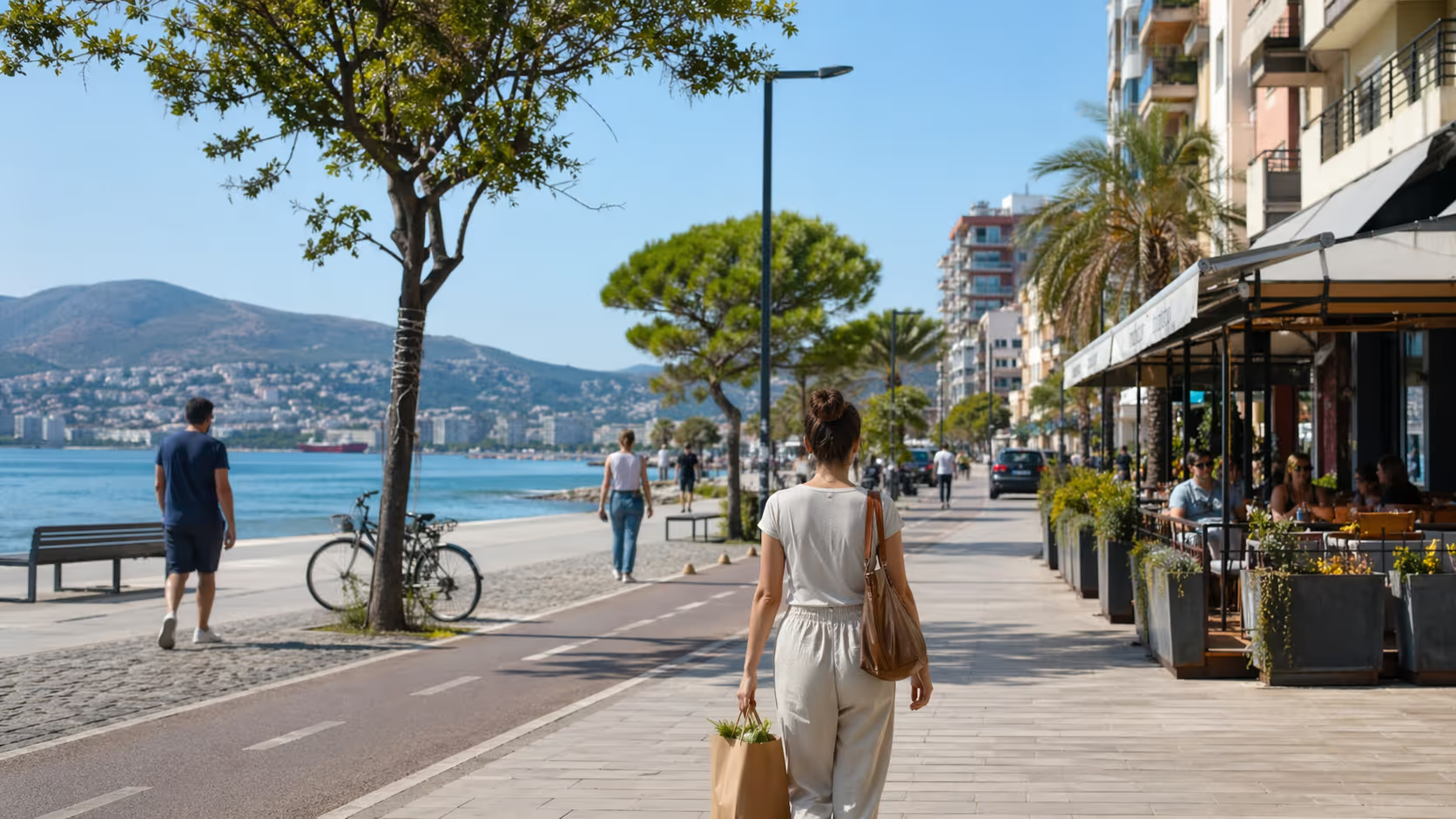
Carrying loose produce from neighborhood markets in your own cloth bag helps keep everyday plastic off the coast and streets of Vlorë.





You finish a beach walk near Lungomare, buy fruit on the way home, then notice three plastic bags in your hand before you reach Skelë. That small moment is where low-waste living in Vlorë starts.
Yes, you can live with far less waste in Vlorë, but you need a local routine rather than a perfect zero-waste setup. Start with unpackaged market shopping, reusable containers, careful recycling, and small beach cleanup habits near the promenade, Old Beach, and Uji i Ftohtë.
Vlorë is a coastal city, so waste is not an abstract issue here. A dropped bottle near Lungomare can move from the pavement to a drain, then from the drain to the bay after heavy rain. On windy days, light plastic bags from market stalls can travel fast along Rruga Kosova, Skelë, and the beach road toward Uji i Ftohtë.
This matters more during summer. The city gets fuller, beach bars open longer hours, takeaway cups multiply, and bins fill faster near the promenade. Many residents see the same pattern each year. The beach looks clean after a municipal sweep, then plastic cups, cigarette packs, and snack wrappers return after one busy evening.
UNEP has reported that plastic makes up a major share of marine litter worldwide. This global problem feels very local when you swim near Plazhi i Vjetër, walk the rocks near Uji i Ftohtë, or take guests south toward Radhimë. The sea gives Vlorë its daily rhythm, its food culture, and much of its economy. Treating waste as a shared local issue is plain common sense.
Albania is working through larger waste and nature protection challenges too. The UNECE environmental performance review for Albania points to the need for stronger waste management and better environmental governance. UNDP’s EU4Nature work in Albania focuses on the country’s natural heritage, which includes protected areas and coastal ecosystems. Vlorë sits close to some of the country’s most valued nature, from the bay to the Karaburun Peninsula and Narta Lagoon.
Zero-waste living in Vlorë is not about copying a polished lifestyle from Berlin, London, or New York. It is about buying loose tomatoes at the market near the center instead of plastic-wrapped produce. It is about saying no to a straw at a café on Lungomare. It is about keeping a cloth bag in your scooter box or backpack. It is about not leaving a broken umbrella, wet wipes, or plastic bottles on the sand after a beach day.
The local culture already has low-waste habits built into it. Many Albanian households reuse jars for jam, olives, raki, pickles, and dried herbs. Older residents often repair shoes, mend clothes, and keep sturdy bags for years. Seasonal shopping is normal. Buying from a local greengrocer, fishmonger, bakery, or dairy shop is part of daily life.
The modern waste problem often comes from convenience habits layered on top of those older routines. Plastic bags at every small purchase. Bottled water for each outing. Takeaway containers for meals that could be eaten at the table. Individually wrapped snacks for the beach. These habits are easy, but they create a steady stream of waste.
For expats and remote workers, the goal is not to act like a perfect visitor. The goal is to become a better resident. That means learning how local systems work, asking shopkeepers what is possible, and changing habits that make waste worse. You do not need to solve Albania’s waste system alone. You can reduce your own daily footprint and join local efforts that keep the coastline cleaner.
Zero-waste shopping means buying goods with little or no disposable packaging. The core idea is simple. Bring your own container, fill it with the amount you need, pay for the product, then use the container again.
The 5R framework is the easiest way to think about it. Refuse what you do not need. Reduce what you buy. Reuse what you already own. Recycle what can be recycled. Rot food scraps when you have a safe way to compost them. This order matters, since recycling comes late in the list.
Refusing is the first habit to practice in Vlorë. At a bakery near Skelë, you can hold up your cloth bag before the bread goes into a plastic one. At a fruit stall near the city center, you can group lemons and oranges together without separate bags. At a beach bar in Uji i Ftohtë, you can ask for no straw.
Reducing comes next. This means buying less of what becomes waste. If you live alone in a studio near Lungomare, do not buy a large bag of rice, nuts, or flour unless you will use it before humidity affects it. Vlorë summers can be hot and damp. Pantry goods can spoil or attract insects if you overbuy and store them poorly.
Reusing is where local life helps. Save glass jars from honey, ajvar, olives, tomato sauce, and jam. Wash them well, dry them fully, then use them for lentils, herbs, nuts, screws, coffee, or leftovers. A jar that already entered your home is better than buying a new “eco” jar from a shop.
Recycling matters, but it should not be your main plan. Recycling systems vary by area and building. Some streets have separate bins, some do not. Some materials are more likely to be collected than others. Sorting is still worth doing, but the cleanest waste is the waste you never created.
Rotting means composting food scraps. In Vlorë, this is easier if you have a balcony, garden, or house outside the center. Apartment composting is possible, but it needs care. Food scraps in a hot kitchen near Lungomare can smell fast. Start with coffee grounds, fruit peels, and vegetable scraps if you have a planter or a trusted garden spot.
Refill shops work through a tare system. The empty container is weighed first. That empty weight is called the tare weight. You fill the container with rice, soap, oil, shampoo, or another product. At checkout, the shop subtracts the tare weight, so you pay only for the product inside.
Guides from zero-waste stores such as The Tare Shop and PartyKitNetwork describe this process in a very simple way. Bring a clean container, weigh it empty, fill it, label it if needed, and pay by weight. Lauren Singer’s Trash is for Tossers refill video shows the same idea with liquids like shampoo. The point is that the bottle stays in use.
In Vlorë, dedicated package-free stores may not be as visible as they are in larger European cities. That does not block you from shopping with less waste. Farmers markets, neighborhood produce shops, bakeries, nut sellers, and some household shops can still support low-waste habits. The local workaround is to use refill thinking in regular shops.
Your basic kit can be simple. Take two cloth bags, three produce bags, one small jar, one larger container, and a reusable water bottle. If you buy bread, take a clean fabric bag. If you buy olives or cheese, ask if your clean container is acceptable. Some shops will say yes, some will prefer their own packaging for hygiene.
Do not turn this into a performance. If a shopkeeper is busy, ask politely and be ready to accept no. A calm “A mund ta vendos këtu?” means “Can you put it here?” Show the clean container as you ask. You do not need perfect Albanian to make the request clear.
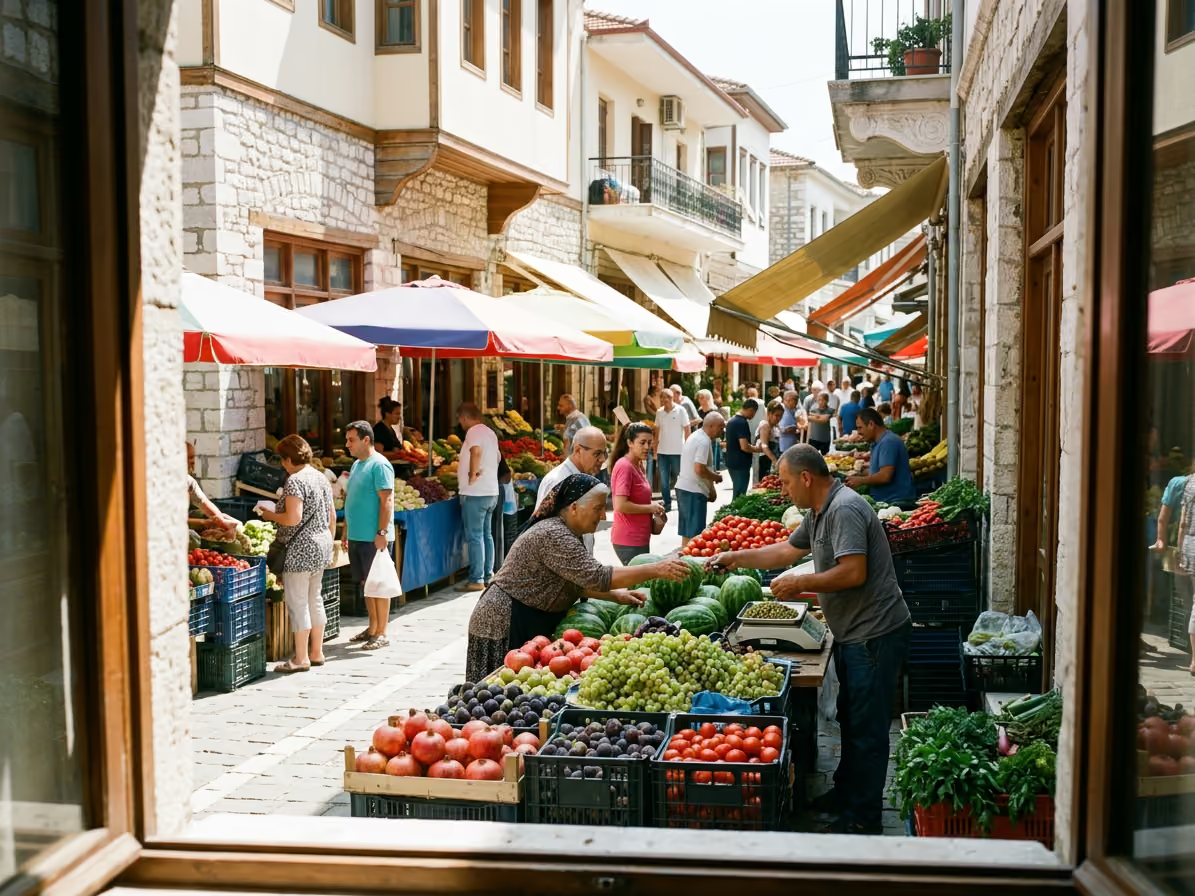
Start with produce markets and small greengrocers. They are the easiest places to reduce packaging in Vlorë. Loose tomatoes, cucumbers, peppers, onions, herbs, citrus, figs, grapes, and greens are common in season. Bring your own bags and you can avoid most thin plastic produce bags.
The market streets near the city center are useful for weekly shopping. Go in the morning when produce is fresh and sellers have more time. If you live near Skelë or Lungomare, combine errands with a short walk inland. Prices can vary by season, and the best deals often sit away from the beachfront streets.
For fruit and vegetables, use mesh bags or thin cloth bags. If the seller weighs the goods, choose bags that are light. Some sellers may weigh the produce inside your bag without concern. Others may prefer to weigh first, then let you place items into your bag.
For bread, bakeries are simple. A loaf or byrek does not need a new plastic bag every time. Keep a clean cloth bag in your backpack. If you buy hot byrek, use paper if needed, then skip the extra plastic carry bag.
For olives, nuts, dried fruit, and spices, jars work well. Ask first. Some sellers may be open to using your jar, mainly when the shop is quiet. If the seller uses a scoop and scale, the process is easy. If the shop has fixed packaging, choose the largest useful size rather than many small packs.
For fish and meat, low-waste shopping is harder. Hygiene rules and shop routines matter. A stainless steel container can work in some places, but not everywhere. If a fishmonger near the port or a butcher near your neighborhood will not use your container, avoid arguing. Ask if they can use less wrapping, then clean and reuse what you can at home.
For dairy, ask local shops about refill or return options before buying. Some small producers may sell yogurt, milk, or cheese in containers that can be reused at home. Many will use plastic tubs or bags. If you find a seller who accepts containers, support them with repeat visits.
For cleaning products, options can be limited. Some cities have refill stations for detergent, dish soap, and shampoo, but Vlorë’s offering can change. Ask in household goods shops near Skelë, the center, and larger supermarket areas. If no refill is available, buy concentrated products, larger formats, or powder versions with less plastic per use.
For water, the best low-waste move depends on your building. Many residents buy bottled water. If your apartment has suitable plumbing and you trust the setup, a filter jug, tap filter, or larger refillable water container can cut bottle waste. Ask neighbors in your building what they use. Water habits can vary between apartments, not just neighborhoods.
Supermarkets still have a role. You will need them for some items. The low-waste approach is not to ban supermarkets. It is to enter with a list, avoid impulse packaged snacks, choose glass or cardboard when sensible, and buy sizes that match your real use.
If you live near Lungomare, the temptation is convenience. You pass cafés, beach shops, bakeries, and small markets all day. Keep a “promenade kit” by your door. Add a water bottle, a cloth bag, a small container, and a napkin. This small kit handles most errands from Skelë to Uji i Ftohtë.
If you live near Plazhi i Vjetër, beach waste feels more visible. Bring snacks from home in a container rather than buying wrapped snacks at the last minute. Take a bag for your own waste and a second small bag for stray plastic you can safely pick up. Old Beach is wide, so even a short walk can collect several small items.
If you live in the older center, repair culture is easier to access. Tailors, shoe repair shops, small hardware stores, and second-hand sellers can extend the life of what you own. Repair is part of zero-waste living. A repaired sandal, backpack zip, or lamp means one less item in the bin.
A good routine beats a perfect plan. Set up one weekly rhythm that fits your neighborhood, work schedule, and beach habits. Keep it boring enough that you can repeat it.
Start on Sunday evening. Look at what you threw away during the week. Do not judge yourself. Just notice patterns. Maybe the bin is full of plastic water bottles. Maybe takeaway containers appear after long workdays. Maybe fruit went bad in the fridge.
Make a short list from that waste check. Pick three items to fix next week. For example, water bottles, produce bags, and coffee cups. Trying to fix ten things at once can turn low-waste living into another stressful project.
On Monday or Tuesday, buy fresh produce. If you work remotely from an apartment near Lungomare, go early before calls begin. Take two cloth bags and three produce bags. Buy only what you can eat in three or four days during hot months.
Midweek, handle pantry and household goods. Refill or buy larger formats when useful. Check rice, pasta, oats, lentils, coffee, olive oil, vinegar, soap, and detergent. If a refill option is not available, choose the lowest waste option that still fits your budget.
Before beach time, pack food at home. A beach box can include fruit, nuts, sandwiches, a fork, a napkin, and a water bottle. This avoids last-minute plastic at kiosks near the sand. It saves money too, mainly during July and August.
After a beach visit, bring back every item you took. Do not leave bottle caps, cigarette ends, wet wipes, or broken toys in the sand. If you smoke, carry a small tin for cigarette ends. Cigarette filters are a major beach litter item in many coastal areas.
Once a week, sort recyclables. Rinse bottles and jars. Flatten cardboard. Keep a small balcony bag or indoor crate for sorted items. Do not let recycling pile up until it becomes a household fight.
Once a month, reset your kit. Wash cloth bags. Check jar lids. Replace broken containers. Move one spare bag into your car, scooter box, gym bag, or laptop backpack. The best reusable item is the one you have with you.
Here is a simple Vlorë weekly pattern for a newcomer in Skelë.
Monday morning, buy fruit, vegetables, and bread with cloth bags. Wednesday afternoon, pick up pantry items and cleaning goods. Friday evening, prep beach snacks in containers. Sunday morning, walk Lungomare or Old Beach with a small cleanup bag, then sort recyclables at home.
For a retiree near Uji i Ftohtë, the rhythm may look different. Shop early at neighborhood stores before the heat builds. Carry one light tote rather than heavy jars. Buy smaller amounts more often. Ask a regular shopkeeper to help avoid extra bags.
For a family near Plazhi i Vjetër, the main issue is volume. Children create snack wrappers fast. Make a snack drawer with refillable containers, fruit, nuts, crackers from larger packs, and homemade items when possible. Keep two large beach bags ready, one for clean items and one for waste.
For a digital nomad staying three months, do not buy a full set of new jars. Reuse what you already buy. A pasta sauce jar, a yogurt tub, and a cotton tote are enough to begin. Before you leave, give clean containers to a neighbor or bring them to a community swap.
Zero-waste living is not always cheaper. This is one of the biggest myths. Bulk goods can cost more than supermarket packaged goods, mainly when shops sell smaller volumes or imported items. Goodordering notes that package-free and zero-waste products can carry higher prices than standard packaged goods.
In Vlorë, the budget picture is mixed. Seasonal produce from local sellers can be affordable. Imported eco products can be expensive. A reusable bottle saves money over time. A set of brand-new glass containers may not save money at all if you already have jars at home.
Start with reused items before buying a “zero-waste kit.” A jam jar costs nothing after you finish the jam. A tote bag from home is better than a new branded cotton bag. An old T-shirt can become cleaning cloths. A takeaway container can store dry goods if it is clean and sturdy.
If you do buy gear, keep it simple. Expect a basic low-waste setup to cost around 2,000 to 5,000 ALL if you buy only a bottle, a few bags, and one or two containers. A larger setup with glass jars, stainless steel boxes, produce bags, and a filter jug can reach 8,000 to 15,000 ALL or more. Prices shift by shop and quality.
The cheapest starter kit is this. One reused glass jar. One old tote bag. Two cloth produce bags. One refillable bottle. One food container you already own. That is enough for produce, bread, leftovers, beach snacks, and some dry goods.
A stronger kit for a couple in an apartment near Lungomare would include two water bottles, four produce bags, two large totes, six reused jars, two food containers, and a small sorting crate for recycling. Store the kit near the door. If it sits in a back cabinet, you will forget it.
A family kit near Old Beach needs more capacity. Use large washable bags, snack boxes for children, a beach waste bag, and a car crate for market runs. Families often need fewer delicate jars and more tough containers. Choose items that survive sand, scooters, car boots, and busy mornings.
The main hidden cost is time. Low-waste shopping may take longer at first. You may visit a produce seller, bakery, supermarket, and household shop instead of one large store. You may ask questions in Albanian. You may need to wash containers and sort waste.
The main hidden saving is control. When you shop from a list, buy seasonal food, carry water, and pack snacks, you reduce impulse spending. A coffee on Lungomare is still fine. Three plastic bottles, two snack packs, and a takeaway meal every beach visit add up fast.
Think in swaps, not total lifestyle change. Swap bottled water for a refillable bottle when possible. Swap plastic produce bags for cloth bags. Swap takeaway lunch for leftovers twice a week. Swap small detergent bottles for larger formats or refills when available. These moves are easy to repeat.
Recycling in Vlorë needs patience. You may see public bins, mixed bins, and some separated containers in busier areas. Collection and sorting can vary. Treat recycling as useful, but not magic.
Start by sorting the easiest materials. Clear plastic bottles, glass jars, metal cans, and clean cardboard are the main categories to separate at home. Rinse food residue. Dirty packaging can spoil a recycling batch. Keep lids and small items under control so they do not scatter on windy balconies.
If your building has no clear recycling setup, ask neighbors first. Long-term residents often know which bins are used, which ones overflow, and when collection tends to happen. If you rent, ask your landlord where residents place glass, cardboard, and plastic. Do not assume your home country’s system applies.
Public recycling points can change, so build a habit of checking your own walking routes. Look near larger streets, supermarket areas, schools, public buildings, and busier parts of Skelë and Lungomare. If a bin is full, do not leave bags beside it. Loose bags break, animals open them, and wind carries items away.
For batteries, electronics, light bulbs, and oils, do not place them with normal household waste if a safer option exists. Ask electronics shops, larger supermarkets, or the municipality about collection points. Keep these items in a labeled box at home until you find the correct drop-off. Small hazardous items matter.
Composting is the next step, but it is not the first step for every apartment. If you live in a high-rise near Lungomare with no balcony shade, composting can become smelly. If you live in a house with a yard near the edge of the city, it is much easier. Match the method to your home.
For balcony composting, start small. Use a lidded container, dry leaves or shredded paper, and only plant scraps at first. Avoid fish, meat, dairy, and oily foods. Vlorë heat can speed decomposition, but it can speed smells too.
If composting is not realistic, reduce food waste instead. Buy smaller amounts. Store herbs in water. Keep greens wrapped in a cloth. Freeze bread before it goes stale. Use soft fruit in smoothies, yogurt, or compote. Food waste prevention is low-waste living too.
Beach cleanups are the most visible eco habit in Vlorë. You do not need to wait for a formal event. Take one small bag on your Sunday walk near Old Beach, Lungomare, or Uji i Ftohtë. Pick up only safe items. Avoid medical waste, sharp metal, and anything you cannot handle safely.
For group cleanups, check local community pages, municipality updates, school campaigns, hotel groups, and environmental NGOs before the weekend. Bring gloves, closed shoes, water, sun protection, and separate bags for recyclables and mixed waste. In summer, go early. The heat on open sand becomes tiring fast.
A cleanup is not a substitute for waste reduction. Picking up ten bottles is good. Preventing ten bottles from being used is better. Pair cleanup habits with shopping habits. Carry water. Refuse extra bags. Choose sit-down meals over takeaway when you can.
If you join a cleanup near Narta Lagoon or the road toward Zvërnec, be extra careful. Wetlands are sensitive. Stay on paths where possible. Do not disturb birds or vegetation. The goal is to remove harmful litter, not create new damage.
The first mistake is trying to become zero-waste in one week. That usually fails. You move to Vlorë, set up an apartment, learn bills, find doctors, meet people, and adjust to Albanian rhythms. Adding a strict waste challenge on top can become too much.
Pick one habit per week. Week one, carry a bag. Week two, carry water. Week three, buy loose produce. Week four, sort recyclables. Small habits stick better than a dramatic reset.
The second mistake is buying too much eco gear. New jars, bamboo cutlery, metal straws, special lunch boxes, and cotton bags can become clutter. The most sustainable item is often the one already in your kitchen. Reuse before you buy.
The third mistake is forgetting tare weight. If a shop sells by weight and accepts your container, ask to weigh it empty first. If that is not possible, use a very light bag or let the seller use their standard method. Keep the exchange simple.
The fourth mistake is bringing dirty containers. Shopkeepers have good reason to be careful. Wash jars, dry them fully, and check lids. A clean container is more likely to be accepted. A stained plastic tub with old food smell will not help your case.
The fifth mistake is overbuying dry goods. Bulk shopping can tempt you to buy more than you need. Vlorë humidity can affect rice, flour, oats, nuts, and spices. Buy amounts you can use soon. Store goods in airtight jars away from sun.
The sixth mistake is assuming all plastic is recyclable. Some plastic is low value. Some is dirty. Some is mixed with foil or paper. Some is too small to sort well. Reduction matters more than placing every package into a recycling bin.
The seventh mistake is shaming local shopkeepers. Many small businesses operate on tight margins and fast service. They may not have space, staff time, or supplier options for package-free systems. Ask politely. Reward helpful shops with repeat visits. Do not lecture people at the counter.
The eighth mistake is treating beach cleanups as social media content only. Photos can help spread the message, but the work needs to happen after the photo. Sort what you can, dispose of mixed waste properly, and wash reusable cleanup gear. Share clear details if others can join next time.
The ninth mistake is ignoring local language. Learn a few phrases. “Pa qese, faleminderit” means “No bag, thank you.” “Kam enën time” means “I have my own container.” “A riciklohet kjo?” means “Is this recyclable?” These small phrases reduce awkward moments.
The tenth mistake is giving up after a messy week. Everyone forgets a bag. Everyone buys a plastic bottle sometimes. Everyone has visitors who create extra waste. Reset at the next shop, not next year.
The romantic version is easy to imagine. You shop at sunny markets, carry perfect jars, eat local figs, swim in clear water, and never touch plastic again. Real life in Albania is more mixed.
Some days you will find beautiful local produce with no packaging. Other days the only quick lunch near your office will come in plastic. Some shopkeepers will welcome your container. Others will look confused or refuse. Some recycling bins will be easy to find. Others will be full.
Apartment life can be tricky. Many Vlorë rentals have small kitchens, limited storage, and no clear recycling area. If you work from home, packaging builds up faster. If you live near the beach, sand gets into bags and containers. If you host guests, bottled water and takeaway waste can rise fast.
Summer adds pressure. Heat makes food spoil faster. Crowds increase litter near the water. Shops get busy, so special requests feel harder. Beach days lead to more snacks, cups, napkins, and bottles. Your best summer tool is preparation.
Winter has its own pattern. The city is calmer, and routines are easier to build. You may cook more at home. Markets still have seasonal produce. Beach walks are quieter, making small cleanups easier. This is a good season to set habits before the next summer.
There are social realities too. Some people will understand your low-waste habits. Some will joke about them. Some will insist on giving you a bag out of politeness. Take it lightly. A smile and “jo, faleminderit” works better than a speech.
There is a policy reality too. Albania is aligning parts of its environmental work with European standards. Reports from UNECE, UNDP, and circular economy groups point to the need for better waste systems, stronger nature protection, and more circular resource use. Individual habits matter, but public systems matter too.
The practical resident view is balanced. Do what you can control. Support shops that reduce waste. Sort materials when possible. Join cleanups when you can. Ask better questions as a renter, customer, and neighbor.
This is where community helps. It is easier to keep habits when you know where others shop, which buildings have better sorting, which beach cleanups are real, and which local sellers accept containers. If you are new in the city, Join the community and learn from residents who are already testing these routines.
Our host tip is simple, keep a low-waste bag by the door, not in your kitchen. Most waste decisions happen outside your home. They happen when you buy bread near Skelë, grab water before a walk on Lungomare, or stop for fruit on the way back from the beach.
Pack the bag like a local survival kit. Add one tote, two produce bags, a small container, a water bottle, and a napkin. If you drive, keep a second tote in the car. If you use a scooter, keep a foldable bag under the seat.
Do not wait for Vlorë to offer perfect refill shops before you start. Use the market, bakery, greengrocer, fishmonger, and repair shop network that already exists. Low-waste living here is more about relationships than branding. A regular seller is more likely to help you when they know your face.
Ask one new question each week. “Can I use my jar for olives?” “Do you sell this loose?” “Where should I take glass?” “Is there a cleanup this weekend?” These questions build local knowledge fast.
Share what works with others. If you find a shop near the center that accepts jars, tell a neighbor. If you find a recycling point near your building, tell your group chat. If you organize a small beach cleanup near Old Beach, invite two people rather than waiting for a large event.
Keep your standards firm but realistic. Refuse the easy waste. Reduce the repeat waste. Reuse what you own. Recycle clean materials. Compost only if your home can handle it. Then keep living your life.
Revisit this guide when you move apartments in Vlorë, change neighborhoods, start shopping for a family, or enter the summer season. Your waste routine near Lungomare may not work the same way near Plazhi i Vjetër, the old center, Radhimë, or Uji i Ftohtë.
Check your kit every month. Check your recycling setup when bins or building rules change. Check beach cleanup groups before long weekends and tourist season. Small updates keep the habit alive.
Responsible living in Vlorë is not about perfection. It is about becoming the kind of resident who leaves the market, the promenade, and the beach a little cleaner than you found them.
Follow Vlore Circle for fresh guides, local updates, and community notes around life in Vlorë. It is the easiest way to stay close to what we are building.
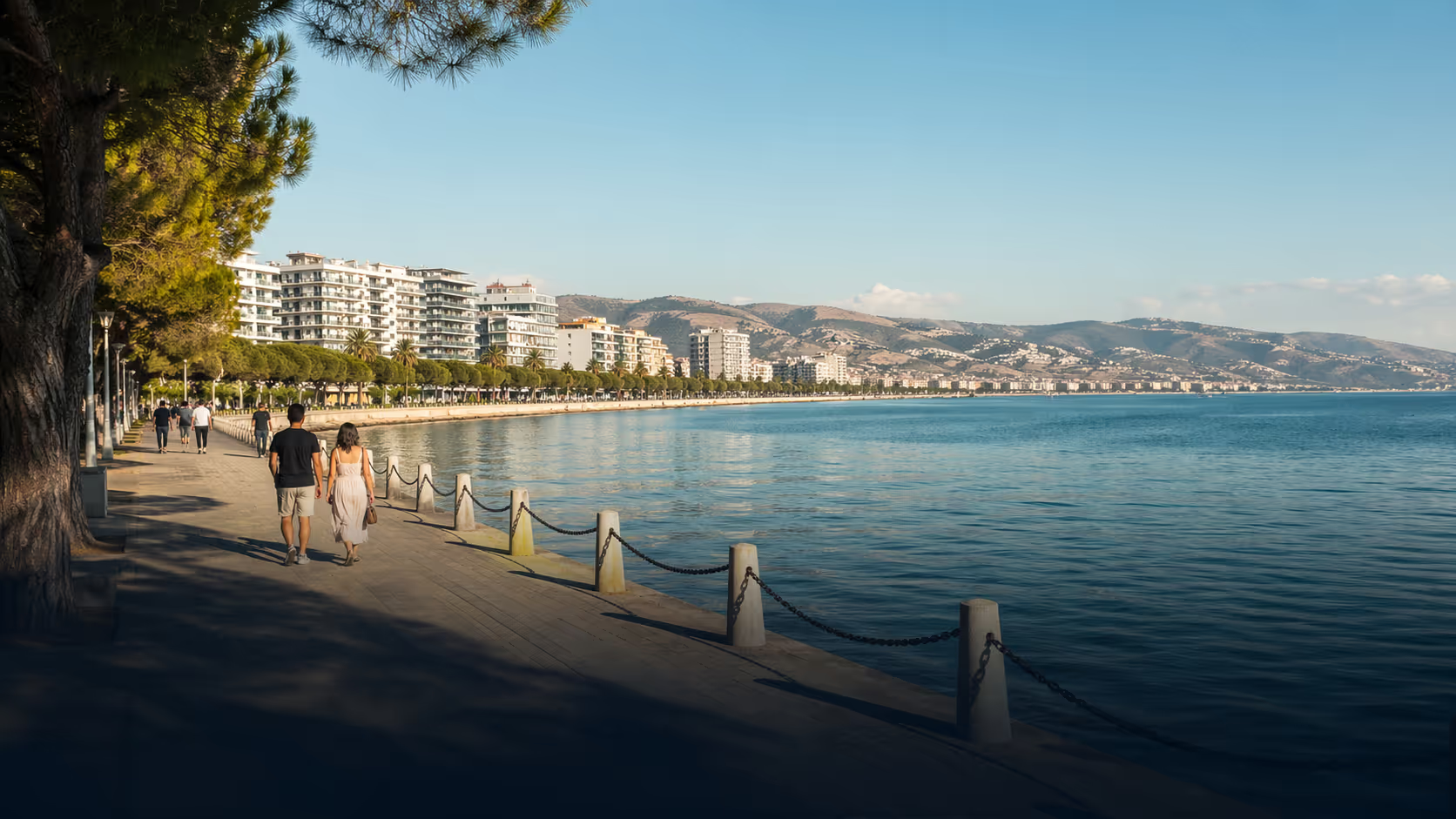
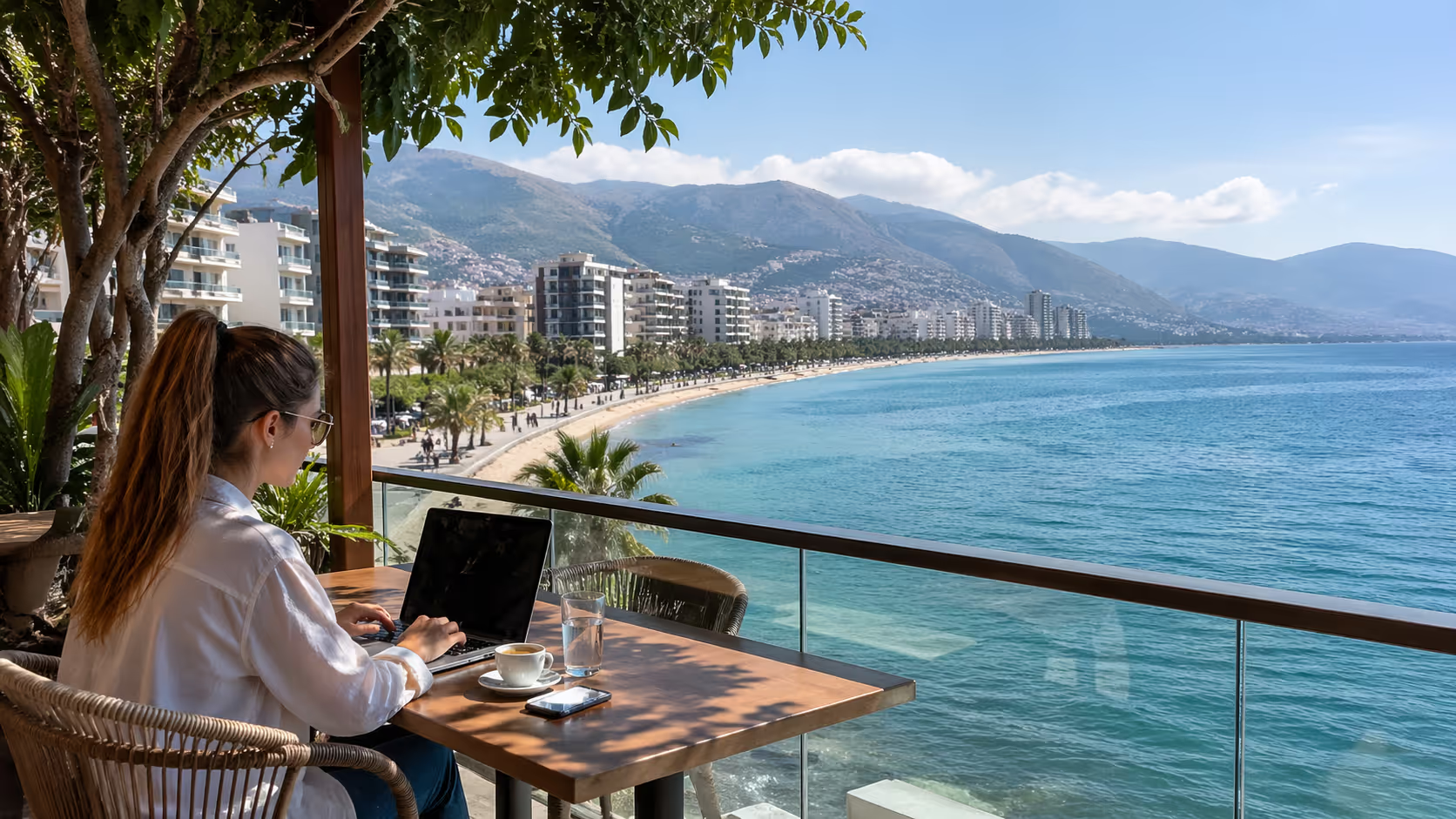
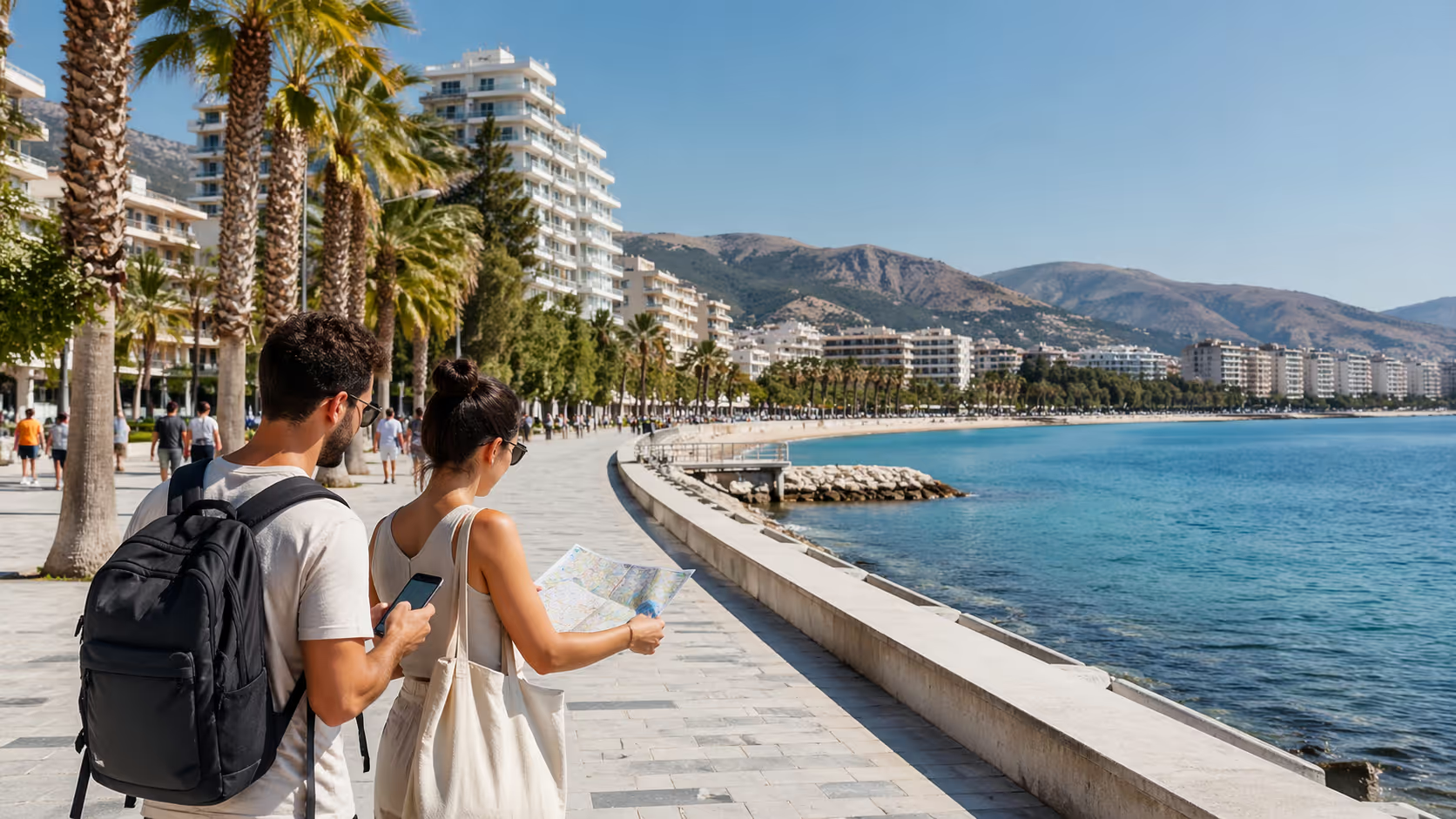

Be part of a growing community built around connection, local life, and a better experience of Vlorë.
join the circle