Representative image

Learn how to adapt to Vlorë's changing seasons. This practical guide covers winter weather, summer crowds, and building a sustainable year-round routine.





You have heard that Vlorë operates purely as a summer playground. That is an outdated misconception. The truth is that Vlorë functions as a twelve-month city with distinct phases for its permanent residents. Newcomers frequently arrive expecting endless sunny days and open beach clubs.
They quickly learn that year-round living requires adapting to specific climate shifts and changing local routines. A successful transition means treating the city as a dynamic environment. You must adjust your habits as the weather turns. The coastal rhythm dictates everything from your social schedule to your housing needs.
Short-term travel marketing heavily distorts expectations for new arrivals. Vacation brochures focus entirely on the hottest months of the year. Digital nomads post photos of seaside cafes in July. This creates the illusion that the city simply vanishes after August.
Most foreign publications ignore the reality of the winter months completely. They sell a narrow slice of the Mediterranean lifestyle to attract tourists. The employment cycle reinforces this very narrow view. A guide from Faruse notes that Albania's seasonal hospitality jobs are concentrated in coastal destinations like Vlorë.
Restaurants and resorts hire heavily for the summer rush. These workers flood the city during the high season. When those temporary workers leave, outsiders assume the local community leaves with them. That assumption ignores the thousands of residents who stay behind.
Understanding the real city requires tracking its verifiable weather patterns. Climate averages show cool and wetter winters followed by hot and dry summers. The most practical way to understand the city is to break the year into workable quarters. Each phase demands a different approach to daily life.
January and February require a strong indoor routine. Average daytime highs in January rise from roughly 11 to 13°C. Nighttime temperatures drop to around 3 to 6°C. Climate averages indicate roughly 11 to 14 rainy days during January alone.
This weather demands a warm apartment and indoor hobbies. February remains cool with average daytime highs around 12 to 14°C. The sea averages only 14 to 15°C during this late winter stretch. These cooler months force a shift in social habits for everyone in town.
You cannot rely on outdoor terraces for your daily meetings. Residents move their gatherings inside to heated cafes and local restaurants. The Lungomare remains useful for brisk walks on clear days. You must build a social circle that does not depend on beach access.
Consistency in your daily routine builds real local connections. Becoming a regular at a neighborhood bakery yields better friendships than attending massive summer parties.
March and April bring a gradual spring reopening to the coast. Average daytime highs reach roughly 15 to 16°C in March. Rainfall averages fall compared with the winter months. The total number of rainy days begins trending downward.
You will notice more neighbors spending their afternoons outside. By April, average daytime highs climb to about 18 to 19°C. Rain occurs less frequently than in the winter months. This period marks a distinct shift back to the waterfront.
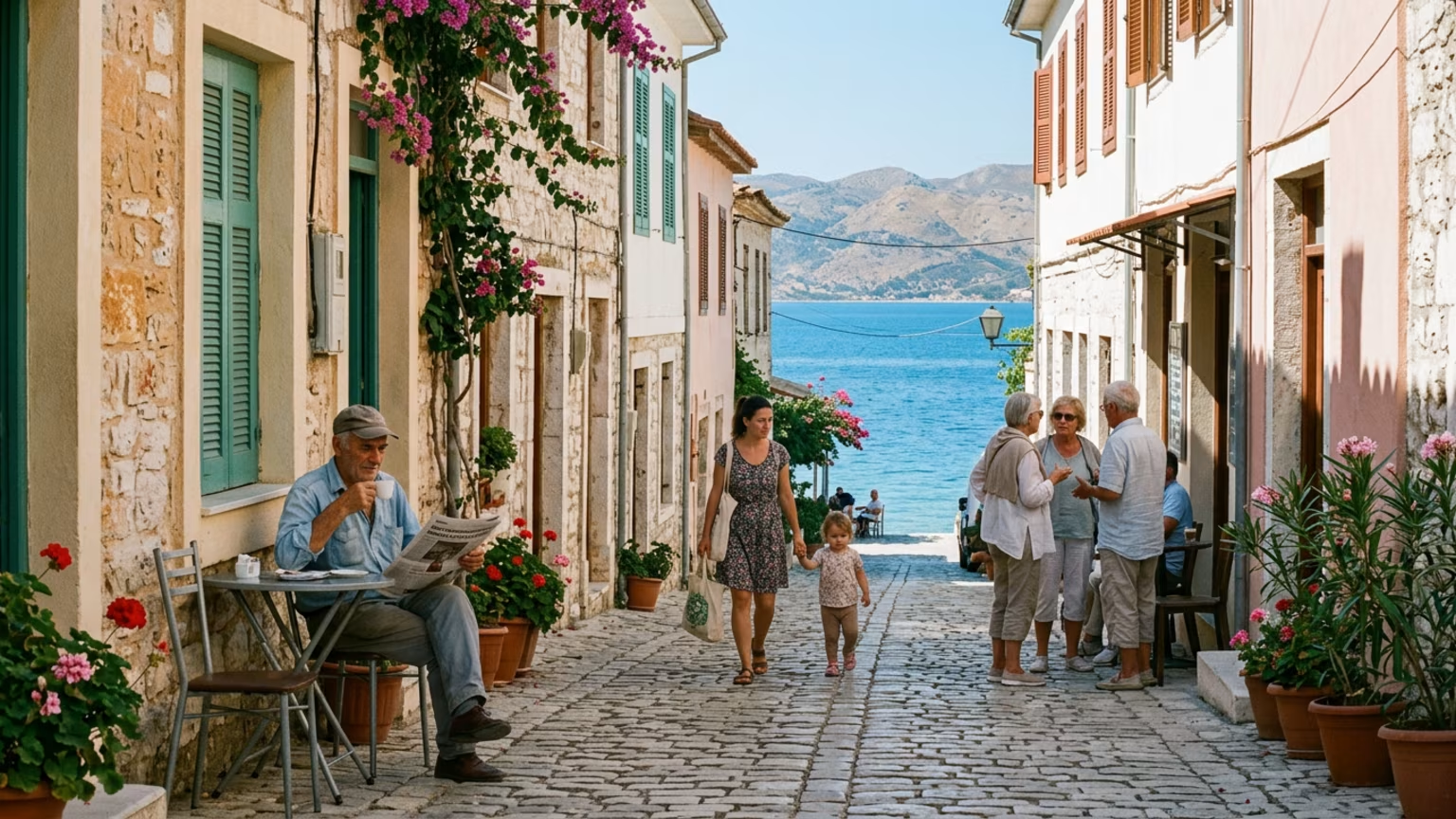
People spend more time walking through the city center. Cafes begin moving their tables back onto the sidewalks. It is a transitional phase requiring a highly flexible wardrobe. A warm afternoon can easily turn into a chilly evening.
You should keep an indoor backup plan for every outdoor meeting. The weather remains unpredictable, but the overall trend moves toward warmth. The shift in weather encourages better outdoor routines. Cyclists return to the coastal paths with greater frequency.
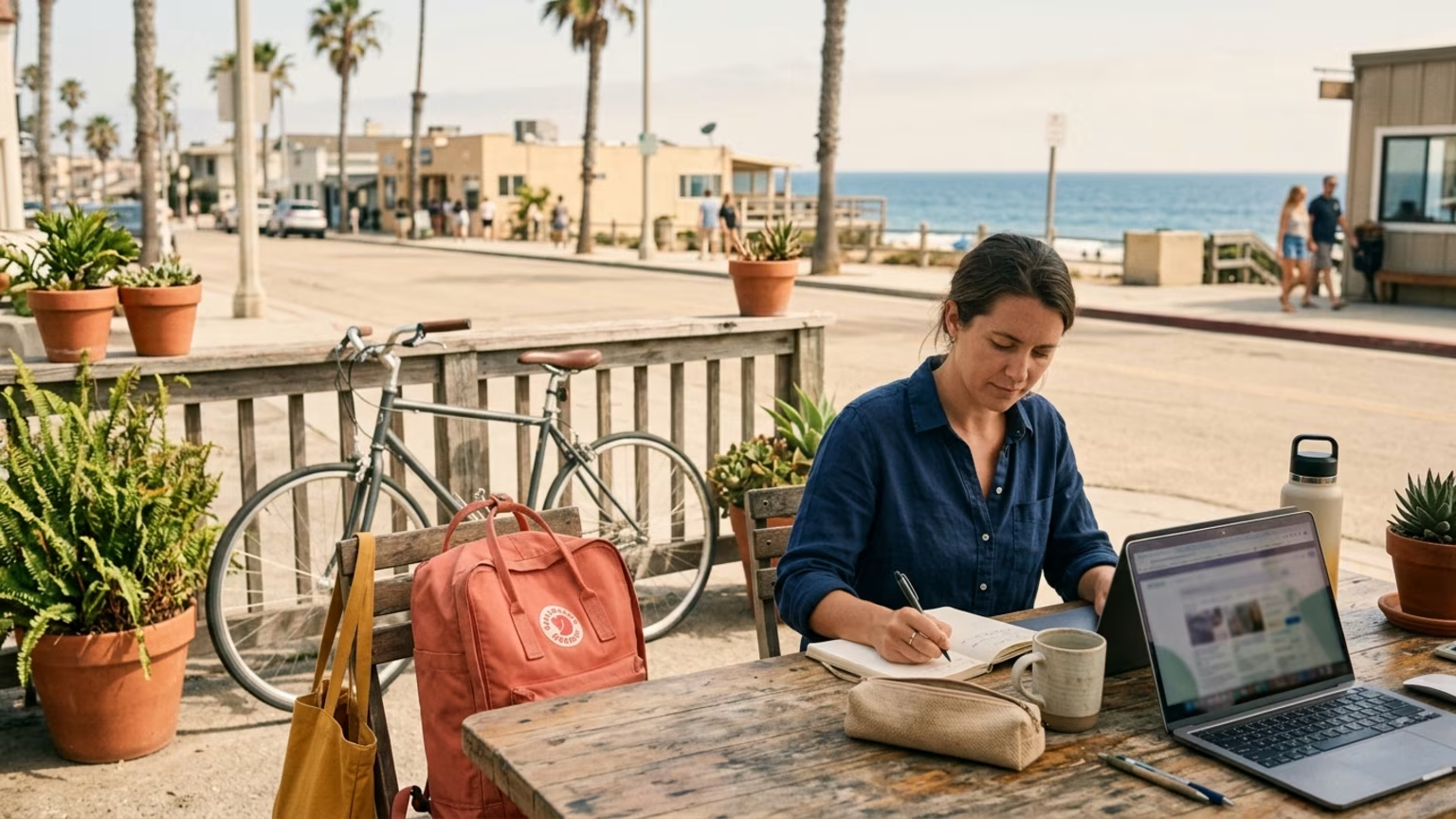
May and June introduce the first reliable outdoor comfort. Average daytime temperatures in May hit approximately 23°C. Sea temperatures remain cooler around 18°C. This makes swimming an option for some brave residents.
The beaches start to fill with local families on the weekends. June pushes average daytime highs to around 27 to 28°C. Rainfall is notably low during June. The sea averages roughly 22°C by this point.
This is an excellent time for adapting to the coastal cycles without fighting massive crowds. The seasonal workers mentioned by Faruse start arriving in larger numbers. The city feels energetic without feeling overwhelming. Remote workers can still find quiet spots in the cafes.
The balance between local life and tourism is nearly perfect. You can enjoy the natural landscape before the intense summer heat sets in.
July and August define the absolute peak of the dry season. July brings minimal rainfall and average daytime highs of 30 to 31°C. The sea temperature reaches around 24°C in July. The entire coastline transforms into a massive hospitality operation.
August stands as the hottest month with daytime highs around 30 to 32°C. Very little rain falls during August. The heat dictates every daily decision. Residents wake up early to run errands before the sun peaks.
Midday hours are reserved for shaded spaces and air conditioning. The evening brings everyone back to the promenade for late dinners. The noise level rises significantly across the city. Managing your energy becomes a daily requirement.
You must pace yourself to avoid exhaustion during these intense months. The local hospitality sector operates at maximum capacity. Wait times at popular restaurants stretch significantly longer than usual. Securing a table often requires booking several days in advance.
The influx of summer visitors directly alters the local financial landscape. Lovin' Albania confirms that accommodation costs hit their annual peak during July and August. Landlords shift their focus entirely to short-term holiday rentals. Finding a long-term lease during these months requires significant patience.
You will pay a premium for any property near the water. The physical environment changes alongside the prices. Lovin' Albania reports that the city center becomes heavily congested during this exact window. Basic travel times double or triple as traffic clogs the main roads.
A simple trip to the supermarket requires strategic timing. Quiet workspaces disappear as every cafe fills with vacationers.
Year-round residents must align their habits with the shifting climate. Your choice of neighborhood dictates your winter comfort more than any other factor. You need an apartment with good heating for those 11 to 14 rainy January days. A sea view matters very little when winter storms roll in.
Prioritize proximity to year-round grocery stores and pharmacies. Build your social life around building a sustainable lifestyle during the quieter months rather than fleeting summer events. Attend local language exchanges, join fitness groups, and find a dependable cafe. Seasonal workers make great temporary company.
Real integration requires interacting with the people who remain in town for the entire year. Focus on the community that survives the winter rain. Adjust your daily schedule to match the temperature trends. Work early in the morning during August to beat the 32°C heat.
Use the Lungomare for brisk afternoon walks in February. Planning around mastering the distinct seasonal climate prevents frustration when the weather abruptly shifts. Flexibility is your greatest asset.
Focus on building a reliable network of local services early. Find a trusted mechanic, a good doctor, and a responsive landlord during the spring. Trying to find a plumber during the August congestion is remarkably difficult. A solid local directory turns a frustrating winter disruption into a minor inconvenience.
Remote workers face unique challenges across the calendar. A cafe with perfect internet in May might become entirely unusable by July. The summer noise levels make video calls practically impossible near the main promenade. You need a dedicated home office setup before the high season begins.
Winter brings different logistical hurdles for digital professionals. Power outages occur occasionally during heavy January storms. A reliable power bank and mobile hotspot are mandatory tools for permanent residents. You must establish a backup location for the days when home internet fails.
Relying on vlore circle community advice helps you find the most stable infrastructure.
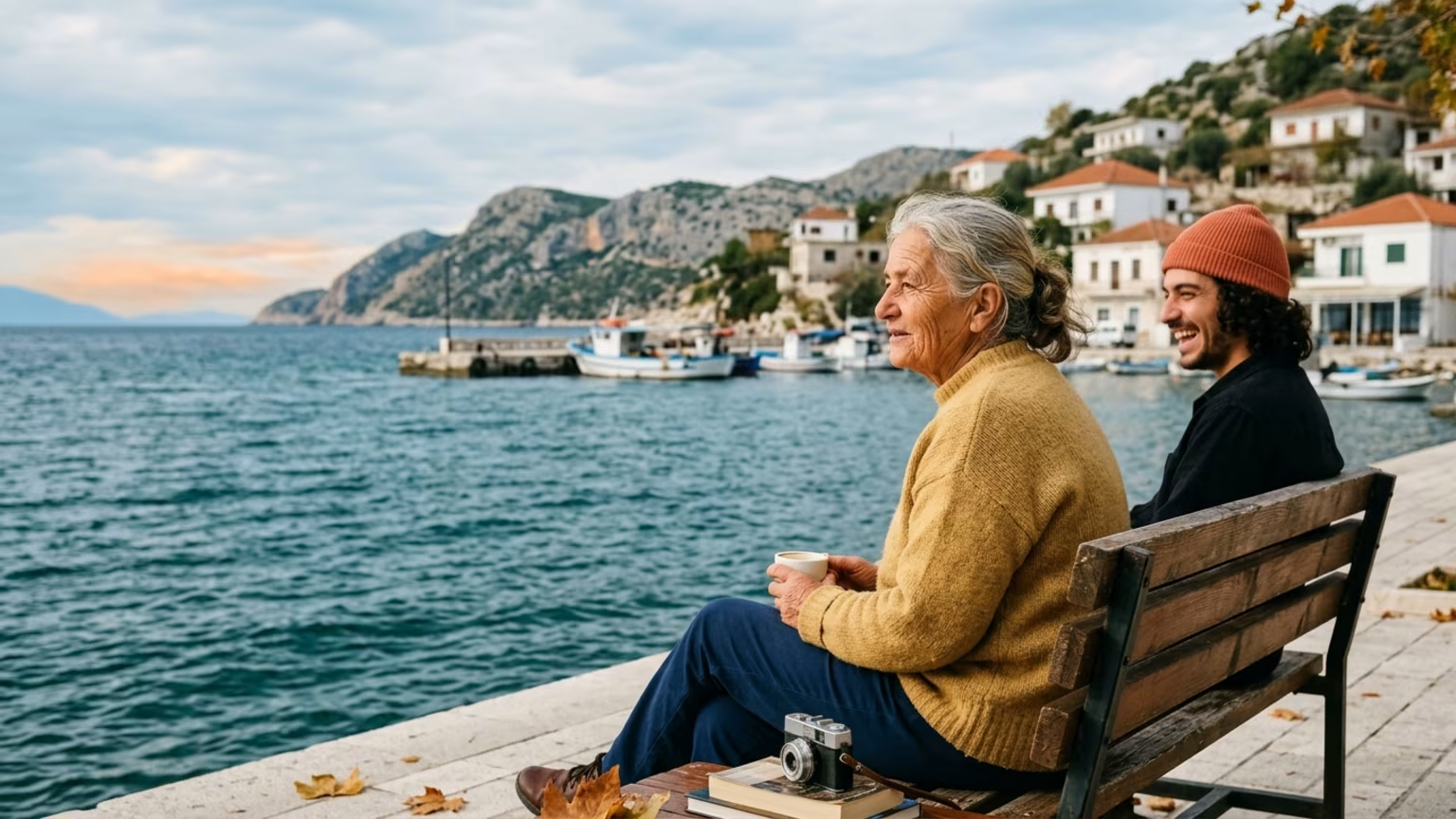
The changing months eventually teach newcomers how to pace their expectations. The quiet winter rain creates a deep appreciation for the early spring warmth. The intense summer energy eventually gives way to a restful autumn. A city is fully known only by those who watch it rest and rebuild.
How will your daily routine shift when the final beach umbrellas are packed away?
Follow Vlore Circle for fresh guides, local updates, and community notes around life in Vlorë. It is the easiest way to stay close to what we are building.
Direct flights from Bratislava connect Slovak remote workers to Vlorë. This guide details the 150 km Tirana airport transfer and practical arrival steps.

Find the right Vlorë neighborhood by prioritizing daily errands, testing seasonal routines, and weighing central walkability against quieter coastal areas.

Discover how to build your social life in Vlorë by joining the evening xhiro on the Lungomare. Get practical tips for navigating informal community rhythms.