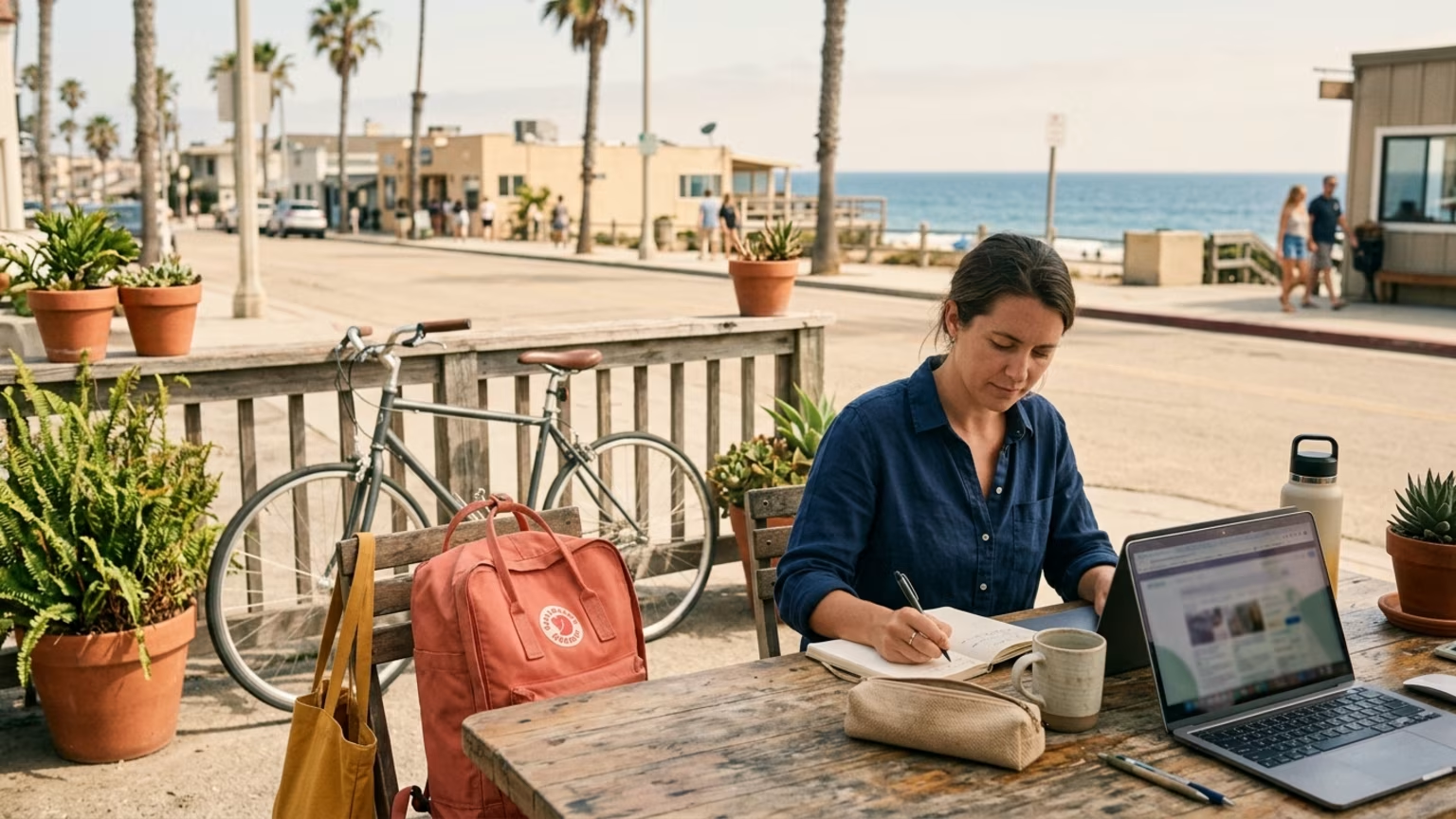
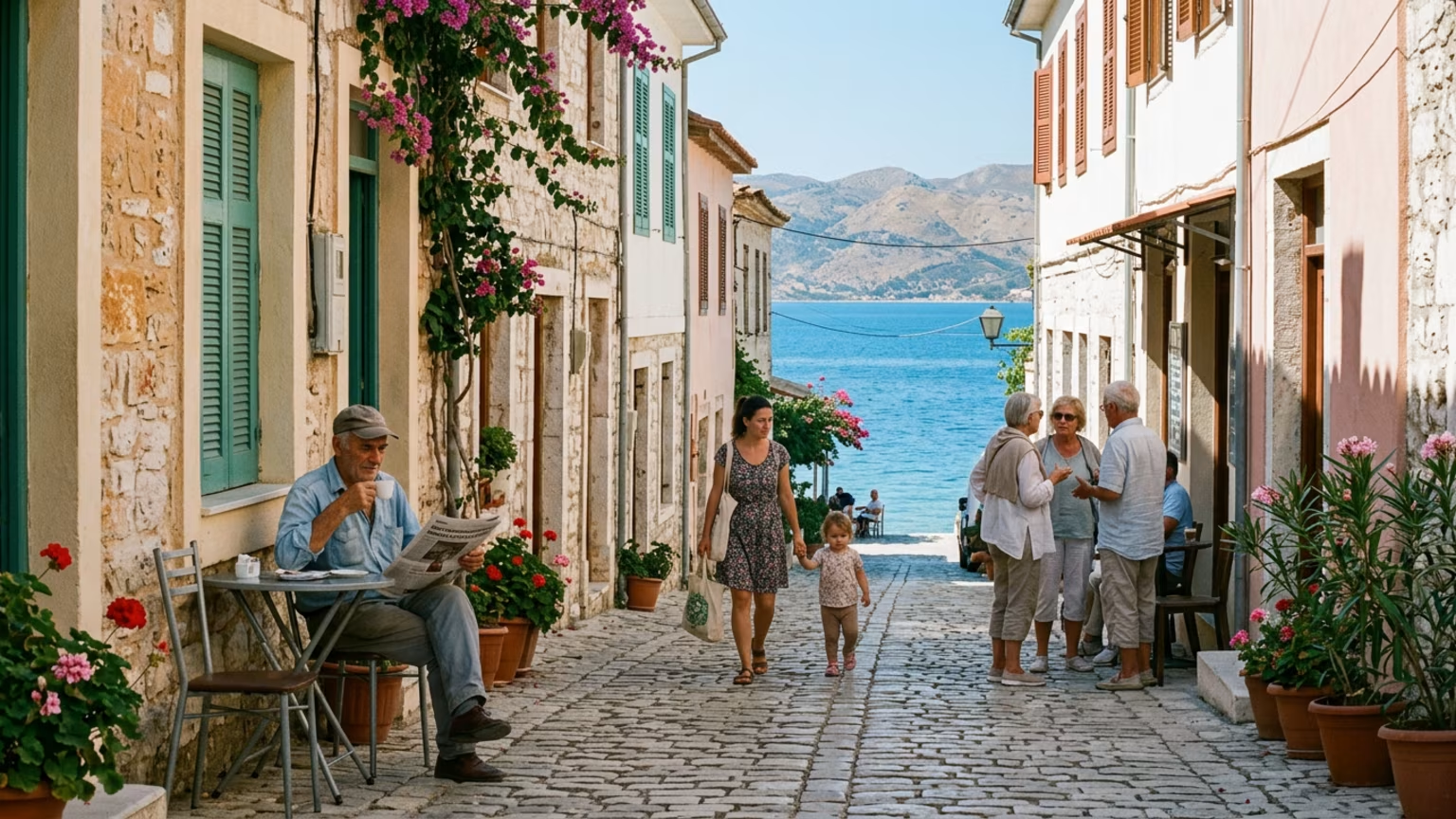
Representative image

Learn to adapt your remote work routine to Vlorë's seasonal shifts. From summer beach crowds to quiet winters, master year-round living in coastal Albania.





The idea of an endless summer is a marketing myth sold to tourists. Real coastal living requires adapting to dramatic shifts in weather, crowds, and energy. Adapting your productivity to Vlorë's seasonal shifts means starting your workday earlier to beat the chaotic summer crowds and creating a reliable indoor setup for the quiet, rainy winter months. The transition from August chaos to February silence shocks many remote workers. Mastering this cycle separates the long-term residents from the short-term visitors.
The Mediterranean climate dictates the pace of life in this coastal Albanian city. From June through August, the main promenade transforms into a loud, packed corridor of tourists. Thousands of returning diaspora members flood the streets and cafes. Finding a quiet corner for a video call along Lungomare becomes nearly impossible.
The sheer volume of people changes how you buy groceries, get coffee, and walk your dog. This high energy state demands constant patience from permanent residents. Winter brings heavy rain and a sudden drop in population. The loud energy disappears overnight.
Locals retreat indoors. Many seasonal businesses simply board up their windows until spring. Managing this extreme contrast requires intentional planning for anyone trying to maintain a steady professional life. The streets that once hosted massive beach parties now sit entirely empty.
This shift impacts your mental health and your daily motivation. You must actively find new ways to structure your days when the external environment shuts down. Building a year-round climate guide for your own routine is highly recommended. The physical surroundings will dictate your options.
The shift between these two extremes happens rapidly. Late September brings the first noticeable drop in temperatures and tourist numbers. The city settles into its quiet winter routine by early November. This transition period offers some of the best working conditions for digital professionals.
Adjusting your daily schedule is the only way to thrive across the calendar year. You cannot force a winter work schedule into a summer environment. The physical surroundings will fight you at every single turn. You must alter your approach to match the current season.
You can secure a peaceful spot at a beachfront cafe before 8 AM during the summer. Complete your most demanding deep work by noon before the midday heat and noise peak. You will avoid the worst of the daily chaos this way. Afternoons are best spent resting or swimming in the sea.
Move your primary workspace indoors by late November. Invest in a proper desk setup and a reliable space heater for your apartment. Do not rely on cafes during the winter months. Many close early or lack adequate heating for long work sessions.
Buy a comfortable desk chair before the winter rain begins. Ergonomic furniture is hard to find locally during the off-season. You will spend many consecutive hours inside your apartment. Your physical comfort directly impacts your professional output.
Join the community during the off-season to combat the isolation that often hits remote workers. Small group meetups at year-round cafes replace the massive beach parties of August. Maintaining a productive remote work lifestyle takes practice in this changing environment. You have to make a conscious effort to see other people.
Fix your internet redundancy before summer begins. The massive influx of tourists places heavy strain on local cellular towers and broadband networks. Buy a dedicated mobile hotspot device with a secondary network provider. This small investment saves you from dropping out of client calls in August.
Your monthly budget will fluctuate wildly depending on the calendar month. A one-bedroom apartment near the beach might cost 800 euros per month in July. That exact same unit often drops to 300 euros per month from October through April. Landlords strongly prefer short-term daily rentals during the peak tourist season.
Negotiating a year-long lease requires skill and local knowledge. Utilities follow a similar pattern of extreme highs and lows. Summer electricity bills spike from constant air conditioning use. Winter brings heavy heating costs if your apartment lacks proper insulation.
Many Albanian apartments use small electric heaters that draw massive amounts of power. Your grocery bills remain relatively stable throughout the year. Dining out gets significantly cheaper in the winter when tourist menus disappear. Understanding this realistic budget breakdown helps you plan your annual expenses accurately.
You should save money during the cheap winter months to offset the summer spikes. Grocery markets in the outer neighborhoods maintain fair pricing all year. Shopping where the locals shop protects your budget from tourist markups. Cooking at home becomes a very appealing financial strategy by December.
Gym memberships and fitness classes often change their pricing structures based on the season. Some local gyms offer significant discounts during the slow winter months to maintain their revenue streams. Smart remote workers lock in their yearly contracts during the absolute quietest weeks of the year.
Many newcomers expect a flawless remote work setup alongside their ocean views. The reality of winter in Vlorë includes frequent power outages during heavy storms. Albanian construction often lacks adequate damp-proofing and central heating. Your beautiful sea-facing apartment might develop mold issues by February if you fail to ventilate it properly.
You will spend cold days wearing heavy sweaters indoors. The romantic idea of coastal living crashes hard against the reality of a three-day rainstorm. Summer brings a completely different set of frustrations for working professionals. Loud music from beach clubs can easily ruin client meetings.
Constant traffic jams on the main coastal road make simple errands take hours. Finding parking near your own apartment becomes a daily source of extreme stress. You must prepare for these inconveniences instead of acting surprised when they happen. The internet connection can slow down significantly when the city population triples in July.
The social dynamic shifts just as dramatically as the weather. Summer brings a constant rotation of passing travelers and short-term digital nomads. Building deep friendships proves difficult when everyone leaves after two weeks. Winter strips away the transient crowd and reveals the permanent local community.
The noise levels drop dramatically in late September. This sudden silence can feel unsettling after months of constant sensory input. Stray dogs often replace the crowds on the main promenade during the quietest months. The city takes on a completely different personality that you must learn to appreciate.
The neighborhood of Uji i Ftohtë perfectly illustrates this seasonal whiplash. In July, this southern stretch of the city is the epicenter of nightlife and tourism. Cars block the narrow roads, and restaurants overflow with massive families. By December, you can walk the entire coastal path without passing another person.
Only a handful of restaurants keep their doors open for the dedicated locals. Remote workers who rent here must accept the extreme quiet of the winter months. The isolation can feel refreshing after a chaotic summer season. It can easily trigger deep loneliness if you lack a solid local network.
The nearby hills offer excellent winter hiking trails when the beaches become too cold. Connecting with long-term residents helps you handle the coastal cycles of the region. You will learn which cafes stay open and which markets stock the best winter produce. The physical environment changes drastically during the colder months.
Winter storms drag seaweed and debris onto the rocky beaches. The city cleans this up before the spring tourist season begins. Watching the rough winter sea from a warm apartment offers a unique kind of peace. This moody atmosphere provides an excellent backdrop for focused writing or deep coding sessions.
Public transportation schedules change to match the shifting population. The local buses run frequently during the busy summer months. You will face longer wait times at the bus stops in February. Renting a car or buying a bicycle offers more reliable winter mobility.
Do not try to force a typical nine-to-five schedule during an Albanian summer. The heat and the noise will break your focus every single day. I learned quickly that splitting my workday is the only sustainable strategy here. I work from seven until noon, take a long break for swimming, and finish my tasks in the late evening.
This split schedule completely eliminates my midday frustration. When winter arrives, I completely flip this routine. I maximize my daylight hours by taking long walks at noon. I save my heavy laptop work for the dark, rainy afternoons.
You have to listen to what the environment is telling you. Pushing against the natural rhythm of the city leads to immediate burnout. Respect the seasons, and your stress levels will drop significantly. I always advise newcomers to treat their first year as an observation period.
Do not sign a twelve-month lease in July without seeing the apartment in the rain. Talk to neighbors about the building's winter power reliability. Ask specific questions about water pressure during peak summer hours. Local knowledge acts as your best defense against seasonal surprises.
Finding the right balance takes at least one full calendar year. You will make mistakes during your first major seasonal transition. Your first winter will feel uncomfortably quiet after the summer rush. Give yourself permission to adapt slowly to these local rhythms.
The rhythm of the sea eventually teaches you to stop fighting the calendar. The loud, chaotic summers fade into quiet, gray winters with absolute certainty. Each phase demands a different version of yourself and a different approach to your daily tasks. Learning to move with these shifts transforms mere survival into actual living. The coastal storms pass, the crowds return, and the cycle begins all over again.
Follow Vlore Circle for fresh guides, local updates, and community notes around life in Vlorë. It is the easiest way to stay close to what we are building.
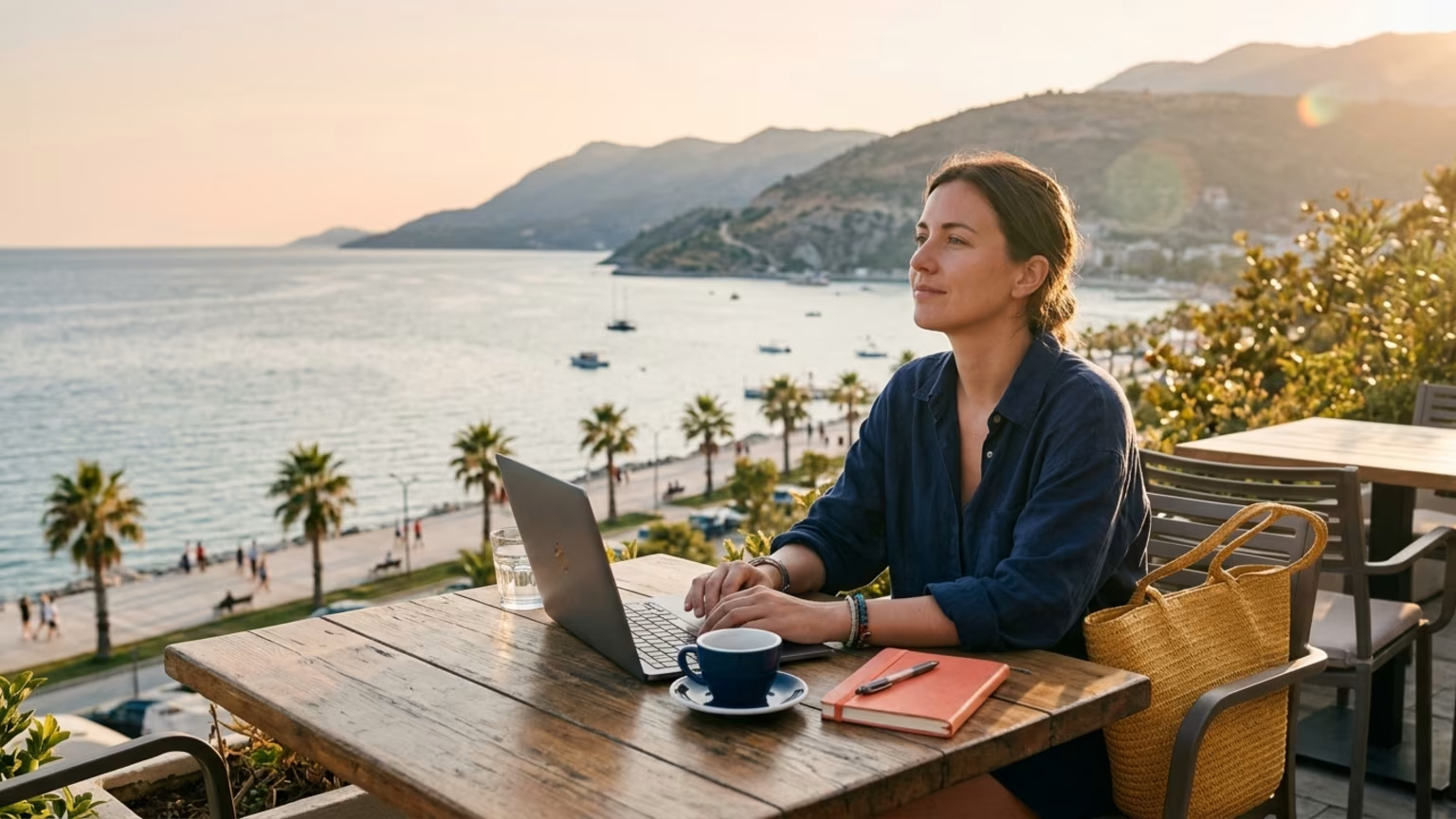
Learn how to build a sustainable remote work routine in Vlorë. We cover navigating seasonal closures, testing internet speeds, and organizing daily tasks.


Evaluate the practical challenges of relocating to Vlorë. Learn how bureaucracy, connectivity, and residency rules impact your long-term remote work plans.
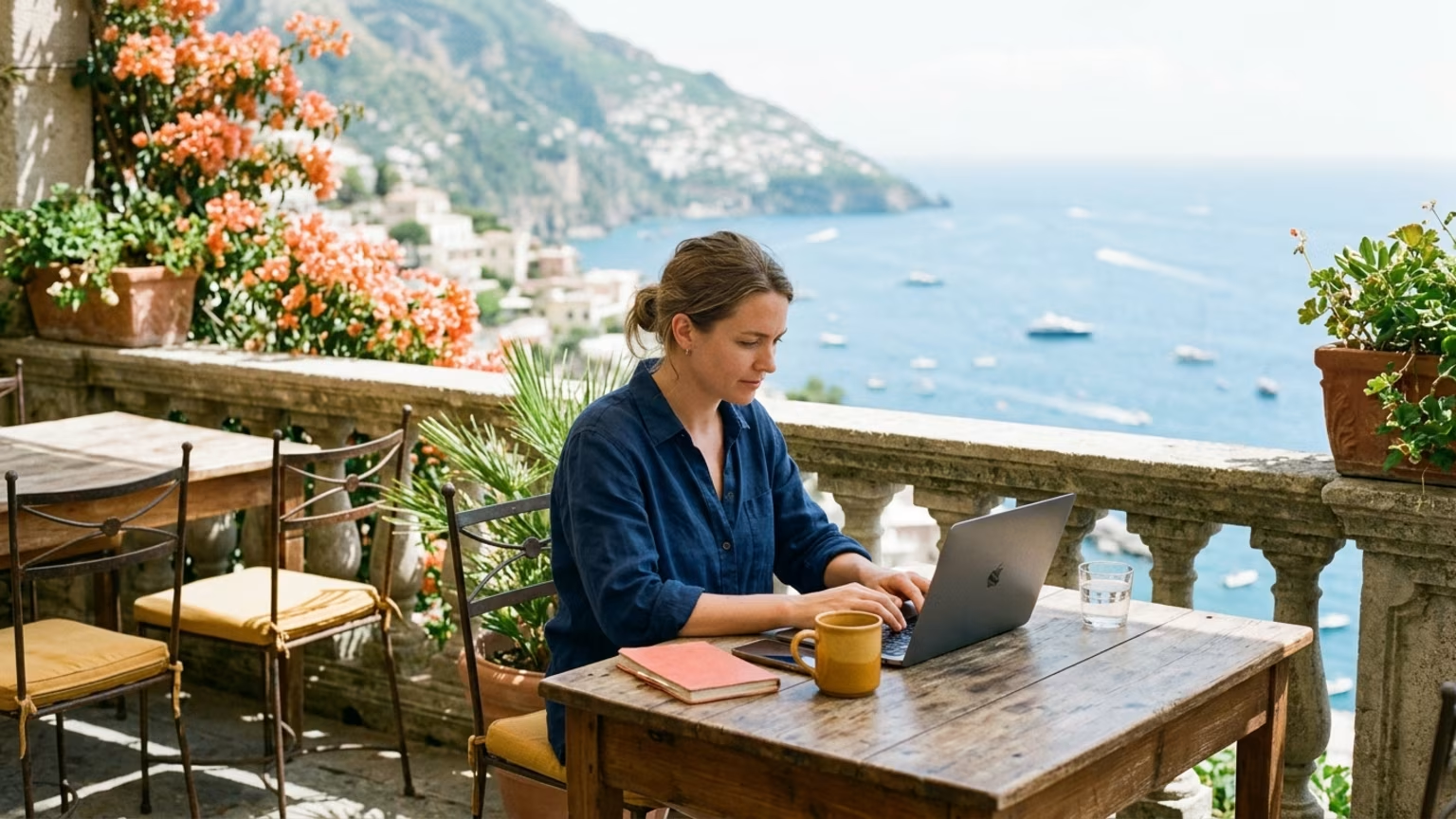
A breakdown of the growing work-cation trend and how remote professionals arriving in Vlorë can manage availability windows, protect off-hours, and maintain productivity.