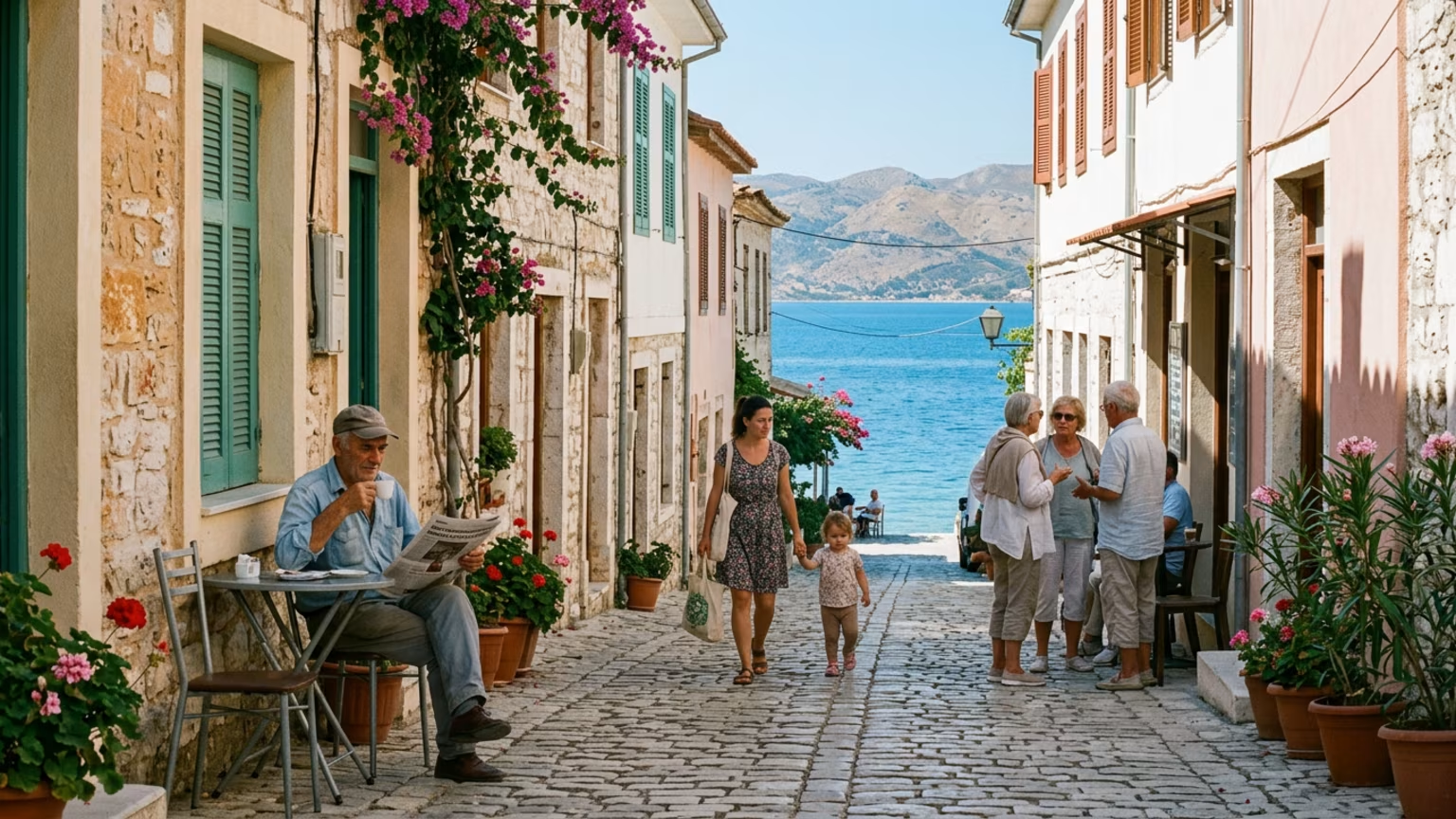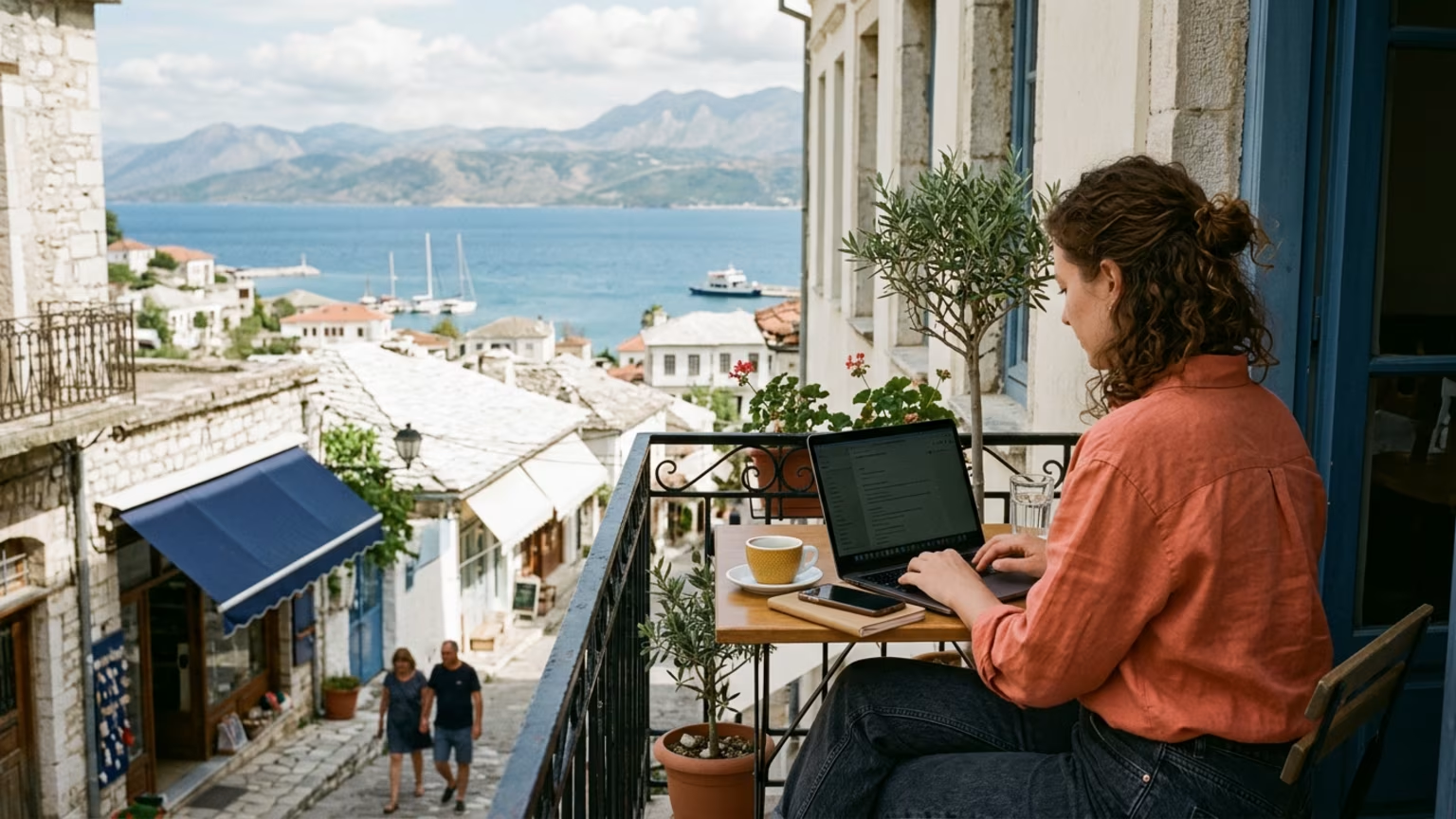
Representative image

Learn why remote workers are trading crowded European capitals for secondary Mediterranean hubs like Vlorë for better affordability and a coastal lifestyle.





Remote workers are increasingly trading crowded European capitals for secondary Mediterranean cities like Vlorë to find a better balance of affordability, steady internet, and coastal living. This shift reflects a growing desire for authentic local integration over transient digital nomad hotspots.
For decades, Vlorë was primarily known as a July and August destination for locals. Now, the city is catching the attention of international remote workers seeking alternatives to saturated locations like Lisbon or Barcelona. You can see this shift along the Lungomare promenade. Walk past the cafes on a Tuesday in November, and you will spot glowing laptop screens alongside traditional espresso cups.
Industry analysts looking at global relocation trends point to Albania as a highly cost-effective country for expatriates. Vlorë offers the Mediterranean climate without the Western European price tag. It sits right where the Adriatic and Ionian seas meet, providing a stunning backdrop for your daily video calls. This move requires a different mindset than arriving in an established capital city.
Social media paints a flawless picture of remote work in coastal Albania. Online posts frequently highlight fiber internet setups inside perfect beachside apartments. The actual day-to-day experience requires flexibility and patience. Fiber internet is generally excellent in newer buildings near the waterfront, but occasional power outages happen during winter storms.
Finding a reliable workspace means adapting to local rhythms. Most cafes in the city center are designed for socializing, not silent deep work. You will hear loud conversations, clinking coffee cups, and traffic from the nearby boulevard. If you need absolute silence for calls, you must invest in a good home office setup. Heating in older apartments relies entirely on wall-mounted AC units, which can leave floors freezing in January.
Picking the right neighborhood dictates your entire routine. Uji i Ftohtë offers the classic Mediterranean lifestyle. You get immediate access to pebble beaches, modern apartment complexes, and a quieter atmosphere. This area feels like a resort during the off-season, which can feel isolating if you seek daily social interaction.
The city center near the Flag Square is entirely different. It feels more authentically Albanian and keeps you close to green markets, bus stations, and administrative offices. Living here means you are part of the daily local routine. The trade-off is noise and a longer walk to the sea. Remote workers often start near the water before moving inland for a more grounded experience.
Transitioning to a secondary hub means you cannot rely on ready-made nomad infrastructure. You have to build your own productivity systems from scratch.
One of the biggest hurdles in a secondary city is the lack of organized networking events. You will not find weekly startup pitches or massive digital nomad meetups here. Building a supportive social circle takes deliberate effort. You have to initiate conversations at your local coffee shop or reach out to other expats online. Many professionals find that planning a realistic budget for life here requires talking to locals to understand true market prices.
Understanding the local culture is the key to thriving. Albanians are incredibly hospitable, but they prioritize face-to-face interaction over digital communication. If you need a plumber or a better internet plan, asking a local neighbor is faster than searching online. This approach helps immensely when setting up a reliable home base for your daily work.
The rhythm of Vlorë changes drastically between August and February. Summer brings intense heat, crowded beaches, and a loud nightlife along the coast. Remote workers often struggle to maintain focus when the entire city is in vacation mode. By late October, the tourist crowds vanish, leaving behind a tranquil environment perfect for deep work.
This quiet season is when the real community forms. With fewer distractions, it becomes easier to establish a consistent work routine that balances productivity with coastal living. The mild winters allow for midday walks along the beach, which is excellent for mental health. You just need to prepare for the slower pace of life and occasional rainy days.
Vlorë stretches out along a curved bay, backed by steep hills. This geography creates distinct micro-environments for your daily life. If you rent an apartment up on the hill of Kuzum Baba, you get sweeping views of the bay. The downside is a steep hike every time you want groceries or a coffee. Most remote workers prefer the flat stretch between the port and the tunnel.
Living along the main boulevard means flat terrain and easy walking. You can leave your laptop at home and take a quick walk to clear your head. The physical layout of the city encourages a highly walkable lifestyle. You rarely need a car if you choose your location wisely. This walkability is a massive benefit for professionals used to sitting in daily traffic.
Albania has a world-class coffee culture, but it is not built for laptops. Most cafes feature low tables and deep lounge chairs designed for relaxed conversation. Finding an ergonomic setup requires some scouting on your part. You need to look for bakeries or modern cafes with standard-height tables and accessible power outlets.
Do not expect fast service if you sit with a laptop for four hours. Waiters will leave you alone, which is great for concentration. It is polite to order a fresh coffee or water every couple of hours. Some spots near the university area cater more to students and offer better seating for typing. Always have your laptop fully charged before leaving your apartment.
Coastal storms in the winter bring high winds and heavy rain to the city. These weather events occasionally cause short power outages. As an international worker, you cannot let a 30-minute blackout ruin a client call. Preparation is your best defense against these minor disruptions.
Buy a portable power bank for your phone and a dedicated battery pack for your laptop. A local mobile SIM card provides a reliable backup network when the fixed line drops. Newer buildings near the Lungomare often have better infrastructure and experience fewer issues. It helps to ask potential landlords specifically about the neighborhood power reliability before signing a lease.
Moving to a secondary city means trading anonymity for familiarity. In a massive hub like Lisbon, you can attend a different networking event every night. In Vlorë, your network grows organically through repeated daily interactions. You will see the same faces at the local fresh market and the neighborhood bakery.
This repetitive contact builds deep, meaningful relationships over time. It requires you to be proactive and open to conversation. You might find yourself chatting with an older local man about the weather or sharing a table with another remote worker. If you want to integrate smoothly, prioritizing this local networking process pays massive dividends over time.
Your daily routine here will naturally adjust to the local commercial hours. Big supermarkets exist, but the best produce comes from small neighborhood stalls. These local vendors sell seasonal fruits and vegetables brought down from nearby villages. Shopping becomes a daily activity rather than a weekly chore.
Taking a break at 11 AM to buy fresh tomatoes and bread forces you away from the screen. This small habit provides a natural mental break during your workday. Meat and fish are best purchased early in the morning for the highest quality. Adapting to this rhythm helps you eat healthier and grounds you in the reality of Mediterranean life.
Many popular European destinations suffer from hyper-gentrification and isolated expat bubbles. Secondary hubs offer a chance to live alongside the local population. You will pay the same price for an espresso as the person sitting next to you. This authenticity is precisely what many long-term remote workers crave.
You cannot live entirely in English here. Young people speak excellent English, but older generations often speak Italian or only Albanian. Learning numbers and basic greetings is necessary for daily transactions. This slight language barrier is a positive feature, as it encourages real cultural engagement.
It is very easy to lose your work ethic when the beach is five minutes away. The sound of the waves and the bright sun can make answering emails feel pointless. You need strict personal discipline to succeed in a coastal environment. Setting hard boundaries between work hours and leisure time is necessary.
Try scheduling your most demanding tasks for the early morning before the sun gets too hot. Once the hard work is done, you can enjoy a late afternoon swim without guilt. Finding this balance is the core theme of adjusting to the coastal rhythm without sacrificing your career. Treat your workspace with respect, and the leisure time becomes much more rewarding.
The most successful remote workers here stop trying to force their home country efficiency onto Vlorë. Accept that things take a bit longer, from getting a package delivered to resolving a banking issue. Use the time saved on commuting to learn a few basic Albanian phrases. A simple good morning to your local barista changes how people treat you. If you are ready to make this transition and want to meet others doing the same, join the community to share your experiences and get practical advice.
Follow Vlore Circle for fresh guides, local updates, and community notes around life in Vlorë. It is the easiest way to stay close to what we are building.
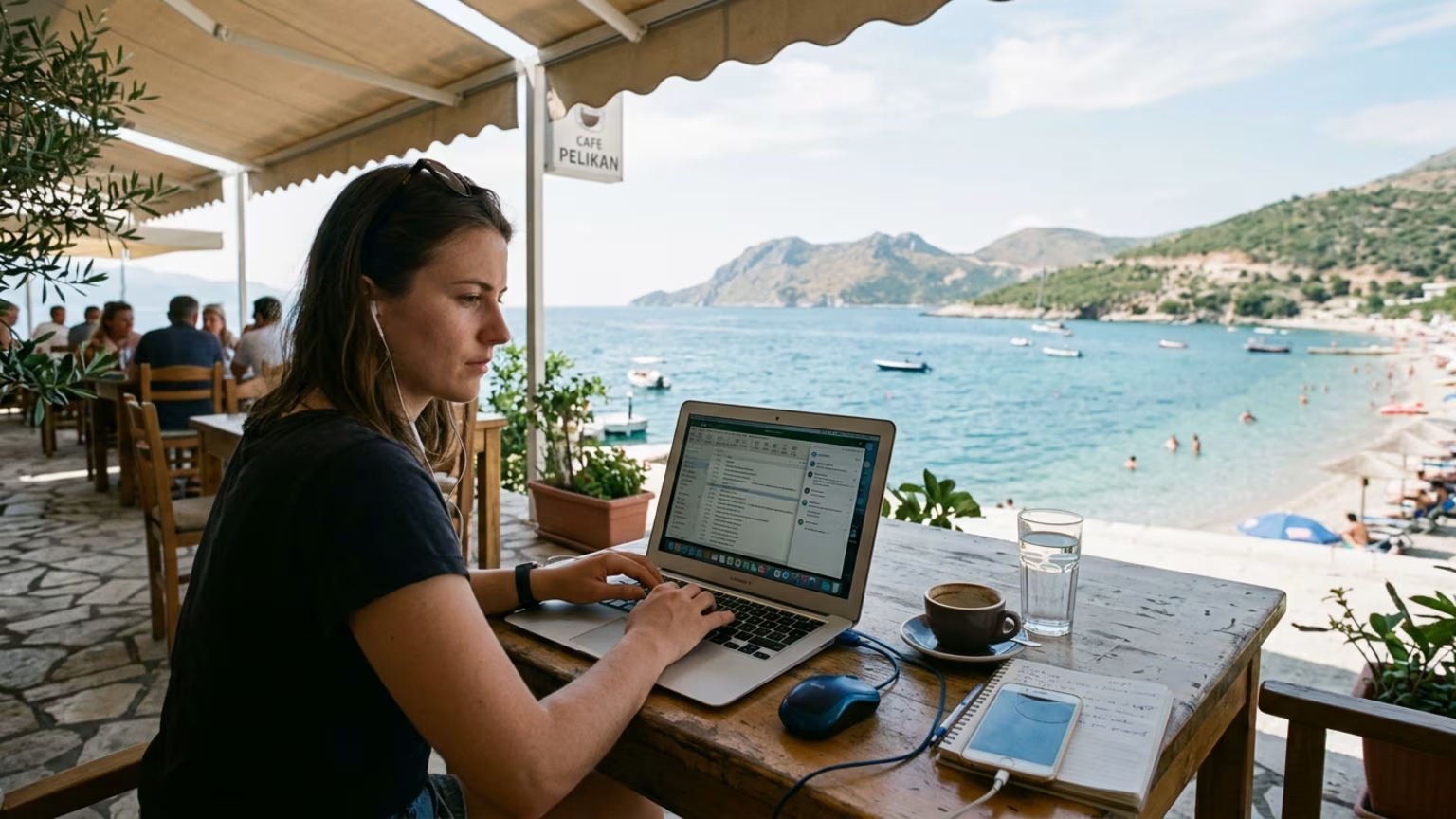
Learn how to set up a practical remote work base in Vlorë. We cover local living costs, internet speeds, and finding the right neighborhood near the beach.


Major travel platforms are expanding work-friendly filters for long-stay apartments on the Albanian coast. Learn how to secure a productive setup in Vlorë.
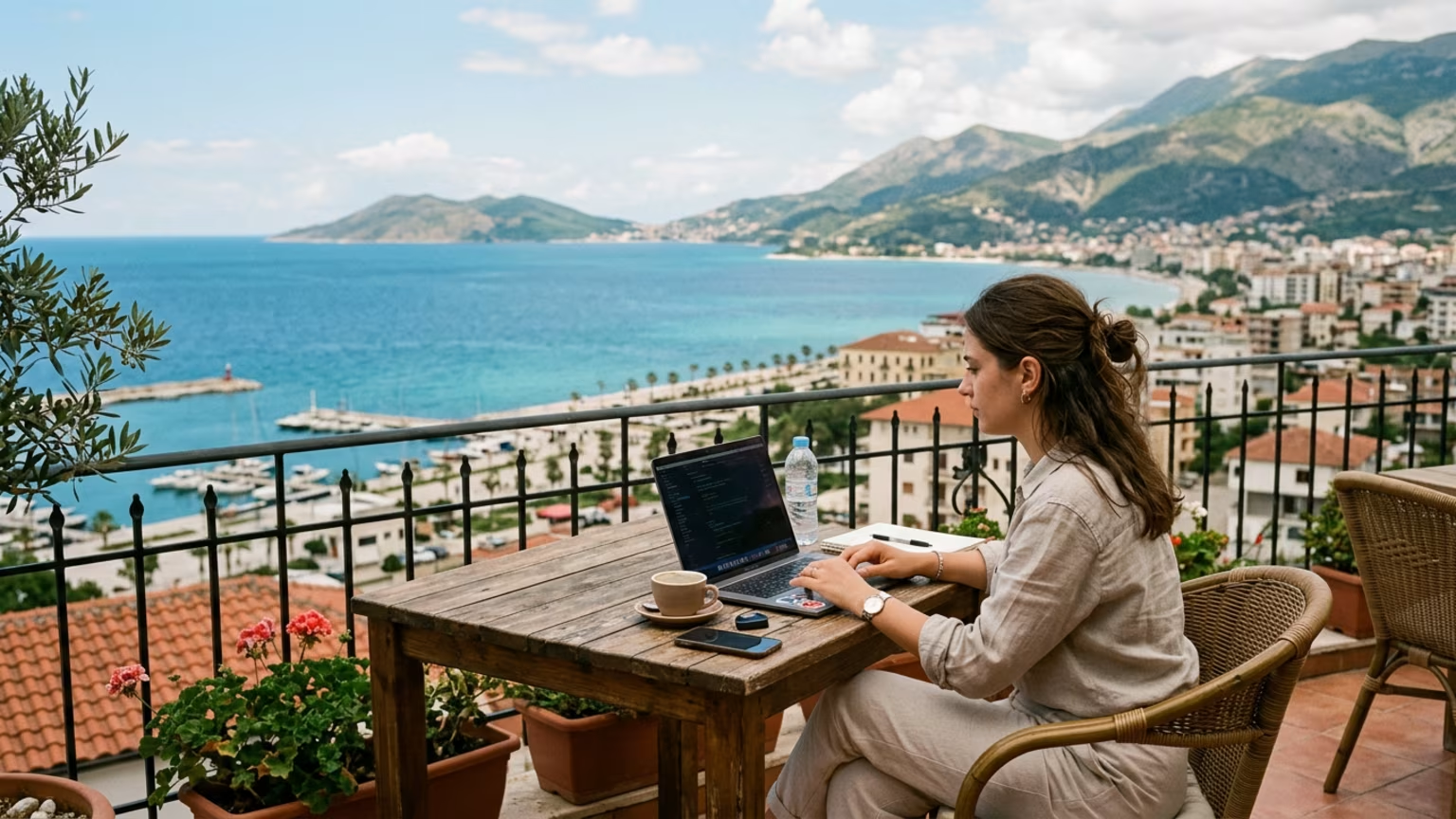
Learn why remote workers are skipping Tirana for Albania's coastal cities. Compare living costs, neighborhoods, and the reality of working from Vlorë.