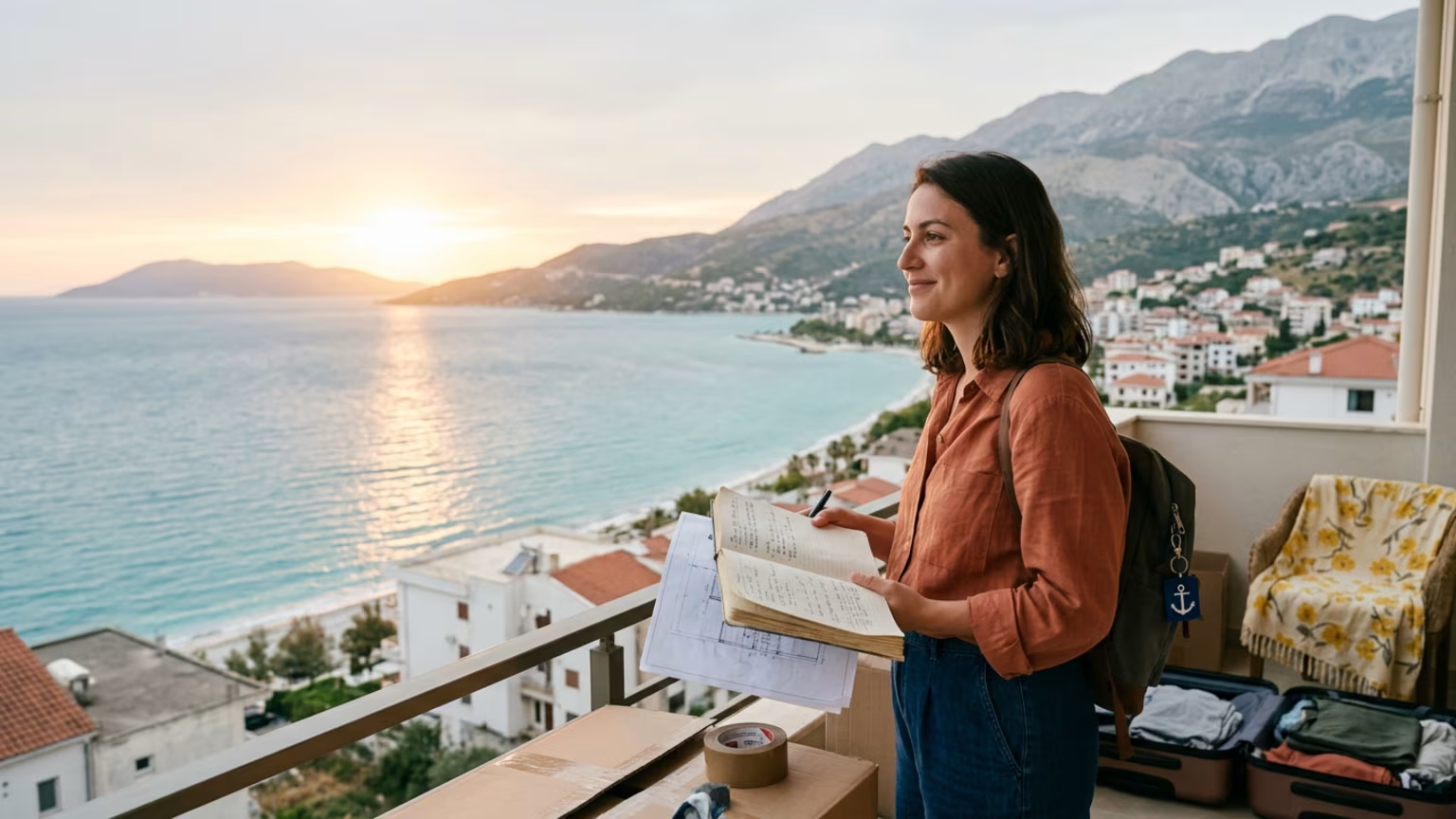
Representative image

A practical, step-by-step guide to relocating to Vlorë. Learn exactly how to manage your residency timeline, budget for paperwork, and avoid common expat mistakes.





UK citizens can enter Albania without a visa for up to 90 days within any 180-day window, according to UK-focused relocation guidance. This timeframe gives you three months to secure a local rental in Vlorë, Albania. You can test neighborhoods and begin handling your initial paperwork before fully committing to a long-term move.
Successfully relocating to this coastal city requires preparing a complete document pack in your home country. You need a local rental contract for your residence application. Finally, you have to submit your paperwork before your tourist entry window expires.
Expat-oriented content frames Tirana as one of Europe's most underrated expat spots. Many remote workers praise the capital for its walkable streets and dense amenities. Vlorë offers a completely different rhythm. Remote-work commentators often portray Vlorë as an appealing base thanks to sea views and improving internet. They point to comparatively low daily costs when compared to Western European destinations.
These perks make the city highly attractive for budget-minded remote workers and retirees. Living by the Adriatic Sea offers a slower pace of life. You will find yourself swapping crowded capital cities for daily walks along the Lungomare promenade. Setting up a long-term life here requires patience with local administrative processes. You cannot just arrive with a suitcase and expect everything to fall into place.
You need a clear plan to turn your moving goals into reality. Relocation advisers suggest choosing your exact residence route well before you pack your bags.
Anyone planning a longer stay needs to apply for an appropriate residence route. The main options are work and business permits. You can apply for family reunification, study visas, or retirement routes. Some relocation advisers state that Albania offers remote-worker permits with an income requirement in the region of USD 9,800 to 10,000 per year. Your chosen path dictates exactly which documents you must gather.
A UK expat advisory guide recommends assembling a comprehensive document pack before moving to Albania. You will need a passport valid for at least six months. You need income proof, a police clearance certificate, passport photos, and completed forms. Keep original versions and notarized copies ready for Albanian administrative procedures.
A detailed expat guide urges newcomers to keep translated copies of important documents ready. You should create dedicated folders on your computer for digital backups. Keep physical copies in clearly labeled binders. Preparing these items well in advance saves you from costly international courier fees.
Medical coverage is a strict requirement for your legal stay. You cannot simply rely on tourist travel insurance for a year-long residence permit. Most British expats prefer private health insurance for faster access to English-speaking doctors. Securing this policy before you arrive prevents stressful delays later.
A local private policy typically covers emergency care and routine checkups at modern clinics. Many newcomers choose to purchase plans directly from Albanian insurance providers. These domestic policies are designed to meet government residency requirements. Having your insurance sorted provides peace of mind as you settle into your new coastal life.
The local property market operates differently than back home. A UK expat guide recommends that newcomers to Albania rent first and only consider buying properties later. This approach buys you time to learn the city. Securing a rental contract is urgent. You need proof of a local address for your residence permit.
Test a lively waterfront apartment near the Lungomare or a quieter inland street before making permanent decisions. Summer brings crowds and higher short-stay prices to the coast. A temporary rental helps you gauge noise levels and find a reliable landlord. You want a clear understanding of the winter heating situation before signing a multi-year lease.
Do not wait until the last minute to finalize your legal status. Relocation advisers suggest that long-term movers apply for their Albanian residence permit from within the country before day 90 of their stay. Submitting early gives you a buffer in case officials request an extra translated document.
Social media travel forums often highlight affordable daily costs and cheap cafe culture in Albanian coastal towns. Your relocation budget needs to account for more than just flat whites and pizza. Preparing your paperwork carries its own price tag. You need to budget for home-country police checks and medical exams.
Once you land, you will pay fees for official Albanian translations of your foreign documents. Every translated page requires a notary stamp. These small expenses add up quickly during your first month. You must pay an official application fee when submitting your residence permit through the e-Albania system. Keep an emergency cash fund dedicated entirely to administrative surprises.
The idealized version of remote work features uninterrupted days with a laptop on the beach. The actual experience involves mandatory administrative tasks and hidden friction costs. An expat guide notes that Albania offers an e-Albania online services portal. Many foreign residents still find in-person visits unavoidable.
You should expect queues at local government offices. A digital upload is rarely the final step in any formal process. You will spend hours securing physical stamps and notarized translations. These bureaucratic hurdles require you to budget extra money for local notaries and official translators.
Sometimes a specific document stamp requires a bus trip to central offices in Tirana. Join the community to ask other residents about current processing times. Being prepared for these manual steps prevents massive frustration.
Expat-oriented content often describes Albania as having relatively easy entry. This openness makes the initial move less daunting. You should still plan your relocation with a five-year horizon in mind. Short-term thinking leads to panicked decisions when your first permit expires.
Expat relocation guidance explains that foreigners who complete five years of continuous legal stay can apply for permanent residency. This status makes future work and property matters administratively simpler. Achieving this milestone requires unbroken compliance with local immigration rules. You must renew your temporary permits on time and maintain a registered local address.
One expat advisory source encourages newcomers to take short Albanian language courses. They recommend joining community groups in Vlorë to ease integration. Isolation is a real risk for remote workers who spend all day inside their apartments. Building a social network makes the administrative headaches feel much lighter.
My best advice is to learn ten basic Albanian phrases immediately. Knowing how to greet your neighbors or order a coffee changes how locals treat you. English is widely spoken in tourist-heavy zones by younger Albanians. Speaking a little of the local language materially eases everyday interactions and bureaucratic meetings.
That initial 90-day visa-free window is your true starting line. You have exactly three months to secure a lease, finalize your paperwork, and submit your application. Prepare your document pack early, and you will manage the transition with confidence.
Follow Vlore Circle for fresh guides, local updates, and community notes around life in Vlorë. It is the easiest way to stay close to what we are building.
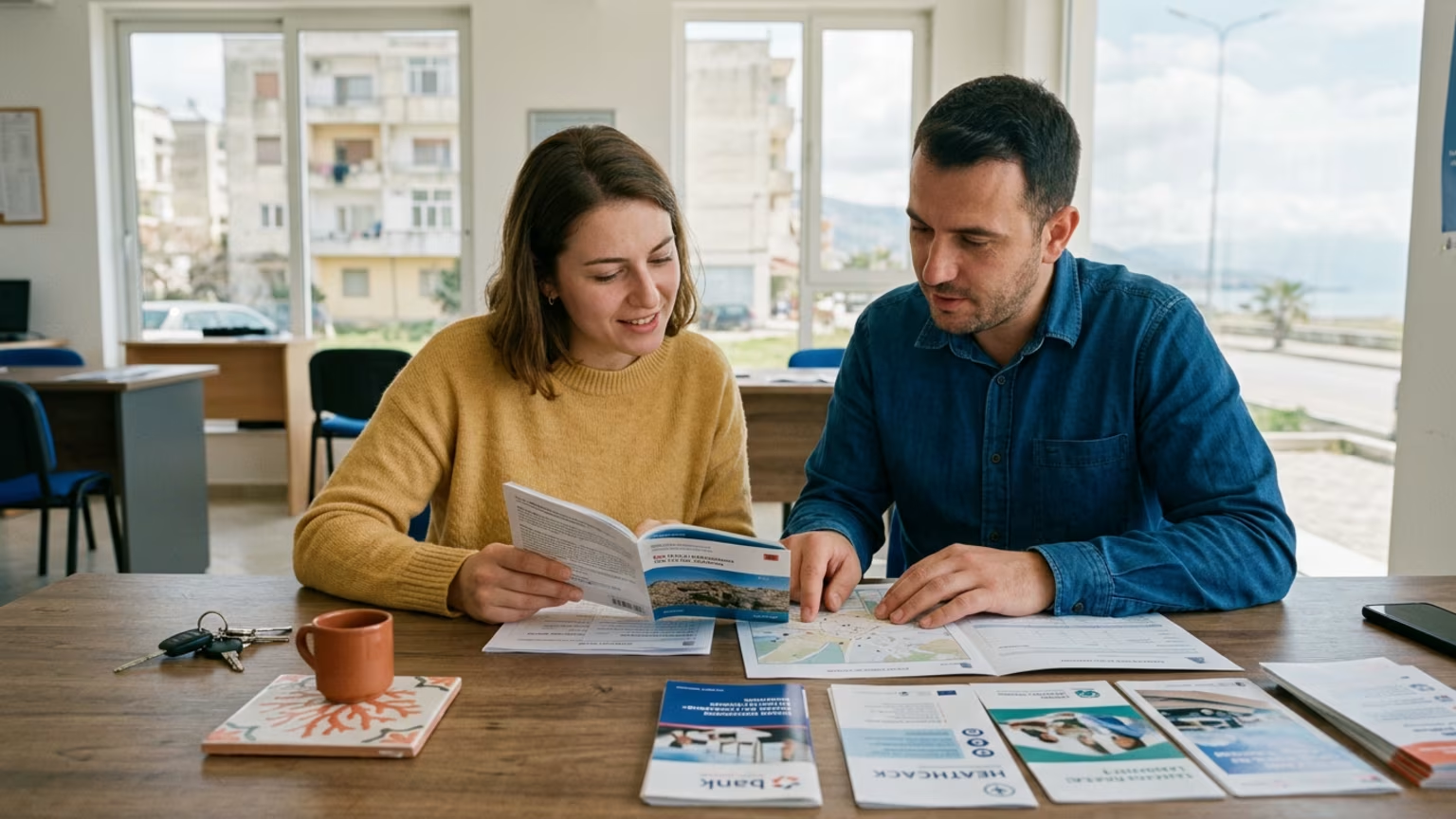
Learn the exact timeline for securing your Albanian residence permit in Vlorë. This practical guide covers rental contracts, healthcare, and document translation.

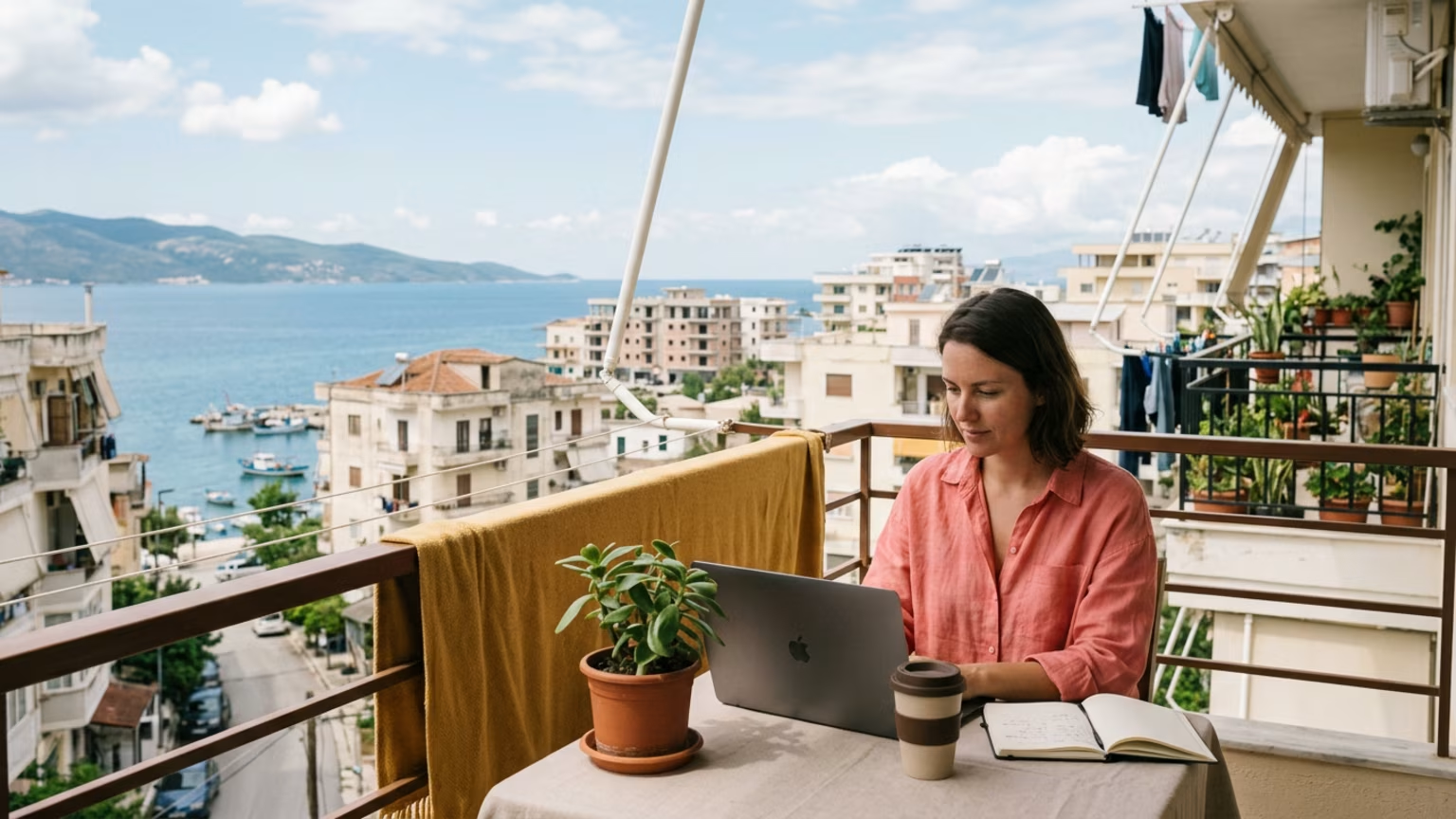
Learn how to build a sustainable expat and remote work life in Vlorë. Find practical budgeting tips, local slow-living habits, and year-round advice.

See exactly what a $1,700 monthly budget covers for retirees in Vlorë, Albania. This breakdown details housing, food, and the daily reality for expats.