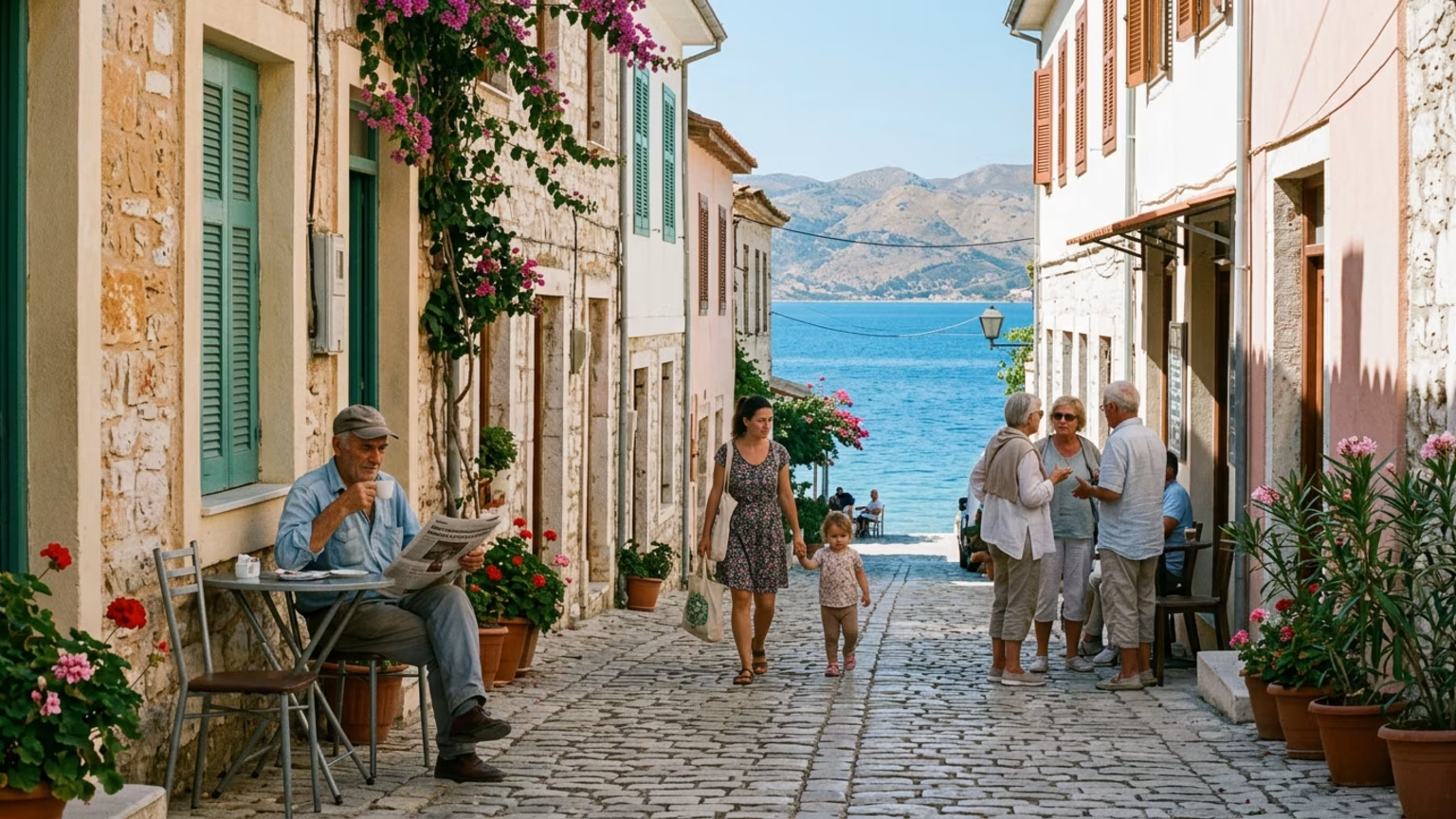
Representative image

Albania’s August accommodation growth slowed as hotel occupancy rose. Here’s how Vlorë residents can use the national figures for seasonal planning.





On October 16, 2026, RTSH reported that Albania’s registered accommodation recorded 10.3% more visitors in August 2026 than in August 2025. The growth rate was well below the 35.1% recorded a year earlier. Hotel room occupancy moved upward rather than downward.
That is the useful distinction behind the tourism slowdown headline. Guest numbers still increased. The pace of that increase slowed sharply.
For people making a home in Vlorë, this is a reason to read the figures carefully before changing a rental plan or an autumn work budget. It is not a reason to assume fewer guests stayed in registered accommodation. The practical task is to separate the measured results from the decisions you still need to make locally.
This update matters most if you are comparing rental options across seasons, planning a move or assessing work linked to visitors. Remote workers weighing a longer stay belong in that group. So do residents whose household income is connected to accommodation or other visitor spending.
For retirees and established residents, the relevance is narrower: does the news change a decision you were already making? A settled household does not need to reorganize its week around a national tourism headline. There is no resident application process or compliance action attached to these accommodation statistics.
If you are choosing when to arrive, keep your dates and daily needs at the center of the decision. A scouting visit should help answer questions about the home you might rent and the routine you expect to keep. Our guide to planning a move beyond peak summer gives that residential perspective.
The same distinction helps people who live here year-round. Tourism growth is useful background. It is not a substitute for checking whether a particular home or work arrangement fits the next part of your year.
Gazeta Tema’s report breaks the increase into foreign and domestic guests. Foreign visitors in registered accommodation rose 10.7% year over year. Domestic visitors rose 9%.
That split matters when reading a headline about foreign tourism. The total increase includes both groups. Keep the categories separate when comparing this release with another report.
RTSH listed Kosovo as the largest named source market at 17% of foreign accommodation guests. Poland accounted for 12%, Italy for 10% and France for 8%. Germany accounted for 7%, with other countries making up 46%.
For visitor-facing work, that breakdown helps frame the audience represented in the release. It is a more specific starting point than treating all foreign guests as a single market.
RTSH reported a 12.5% increase in total overnight stays in August 2026. The comparable increase a year earlier was 33.3%. Foreign guests’ overnight stays rose 13.4%, and domestic guests’ nights rose 9.8%.
Guest counts and overnight stays answer different questions. One counts people using accommodation. The other measures the nights they account for. Overnight stays grew faster than guest numbers in this release, so a headline focused only on people leaves out part of the activity.
For planning purposes, keep both measures in view rather than treating them as interchangeable.
The reported hotel room-occupancy rate reached 67.4% in August 2026. It had been 61.5% in August 2025. That is a rise of 5.9 percentage points.
There is no contradiction between slower visitor growth and a higher occupancy rate. The former compares the pace of growth with the previous year. The latter describes reported room use. Reading them together gives a more useful picture than taking the slowdown headline alone.
For someone weighing seasonal accommodation work, continued growth and higher room use deserve attention. Neither should disappear from the picture when the growth rate loses speed.
Gazeta Tema identifies the population as guests in registered accommodation. That is not a count of all border arrivals or day visitors. It does not measure unregistered stays.
The reports provide national results rather than an August growth rate or occupancy figure for Vlorë. They establish no neighborhood crowd level or local change in rents. Nor do they establish future hiring, prices or revenue in the city.
The statistical reporting supplies no explanation for the slower growth. A claim that a particular policy or visitor habit caused it would go beyond the findings. Keep those limits together when using the release: it describes a measured national result, not a local forecast.
In its September 19, 2026 report, CNA quoted tourism operator Z. Kotherja describing last-minute bookings in some Western markets and more cautious visitor spending. The report described his observation of greater use of apartments and private houses, with more self-catering.
These are attributed industry observations rather than findings from the August accommodation statistics. They offer a useful distinction for residents assessing visitor-related work: a guest count and a spending pattern are different things.
For a work or business decision, seek information about the actual offer and expected work rather than turning a national guest total into an income estimate.
For a home near the Lungomare, the useful questions concern the exact property and the dates being offered. Ask about the rental terms that apply to your intended stay. A national hotel statistic is not a substitute for that conversation.
For beach trips and everyday errands, base the routine on conditions along the route you actually use. If you are deciding whether to change your schedule, check the relevant place rather than changing it in response to the headline alone.
This is the no-sugarcoating part: reading a national release does not finish the local planning work. Our guide to adjusting daily life across the seasons is a useful companion for thinking about the resident routine.
Residents can use the release as a prompt for better questions. The next steps are about checking the decision in front of you rather than making a blanket change to life in Vlorë.
Watch later accommodation releases for visitor growth, overnight stays and hotel occupancy together. Look for the same measures over comparable periods rather than switching between guest counts and border arrivals. Over the coming months, those comparisons will show whether August’s combination of slower growth and rising room use continued.
Tourism headlines land with the person handling a household’s relocation plans; Vlore Circle brings the focus back to everyday life in the city. Its Local Guides and Resources address practical questions about settling in Vlorë, with content for residents rather than short-term tourists.
Follow Vlore Circle for fresh guides, local updates, and community notes around life in Vlorë. It is the easiest way to stay close to what we are building.

A court suspended work on Vlorë’s planned Jewish Museum. Understand the temporary order, the site dispute and what to check before planning a visit.

Albania travel coverage flags busy summer beaches. Use its seasonal advice to assess Vlorë’s neighborhoods, connectivity and fit for a longer stay.
Build a realistic Vlorë beach-day rhythm with flexible time for work, errands, rest and the Lungomare, plus practical route and access checks.