Representative image

Planning to work from Vlorë? Check employer approval for Albania, keep residence questions separate, and choose a secure workspace.





On 2026-10-01, Human Resources Online published a report on cross-border remote work and the legal questions it can raise. For employees planning a stay in Vlorë, the practical takeaway is straightforward: check whether your employer has approved work from Albania rather than assuming a work-from-home policy covers it.
DLA Piper employment partner David Smail told Human Resources Online that working from another country can raise immigration and tax questions. He identified employment-law and social-security issues alongside data protection and cybersecurity. Workplace safety is another part of that discussion.
That puts an administrative task ahead of choosing a beachfront café or arranging a desk in your Vlorë rental. Establish where the job is permitted to happen before building your move around it.
This matters most to employees whose employer is outside Albania. It covers someone planning a short working visit and someone considering a longer move. An existing remote or hybrid arrangement is the starting point for a location check, not the answer to it.
The distinction matters for people already living in Vlorë too. If the original arrangement covered a different country or different dates, compare it with the work you now intend to do. Ask the employer to address Albania explicitly rather than relying on a broad description such as flexible working.
Freelancers serving overseas clients have a different relationship from employees seeking employer approval. The research still makes immigration and information-security questions relevant to their planning. A client's expectations about confidential information deserve attention alongside the choice of workspace.
Retirees and other residents who are not working can set this employer-policy question aside. It does not change their daily routine. Their own residence questions remain a separate subject.
Think of the move as two distinct checks. One concerns the employer's approval for the proposed work arrangement. The other concerns the destination country's permission for the stay and activities involved.
An Albania-focused guide to remote-worker residence describes a digital-mobile-worker permit route for certain foreign nationals working for employers or clients outside Albania. That route concerns immigration and residence. It does not establish that a foreign employer has agreed to the arrangement.
The evidence has a clear boundary here. The cross-border report focuses on Southeast Asia, and the Albania guide is secondary material rather than official guidance. These sources identify questions rather than settling Albanian requirements or every worker's obligations. Verify current residence requirements with official Albanian authorities and have the employer assess the proposed work arrangement.
For the wider move, keep our guide to separating entry allowances from residence paperwork beside the employer-policy check. Treat these as separate parts of the planning folder rather than searching for one document that answers everything.
The research supports asking for explicit written employer approval that names Albania and the intended dates. Include the work activities you expect to carry out. That gives the employer a concrete proposal to assess rather than a vague request to work remotely.
A useful discussion covers the destination and duration of the stay. It should address the data you need to access and the workspace you plan to use. Cross-border advisers identify insurance and payroll among the matters that may need review alongside immigration and employment rules.
Do not build the request around the idea that a brief stay removes these questions. Separate reporting on business travel highlights potential tax and visa issues around short trips. Put the intended dates in front of the people reviewing the arrangement so they can assess the actual plan.
Once the location question is addressed, the next decision is where the work will happen each day. A private room in a Vlorë apartment and a table in a public café offer different conditions for handling conversations and information.
The Australian Cyber Security Centre's remote-working guidance advises avoiding sensitive work in public locations. It recommends trusted networks where possible and checking workplace privacy and information-security requirements. Public Wi-Fi may be insecure.
For a resident, that means choosing the workspace around the task rather than choosing the view first. Confidential calls and sensitive documents belong in a private or trusted setting. Keep screens and conversations out of public view or hearing, and follow the employer's approved-device and network rules.
A café table should not become the default place for every task simply through habit. Before opening work material there, check what the employer permits and whether the task involves sensitive information. The relevant question is what you will handle at that table.
The same approach applies to a beach outing. Plan sensitive work for an appropriate private setting rather than assuming a portable laptop makes every location suitable. This is a practical application of the security guidance, not a judgment about spending time outdoors.
If the apartment will be the main work base, include a private working area in the housing decision. Consider where confidential conversations will take place and how work screens will be kept away from other people. Match the setup to the employer's requirements before treating it as ready for work.
Vlore Circle's guide to checking an apartment before committing can support the housing side of that decision. A rental needs to serve the working week you actually have, not just the coastal stay you hope to enjoy.
The immediate task is to turn a broad intention into a reviewable plan. Use the following points to organise the employer conversation and the separate residence checks:
There is no need to turn the first conversation into a self-written legal opinion. Present the destination and dates clearly. Describe the activities and data access involved so the employer can review a specific proposal.
Over the coming months, watch for changes to your employer's overseas-work policy and current Albanian residence guidance. If the destination or dates change, bring the revised plan back into the approval discussion rather than treating the original arrangement as open-ended.
Permission to work from Albania settles only part of the move, leaving housing questions and everyday routines to sort out before Vlorë feels like home. Vlore Circle's practical local resources help remote workers navigate that settling-in stage.
Follow Vlore Circle for fresh guides, local updates, and community notes around life in Vlorë. It is the easiest way to stay close to what we are building.
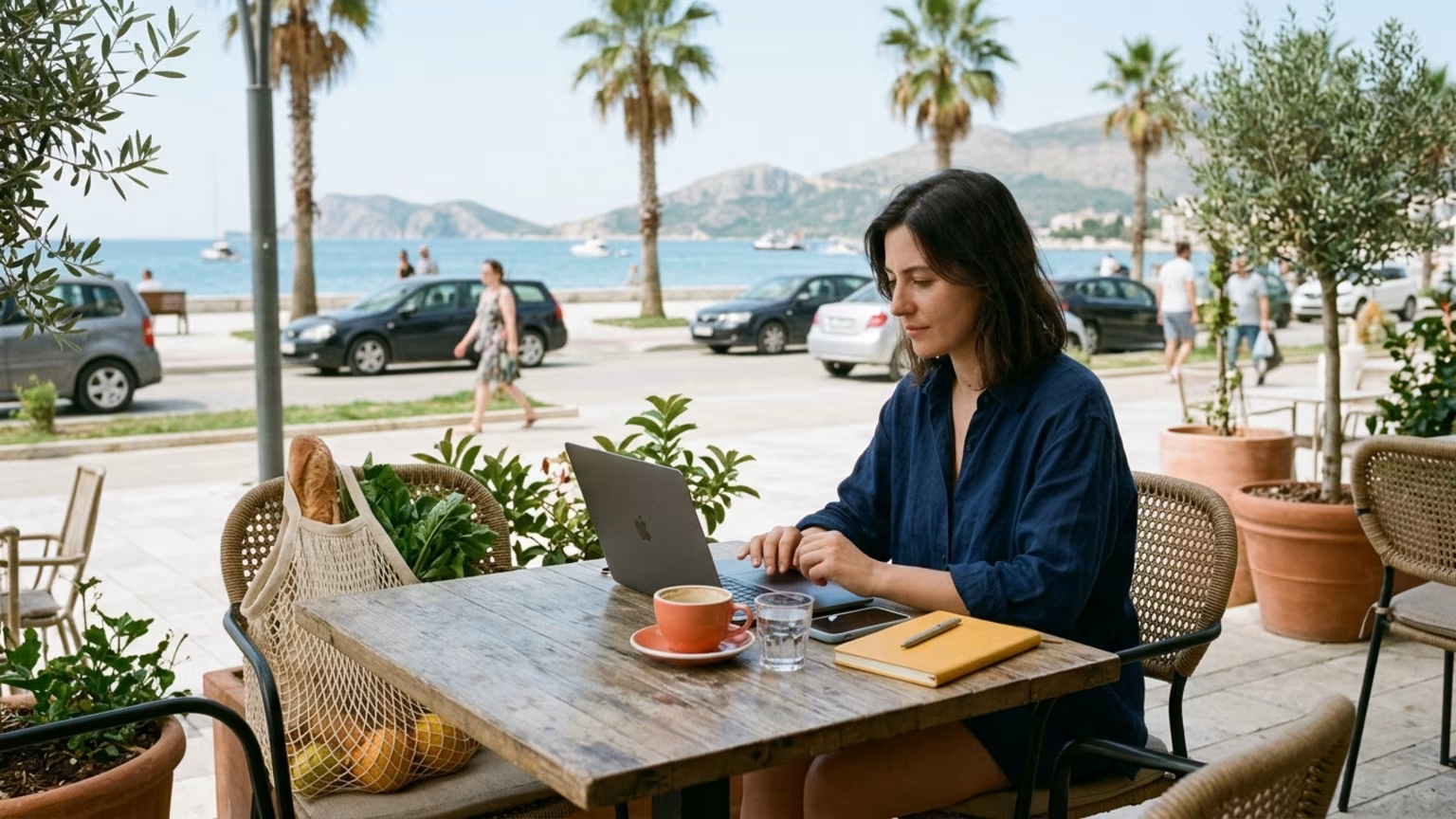
Use a new destination comparison to assess Vlorë’s permit route, apartment internet, heating and daily routines before a remote-work move.

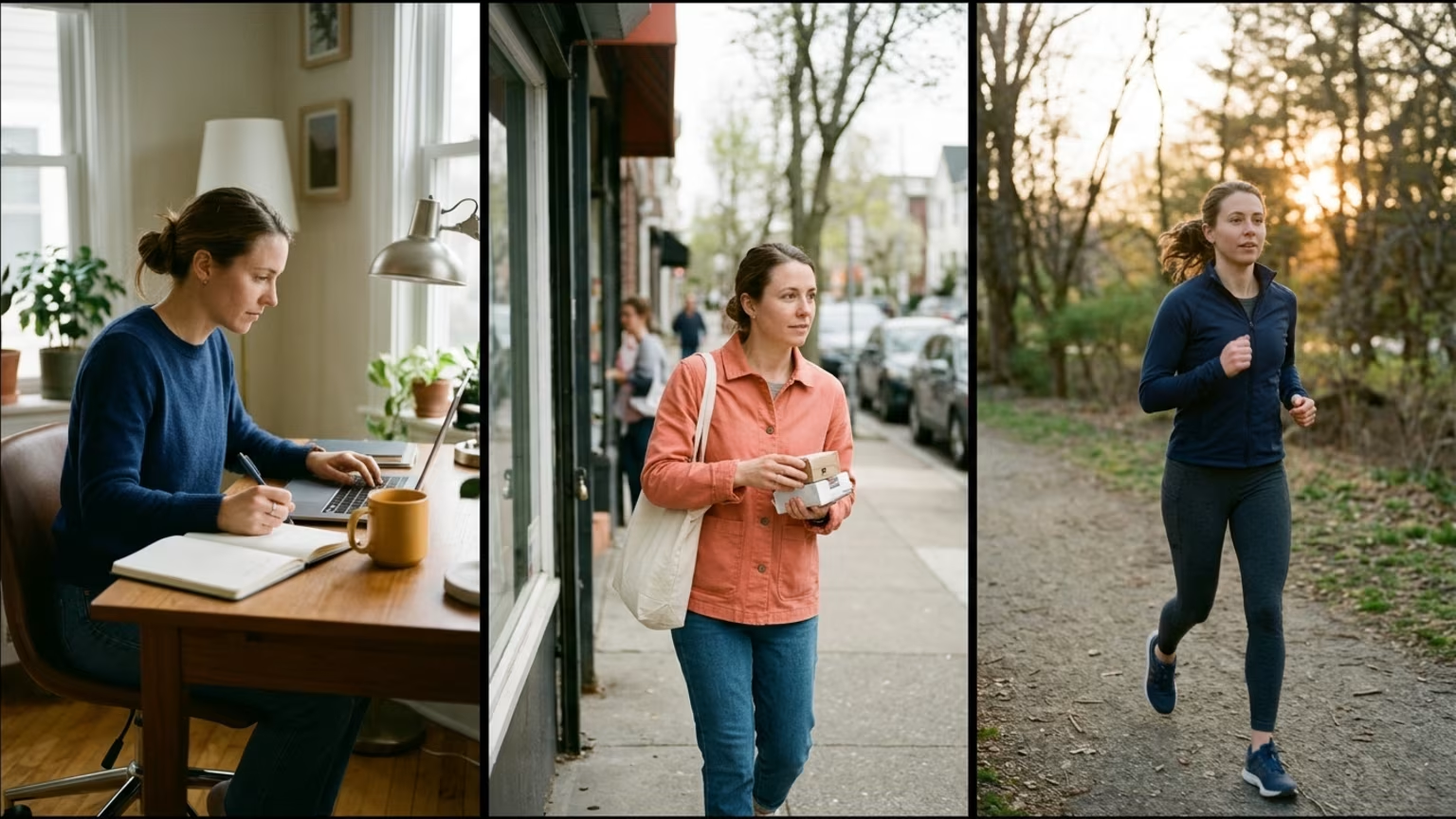
A flexible Vlorë weekday guide for remote workers, with protected work time, planned errands, movement and realistic room for the Lungomare.

Check a Vlorë rental’s internet, workspace, noise and utility terms before booking, with practical questions for short stays and long leases.