Representative image

Choose a Vlorë transport routine around your address, with practical checks for walking, taxis, regional buses, coastal driving and parking.





Can you live in Vlorë without a car, or will ordinary errands become a daily transport problem? That is the question to answer before committing to a rental, not after collecting the keys.
The useful starting point is your address and the journeys you expect to repeat. A walk to shops near home is a different problem from a coastal trip toward Orikum. For Vlore Circle, practical transport planning means separating those needs rather than declaring the whole city easy or difficult to navigate.
Yes, a car-free routine is plausible for some households. The strongest case is an address where your regular destinations are within a walk you are comfortable repeating. If you are looking near Lungomare, check the route from the building to your actual destinations rather than treating the promenade address as an answer. Regional buses can form another part of the plan, but a connection out of Vlorë does not establish how you will manage local errands.
The evidence is strongest for intercity and coastal travel. The regional transport guide does not document a complete Vlorë city-bus map or fixed schedule. The supplied guides do not establish typical local taxi fares or city parking costs and availability. That is a limit of the published information, not proof that services are absent; check the actual journey and address before building your routine around them.
Start with the journeys that make an ordinary week function. Then match each journey to a transport option you have checked, rather than choosing a home first and hoping the gaps disappear.
Finish by comparing the homes through those repeated journeys. A rental that suits your walking routine deserves a different assessment from one that requires transport for every task. Keep housing and transport in the same budget; the guide to building costs around real local quotes is a useful companion.
The honest answer is that regional travel needs coordination. For planning purposes, count the journey to the departure point and the return arrangement, not just the time spent aboard. A listed outward service is only part of a usable day trip.
The national bus guide lists about seven daily departures from Vlorë to Sarandë between 07:00 and 16:00. It cautions that published timetables disagree, so those listings are a starting point rather than a guaranteed daily schedule. Reconfirm the departure relevant to your travel date before relying on it.
Season matters on the coast. The regional transport guide describes coastal buses operating mainly from June to September, with departures concentrated in the morning and a sharp reduction in winter service. That finding concerns coastal connections; it should not be turned into a claim that Vlorë’s city buses stop in winter.
The practical distinction is between a flexible outing and a journey with a firm arrival time. For an outing, you might be able to adjust the day around the available service. For an appointment, establish the arrival and return plan before committing to the trip. A summer coastal journey is not enough evidence for a year-round routine.
A car-free setup becomes a poor fit when the trips you need repeatedly cannot be matched to a workable route and return. That is a household-level decision. Remote work from home, regular travel beyond Vlorë and specific walking needs each call for a different assessment.
If your plans often take you south, a car deserves a closer look. The regional guide identifies the SH8 as the coastal connection toward Orikum, about 15 kilometres away, and onward toward the Llogara area. That gives you a concrete corridor to assess rather than a vague ambition to “get around the coast.”
Driving has its own compromises. The same guide describes the Llogara route as mountainous and notes hairpins on the old pass road. It reports August congestion on the road down to Dhërmi. These are observations about particular coastal routes, not a description of every street in Vlorë.
Before treating a car as the solution, ask practical questions at the rental: where would it stay, what access is available and what arrangement is included? Then assess the routes you expect to drive. Owning a vehicle and feeling comfortable using it for your intended journeys are separate decisions.
The useful workaround is a specific conversation about a specific journey, not a secret transport trick. Ask about the service you plan to take and make the pickup point part of that conversation. A route name alone does not settle where you should wait.
The transport guides report that operators may take cash and that coastal services can use roadside stops rather than formal stations. Turn those details into clear questions:
Keep the outward and return details together. If another person shares a timetable screenshot, use it to begin the check rather than treating it as a completed travel plan. For a taxi connection, ask about the actual pickup location and fare instead of relying on a remembered price for another journey.
The same approach works when discussing a rental. Replace “Is transport good here?” with a question about the route from that building to your recurring destination. This is the local-host principle worth keeping: ask narrowly enough that the answer helps you make a decision.
Our verdict: transport is not an automatic dealbreaker for most newcomers. It should be a housing test, not a promise attached to the word “central.” The address that fits your ordinary week matters more than a broad claim that everyone needs a car or nobody does.
Walking can anchor a nearby routine. Taxis can cover a checked gap, and regional buses can connect trips whose departure and return details are confirmed. A car adds another option for coastal travel, with route and parking questions of its own. Choose the combination that supports the life you plan to repeat, then judge the rental against it.
After matching an address to everyday journeys, the next step is turning those routes into a settled week with regular social contact. Vlore Circle supports that stage with practical guides for living in Vlorë and community meetups where expats, remote workers and locals can connect in person.
Follow Vlore Circle for fresh guides, local updates, and community notes around life in Vlorë. It is the easiest way to stay close to what we are building.
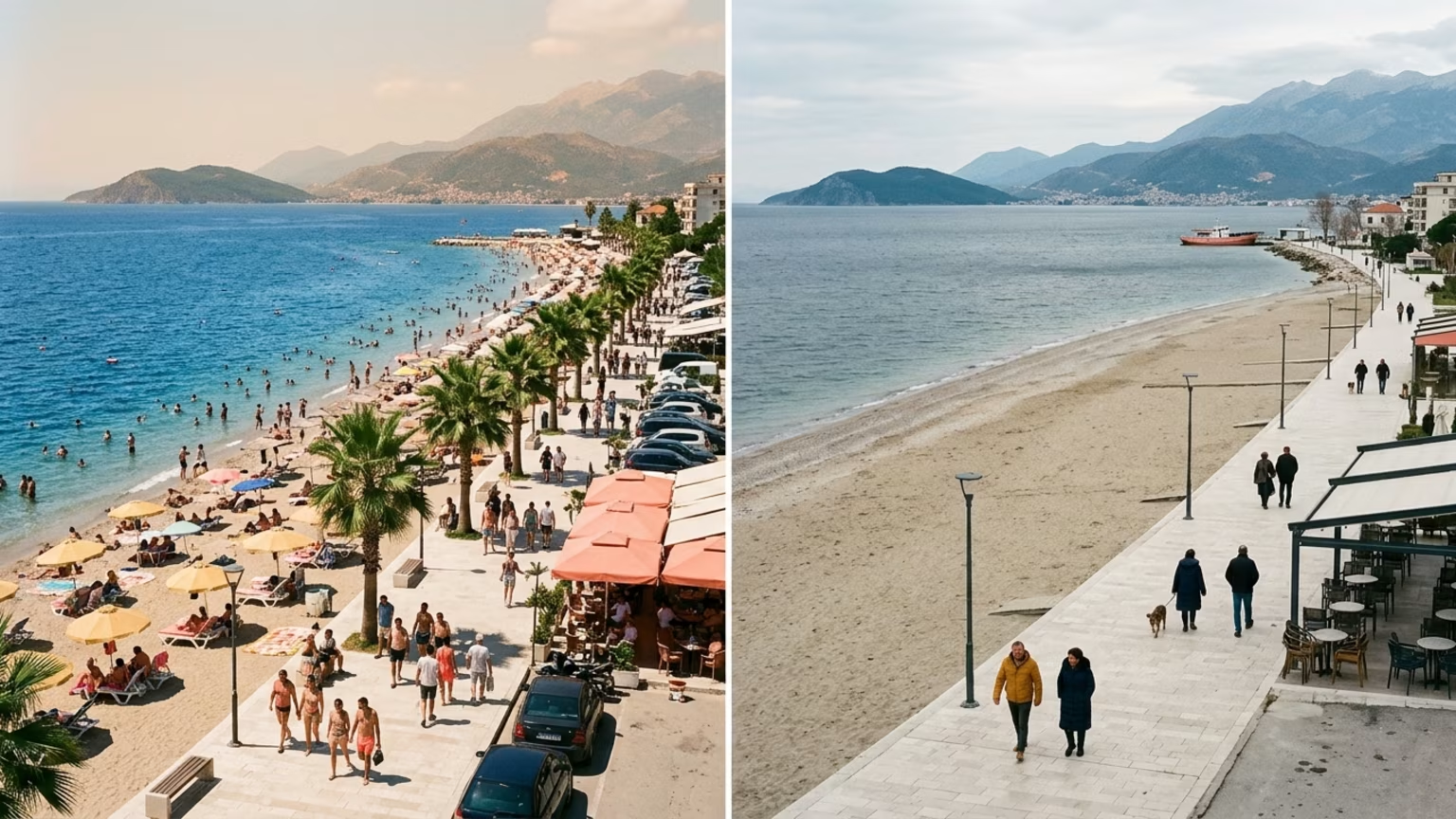
Plan year-round life in Vlorë with guidance on summer crowds, winter rain, daylight and checking seasonal opening hours.


Compare Vlorë rentals by weekly errands, workspace and waterfront access, with viewing questions about internet, noise, utilities, heating and cooling.

Before renting in Vlorë, check internet, mobile backup, power and workspace conditions. Keep housing decisions separate from visa and tax advice.