Representative image

Master grocery shopping in Vlorë with practical tips for local markets and supermarkets. Learn to find fresh produce and save money on daily meals.





Sarah stared at the empty supermarket shelf. She just wanted a simple jar of peanut butter for her morning toast. A clerk shrugged and pointed down the street toward a smaller neighborhood shop. Her quick morning errand had officially become a scavenger hunt.
Grocery shopping in Vlorë requires visiting a mix of large supermarkets and outdoor street markets. You must shop in person for your daily food. Digital stock checks and reliable home deliveries are not part of the local retail system yet. You will find yourself checking multiple small shops to complete your weekly meal prep.
Albanian food culture revolves around freshness and seasonal eating. You will rarely find locals buying an entire week of vegetables from a large chain store. They walk to their neighborhood bazaar or trusted street vendor every single morning. This daily routine keeps local farmers in business and reduces transport emissions.
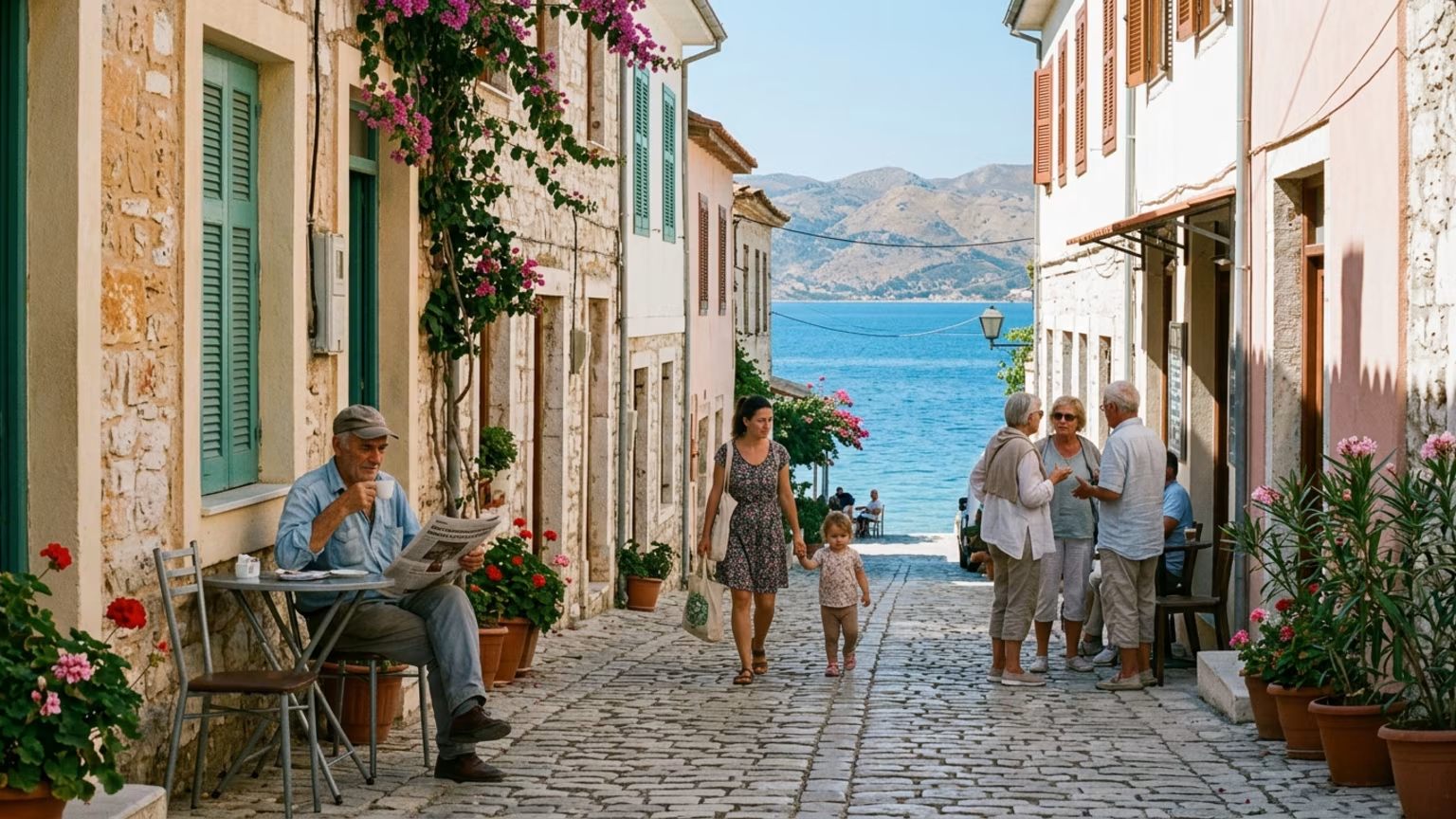
Vlorë sits right on the coast. The city acts as a gateway to the Albanian Riviera. This prime location brings a constant supply of fresh coastal produce and regional goods straight into the town. Buying directly from these local sellers is the standard way of life here.
Shopping locally gives you a genuine connection to the community. You skip the higher costs of imported goods found in the larger stores. Getting your food from the source cuts down on packaging waste. If you want to find the best Vlorë markets for fresh produce, you should always start at the morning stalls.
Many newcomers initially resist this physical shopping routine. They eventually realize that the supermarket vegetables lack the taste of the locally grown options. The community thrives on these face-to-face interactions. A quick chat with your local vendor often leads to better cuts of meat or extra fresh fruit.
Getting your weekly groceries takes a bit of planning and physical effort. Follow this routine to save time and secure the best ingredients.
Vlorë remains a highly budget-friendly destination compared to Western Europe. Budget travel to Vlorë has surged recently. The city offers incredibly low costs for beach-adjacent local culture. A quick trip to the currency exchange for just twenty-four dollars can cover your fresh food needs for several days.
Local produce is extremely cheap and tied to the seasons. A massive bag of seasonal vegetables often costs under 500 Lek. Imported boxed cereals, foreign cheeses, and international sauces carry a premium price tag. Fresh meat cuts from local butchers offer great value but require cooking on the same day.
Balancing your shopping list between the bazaar and the supermarket keeps your budget under control. Focus on matching your meals to the current harvest schedule. You can read a detailed breakdown of grocery shopping hacks in Vlorë to stretch your budget even further. Keeping your meals simple saves you money.
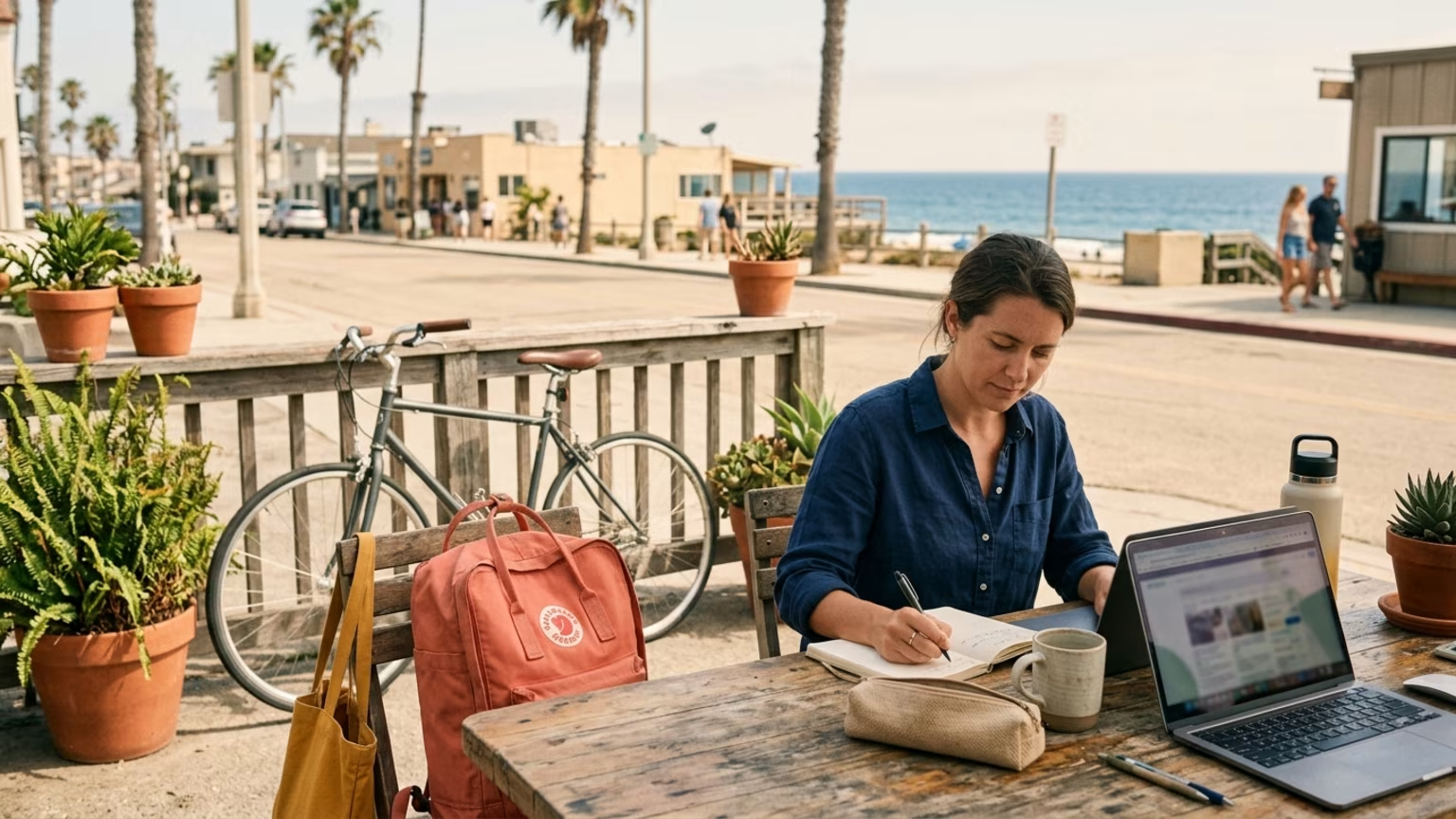
The idea of casually walking through a sunny Mediterranean market sounds romantic to many newcomers. The daily reality can actually be quite frustrating for busy remote workers. You cannot simply pull up an app, click a few buttons, and wait for groceries to arrive at your door. You have to get dressed, leave your apartment, and physically hunt for what you need.
Stock consistency is a major issue in Vlorë supermarkets. You might find your favorite brand of coffee on Monday. The shelf could be completely empty by Thursday. Google Maps works very well for finding general store locations, but it struggles with unmarked streets. You will likely spend your first few weeks feeling slightly lost carrying heavy bags.
Basic living items are scattered across multiple tiny shops. You might buy eggs from a small corner vendor, cleaning supplies from a large supermarket, and bread from a local bakery. This multi-stop process eats into your work schedule heavily. It takes time to build a smooth Vlorë daily rhythm that balances chores and productivity.
Another factor is the local water restriction schedule. You have to wash your fresh produce immediately when the water is running. This adds another layer of planning to your grocery runs. You must adapt your habits to the infrastructure of the city.
The central areas near the main port and the beginning of the Lungomare offer excellent shopping density. You will find small produce stands tucked behind residential buildings just a block off the main promenade. These hidden vendors often have better prices than the larger stores right on the main road. The quality of the food is often much higher.
Look for small shops with wooden crates stacked outside their front doors. Locals often use landmarks rather than street numbers to give directions. You might be told to look for the fruit stand next to the big pharmacy rather than an exact address. Taking a slow walk through these port-adjacent neighborhoods is the best way to map out your trusted vendors.
Shopping near the waterfront means you get first pick of the morning catch. Fishermen often sell directly from small stalls right off the boats. You can easily pair your vegetable run with a stop at the fishmonger. This localized approach makes your meals far more flavorful.
Choosing between neighborhood bazaars and larger supermarkets comes down to a few core factors. Health, cost, and environmental impact all play a role in your daily food choices. You have to weigh these options carefully as you settle into the city. Both options serve a distinct purpose in your weekly routine.
Local goods pulled straight from the bazaars offer superior freshness. These items are often nutrient-rich and tied directly to the current growing season. You must inspect them closely for quality variations. They do not undergo the strict sorting processes found in Western chain stores.
Imported goods sitting on supermarket shelves provide a comfortable level of consistency. You know exactly what you are getting when you buy a packaged brand from Italy or Greece. These items often contain preservatives to survive the long shipping routes. They come with a significantly higher carbon footprint.
Your grocery budget will dictate many of these choices. Shopping locally keeps your expenses incredibly low. Relying on imported comfort foods will quickly inflate your monthly spending. Smart shoppers buy their base ingredients from the street vendors and save the supermarkets for particular cravings.
Your first few trips to the store will feel chaotic. You will struggle to find familiar brands. You might feel overwhelmed by the fast pace of the outdoor markets. This is a normal part of the relocation process for every newcomer.
Over time, this disorientation fades into a comfortable routine. You will start recognizing the same vendors every week. They will start remembering your face and pointing out the best produce for you. This transition turns a frustrating chore into a pleasant social interaction.
Learning a few basic Albanian phrases accelerates this process. A simple greeting can completely change the tone of your shopping trip. The local sellers appreciate the effort and will often round down your total price. Building these small relationships makes the city feel much more like home.
"Never plan a strict recipe before you go to the store," advises one of our long-term expats. "You have to let the market dictate your menu for the week." This flexibility is the secret to eating well in Albania. It removes the stress of hunting for missing ingredients.
Remote workers with back-to-back calls should rely heavily on batch cooking. Spend thirty minutes on a quick loop of the neighborhood with a reusable bag. Grab versatile items like tomatoes, onions, and local greens. You can prep simple one-pot Albanian dishes on Sunday to eat during your busy workdays.
When you find a great deal at the bazaar, buy in bulk and portion the food into freezer bags. This simple step cuts down on the number of trips you make during the week. You can compost your food scraps at home to reduce waste. You can trade surplus produce to cut costs up to thirty percent by connecting with other expats.
Buying from local farmers supports the community directly. You bypass the long transportation chains used by major supermarkets. This habit naturally aligns with a more sustainable lifestyle. If you want to trade surplus produce or learn more local tips, you should Join the community and connect with other residents.
Buy a sturdy reusable tote bag today and walk to a neighborhood produce stand instead of the supermarket for your dinner ingredients.
Follow Vlore Circle for fresh guides, local updates, and community notes around life in Vlorë. It is the easiest way to stay close to what we are building.

Learn how to inspect an apartment in Vlorë for year-round living. Find practical tips on verifying lease dates, winter heating, utilities, and internet setup.


CNA reports IGJEUM's forecast of intense rainfall and thunderstorms for Vlora on October 10 and 11, warning of potential urban flooding tied to drainage grids.
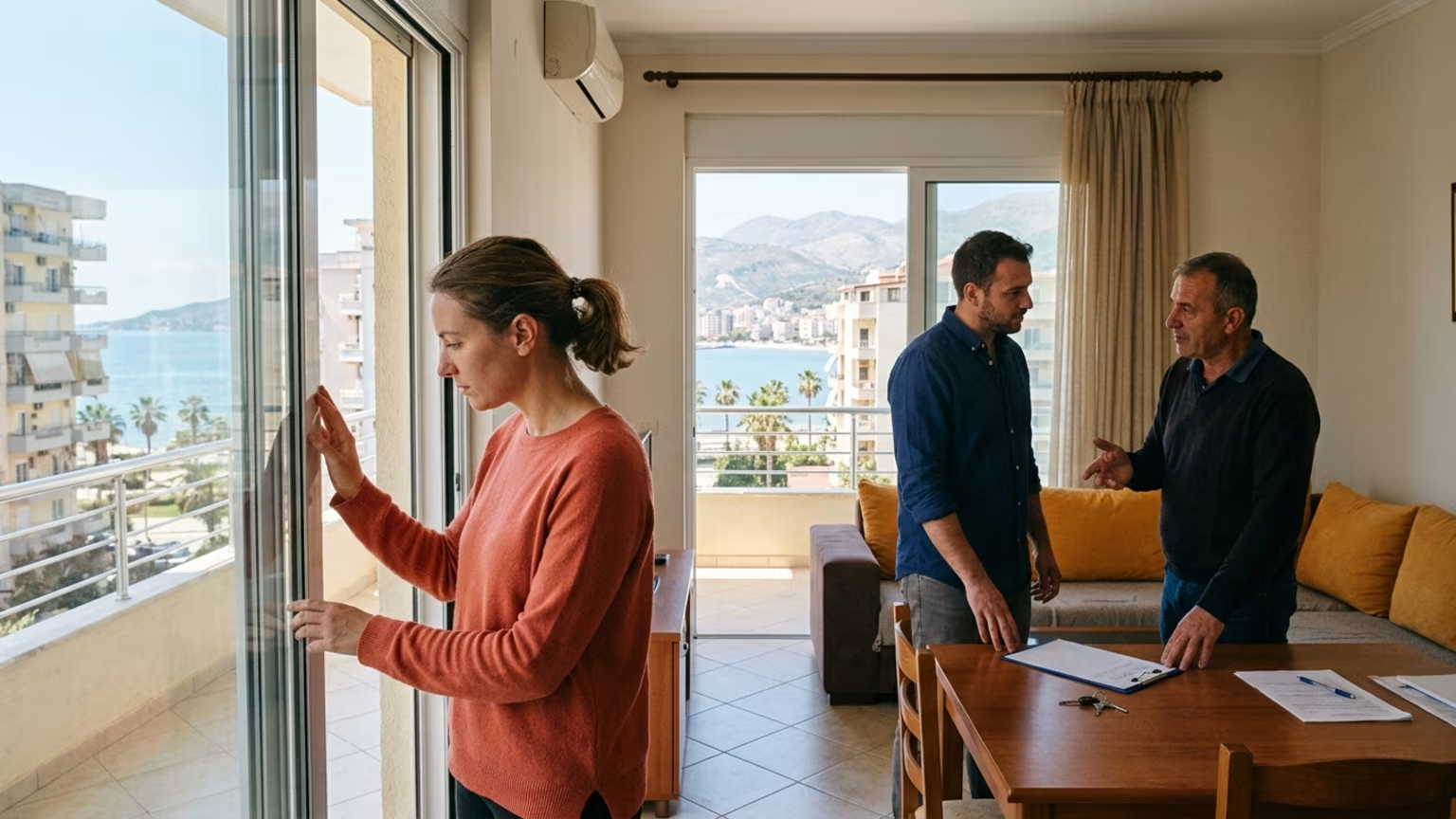
Learn how to assess a Vlorë apartment for true year-round availability. We cover what to check regarding summer leases, utility costs, and contract details.