Representative image

Master Vlorë's local produce markets with this practical shopper's map. Learn peak times, current prices, and bargaining rules to save money on fresh food.





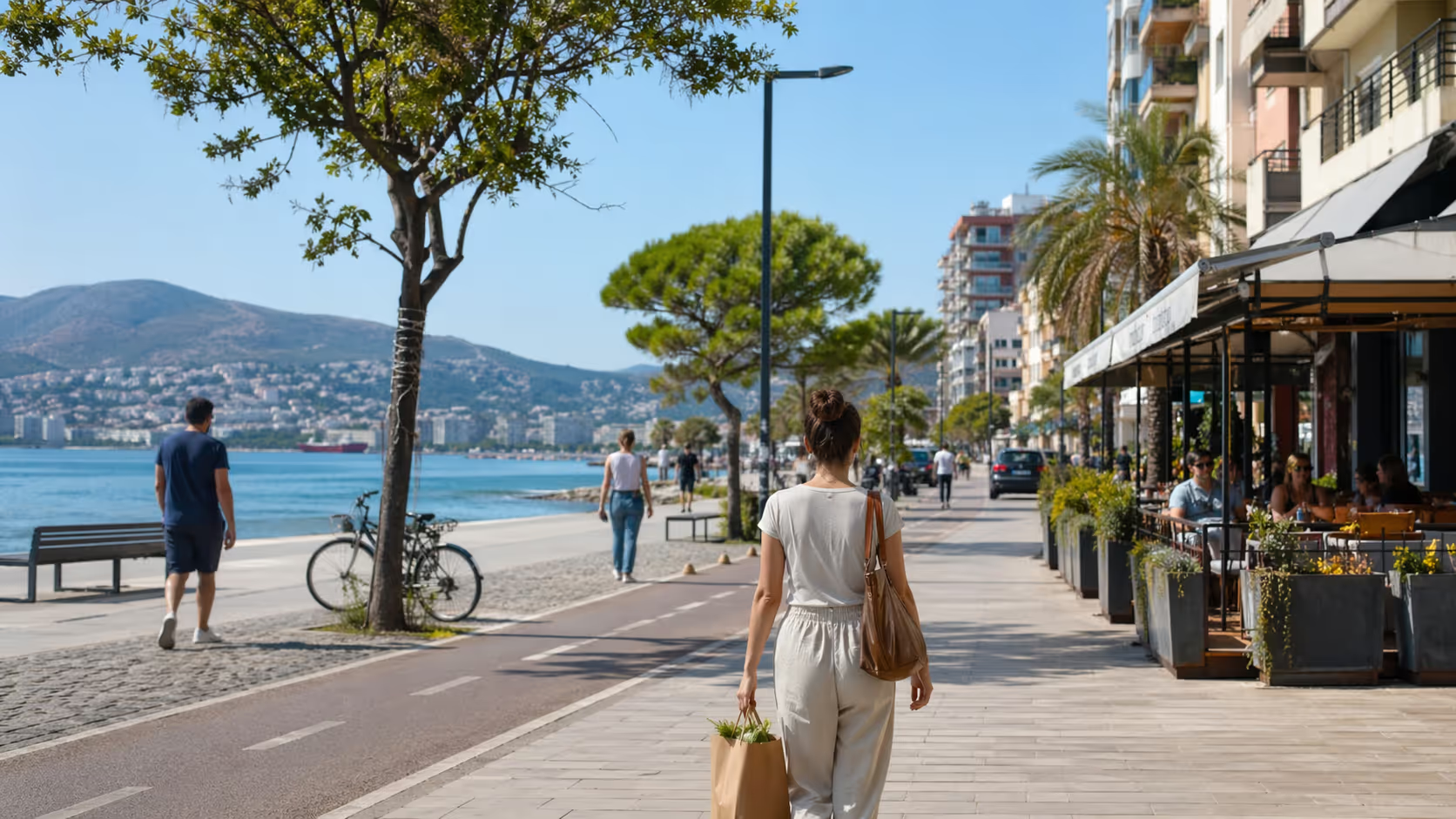
You walk into a brightly lit chain supermarket near the Lungomare. You see pale tomatoes wrapped in thick plastic film. You pay a steep premium for imported food that lacks flavor. Vlorë’s local open-air markets solve this exact problem for foreign residents.
Vlorë’s neighborhood markets offer fresh seasonal produce directly from local farmers at significantly lower prices. Shoppers gain access to fresher food and save money by skipping the retail middleman. Buying direct puts your cash right into the local agrarian economy.
Supermarket chains stock many imported goods that spend days on delivery trucks. The local stands sell what grows right here in the surrounding coastal soil. You eat in tune with the Mediterranean climate of the region. Albania has a deep and enduring agricultural history.
Many families in the villages around Vlorë grow their own food. They bring their surplus into town daily to sell for extra income. Buying from these independent vendors keeps your money in the local community. The transaction supports direct producers rather than international grocery corporations.
Most expats default to shopping at large stores like SPAR or Big Market out of habit. These stores offer convenience and fixed prices. You will quickly notice the high cost of fresh vegetables in these aisles. Imported produce carries heavy transportation taxes and refrigeration costs. Local open-air markets bypass all of these modern supply chain expenses.
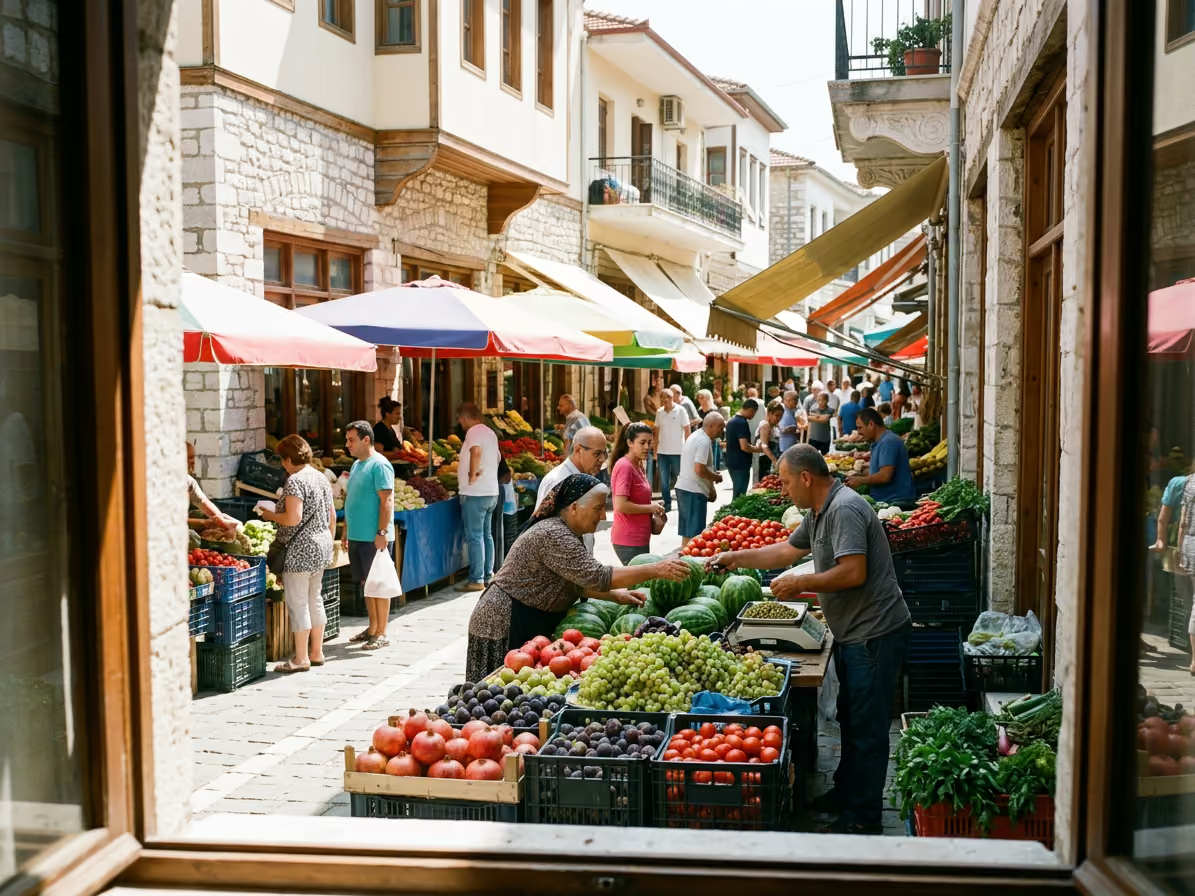
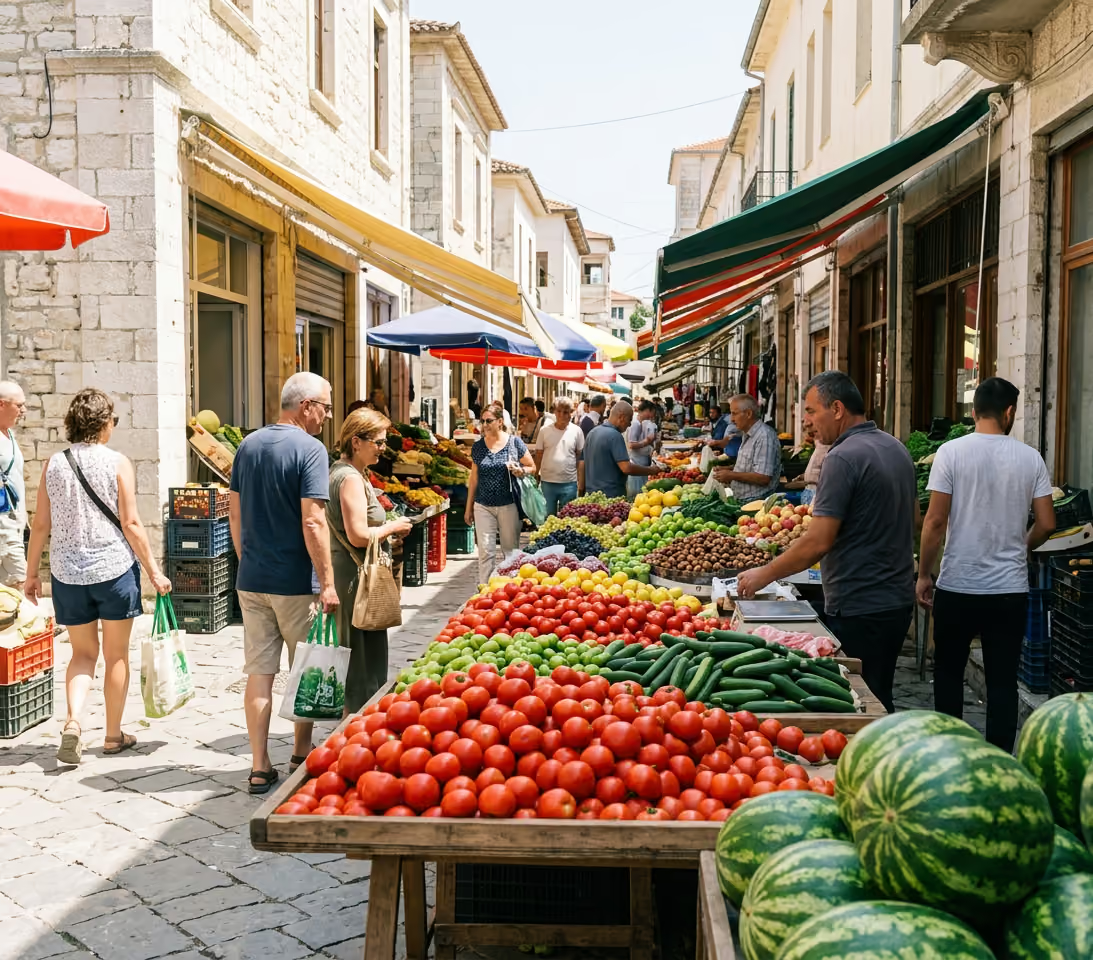
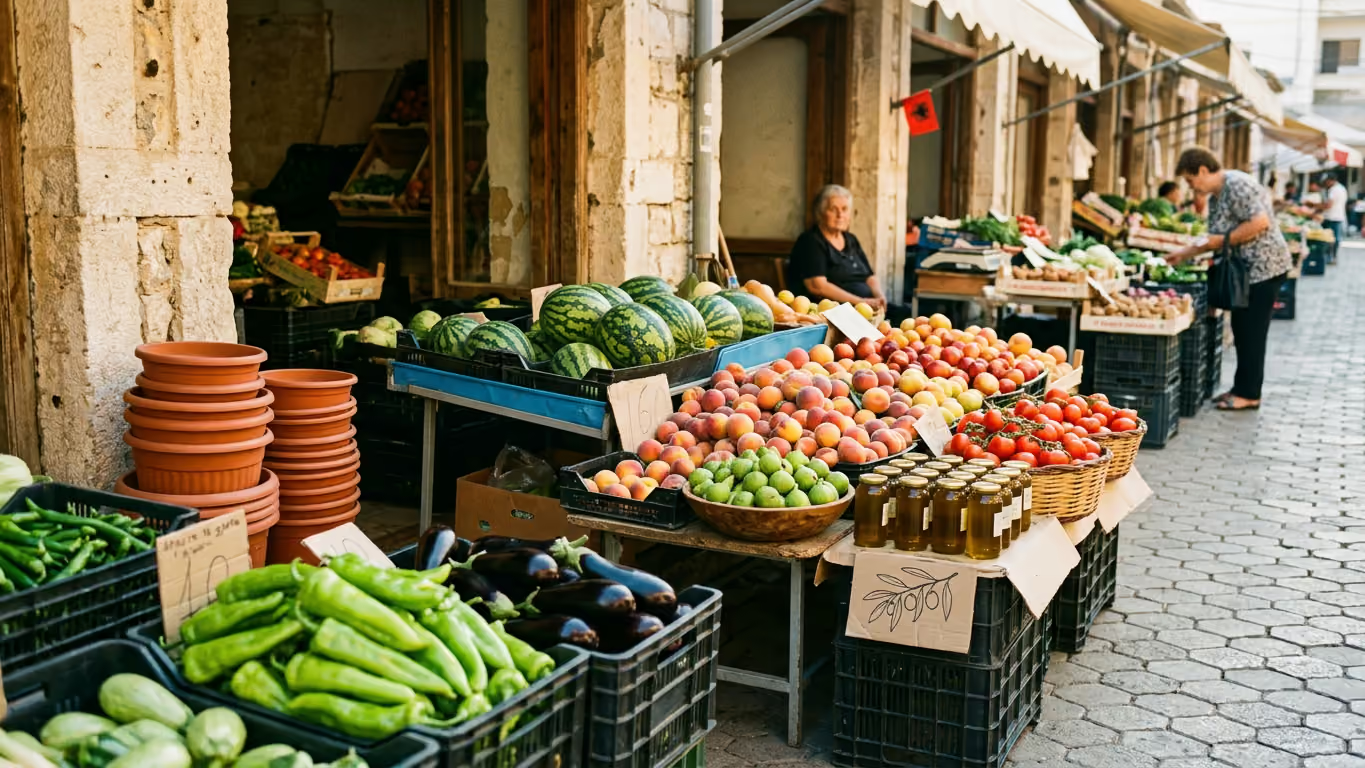
The traditional Albanian market is known as a pazar. These are open-air or semi-covered zones where small vendors set up wooden tables. You deal directly with the person who pulled the carrots out of the dirt. Research from local market observers shows these setups channel the majority of sales straight to the producers.
The economic impact of shopping locally is massive for the Vlorë region. Your daily grocery money helps a local farmer buy seeds for the next season. The city relies heavily on the synergy between summer tourism and local agriculture. Choosing the street vendor over the corporate store directly strengthens the city you now call home.
These independent markets lack slick marketing campaigns and fancy signs. You must learn the physical locations through word of mouth and daily walking routines. Once you learn the layout of these hubs, your grocery bills will drop dramatically. You will eat food that tastes like it came straight from a summer garden.
Vlorë does not have one single massive central market building like Tirana. The city features several distinct shopping pockets spread across different neighborhoods. You must map out the city to find the best spots near your apartment. The Old Town area acts as the primary hub for the freshest daily arrivals.
The historic core near the Clock Tower is an excellent starting point. Farmers set up their stalls very early in the morning along the cobblestone side streets. You can walk from the newly restored historic center down the narrow alleys to find them. Dozens of vendors line the pathways with wooden crates full of seasonal greens.
The Merkato area acts as a semi-covered hub for produce and dairy goods. You will find vendors clustered around the main entrance of the building. This zone gets very busy during the morning rush hours. It is an excellent place to find bulk items like large sacks of potatoes or onions.
A third major cluster surrounds the TANI market in the newer parts of town. Independent vendors line the streets near the physical store to catch heavy foot traffic. These peripheral stalls often feature the most aggressive price drops late in the afternoon. The vendors here want to clear their tables before packing up for the day.
The Mediterranean climate dictates exactly what you will find on the tables each month. You cannot buy cheap fresh strawberries in December. You must adapt your cooking habits to follow the natural growing seasons of the Albanian coast. Spring brings a wave of bright green colors to the market stalls.
During the spring months, you will see massive piles of fresh herbs and leafy greens. Spinach, kale, and fresh garlic dominate the wooden tables. Local cherries begin to appear near the end of the spring season. The prices for these early fruits start high and drop as the supply increases.
Summer is the absolute peak season for the Vlorë produce markets. Tomatoes, cucumbers, and peppers flood the city from nearby coastal farms. The sheer volume of food drives the prices down to incredible lows. The famous Albanian watermelons arrive in July and August.
Fall brings a completely different color palette to the Old Town streets. Apples, pears, and root vegetables replace the soft summer fruits. You will find large bags of fresh walnuts and almonds appearing at the edges of the markets. Winter shifts the focus heavily toward citrus fruits. Oranges and lemons from local orchards provide cheap vitamin C during the colder rainy months.
Understanding a fair price requires active monitoring of the local stalls. Supermarkets charge a premium for the convenience of air conditioning and shopping carts. Local markets undercut these corporate prices by massive margins. Recent local price tracking from summer 2025 shows clear advantages for street shoppers.
Tomatoes reach peak freshness during the hot summer months. You can expect to pay 80 to 120 Lek per kilogram near the TANI market area. If you buy several kilograms at once, you can often negotiate the price down to 70 Lek. Cucumbers cost between 60 and 90 Lek for a crisp local batch.
Cherries are a seasonal favorite that highlight the price difference perfectly. Supermarkets often charge over 400 Lek for a plastic box of imported cherries. The farmers market near Merkato sells fresh local cherries for 250 to 350 Lek. Peaches follow a similar pattern at 150 to 220 Lek in the Old Town stalls.
Staple foods remain cheap all year round at these outdoor tables. Potatoes sit steadily at 50 to 70 Lek near the TANI area. At the end of the day, vendors might drop the potato price to 40 Lek to clear their stock. Apples cost 80 to 120 Lek during the autumn harvest.
Winter citrus is heavily abundant and very affordable. Oranges and lemons run between 100 and 150 Lek near the Clock Tower. Summer watermelons are the cheapest item by weight. You will pay just 20 to 30 Lek per kilogram for massive local melons in July. Mixed nuts sell for 400 to 600 Lek per kilogram at the market perimeters.
Timing your visit is just as critical as choosing the right location. The market ecosystem changes drastically from sunrise to sunset. Mornings are dedicated to commercial buyers, serious home cooks, and restaurant owners. The absolute freshest produce arrives between 6 AM and 8 AM.
If you want unblemished tomatoes and crisp greens, you must arrive early. The morning hours offer the best selection but the firmest prices. Vendors know their goods look perfect under the morning sun. They are less willing to drop the price when the day has just begun.
The dynamic shifts completely when the afternoon heat sets in. Between 2 PM and 6 PM, the strategy changes from quality selection to bargain hunting. The sun wilts the leafy greens and softens the peaches. Vendors grow tired and want to return to their villages.
This late afternoon window is the perfect time to stock up on durable goods. You can negotiate excellent deals on potatoes, onions, and root vegetables. The vendors surrounding the TANI market are especially eager to make final sales before dusk. You trade peak aesthetic quality for maximum financial savings.
Bargaining is a normal cultural practice in Albanian outdoor markets. The local system is based on building a relationship called patronazh. You do not aggressively demand a lower price like a wall street trader. You build rapport to earn a friendly discount over time.
Many newcomers romanticize the idea of walking through a European outdoor market with a woven basket. The daily reality of this chore is physically demanding and often frustrating. You must adjust your expectations to succeed here. The markets are not pristine, air-conditioned environments.
The summer heat makes the midday market visit a grueling physical endurance test. The sun beats down on the asphalt and the produce alike. Flies circle the sweet fruits and hover over the tables. You will sweat profusely as you navigate the narrow spaces between the stalls.
You must carry heavy loads by hand back to your apartment or car. A bag of potatoes, a large watermelon, and two kilos of tomatoes add up to serious weight. The plastic bags provided by vendors often tear under the strain. The cobblestone streets of the Old Town make rolling carts difficult to maneuver.
Vendors can be gruff and impatient during the busy morning rush. If you hold up the line fumbling with a translation app, you will annoy the locals behind you. Sometimes a vendor will slip a bruised apple into the bottom of your bag. You trade convenience and perfect hygiene for authentic prices and robust flavors.
July and August introduce a unique phenomenon to the streets of Vlorë. Massive trucks arrive from the countryside loaded with green watermelons. Vendors pile these massive fruits in towering pyramids near the Clock Tower. The competition to sell these melons is fierce.
You will see vendors slicing open display melons to show off the bright red interior. They will offer you a sticky slice on the tip of a knife as you walk by. The prices plummet as the supply overwhelms the city. You can bid incredibly low on melons that have slight exterior blemishes.
Buying a whole watermelon is a physical commitment. You must plan your route home before you make the purchase. Many shoppers drive their cars as close to the Old Town stalls as possible. Carrying a massive melon block after block in the August heat is a mistake you only make once.
When you get the melon home, you must wash the outside rind thoroughly. The fruit has been sitting on dusty streets and riding in open truck beds. Once cleaned and chilled, the flavor completely destroys anything you can buy in a northern European supermarket.
The biggest error foreigners make is misidentifying the markets altogether. Many expats read travel blogs about Pazari i Ri and expect to find it here. That famous modern market is located in Tirana. Vlorë features a decentralized network of authentic, gritty street stalls instead of a single tourist hub.
Another massive mistake is failing to wash the produce properly at home. Supermarket food is pre-washed and chemically treated for shelf life. Market food comes straight from the dirt and often carries small insects. You must soak your leafy greens in water and white vinegar to clean them thoroughly.
Paying the tourist tax is a common trap for the first few weeks. Vendors have sharp eyes and instantly spot expensive foreign clothing. They will sometimes quote a price 20 to 50 percent higher than the local rate. You must know the baseline prices before you walk up to the table.
Shopping on rainy days presents a unique set of miserable challenges. The Old Town stalls offer very little protection from the coastal storms. The produce gets wet and the ground turns muddy. The vendors near the TANI market move under the small awnings, crowding the walkways and making shopping difficult.
Replacing your supermarket habit requires intentional planning. You cannot just pop into the local market at 8 PM after a long day of remote work. You must treat grocery shopping as a scheduled morning activity. Treat it as a chance to get some sun and walk the city.
Start by visiting the Merkato area on a Tuesday or Wednesday morning. The crowds are thinner than on the weekends. Buy your heavy staples like onions and potatoes first. Drop them back at your apartment or put them in your car.
Next, walk toward the Old Town streets near the Clock Tower for your delicate items. Pick out your soft peaches, fresh herbs, and leafy greens. Carry these items carefully on top of your bags to avoid crushing them.
Once you establish this route, you will notice your monthly food budget shrinking. You will find yourself eating more salads and fresh vegetable dishes. The food tastes so good that complex recipes become unnecessary. A simple plate of local tomatoes, olive oil, and salt becomes a daily luxury.
Here is a piece of advice straight from our local members. Never try to haggle over a single bunch of parsley or one cheap apple. It insults the vendor and wastes their time. Save your negotiating skills for large bulk purchases or expensive items like mixed nuts. Join the community to learn more daily survival habits from fellow expats living in Vlorë.
This guide provides a baseline for navigating the seasonal street stalls of the city. As the seasons change, return to this breakdown to check the peak harvest times. Embrace the dirt on the carrots, learn the local numbers, and start eating like a true resident of the coast.
Follow Vlore Circle for fresh guides, local updates, and community notes around life in Vlorë. It is the easiest way to stay close to what we are building.

Be part of a growing community built around connection, local life, and a better experience of Vlorë.
join the circle