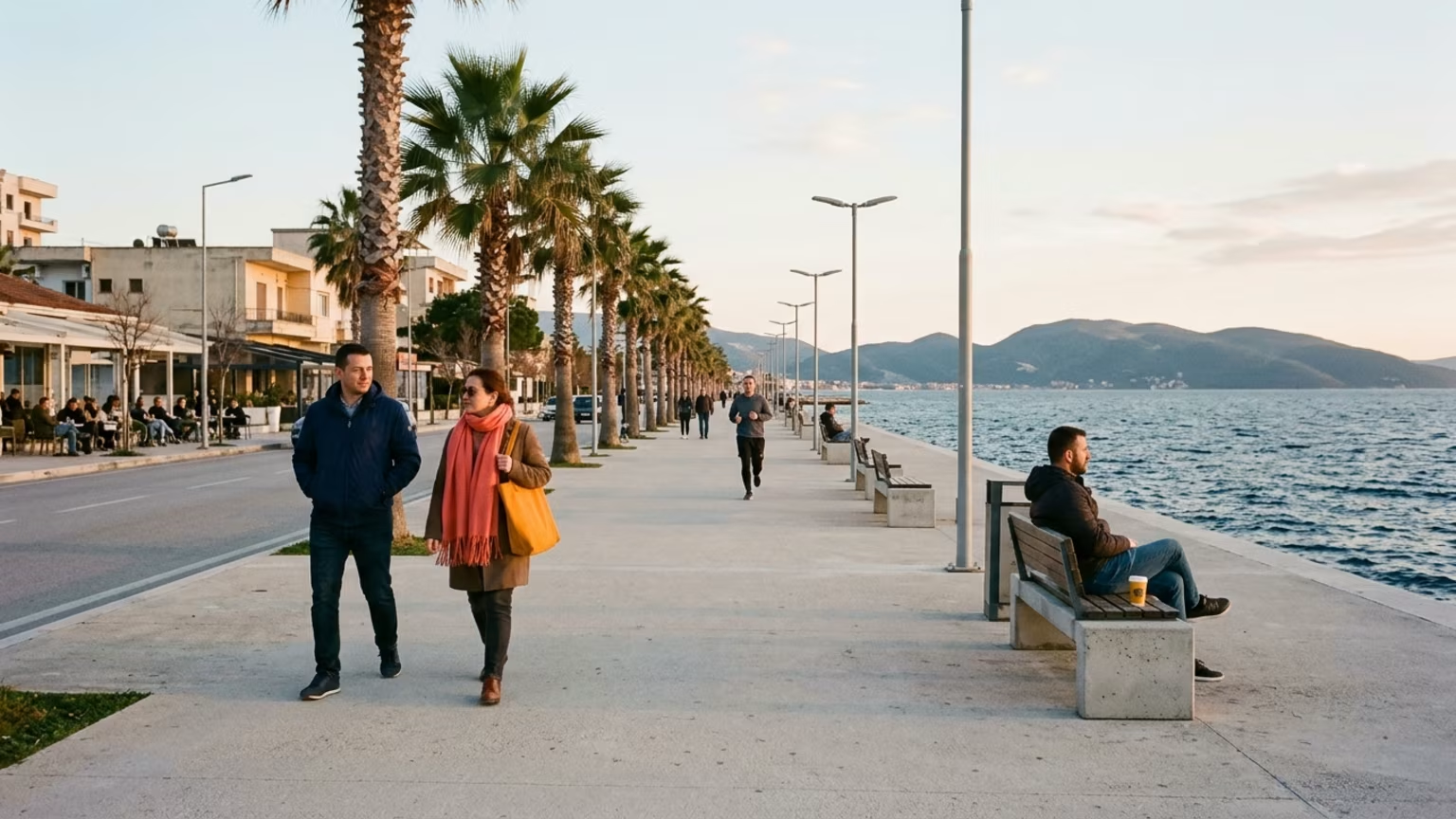
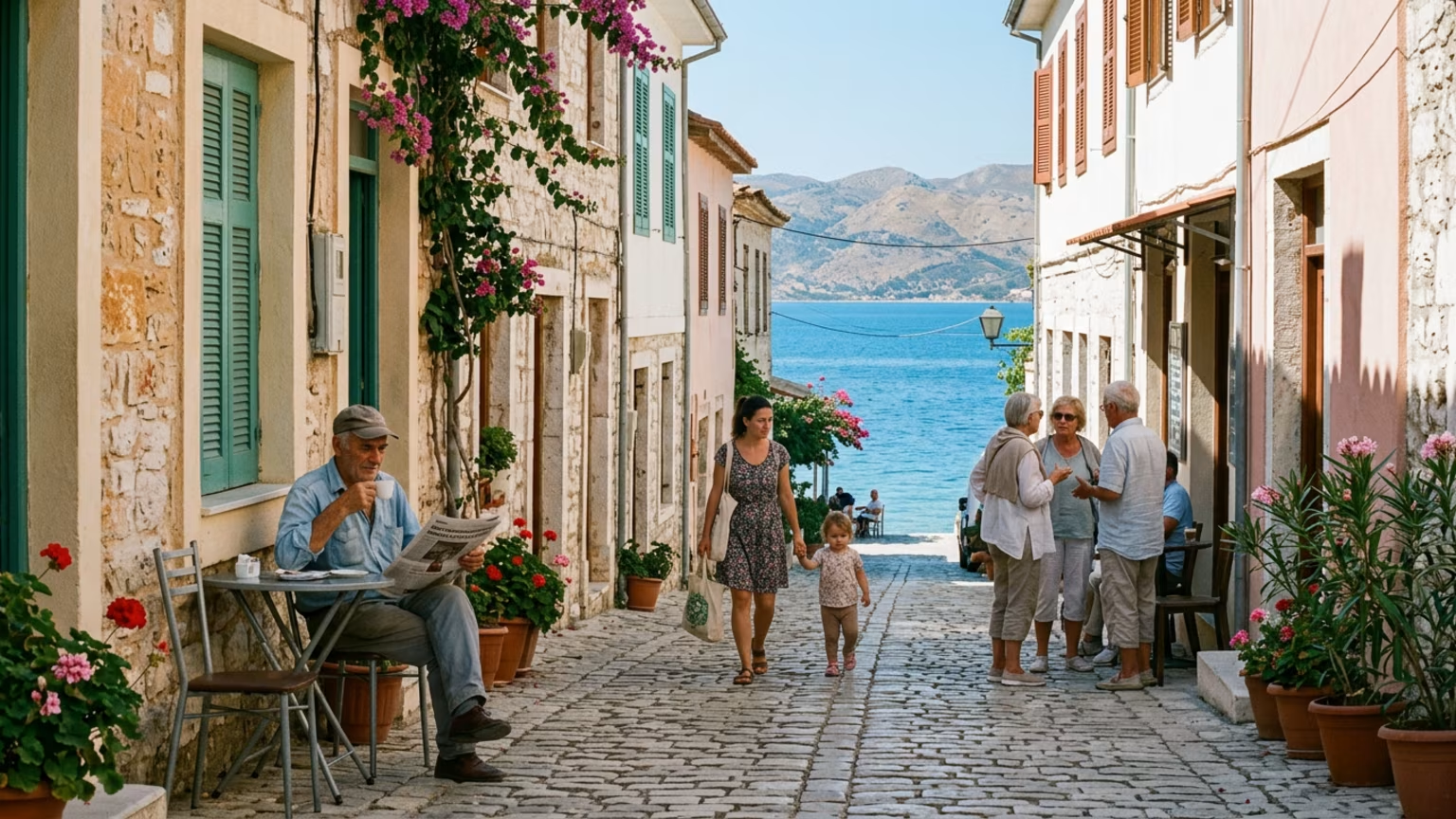
Representative image

Check heating, damp, water, internet and written rental terms before choosing a long-term home in Vlorë, from the centre to the Lungomare.





How do you choose a long-term home in Vlorë without letting the sea view distract you from heating, bills and daily errands? Start by treating the viewing as a test of ordinary life, not a holiday preview.
A Lungomare balcony belongs on the wish list. So do working heating, a usable connection and clear terms for the full stay. The aim is to leave with observations and written answers rather than a promise that everything will be fine. That separates liking a place during a viewing from understanding what you are agreeing to live with.
Start with the rooms you will use daily: check heating and cooling, signs of damp and the actual internet connection. Then check water, utility arrangements and access to everyday errands. A 2026 guide to living in Albania warns that many holiday flats in Vlorë and Sarandë lack heating.
The same guide's 2026 listing sample puts advertised one-bedroom rents at about €300 inland or in the centre and €400 to €600 on the Lungomare or seafront. Its coastal sample is small, so these are examples rather than a market-wide average. Compare waterfront access with weekday needs before deciding what a view is worth to you.
Work through the home room by room, then check the building and the street. Keep a written note of what you tested, what the owner explained and what still needs an answer.
Ask which equipment heats each room and have it switched on. Check cooling too rather than treating a unit on the wall as proof that both functions work. Pay attention to the bedroom and the room where you will sit through the working day, not just the main living area.
Request the previous January electricity bill to discuss winter running costs. Treat that bill as a record of past use, not a promise about your own spending. Use Vlorë's monthly climate information for the weather side of seasonal planning, then inspect the flat for the housing side.
Look at walls, window corners and inside wardrobes. Note any marks, condensation or musty smell and ask the owner to explain them. If the apartment has been closed, pay attention to how it smells when opened.
Where practical, arrange a viewing during or soon after rain. Check building corners and road drainage too. Record any agreed repair in the written terms rather than leaving it as a passing conversation.
Run the taps and shower. Ask whether the building has a tank and pump, then ask what happens during a supply interruption. Clarify who handles a fault with the apartment's water equipment.
Keep the test specific to this home. Write down what you observed and the owner's explanation instead of assuming that a seafront or central address settles the question.
Test the actual connection in the rooms where you plan to work. If practical, test at the times you expect to use it. Record whether internet is included in the rent or paid separately.
Keep the viewing tied to your real work setup. Our questions about a rental's home-office setup give that part of the visit a clear focus without treating a listing's internet claim as a completed test.
The rental guide says tenants commonly cover electricity, water and internet costs, plus a monthly administration fee in most buildings. It says utility accounts often remain in the owner's name.
Ask for clear answers to these points:
Do not leave the building fee outside the conversation. Include it in the same written discussion as the rent and utility payments. This turns an attractive monthly rent into a fuller picture of the commitments being discussed.
The honest answer is that a single appointment may leave work unfinished. A viewing is a snapshot, not proof of how the flat performs through every season. A dry afternoon cannot reproduce a wet winter day.
Where practical, return at a different time. Listen with windows open and closed, then repeat the route from the building to your everyday stops. For noise, water and internet, judge the address you are checking rather than the neighbourhood's reputation.
If your schedule allows only one visit, keep a list of the questions left open. Ask the owner for the winter bill and written clarification of charges and repairs before treating the discussion as settled. The difficult part is accepting that an attractive flat can still have unanswered practical questions.
The useful result is a clear record, not the fastest possible yes. Separate what you observed from what you were told.
These arrangements need specific written terms rather than an assumed exception. For a winter-only stay, record the agreed start and end dates and any summer occupancy condition. For a longer stay, spell out the full lease period instead of relying on the phrase “long term”.
An owner-held utility account needs a clear payment arrangement. Ask how bills will be shown, how payments will be recorded and who deals with the provider. Record any agreed meter readings so the starting point is written down.
The agreement should cover:
Make repair expectations concrete: describe the issue and who has agreed to handle it. Keep that alongside the lease rather than relying on a separate verbal promise.
Keep those terms together so the rent and the practical obligations are read as one agreement. Our guide to clarifying rental charges is a useful companion for comparing the owner's answers.
The useful workaround is to turn the viewing into an ordinary errand run. Start at the building entrance and walk to the bakery and pharmacy you expect to use. Check the actual route rather than judging access from the balcony.
For a Lungomare apartment, leave time to walk beyond the promenade. For a central flat, make the same checks instead of assuming the city-centre label answers every practical question. Use a car-free errands check to connect the rental decision with the journeys you expect to make.
If a winter weekday visit is possible, check which nearby services are open then. If your visit is in summer, ask about off-season access and mark it as a question to follow up. Keep weather and street conditions in the viewing notes too.
Use the same questions for every shortlisted flat. That gives a seafront home and an inland one a fair comparison without letting different photographs set different standards. The point is to give ordinary winter routines the same weight as the sea view.
Our verdict: these checks are not a reason for most newcomers to rule out Vlorë. They are a reason to rule out a flat that does not fit the planned stay.
A workable choice brings the answers together: heating and cooling that you have tested, a connection checked in the working room and clear costs in writing. Add a street and errand route that suit daily life. If repairs or occupancy terms remain unresolved, treat the decision as unfinished rather than letting the view close it for you.
The dealbreaker is the mismatch between the home and the stay, not the absence of a perfect listing.
Judging a rental means separating the appeal of its view from the fairness of its terms; Vlore Circle supports that process with guides for residents. For expats and remote workers facing scattered housing advice, those resources focus on finding long-term rentals at fair local rates and making informed choices about settling in Vlorë.
Follow Vlore Circle for fresh guides, local updates, and community notes around life in Vlorë. It is the easiest way to stay close to what we are building.

Plan a Vlorë monthly budget for one adult, a couple or a family, with clear allowances and checks for rent, summer terms, utilities and health cover.


Vet a long-term Vlorë rental with practical checks for damp, heating, water, internet, utility charges and written lease terms before signing.

Check a Vlorë rental's internet, desk, call conditions, mobile backup and seasonal lease terms before relying on it for remote work.