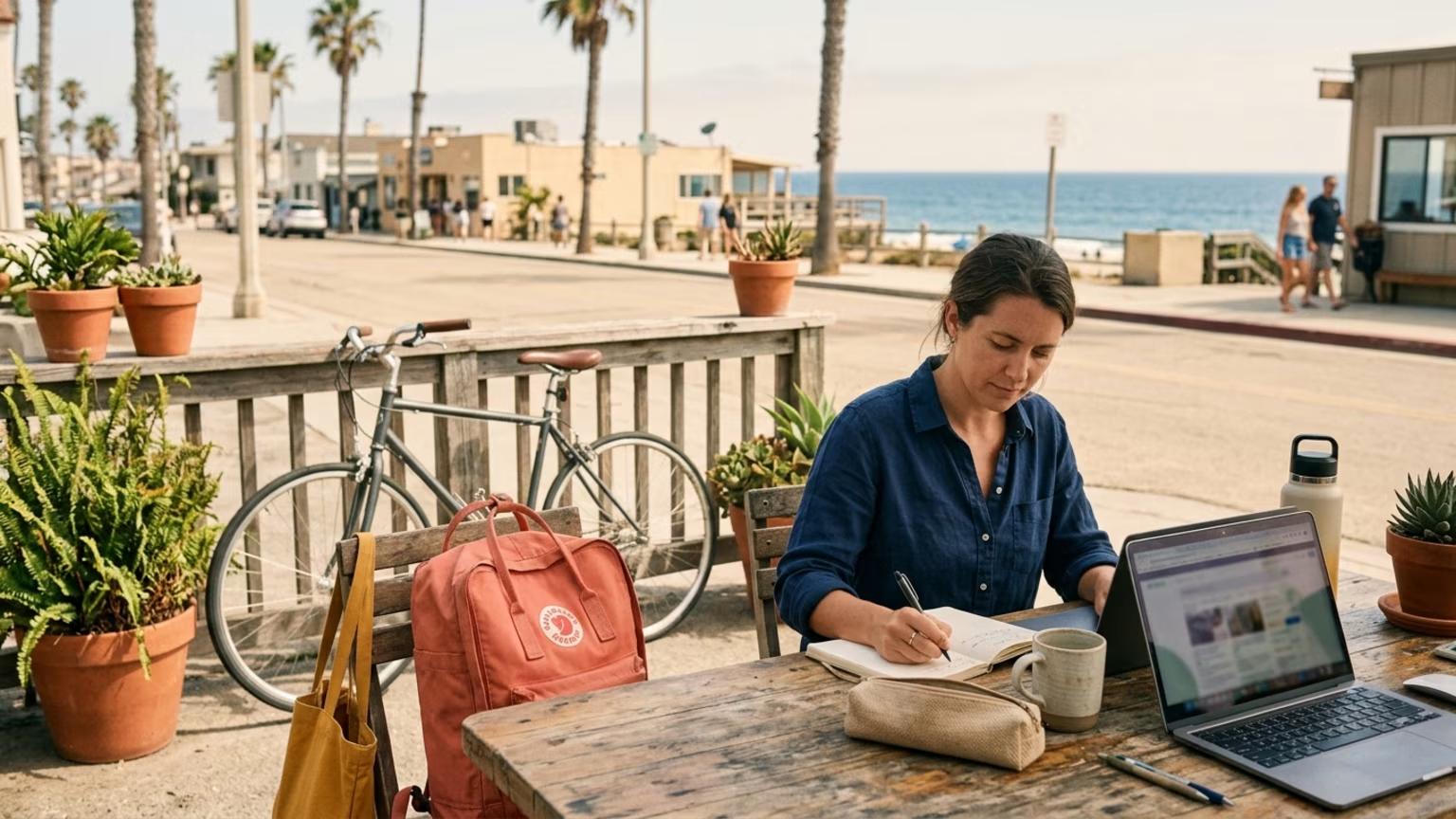
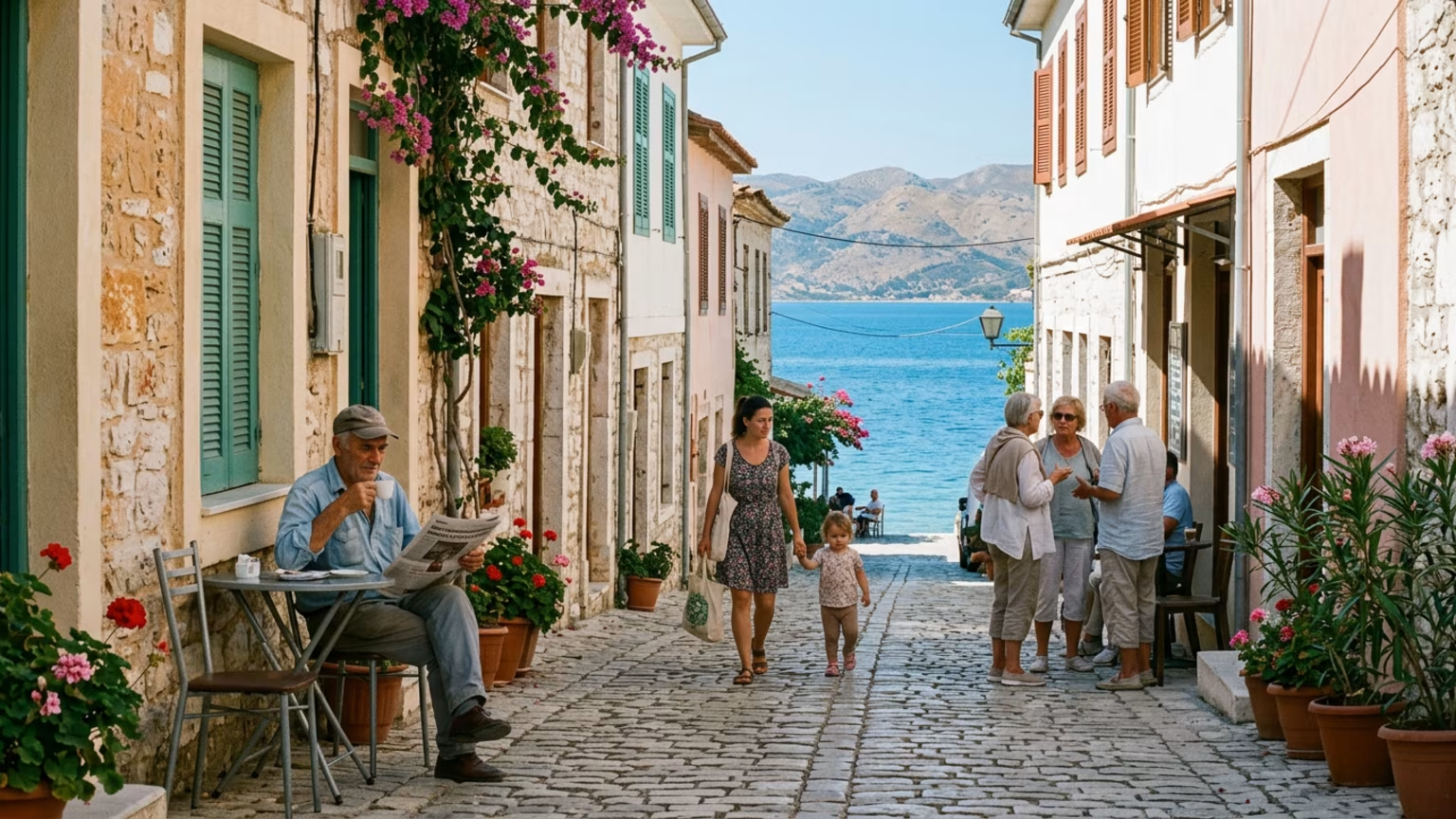
Representative image

Get a realistic monthly budget breakdown for living in Vlorë. Learn how much expats spend on rent, fresh groceries, transport, and local utilities.





Mark stared at his banking app in pure shock. His planned monthly budget was completely gone in just two weeks. He learned the hard way that a coastal paradise has hidden financial traps. Planning your finances requires clear expectations and local knowledge.
Moving to a new country always involves a learning curve. Many remote workers assume living in Albania means permanently low prices. They fail to account for the seasonal shifts of a beach town. Your bank account will drain quickly without a solid daily strategy.
The key is blending local habits with your own comfort needs. You do not need to sacrifice your entire lifestyle to save money. A few smart adjustments will keep your monthly spending perfectly balanced.
A single remote worker needs between €800 and €1,500 per month to live comfortably in Vlorë. This estimate covers long term rent, basic utilities, fresh groceries, and daily transport. Your exact total relies heavily on your neighborhood choice and personal lifestyle habits.
Albania has a reputation for offering low living costs compared to Western Europe. The official currency is the Albanian Lek. One thousand Lek roughly equals ten Euros or twelve US Dollars. Tourism has grown rapidly across the country over the last few years.
This recent tourism surge drives coastal rent prices up nearly 20 percent annually. Living here requires you to understand the local cash culture deeply. You can use credit cards at large grocery stores and modern hotels. Tourist restaurants on the main promenade will gladly accept foreign debit cards.
Cash remains the only accepted payment for public buses and rural shops. Small market vendors and local cafes strictly operate on a cash basis. Remote workers often misunderstand this exact financial dynamic upon arrival. They assume digital payments work flawlessly in every single neighborhood.
This assumption leads to constant trips to expensive local ATMs. Relying on foreign bank cards triggers high withdrawal fees daily. You will lose money if you fail to plan your cash withdrawals. Understanding this hybrid economy saves you hundreds of Euros each year.
Rent takes up the largest portion of your monthly expenses. You can expect to pay between €300 and €500 for a one bedroom apartment. Utilities add another €80 to €120 to your monthly bills. This covers electricity, water, and home internet.
Groceries cost between €150 and €250 if you regularly buy imported foreign products. Locals normally spend closer to €100 by shopping for seasonal market produce. Dining out and entertainment will add €100 to €200 to your budget. Beachfront cafes raise their menu prices during the peak tourist season.
Your daily coffee habit costs very little in Albania. A standard espresso at a neighborhood cafe runs about 100 Lek. This equals roughly one Euro for a great morning routine. Sitting at a cafe all morning is a completely normal local habit.
Going to local gym facilities costs between €25 and €40 per month. Modern gyms with brand new equipment sit on the higher end of that scale. Older neighborhood gyms offer lower prices for basic weightlifting equipment. Staying active fits very easily into a tight monthly budget.
Local transport is incredibly cheap if you use the bus system. Public buses cost about 40 Lek per ride. A daily bus routine costs roughly €20 for an entire month. Taxis cost a bit more but remain very affordable for regular use.
Expats often spend 50 to 70 percent more than local residents. This gap comes directly from Western lifestyle preferences and import purchases. A local resident usually spends between €500 and €900 per month. They keep costs low by living in older buildings and cooking traditional meals.
Expats prefer modern amenities and frequent restaurant visits. Your entertainment budget will grow if you spend every afternoon at a beachfront cafe. Managing these expectations early prevents massive financial stress later on. You can easily adapt to a cheaper lifestyle over time.
Many newcomers expect a permanently cheap European fantasy life. The daily reality looks quite different when you account for seasonal changes. Summer months bring massive price spikes to the entire coastal area. You might experience a 50 percent rent hike in beach zones.
These price jumps happen suddenly between June and August. Groceries and utilities often rise when the summer heatwaves finally hit. Using your air conditioning daily will push your electricity bill 30 percent higher. You must plan for these spikes in your yearly financial review.
You will lose money on ATM fees if you constantly withdraw small amounts. These withdrawal fees often range from 6 to 11 percent per transaction. Digital nomad vloggers recently shared their experiences living in Albanian cities. They noted that tourists can use cards at major hotels and big restaurants.
They strongly advise always keeping local cash on hand for daily life. Relying entirely on digital payments is a massive mistake for newcomers. It helps to review banking and money tips for expats for better strategies. This preparation stops you from wasting money on basic bank fees.
The Albanian economy fluctuates constantly with seasonal tourism surges. There are ongoing talks about the country adopting the Euro in the future. These economic shifts cause a 5 to 10 percent annual inflation rate. This inflation hits daily grocery prices the hardest right now.
The introduction of remote work hubs attracts many foreigners to the coast. This influx inflates the prices of imported goods at major supermarkets. Foreigners often buy familiar brands instead of trying local Albanian alternatives. You pay a heavy premium for this imported comfort.
Your choice of neighborhood dictates your largest monthly expense. The City Center features modern buildings with rents between €400 and €500. This area keeps you close to major supermarkets and indoor cafes. It is a highly practical choice for year round living.
Plazhi i Ri sits right next to the popular beach areas. Rents here run from €350 to €450 during the quiet winter months. This neighborhood feels very touristy and gets expensive in the summer. Reviewing Vlorë neighborhood pros and cons helps you pick the right base.
Plazhi i Ri apartments turn into high priced short term rentals in July. Landlords often prefer to rent by the night during the peak season. You must negotiate a year round contract to protect your monthly rate. Securing a long term deal off season saves you a massive headache.
The Xhamil area provides a much quieter local atmosphere. You can find solid apartments here for €250 to €350 per month. Living slightly away from the main promenade saves you a significant amount. You trade immediate beach access for a calmer daily environment.
The hills above the city offer another housing option for budget planners. Living further up the hill drops your rent to the €200 range. You get amazing views of the sea from these elevated spots. The steep walk home deters many newcomers from choosing this area.
Renting a car changes your neighborhood options completely. You can live in quiet villages just outside the city limits. This lowers your rent but increases your daily transport budget heavily. Most remote workers prefer staying within walking distance of the main promenade.
Tracking your money helps you adapt to changing local prices. You can easily build a simple spreadsheet to monitor your daily outflow. Setting up a financial tracker takes just a few minutes of your time. Here is the exact process to map out your realistic finances.
Step 1: Open a blank digital spreadsheet on your laptop or phone.
Step 2: List your fixed categories like rent, groceries, and transport.
Step 3: Input your initial baseline numbers into the first data column.
Step 4: Update your actual spending numbers at the end of each week.
You might set your initial goal at €800 for total expenses. Add a separate column to track seasonal percentage increases. You can mark a 20 percent increase for your July rent expectations. This habit creates an automatic variance alert for hidden local inflation.
Add columns for currency conversion between Lek, Euros, and US Dollars. Your rent might be priced in Euros but paid in Lek. This forces you to track the active exchange rate every single month. You can compare your sheet against the monthly budget breakdowns by lifestyle.
Many newcomers forget to budget for unexpected emergency costs. Medical trips or last minute flights home require a separate cash reserve. We recommend keeping €500 untouched in a separate savings account. This acts as a buffer against unexpected life events.
Review your spending tracker thoroughly at the end of every single month. Look for patterns in your restaurant spending or late night taxi rides. Small leaks in your budget become obvious when looking at the hard data. This monthly review keeps your finances perfectly aligned with your goals.
The public bus system operates on a strictly cash only basis. You simply hand your 40 Lek directly to the ticket collector inside. Google Maps helps you figure out the correct local bus stops. It takes a few days to learn the exact daily routes.
The buses get crowded during the peak summer tourist season. They travel slowly down the main coastal roads. They remain the absolute cheapest way to move around the city limits. Early expats often underestimate the bus system and overspend on private cars.
Taxis offer a much faster way to move around the city. Apps like Green Taxi or Lux provide reliable and low rates. You can book them directly through WhatsApp by sending your live location. This digital booking method completely removes the need to haggle over prices.
These apps standardize local rides and cut pricing confusion by 20 percent. A quick ride across town costs a fraction of Western European prices. Keep their WhatsApp numbers saved in your phone for late night trips.
You can easily stretch your budget by adopting local shopping habits. A kilo of summer tomatoes costs fifty cents at the neighborhood market. That same kilo often costs over a Euro at large expat stores. Small daily choices dictate your overall financial success here.
Limiting your reliance on imported foods makes a massive difference immediately. You can drop your living costs closer to €700 by eating seasonal local produce. Buying local seasonal goods shields you from foreign import inflation. We highly encourage newcomers to connect with others to learn these tricks.
Learning basic Albanian numbers helps you at the open air markets. Vendors respect foreigners who try to speak the native language. They are far less likely to round up prices if you know the numbers. This small effort builds immediate respect and keeps your grocery costs down.
Stocking up on summer cooling alternatives helps lower your utility bills. Buying a simple floor fan cuts down your daily air conditioning use. This simple purchase can reduce your summer electricity bill by 20 percent. Small tactical decisions add up to massive savings over an entire year.
Building local connections provides you with the best daily financial advice. Join the community to ask long term residents for their favorite market spots. Real life social connections solve almost every common relocation problem.
Open your phone notes app right now and write down your absolute maximum rent budget.
Follow Vlore Circle for fresh guides, local updates, and community notes around life in Vlorë. It is the easiest way to stay close to what we are building.

Learn how to inspect an apartment in Vlorë for year-round living. Find practical tips on verifying lease dates, winter heating, utilities, and internet setup.


CNA reports IGJEUM's forecast of intense rainfall and thunderstorms for Vlora on October 10 and 11, warning of potential urban flooding tied to drainage grids.
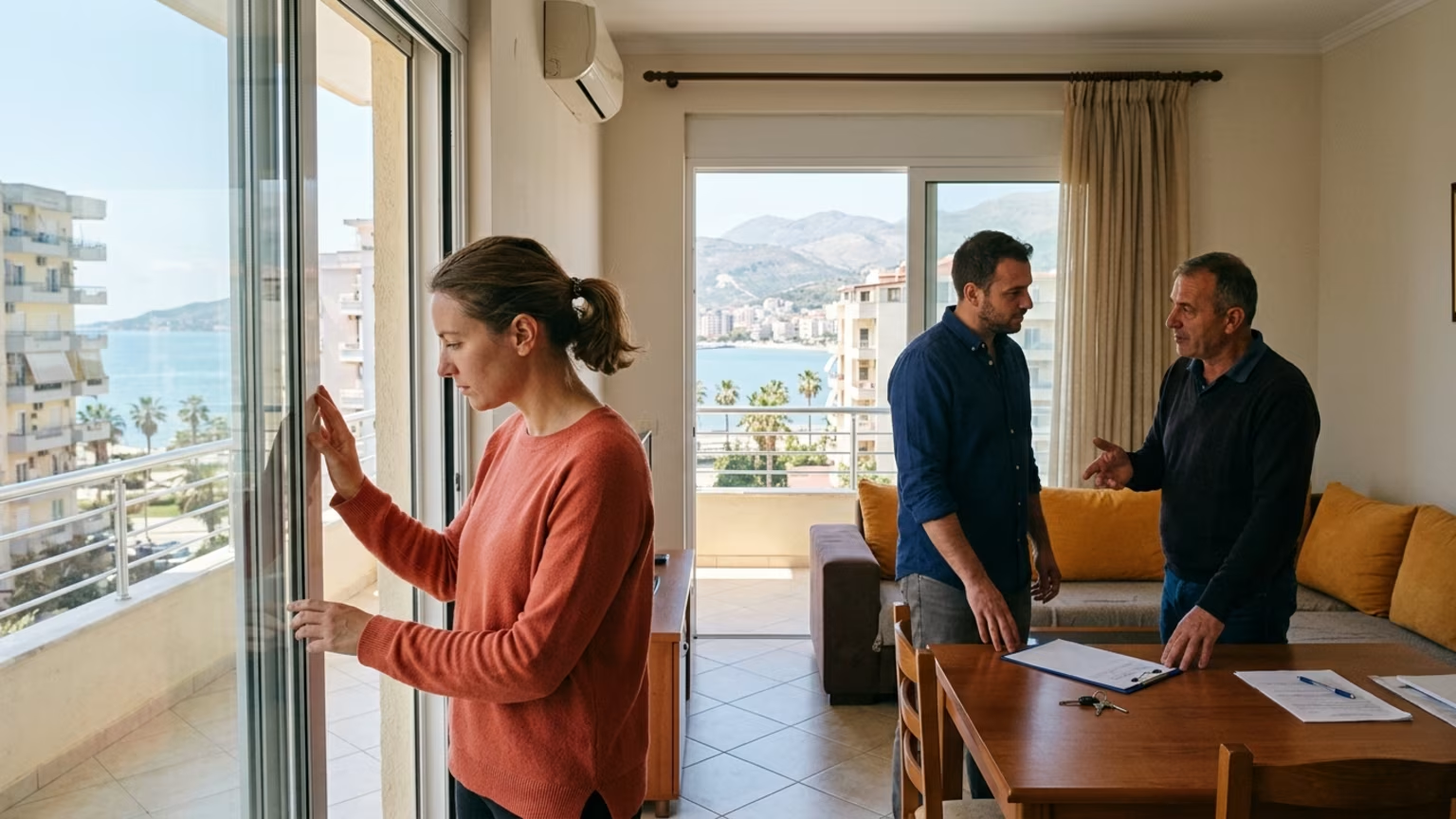
Learn how to assess a Vlorë apartment for true year-round availability. We cover what to check regarding summer leases, utility costs, and contract details.