Representative image

Planning your move to the Albanian coast requires accurate estimates for local rent, utilities, food, and the seasonal summer price spikes across Vlorë.





Many newcomers arrive in Vlorë expecting a perpetually cheap coastal paradise where money magically stretches forever. The truth is that your monthly budget depends entirely on your ability to adapt to local habits rather than importing your current lifestyle.
A single expat can live comfortably in Vlorë for roughly 750 USD to 900 USD per month. Couples should budget around 1200 USD to 1600 USD. Families of four generally spend between 1900 USD and 2200 USD monthly.
Vlorë sits at a unique economic crossroads. It operates as a busy local hub in the winter and transforms into a high-priced tourist resort during the summer. Planning your finances here requires understanding this dramatic seasonal shift. You must learn the difference between paying local prices near the Independence Monument and paying a tourist premium down by the Lungomare promenade. A fixed budget mindset fails quickly in this environment. We built this guide to help you construct a flexible financial framework for real life in Albania.
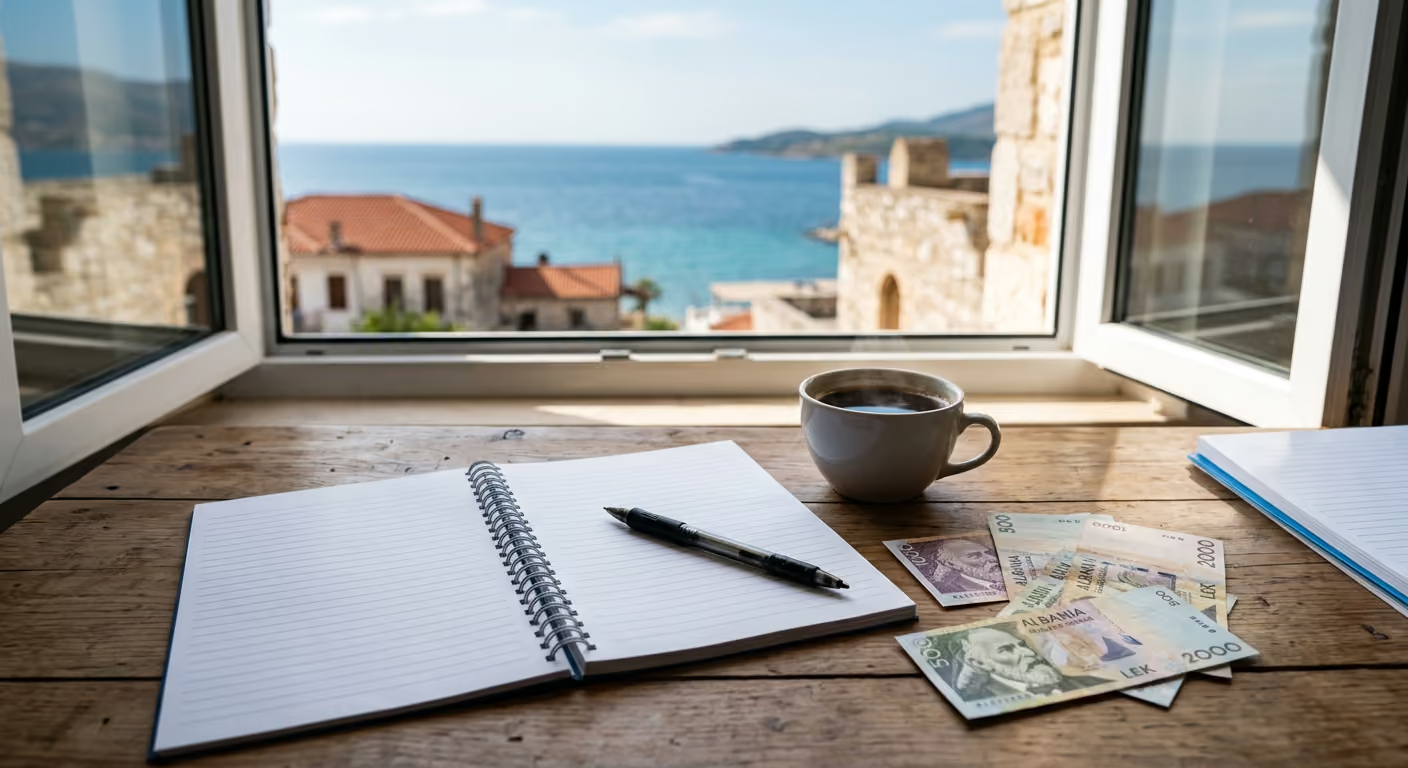
Creating an accurate cost of living calculator requires a structured approach. You should open a blank spreadsheet and label your first four columns. Label them Category, Estimated Lek, Estimated USD, and Actual Spent. This simple layout keeps your finances grounded in reality. The local currency is the Albanian Lek. One US dollar currently equals roughly 84 Lek.
Start by defining your fixed costs in the first few rows. Rent, home internet, and mobile data remain relatively stable year-round. These are your baseline survival expenses. Type these into your spreadsheet and leave the estimated cost cells blank for now. We will fill those in together in the following sections.
Next, you must add a seasonal multiplier to your spreadsheet formula. Summer brings massive spikes in electricity costs for air conditioning. You should multiply your baseline utility budget by two for July and August. You also need a row for seasonal rent increases if you sign a short-term lease.
Separate local and imported groceries into two distinct rows. Allocate funds specifically for neighborhood fresh markets. Reserve a smaller amount for imported goods at big supermarkets. Factor in annual fees by creating a row for residency permit costs and health insurance. Divide these yearly costs by twelve to find your true monthly burn rate.
Rent is the single largest variable in your Vlorë budget. A solo digital nomad or single expat can find a studio or one-bedroom apartment in central Vlorë for 200 USD to 300 USD. This equates to roughly 16,800 to 25,200 Lek per month. These cheaper apartments usually sit slightly inland from the beach.
Couples seeking more space will find two-bedroom apartments with balconies starting around 250 USD to 350 USD. The local real estate market prices these units based on proximity to the water. An apartment directly on the Lungomare promenade will cost significantly more than one near the historic center. You pay a heavy premium for sea views.
Prices change drastically depending on your lease length. A long-term twelve-month contract locks in these lower residential rates. Short-term rentals in July and August jump by fifty percent or more due to tourist demand. Many foreigners get trapped paying double the local rate because they refuse to sign a yearly lease.
Landlords frequently request cash payments. You should budget for a first-month rent payment and a one-month deposit upfront. Always negotiate the rent in Euro or Lek before signing the contract. Do not rely on verbal agreements. Get the monthly price written clearly in your official lease document.
Utilities require careful monitoring in Vlorë. The city lacks central heating infrastructure. You must rely on portable electric heaters in the winter and air conditioning in the summer. These climate control devices dictate your monthly power bill.
Electricity bills average around 20 USD to 25 USD for a couple during mild spring and autumn months. A single person might pay slightly less. Running the air conditioner all day in August easily pushes your electricity bill over 50 USD per month. You should turn off units when leaving the apartment to save money.
Water is incredibly cheap across Albania. A typical household spends between 15 USD and 20 USD monthly. You pay this bill at the local post office or through a banking app. Drinkable bottled water adds a small extra cost to your grocery budget. Most locals do not drink from the tap.
Home internet packages cost about 18 USD per month for reliable fiber optic connections. Mobile data plans are inexpensive and provide excellent coverage throughout the city. You can get a robust monthly prepaid package for 8 USD to 9 USD. Your total utility budget for a comfortable lifestyle usually sits around 70 USD.
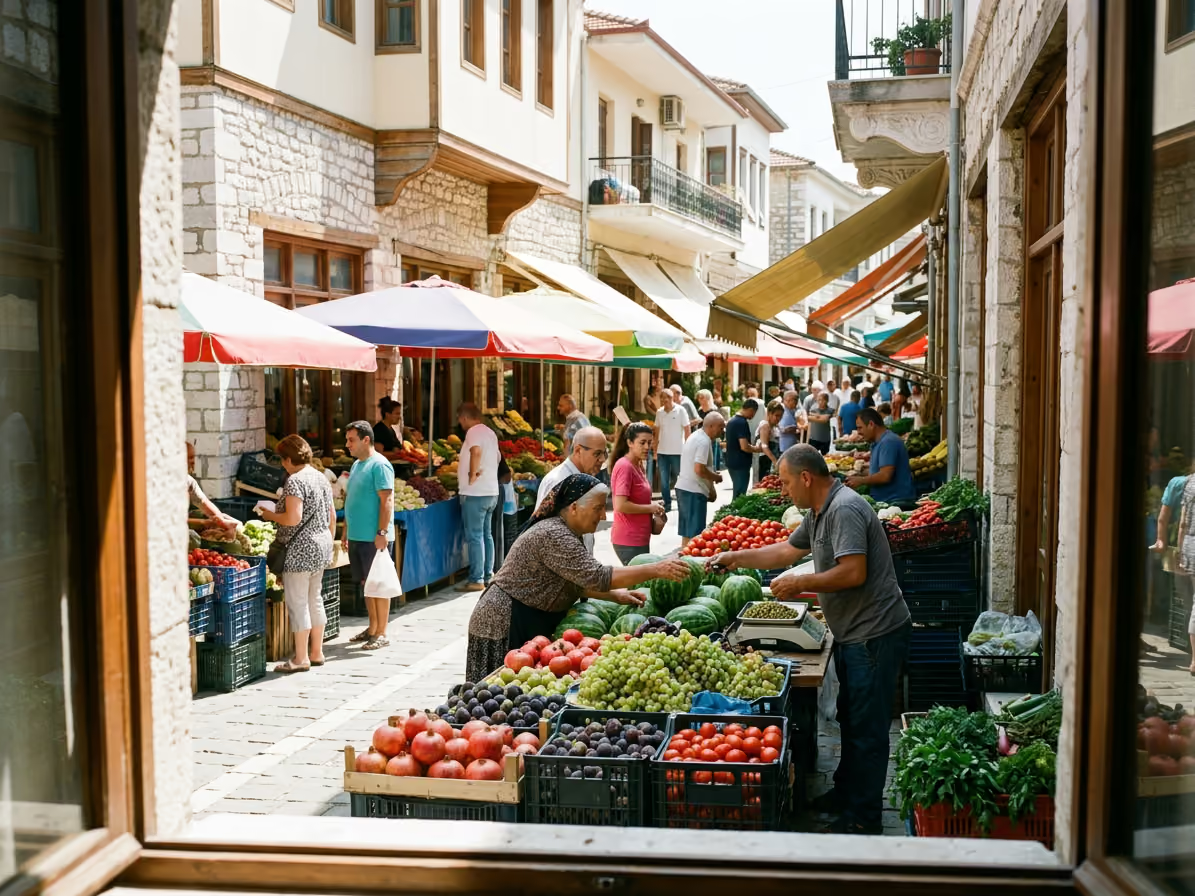
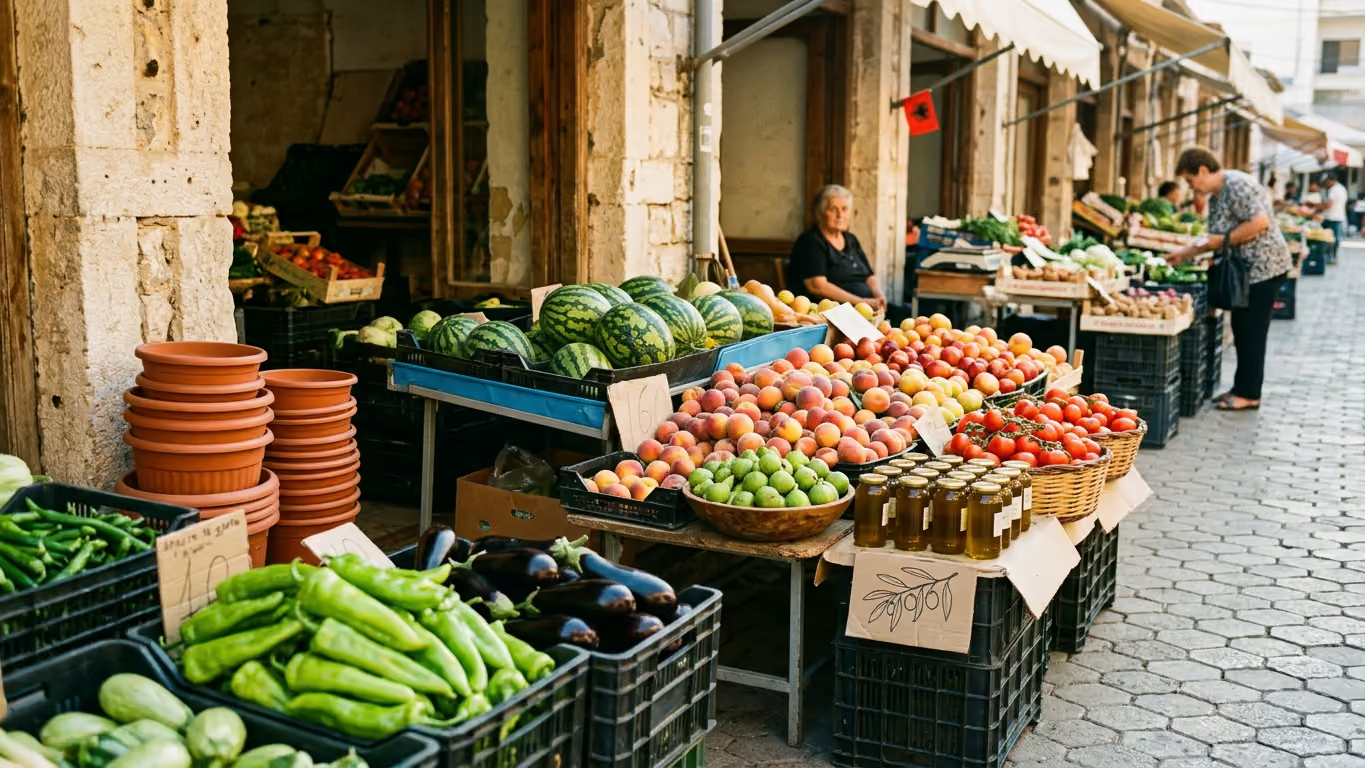
Food costs determine the ultimate success of your monthly budget. Buying local produce saves massive amounts of money. Shopping at the local street markets near the city center provides incredible deals. You must bring cash and your own reusable bags.
At the street market, fresh tomatoes cost about 1.20 USD per kilogram. Apples run roughly 1.30 USD per kilogram in season. Potatoes are a cheap staple at just 1.07 USD per kilogram. Local dairy products like milk cost roughly 2.04 USD per liter. A single person shopping at local markets spends roughly 25 USD to 30 USD weekly on fresh food.
Shopping at modern supermarkets changes the equation entirely. Imported goods carry heavy markups. A familiar brand of Western shampoo can cost over 5 USD. Boxed cereal from Western Europe will destroy your grocery budget quickly. Local substitutes are always available and much cheaper.
A family of four leaning heavily on imported goods easily spends upwards of 900 USD monthly on groceries. A solo expat buying local ingredients keeps their food budget under 200 USD. Learning to cook with regional seasonal ingredients is the smartest financial decision you can make. It forces you to eat healthier while saving hundreds of dollars.
Socializing in Vlorë happens almost entirely at local cafes and restaurants. Coffee culture is a massive part of daily life. A standard morning cappuccino costs about 1.90 USD at a nice cafe. You can often get a simple espresso and a fresh brioche at a neighborhood bakery for just 1.20 USD.
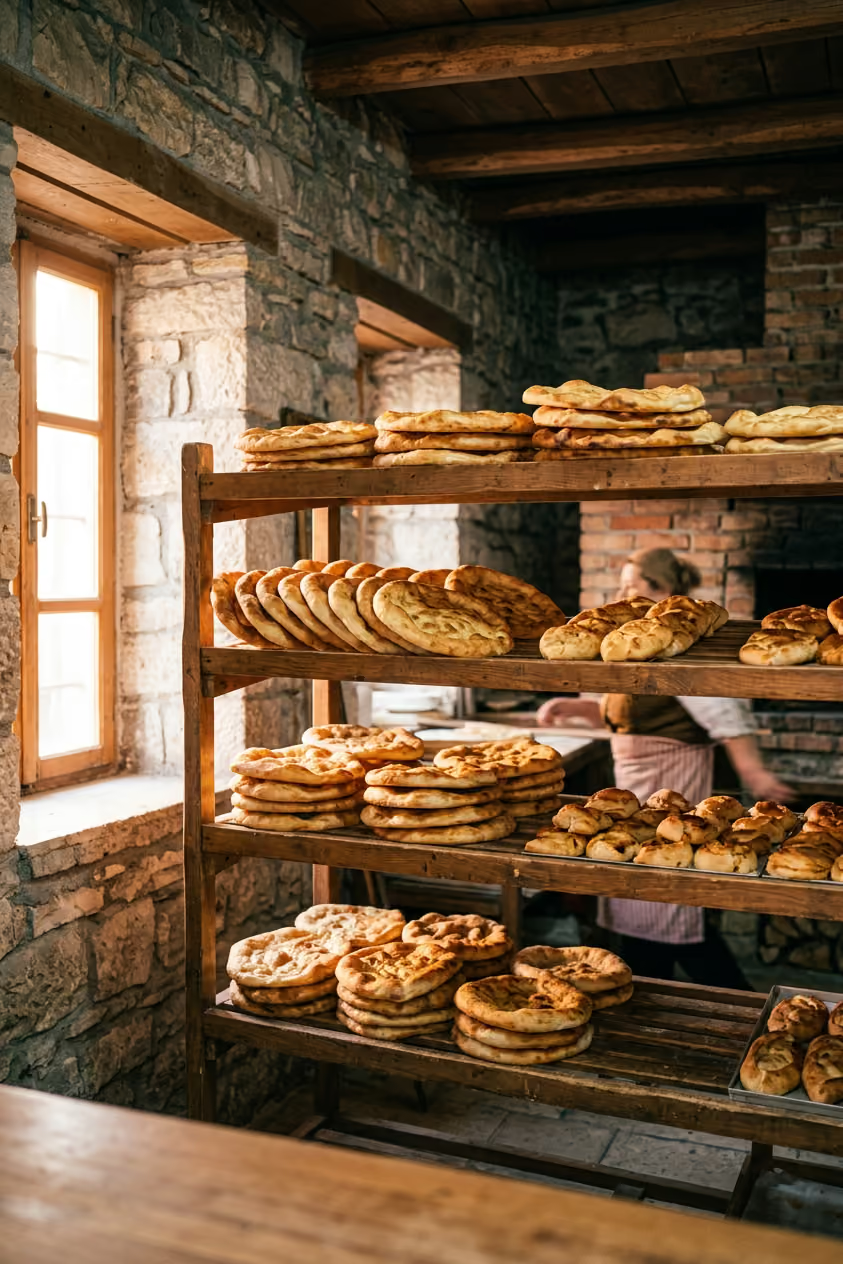
Lunch out offers excellent value. A traditional lunch menu at a local tavern sets you back around 9 USD. Fast food options are everywhere and very cheap. A hefty gyro or a traditional byrek pastry costs less than 3 USD. Many remote workers eat lunch out every single day without breaking the bank.
Dinner for two at a nice beach grill with drinks averages 35 USD to 40 USD. A half-liter of local draft beer at a pub costs less than 3 USD. A glass of house wine is usually under 4 USD. Dining out twice a week adds roughly 150 USD to a couple's monthly budget.
You can easily spend more if you frequent upscale Italian restaurants along the promenade. Tourist traps charge double the price for basic seafood dishes. Walk a few streets inland to find where the locals eat. You will get better food and a much lower bill.
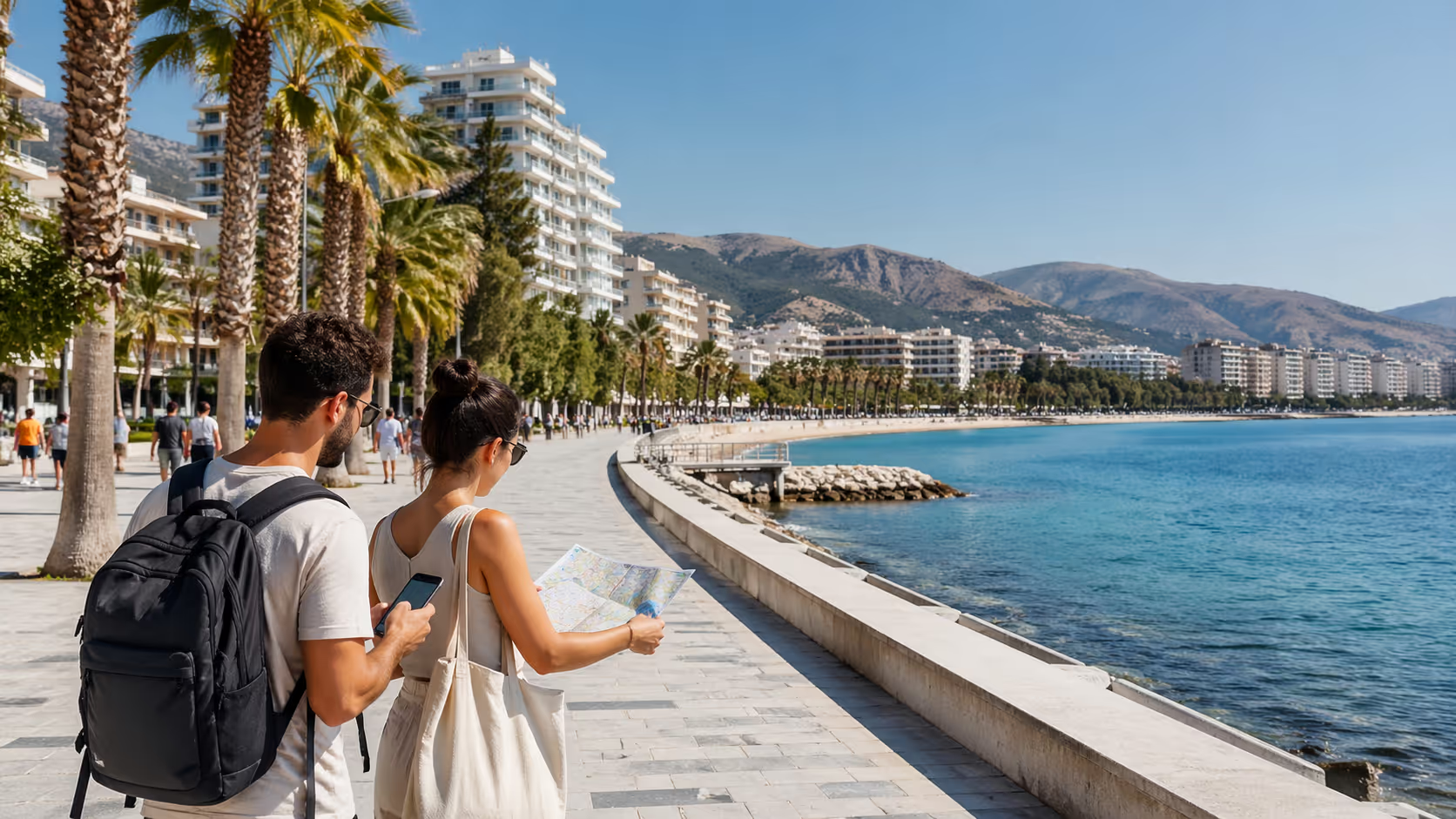
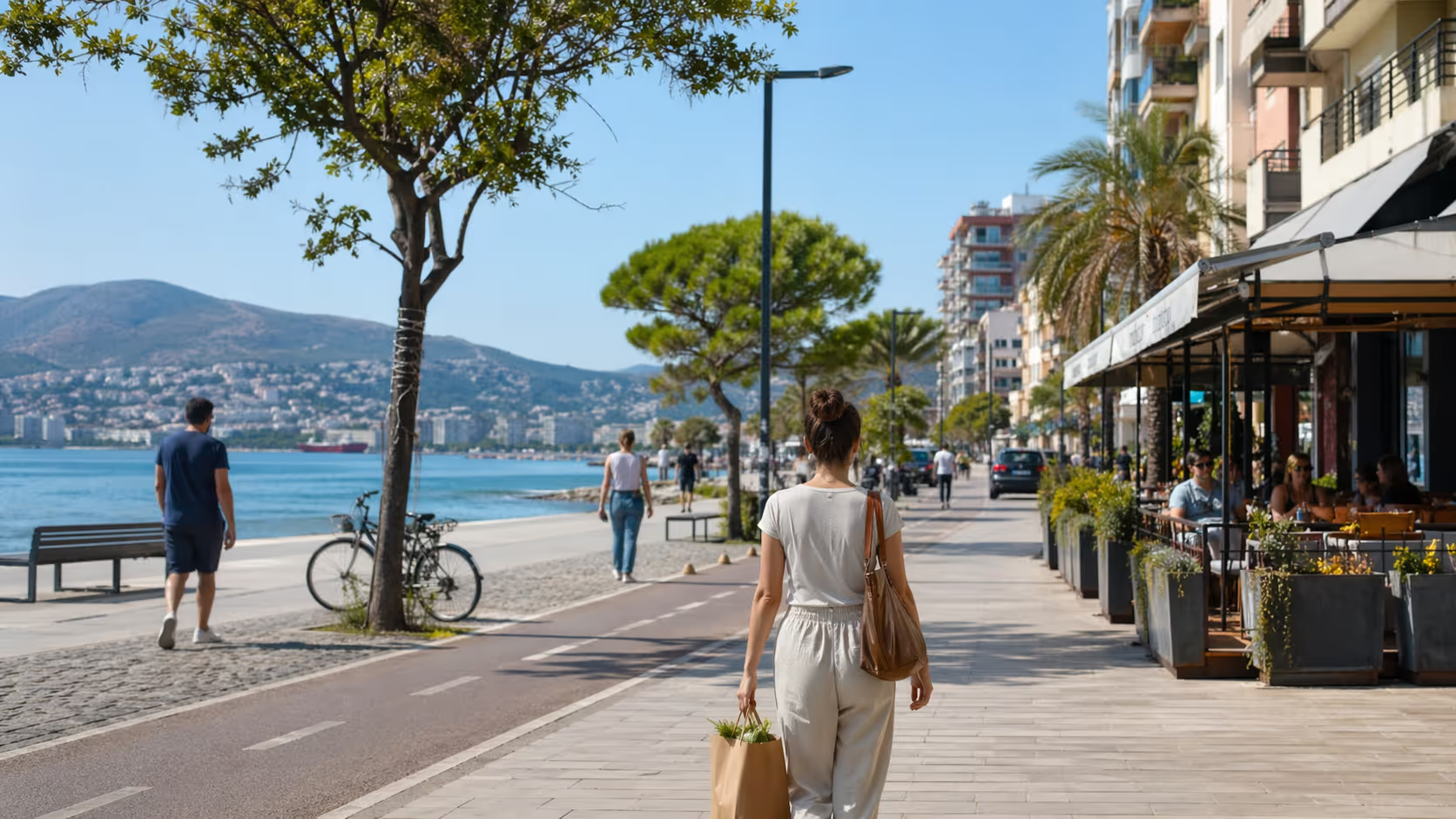
Vlorë is a highly walkable city. Most daily errands require no vehicle at all. The flat terrain near the coast makes walking between neighborhoods very easy. You can reach the beach, the grocery store, and the pharmacy on foot within minutes.
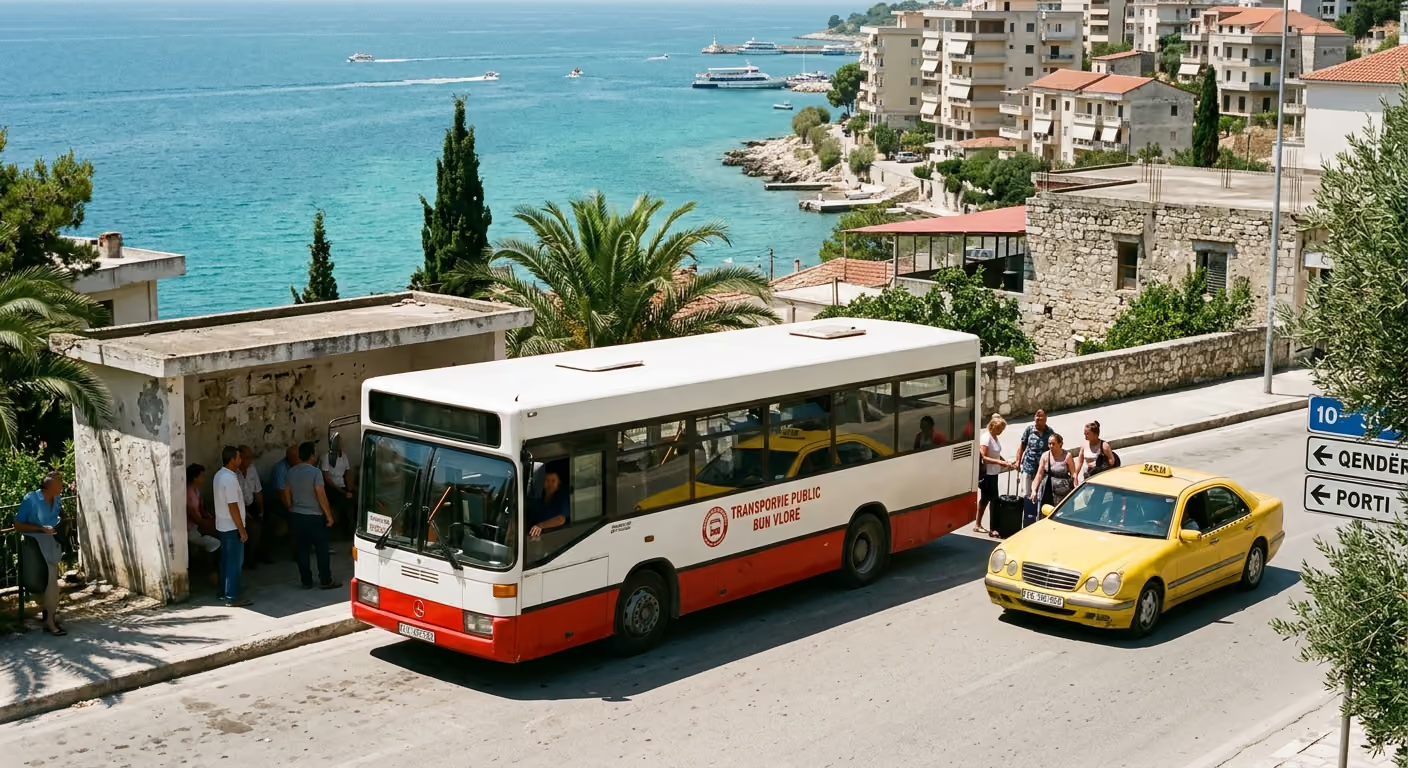
Local public buses are incredibly cheap and relatively reliable. A single ticket costs just 0.49 USD. You pay the conductor directly in cash upon boarding the bus. A full monthly bus pass runs about 21.50 USD. Taking the bus is the best way to travel from the historic center down to the southern beaches.
Taxis charge a premium compared to public transit. An eight-kilometer ride across town costs nearly 29 USD. Shorter trips within the city center hover around 3 USD to 5 USD. You should always agree on the fare before getting into the taxi. Meters are rarely used by local drivers.
Owning a car introduces much higher daily expenses. Gasoline costs roughly 2.04 USD per liter. Parking in the city center requires paid tickets during peak hours. Most expats find that relying on walking and the occasional bus ride keeps their transport costs near zero.
Moving to Vlorë with children introduces entirely new budget categories. You must calculate these costs carefully before arriving. Childcare is generally affordable compared to Western European standards. Local daycare centers charge around 100 USD per month for full-time supervision.
Education costs vary wildly based on your choices. Public Albanian schools are free but require your children to speak the local language. International schools command much higher fees. Private English-speaking academies can exceed 5000 USD annually per child. You must secure enrollment early in the year.
Children's clothing and toys carry imported price tags. Buying branded shoes or popular toys in local shopping malls is very expensive. Many local families buy clothes during trips to neighboring countries or shop at local bazaars. You should budget an extra 50 USD monthly for basic children's necessities.
A family of four generally needs a much larger apartment. Three-bedroom apartments cost upwards of 450 USD per month. Your electricity and water bills will also scale up with more people. A realistic baseline budget for a family settling in Vlorë starts at 2000 USD.
Beyond rent and food you must account for lifestyle maintenance. Fitness enthusiasts need to budget for local gyms. A monthly gym membership in Vlorë costs around 53 USD. Some premium fitness centers with swimming pools charge slightly more.
Entertainment costs are generally low. A standard cinema ticket is roughly 6.75 USD. Going out to local bars on the weekend will cost you about 20 USD if you stick to local beer. Buying imported cocktails at beach clubs will drain your wallet much faster.
Pharmacy visits are quite affordable. A standard week's supply of cold medicine costs about 8 USD. Basic over-the-counter drugs are cheap and easy to find. Private medical consultations typically run between 20 USD and 30 USD for a specialist visit.
You must also budget for personal care. A standard men's haircut at a local barber costs around 5 USD. Women's salon services vary but remain significantly cheaper than in Northern Europe. Adding a miscellaneous buffer of 100 USD to your spreadsheet covers these unpredictable daily expenses.
Do not mistake a low cost of living for an easy economic environment. Global economic platforms report the median after-tax salary for a local worker is around 574 USD per month. A remote worker earning a Western salary feels wealthy here. A local family stretching that median wage struggles significantly.
Bank fees present a constant irritation for foreigners. ATMs charge high withdrawal fees for foreign debit cards. You will lose money on terrible exchange rates if you use the machines at the airport. You must open a local bank account to handle large transactions without losing percentages to hidden fees.
Bureaucracy drains both time and small amounts of money. Residency permit applications require notarized documents. You must pay official translators to convert your home country documents into Albanian. These administrative fees easily add up to a few hundred dollars during your first year.
The informal cash economy rules the city. Many small shops and restaurants completely reject credit cards. You must always carry cash. Managing a cash-based budget requires strict discipline and frequent trips to the ATM.
Location dictates your entire financial baseline. The Uji i Ftohte neighborhood sits along the southern coastline. This area commands the highest rents in the city. You pay a premium for sea views and immediate access to upscale beach clubs. Rent here will consume a massive chunk of your monthly budget.
The area near the historic Muradie Mosque offers a stark contrast. This downtown district provides easy access to the main vegetable market. Rent here is significantly lower. You trade ocean views for deep savings and a closer connection to authentic daily life.
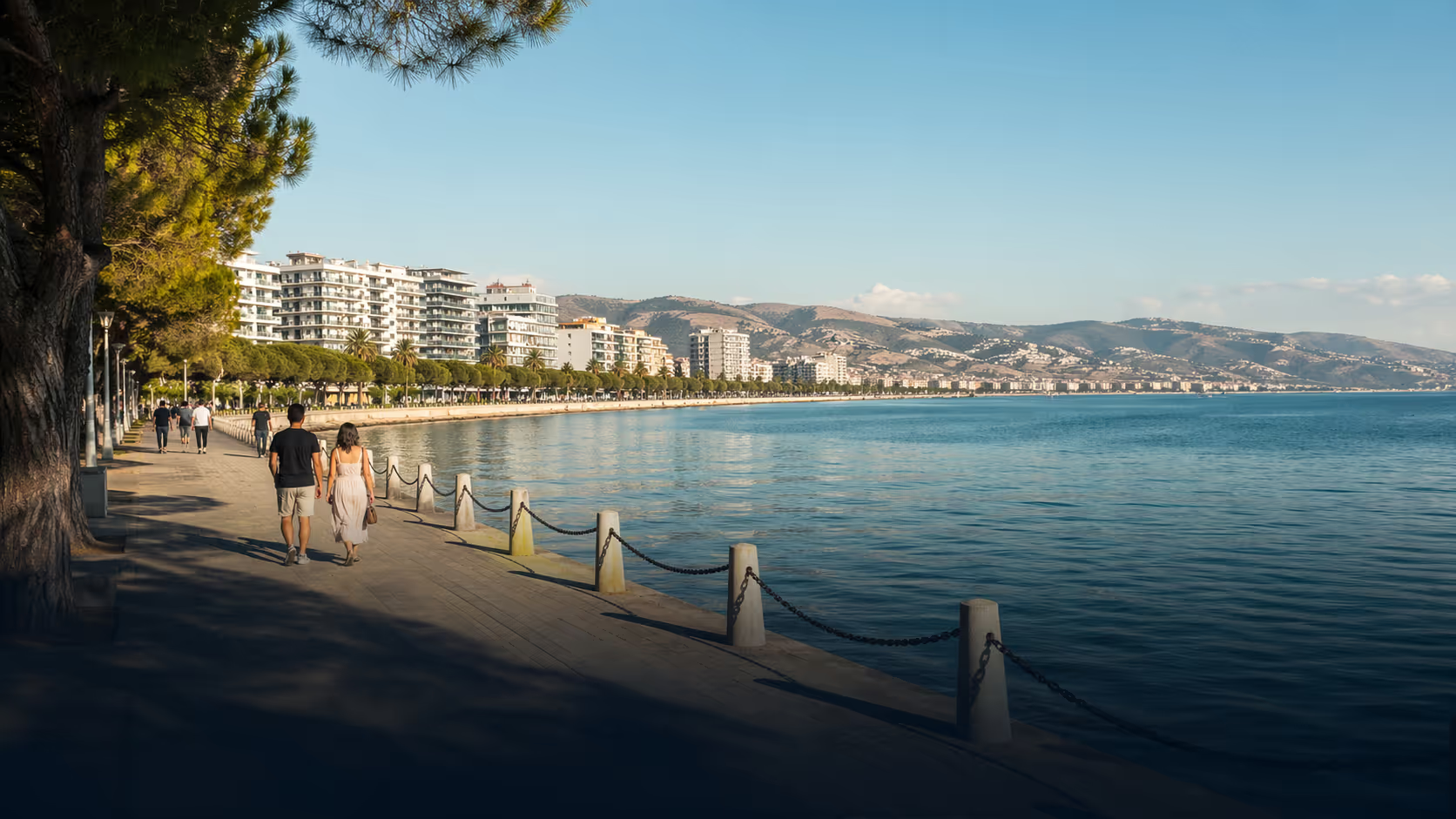
The Lungomare promenade represents the middle ground. It offers modern apartment blocks right across from the beach. Prices here are high but slightly lower than the deep south. Many expats choose this area for convenience and safety.
Choosing an apartment just two streets inland from the main boulevard saves you roughly 100 USD every month. You still get to walk to the beach easily. You simply give up the balcony sea view. This small compromise frees up hundreds of dollars over the course of a year.
Navigating the local property and service market requires trusted contacts. You cannot rely solely on online booking platforms. Use the local telecommunications shops on Ismail Qemali Boulevard to set up your mobile data. They offer transparent pricing without hidden tourist markups.
For fresh produce head straight to the main municipal market. Arrive early in the morning for the best selection. The vendors here sell the cheapest and freshest food in the city. Building relationships with these vendors leads to better deals over time.
You must join the community to find vetted real estate agents. Many local groups share honest reviews of landlords and service providers. Talk to other expats before signing a long lease. They can warn you about buildings with bad plumbing or noisy neighbors.
Never rent an apartment without touring it in person first. Photos online often misrepresent the true condition of the property. Check the water pressure in the shower and test the air conditioning unit. Your budget depends on finding a functional apartment that does not require constant costly repairs.
My best advice involves your lease agreement timing. Never sign a twelve-month contract during the peak month of August. Landlords base their long-term prices on the current summer market demand. You will end up paying a massive premium for the entire year.
If you arrive in the summer you should rent a temporary room inland. Wait until late October to negotiate a long-term apartment lease. Landlords become far more flexible when the tourist crowds disappear. You can often secure a beautiful seaside apartment for a fraction of the summer asking price.
Always confirm that your building has a backup water tank installed. Water cuts happen occasionally during the dry summer months. A backup tank saves you from buying expensive bottled water just to wash your dishes. This small detail prevents major headaches later.
Keep your lifestyle flexible. Do not stubbornly buy the same brands you used back home. Learn to drink the local coffee. Learn to cook with local olive oil. Your budget will stretch incredibly far if you adopt the rhythms of the city.
Building a realistic budget in Vlorë requires a willingness to adapt your spending habits to the local economy.
Follow Vlore Circle for fresh guides, local updates, and community notes around life in Vlorë. It is the easiest way to stay close to what we are building.

Be part of a growing community built around connection, local life, and a better experience of Vlorë.
join the circle