Representative image

Find the best local food markets in Vlorë. Learn how to source fresh seasonal produce, build vendor relationships, and lower your grocery budget.





Agriculture accounts for roughly 20 percent of Albania's entire economy. In Vlorë, this means your dinner likely grew less than ten kilometers away. Understanding how to source this local food completely changes your daily routine here.
To find the freshest ingredients in Vlorë, skip the major supermarket chains and buy directly from neighborhood street vendors. You will save money and access superior quality food. This habit connects you directly to the true rhythm of the city.
Vlorë operates on a strict seasonal clock. Tomatoes disappear in winter, and persimmons vanish by spring. Buying food here means learning to eat what the local soil produces right now. You will not find perfectly shaped strawberries in December.
The absence of certain foods creates anticipation. Waiting for the first spring strawberries becomes an event to celebrate. You stop expecting a static grocery list week after week. Instead, you let the harvest calendar dictate your dinner plate.
This agricultural reality forces a shift in meal planning. Local farmers bring their harvest into the city every single morning. They set up wooden crates along the sidewalks near the Independence neighborhood. Buying from them directly keeps your money in the local economy.
Adapting to this system takes a little practice. You must walk outside and see what the farmers brought today before deciding what to cook. This process helps with budgeting your monthly expenses in a very natural way. The freshest local food always costs less than imported greenhouse goods.
The area around Tregu i Orizit serves as a primary hub for fresh food. This district sits just a short walk from the main boulevard. You will find dozens of small stalls packed tightly together here. Farmers from surrounding villages park their vans nearby to unload fresh greens.
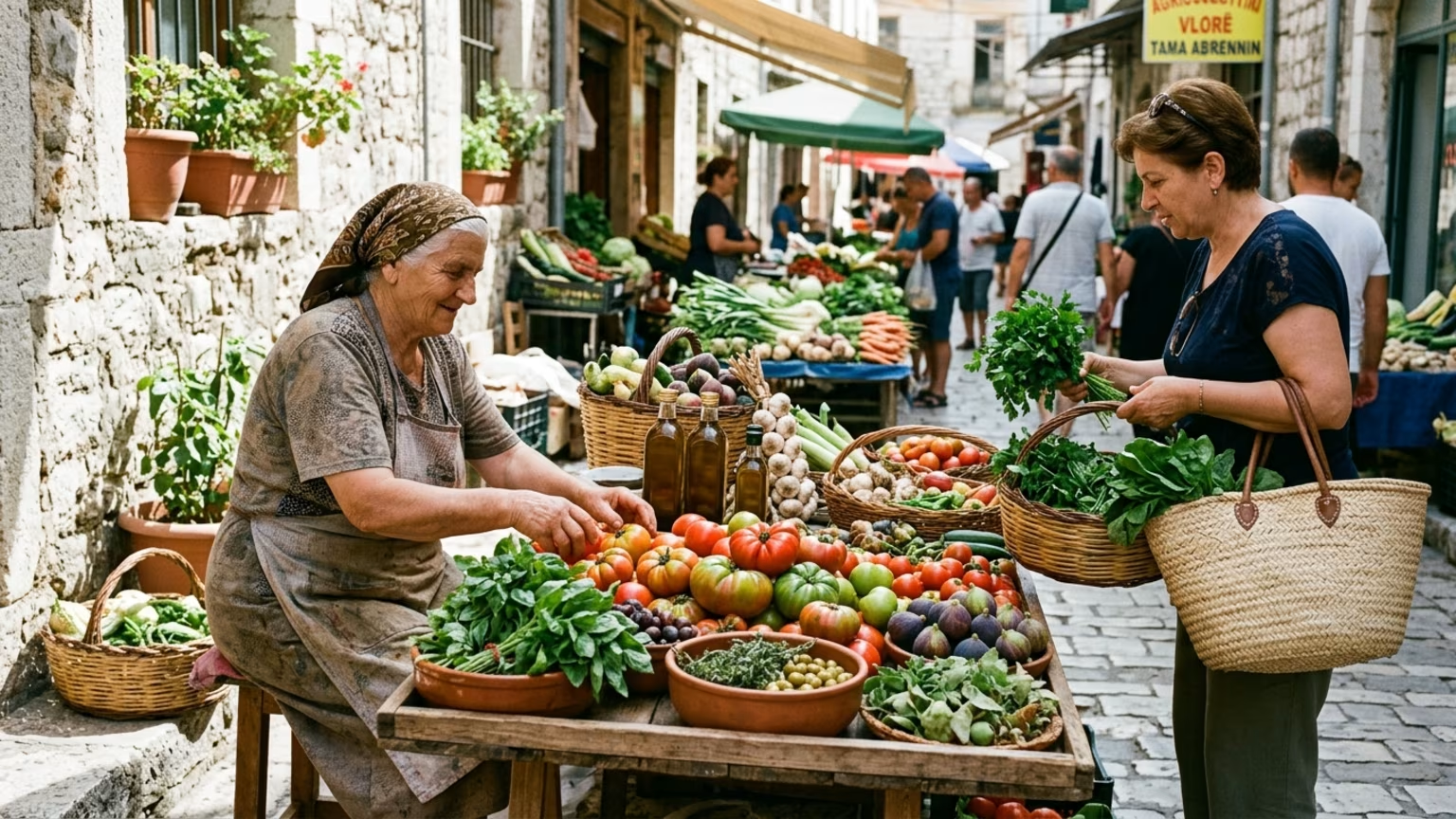
Moving closer to the Muradie area changes the scene entirely. Vendors here often set up smaller tables outside old stone buildings. You might see an older woman selling just three bundles of wild spinach and a bucket of fresh figs. These micro-vendors offer some of the best quality items in the city.
The Cold Water area offers a different experience for buyers. Smaller, scattered vendors set up near the bus stops along the road. They cater to the residents living further south along the coast. The selection is smaller, but the convenience for those living nearby is unbeatable.
Walking through these streets provides a daily routine for many retirees. They leave their apartments near the Lungomare early in the morning. They grab an espresso, chat with the vendors, and walk home with heavy bags of produce. It is a slow, very intentional way to live.
Buying food directly from producers requires a specific approach. Begin by carrying small bills and coins in Albanian Lek. Vendors rarely have change for a 5000 Lek note early in the morning. Handing them exact change shows basic courtesy.
Bring your own sturdy reusable bags next. Plastic bags break easily under the weight of fresh potatoes and heavy watermelons. Point to the items you want and let the vendor weigh them on their digital scales. Do not squeeze or handle the delicate fruit yourself.
Learn the basic Albanian numbers for prices and greetings. A simple "Mirëmëngjes" goes a very long way. The transaction happens quickly, but a polite smile builds a lasting connection. You can use this same approach when sourcing fresh catch from the sea at the fish markets.
The language barrier might feel intimidating at first. Most farmers only speak Albanian or sometimes a few words of Italian. You can easily communicate using hand gestures and a calculator app on your phone. They will happily type in the price per kilogram for you.
Shopping locally dramatically lowers your weekly grocery bills. Seasonal vegetables like tomatoes, cucumbers, and peppers usually cost between 80 and 150 Lek per kilogram. When a vegetable hits peak season, the price drops significantly. You end up buying by the crate rather than the piece.
Fresh fruits carry similar price tags. Cherries in early summer might cost 300 Lek per kilogram. Apples in autumn often drop to 100 Lek per kilogram. Root vegetables and onions stay incredibly cheap all year long.
Purchasing olive oil and dairy directly from these vendors adds another layer of savings. Many farmers sell homemade butter and fresh cheese packed in simple plastic containers. A liter of pure, unfiltered olive oil from nearby villages costs a fraction of the supermarket price. It tastes far richer and lasts for months in a dark pantry.
These prices make cooking at home highly affordable. Many newcomers start comparing local store options against large chains during their first month. They quickly realize the street vendors offer better deals. The quality difference is immediately obvious upon tasting the food.
Summer brings heavy heat to the coastal plain. This heat produces the most famous tomatoes in the region. You will see huge piles of pink and red tomatoes on every corner near the beach promenade. They taste incredibly sweet right off the vine.
Late summer triggers the great pepper harvest across the region. You will smell roasting peppers drifting from apartment balconies all over Vlorë. Locals buy massive sacks of red peppers to prepare traditional winter preserves. Joining in this activity provides a true sense of belonging.
Autumn shifts the focus toward robust tree fruits. Farmers bring down massive quantities of grapes, figs, and persimmons from the hills. The streets smell sweet from the overripe fruit sitting in the sun. Buying in bulk makes absolute sense right now for making jams and preserves.
Winter forces a reliance on root vegetables and hearty greens. Cabbage, leeks, and potatoes take over the market stalls. You learn to make thick soups and roasted dishes during the colder months. Spring eventually returns with wild asparagus and fresh green peas.
Buying farm food is not always a clean experience. The vegetables arrive straight from the fields with dirt still clinging to the roots. You will find small bugs hiding inside your lettuce leaves. Carrots look crooked and apples often have spots.
This lack of processing means you must wash everything thoroughly at home. A quick rinse under the tap will not remove the heavy field soil. You need to soak leafy greens in water with a splash of white vinegar. The extra prep time becomes a standard part of your daily kitchen routine.
You must accept a shorter shelf life for these natural foods. Supermarket produce often relies on chemical coatings to stay crisp for weeks. Food from the Vlorë street markets will spoil rapidly on your counter. You learn to shop every two days rather than hoarding food for the entire month.
Street markets often shut down entirely during heavy rain. If a massive storm hits Vlorë, the sidewalk vendors pack up their crates and go home early. You must plan your shopping trips around the actual weather forecast. This unpredictability frustrates many foreign newcomers initially.
The central daily market operates near the main mosque in town. Here you will find rows of covered stalls selling fruits, vegetables, and homemade cheeses. Arrive before 10 AM for the absolute best selection of goods. The crowds get thick by midday.
Another reliable spot sits along the road heading toward the train station area. This strip features slightly larger vendor setups with imported goods mixed with local items. It provides a good backup when you need a very particular ingredient. Finding reliable spots requires a bit of walking around.
The area near the old hospital often hosts pop-up stalls on weekend mornings. These informal gatherings feature farmers who only come to the city once a week. They bring specialty items like raw honey, dried mountain tea, and wild herbs gathered from the nearby hills. It is worth taking a slow walk through this district on a Saturday.
For more structured shopping, several small indoor grocers line the streets behind the main university building. These shops bridge the gap between street vendors and large supermarkets. They offer consistent hours and clean produce, making them a great middle ground. This area is perfect for finding reliable spots for fresh produce on rainy days.
Becoming a regular customer changes everything about your life here. Pick two or three vendors and buy from them every single week. They will start noticing your face and remembering your preferences. Soon, they will save the best tomatoes or the sweetest melons just for you.
A small gift around the holidays cements these relationships beautifully. Bringing your favorite vendor a coffee on a very cold morning goes a long way. They stand outside in freezing winds to sell their goods. Showing a little warmth turns a simple transaction into a genuine human connection.
Never try to haggle over small amounts of Lek. The listed prices are already fair, and the farmers work incredibly hard for tight margins. Paying the asking price builds immediate trust and mutual respect. This mutual respect forms the absolute foundation of a good local life.
If you want to meet other residents who share these daily routines, we invite you to Join the community online. We share the latest seasonal finds and our favorite neighborhood vendors. Good food tastes better when shared with good company.
Let's circle back to that national economic statistic. That 20 percent of the economy is not just a number on a page. It represents the dirt on your hands, the smell of fresh basil in your kitchen, and the morning conversations with the farmer down the street. When you accept this localized way of eating, Vlorë truly becomes your home.
Follow Vlore Circle for fresh guides, local updates, and community notes around life in Vlorë. It is the easiest way to stay close to what we are building.
Direct flights from Bratislava connect Slovak remote workers to Vlorë. This guide details the 150 km Tirana airport transfer and practical arrival steps.

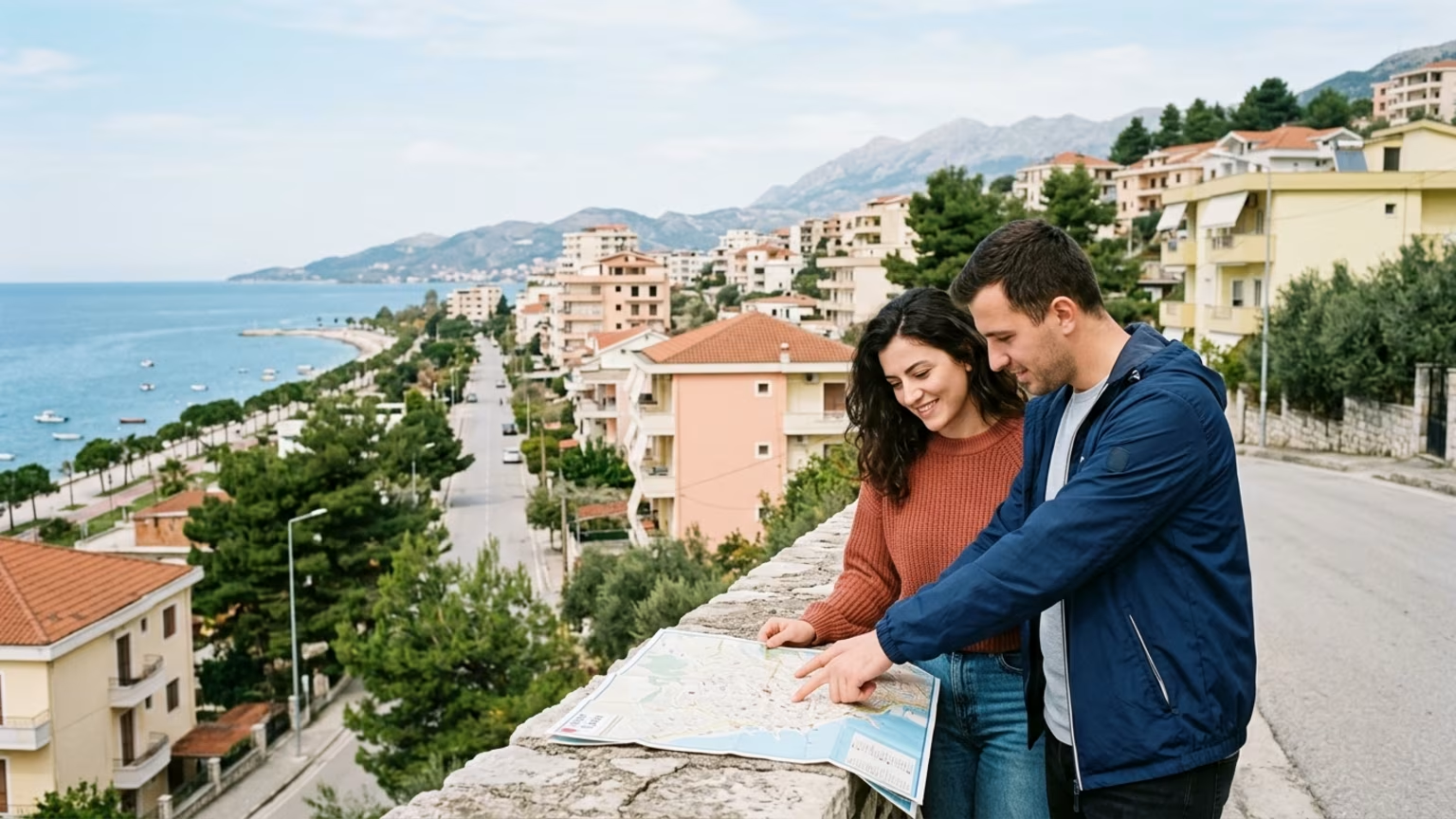
Find the right Vlorë neighborhood by prioritizing daily errands, testing seasonal routines, and weighing central walkability against quieter coastal areas.

Discover how to build your social life in Vlorë by joining the evening xhiro on the Lungomare. Get practical tips for navigating informal community rhythms.