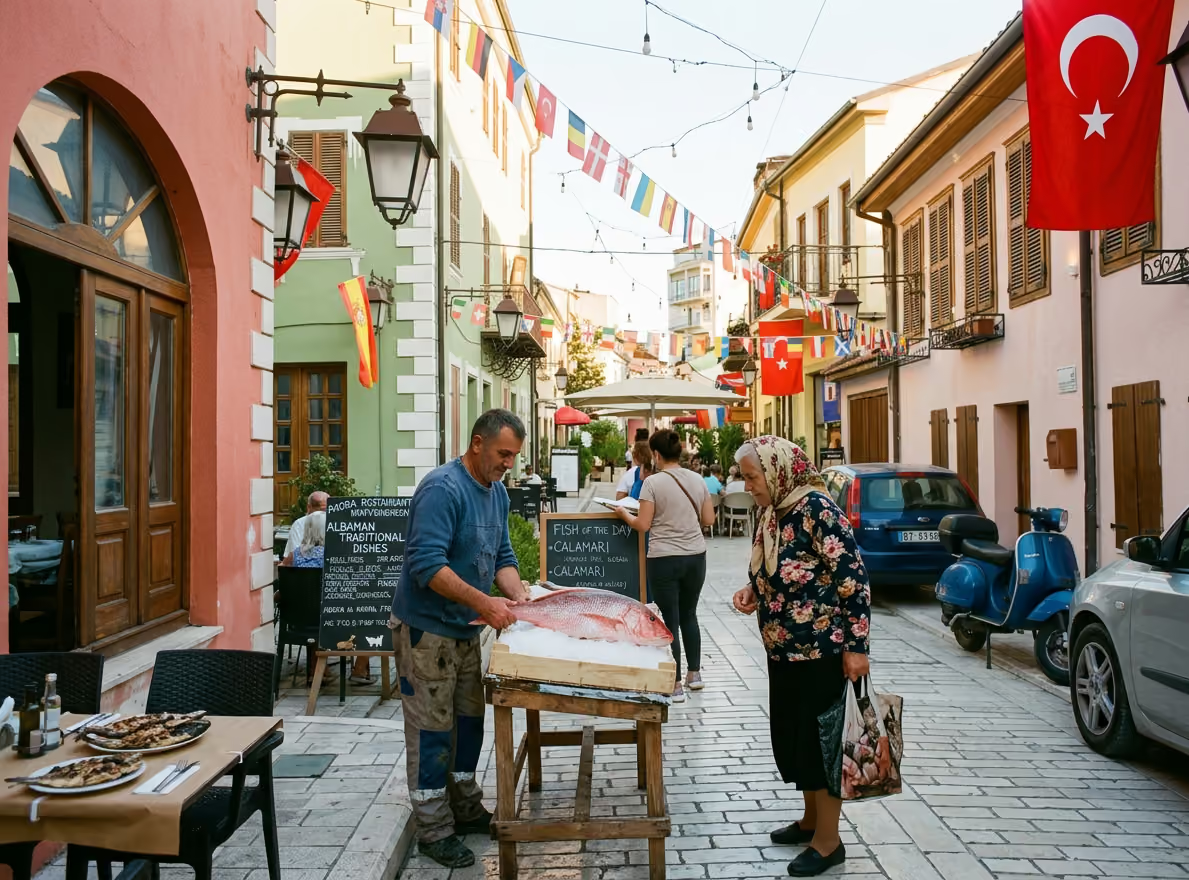
Representative image

Great seafood in Vlore comes from working morning market counters and fast-moving neighborhood grills rather than fancy dining rooms with water views.





Fresh seafood in Vlorë is not a single restaurant meal with a sea view. It is a daily rhythm that starts with the catch, moves through fish counters and grills, then ends at a table near Lungomare, Skela, Uji i Ftohtë, or your own apartment kitchen.
The best way to eat seafood in Vlorë is to buy close to the source, ask what came in that morning, keep cooking simple, and choose restaurants that move a lot of fish each day. For newcomers, the smartest plan is to learn a few species, visit fish market restaurants like Kompleksi Salvadore, and use the promenade for eating out rather than judging freshness by views alone.
Fresh seafood in Vlorë means something practical. It means fish that likely moved through a short chain from boat to counter to kitchen. It does not always mean luxury, white tablecloths, or a polished menu in English.
Vlorë sits between the Adriatic and Ionian seas. The city has a working port, a long waterfront, beach neighborhoods, and a local food culture that treats fish as normal food, not only a holiday meal. This matters if you are moving here, staying for a season, or trying to cook like a local.
For many newcomers, seafood starts on the Lungomare promenade. You see grilled fish, calamari, shrimp, mussels, and pasta with seafood on menus near the water. That is one part of the story. The better part begins earlier in the day, before lunch service, when restaurants and fish counters decide what they can sell.
Search listings for Vlorë County show a mix of seafood restaurants, taverns, market grills, and beachside spots. Names that appear in public restaurant listings include Kompleksi Salvadore, Markata Kapiten Agron Demani, Panorame Shijesh, The Fish Tavern, Poseidon Fish Market and Grill, and Solymar Restaurant and Drinks. Those listings are useful starting points, not final proof of quality.
Kompleksi Salvadore is one of the clearer examples of the fish market restaurant model in Vlorë. Public restaurant information describes it as an integrated fish market with its own restaurant. It is reported to serve more than 100 clients daily, prepare seafood in a home-style manner, supply other restaurants in Vlorë, and operate its own fishing boat.
That kind of setup matters. A place that sells fish, cooks fish, and moves fish daily has less reason to let seafood sit around. It may not give you the prettiest table in town. It may give you a better chance of eating what came in recently.
Freshness is not the same as price. A cheap plate can be fresh if it uses small local fish in season. An expensive plate can be average if it uses frozen imported seafood. The menu language alone will not tell you the truth.
This is why locals often ask direct questions. What came today? Is this local? Is it grilled whole or already cleaned? Is the price per portion or per kilo? These questions are normal in Vlorë, not rude.
If you are used to sealed supermarket fillets, Vlorë may feel less organized at first. Fish may be shown whole. Prices may change. Some restaurants may recommend one fish at lunch, then another at dinner. That is part of buying from a sea that changes daily.
The goal is not to find one perfect place and stop learning. The goal is to build a short list. Have one market counter you trust, one simple grill near your apartment, one promenade restaurant for guests, and one beach area spot for slow meals by the water.
Seafood matters in Vlorë since the city faces the water in daily life, not only in marketing photos. The bay, the port, the promenade, and the beach road shape how people eat, meet, and spend weekends. Fish is tied to family lunches, seaside walks, and the simple pleasure of eating outside when the weather holds.
Vlorë is not Tirana with a beach attached. It has its own pace. Morning errands may include coffee near Skela, a walk on Lungomare, a stop for bread, then a seafood lunch if someone in the group knows a good place. In summer, many meals shift toward the coast road toward Uji i Ftohtë, Radhimë, and Orikum.
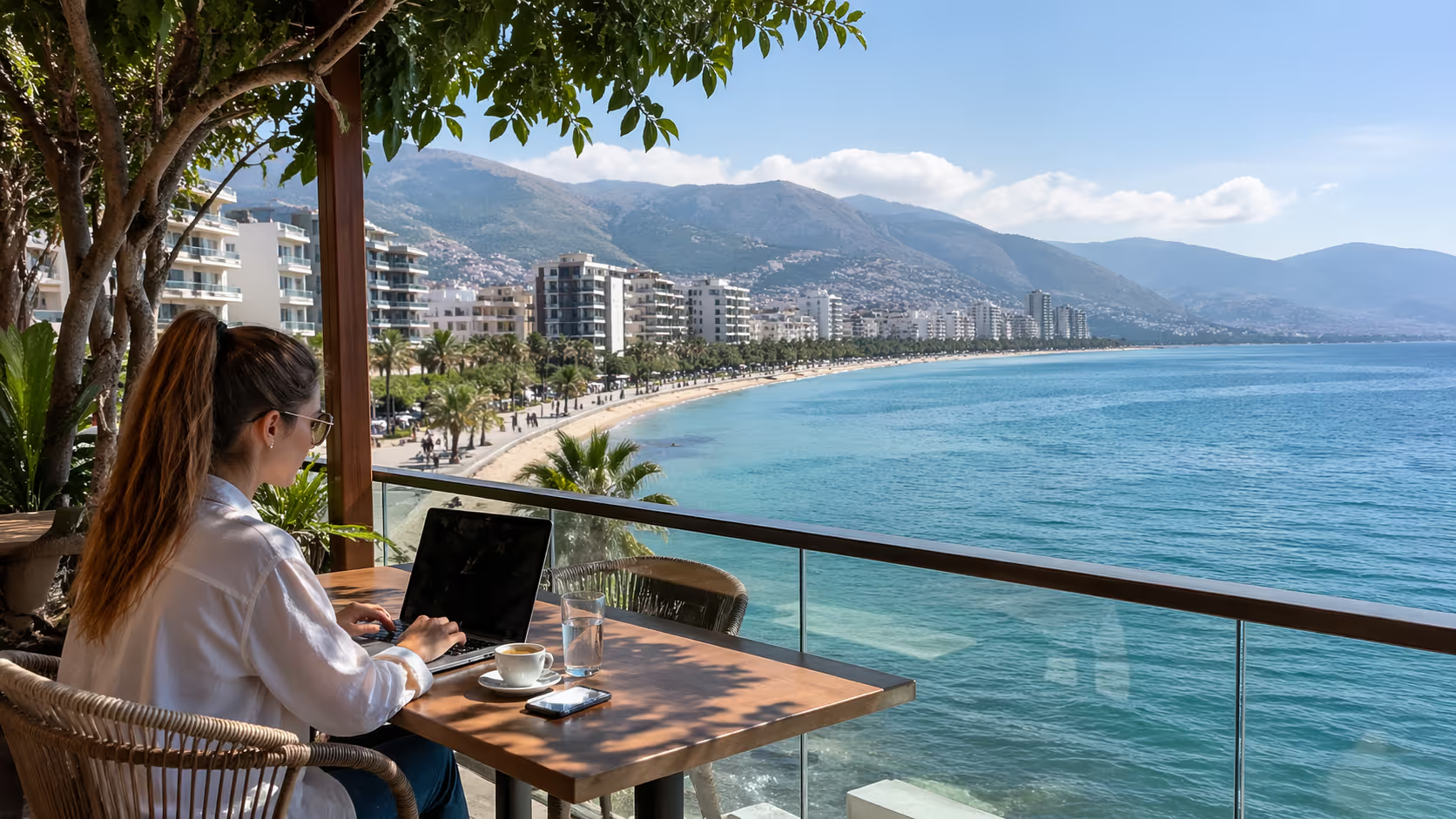
For expats and remote workers, seafood becomes part of settling in. It is one of the easiest ways to feel connected to the place. You learn Albanian food words, practice small talk, and start seeing the difference between restaurants built for quick tourist traffic and places that feed residents all year.
For retirees, seafood can become a weekly ritual. A market visit in the morning, grilled fish at home for lunch, and an evening walk by the sea is a very Vlorë pattern. It is simple, but it gives structure to the week.
For food lovers, Vlorë is attractive since it gives access to coastal cooking without needing a chef-level kitchen. A small apartment stove can handle pan-fried sardines, mussels with garlic, or a baked whole fish with potatoes. A balcony table near Cold Water or Lungomare does the rest.
The cultural point is simple. Albanians often value directness in food. If the fish is good, it does not need much decoration. Lemon, olive oil, salt, herbs, and heat do most of the work.
That can surprise newcomers from places where seafood is often hidden under sauces. In Vlorë, a whole grilled fish may arrive with little more than lemon and a side salad. Calamari may be judged by texture, not by plating. Mussels may be served in a metal pan with broth made for bread.
The city has tourist seasons, yet seafood is not only for tourists. Residents eat it too. That year-round local demand is one reason to pay attention to places that stay active after summer.
This is where Vlore Circle’s local angle matters. We write for residents, not short-stay visitors chasing one perfect sunset meal. The question is not just where to eat tonight. It is how to buy, cook, and order seafood without feeling lost.
Seafood is a social bridge too. Invite someone for grilled fish and salad, and you have an easy dinner. Meet others at a fish tavern near the promenade, and conversation starts naturally. If you are new in town and tired of eating alone, Join the community and ask where members bought good fish that week.
The easiest seafood buying route in Vlorë is to start with fish market restaurants and dedicated fish counters, then learn which places suit your neighborhood. If you live around Skela or near the main boulevard, you may prefer counters closer to the center. If you live near Lungomare or Uji i Ftohtë, you may lean toward places on or near the coastal road.
Public restaurant and food listings point to several seafood-focused names in Vlorë County. Kompleksi Salvadore stands out since it is described as both fish market and restaurant. Poseidon Fish Market and Grill suggests a similar market plus cooking format from its listed name. Markata Kapiten Agron Demani appears in seafood market listings too.
Use listings as a map, then verify in person. Opening hours can shift. Menus can change. Summer service and winter service can feel like two different cities.
When you visit a fish counter, go earlier in the day if you can. Morning gives you more choice. By late afternoon, the best whole fish may be gone, or the counter may push what remains.
A good fish counter should let you see the fish clearly. Whole fish are easier to judge than fillets. Clear eyes, bright skin, red gills, and a clean sea smell are better signs than a shiny signboard outside.
Avoid fish with sunken cloudy eyes, dry skin, strong ammonia smell, or liquid pooling around the flesh. A fish market can smell like the sea. It should not smell rotten.
Ask the vendor to clean the fish if you do not want to do it at home. In Vlorë, this is common. You can ask for scales removed, guts removed, and fish left whole for grilling or baking.
For apartment cooking, ask for practical cuts. Whole small fish are good for frying. Medium whole fish work well in the oven. Larger fish can be cut into steaks. Squid can be cleaned for grilling or pan cooking.
If you are unsure of the Albanian names, point and ask. Many vendors know enough food words in Italian or English near the center and promenade. A photo on your phone helps too.
Build trust by returning. If a vendor sees you each week, the advice often gets better. You may start hearing what is better today, not just what is available.
There is another market note worth knowing. Beautiful Vlora describes a year-round live animal market on Rruga Nikolla Xhuveli near the main roundabout. It sells poultry such as chickens, turkeys, guinea hens, ducks, and geese, with summer mornings recommended for visits.
That market is not a seafood market, but it matters for food shoppers who are learning the wider city. It shows how direct food buying still exists in Vlorë. Meat, poultry, produce, and fish can all involve face-to-face buying, not only supermarket shelves.
For seafood, supermarkets are useful for backup items. Frozen shrimp, canned tuna, bottled olive oil, pasta, rice, lemons, and herbs are easy to find. For the main fish, a dedicated fish seller is usually a better bet.
If you work remotely and cannot shop in the morning, ask your closest fish restaurant if they sell uncooked fish to take home. Some market-style restaurants may. Be clear that you want to cook it yourself.
Do not assume every seaside restaurant sells raw fish. Many are set up only for dining. Yet it is always worth asking politely, mainly in quieter months when staff have more time.
If you live outside the center, check local patterns. Radhimë and Orikum have more beach-road and village rhythms. Some places open strongly in summer, then reduce hours in colder months. Vlorë city proper gives you more year-round options.
Choosing fish in Vlorë gets easier when you use your eyes, nose, and a few direct questions. You do not need expert language. You need clear signs and calm confidence.
Start with the smell. Fresh fish should smell clean, salty, and mild. If the smell hits you hard from the doorway, slow down.
Look at whole fish first. The eyes should look clear and rounded. The skin should look wet and bright. The body should feel firm, not limp.
Check the gills if the vendor allows it. Fresh gills are red or pink. Brown, gray, or sticky gills are a warning sign.
If buying fillets, look for firm flesh. It should not be mushy or tearing apart. The color should look natural, not dull or dry.
For shrimp, shells should look firm and not slimy. A strong ammonia smell is a bad sign. For squid, the body should look glossy, not dry, with a mild smell.
For mussels, closed shells are best. If a shell is open and does not close when tapped, skip it. After cooking, shells that stay closed should be thrown away.
Ask what came in today. The phrase can be simple: “Çfarë është e freskët sot?” That means, “What is fresh today?” If that feels too much, use English and point.
Ask if the fish is local. “Është vendase?” means “Is it local?” You may not always get a detailed answer, but the question signals that you care.
Ask if the price is by kilo. This matters with whole fish in restaurants and markets. A fish that looks like one portion may weigh more than you expect.
In restaurants, ask to see the fish before it is cooked if it is sold by weight. This is normal in many seafood places. It helps avoid surprise bills.
Do not fear saying no. If the fish looks too large, ask for a smaller one. If you only want a simple lunch, order calamari, mussels, or small fried fish instead of a premium whole fish.
Pay attention to ice. Fish should be kept cold. A clean iced display is a good sign. Fish sitting warm by a sunny window is not a good sign.
Pay attention to turnover. A busy market restaurant near lunch often has better product flow. A silent restaurant with many fish on display in late evening deserves extra caution.
Freshness is not only about the counter. It is about the full chain. A good fish handled badly at home can turn into a poor meal.
Take fish home quickly. If you live near Lungomare, Skela, or the Old Town area, plan the fish stop last on your errand route. Do not buy fish, then sit for two coffees in the sun.
Bring a bag that can handle liquid. Fish parcels can leak. If you walk home along the promenade in summer, a small insulated bag is a smart purchase.
At home, cook fish the same day when possible. If you need to wait until dinner, keep it in the coldest part of the fridge. Place it in a covered dish, not loose on a shelf.
Do not wash fish under heavy running water for a long time. Pat it dry before cooking. Dry skin browns better in the pan and grill.
The most awkward part is often language. Keep your script short. “For grill?” “For oven?” “Clean, please.” “How much?” These words work.
Albanians are used to practical food talk. You do not need to perform. Respect the vendor’s time, ask simple questions, and buy something reasonable.
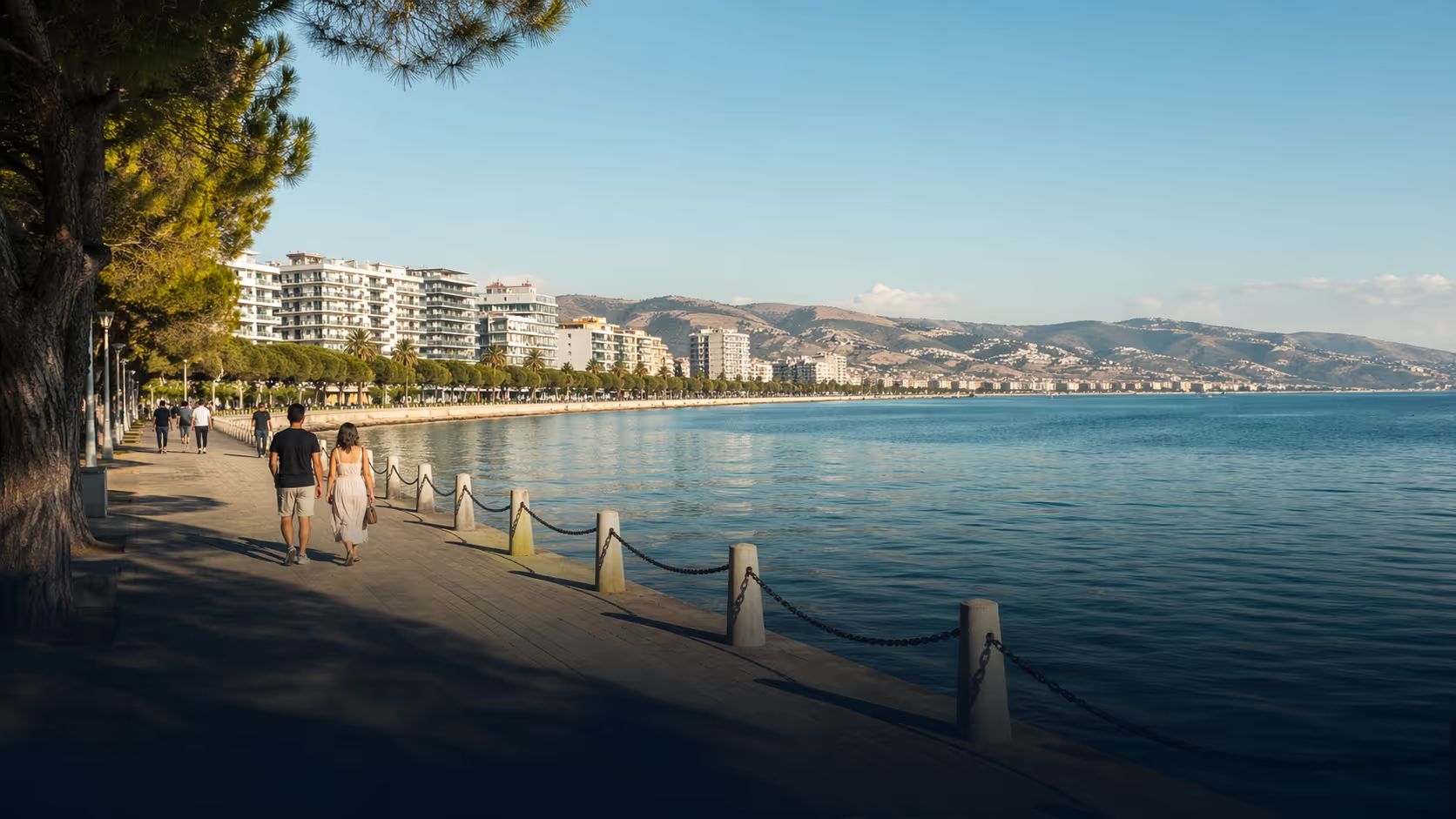
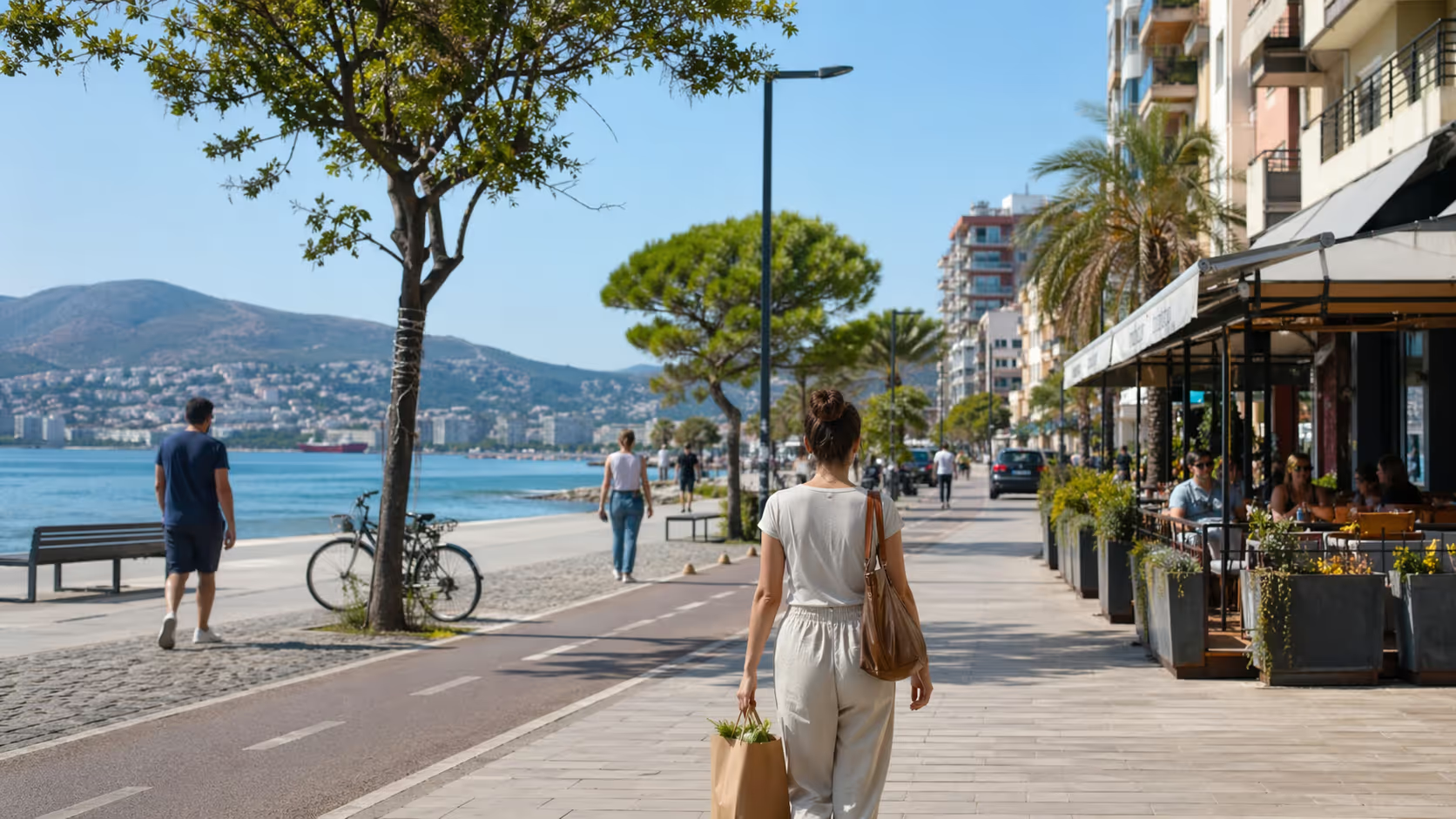
The Lungomare promenade is the first place many newcomers look for seafood. It makes sense. You get sea air, easy walking, and a long line of restaurants within reach of hotels, apartments, and evening crowds.
The catch is that a sea view does not prove a good kitchen. Some promenade spots are strong. Some rely on location. Your job is to separate the two before you sit down.
Start by checking the display and the menu. A restaurant that sells fresh whole fish should be able to show you the fish. If the server only points to a generic photo menu, ask more questions.
Look for a menu that is focused. A place selling pizza, sushi, burgers, steaks, twenty seafood pastas, and ten grilled fish may be stretching itself. A simpler seafood menu can be a better sign.
Watch what other tables order. If locals are eating whole grilled fish, mussels, and salad, that is useful. If every table is only drinking coffee, it may not be the right time for seafood.
Lunch can be better than late dinner for fresh fish. Many kitchens receive and prepare earlier in the day. Dinner is still fine, but ask what remains fresh.
Kompleksi Salvadore is worth knowing for the market restaurant model rather than only for a promenade experience. Public listing information describes it as a fish market with its own restaurant, homemade preparations, daily client volume, supply links to other Vlorë restaurants, and its own fishing boat. That combination makes it a practical stop for people who care about the supply chain.
For visitors staying near Lungomare, a smart plan is to eat one meal at a market-style fish place, then one meal at a promenade restaurant. You will learn the difference fast. The market-style place may feel more direct. The promenade place may feel more relaxed for guests.
The Fish Tavern, Poseidon Fish Market and Grill, Panorame Shijesh, and Solymar Restaurant and Drinks appear in public seafood-oriented listings for Vlorë County. Treat these as names to check, not automatic guarantees. Read recent reviews, walk by, and look at the fish before ordering.
If you want a view, look toward the stretch from the main promenade toward Uji i Ftohtë. This area has many sea-facing tables, especially in warmer months. It is good for sunset meals, visiting friends, and a slower dinner.
If you want value and less show, look just off the promenade and around Skela. Rents and visitor pressure can be different one or two streets back from the water. You may find plainer rooms with more local habits.
For a beach day meal, Radhimë and Orikum can work well. The coastal road south of Vlorë has beach restaurants with seafood menus, mainly in season. Ask about fresh fish before you commit to a table.
When ordering whole fish, confirm weight and price before cooking. Say, “How many grams?” or ask to see the scale. This one habit prevents most seafood bill stress.
Do not order the most expensive fish by default. Ask what is best today. Small fish, sardines, mullet, or sea bream can be excellent when fresh.
For groups, mix dishes. Order one whole grilled fish, one plate of calamari, one mussel dish, salad, bread, and maybe seafood pasta. This gives everyone a taste and keeps cost easier to manage.
Ask for sides clearly. Potatoes, grilled vegetables, salad, and bread may not always come with fish. If you expect them, order them.
House wine or local white wine can pair well with seafood. Raki is more common before or after a meal, not always with the full plate. Keep it simple if you plan to walk home along Lungomare.
Service can be direct. Servers may not explain every fish in detail. A short question works better than a long speech.
If you had a good meal, remember the server, table area, and time of day. A place can feel different on a quiet Tuesday lunch than on a packed August night. Your best restaurant list should include timing, not only names.
Cooking seafood at home in Vlorë should be simple. The fish is the main event. Your job is to avoid overcooking it.
The basic Vlorë home setup is enough. You need a pan, an oven tray, a sharp knife, a cutting board, lemons, olive oil, salt, pepper, garlic, parsley, and maybe oregano. Add potatoes, tomatoes, onions, or greens from a produce shop near your block.
For whole fish, grilling is classic. Many apartments do not allow outdoor grilling, so the oven is your friend. Heat the oven well, score the fish, add salt, olive oil, lemon slices, and herbs, then bake until the flesh pulls from the bone.
A medium whole fish often works well on a tray with potatoes. Slice potatoes thin so they cook through. Add onion, a little water or white wine, olive oil, salt, and herbs. Place the fish on top for the last part of cooking if it is smaller.
For pan-fried small fish, dry them well. Salt them, dust lightly with flour if you like, then fry in hot oil until crisp. Serve with lemon and a tomato cucumber salad.
For mussels, clean the shells and remove beards if needed. Cook garlic in olive oil, add mussels, add a splash of wine or water, cover, and shake the pan. When shells open, add parsley and serve with bread.
For squid, heat matters. Cook it very fast or very slow. Thin rings can be fried or sautéed quickly. Larger squid can turn rubbery if left too long in a medium-hot pan.
For shrimp, keep it short. Cook until they turn pink and firm. Garlic, olive oil, lemon, and parsley are enough.
Seafood pasta is easy in a rental kitchen. Start with garlic and olive oil. Add tomatoes or a little wine. Add mussels, shrimp, or squid near the end. Toss with spaghetti or linguine, then finish with parsley.
Fish soup is a good use for heads and bones if you feel confident. Simmer bones gently with onion, carrot, celery, bay leaf, and parsley stems. Strain the broth, then add small fish pieces, rice, or vegetables.
Do not boil fish bones hard for a long time. The broth can turn bitter or cloudy. Gentle heat gives a cleaner taste.
If you are new to whole fish, ask the vendor to clean it but leave the head on. Cooking with bones gives better flavor. Eating around bones takes practice, so go slowly.
For children or bone-sensitive guests, buy fillets from a trusted counter. Check again at home by running fingers over the flesh. Use tweezers to pull small bones.
Keep seasoning light. Strong sauces can hide freshness, but they can also hide age. If the fish is good, olive oil and lemon are enough.
Albanian coastal cooking often uses salads as balance. A simple village-style salad with tomato, cucumber, onion, olives, and white cheese works with grilled fish. Greens with lemon and olive oil work too.
Bread matters. Mussel broth, fish juices, and olive oil need bread. Buy it the same day from a bakery near your apartment.
If you cook in summer, plan around heat. Use the oven early or late. For lunch, choose pan dishes that cook fast.
If you share a building, watch smells. Frying fish can linger in stairwells. Open windows, close interior doors, and clean oil splatter quickly.
Dispose of fish waste with care. Bag it well and take it out soon. In hot weather near the beach areas, fish scraps smell fast.
Do not freeze fish after it has sat in your fridge all day. If you plan to freeze, do it soon after buying. Label it with the date.
A simple weekly cooking plan works well. Buy mussels for a quick weeknight meal, small fish for frying, and one whole fish for a weekend lunch. This gives variety without stress.
If you are nervous, start with mussels or shrimp. They are quick, social, and forgiving. Then move to whole fish once you trust your vendor.
Reliable public price data for Vlorë seafood is limited. Prices change with season, weather, size, species, and whether you buy at a counter or sit at a restaurant. The safest approach is to treat price as a question you ask before buying, not a detail you learn after eating.
At a fish counter, ask for the price per kilo. If you only need one meal, ask the vendor to weigh the fish before cleaning. Once it is cleaned, you still pay based on the fish sold, not only the edible meat.
At a restaurant, whole fish is often priced by weight. This is the most common place for confusion. A server may recommend a fish, cook it beautifully, then the bill reflects the weight. If you did not ask, the final number can surprise you.
Ask three questions before ordering whole fish. What is the price per kilo? How much does this fish weigh? Is it enough for one person or two? These questions are normal.
For groups, set a budget out loud with the server. Say you want fish for four people and prefer a moderate price. A good server can guide you toward a suitable fish or mixed plates.
Cheaper choices are not lesser choices. Mussels, small fried fish, calamari, and seafood pasta can be satisfying when fresh. They are useful when you want seafood without the cost of a large whole fish.
Imported or premium species may cost more. Frozen seafood may cost less, but the menu may not make that clear. Ask if the shrimp or calamari are fresh or frozen if it matters to you.
Pay attention to sides and extras. Salads, bread, potatoes, grilled vegetables, bottled water, and wine add to the total. A fish price alone is not the full meal price.
On the promenade, location can affect pricing. A table facing the sea near sunset may come with higher menu prices than a plain grill farther back from Lungomare. This is not a trick. It is part of the business model.
In quieter neighborhoods, you may get better value, but fewer English menus. Bring patience. A little Albanian or Italian can help.
Use cash and card awareness. Many places accept cards, but smaller vendors may prefer cash. Keep small bills for markets and quick purchases.
Check the bill before leaving. Mistakes happen in busy summer service. Ask calmly if something looks wrong.
The best cost control is repetition. Once you learn the normal price range at your regular fish counter, you will spot unusual prices faster. Your first month is the learning month.
For newcomers on a monthly budget, set seafood habits. Restaurant fish once a week, home-cooked fish once a week, and simple mussels or pasta once a week may be more sustainable than eating promenade seafood every night.
If you are retired on a fixed income, shop early and cook at home more often. Save restaurant meals for social days. This gives you the pleasure of Vlorë seafood without turning every meal into a treat.
If you work online and host visiting friends, be clear before choosing the venue. Some guests expect cheap seafood in Albania. Some promenade meals can still add up. Tell them whole fish is priced by weight before everyone orders freely.
The romantic idea is easy. You wake up by the sea, stroll to a fish market, buy the morning catch, cook lunch with olive oil and lemon, then eat on the balcony in soft light. Some days in Vlorë really feel like that.
The daily reality is more mixed. The best fish may sell early. Your favorite counter may have little choice after bad weather. The restaurant you loved in June may feel rushed in August.
Seafood eating here rewards flexibility. If you arrive fixed on one species, you may be disappointed. If you ask what is good today, you will eat better.
Weather matters. Wind and sea conditions affect what comes in. A gray week can change fish availability. This is normal in coastal towns.
Season matters too. Summer brings more restaurants, more visitors, and more energy along Lungomare and Uji i Ftohtë. It can bring higher pressure on service too. Winter brings fewer open beach places, but easier conversations and more local rhythm.
Language can be a hurdle. Not every vendor will explain origin, method, and species in English. Learn a few words, point, smile, and keep your questions short.
Apartment kitchens can be limiting. Many rentals have small ovens, weak ventilation, and basic pans. You may need to buy a better pan, a tray, and a sharp knife.
Fish bones are part of the culture. Whole fish tastes better, but it is not always easy for newcomers. Start slowly if you are feeding children or guests.
Not every “fresh” claim means the same thing. Some seafood may be frozen, especially shrimp or calamari. Frozen is not always bad, but it should shape your expectations.
Restaurant quality can swing by season and hour. A strong kitchen on a calm weekday can struggle during peak summer dinner rush. This is true on the promenade and beach road.
The best places may not look fancy. A plain market grill can serve a better fish than a polished sea-view room. Do not judge by décor alone.
You may need to unlearn the habit of over-ordering. Albanian portions can be generous, and whole fish can be filling. Start with salads, one seafood main per person, and share extra plates only if needed.
You may feel awkward the first few times at a fish counter. That passes. After two or three visits, the process feels normal.
Seafood in Vlorë is not a permanent vacation scene. It is a local food system with good days, average days, and seasonal pressure. Once you accept that, you enjoy it more.
Our host tip is simple: do your first seafood shop on a morning when you are not rushed, and cook the fish the same day. Go to a fish market restaurant or fish counter, ask what came in today, buy one modest fish, and let the vendor clean it.
Do not start with a dinner party. Start with lunch for one or two people. This removes pressure and lets you learn.
If you live near Skela, plan a morning loop with coffee, fish shopping, bread, and vegetables. If you live near Lungomare, buy fish last and walk straight home. If you live near Uji i Ftohtë, check both seaside restaurants and counters closer to the center until you find your rhythm.
Members in the Vlore Circle community often give the same advice in different words. Become a regular somewhere. Vlorë works through repeated contact. The second and third visit often matter more than the first.
Ask vendors for cooking advice. A fishmonger may tell you to grill one fish, bake another, or fry the small ones. That advice is often better than a recipe online.
Keep a note on your phone. Write the fish name, vendor, date, price, and cooking result. After a month, you will know more than most new arrivals.
When eating out, avoid ordering from pressure. If a server points to a large fish and you feel unsure, ask for weight and price. If it feels too much, choose a smaller fish or shared plates.
For your first restaurant seafood meal, go before peak dinner time. A late lunch near the promenade or a calmer early dinner gives staff more time to explain. August weekends are not ideal for learning.
If you are trying to meet people, seafood meals are easy social plans. “Fish lunch near Lungomare” is clearer than “let’s hang out sometime.” Food gives the meetup a shape.
Join the community if you want current tips from people who live here year-round. Restaurant quality, opening hours, and vendor habits can change. A local group helps you keep up without guessing alone.
Responsible seafood starts with asking what is local and seasonal. You do not need to lecture anyone. Your buying choices send a quiet signal.
Choose smaller, common fish when they look fresh. Try mussels, sardines, and local daily options instead of always asking for large premium fish. A varied plate supports a wider food culture.
Avoid waste. Order what you can finish. Take leftovers if the restaurant can pack them safely, but be careful with seafood in summer heat.
Respect protected nature. UNDP Albania’s EU4Nature work presents Albania’s natural heritage as something that needs protection. For seafood lovers, that means the sea is not just a backdrop for dinner. It is a living system.
Ask about origin without making the vendor defensive. “Is it local?” is better than a speech. If they do not know, choose a different item or buy from a seller with clearer answers.
Do not buy seafood that looks undersized or poorly handled. If something feels wrong, walk away. You do not need to argue.
Support places with high turnover and clear displays. Fresh handling, clean ice, and honest answers matter. These habits help good businesses stand out.
Be realistic about frozen seafood. In some cases, frozen product can reduce waste and keep prices stable. The issue is honesty. A restaurant should not sell frozen as fresh if asked directly.
If you fish recreationally, learn local rules before taking anything. Do not assume that seeing others fish means every method or area is allowed. Ask local authorities or experienced residents.
Think of seafood as part of your life here, not a one-time checklist. The more you learn, the better choices you make. That is true for taste, budget, and the water that feeds the city.
Start with grilled whole fish if you are comfortable with bones. Ask for a smaller fish for one person, or share a larger one. Keep sides simple with salad, potatoes, and bread.
If you are nervous about bones, order calamari or shrimp. Calamari is common on seafood menus and easy to share. Shrimp works well with pasta or as a garlic plate.
Mussels are a good test of a kitchen. They should taste clean and briny. The broth should be good enough for bread.
Seafood pasta is a safe bridge dish. It lets you try local seafood without committing to a whole fish. It is also useful for children and guests.
Small fried fish are perfect with lemon and beer or white wine. They are casual, tasty, and often less formal than a large grilled fish. Eat them hot.
Fish soup is worth ordering in cooler months. It can reveal whether a kitchen uses bones and trimmings well. A good soup tastes like the sea without being heavy.
At a market counter, start with whatever the vendor recommends for the oven. Baking is forgiving. It keeps smell lower than frying and works in most apartments.
For a first home meal, buy one fish, potatoes, lemon, parsley, and salad ingredients. Do not overcomplicate it. The goal is confidence.
For a first restaurant meal with friends, share. Order one grilled fish, one calamari, one mussel dish, one salad, and bread. This gives you a better read on the kitchen than one dish alone.
If you are near the promenade, walk before choosing. Look at three menus. See where people are eating actual meals. Then sit.
If you are near Skela, ask residents in your building where they buy fish. Building neighbors can be better than search results. They know what is open in February, not only what is busy in July.
If you are staying near Radhimë or Orikum, ask your host which places stay reliable outside peak season. Beach restaurants can change hours. Local advice saves time.
Food lovers often chase rare dishes. In Vlorë, the better move is to master simple ones. Once you know good grilled fish, fried small fish, mussels, and squid, you can judge almost any seafood table in town.
Yes. Vlorë is a year-round city, so seafood does not vanish after summer. Some beach restaurants reduce hours, but market-style places and city restaurants are more likely to keep serving residents.
No. Some seafood may be local, and some may be brought from elsewhere or frozen. Ask what came in today and ask if the fish is local before you order.
Use supermarkets for backup items, frozen seafood, pasta, rice, oil, and pantry goods. For fresh whole fish, a dedicated fish counter or market restaurant is usually a better first choice.
Yes, if you keep it cold, cook it the same day, and clean carefully. Choose oven-baked fish or mussels first if your kitchen is small and ventilation is weak.
Follow Vlore Circle for fresh guides, local updates, and community notes around life in Vlorë. It is the easiest way to stay close to what we are building.

Be part of a growing community built around connection, local life, and a better experience of Vlorë.
join the circle