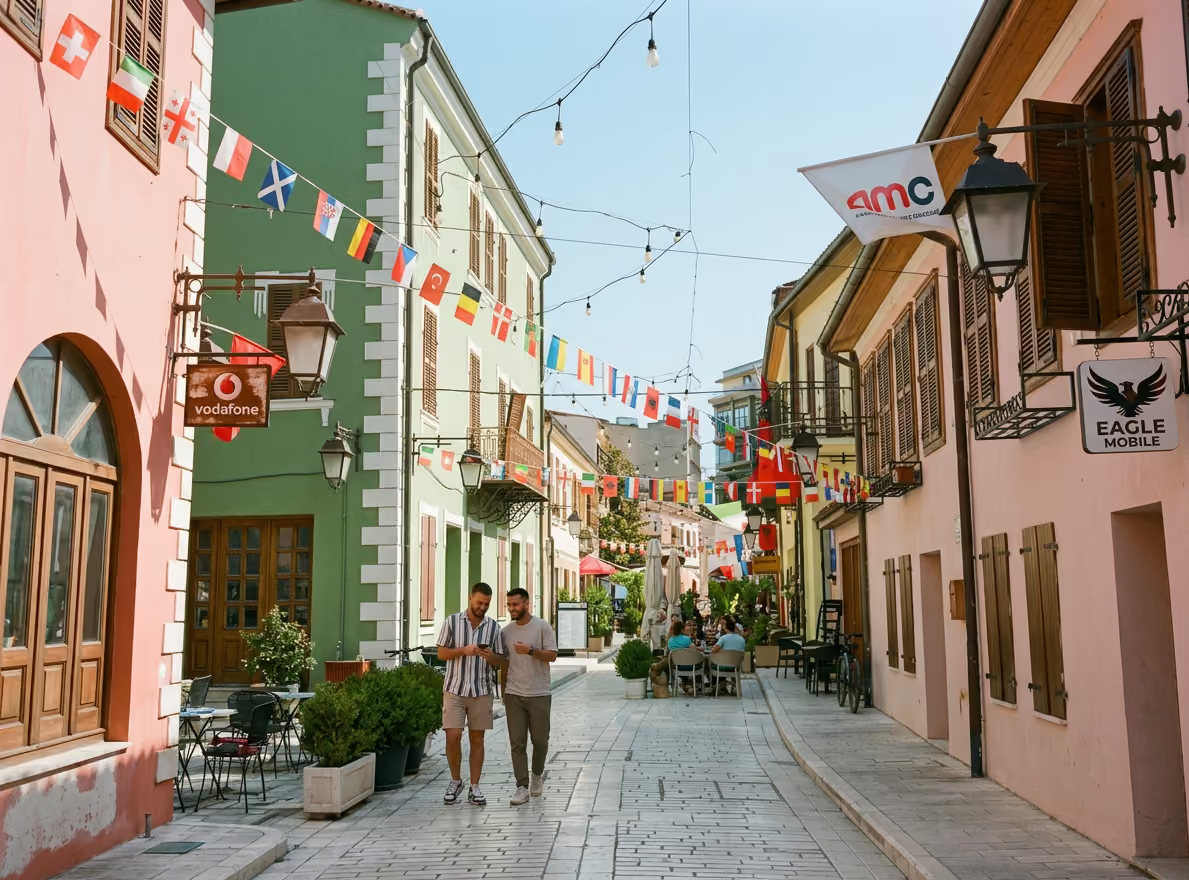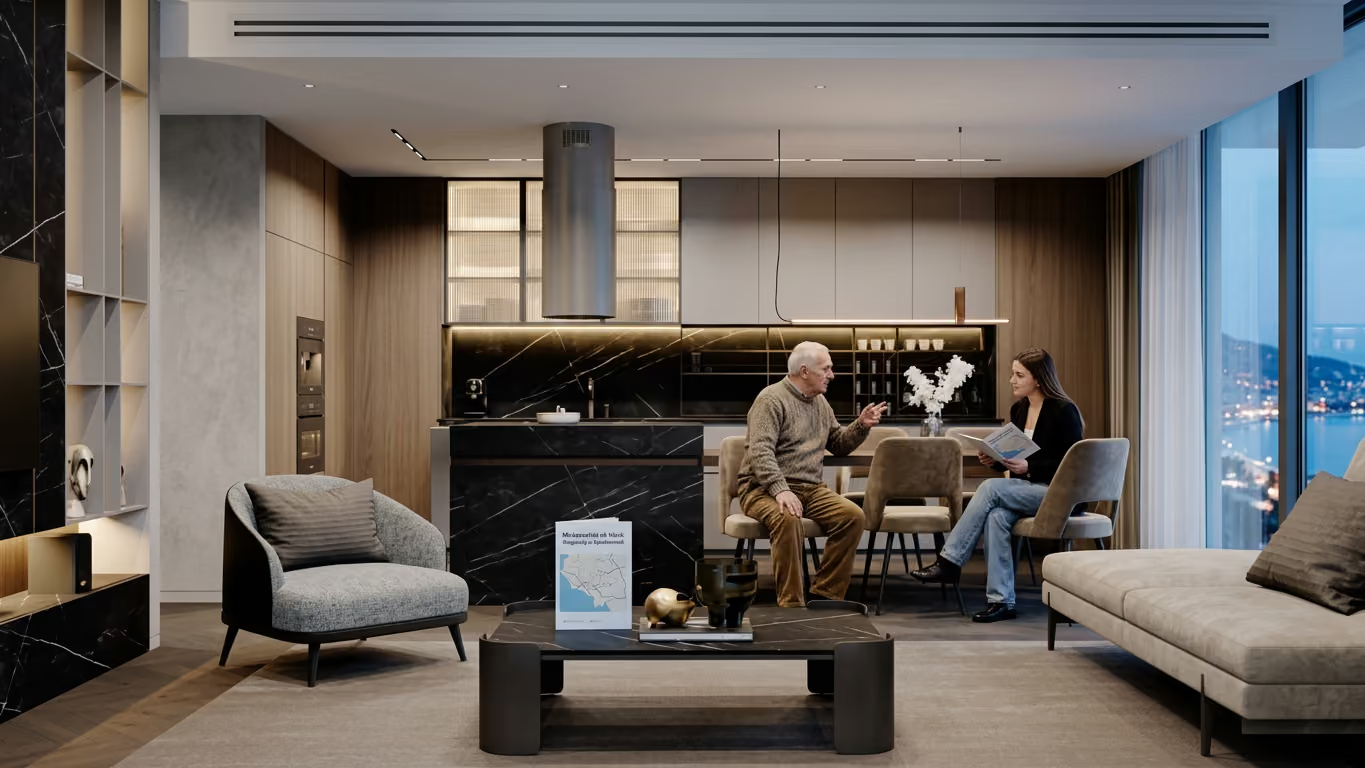
Representative image

Peaceful apartment living in Vlorë comes from respecting local quiet hours, greeting neighbors warmly in hallways, and resolving sound issues with direct, polite conversations.





You move into an apartment near Rruga Murat Tërbaçi, unpack your suitcase, open the balcony door, and hear three things at once: scooters from the street, chairs scraping upstairs, and a family dinner through the wall. By the second night, you start to wonder what counts as normal city sound in Vlorë, and what you can fairly ask a neighbor to change.
In Vlorë apartments, good noise etiquette means keeping volume low during quiet hours, usually 10 PM to 7 AM, and speaking politely with neighbors before making a formal complaint. The best approach is simple: introduce yourself early, prevent noise where you can, and handle problems face to face before involving the landlord or building manager.
Vlorë is a coastal city, but apartment life here is not the same as a beach holiday. Many long-term residents live in dense buildings near Skelë, the Lungomare, Uji i Ftohtë, the port area, and the city center. Sound moves fast through these buildings, mainly where walls are thin, stairwells echo, and tile floors carry every chair leg and footstep.
A foreign renter may arrive with a romantic idea of Mediterranean living. That idea often includes balcony coffee, sea views, and evening walks along the promenade. Those parts are real. So are barking dogs, late dinners, street noise, lift doors, and neighbors who may not share your daily schedule.
Vlorë has strong family culture. People gather at home, relatives visit often, and children may stay awake later in summer. A dinner that feels warm and normal to one household may sound like a party through the wall to the person next door.
This matters more in Vlorë since many buildings mix long-term residents, Albanian families, retirees, students, remote workers, and summer visitors. A building near Lungomare in August can feel very different from the same building in February. Short-term guests may not care about neighbor ties, but residents have to live with the effects.
Apartment etiquette sources such as RPM Alamo and RPM Lonestar frame good neighbor behavior as mutual consideration. That means you think about how your normal habits sound from the other side of the wall. In Vlorë, this idea matters since the line between private life and shared life is thin.
A remote worker in Skelë may need quiet for calls at 3 PM. A retired Albanian couple next door may rest after lunch. A family upstairs may cook and move chairs late in the evening. Good etiquette does not mean silence all day. It means noticing that your home sits inside a shared building.
The first local habit to learn is greeting people. Say hello in the stairwell. A simple “Mirëdita” during the day or “Mirëmbrëma” in the evening can soften future problems. If you only speak to a neighbor when you are angry, the conversation starts from a bad place.
This is why you should meet at least a few neighbors when you move in. If you live near the beach area, ask who lives above and beside you. If you are viewing an apartment near Transballkanike or the old city, listen in the stairwell during the visit. A clean apartment does not always mean a calm building.
Local rental advice for Vlorë often stresses checking the building before signing. That includes the entrance, the lift, the hallway, the neighbor mix, and the sound level at night. One bad neighbor can turn a good rent price into a daily problem.
Noise is often the top conflict in apartment communities, according to several apartment management guides. Vlorë has no clear public dataset for apartment noise complaints, so you should treat this as a practical risk rather than a measured local statistic. The pattern is easy to see in real life: noise is the complaint that most quickly turns strangers into enemies.
Quiet hours are the time when residents are expected to keep noise low enough for others to sleep. Many apartment etiquette guides use 10 PM to 7 AM as the standard quiet window. Lofts Princeton and Riverstone Troy both mention quiet hours as a core part of apartment rules.
In Vlorë, use 10 PM to 7 AM as your safe baseline unless your contract or building rules say something stricter. Some buildings may have informal habits rather than posted rules. If no one has explained them, ask your landlord, the building administrator, or a neighbor on your floor.
Quiet hours do not mean you cannot move in your own home. They mean you should avoid noise that travels. This includes loud TV, music, dragging furniture, vacuuming, balcony phone calls, heavy exercise, and guests leaving with raised voices.
The most common mistake is thinking “normal volume” is always fine. Normal volume in a concrete apartment with tile floors can become loud in the unit below. A TV that feels soft in your living room can sound clear at 11 PM through a shared wall.
Late-night balcony noise is a special issue near Lungomare and Uji i Ftohtë. Sound carries from balconies across courtyards and along the street side of buildings. A small group talking outside after midnight can wake several flats.
If you smoke or drink coffee on the balcony late, keep your voice low. Do not play music from a phone speaker outside after 10 PM. If friends visit, move the group inside and shut the balcony door once it gets late.
Footsteps are another common issue. Many Vlorë apartments have tile or stone floors, which are easy to clean but loud for the person below. Bare feet may be quieter than hard-soled slippers, but heavy walking still travels.
If you live above someone, use rugs in the hallway, living area, and beside the bed. Put felt pads under chairs. Lift furniture instead of dragging it, mainly at night.
Morning noise can be just as hard as late-night noise. A 6:15 AM chair scrape or blender can wake a neighbor who works late. If you leave early for the port, a bus station route, or a commute toward Radhimë, prepare what you can the night before.
Laundry and cleaning need timing too. Avoid running a loud washing machine late at night if it sits against a shared wall. Do not vacuum after 10 PM. If you must clean after a spill, keep it short and explain later if a neighbor heard it.
Pets are not exempt from quiet hours. Timberland Partners lists barking and pet noise as common apartment stress points. A dog that barks once is normal. A dog howling at 3 AM is a building problem.
If your dog reacts to hallway sounds, move the bed away from the front door. Use a fan or soft indoor sound during the evening. Take the dog for a proper walk along the promenade or a quieter street before night.
Children make noise, and neighbors should understand that homes are lived in. Still, parents can reduce the worst sound by using rugs, soft play mats, and quiet play after 10 PM. Running games in a hallway or stairwell late at night will create conflict.
Music practice needs care. If you play guitar, piano, violin, or sing, pick a daytime window and tell the nearest neighbors. Keep practice away from shared bedroom walls when possible.
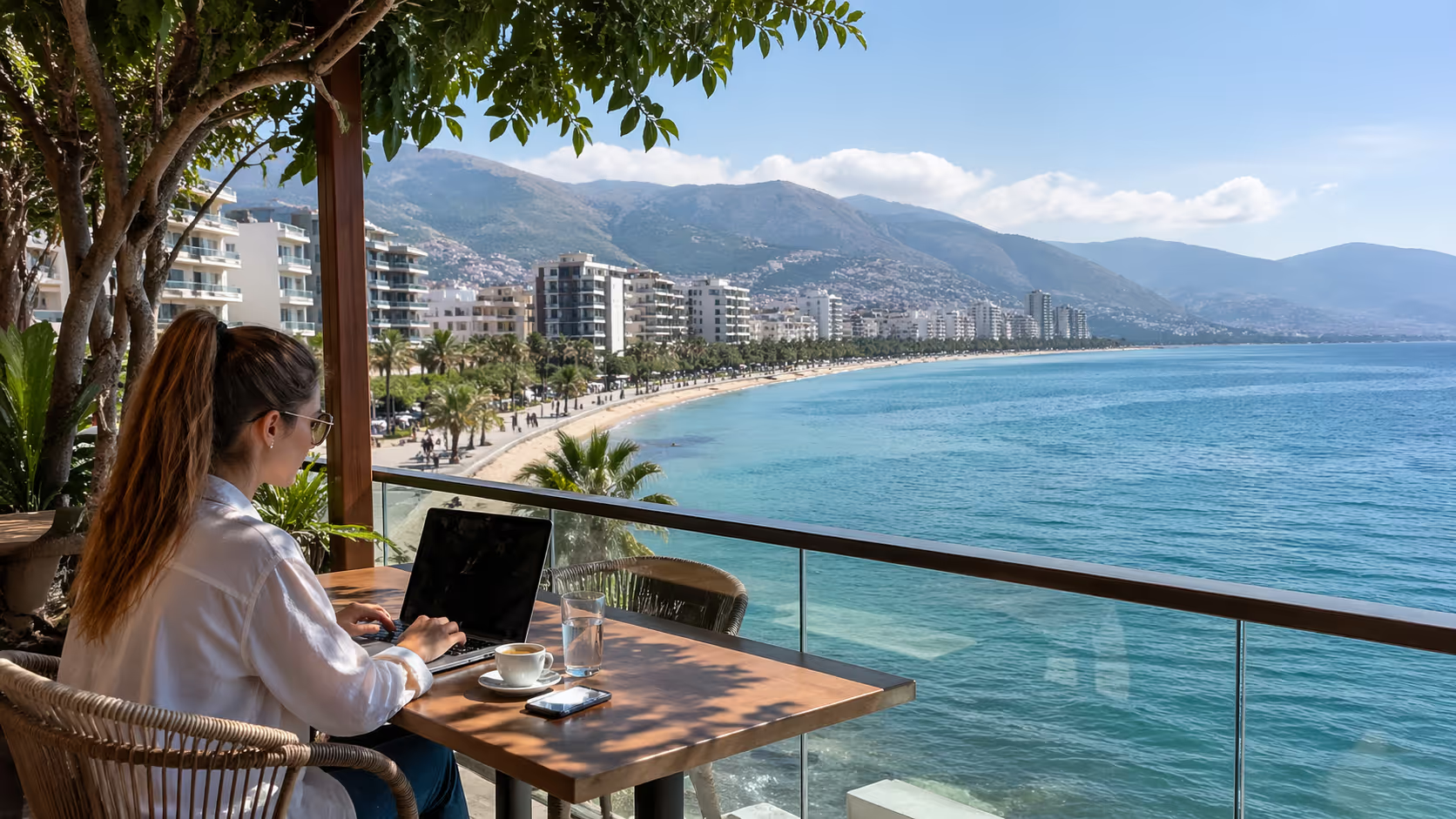
Remote work changes the old quiet hour idea. Many people in Vlorë work from apartments now, including digital workers near Skelë and the city center. A loud gym workout at 11 AM may disturb someone on a client call, just as a late call may disturb someone sleeping next door.
This does not mean all daytime sound is rude. It means repeated, heavy, or avoidable sound still needs thought. Good neighbors care about patterns, not just clock time.
Your first week in a Vlorë apartment is the best time to build goodwill. People remember who greeted them, who held the door, and who treated the shared entrance with care. This matters later if there is a noise issue.
Start with a simple introduction. If you meet someone in the stairwell, say your name, your floor, and that you have just moved in. You do not need a long speech or perfect Albanian.
A good short line is: “Përshëndetje, jam komshiu i ri në katin e tretë.” This means, “Hello, I am the new neighbor on the third floor.” If Albanian feels hard, say it in English with a smile, then add “Faleminderit.”
If you plan a small dinner, tell the closest neighbors before it happens. Knock at a normal hour, not during lunch rest or late evening. Say how many people are coming and that you will keep it quiet after 10 PM.
This small warning can prevent a complaint. A neighbor who knows what is happening may tolerate a little extra sound. A neighbor who hears surprise noise may assume the worst.
Do not turn the warning into permission for a loud night. “I told them” does not cancel quiet hours. It only shows respect and gives you a chance to set expectations.
Shared spaces matter too. RPM Alamo, RPM Lonestar, and RPM Seacoast NH all mention clean shared areas as part of good apartment living. In Vlorë buildings, that means stairwells, lifts, entrances, rooftops, shared laundry zones, and parking areas.
Do not leave trash bags in the hallway. Do not block the lift with beach gear, baby strollers, or delivery boxes. If you bring sand from the beach near Lungomare, clean it from the entrance and lift floor when needed.
Be careful with water in shared areas. Wet stairs can be dangerous, mainly in older buildings. If you mop your balcony and water drains onto a lower balcony, expect anger.
Parking can create neighbor tension, even when the main problem is not noise. If you slam car doors late at night or talk loudly under bedroom windows, residents will connect your car with disturbance. This is common near older blocks in Skelë and around tighter city center streets.
The lift is another sound point. Do not hold loud phone calls in it late at night. Do not let children press every floor button. If the lift door slams, close it gently.
If your building has a WhatsApp or Viber group, ask to join. Some buildings use these groups for water issues, lift repairs, cleaning fees, and noise reminders. Keep messages polite and short.
Avoid public shaming in building chats. A message like “Whoever is making noise on floor five is disgusting” will not help. A better line is, “Hi neighbors, there is loud music near the fifth floor after 11 PM. Could we please keep it lower tonight?”
If you rent through an agent, ask about the building culture before signing. Ask if there are families with small children above, short-term rentals next door, or a bar under the building. A good agent should answer directly.
If the landlord refuses to discuss neighbors, treat that as useful information. You are not only renting walls and furniture. You are renting the daily sound pattern of the building.
Noise complaints go better when you move slowly and stay calm. The goal is not to win a fight. The goal is to make your home livable without creating a feud on your floor.
Ask yourself whether this is a one-time event or a repeated issue. A single birthday dinner on a Saturday is different from loud music every weeknight. Write down the time, type of sound, and length if the problem repeats.
Do not knock in anger at 1 AM unless the noise is extreme. If it can wait, speak the next day. People listen better when they are not embarrassed in front of guests.
Say where you live and what you heard. Keep the message short. Try: “Hi, I am downstairs in apartment 3. The chairs and music were loud after 11 last night. Could you help keep it lower after 10?”
If the issue is footsteps, suggest rugs or soft slippers. If it is music, suggest headphones after 10 PM. If it is a dog, ask if they know the dog barks when left alone.
Many people do not know how loud they are. If they adjust after one talk, let the issue go. A polite thank you in the stairwell helps keep goodwill.
If the noise continues, keep a simple log. Note date, time, type of noise, and length. Do not exaggerate. A clean record helps the landlord or building manager understand the pattern.
Share the log and explain that you already spoke with the neighbor. Ask for help applying the building rules or contract terms. Stay factual.
If there is threatening behavior, violence, or extreme disturbance, seek local help. For routine apartment noise, formal escalation should come after direct contact and documentation.
Listen first. Even if you think they are too sensitive, they may be hearing more than you realize. Sound does strange things in apartment buildings.
Say: “Can you tell me what time it happens and what kind of noise you hear?” This helps you find the source. It may be chairs, shoes, a washing machine, a dog, or the TV wall.
Stand in the hallway with your TV at normal volume. Walk across the room in your usual shoes. Drag a chair once and hear how sharp it sounds.
Add pads under chairs. Move speakers away from shared walls. Lower bass settings. Put a rug in the hall.
After a few days, ask if it is better. This shows respect. It may prevent them from going to the landlord.
Some neighbors are tired, stressed, or dealing with health issues. Some work shifts. A calm answer can turn a tense start into a workable relationship.
Use plain language. If your Albanian is limited, a respectful tone matters more than perfect grammar.
“Përshëndetje, a mund ta ulni pak muzikën pas orës 10?” means, “Hello, could you lower the music a little after 10?”
“Na falni për zhurmën mbrëmë” means, “Sorry for the noise last night.”
“Do vendosim tapet që të ulet zhurma” means, “We will put a rug to lower the noise.”
“Faleminderit për mirëkuptimin” means, “Thank you for your understanding.”
If you do not speak Albanian, keep English simple. Many people in Vlorë understand some English, mainly younger residents and people who work with rentals. If not, use a translation app and show the message calmly.
The best noise solution is the one you set up before a complaint. You do not need a full renovation. Small changes can reduce the sounds that most annoy neighbors.
Start with the floor. Rugs make a big difference in apartments with tile floors. Put one in the hallway, under the dining table, near the sofa, and beside the bed.
Use felt pads under chairs and tables. This is one of the cheapest fixes. Chair scraping is sharp, repeatable, and easy to prevent.
Move speakers away from shared walls. If your sofa or TV sits against the wall that joins a neighbor’s bedroom, the sound may travel straight through. Keep bass low after 10 PM.
Use headphones at night. This is the simplest rule for TV, gaming, podcasts, and music. If you work with audio or take late calls, use a headset.
Put a mat under exercise equipment. Jumping workouts, weights, and treadmills can sound heavy below. If you do home workouts, choose daytime hours and avoid jumping after 10 PM.
Close balcony doors during calls at night. Many Vlorë renters love balcony life, mainly near the promenade. Still, voice carries far outside.
Control door noise. Add a soft stopper if your front door slams. Close interior doors by hand at night. Do not let balcony shutters bang in the wind.
Use soft storage habits. Put shoes down instead of dropping them. Keep luggage wheels off the floor late at night. Lift beach chairs and suitcases when you return from the coast.
Manage pet sound before it becomes a building issue. Walk dogs before night, leave toys, and avoid leaving them alone for long periods if they bark. If the dog reacts to stairwell noise, keep it in a room farther from the entrance.
Think about appliance placement. A washing machine against a shared bedroom wall may disturb the next flat. If you can, run it before evening and balance the load to reduce shaking.
If you have a baby, do not panic about normal crying. Most neighbors understand. You can still reduce extra noise by keeping late-night soothing away from shared bedroom walls where possible.
If you host dinner, plan the room setup. Keep the group away from the balcony after 10 PM. Put music low enough that people do not need to raise their voices.
If guests leave late, walk them to the door and remind them to keep voices low in the stairwell. Many complaints happen after the event, when guests laugh in the hallway or outside the entrance.
If you rent a furnished apartment, inspect the furniture. Metal chairs on tile are loud. A cheap cushion pad or felt pad can prevent months of irritation.
Curtains can help with echo inside the apartment. Heavy curtains will not make a loud party silent, but they soften sound in rooms with hard floors and bare walls. Bookshelves, fabric sofas, and rugs help too.
Riverstone Troy recommends practical sound control steps like rugs, curtains, and attention to shared walls. These are not luxury upgrades. They are basic tools for living in a multi-unit building.
Prices change by shop, season, and quality, so treat these as planning ranges in Albanian lek.
Felt pads for chairs may cost around 200 to 600 ALL for a small pack. Look in home shops, hardware stores, or larger markets around the city center.
Basic rugs can range from about 1,500 to 6,000 ALL for small to medium sizes. Larger rugs cost more, mainly if you buy thicker ones.
Door stoppers or soft bumpers may cost around 200 to 800 ALL. These are useful for front doors, balcony doors, and interior doors that slam.
Foam floor mats for exercise or children can range from about 1,000 to 4,000 ALL. They help with impact sound, mainly over tile.
Basic earplugs may cost around 100 to 500 ALL. These help you sleep, but they should not be your only solution if a neighbor is breaking quiet hours every night.
Wired or simple wireless headphones may cost around 1,500 to 5,000 ALL. Better noise-cancelling models cost much more, often 8,000 ALL and up.
Heavy curtains may range from about 2,000 to 8,000 ALL per window set, depending on size and fabric. Installation can add more if you need rods or drilling.
A polite apology costs nothing. In many Vlorë buildings, that may solve more than any product.
This is one of the most common disputes. The upstairs resident thinks they are only walking. The downstairs resident hears thuds, pacing, and chair scrapes.
If you live upstairs, assume the floor carries more sound than you think. Use rugs in walking paths. Avoid hard shoes indoors at night.
If you live downstairs, describe the sound without blame. Say: “I hear heavy steps in the bedroom after midnight. Could you use slippers or a rug there?” Do not say: “You walk like an animal.”
TV sound often travels through bedroom walls. Bass is the worst part. A neighbor may not hear dialogue clearly, but they may feel the low vibration.
Move the TV away from shared walls if possible. Lower bass in the settings. Use headphones after 10 PM.
If you are the one complaining, ask for a change after quiet hours rather than total silence. This feels fair and is easier to accept.
Family dinners are part of life in Vlorë. Relatives visit, people talk, and meals can run late. This is normal, but not a free pass for loud music or shouting after 10 PM.
If you host, warn neighbors before a dinner with more than a few guests. Keep the balcony quiet later. Lower voices in the stairwell when people leave.
If a neighbor hosts often, choose a calm time to talk. Say you understand family visits, but the late noise is affecting sleep. Ask for lower volume after 10 PM.
Buildings near Lungomare, Uji i Ftohtë, and the beach road may have short-term guests in summer. These guests may arrive late, drag suitcases, play music, and treat the apartment like a holiday base.
If you are a landlord or host, place clear quiet rules in the apartment. Tell guests about 10 PM to 7 AM quiet hours. Remind them that real residents live above and below.
If you are a long-term renter living next to a short-term rental, document repeat issues. Contact the owner or manager with times and details. If the apartment is managed through a platform, use the platform complaint tools when needed.
A barking dog can create fast tension. The owner may not know the dog barks after they leave. The neighbor may hear it for hours.
If you own the pet, ask a neighbor if they hear barking when you are out. Use toys, training, walks, and a quieter room. Do not leave the dog on the balcony barking at street sound.
If you are disturbed, start with a friendly talk. Say: “I think your dog may be barking when you are out. I wanted to let you know.” This gives the owner useful information rather than shame.
A remote worker may take calls from a bedroom, balcony, or kitchen table. A loud voice on a headset can carry through walls. Late calls with North America can be hard for neighbors.
Use an indoor room away from shared bedrooms. Keep windows closed for late calls. Use a microphone so you do not need to speak loudly.
If a neighbor’s calls disturb you, mention the exact time. A person may not realize their 11 PM meeting is waking the next room. Suggest moving the call away from the shared wall.
Renovation noise is different from normal living noise. Drilling, hammering, tile cutting, and furniture assembly are much louder. Many buildings tolerate this only during daytime.
If you plan work, tell neighbors the dates and hours. Avoid early morning, lunch rest, and evening. Finish the loudest tasks as fast as possible.
If a neighbor renovates, ask the building administrator or landlord about allowed hours. Keep your complaint factual. Work noise is annoying, but it may be temporary and legal during the day.
Hallways echo. A quiet laugh inside an apartment can become loud in a stairwell. Children playing, phone calls, smoking chats, and late goodbyes can disturb several floors.
Keep hallway time short at night. Do not gather by doors after 10 PM. If you need to talk, go inside or outside away from bedroom windows.
Noise etiquette starts before you sign the lease. Once you move in, your options shrink. A better apartment choice can prevent months of stress.
Visit the building at least twice if you can. One daytime visit shows light, layout, and street activity. One evening visit shows neighbor noise, parking, hallway sound, and nearby bars or restaurants.
If the apartment is near Lungomare, check summer risk. A winter viewing may feel calm. In July and August, the same street may have more traffic, more guests, and later balcony noise.
If the apartment is near a main road like Rruga Transballkanike, listen for scooters and delivery traffic. New windows help, but balcony doors and old frames may leak sound. Ask to stand inside the bedroom with windows closed.
If the apartment is above a café, market, gym, or restaurant, ask about opening hours. Chair dragging, deliveries, music, and staff cleanup can affect sleep. A sea view does not cancel a noisy ground floor.
Ask the landlord direct questions. Who lives above? Are there short-term rentals in the building? Is there a building administrator? Are there posted quiet hours? Are pets common in the building?
Ask about building rules in the contract. The contract should be clear on guests, pets, repairs, shared fees, and behavior. If the lease is notarized, read the Albanian version with help if needed.
Check the hallway condition. Broken lights, trash, cigarette smell, and damaged doors can signal weak building care. Weak care often means weak noise control too.
Stand in the stairwell for a minute. Listen. You may hear TV, children, doors, or dogs. Some sound is normal. Loud sound through closed doors during a viewing is a warning.
Look at the apartment layout. Bedrooms that share walls with a neighbor’s living room may be louder at night. A top-floor unit avoids upstairs footsteps but may have roof heat or lift machine sound.
Ask about water pumps and generators. Some buildings have pumps that run at odd hours. Their vibration can be annoying if they sit near your bedroom wall.
Talk to one neighbor if possible. Keep it friendly. Ask: “Is the building calm at night?” Many people will give a clear answer if asked with respect.
A Vlorë rental guide video in the research material stresses checking neighbors and building dynamics before signing. That advice matches what long-term residents say often. In Vlorë, the building can matter as much as the apartment.
If you are noise-sensitive, do not rely on hope. Avoid units above bars, beside lifts, under large families if footstep sound bothers you, or beside apartments used for nightly rentals. Pay attention before you pay deposit money.
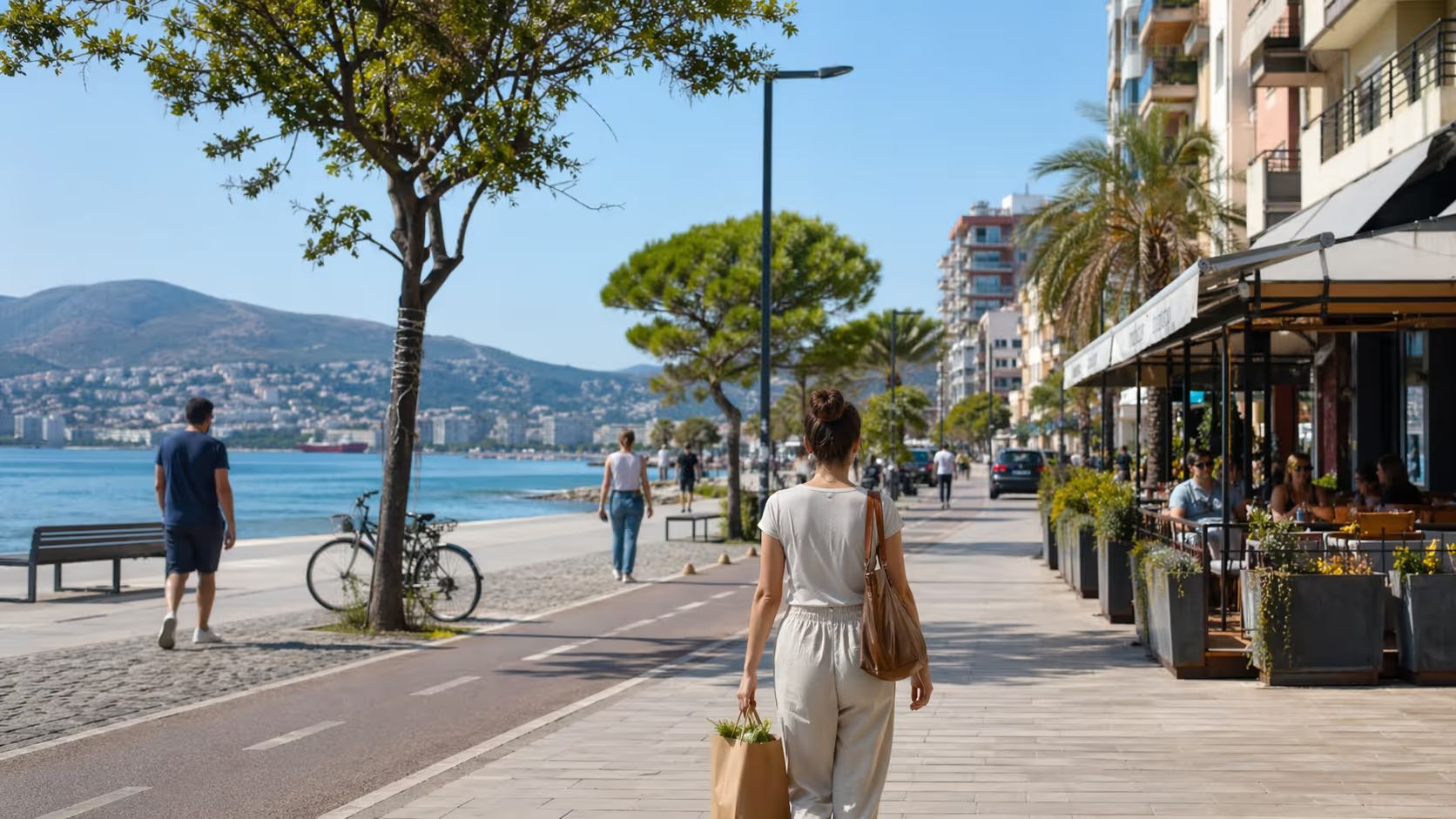
The Lungomare area is attractive for sea access, cafés, walking, and sunset views. It is often the first place newcomers want to live. It can be a good fit, but it is not always quiet.
Street life lasts later in warm months. Scooters, music, groups walking, and balcony gatherings can carry into the night. Buildings with short-term rentals may feel less stable in summer.
If you work remotely, choose a unit set back from the main road if possible. Upper floors may reduce street-level sound, but they will not stop balcony noise from nearby buildings. Test the bedroom, not only the living room view.
Uji i Ftohtë can feel calmer in places, mainly away from the busiest beach road. Many apartments here appeal to retirees and longer-stay foreigners. Still, summer traffic and holiday guests can change the mood.
If you rent here, check whether the building has many seasonal units. Empty winter apartments can become loud summer apartments. Ask the landlord who stays year-round.
Skelë is practical for shops, transport, cafés, and daily errands. It is a strong choice for residents who want city access without living only for the beach. Noise can come from traffic, schools, nearby businesses, and dense apartment blocks.
Buildings vary a lot. One street may be calm. The next may have constant scooters and shop deliveries. Visit at the time you expect to sleep and the time you expect to work.
Central areas can offer strong local life, markets, bakeries, and easier access to offices or services. The trade-off may be older buildings, tighter streets, and more neighbor sound. Some apartments have charming layouts but weak sound separation.
Check window quality and stairwell echo. Older buildings may have thicker exterior walls but weaker doors. A solid front door can matter if people gather in the hallway.
The port side can suit people who need access to ferries, transport, or central services. Noise may come from vehicles, early movement, and commercial activity. It can be practical, but sleep quality depends on the exact building.
Do not assume all port-area apartments are loud. Some side streets are manageable. The key is checking at early morning and late evening.
Inland roads can offer better rents and larger apartments. They may suit families or people with cars. Noise often comes from road traffic, construction, and ground-floor businesses.
If your apartment faces the main road, test windows carefully. If it faces the back of the building, you may get a quieter bedroom. Ask about planned construction nearby.
The romantic version of Vlorë apartment life is simple: sea air, friendly neighbors, cheap coffee, and evenings on the promenade. The real version is still good, but it asks for patience. You will hear other people living their lives.
You may hear a grandmother calling across the hall. You may hear children running upstairs. You may hear chairs scrape after dinner. You may hear a dog react to every lift stop.
This does not mean you chose the wrong city. It means apartment living in Vlorë is social, close, and sometimes messy. The same closeness that creates noise can create help when you need it.
A neighbor who annoys you on Monday may hold the door for you on Tuesday. The person upstairs may lend a tool. The family next door may tell you when the water is off or when the lift repair person is coming.
You cannot control every sound. You can control your habits, your communication, and your rental choices. That is where peace starts.
Foreign residents sometimes make two opposite mistakes. One group accepts every disturbance, then becomes resentful. The other group complains too fast, then becomes known as difficult.
The better path is in the middle. Learn the building rhythm. Speak early, but politely. Fix your own noise before demanding change from others.
Do not expect perfect enforcement. Many buildings have rules, but daily life runs on relationships. A landlord may help with repeat problems, but they may not solve every late dinner or barking dog.
Do not expect silence during summer. Vlorë changes during the warm season, mainly near the beach and promenade. More guests means more sound, later movement, and less predictable neighbors.
Do not assume locals are careless. Many Albanian residents value respect, family reputation, and good neighbor ties. A polite request can work well when it is made face to face.
Do not assume foreigners are always more considerate. Some newcomers bring loud remote calls, late drinking, balcony parties, or short-term rental habits. Good etiquette applies to everyone.
Apartment peace in Vlorë is not built by rules alone. It is built by small daily choices: soft steps, lower volume, clean hallways, fair warnings, and calm conversations. These choices make life easier for you and for the people sharing the building.
For routine noise issues, start inside the building. Speak with the neighbor, then the landlord, then the building administrator if there is one. This order protects relationships and gives each person a chance to fix the issue.
Keep your landlord’s phone number saved. If you rent from an owner who lives outside Vlorë, ask who handles urgent building issues locally. A cousin, agent, or administrator may be the real contact.
Ask whether the building has an administrator. Many apartment buildings have someone who collects shared fees, calls repair workers, and handles common area concerns. This person may know which flats are owner-occupied, rented, or used for short stays.
For lease questions, use a trusted notary or local legal helper before signing. Ask for clear terms on pets, guests, repairs, shared fees, and behavior rules. If the contract is in Albanian, get help reading it.
For local municipal information, check Bashkia Vlorë channels and offices for notices that may relate to public noise, events, construction, or neighborhood rules. For apartment disputes inside private buildings, the municipality may not be your first stop.
For serious disturbance, threats, or safety concerns, contact local police. Do not use police as your first tool for a normal TV volume dispute. Use them when there is danger, aggression, or a situation that cannot wait.
If you are new and unsure how to handle a situation, ask residents who know Vlorë well. Vlore Circle exists for this kind of practical support. Join the community and ask how others handled a similar building issue in Skelë, Lungomare, Uji i Ftohtë, or the city center.
Our host tip is simple: solve noise problems before they become identity problems. Once a neighbor thinks of you as “the loud foreigner” or you think of them as “the rude family upstairs,” every small sound feels personal.
When you move in, introduce yourself before you need anything. When you host, warn people before they complain. When someone complains about you, make one change fast, then follow up.
If you are choosing between two apartments, pick the better building over the prettier sofa. A calm bedroom in Skelë will serve you better than a stylish flat with a loud bar under it. A friendly stairwell in Uji i Ftohtë is worth more than a small rent discount in a building full of conflict.
We hear this often from community members: the best neighbor relationship starts with a greeting, not a complaint. Say hello in the lift. Learn the name of the person across the hall. Treat the cleaner and building administrator with respect.
If you are the sensitive one, be honest with yourself before renting. Choose a top-floor unit if footsteps drive you mad. Avoid nightlife streets if sleep is your top need. Do not rent beside the promenade in peak summer, then expect winter quiet in August.
If you are the social one, plan ahead. Tell neighbors before dinners. Keep late noise inside. Send guests down quietly.
Good apartment life in Vlorë is not silent. It is considerate. When residents make small efforts, the whole building feels easier to live in.
Revisit this guide before signing a lease, before hosting guests, after your first noise complaint, or when summer season changes the sound around your building. It is worth reading again if you move from a quiet inland street to Lungomare, or from a top-floor unit to a middle-floor apartment.
Noise etiquette is not a one-time lesson. It is part of daily life in Vlorë. Start with respect, keep your habits practical, and your apartment will feel more like a home.
Follow Vlore Circle for fresh guides, local updates, and community notes around life in Vlorë. It is the easiest way to stay close to what we are building.
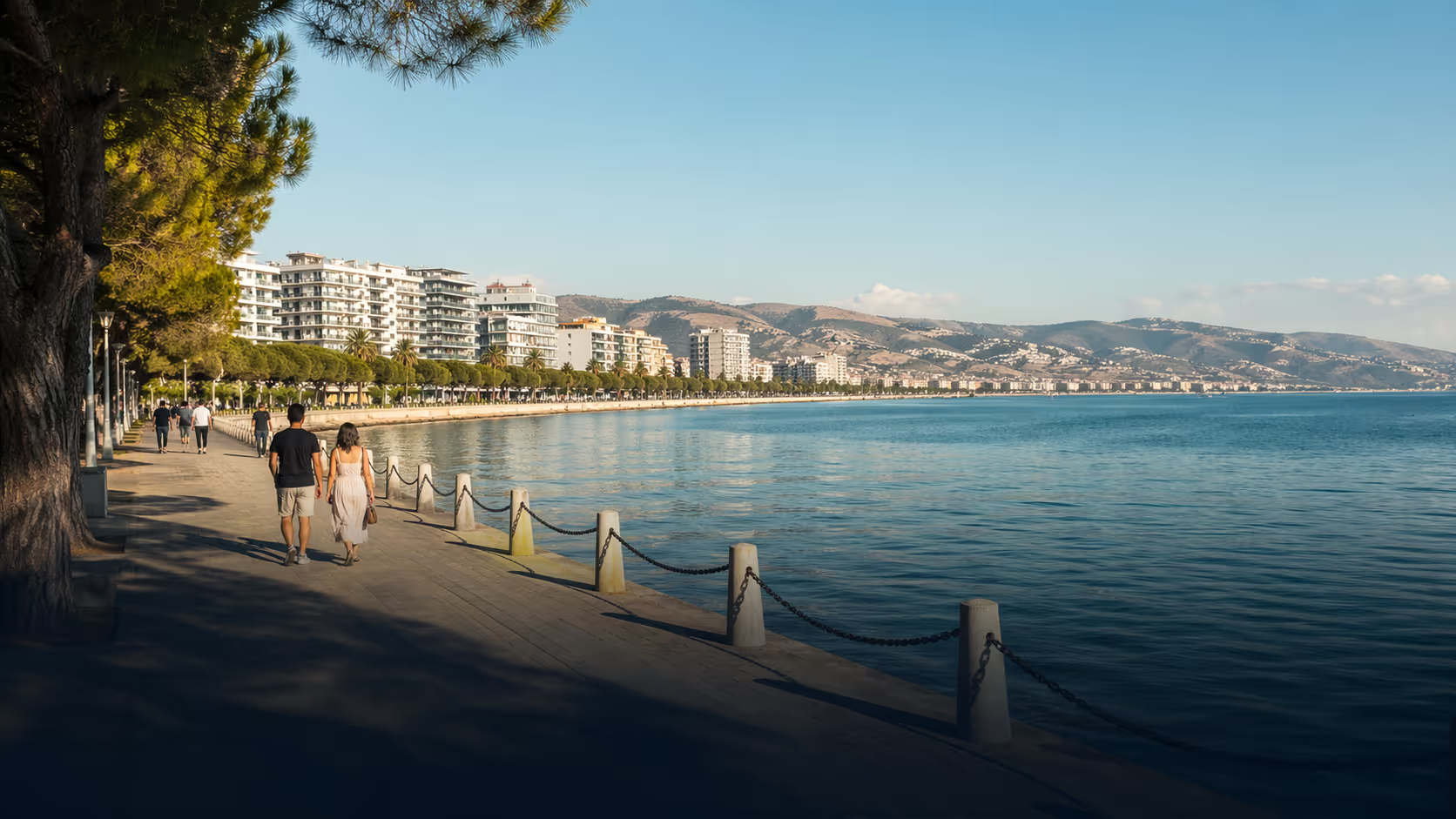



Be part of a growing community built around connection, local life, and a better experience of Vlorë.
join the circle