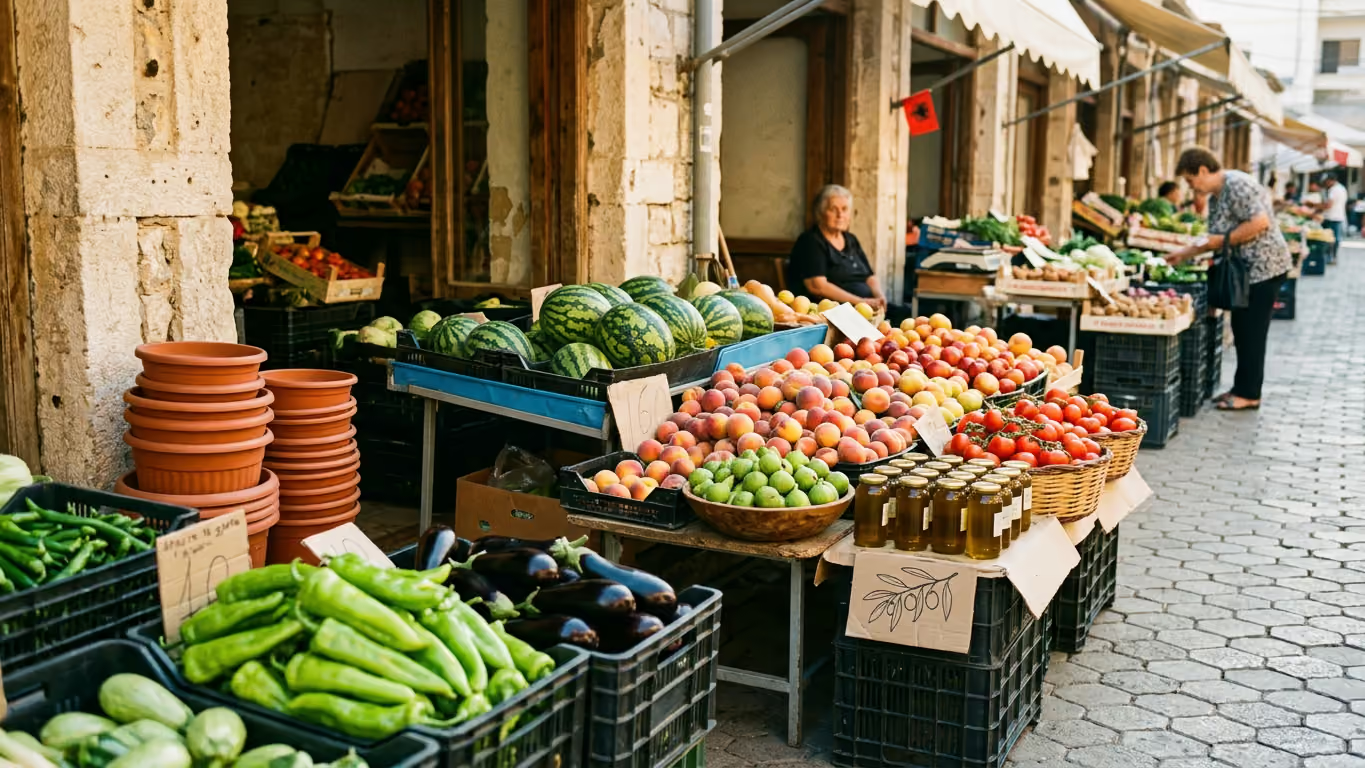
Representative image

Supermarkets seem convenient for produce, but small neighborhood stalls in Vlorë provide the freshest seasonal fruits and vegetables alongside simple local recipes.





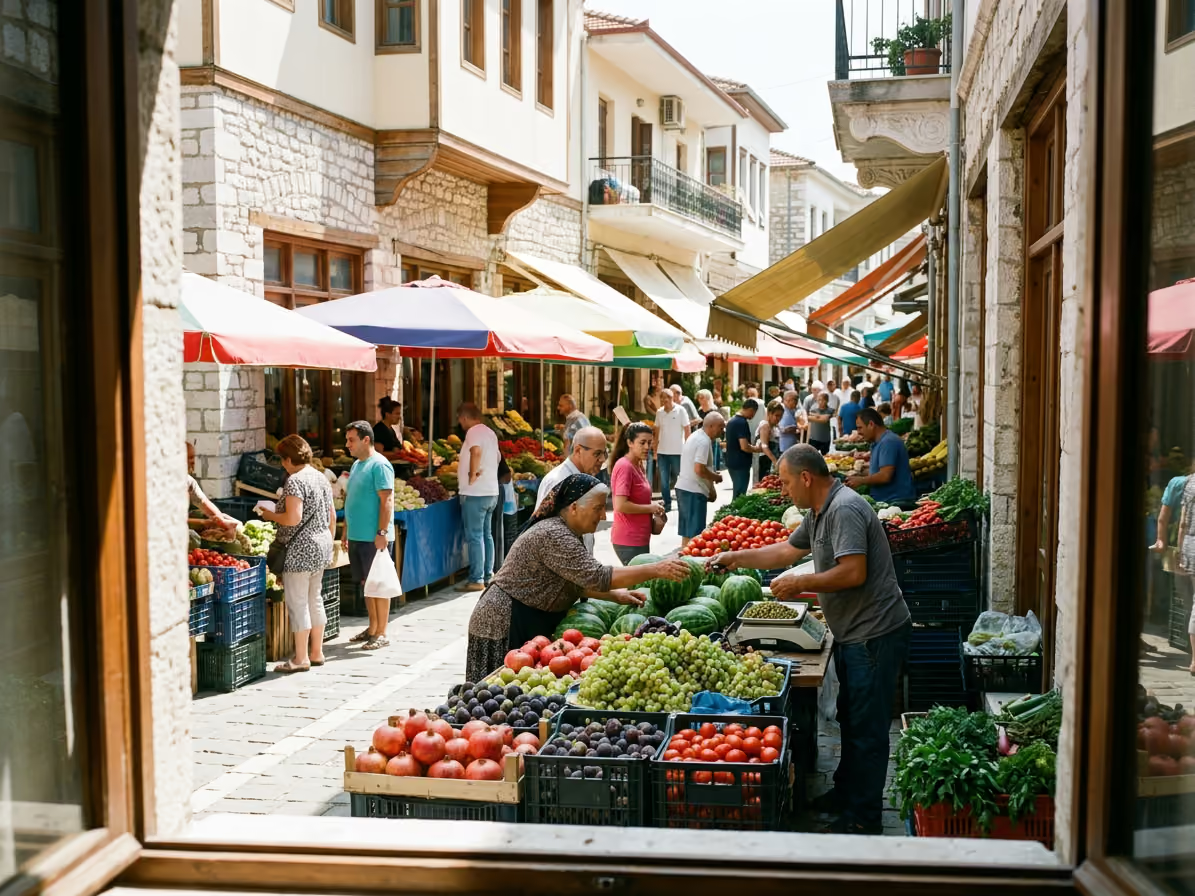
You might expect large supermarkets in Vlorë to carry the absolute best regional farm produce. The exact opposite happens in real daily life here. The cheapest and most flavorful ingredients in this coastal city never see the inside of a massive commercial grocery store. They sit in small neighborhood stalls, pavement pop-up markets, and dusty roadside stands stretching toward the Lushnjë district.
Eating seasonally in Vlorë requires following the local Mediterranean harvest calendar to buy what currently grows in the local soil. Tracking these natural farming cycles guarantees the lowest daily prices and the highest nutritional value for your home meals.
This hyper-local focus matters intensely for residents trying to build a sustainable life in southern Albania. The country produces over 1.42 million tons of vegetables annually. A massive quarter of that output comes directly from the western agricultural belt covering Vlorë and Fier. If you eat a raw tomato in late December, you pay double the price for a tasteless imported product. When you align your daily diet with the natural Mediterranean growing season, you unlock the true culinary identity of the region.
Vlorë enjoys a massive geographic advantage over inland Albanian cities like Korçë. The Mediterranean coastal climate here features very mild and wet winters followed by intensely dry and hot summers. This specific weather creates a remarkably long growing season for local farmers. Farmers operating in the Vlorë and Lushnjë districts dominate the national early-season vegetable market.
Recent national production statistics heavily favor the southern coastal regions right outside your door. Farmers in these areas harvest over 941,000 tons of early-season vegetables every single year. They also produce roughly 347,000 tons of melons. Coastal farms prioritize these massive crop yields to feed local families and support international export markets.
Agricultural technology and organic farming methods are actively improving across the Vlorë district. Changing weather patterns and new greenhouse tracking tools help farmers produce higher regional yields. The local organic food sector continues to grow rapidly. This local production boom means you have direct access to extremely fresh food right in your neighborhood.
You must ignore the false idea that all market produce comes from a uniform national harvest. Food grows differently based on strict regional microclimates. Coastal Vlorë supports massive fig trees and ancient olive groves easily. Inland hills rely more on cold-weather tree fruits like apples and heavy root vegetables.
Research from the European Food Information Council shows that Mediterranean climates follow strict ripening cycles. European agricultural data highlights how sustainable diets rely heavily on limiting imported out-of-season goods. Transporting water-heavy vegetables across borders increases carbon footprints and destroys delicate flavor profiles.
You cut extreme transportation emissions when you purchase regional food directly from the grower. Purchasing local produce keeps your household money circulating inside the Vlorë community. You actively support small neighborhood businesses instead of massive international logistics companies.
Locating true local food requires asking vendors direct questions about their current sourcing. Many small market stands near the main hospital or central postal office buy directly from farmers in nearby villages. You can identify these local stands by their slightly dirty and imperfect vegetables. High-end grocery imports feature uniform sizes and heavy wax coatings.
Produce heavily covered in farm soil usually traveled less than twenty miles to reach the market pavement. You want the odd shaped tomatoes and the dirt covered potatoes. These minor visual imperfections signal genuine regional farming practices over mass commercial operations.
You do not have to wait for the warm spring months to eat incredibly well in Vlorë. By early January, local farms are pushing out massive amounts of fresh cauliflower and dark leafy greens. The incredibly mild coastal winter weather supports daily herb harvesting. Most market stalls will have fresh parsley, fragrant dill, and sharp green onions available constantly.
The winter months offer the absolute lowest prices on heavy brassica vegetables. Fresh cauliflower hits its peak availability precisely between December and January. You will also find an abundance of crisp kale, bitter Brussels sprouts, hearty spinach, sweet beetroot, and large turnips. Citrus fruits dominate the market tables during these cold coastal months. You can buy sweet oranges, bright mandarins, sharp lemons, and local kiwis by the plastic bag full.
Preparing these winter crops requires very little effort in your home kitchen. Albanian eating traditions prioritize fresh methods over complex cooking styles. Boiling or lightly grilling these sturdy winter vegetables extracts maximum flavor.
The weather begins to warm up rapidly by March and April along the Albanian coast. The heavy winter vegetable harvest gradually transitions to bright early-season greens. This transition period brings a massive flush of new flavor to the neighborhood market stalls.
Early local strawberries begin arriving at the roadside farm stands stretching from Lushnjë into Vlorë. Spring also introduces fresh asparagus spears, bitter chards, baby artichokes, tight broccoli heads, and early spring peas. You can find large fresh broad beans and massive bunches of very sharp leeks. Sweet carrots and young cabbages quickly fill up the wooden display crates.
Spring recipes in Vlorë rely heavily on mashing soft ingredients or quick sautéing techniques. You want to retain the delicate crunch and bright colors of these early vegetable varieties.
The Vlorë agricultural sector explodes into peak production between May and late August. Summer heat forces delicate stone fruits and juicy watermelons into rapid ripening cycles. The sheer volume of fruit available during these months creates massive towers of produce on local street corners.
Local farmers harvest endless supplies of bright cherries, soft apricots, and sweet summer plums. By middle August, local homesteads and small farm plots collect five gallon buckets of fresh figs every single day. The vegetable stalls become heavily loaded with deep red tomatoes, dark aubergines, crisp courgettes, sharp radishes, and massive green peppers.
This extreme abundance aligns directly with the absolute hottest weather of the entire year. Raw salads and fast grilling methods dominate household menus during these difficult heat waves. Heavy indoor cooking simply makes an apartment far too hot during July or August.
The transition into September and October brings a very welcome relief from the brutal coastal heat waves. The growing cycle shifts aggressively toward hard squashes, dense root crops, and firm orchard fruits. The mild autumn weather in Vlorë often perfectly extends the final late summer tomato harvests for several extra weeks.
Market sellers actively rotate their stock to feature crisp local apples, firm pears, and fully ripe pomegranates. You will start seeing massive green table grapes, fuzzy regional kiwis, and highly anticipated raw chestnuts. The vegetable stalls shift to dark autumn pumpkins, thick beetroots, bitter endives, and tough late season cabbages. The famous Albanian olive harvest also heavily dominates agricultural activity deeply into middle November.
Home cooking starts shifting back toward warm baking traditions and slow roasted meats. These cooler months provide the perfect environment for making traditional oven dishes that require longer cooking times.
Stepping away from polished chain grocery stores requires learning an entirely new set of daily shopping behaviors. Standard consumer rules completely vanish when you approach a wooden vegetable stall on the side of a busy neighborhood street.
Always arrive at the neighborhood markets well before the midday sun peaks. The absolute best and freshest inventory disappears extremely quickly into the bags of early morning shoppers. Small neighborhood stalls rarely use electronic refrigeration systems for their cheap daily inventory. Fresh delicate lettuce will wilt into a completely unusable mess by two in the afternoon on a hot Tuesday.
You must carry small denomination physical cash to effectively purchase daily groceries. Vendors absolutely cannot break large 5000 lek notes to ring up a single bag of cheap green peppers. Build a habit of saving your 100 lek and 200 lek coins specifically for your morning vegetable runs.
Frequent the exact same market vendor over the course of several consecutive weeks. Cultivating strong personal vendor loyalty yields better product weights and hidden fresh items kept behind the main display counter. A trusted vendor will aggressively steer you away from their own bad produce to protect your valuable repeat business.
Understanding the local mathematical dynamics behind daily food pricing sets realistic expectations for your long term living budget. Fresh produce pricing in Vlorë fluctuates wildly based on regional weather gluts and international tourist seasons.
Winter agricultural pricing drops to absolute minimal levels for hearty local crops. You can easily purchase high quality fresh cauliflower at Market TANI №1 for just 70 to 80 Albanian Lek per kilogram in December. You pay almost nothing for massive bunches of fresh spinach or heavy bags of bright local citrus.
These cheap daily prices disappear completely when the brutal summer tourist season arrives. A massive influx of temporary foreign visitors severely strains the local Vlorë produce supply lines. That exact same affordable kilogram of cauliflower spikes to a painful 140 Albanian Lek by middle July.
Tracking these extreme seasonal price drops allows you to confidently make large bulk food purchases. When late August field tomatoes drop to their lowest annual price point, local residents buy them by the massive crate. You stretch your food budget incredibly far by shifting your daily diet entirely toward the cheapest item sitting in the market basket on any given Tuesday.
The highly romanticized idea of living near the warm sea often clashes aggressively with the harsh daily realities of sourcing food. The dream involves smoothly plucking perfectly clean fruit from an ancient vine under a gentle sun. The daily reality involves aggressively dodging chaotic scooter traffic just to reach a slightly dusty street stall.
You will absolutely carry very heavy plastic bags filled with vegetables up five flights of apartment stairs in brutal July heat. Produce often comes completely covered in thick farm soil and small local insects. You must thoroughly wash a head of lettuce to remove hidden dirt clods before you can even think about making a dinner salad.
Do not fall into the financial trap of buying your items at the markets directly facing the main Lungomare beach promenade. Vendors occupying these high traffic spaces completely target naive tourists with heavily inflated profit margins. You must walk at least five or six blocks directly inland to find true regional prices.
Never buy wildly out of season vegetables if you care about true flavor or strict household budgeting. Buying an imported commercial tomato during a gloomy January afternoon guarantees a watery and completely tasteless dining experience.
Locating the absolute best daily market stands requires leaving the main tourist infrastructure behind completely. The neighborhoods directly surrounding the central Vlorë postal office hide incredible fresh food resources.
The large general area surrounding the historical central bazaar features the largest daily concentration of independent local vendors. You can wander through narrow concrete alleys packed tightly with competing farm stands selling direct harvest goods. These competitive spaces force street vendors to keep their prices extremely low to attract neighborhood grandmothers.
For the absolute best regional driving trip, explore the informal roadside stands stretched along the main highway route connecting Lushnjë to northern Vlorë. These simple wooden stands pop up randomly near the edge of active working crop fields. You buy your fruit literally yards away from the exact soil that grew the plant.
Market TANI №1 offers a very reliable fixed location for extremely consistent regional prices. This specific shop focuses strictly on fresh fruits, daily vegetables, and huge bundles of aromatic herbs. They openly list their standard prices and rarely fluctuate wildly based on who walks through the front door.
The massive seasonal harvest gluts produce far more raw food than anyone can comfortably eat fresh. Albanian households actively deploy traditional food preservation techniques to save the extra summer calories for the damp winter months. You can easily replicate these simple ancient practices in your modern Vlorë apartment kitchen.
Local residents frequently dry soft summer figs under the intensely hot late August sun. You arrange halved fresh figs on a wire rack and place them on a hot sunny balcony for exactly three days. The extreme dry heat naturally removes all internal moisture and concentrates the raw fruit sugars rapidly.
Many local homesteads actively convert bulk extra fruit into violently strong regional alcohol. Families ferment massive wooden barrels of cheap late season corn or sour wild thana cherries. They distill these fermented fruit mashes into clear local raki down in their dark concrete basements.
Host Tip: Always buy your fresh delicate greens on the exact same morning you actually plan to eat them. The tiny neighborhood stalls rarely use electronic refrigeration systems, so these fragile items turn completely soft very fast once you haul them inside a warm stuffy apartment. Join the community to directly swap more daily neighborhood shopping advice with real local residents walking the streets of Vlorë today.
You truly understand the local Mediterranean lifestyle only when you let the soil strictly dictate your daily dinner plates.
Follow Vlore Circle for fresh guides, local updates, and community notes around life in Vlorë. It is the easiest way to stay close to what we are building.

Be part of a growing community built around connection, local life, and a better experience of Vlorë.
join the circle