Representative image

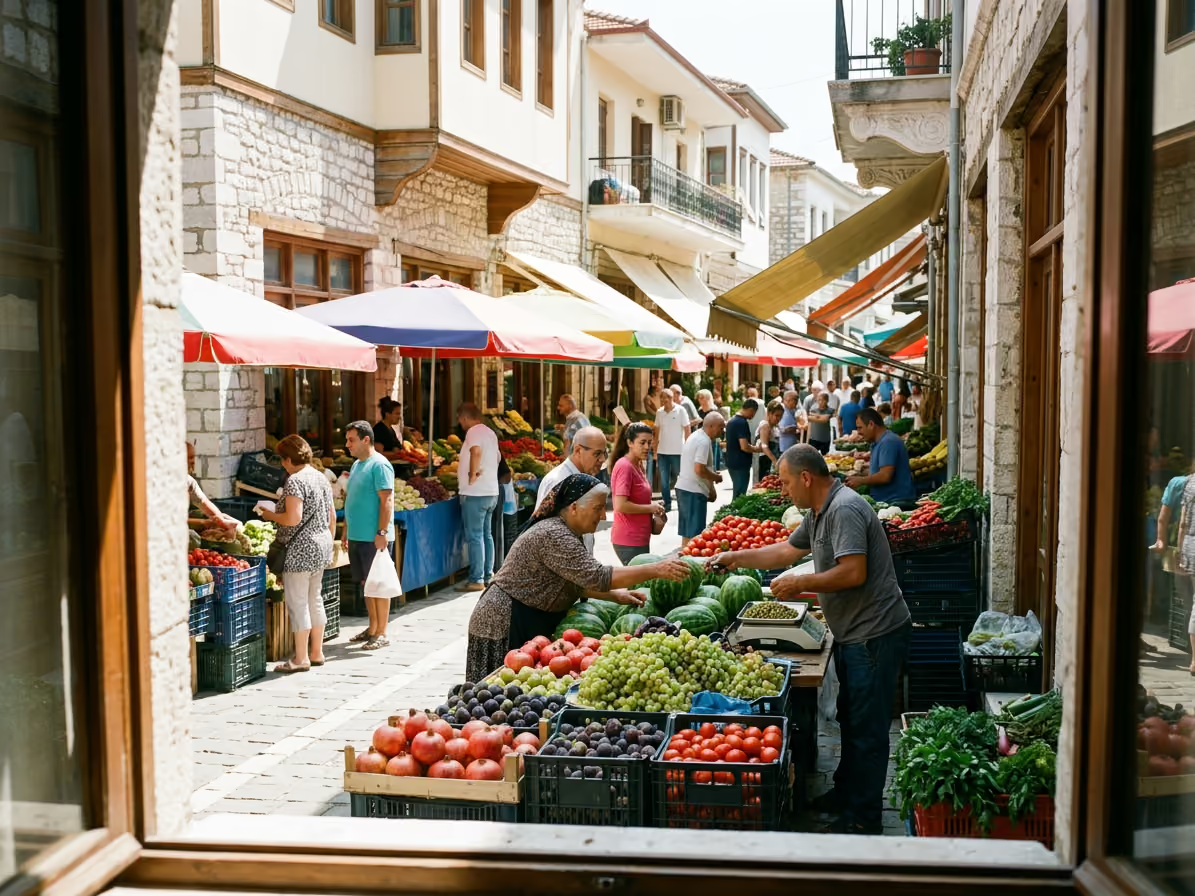
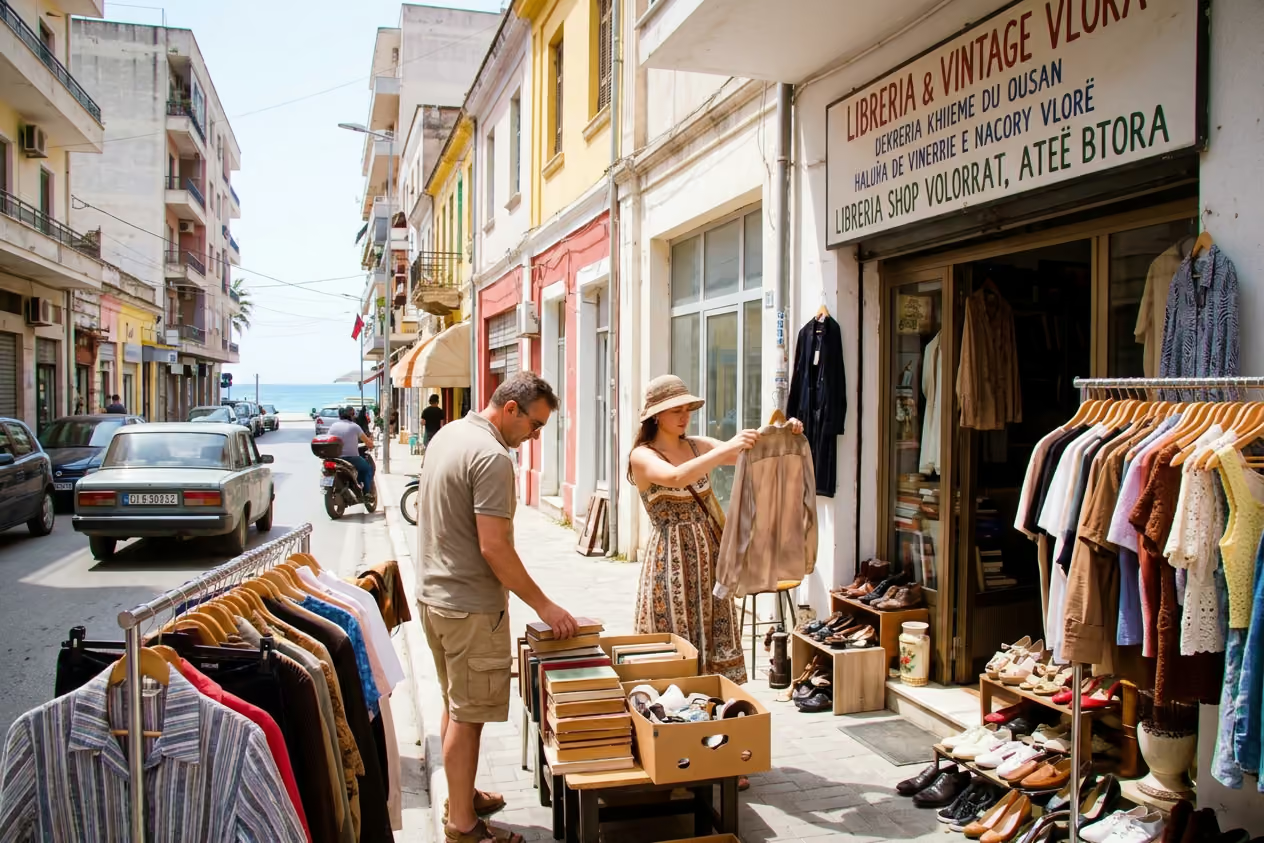
Great bargains on everyday clothes and household furniture reward patient buyers who visit the bustling market areas throughout coastal Vlore.





Thrifting in Vlorë is buying used clothes, furniture, tools, home items, and small odd finds from markets, stalls, and a few curated shops. It is not the same as luxury vintage shopping in a big capital city, since the best value here still sits in open-air markets, family-run stalls, and mixed rows near produce sellers.
If you want cheap clothes or basic furniture in Vlorë, start with the central outdoor market and the Old Town market area, then use polite haggling to lower the price. Expect practical finds, uneven quality, and real bargains when you inspect items closely and buy more than one thing from the same seller.
In Vlorë, thrifting is less about a styled vintage rack and more about reuse as part of daily life. You may find jeans next to plastic buckets, a leather jacket near a box of toys, or kitchen pans placed beside garden tools. The market style feels practical first. Fashion comes second.
A second-hand shop in Vlorë can mean several things. It can be a small clothing shop with used European stock. It can be a boutique with vintage-inspired fashion and fixed prices. It can be an open-air stall where the seller has coats, shoes, cables, tools, chairs, and old appliances in the same space.
This matters for newcomers. If you arrive from Berlin, London, or New York, you may expect clear labels, changing rooms, card payments, and a neat vintage section. Vlorë does not always work that way. The better mindset is simple: look carefully, ask the price, inspect the item, then negotiate.
International Living describes Vlorë’s central market as a daily place where you can find clothing, furniture, appliances, toys, hardware, and many other household goods. That daily rhythm changes the whole thrift scene. You do not need to wait for a weekend flea market. You can check for used goods on an ordinary Tuesday morning.
The Old Town market side has a different feel. A video walk-through of the Old Town Market in Vlorë shows an eclectic mix of clothing, garden tools, kitchen appliances, toys, fruit and vegetables, meat, fireplaces, axes, and jewelry. That mix tells you something useful. In Vlorë, second-hand buying is not separated from normal life.
There is a cultural reason for this. Albania has a strong repair and reuse habit, shaped by household budgets, family networks, and market trade. Elite Travel Albania frames the country as a place with strong vintage appeal, where older items still move through daily commerce. In Vlorë, that looks less polished than a fashion guide may suggest, yet it is far more useful for residents.
For remote workers, retirees, and new expats, this can save real money. You can build a basic wardrobe for Vlorë’s seasons without buying everything new from a chain store. You can furnish a rental with a used table, chairs, pots, hangers, lamps, and small storage pieces. You can test the city first, without filling your apartment with expensive new items you may later sell or leave behind.
The best part is not only the price. Thrifting gives you contact with local routines. You learn where people buy, how they talk prices, when sellers restock, and which lanes hold useful goods. That is the kind of local knowledge that makes settling in Vlorë easier.
The central outdoor market is the first stop for most newcomers. It works for clothing, furniture, appliances, toys, hardware, and basic household goods. International Living notes that it runs 365 days a year, which makes it one of the most practical places for residents.
Go in the morning if you can. Heat builds fast in summer, and the better clothing piles get searched early. For furniture, morning gives you more time to check quality and arrange transport before sellers pack up or the streets get harder for loading.
Clothing at the central market is often stacked, hung on basic rails, or placed in mixed piles. You may see sweaters, jeans, coats, shirts, sportswear, children’s clothes, and shoes. Do not expect every item to be sorted by size. You need patience and a good eye.
Furniture can appear in patches rather than in one formal furniture row. Look for chairs, small tables, shelves, stools, mirrors, lamps, and outdoor pieces. Some items are true second-hand pieces. Others are cheap new stock mixed into the same area.
Small appliances are common, yet they need extra care. A blender, fan, heater, or kettle may look fine from the outside. Ask if you can test it. If a seller cannot test it, price it as a risk.
The Old Town Market is the second stop. It is better for unusual finds, visual browsing, and mixed shopping. The on-ground footage from the Old Town Market shows the kind of variety that makes it useful for thrifters. You might see a tool, a necklace, an old pan, a jacket, and produce within a short walk.
Old Town works well if you enjoy the hunt. The lanes and stalls do not always follow a neat category system. You may need to pass the same area twice. The good item is often half-hidden behind something practical.
For clothing, Old Town is useful for jackets, older shirts, belts, scarves, and accessories. For home items, look for pots, trays, bowls, small storage, metal tools, and wooden pieces. For decor, keep an eye out for frames, small rugs, older mirrors, and handmade items.
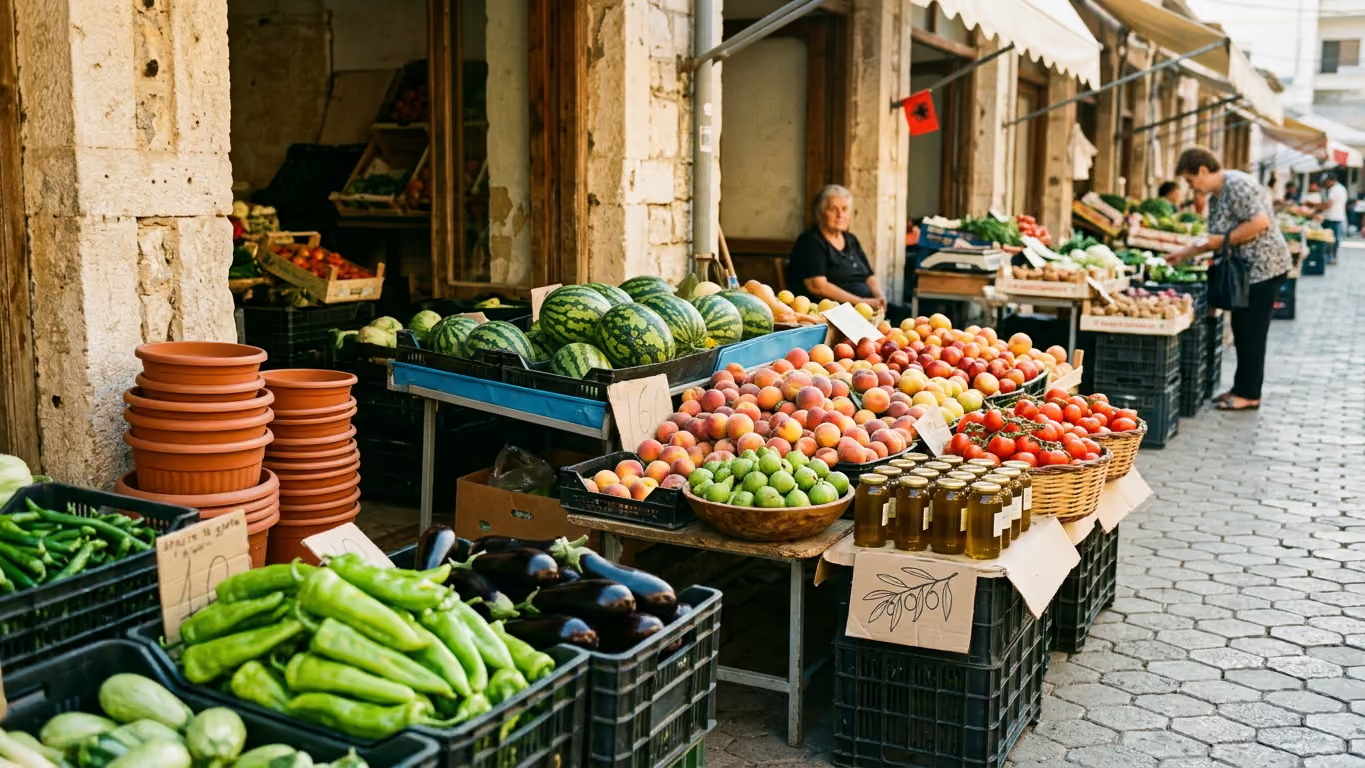
Produce-adjacent stalls deserve attention too. In many Albanian markets, second-hand goods appear near food sellers. You may visit for tomatoes and leave with a saucepan or a small stool. This is normal here.
The produce market near the main market can be useful for kitchenware. Look around the edges. Used pots, jars, trays, and basic tools often sit near sacks of nuts, fruit, or seasonal goods. These items are not always displayed like shop goods, so ask.
Boutique-style shops are a different category. Evendo’s shopping guide for Vlorë lists a range of shops, including fashion-led places and local makers. These are useful when you want a cleaner edit, better presentation, or a gift. They are not always the best place for the lowest price.
Free Shop Boutique is the kind of place to check if you want fashion with a more polished feel. A.K Prodhi Çantash is useful if you like bags and local craft. A handmade bag can pair well with a second-hand capsule wardrobe, since it gives a simple outfit a local touch.
Galeria Art Cafe and art-related shops listed on TripAdvisor sit in a different lane again. These spots are better for curated items, art, and design-led pieces. Prices may be fixed. Haggling may not fit the setting.
The main rule is to match the venue to the goal. For a 300 lek shirt, go market first. For a leather bag you plan to use for years, check local makers too. For a used desk chair or a small table, the central market and Old Town edges are better than boutiques.
A sustainable wardrobe in Vlorë starts with buying less new, choosing pieces you will wear often, and repairing small flaws. This fits the city well. The climate changes from hot coastal summers to damp and windy winter days, so a good wardrobe needs layers.
Start with the clothes you need for real Vlorë life. You need light shirts for the Lungomare and beach area. You need comfortable shoes for uneven pavements near Old Town. You need a warm layer for winter evenings when apartments feel cooler than expected.
A good starter list looks like this:
| Category | What to look for | Good Vlorë use |
|---|---|---|
| Light tops | Cotton shirts, linen blends, simple tees | Summer walks, errands, cafe work |
| Bottoms | Jeans, loose trousers, shorts | Market days, daily wear |
| Layers | Cardigans, wool sweaters, zip fleeces | Winter apartments, spring evenings |
| Outerwear | Leather jacket, wool coat, rain jacket | Wind, cooler nights, ferry area walks |
| Shoes | Sneakers, sandals, sturdy flats | Old Town streets, promenade walks |
| Accessories | Belts, scarves, bags | Outfit refresh without buying more |
Buy neutral pieces first. Navy, black, cream, denim, olive, and grey are easy to mix. A 500 lek shirt becomes more useful when it works with three pairs of trousers. A 1,500 lek jacket is a better buy when it covers work calls, dinner, and cold walks.
Do not build a wardrobe from statement pieces only. The markets will tempt you with bright prints and odd one-off finds. Buy a few if they fit your style. Still, focus on repeat wear first.
For women, good market finds often include blouses, cardigans, dresses, jeans, scarves, and handbags. For men, look for jackets, shirts, trousers, sweaters, belts, and sportswear. For children, second-hand is practical since sizes change fast.
Check fabric before you check brand. A no-name wool sweater can outlast a branded acrylic one. Cotton shirts are easier to wash and repair. Leather bags can age well if the stitching is solid.
The best second-hand wardrobe in Vlorë is seasonal. Buy winter clothes in warm months if sellers are keen to move them. Buy beach cover-ups and light shirts outside peak summer if you find them. Off-season buying can give deeper discounts.
You can mix second-hand market pieces with local craft. A plain second-hand dress with a locally made bag looks intentional. A used linen shirt with a simple handmade belt feels local without trying too hard. This is a good way to keep spending low and still look put together.
Repairs matter. Many thrift wins need one small fix. A loose button, a dropped hem, or a torn pocket should not scare you if the base item is good. Keep a small sewing kit at home.
Wash everything before wearing. For clothes, use a hot wash when the fabric allows it. For coats, air them in the sun first. For shoes, wipe the inside and check smell before you commit.
A useful case pattern for a newcomer is the 5,000 lek starter wardrobe. You could search for two shirts, one pair of jeans, one light sweater, one jacket, and one bag. At market prices, this can be possible if you haggle and avoid premium items.
Another pattern is the remote worker capsule. Look for two clean shirts for video calls, one comfortable trouser, one cardigan, one smart jacket, and good shoes. You do not need a large wardrobe to work from cafes near the promenade or from home in Skela.
Retirees may want more comfort and less trend. Look for soft layers, wide shoes, light jackets, and easy-care fabrics. Pay close attention to zippers and waistbands. A bargain is not a bargain if it annoys you every time you wear it.
For beach-area living, avoid overbuying delicate clothes. Salt air, balcony drying, and summer sweat are hard on fabric. Buy things you can wash often. Choose clothes that survive sun, wind, and casual use.
This is where sustainability becomes practical, not preachy. Albania’s wider green policy discussions, including circular economy materials from ICLEI Circulars and environmental work noted by UNDP Albania, point toward better use of resources and less waste. In daily Vlorë life, that can be as simple as buying a used jacket, repairing it, and wearing it for two more winters.
Prices change by season, seller, item quality, and your bargaining skill. Many foreigners speak in euros, yet cash shopping in Vlorë often works better in lek. Carry small notes and coins, since market sellers may not want to break large bills.
Use the table below as a street-level guide, not a fixed price list. The research examples use euro ranges, so the lek ranges here use common rough market math. Check the current exchange rate before treating the numbers as exact.
| Item category | Typical find | Common market range in lek | Haggling room | Best place to start |
|---|---|---:|---|---|
| Shirts and tees | Cotton tops, basic tees | 300 to 800 lek | Medium | Central market |
| Jeans and trousers | Denim, casual trousers | 300 to 1,200 lek | Medium to high | Central market, Old Town |
| Sweaters | Wool blends, cardigans | 500 to 1,500 lek | High off-season | Central market |
| Coats and jackets | Leather, wool, rain jackets | 1,200 to 3,000 lek | High | Central market, Old Town |
| Shoes | Sneakers, sandals, flats | 500 to 2,000 lek | Medium | Market stalls |
| Bags | Leather, faux leather, fabric | 500 to 2,000 lek | Medium | Old Town, bag shops |
| Jewelry | Older pieces, costume jewelry | 300 to 2,000 lek | High for bundles | Old Town |
| Chairs | Single wooden or metal chairs | 500 to 1,500 lek | High | Central market |
| Small tables | Wood, metal, balcony tables | 1,500 to 3,500 lek | High | Central market |
| Kitchenware | Pots, pans, trays | 200 to 800 lek | Medium | Produce-adjacent stalls |
| Small appliances | Fans, kettles, blenders | 800 to 3,000 lek | High if untested | Central market |
A typical clothing run can stay under 5,000 lek. That might cover jeans, two tops, a sweater, and a simple jacket if you are patient. You may spend more if you want leather, wool, branded shoes, or a very clean coat.
A small furniture run can range from 3,000 to 8,000 lek before transport. One used table and two chairs may be found for less if the seller wants to clear space. A better wooden table or a cleaner set costs more.
Kitchen setup is where thrifting pays off fast. Many rentals in Vlorë include basic furniture, yet the kitchen can be thin. You may need a pot, pan, cutting board, mugs, and a tray. Buying used can save a lot compared with buying each item new.
Do not forget cleaning costs. A 500 lek pan may need steel wool, dish soap, and time. A 1,000 lek chair may need screws or a seat cushion. A 2,000 lek coat may need dry cleaning, which can reduce the bargain.
Transport can change the total cost. A small table that costs 2,000 lek may need a taxi or van. If transport costs almost the same as the item, ask yourself if it still makes sense. For bulky goods, bring a friend or plan a single larger pickup.
Vendors may quote higher prices to foreigners. The research summary notes that tourist prices can run 20 to 30 percent higher in some cases. This is not unique to Vlorë. It is common in many market towns where sellers judge what a buyer can pay.
The fix is not anger. The fix is calm negotiation, local phrases, and walking away when the price feels wrong. After a few trips, you will learn what is fair. You will stop treating the first price as the real price.
Haggling is normal in Vlorë’s markets. It is not rude when done with respect. Evendo’s Vlorë shopping guidance points to negotiation as part of the local shopping experience, and market sellers often expect a counteroffer.
Start with a greeting. Say “Përshëndetje” when you approach. It means hello. A simple greeting changes the tone, especially at family-run stalls.
Smile, then look without grabbing everything. Ask the price with “Sa kushton?” if you feel ready. It means “How much does it cost?” You do not need perfect Albanian. A few words show respect.
Inspect the item before offering. For clothing, check seams, zippers, buttons, stains, smell, and fabric wear. For furniture, check wobble, joints, water damage, rust, mold, and missing screws. For appliances, ask to test.
Do not negotiate before you know what you are buying. If you find a coat with a broken zipper, that affects the price. If a chair is solid wood and sturdy, the seller knows it has value.
A simple haggling flow works well:
| Stage | What to do | Vlorë tip |
|---|---|---|
| Approach | Greet and smile | “Përshëndetje” helps |
| Inspect | Check quality slowly | Look at stitching, smell, rust, and wear |
| Ask | Get the first price | Do not react too strongly |
| Offer | Start well below the asking price | Around half can work in open markets |
| Bundle | Add another item | Sellers often reward a larger sale |
| Pause | Stay quiet after your offer | Let the seller answer |
| Walk | Leave politely if needed | Many sellers call you back |
| Close | Pay in small cash | Thank them with “faleminderit” |
If a vendor asks 2,000 lek for a coat, you might offer 800 or 1,000 lek. You may settle at 1,200 or 1,500 lek. The final price depends on quality, season, and seller mood.
For a bundle, the script is easy. Hold up the coat, scarf, and shirt. Ask for a total price. Then offer less than the total. This feels more natural than fighting over each item.
A family deal can work well. If you buy a child’s toy, a tool, and a sweater, ask for a better total. Sellers like moving more goods in one sale. You get a cleaner discount.
Walking away is a tool, not a performance. If the price is too high, smile, say thank you, and leave. If the seller wants the sale, they may call you back. If not, you have lost nothing.
There are places where haggling is less welcome. Curated boutiques, art shops, and fixed-price fashion stores may not negotiate. If items have tags, clean displays, and card payments, treat the price as more fixed.
Do not haggle over tiny amounts in a harsh way. If a seller offers a fair 300 lek shirt, pushing to 100 lek may feel rude. Save harder negotiation for higher-priced goods, bundles, or flawed items.
Know when to accept a fair price. Newcomers can get stuck trying to “win” every exchange. That is tiring and not very useful. The goal is a fair deal, not a victory over a person trying to earn a living.
Your tone matters more than your words. A relaxed buyer gets better treatment than a tense one. Learn the market as a relationship space. If you return to the same seller, they may start showing you better pieces.
Furniture can be a smart thrift buy in Vlorë, especially for long-term rentals. Many apartments come partly furnished, yet small gaps remain. You may need a desk, balcony chair, bedside table, lamp, or shelf.
The coastal climate matters. Vlorë has sea air, humidity, and winter dampness. Wood, fabric, metal, and electronics can suffer. That means inspection is not optional.
For wooden furniture, check the legs first. Press down on the corners. If a table rocks, look for loose joints. A small wobble may be fixable, but a cracked frame is not worth your time.
Look under the item. Sellers display the nice side. The underside tells the truth. Check for water stains, rot, insects, loose nails, and old repairs.
For chairs, sit before buying. Lean back a little. Check the seat support. A chair that looks nice can still be unsafe.
For upholstered items, be stricter. Sofas, cushions, and fabric chairs can hold odors, damp, and dust. In a humid city, a cheap fabric chair can become a bad buy fast. Smell it closely before paying.
For metal items, check rust. A little surface rust on a balcony chair may be fine. Deep rust near joints is a problem. If the metal flakes or bends, pass.
For mirrors and glass, look at edges. Small chips can become cracks during transport. Wrap glass before moving it. Bring an old towel or blanket if you plan to shop for fragile items.
For appliances, plug them in if possible. Ask the seller to show that the fan spins, the heater warms, or the blender runs. If there is no outlet, offer a lower price or skip it.
Check plugs and cords. Albania uses European-style plugs, but older items can have damaged wires. Do not buy anything with exposed wiring. An electrician costs more than the bargain.
Smell appliances too. Burnt plastic smell is a warning. Mold smell in a kettle or coffee machine is another warning. Some cleaning is normal, but deep odor is hard to remove.
Ask about returns, but expect little. Open-air market goods rarely come with a formal return policy. If you buy it, you own it. This is why testing matters.
For furniture transport, plan before you buy. Taxis may refuse dirty or bulky items. A van is better for tables, shelves, and multiple chairs. Ask a local contact, landlord, or neighbor for a driver.
Avoid buying bulky items after rain. Market ground can be muddy, and furniture may get wet. Moving wet wood into an apartment is a bad start. Wait for a dry morning if you can.
Bring basic shopping tools. A tape measure helps with desks and shelves. Photos of your apartment help you avoid wrong sizes. A reusable bag, wipes, and small cash make the trip easier.
If you are renting near the Lungomare, check elevator size before buying. Many buildings have small lifts. Some older buildings have no lift at all. A 3,000 lek table is not useful if you cannot get it upstairs.
If you live in Old Town, street access can be narrow. A van may not stop at your door. You may need to carry the item part of the way. Keep this in mind when tempted by large pieces.
Vlorë is not a huge city, yet location matters when thrifting. The best area depends on what you need and how you plan to carry it home. A person living near Skela has different options from someone up in Old Town or by the beach road.
The central market area is best for practical buying. Start here for clothing, basic home goods, furniture, hardware, toys, and appliances. It is the most useful first stop for people setting up a rental.
If you live in Skela, the central market is fairly practical. You can make repeat visits and carry smaller items home. For furniture, you may still need a taxi or van. For clothing, a backpack and tote bag are enough.
Old Town is best for character and mixed finds. Go here when you want older objects, odd tools, jewelry, small decor, and a browsing day. The area can reward patience.
Old Town is less ideal for large furniture unless you have transport lined up. Streets and parking can be awkward. It is better for items you can carry by hand.
The Lungomare and beach area are not thrift centers. This part of Vlorë is better for cafes, hotels, apartments, and seaside walks. If you live there, plan a market run inland. Do not expect the best bargain stalls beside the promenade.
Near the beach, shops may target tourists. That can mean higher prices for clothes and accessories. You may still find useful items, but the central market gives better odds for thrift value.
The produce market edges are best for kitchen setup. If you are buying fruit and vegetables, scan the nearby stalls for pans, jars, bowls, and utensils. This is a good habit for new residents. Small home items often appear where you least expect them.
Boutique streets and shopping listings are best for gifts and curated items. TripAdvisor’s shopping page for Vlorë lists galleries, shops, and art-led stops. These can be worth a visit when you want a cleaner buying experience.
For a full thrift day, use a simple route. Start at the central market for clothes and home basics. Move toward Old Town for odd finds and accessories. Finish at a boutique or cafe if you want one polished item or a break.
A newcomer furnishing a flat near the promenade might plan one larger market trip. Buy a used balcony chair, small table, kitchen pot, hangers, and two extra towels if available. Then book one taxi or van home. This is better than paying for transport three times.
A remote worker living near the center might visit the market in short trips. One day for clothes. One day for desk items. One day for kitchenware. Smaller trips help you learn prices faster.
A retiree in a longer rental may want comfort first. Look for sturdy chairs, warmer bedding, lamps, and easy shoes. Ask a neighbor or local friend to join you for bigger buys. A second opinion helps.
The romantic version of Vlorë thrifting is easy to imagine. You stroll through Old Town, find a perfect leather jacket, bargain with a smiling seller, then carry home a vintage chair for almost nothing. That can happen. It is not the normal rhythm every time.
The daily reality is more mixed. Some stalls are messy. Some clothes smell like storage. Some furniture has damage you only see when you turn it over. Some sellers quote a price that feels too high.
You will sometimes leave with nothing. That is part of the system. Thrifting here rewards repeat visits more than one perfect shopping day.
The markets are not unsafe in the dramatic way some newcomers fear. They are family-oriented, practical, and part of normal city life. Still, you should watch your bag, carry small cash, and keep your phone secure in crowded lanes.
You may feel tired after your first serious market trip. Searching piles takes focus. Negotiating in another language takes energy. Carrying items through heat or rain can turn a bargain into a chore.
Quality is uneven. A coat may last five years. A cheap appliance may stop working after one week. A wooden table may need sanding. Buy with that risk in mind.
There is no strong warranty culture at open-air stalls. This is not a mall. The lower price comes with less protection. That tradeoff is central to thrifting in Vlorë.
Seasonal rhythm affects stock. Spring can bring more furniture as people clean and move. Winter can feel thinner for some used goods. Summer can bring higher prices near tourist areas.
Weather matters too. After rain, market paths can be muddy. Fabric goods may feel damp. Furniture can be harder to move. Pick dry mornings for bigger trips.
The biggest mistake is treating every used item as sustainable by default. Buying ten cheap things you do not need is still wasteful. A sustainable wardrobe is built through restraint. Buy what fits, what works, and what you will maintain.
Another mistake is comparing every price to your home country. A 1,500 lek jacket may feel cheap if you came from Northern Europe. Still, local market value matters. Learn Vlorë prices, not just foreign comparisons.
The reward is real when you get the rhythm. You spend less. You send less to landfill. You learn practical Albanian phrases. You meet sellers, repair people, and neighbors.
This is why thrifting fits the Vlore Circle way of living here. It is practical, social, and grounded in the city. It helps residents build a home, not just pass through.
The best host tip is simple: do your first market trip without pressure to buy. Walk the central market, pass through Old Town, ask a few prices, and leave. The second visit will be smarter.
Many newcomers buy too fast on day one. They see low prices compared with home and think every item is a deal. Then they learn the same item is cheaper two lanes away. A scouting trip saves money.
Learn five market phrases. “Përshëndetje” means hello. “Sa kushton?” means how much is it. “Shumë shtrenjtë” means very expensive. “Më lirë?” means cheaper. “Faleminderit” means thank you.
Carry cash in small notes. A seller may not love breaking a large bill for a 300 lek shirt. Small notes make negotiation easier. They help you close fast when the price is right.
Dress simply for market days. Comfortable shoes matter more than style. Bring a tote bag, water, and a small tape measure if you are checking home items. In summer, go early.
Do not photograph people or stalls without asking. Some sellers are relaxed. Others are not. A little respect goes far.
If you need a second opinion, bring someone local or join other residents for a market run. This is one reason Vlore Circle exists. A simple coffee chat can save you from overpaying for a chair, a coat, or a kettle.
Join the community if you want practical tips from people already living in Vlorë. Ask where members last found good coats, kitchenware, or used furniture. Market knowledge changes week by week, and residents often know what is worth checking now.
For long-term value, build relationships. If a seller learns your size or taste, they may point you to better pieces. If you return for home goods, they may call over a cousin with a table or lamp. Vlorë still works through people.
The final host tip is to leave space in your home. Thrifting can become addictive. A small apartment near the beach fills quickly. Buy slowly, repair what you have, and let your home grow with the city.
Yes. Basic phrases help, but pointing, smiling, and using a calculator for prices can work. Learn greetings and numbers first. Sellers are used to mixed communication.
They are better for curated pieces, cleaner displays, and gift shopping. Markets are better for low prices, furniture, tools, and surprise finds. Use both if your budget allows it.
Only if you can test them or the price is low enough to accept risk. Check cords, plugs, heat, smell, and noise. For items like heaters, fans, and kettles, safety matters more than savings.
Stay calm and counteroffer. Use basic Albanian, bundle items, or walk away politely. After a few market visits, you will learn the normal range and feel more confident.
Follow Vlore Circle for fresh guides, local updates, and community notes around life in Vlorë. It is the easiest way to stay close to what we are building.

Be part of a growing community built around connection, local life, and a better experience of Vlorë.
join the circle