Representative image

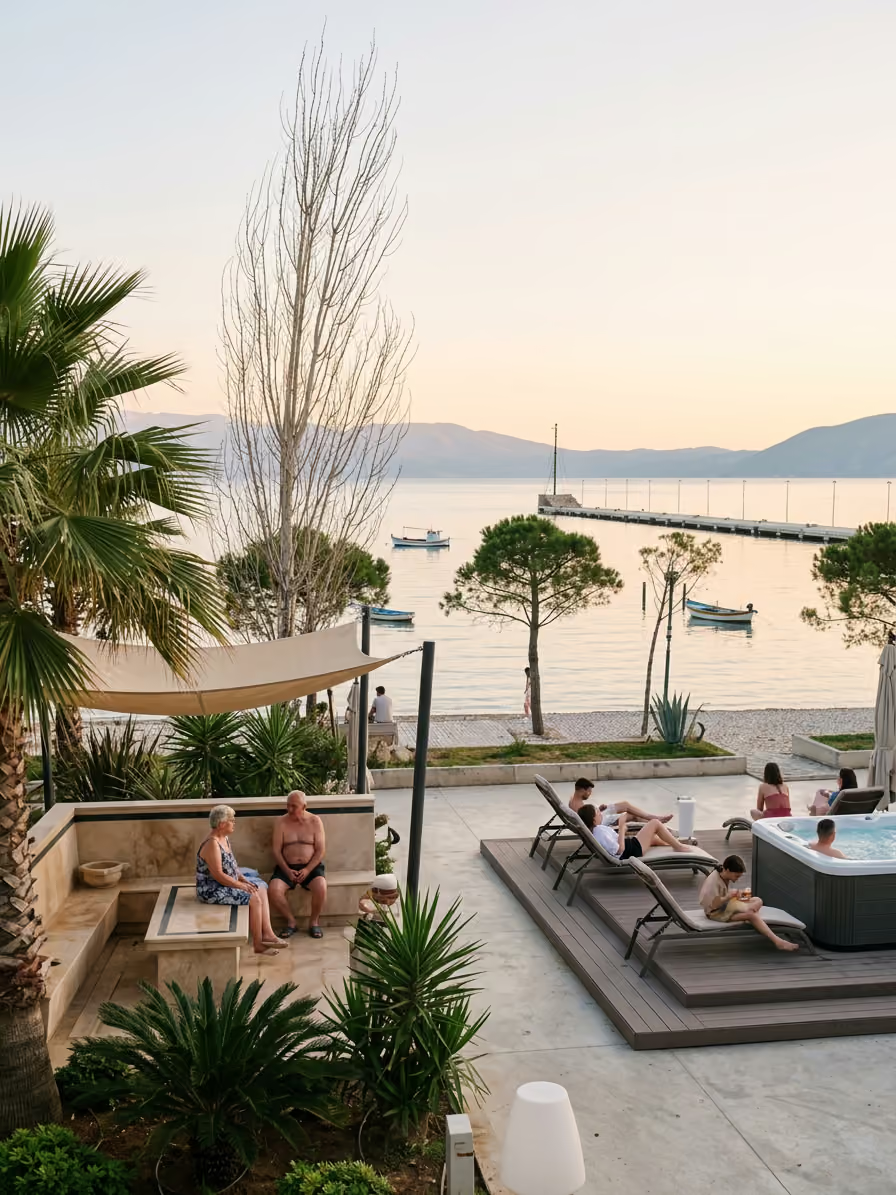
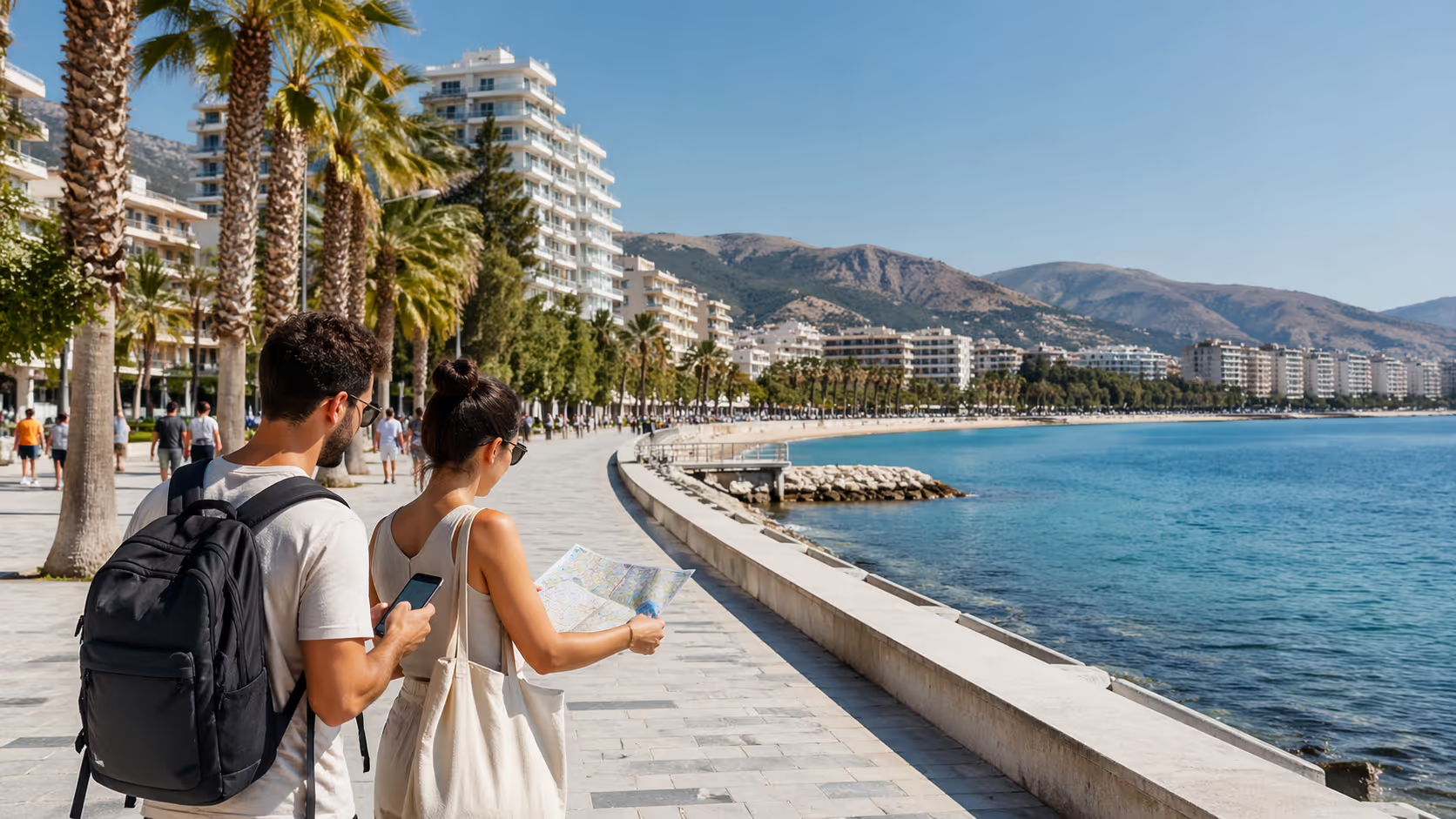
A seaside winter walk in Vlore often leads travelers to choose between intense local steam scrub rituals and gentle modern hotel spa treatments.





A hammam is a steam bath ritual with heat, washing, exfoliation, foam, and rest. It is not just a massage, and in Vlorë it sits between Ottoman-influenced bathing culture, beach-town relaxation, and newer hotel spa habits.
If you want the quick answer, choose a local-style hammam for cultural feel, a stronger scrub, and lower prices. Choose a modern spa near the Lungomare or hotel zone if you want privacy, English-speaking staff, card payment, aromatherapy, and a softer experience.
A hammam, often called a Turkish bath, comes from a long bathing tradition shaped by Roman baths, Byzantine thermae, and Ottoman social life. The ritual usually moves through warm steam, time on heated stone, deep exfoliation with a kese mitt, foam washing, rinsing, and quiet rest. Sources on Turkish bath culture, such as Dervis and Saunologia, describe it as both a physical wash and a social ritual.
In Vlorë, this matters for more than spa tourism. The city sits on the Albanian coast, with Ottoman, Mediterranean, and modern resort influences all layered together. You feel that mix when you move from the old parts of town near Muradie Mosque, to the Lungomare, then south toward Uji i Ftohtë and the hotel strip.
Many newcomers arrive in Vlorë looking for the sea, slower days, and lower costs. After a few weeks, they learn that rest here has its own rhythm. It may mean a beach walk near Plazhi i Ri, strong coffee with a neighbor, a massage after a gym session, or a steam treatment after a windy winter week.
The local spa scene is not as formal as Istanbul, Budapest, or big resort towns. You will not find a hammam on every corner. You will find a mix of wellness salons, hotel spas, massage rooms, saunas, beauty studios, and some Turkish-style treatments offered inside modern spaces.
That is why it helps to understand the difference between a traditional hammam ritual and a modern spa version. If you know what each one offers, you can book with less stress. You can ask better questions, avoid awkward moments, and choose the right place for your body, budget, and comfort level.
The traditional side is about heat, water, touch, and ritual order. The modern side is about choice, privacy, design, and menu-style services. Neither is automatically better. They serve different moods.
For expats and remote workers in Vlorë, this topic comes up often after the first month. The body gets stiff from laptop work, the skin dries from sun and salt, and the nervous system needs a reset. A good hammam or spa session can be a practical form of maintenance, not just a treat.
Retirees often ask about gentler massage, steam room safety, and clean facilities. Digital nomads ask about prices, booking apps, and whether staff speak English. Couples ask if they can book together. Women often ask about privacy, modesty, and female attendants.
The honest answer is local practice varies. Some places feel casual and neighborhood-based. Some feel polished and hotel-like. Some offer a Turkish bath by name, yet the service may be closer to a steam room plus massage.
Your best move is to know the ritual before you go. Once you know what kese, foam massage, and the heated stone mean, you can tell whether a place offers a real hammam-style treatment or only borrows the name.
The easiest way to compare them is to look at purpose. A local-style hammam is built around cleansing and shared ritual. A modern spa is built around comfort, privacy, and choice.
Traditional hammams grew as places for washing, social bonding, and renewal. The Ottoman hammam was not only a hygiene space. It was part of daily life, family events, and community rhythm.
Modern spas borrow the best-known parts of the hammam, then adapt them. They may offer steam, scrub, foam, massage, scented oils, facials, sea salt treatments, body wraps, and quiet music. The experience becomes more private and easier for first-timers.
In Vlorë, a local version may not look like a grand domed bathhouse. It may be a simple wellness center, a sauna space, or a treatment room with a Turkish-style scrub. A modern version is more likely to sit inside a hotel, a larger beauty center, or a spa near the coastline.
The biggest difference is control. In a traditional ritual, the sequence is fixed and led by an attendant. In a modern spa, you choose the package, pressure level, oil scent, treatment length, and add-ons.
Here is a practical comparison for Vlorë newcomers.
| Aspect | Local-style hammam | Modern spa or hotel hammam |
|---|---|---|
| Main purpose | Cleansing, exfoliation, ritual reset | Relaxation, comfort, private wellness |
| Setting | Simple, shared, sometimes old-school | Designed rooms, music, low lighting |
| Flow | Steam, scrub, foam, rinse, rest | Menu-based, with add-ons |
| Social feel | More communal, less private | Private or semi-private |
| Price style | Lower base price, cash common | Higher packages, card more likely |
| Language | Albanian may dominate | English more likely in hotels |
| Best for | Cultural feel and strong scrub | Couples, first-timers, privacy |
| Risk | Less explanation before treatment | Upsells and higher total cost |
A local-style hammam can feel direct. You arrive, change, heat up, get scrubbed, get rinsed, then rest. The attendant may not explain every step. That can feel strange if you are used to Western spa intake forms and soft voices.
A modern spa feels more familiar to many expats. You might book by phone or Instagram, choose a package, fill in a short form, and pay at reception. The room will feel calmer, and the staff may explain the treatment in English.
The local route is better if you want the old ritual, real exfoliation, and value. It is a strong choice after beach season, when salt, sunscreen, and sweat build up on the skin. It can also be good in winter, when Vlorë feels damp and the body craves heat.
The modern route is better if you want low stress. If you are shy about shared spaces, unclear dress rules, or firm touch, choose a spa package first. You can ask for lighter pressure and skip parts that make you uneasy.
A common misconception is that modern means fake. That is not fair. Sources that compare traditional hammams and modern spas, including Felicity Hammam, point out that many modern versions keep the core ritual. They simply adjust it for privacy, booking ease, and comfort.
Another misconception is that local means dirty or unsafe. That is not fair either. A simple place can be clean and well run. A glossy place can still rush service or push add-ons.
In Vlorë, judge by practical signs. Look for clean towels, dry changing areas, clear prices, staff who answer direct questions, and a calm flow at reception. If the place cannot explain what is included, do not book a long package.
A classic hammam session has a sequence. Once you know the order, the experience feels much less mysterious. It also helps you compare menus in Vlorë, since many places use different words for the same steps.
You usually start by changing into swimwear, disposable underwear, or a towel wrap. Local norms vary by place, gender setup, and private room policy. Ask before you arrive, since assumptions can lead to awkward moments.
The next step is heat. You sit in a steam room or warm chamber, or lie on a heated marble platform called a göbek taşı. In the traditional Turkish setting, this heated stone is central to the ritual. It warms the body and softens the skin.
The warming stage often lasts 15 to 30 minutes. First-timers should not try to prove anything here. If you feel dizzy, step out, sit down, and drink water.
After warming comes the kese scrub. Kese is a coarse mitt used to rub away dead skin. This is the part people remember most.
A good scrub can feel intense, yet it should not feel like injury. Your skin may look red for a short time. It should not sting badly, burn, or break.
Then comes the foam wash. The attendant creates soap foam, often from a cloth bag, then spreads it across the body. This part is usually softer and more relaxing than the scrub.
Some versions include a short massage during the foam stage. Others keep massage separate. In a modern spa, the Turkish bath may be followed by a 30, 45, or 60 minute massage with oil.
After foam, you rinse. In a traditional bath, water is poured from bowls near marble basins. In modern spas, showers are more common.
The session ends with rest. This is not a throwaway step. The body needs a few minutes to cool down and settle.
In a local setting, rest may include tea, water, or quiet sitting. In a hotel spa, it may mean a relaxation room with loungers. In Vlorë, it might be as simple as sitting near reception until your breathing feels normal again.
Here is the usual order.
Do not schedule a hard workout right after. Do not rush to a heavy meal. If you are near the Lungomare, take a slow walk by the sea and let your body cool naturally.
For remote workers, a hammam works best late afternoon or early evening. You can finish laptop work, take the treatment, then eat a light dinner near Plazhi i Ri or along the promenade. Going straight back to video calls ruins the reset.
For beach days, book after swimming, not before. Scrubbed skin can be more sensitive to sun. If you plan to sit at the beach near Uji i Ftohtë, save the scrub for later in the day.
For winter, a steam and massage session can be one of the best low-key comforts in Vlorë. The city can feel quiet outside summer. A warm treatment breaks the week and helps with damp-weather stiffness.
Vlorë does not have a single public price standard for hammams. Menus change by season, location, staff, and whether the place serves locals, tourists, or hotel guests. Since clear Vlorë-wide data is limited, Turkish hammam benchmarks are useful as a sanity check.
Research from Turkish bath guides places local hammam-style sessions at roughly 10 to 30 euros for basic entry, scrub, and foam services. Modern hotel-style packages often run from about 30 euros to 100 euros or more. In Albania, you should think in lek at the counter, since most local businesses prefer local currency.
Using a simple planning range, a basic local-style scrub or steam experience in Vlorë may sit around 1,000 to 3,000 lek. A longer massage can land around 2,500 to 5,000 lek. A hotel spa package with Turkish-style elements, massage, sauna, and add-ons may run from 4,000 to 10,000 lek or more.
Treat those numbers as planning ranges, not official prices. Always ask what is included. A cheap base price can rise once scrub, foam, towel, massage, and access time are added.
Here is a practical breakdown.
| Service type | Planning range in Vlorë | What to check |
|---|---:|---|
| Steam or sauna access | 800 to 2,000 lek | Time limit, towel, shower access |
| Kese scrub only | 1,000 to 2,500 lek | Gender of attendant, pressure level |
| Foam wash or foam massage | 1,500 to 3,500 lek | Length, soap type, privacy |
| Basic local-style hammam package | 2,000 to 4,500 lek | Steam, scrub, foam, rest |
| Relaxation massage, 30 minutes | 1,500 to 3,000 lek | Pressure, oil, room privacy |
| Relaxation massage, 60 minutes | 2,500 to 5,500 lek | Therapist training, full body policy |
| Hotel spa package | 4,000 to 10,000 lek or more | Pool, sauna, massage, tax |
| Couples treatment | 7,000 to 16,000 lek or more | Same room, timing, privacy |
Season matters. In July and August, coastal hotels near the Lungomare, Uji i Ftohtë, and the road toward Radhimë can charge more. In winter, some spas may run quieter weekday offers.
Cash still helps. Many local salons and wellness spaces in Albania prefer cash, even when card payment is possible. Keep smaller notes, such as 500 and 1,000 lek, for tips or small add-ons.
Ask direct questions before booking. Use simple English or translation if needed.
Try these phrases:
“Is the scrub included?”
“How many minutes is the massage?”
“Is the room private?”
“Do I need swimwear?”
“Is the attendant male or female?”
“Can I pay by card?”
“Is sauna access included after the massage?”
If a place gives vague answers, book a shorter service first. A 30 minute massage tells you a lot about cleanliness, timing, and staff style. You can return for a full hammam package later.
Watch for package math. A 6,000 lek package may be fair if it includes steam, scrub, foam, massage, towels, tea, and a clean rest area. It is less fair if it means only a short steam and rushed rubdown.
Tipping is not as rigid as in the United States. If the therapist is skilled and the service is personal, a small tip is appreciated. For a local massage, 200 to 500 lek is often a kind gesture. For a higher spa package, you can tip more if the service was strong.
Do not bargain in a hotel spa reception. Do ask if there is a weekday rate, resident rate, or off-season offer. In smaller local places, asking for the price in advance is normal.
For residents, value often comes from repeat visits. If you find a reliable therapist near your apartment in the city center, near Skelë, or close to Plazhi i Ri, ask about a package of multiple massages. Some places will offer a better rate for regular clients.
The right choice depends on your comfort level, health needs, budget, and goal for the day. A tired body after travel needs a different treatment than stiff shoulders after a month of laptop work. A retiree with blood pressure concerns needs a different plan than a healthy swimmer after a long beach day.
If you are new to Albania, start modern. A hotel spa or clear menu-based wellness center gives more predictability. You are more likely to get English support, a clear time slot, and a private room.
If you already feel comfortable in Vlorë, try a local-style scrub and foam service. It may feel less polished, but it can be more memorable. You will understand a piece of regional bathing culture that a normal massage cannot show.
For remote workers, the most useful service is often not the full ritual. It is a 60 minute back, neck, and shoulder massage, with steam before or after. Long hours in cafés near the Lungomare or apartment work setups in Skelë can create tight hips, neck tension, and wrist strain.
For retirees, keep heat moderate. Steam rooms and hot stones can feel wonderful, but they can strain people with heart conditions, blood pressure issues, or dizziness. Speak with your doctor if you have health concerns.
For couples, modern spas are easier. Traditional hammams are often gender-separated, and shared mixed sessions may not be available. Hotels near the beach area are more likely to offer couples rooms or timed private access.
For solo women, ask about female therapists and privacy. This is normal. Good places will answer without making you feel difficult.
For men, do not assume every massage room offers every type of service. Keep communication clean and respectful. A professional spa is not a nightlife venue.
For families, check age rules. Children may not be allowed in steam areas. Teens may need a parent present. Hotel spas can be stricter than neighborhood wellness places.
For people with sensitive skin, skip harsh scrubs after sunburn. Vlorë sun can be strong, especially from June to September. A kese treatment over burned shoulders is a bad idea.
For people who wax, shave, or use retinol products, time your scrub carefully. Freshly shaved skin can sting. Facial exfoliation needs care if you use active skincare.
Here is a simple choice guide.
| Your situation | Better choice | Why |
|---|---|---|
| First week in Vlorë | Modern spa | Less guesswork |
| Tight budget | Local-style service | Lower entry cost |
| Need strong exfoliation | Local-style hammam | Kese is the focus |
| Want couples privacy | Modern hotel spa | Easier booking |
| Nervous about nudity | Modern spa | Clearer dress rules |
| Want cultural feel | Local-style hammam | More ritual-based |
| Need deep relaxation | Modern spa package | More time and add-ons |
| Staying near Lungomare | Modern or hotel spa | Shorter taxi ride |
| Living near city center | Local salon or wellness center | Easier repeat visits |
A mini case helps. Imagine a remote worker living near Plazhi i Ri. She works from home most days, walks the promenade at sunset, and feels constant shoulder tension. Her best first booking is a 60 minute massage at a clean spa within walking distance, then a steam add-on if available.
Now imagine a retiree living near the old town who wants a cultural experience. He should ask a local contact or neighbor for a trusted bath or scrub service. He should book a shorter session, avoid intense heat, and rest afterward with water.
Now imagine a couple visiting for a month in July. They want a calm day away from beach crowds. Their best bet is a hotel spa south of the Lungomare, booked one or two days ahead. They should ask if the Turkish-style ritual is private and if the massage is in the same room.
The more you match the treatment to your real life, the better the result. Do not book the fanciest menu just to feel you did Vlorë properly. Book what your body needs that week.
Booking spa services in Vlorë is usually simple, but not always formal. Some places use websites. Many use Instagram, WhatsApp, Facebook, phone calls, or walk-ins.
For modern spas, book ahead during summer. July and August can be busy, especially near hotels and beach areas. Rainy days can fill up too, since beach plans change fast.
For local salons and massage rooms, same-day bookings may work. Still, do not assume. A good therapist may have regular clients and limited slots.
Use a short message when booking. Say the service, day, time, number of people, and language need. If you need a female therapist, say that before arrival.
A useful message is:
“Hello, do you have a 60 minute relaxation massage today after 17:00? One person. English is better if possible. What is the price in lek?”
For hammam-style services, add:
“Does the price include steam, kese scrub, foam wash, towel, and rest time?”
If you are booking for two people, ask:
“Can two people book at the same time? Is it a private room?”
Arrive 10 to 15 minutes early. Albanian service culture can be flexible, yet spas run better when clients arrive calm and ready. If you arrive late, you may lose treatment time.
Bring swimwear if you are unsure. Bring flip-flops for wet areas. Bring your own hair tie, face cleanser, and clean clothes for after.
Do not bring valuables if you do not need them. Small spas may have lockers, but not always. A phone, keys, and cash are enough.
Drink water before and after. Avoid alcohol before steam. A raki lunch followed by a hot room is not a smart wellness plan.
Eat lightly. A heavy meal before a hammam can make steam uncomfortable. A small snack one hour before is better.
Tell the therapist if you have injuries. Use clear words like “neck pain,” “lower back,” “no strong pressure,” or “not the stomach.” Point to the area if language is limited.
During the treatment, speak up. “Softer please” is enough. You do not need to suffer through intense pressure to be polite.
After the treatment, move slowly. Your body may feel loose, sleepy, or lightheaded. Sit for a few minutes before walking back to the promenade or calling a taxi.
Etiquette matters. Keep phones silent in shared spaces. Do not take photos in changing areas, steam rooms, or near other guests. Treat the hammam as a ritual space, not a content set.
Modesty rules can vary. In some places, swimwear is expected. In others, a towel or disposable underwear is normal. Ask first and follow the house rule.
Gender setup can vary too. A traditional hammam may separate men and women by room or time. A modern spa may offer mixed couples treatments. Do not assume either model.
Cleanliness checks are simple. Towels should smell fresh. Floors should not feel slimy. Massage tables should have clean covers. Staff should wash hands or use clean materials between clients.
If anything feels off, leave politely. You can say, “I am sorry, I will not continue today.” Your comfort matters.
For residents, build a short list of trusted places. Keep one budget massage option near home, one nicer spa for guests, and one hotel-style place for winter relaxation. Ask other residents for current recommendations, since staff and ownership can change.
This is where community helps. Vlore Circle shares practical local guidance from people who live here year-round. If you want current recommendations and real experiences, Join the community.
Vlorë is spread along the sea, so location changes the feel of the spa experience. A place near the Lungomare will serve a different mix of clients than a small wellness room near the city center. A hotel spa toward Uji i Ftohtë or Radhimë may feel more resort-like.
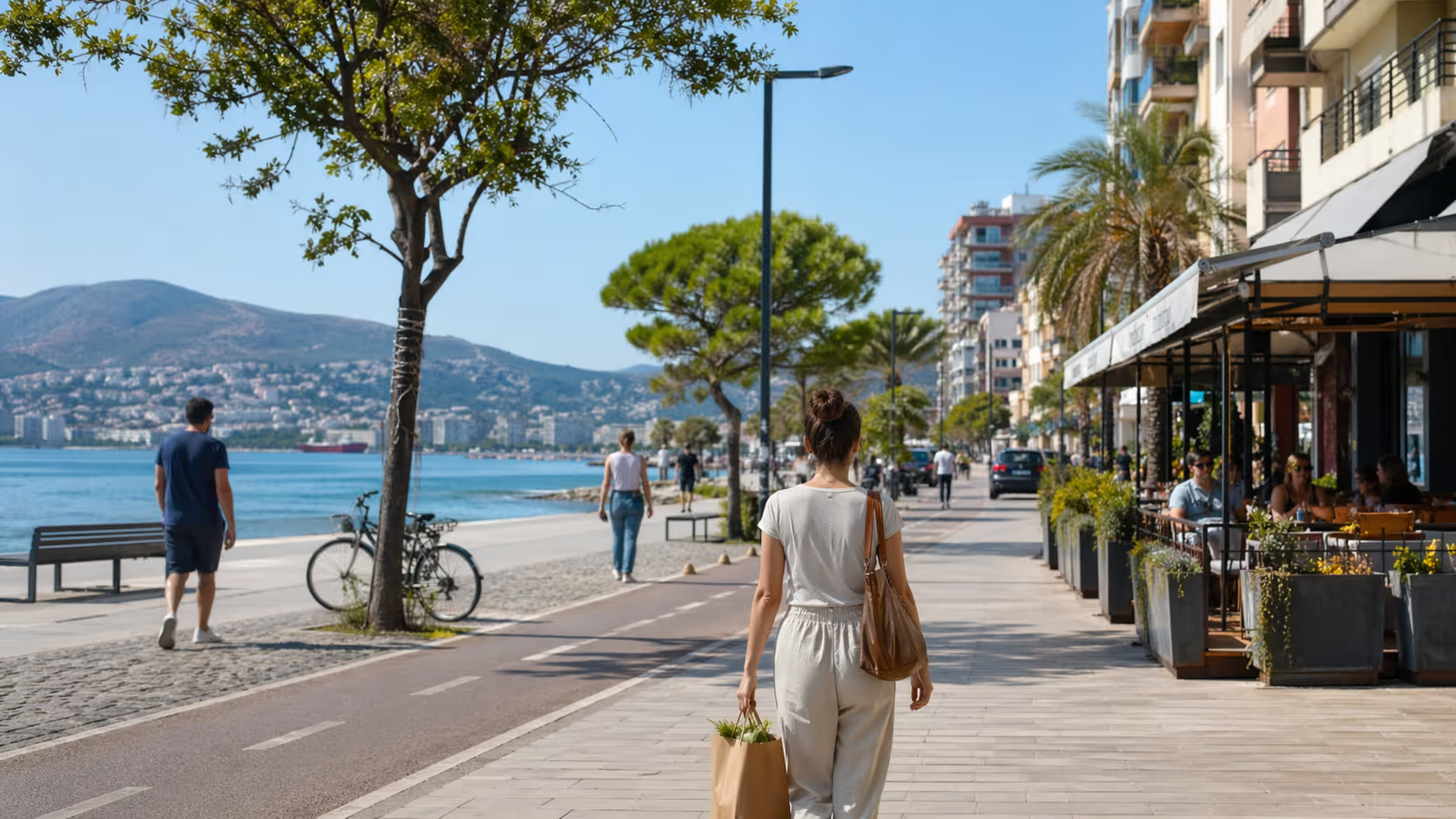
The Lungomare area is the easiest zone for newcomers. It has hotels, cafés, gyms, salons, and beach access close together. If you are staying near Plazhi i Ri, you can often walk to a massage or spa appointment.
This area suits remote workers and couples. You can finish work, take a treatment, then walk by the sea before dinner. It is also easy to explain your location to a taxi driver.
Uji i Ftohtë and the southern coastal road are better for hotel-style spa days. Many properties in this direction target visitors who want sea views, pools, and package services. Prices may be higher, but privacy and design are often better.
This zone suits couples, guests, and anyone who wants a full afternoon reset. It is less handy if you live near the city center and do not want taxi costs.
The city center and Skelë area can be better for regular massage. You may find smaller salons, physiotherapy-style rooms, beauty centers, and wellness services used by residents. These places may not look luxurious, but they can offer fair prices and repeat-client trust.
This zone suits long-stay expats. If you live nearby, convenience matters. The best massage is often the one you can book every two weeks without turning it into a major plan.
Old town and historic areas add cultural context. Vlorë has Ottoman-era markers, including Muradie Mosque, and older street patterns around the center. You may not find a grand historic hammam operating in the same way as Istanbul, but the cultural memory of Ottoman bathing gives meaning to Turkish-style services.
For a hammam-style ritual, ask local residents, hotel reception, gym staff, and long-stay expats. Search terms alone may not be enough. Some businesses use “spa,” “wellness,” “sauna,” “massage,” or “Turkish bath” loosely.
Good search phrases include:
“hammam Vlore”
“Turkish bath Vlore”
“spa Vlore Lungomare”
“massage Vlore Plazhi i Ri”
“sauna Vlore”
“hotel spa Vlore”
“wellness center Vlore”
Then verify by message or call. Ask what the hammam includes. If they only have a steam room, it is not a full hammam ritual.
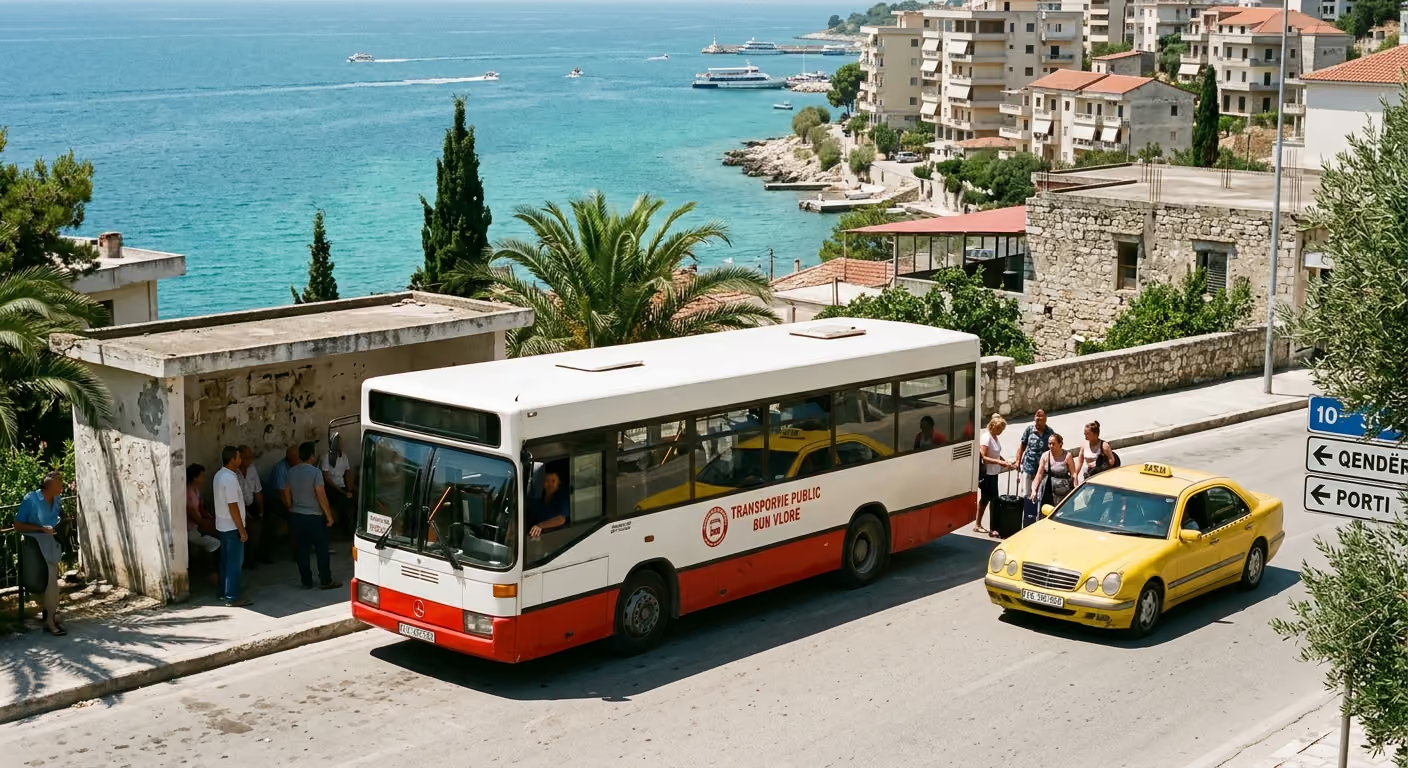
If you are staying outside town, such as Radhimë, Orikum, or along the coastal road, check hotel spas first. Transport can be the real cost. A cheaper city massage loses value if you spend extra time and money getting there.
Parking can be difficult near the promenade in summer evenings. If your appointment is after 18:00 in July or August, walk or take a taxi if possible. In winter, parking is easier, but some places reduce hours.
The neighborhood choice should match your day. For a quick weekday shoulder massage, stay near home. For a full hammam, sauna, and dinner plan, choose the coast. For a cultural feel, ask around the center and old areas.
A hammam can make you feel lighter, cleaner, calmer, and more at home in your body. That does not mean it cures medical problems. Treat it as a relaxation and skin-care ritual, not a medical treatment.
Common benefits include softer skin, muscle relaxation, a feeling of improved circulation, and mental calm. Turkish bath sources such as Felicity Hammam describe hammams as linked with detoxification, skin cleansing, and relaxation. Modern wellness sources connect spa rituals with mindfulness and stress reduction.
Be careful with the word detox. Your liver and kidneys handle detox work every day. Steam makes you sweat, and exfoliation cleans the skin surface. That can feel renewing, but it is not a magic reset.
The skin benefit is the easiest to see. A strong kese scrub removes dead skin cells. After beach season in Vlorë, this can feel dramatic, especially if sunscreen and salt have built up.
The muscle benefit comes from heat and massage. Warmth can reduce the feeling of stiffness. Massage can calm tight areas and help you notice tension patterns.
The mental benefit comes from ritual. You put the phone away, enter a warm room, let someone else lead the sequence, and slow down. For people living abroad, that pause can feel powerful.
There is a cultural benefit too. A local-style hammam connects you to a wider regional habit of bathing as care, not speed. It reminds you that rest can be communal and structured.
Modern spas offer a different mental benefit. Privacy, quiet music, aromatherapy, and controlled lighting can help people who feel anxious in shared spaces. The body relaxes faster when the mind feels safe.
Medical caution matters. Avoid strong heat if you have uncontrolled blood pressure, serious heart issues, fainting history, fever, or acute illness. Pregnant clients should ask a medical professional and tell the spa before booking.
Avoid deep massage over injuries, inflamed joints, varicose veins, or fresh bruises. If you have a skin infection, open cut, or rash, postpone the treatment. Shared wet areas need respect for everyone.
Do not scrub sunburned skin. Vlorë sun can catch newcomers fast, especially along the beach near midday. Wait until redness and tenderness are gone.
Do not combine steam with heavy alcohol. This is common sense, but it matters in a city where long lunches and raki are part of social life. Hydrate first and save drinks for later.
The reality check is simple. A hammam will not fix burnout from bad work habits. A spa day will not replace sleep, movement, community, or a sane schedule. It can give your body a clean break, then you still need to change the week that made you exhausted.
Living in Albania can look romantic from the outside. Sea views, low winter light, fresh fish, and sunset walks are real. So are power cuts in some buildings, language gaps, summer traffic, unclear opening hours, and the slow work of building a social circle.
A hammam fits the real version of Vlorë life. It is one tool for staying well in a place that is beautiful and imperfect. Use it with realistic hopes, and it will serve you better.
Spa etiquette in Vlorë mixes Albanian hospitality, Mediterranean directness, and the service style of each business. People are often kind, but not always formal. You may get warmth without a polished script.
Do not expect every treatment to start with a long consultation. In smaller places, staff may ask only basic questions. If you need something, say it clearly at the start.
Albanian communication can be direct. If an attendant tells you to sit, turn, rinse, or wait, it may sound blunt in English translation. It is usually practical, not rude.
Language can be a barrier outside hotel spaces. Younger staff may speak English or Italian. Older staff may speak Albanian only. Google Translate helps, but keep requests short.
Modesty can feel different from what you are used to. Some clients are relaxed in wet areas. Others are covered. The safest path is to follow staff instructions and keep a towel or swimwear until told otherwise.
In a traditional hammam, being scrubbed can feel very hands-on. This is normal within the ritual. Still, professional boundaries matter. If touch feels wrong, stop the treatment.
Noise levels vary. A modern spa should be quiet. A local wet area may have talking, water sounds, doors, and echoes. If you need silence, book a private spa room.
Do not compare every detail to luxury spas in London, Dubai, or New York. Vlorë is still developing its year-round wellness offer. You can find good service, but not every place will match international luxury standards.
At the same time, do not accept poor hygiene. Local does not mean careless. Clean towels, clean surfaces, clear boundaries, and fair timing are basic.
One small cultural point matters. Treat the hammam with respect. It is linked to centuries of bathing culture across the region. It is not a novelty act for tourists to laugh through.
If you are going with friends, keep the mood calm. Save loud stories for coffee after. Shared spa spaces work best when everyone lowers the volume.
Afterward, many people like to sit with tea or water. If no rest area exists, take your time outside before rushing into traffic. The body needs a slow return.
A good post-hammam plan in Vlorë is simple. Walk along the Lungomare at sunset, eat something light near Plazhi i Ri, then go home early. The ritual works best when the evening stays soft.
The best value in Vlorë is not always the cheapest scrub or the fanciest hotel package. It is the place you trust enough to return to. Regular care beats one expensive spa day every few months.
Our host tip from the Vlore Circle community is to book a short service before committing to a full package. Try a 30 minute massage, a sauna visit, or a basic scrub first. If the space is clean, the timing is fair, and the staff listen, then book the longer hammam-style ritual.
Ask residents, not only hotel desks. A hotel desk may suggest its partner. A long-stay resident can tell you who gives a strong massage, who runs late, and who is worth the higher price.
If you live near the Lungomare, build a simple wellness route. Gym or walk first, massage second, dinner third. If you live near the city center, find a nearby therapist for regular shoulder and back work.
For a more cultural feel, ask Albanian friends about Turkish bath traditions and family spa habits. You may learn more over coffee than from a search result. Local memory matters here.
For newcomers, the safest first question is: “What exactly is included?” This one line prevents most problems. It tells you whether “hammam” means full ritual, steam only, scrub only, or massage package.
Do not let embarrassment stop you from asking about underwear, towels, and therapist gender. Staff hear these questions often. Clear questions make the appointment easier for both sides.
If you are sensitive to pressure, say it before the scrub starts. The kese can be stronger than expected. A good attendant can adjust.
If you love firm treatment, say that too. Some modern spas go very gentle with foreign clients. A clear request helps.
For budget control, carry cash and set the service before entering the room. Do not add treatments during the session unless you know the price. Upsells feel less awkward when you are prepared.
For the best seasonal timing, book hammam-style scrubs after summer sun calms down. Late September, October, and winter are excellent times. Your skin has recovered, the city is quieter, and the heat feels better.
For social connection, pair wellness with community. Invite one person from a meetup for coffee after a spa visit, not into the treatment room. It turns self-care into a real local routine.
If you are still building your Vlorë life, Join the community. Vlore Circle helps residents share practical tips, meet offline, and learn how the city works beyond the tourist surface.
Vlorë has Ottoman history and Turkish-style wellness influences, but it is not known for a large operating historic hammam scene like Istanbul. Expect modern spas, hotel wellness areas, massage studios, saunas, and some hammam-style treatments rather than a wide choice of old bathhouses.
It can be, if you avoid harsh scrubbing and tell the attendant in advance. Do not book a kese scrub over sunburn, fresh shaving irritation, open cuts, or active rashes. Ask for light pressure and skip scented products if your skin reacts easily.
Bring one unless the spa tells you otherwise. Some places expect swimwear in wet areas. Others provide disposable underwear or towel wraps. Ask before arrival, especially for hammam, sauna, or couples bookings.
Not always. Local-style services are better for ritual, strong exfoliation, and lower cost. Modern spas are better for privacy, couples treatments, English support, and add-ons. Choose by comfort, not by status.
Follow Vlore Circle for fresh guides, local updates, and community notes around life in Vlorë. It is the easiest way to stay close to what we are building.

Be part of a growing community built around connection, local life, and a better experience of Vlorë.
join the circle