Representative image

Many visitors assume Vlorë is just another beach town, but diverse landscapes and strict drone rules demand careful planning.





Vlorë photography centers on documenting the intersection of Ottoman history and rough coastal geography. You must secure civil aviation approval for drones and shoot coastal landscapes during true golden hour to avoid harsh Mediterranean glare.
Navigating the local layout requires understanding both the visual opportunities and the practical limitations of the city. The coastal light changes rapidly here. The city infrastructure presents specific challenges for photographers. We will break down exactly where to go and how to shoot Vlorë legally.
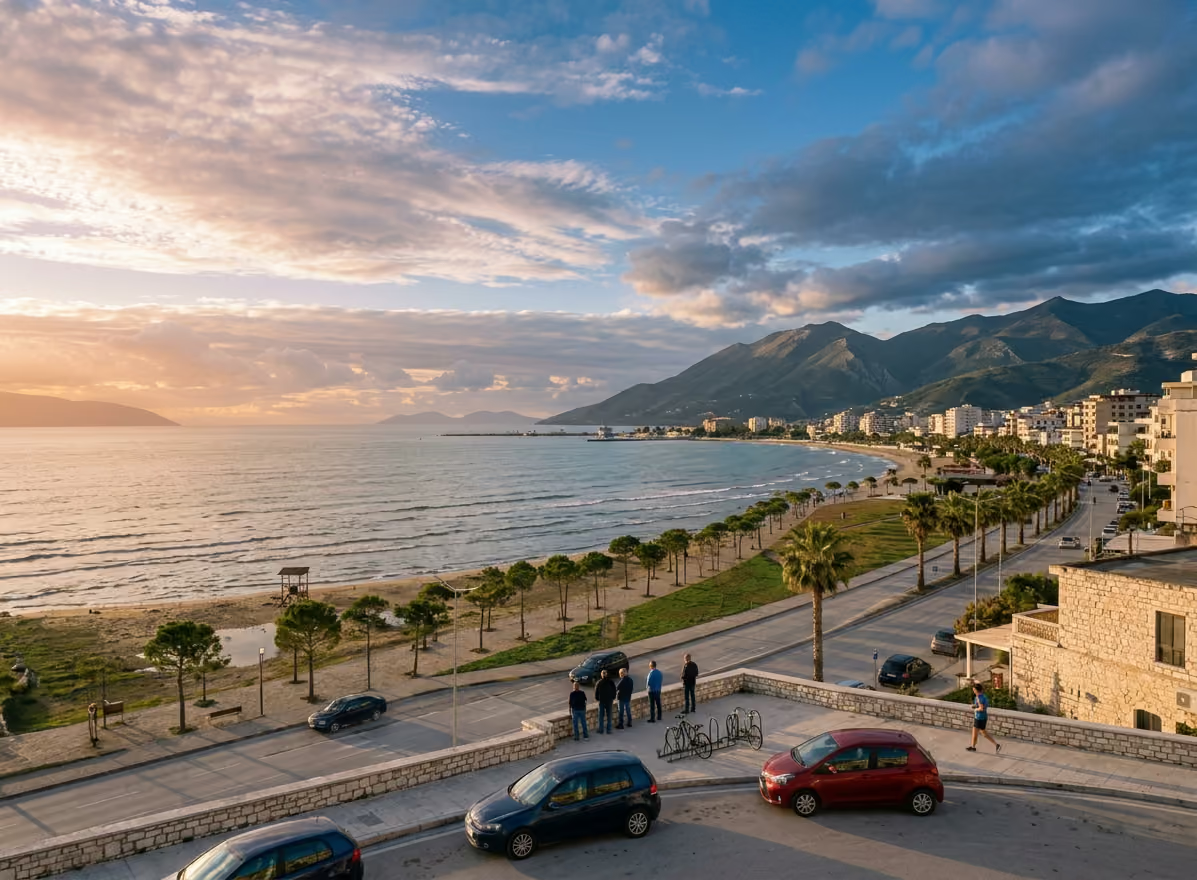
Vlorë sits exactly where the Adriatic Sea meets the Ionian Sea. This geographical position creates unique weather patterns and lighting conditions. The city marks the official start of the famous coastal Riviera route. Photographers come here to capture the sharp contrast between flat sandy shores and towering mountain ridges.
The city is undergoing a massive urban renewal project right now. You can photograph brand new luxury hotels standing directly next to abandoned communist-era bunkers. Capturing the streets today records a fast-moving transitional phase in local history. The traditional way of life still exists directly behind the modern seaside promenade.
The daily culture of Vlorë plays out entirely outdoors. People drink coffee on terraces from sunrise until late at night. Fishermen repair nets along the harbor walls all afternoon. These everyday moments provide endless material for street photography. You do not need to stage scenes when the local street life is this active.
The architectural mix offers diverse backdrops for different photography styles. You can shoot 16th-century stone mosques in the morning. You can shoot modern glass facades at noon. You can capture raw wilderness on the nearby peninsulas by sunset. The sheer variety of subjects within a ten-kilometer radius keeps cameras busy for days.
Kuzum Baba offers the most commanding panoramic perspective over the entire bay. This natural terrace sits on a high hill right above the city center. You can see the whole urban grid stretching out toward the water. A Bektashi tekke shares the hilltop and adds historical weight to the location.
The viewpoint area features a restaurant terrace and accessible walking paths. You can capture excellent images without buying a meal at the tables. The gardens provide natural frames of greenery around the distant cityscape. A wide-angle lens works perfectly here to capture the full sweep of the coastal curve.
You can reach the top of Kuzum Baba by walking up the steep stairs from the city center. A taxi ride offers an easier alternative for those carrying heavy camera equipment. The local road winding up the hill provides several secondary viewpoints along the way. Stop halfway up the road to get tighter shots of the downtown rooftops.
Dalan beach rests just outside the main city grid near the Zvërnec area. This area provides vast seascapes of the open Adriatic Sea. The flat coastline here creates perfect mirror reflections in the wet sand during low tide. Photographers visit this exact spot to capture minimalist beach scenes.
The shoreline lacks tall buildings to block the natural coastal wind. The water often chops up and creates dramatic white waves against the sand. You should bring a fast shutter speed approach to freeze the crashing water. Tripods sink easily in the wet sand here. Bring flat base plates for your tripod feet to keep your horizons level.
The modern lighthouse structure offers another layer of photographic opportunity. You can frame the tall tower against the setting sun over the water. The site includes remnants of historical naval bunkers and old firing control positions. These concrete military ruins offer grim foregrounds for beautiful oceanic backgrounds.
The lighthouse area gives you a direct line of sight toward Sazan Island. The island sits like a dark shadow on the horizon during the late afternoon. You will want a telephoto lens of at least 200mm to compress the distance between the lighthouse and the island. The sea mist often softens the horizon line in this direction.
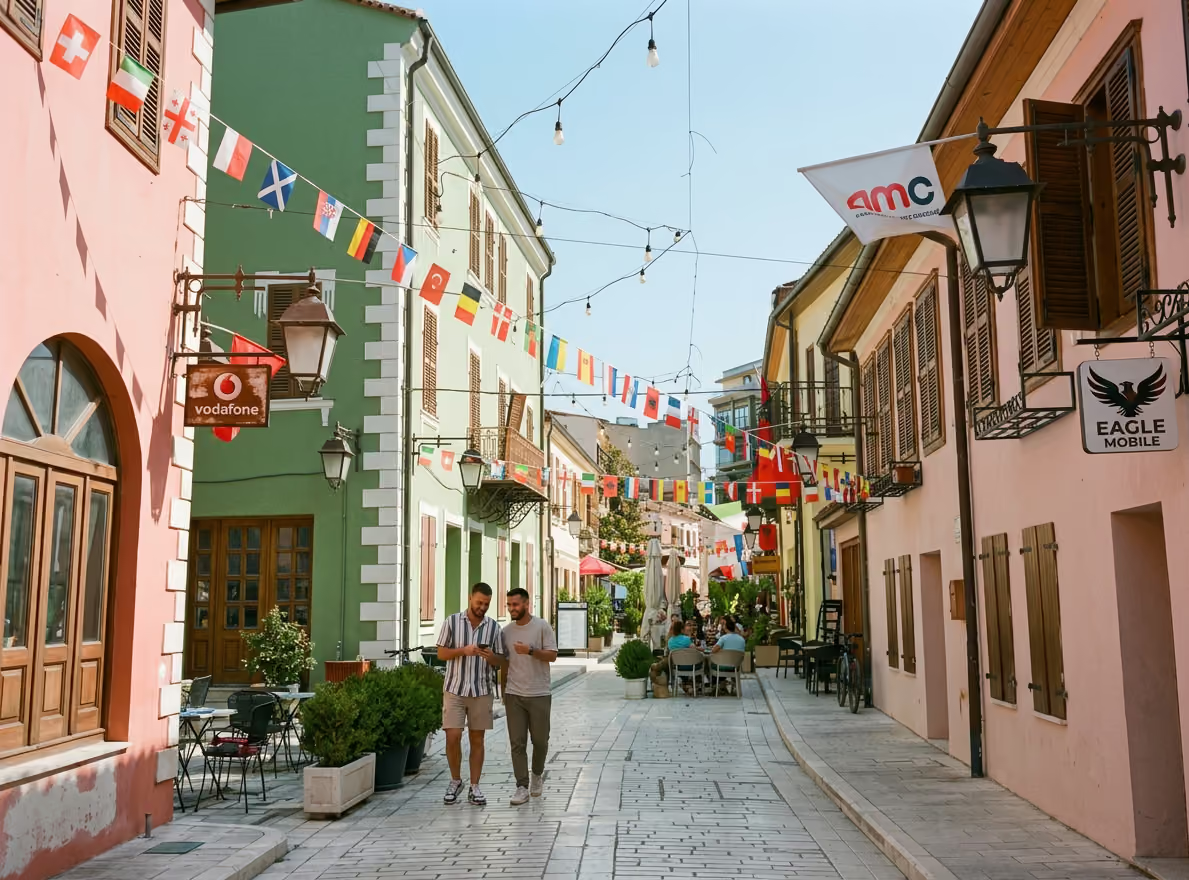
The historic Muradi neighborhood forms the old heart of Vlorë. This district recently underwent massive restoration to bring back its original colorful facades. Justin Godart Street serves as the main artery through this restored zone. The cobblestone streets and pastel buildings mimic classic Italian and Ottoman architectural blends.
Shooting the Old Town requires early morning visits. The local cafes open early and fill up with regulars by eight in the morning. You must arrive right at dawn to capture empty streets and clean architectural lines. The morning light warms up the painted facades perfectly.
The Independence Monument stands tall in the center of Flag's Plaza. This massive sculptural composition commemorates the nation's independence declaration on November 28 of 1912. The bronze figures depict Ismail Qemali and represent national unity. The scale of the monument makes it difficult to photograph in a single frame.
You will find the best angles by stepping back into the surrounding park area. The trees can frame the monument and block out the distracting street traffic behind it. Closer inspection reveals intricate textures in the bronze work. Try using a macro lens to capture the strong facial expressions of the sculpted figures.
The Muradi Mosque stands out as a prime subject in the historic center. Built in the 16th century, the structure features a single slender minaret. The beautiful stone carvings around the windows show incredible craftsmanship. A peaceful courtyard surrounds the building and separates it from the busy street noise.
The walls are made of alternating rows of stone and brick. This pattern creates a highly textured surface that catches side lighting beautifully. You should shoot the mosque when the sun is at a low angle to emphasize these textures. Pointing your camera straight up at the minaret against a blue sky creates a strikingly simple composition.
The Mediterranean sun dictates every aspect of your shooting schedule here. The light is incredibly harsh from late morning until late afternoon. The white stone buildings and the sea reflect the sun right back at your lens. You will battle intense glare and heavy shadows during the middle of the day.
True golden hour happens fast along the Albanian coast. The sun drops behind the Karaburun Peninsula long before it actually hits the sea level horizon. You lose direct sunlight earlier than your weather app predicts. You must calculate the mountain shadow into your sunset photography plans.
The path of the sun shifts drastically between summer and winter. In July the sun sets far to the northwest. This casts golden light completely across the main city beaches. In December the sun sets directly over the southern peninsula mountains. The winter light is much softer and lasts slightly longer.
Summer mornings offer clearer skies but intense heat distortion. The humidity rising off the water can blur distant subjects like Sazan Island. Winter mornings often feature dramatic cloud cover over the sea. The stormy winter weather creates perfect conditions for moody and dark coastal landscapes.
Visiting after the wet season guarantees much better water photography. The winter rains stop by late spring. The sea dirt settles and leaves crystal clear water around the rocky coves. The color of the Adriatic shifts from muddy green to bright turquoise during this transition.
You will need a circular polarizer filter to shoot into the water effectively. The filter cuts the surface glare and reveals the rocks beneath the waves. This is absolute basic gear for any coastal location in the region. Without a polarizer the sea just looks like a flat white mirror in your shots.
Flying a drone in Vlorë requires strict attention to national aviation laws and local military zones. Albania is not a lawless playground for aerial photography. The authorities take unauthorized flights near sensitive areas very seriously. You must navigate the legal framework before you launch your equipment.
The Albanian Civil Aviation Authority governs all unmanned aircraft operations. You cannot just pack a drone and fly it anywhere you want. The city hosts several active military and naval installations. Ignorance of these boundaries will result in equipment confiscation or severe legal trouble.
Here is the proper process for flying your drone legally in the area.
The Pashaliman Naval Base sits just south of the city. This is an active military zone. You cannot fly drones anywhere near this facility. The electronic jamming equipment in the area can cause immediate drone flyaways. Do not risk losing your gear or facing military police to get a better shot.
Sazan Island operates under heavy restrictions as well. The island contains ruins but still functions as a military outpost. You can visit the island on tourist boats. You absolutely cannot launch a drone from the island or fly over it from a boat. Stick to photographing the island with traditional ground cameras.
Standard tourist photography requires no special permits. You can walk the streets and photograph public monuments freely. Commercial productions with large crews and tripods tell a different story. If you block public walkways with light stands you will attract municipal police attention.
The Vlorë municipality tourism board handles requests for large commercial shoots. You should visit their office near the city center to discuss your project. They usually welcome projects that promote the city positively. Bringing a written summary of your project speeds up any informal permission requests.
Photographing the Muradi Mosque requires specific cultural respect. It is an active place of worship. You cannot just walk inside with a camera during prayer times. Wait outside until the prayers finish completely. Always ask the Imam or available staff before taking photos of the interior spaces.
Modest dress is required if you plan to shoot inside. Men must wear long pants. Women must cover their heads and shoulders. Do not use flash photography inside the mosque under any circumstances. The bright bursts of light damage the atmosphere and disrespect regular worshippers.
Albanian culture is highly hospitable. People often smile and pose when they see a camera. You should still ask before photographing vendor stalls or individuals up close. A simple nod or pointing at your camera usually gets a clear yes or no response.
Older residents often dislike having their photos taken without context. Do not treat locals as mere props for your travel portfolio. Buy a coffee or a piece of fruit before asking for a portrait. Building a small human connection yields significantly better portraits anyway.
Social media portrays Vlorë as a pristine and untouched paradise. The photos show empty beaches and perfectly clean cobblestone streets. The daily reality contrasts sharply with this romanticized idea. You will face plenty of logistical headaches trying to replicate those perfect shots.
Construction noise and dust are constant companions in the city. The entire coastline is undergoing heavy development. You will often frame a perfect sunset only to realize a massive yellow crane ruins the background. Many photographers spend hours cloning out construction debris in post-production.
The famous Zvërnec pine forest looks serene online. The reality involves navigating deeply rutted dirt roads to get there. Summer weekends bring thousands of cars to these supposedly quiet spots. You will struggle to find a clean frame without dozens of colorful beach umbrellas in the way.
Traffic jams define the summer experience on the Lungomare. The main coastal road barely moves during the hours just before sunset. If you plan to drive to a location for golden hour you must leave an hour early. Failing to account for the traffic means you will watch the best light fade from inside a taxi.
The coastal environment takes a heavy toll on camera bodies and lenses. The wind whips fine sand across the beaches constantly. This sand gets into focus rings and camera dials easily. The salt spray leaves a sticky film on the front of your glass.
You must wipe down your gear every single night. The summer heat often causes camera sensors to overheat during long video takes. You will find yourself retreating to air-conditioned cafes just to let your equipment cool down. The romantic idea of shooting all day rarely survives the reality of the midday heat.
Photography in Vlorë is relatively inexpensive compared to western Europe. You will rarely pay entry fees for viewpoints. Your main costs involve moving around the region. Public transport is cheap but highly unreliable for chasing fast-changing light.
Renting specialized camera gear locally is almost impossible. The city lacks dedicated rental houses for professional equipment. You must bring every lens and battery you might possibly need. Trying to buy a replacement polarizing filter or specific memory card here will prove very frustrating.
A standard furgon minibus ticket to the Zvërnec area costs about 100 Lek. These buses operate on loose schedules. A private taxi to the same spot provides better timing control and runs about 1500 Lek. You must negotiate the taxi price before getting directly into the vehicle.
Taking a taxi up the steep road to Kuzum Baba costs around 500 Lek from the center. Once at the top a coffee at the restaurant terrace costs 150 Lek. This small purchase buys you unlimited time to sit and photograph the bay. The value of this viewpoint is unmatched for the price.
Shooting from the water offers the best angles of the city skyline. Hiring a private speedboat for photography purposes requires negotiation. A standard tourist boat ride to Sazan Island sits around 2500 Lek per person. These boats follow strict routes and will not stop for your specific framing needs.
Chartering a small boat for a custom photography tour costs much more. You can expect to pay around 15000 Lek for a few hours. This allows you to dictate the speed and the angles. You can ask the captain to position the boat perfectly against the setting sun.
The Adriatic wind patterns dictate your shooting schedule heavily. The morning air usually stays still and calm. The water surface remains flat enough for reflection photography. The wind picks up reliably by two in the afternoon every single day.
This afternoon wind blows straight off the sea into the city. It carries a heavy load of salt moisture. If you change lenses on the promenade during this time you risk coating your sensor in salt. Always change your lenses inside your bag or step into a nearby doorway to block the wind.
The bright white stone used throughout the city center creates exposure nightmares. The camera meter struggles to balance the blinding stone against deep shadows. You will frequently blow out your highlights if you trust auto-exposure here. Setting your exposure compensation down slightly helps preserve the details in the white walls.
The sky often bleaches completely white in photos taken around noon. The sun is just too intense. You might consider shooting black and white during these harsh midday hours. The strong shadows and bright highlights look much more deliberate and artistic without the washed-out color data.
The mountains behind the city trap weather systems against the coast. You can shoot a sunny beach scene while a dark thunderstorm builds directly over the hills behind you. This contrast creates incredible background drama. You must watch the sky constantly and pivot your shooting plan as the clouds move.
A clear morning by the water does not guarantee a clear evening. The thermal updrafts pull moisture off the sea and create dense afternoon cloud cover. These clouds often clear just before sunset. Patience pays off heavily when waiting for the light to break through the evening cloud deck.
Join the community to find local shooting buddies who understand these sudden weather shifts. Members regularly share updates on the best current vantage points and road conditions.
We touched on the legalities earlier. Now we must address the practical reality of flying in this specific topography. The mix of high ridges and deep water creates challenging local flight conditions. You will face invisible dangers in the air above the coast.
The thermal columns rising near the Kuzum Baba hill can throw a small drone off balance quickly. The temperature difference between the sun-baked ground and the sea creates aggressive micro-weather pockets. You might launch in perfect calm and hit strong turbulence just fifty meters up.
The most iconic aerial shot of the region captures the transition from sand to mountain. You should fly just off the coastline facing south. This angle shows the beaches turning into the rocky southern cliffs. You want to keep the altitude relatively low to emphasize the height of the mountains.
Shooting straight down reveals the incredible color gradients in the water. The shallow sand looks bright yellow and fades into deep blue drops. The contrast looks surreal from a top-down perspective. Just watch out for seagulls. The local birds regularly attack drones flying near their nesting cliffs.
Flying over the city center requires extreme caution. The power grid involves thousands of thin unmarked wires crossing between buildings. These cables are completely invisible on a drone camera feed. You cannot rely on obstacle avoidance sensors to detect a single black wire.
Keep your urban flights restricted to wide open plazas or straight up-and-down paths. Do not attempt long horizontal sweeps through the residential blocks. The risk of snagging a cable and dropping your equipment on a car is very high. Stick to high overview shots of the historic roofs instead.
The main landmarks grab all the attention online. The best photography deeply hides in the residential blocks behind the promenade. The old neighborhoods step up the hills forming narrow layered streets. You can find incredible textures in the crumbling plaster and overgrown grapevines here.
The area around the old sports palace offers great brutalist architecture. The harsh concrete structures contrast beautifully with the warm Mediterranean sky. These areas see very few tourists. You can take your time framing shots without someone walking through your background every ten seconds.
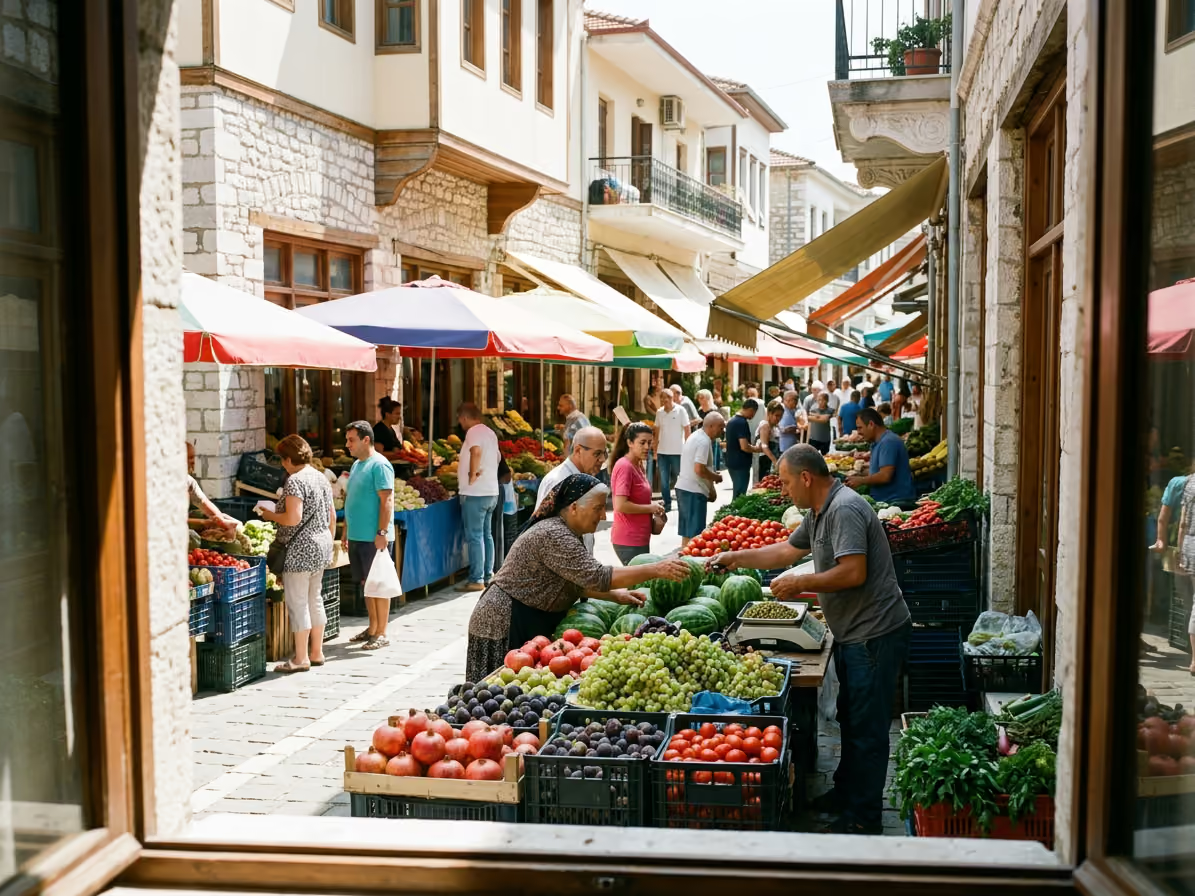
The small morning fish market provides brilliant documentary photography opportunities. The action happens fast and the characters are highly expressive. The silver fish catch the morning light against the dark wet tables. You must arrive around seven in the morning to catch the absolute peak energy.
The vendors are generally friendly but they are working hard. Stay out of their way. Use a longer lens like an 85mm to capture portraits without blocking the customers. The wet floors reflect the bright sky nicely. Watch your step as the tiles get incredibly slippery with fish ice.
Vlorë contains several remnants of its industrial past. Old factories sit quietly on the edges of the city limits. These empty buildings offer fantastic urban exploration photography. The broken windows frame the surrounding landscape in interesting ways.
You must exercise serious caution in these areas. Do not enter unstable structures or cross locked fences. You can capture plenty of industrial decay right from the public sidewalks. The contrast between these rust-covered sites and the shiny new developments tells the true story of modern Vlorë.
Always carry a microfiber cloth in your pocket to wipe salt spray off your lens at the promenade. The moisture builds up so slowly that you will not notice it until you review your blurry photos later. Check your front glass every fifteen minutes when shooting near the crashing waves.
You can fly over public beaches if you follow general safety altitudes and do not hover directly over crowds. Avoid the military zones completely. Always check the official aviation portal for temporary flight restrictions during your visit.
A standard 24-70mm lens covers almost everything you need. The 24mm end captures the tight alleys in the Old Town perfectly. The 70mm end works well for compressing the sunset against the lighthouse or catching details on the monuments.
Tripods are generally allowed at all public outdoor locations like Flag's Plaza and Kuzum Baba. You cannot use flash or tripods inside the Muradi Mosque. Commercial sized setups might draw questions from local police.
Violent street crime is extremely low here. You can carry expensive gear through the city safely. You should still apply basic common sense. Do not leave your camera bag unattended on the beach or visible in a parked rental car.
Follow Vlore Circle for fresh guides, local updates, and community notes around life in Vlorë. It is the easiest way to stay close to what we are building.

Be part of a growing community built around connection, local life, and a better experience of Vlorë.
join the circle